Wood Floor Sanding Across Swindon
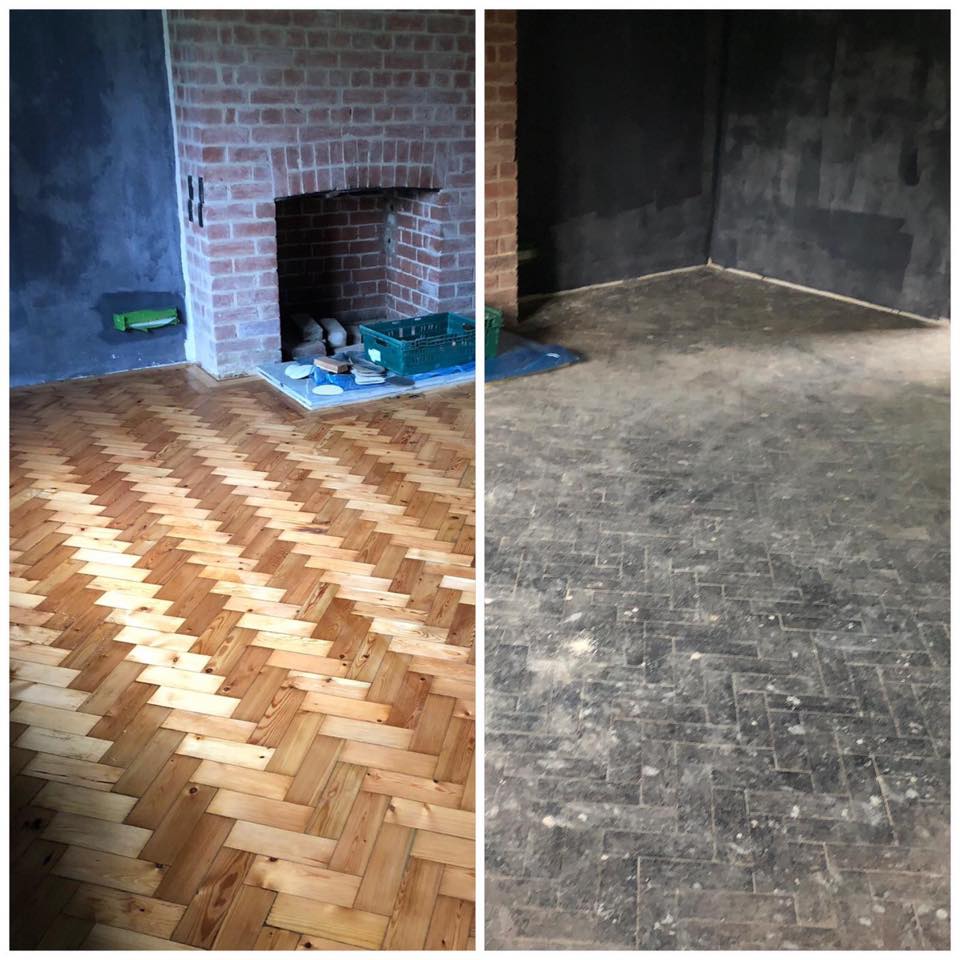
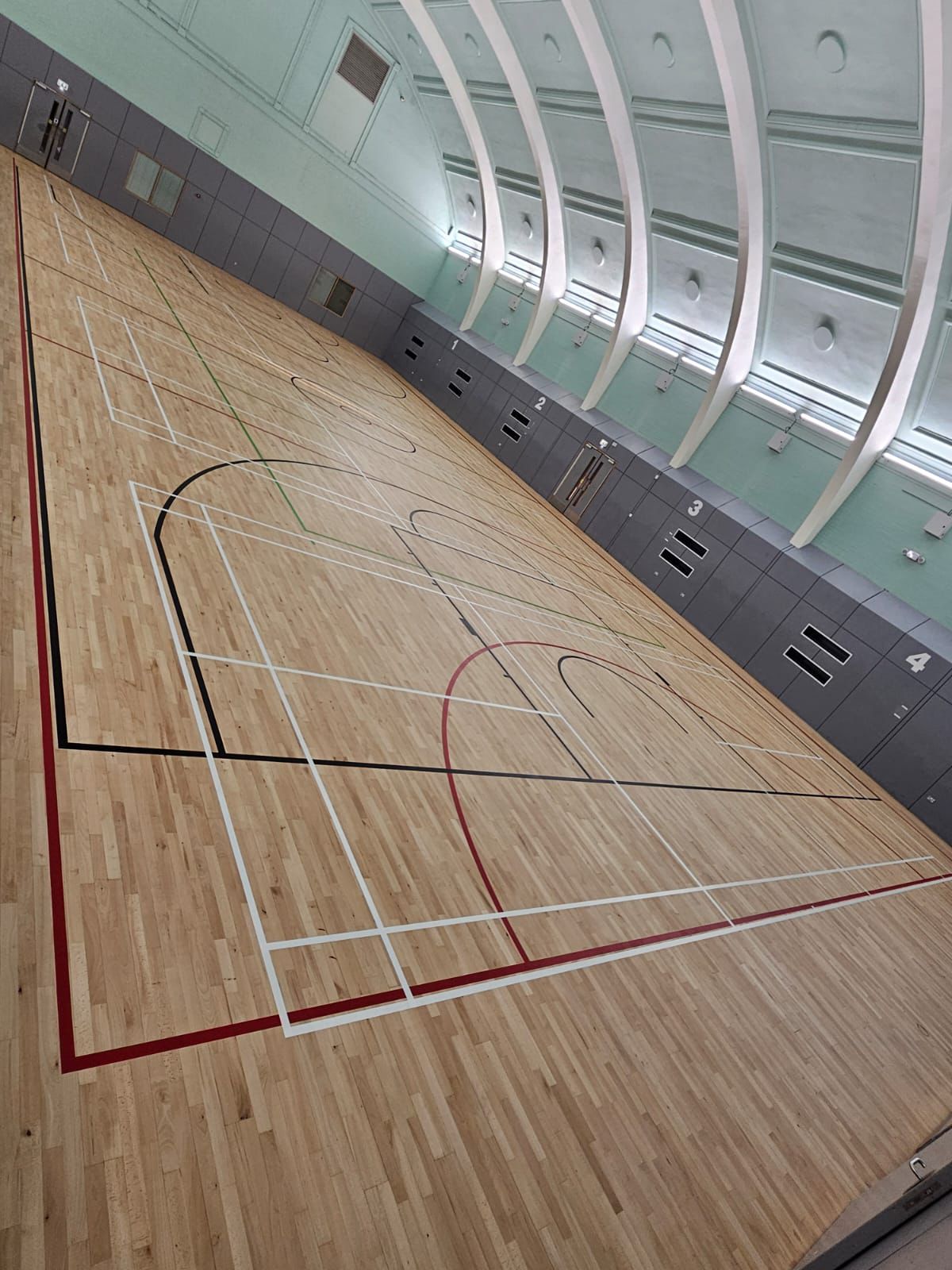
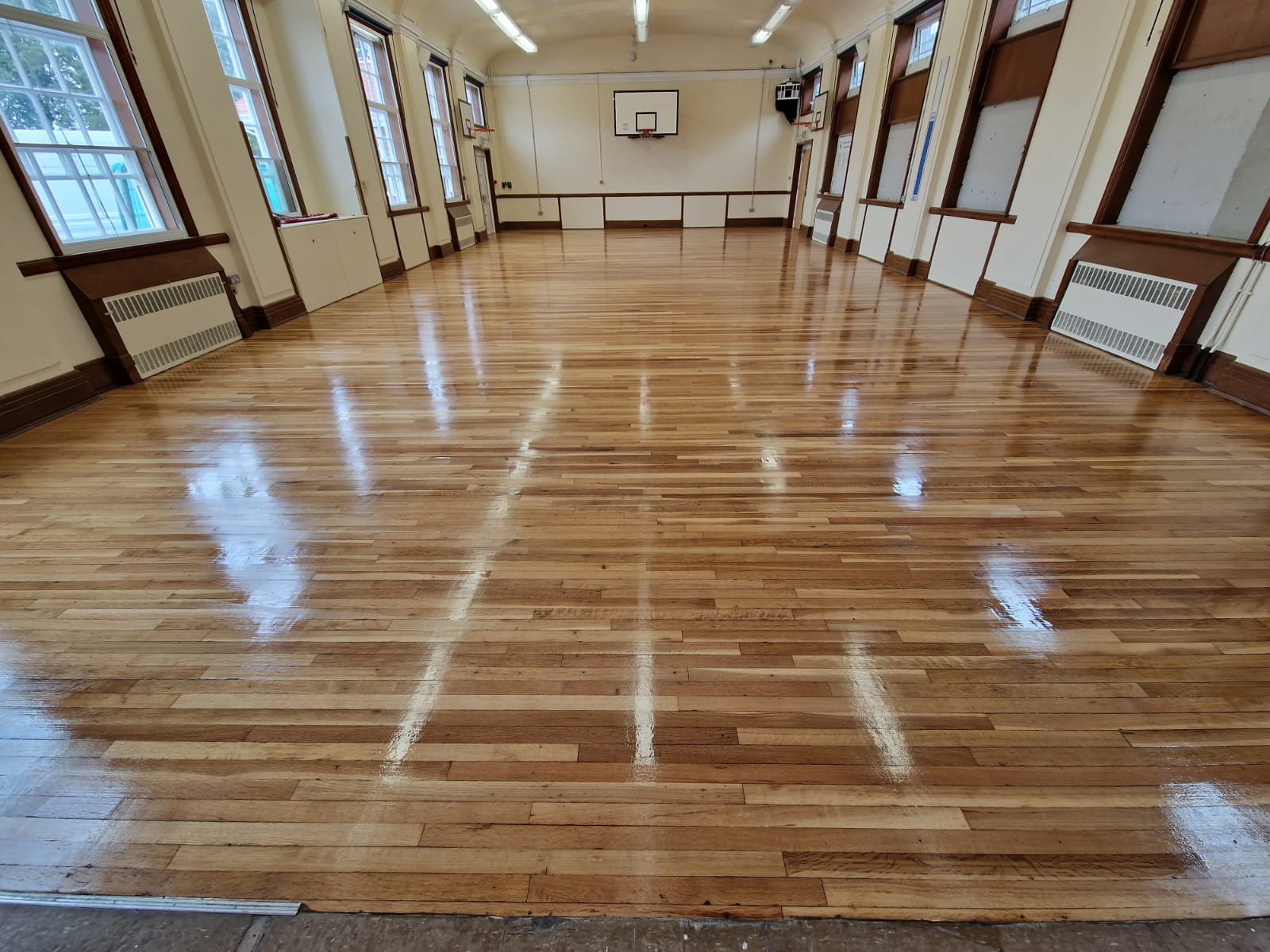
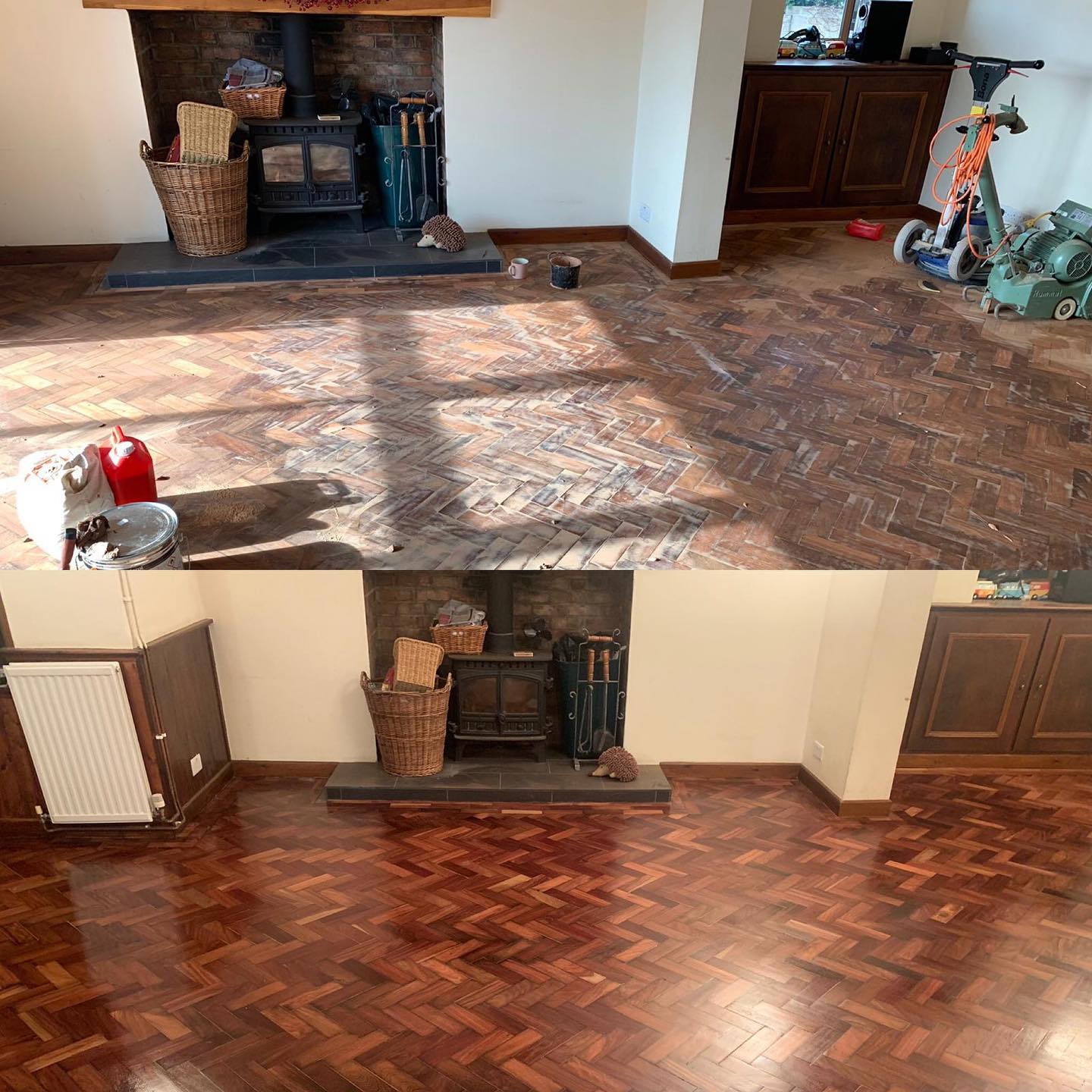
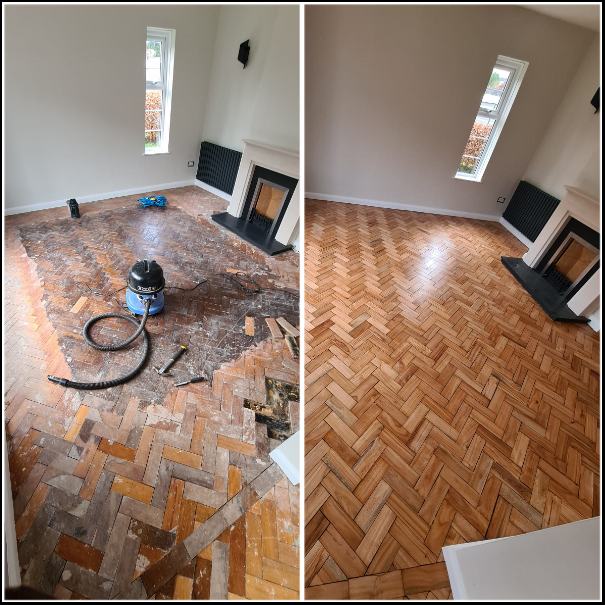
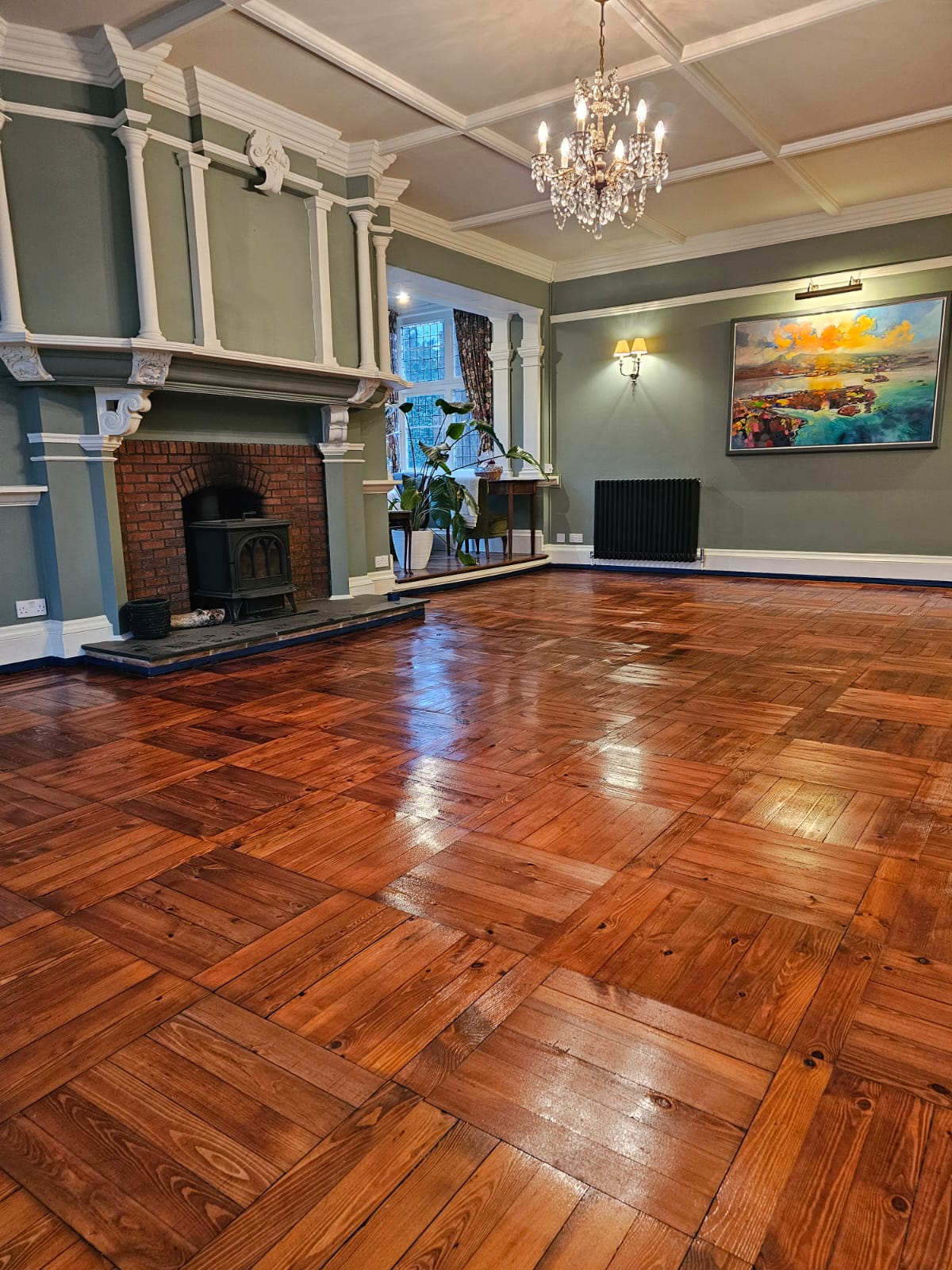
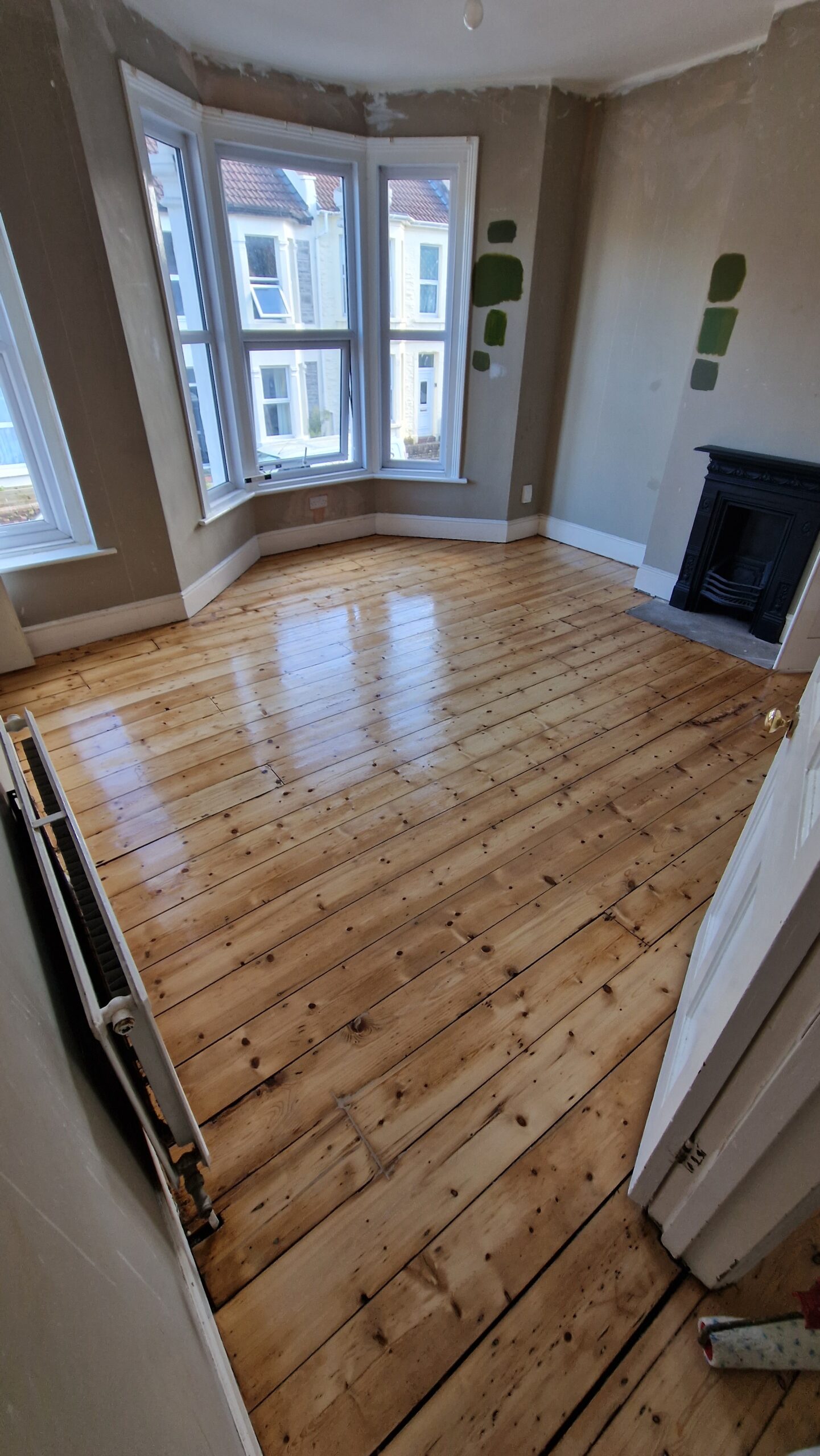
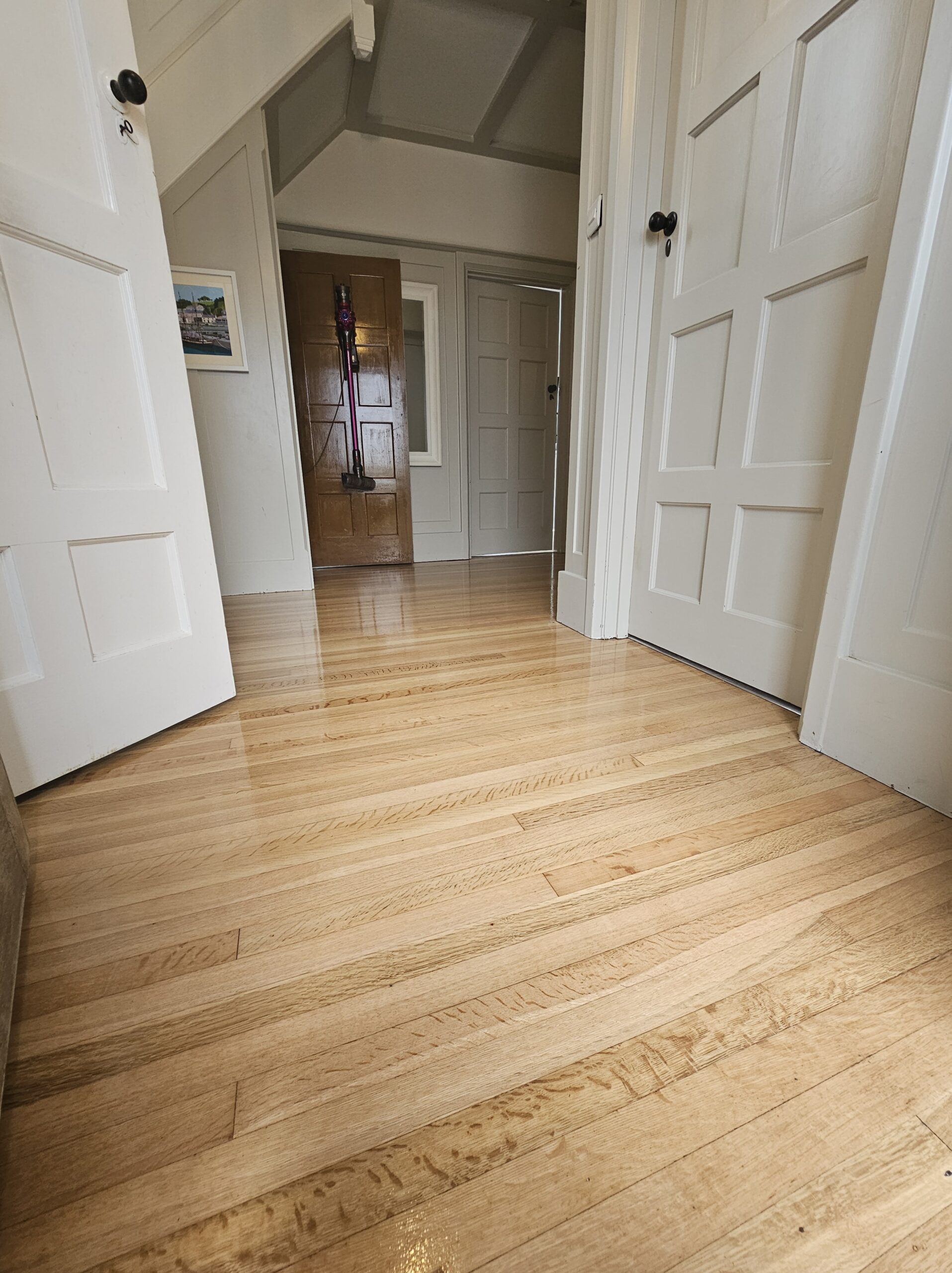
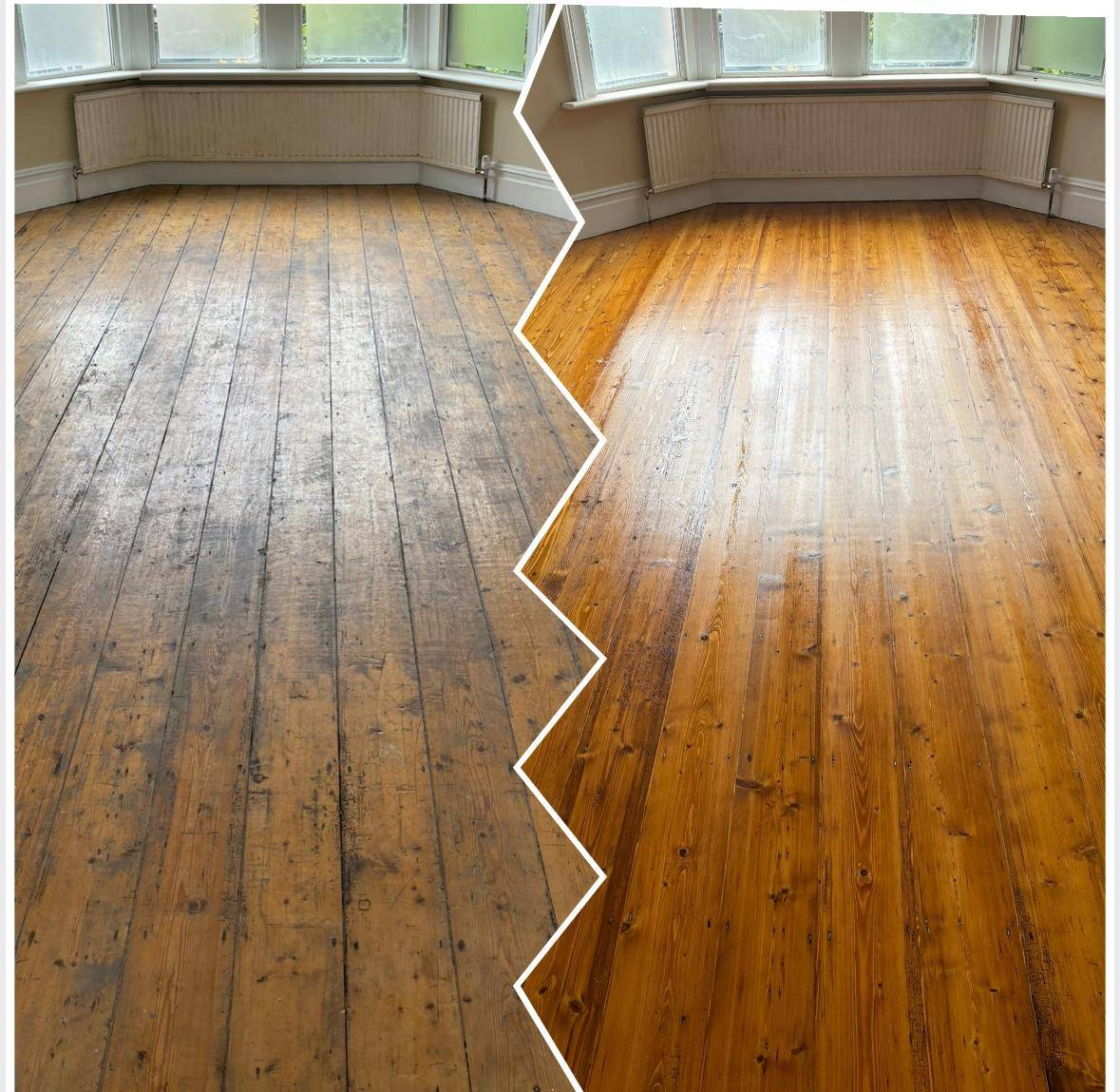
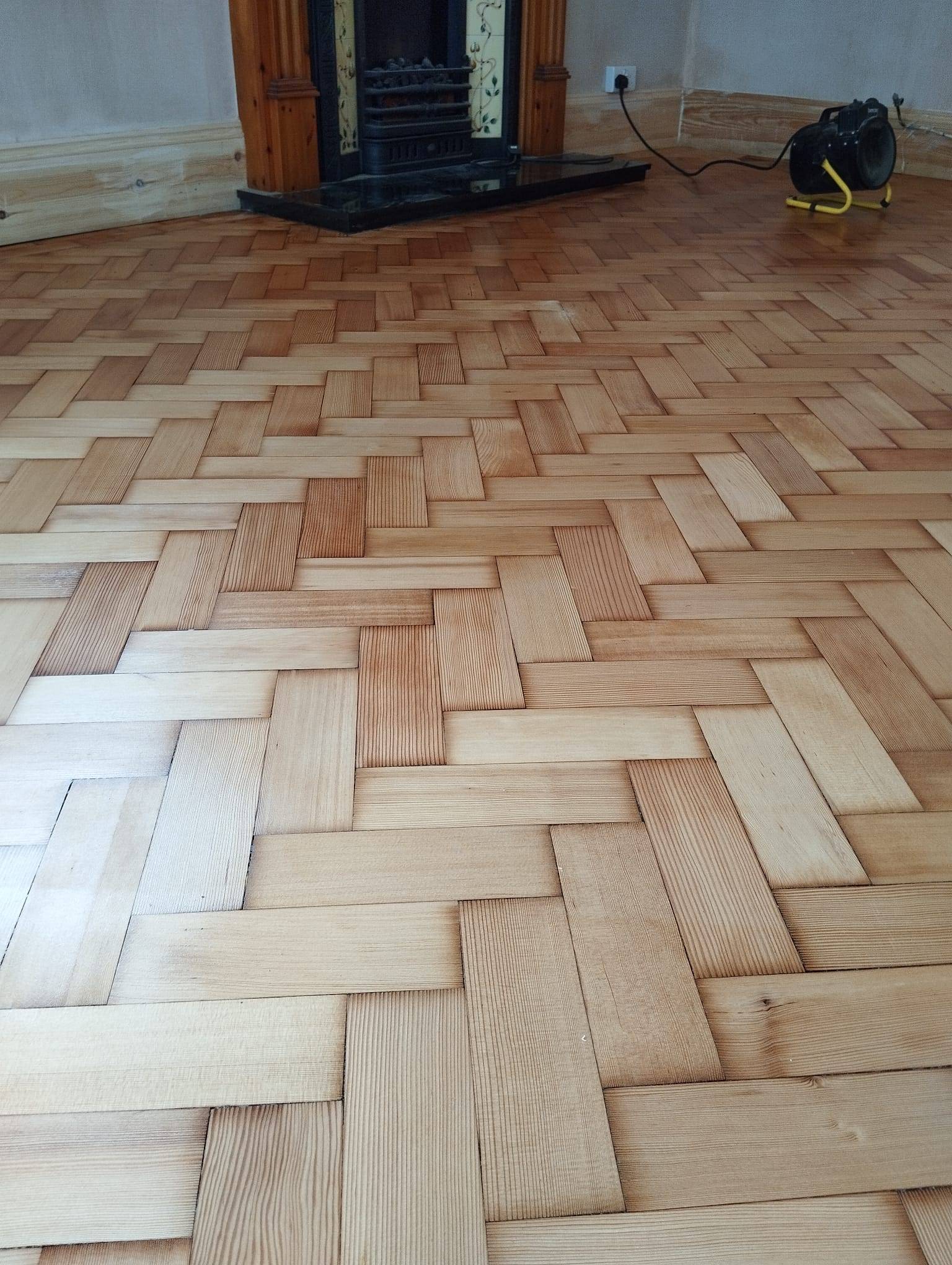
Our wood floor sanding service takes on every floor type the town produces — thin, listed Railway Village cottage boards that we treat with a deliberately light touch, generous Victorian pine in Old Town, and oak strip or engineered boards in newer estates. Each floor is assessed for remaining thickness and flatness before the abrasive sequence is chosen, because the correct starting grit on one floor would be far too aggressive on another.
Where boards are too thin for another sand, we restore floors without sanding: the old finish is keyed and fresh coats applied over it, keeping the timber intact and the room out of action for barely a day.
The free survey is where the job is really decided. We check board thickness wherever the floor allows — at a hatch, a heating vent or a previously lifted board — take moisture readings across the room rather than in one spot, identify the species, and note anything that will change the specification: paint baked into the grain, old adhesive from long-gone tiles, or protruding fixings that must be punched down first. The quotation is written from that evidence, which is why it can be fixed.
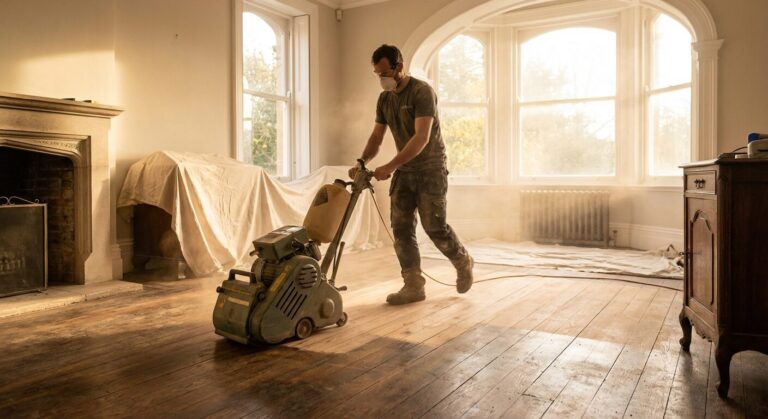
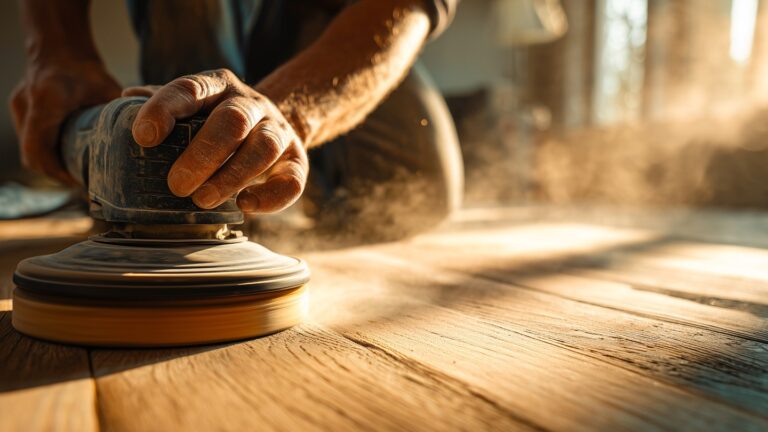
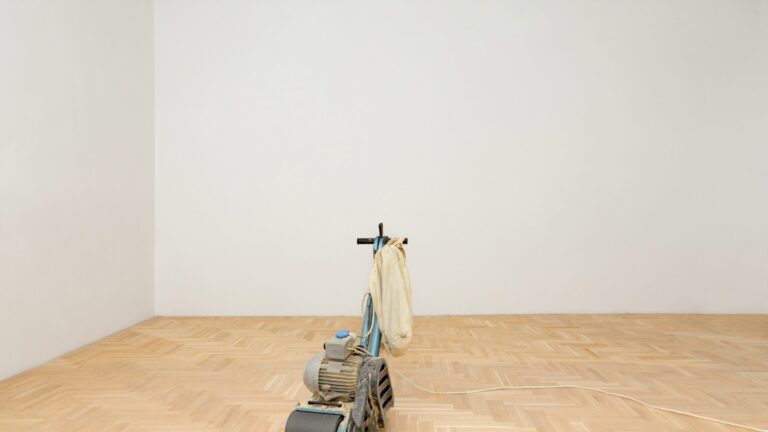
The machines are matched to the stage of work. A belt machine does the heavy levelling, the edger brings the borders to the same point, and the final passes go to a multi-disc finishing machine that blends belt and edger work together — the step that stops a refinished floor showing a halo of finer scratching around its perimeter.
Between the medium and fine passes most floors are trowel-filled: a filler mixed on site from the sanding dust of that same floor is spread across the whole surface, packing minor gaps, knot edges and old fixing holes, then sanded back so only the filled voids remain. Because the filler is made of the floor itself, it takes stain and seal the same way the boards do and stays invisible.