Floor Sanding in Teignmouth Terraces and Seafront Flats
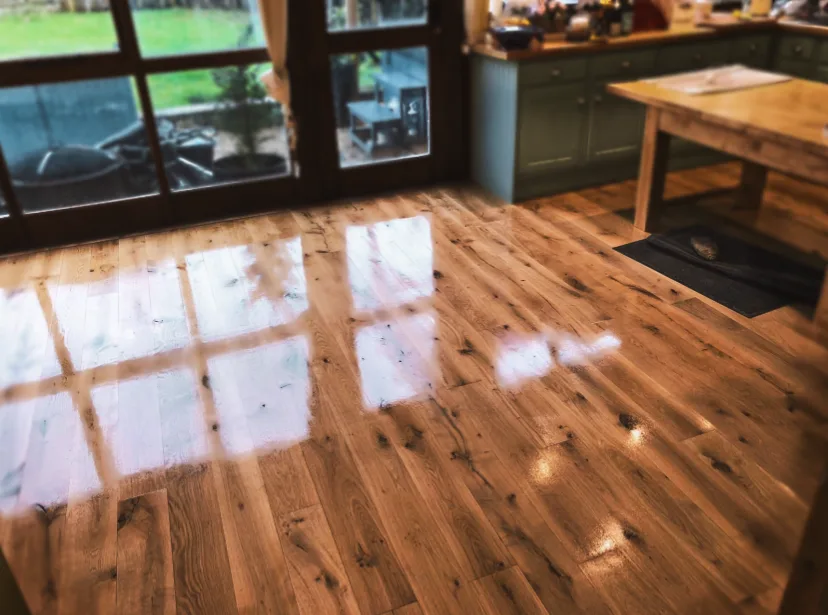
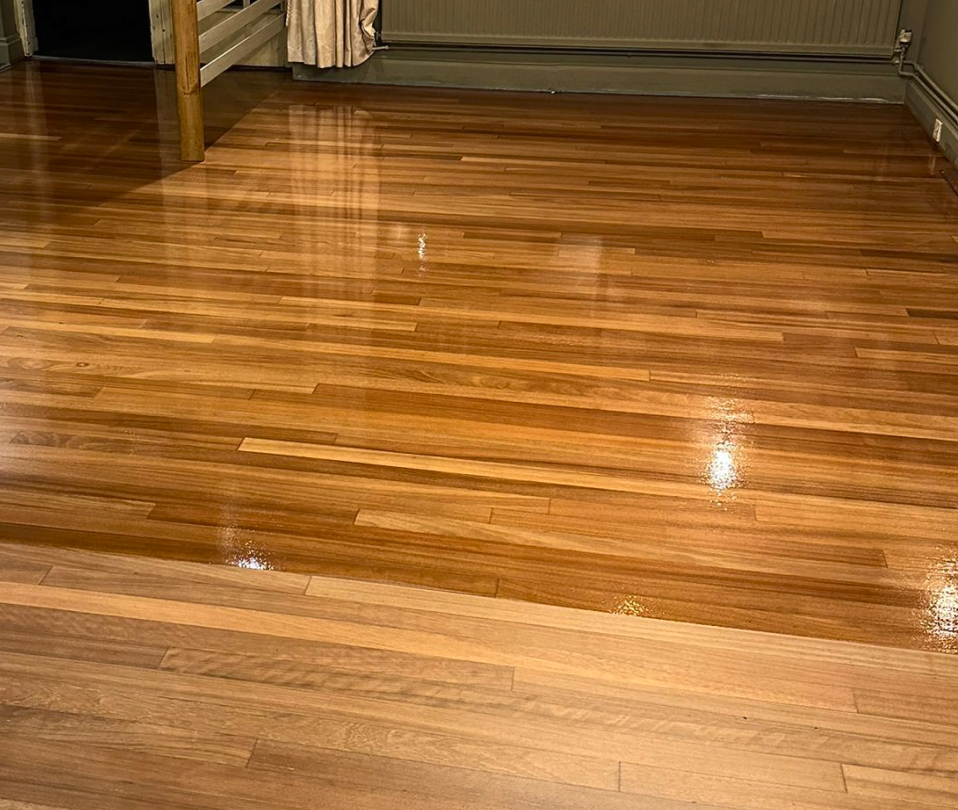
Seaside floors live a harder life than inland ones. Fine sand comes in on shoes and in beach bags and grinds away at the finish by the front door. Damp, salty air drifts in through sash windows that are opened every fine day. Many of the older houses near the front have been divided into flats, with floors cut about for services each time. So floor sanding in Teignmouth tends to involve more than a quick sand and seal; the boards often need straightening, repairing and choosing a finish that suits the conditions.
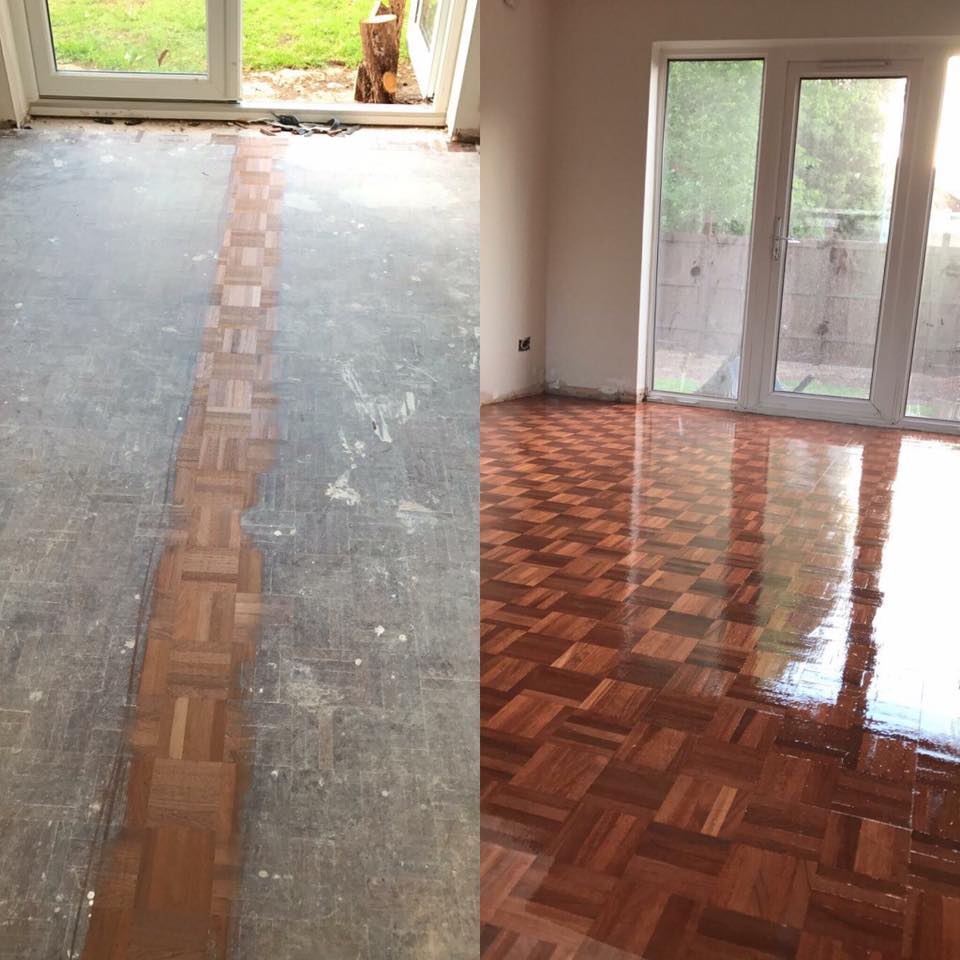
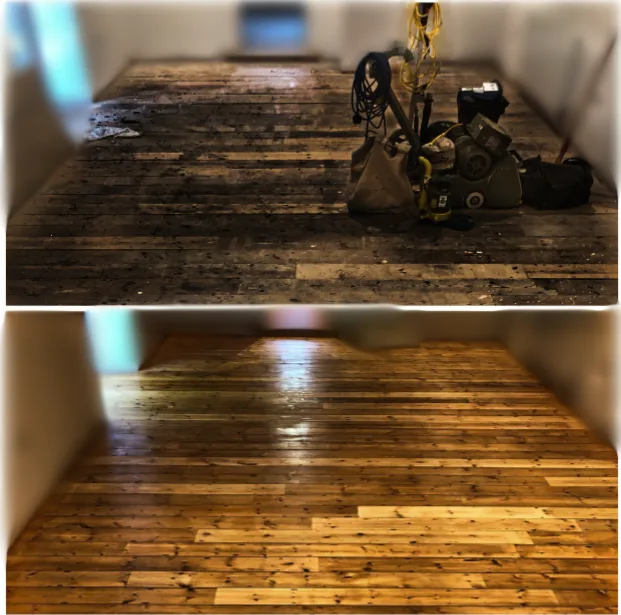
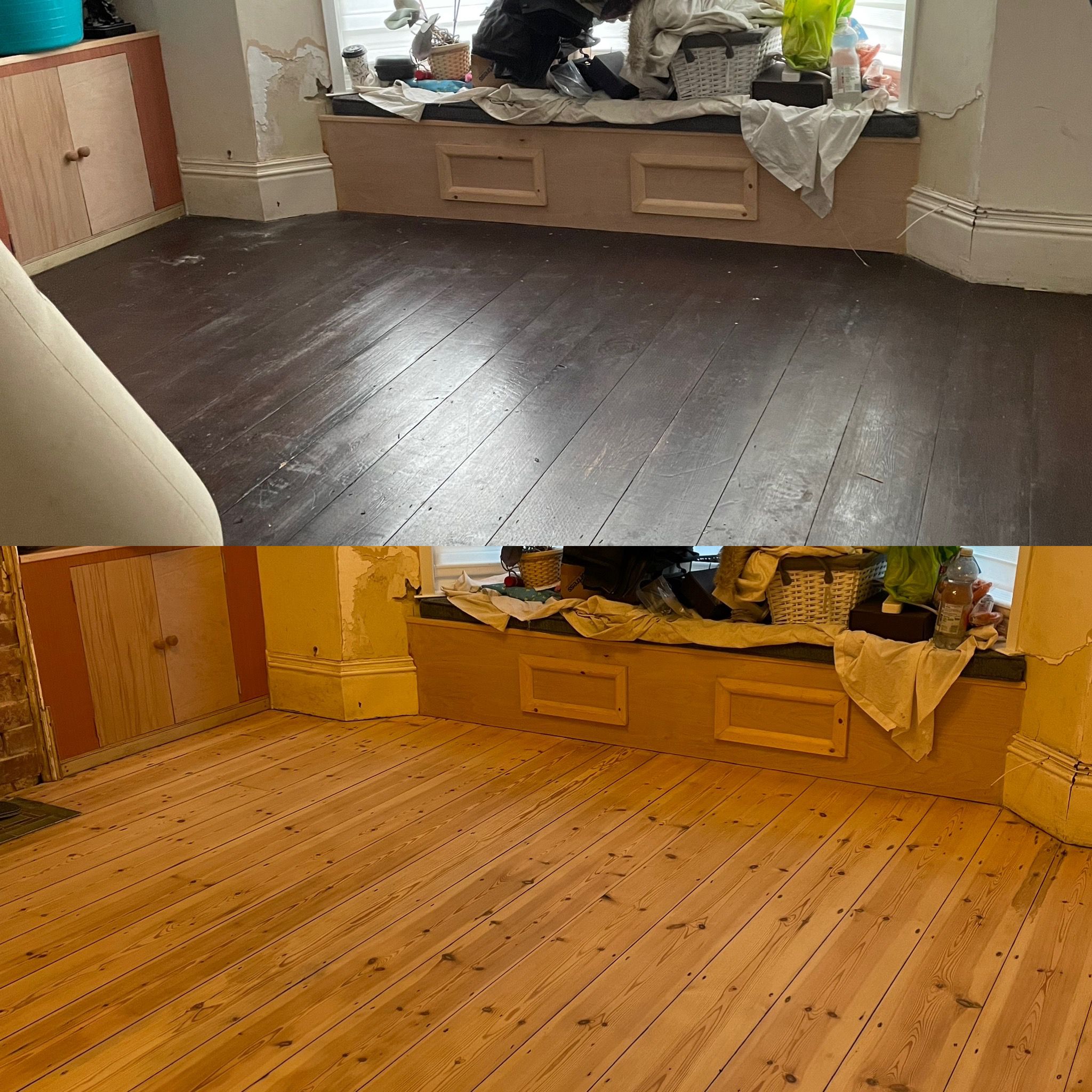
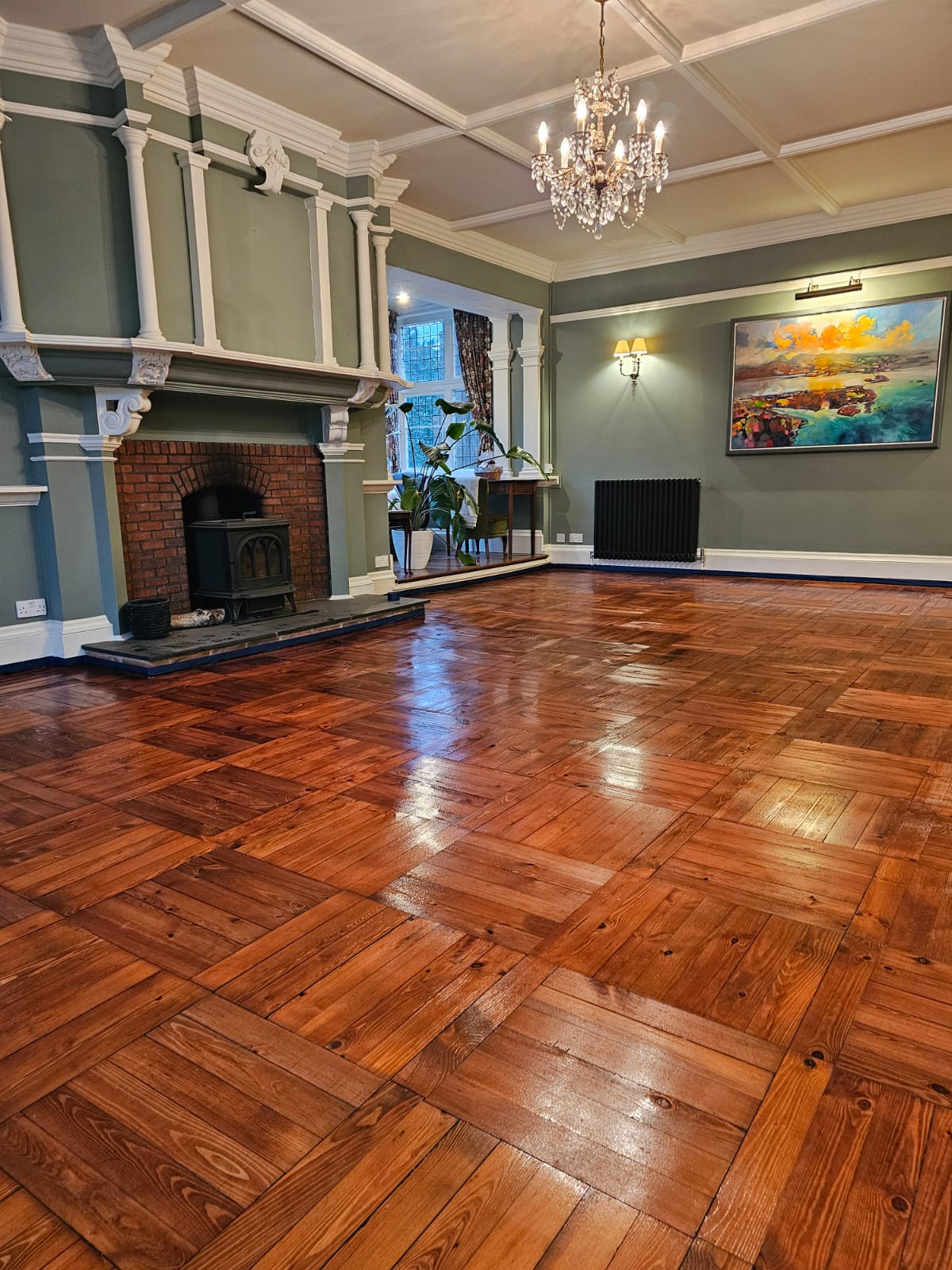
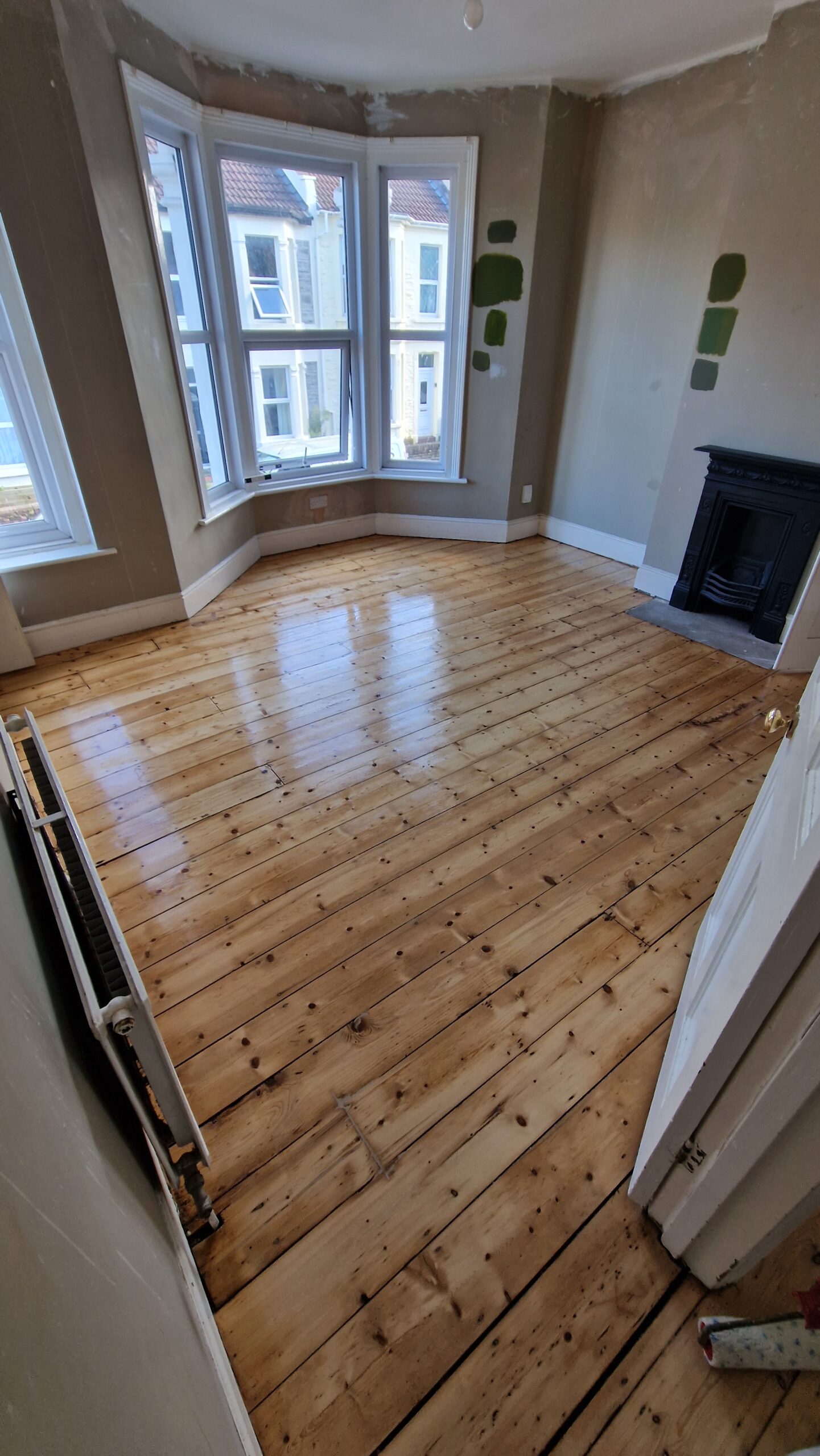
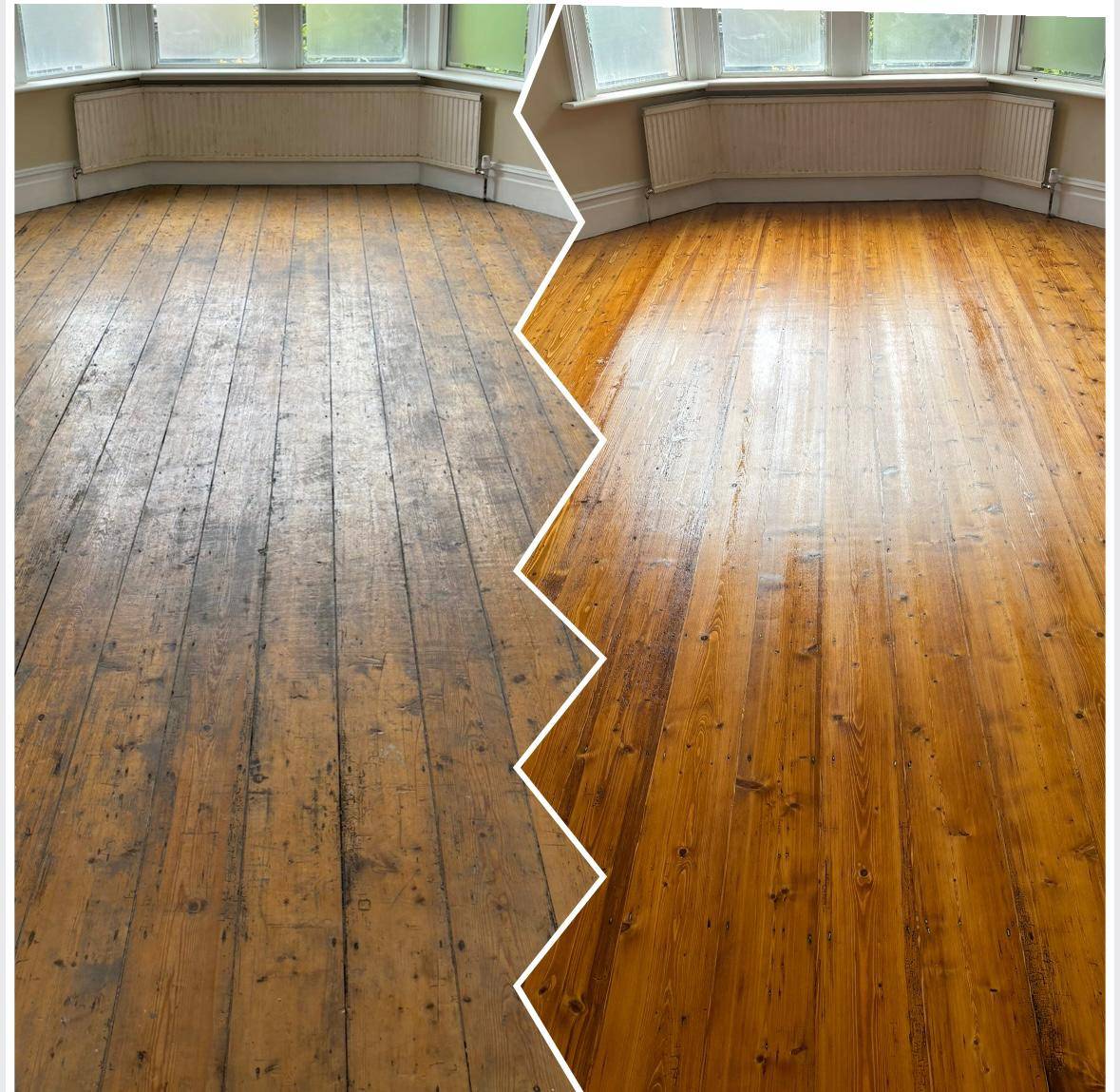
The town has a good stock of Georgian and Regency terraces near the seafront and centre, with later Victorian and Edwardian streets climbing the hills behind. Those older houses usually have pine boards, often wide, sometimes with tall ceilings and grand staircases that have been carpeted for half a century. Converted flats can have a patchwork of original boards, newer softwood and sheets of plywood where walls were moved. Newer homes up the hill are more likely to have engineered boards.
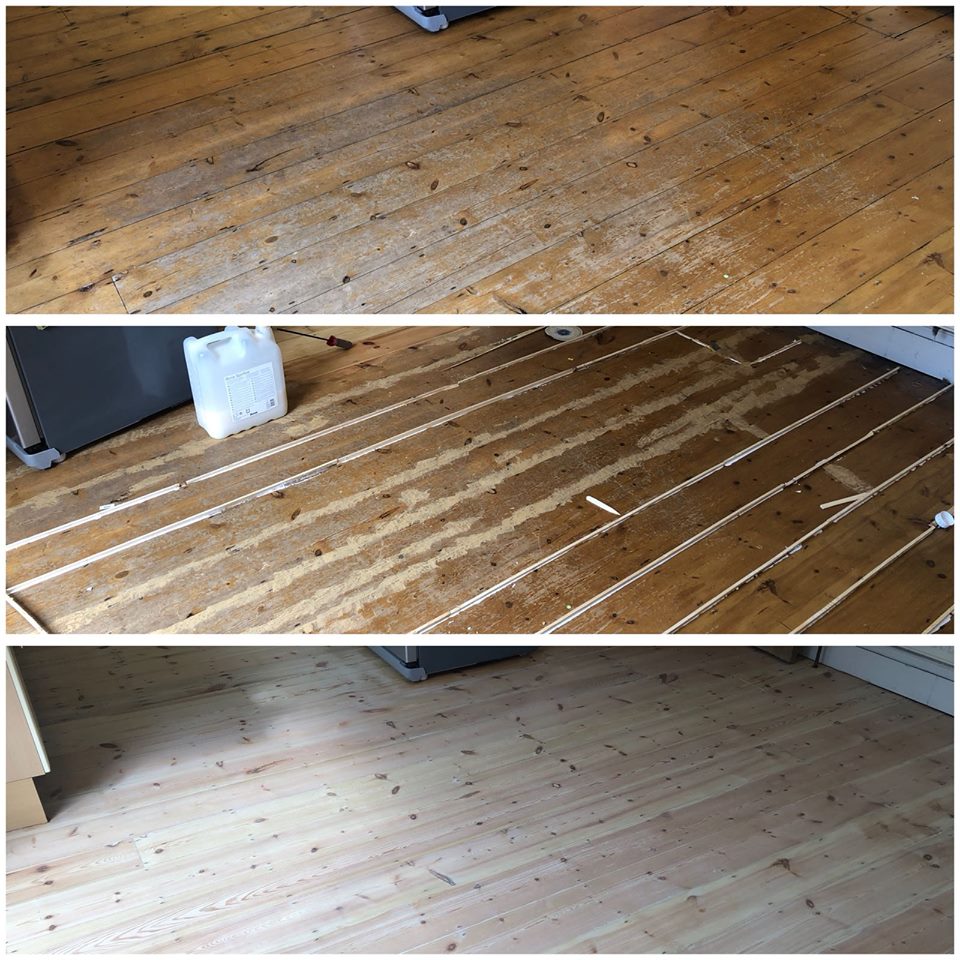
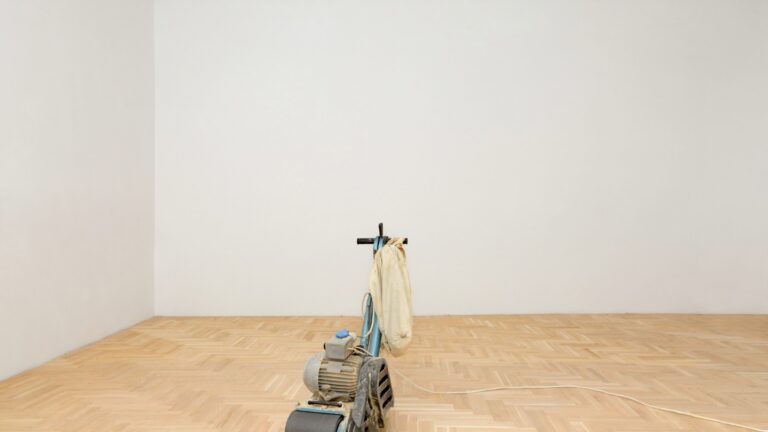
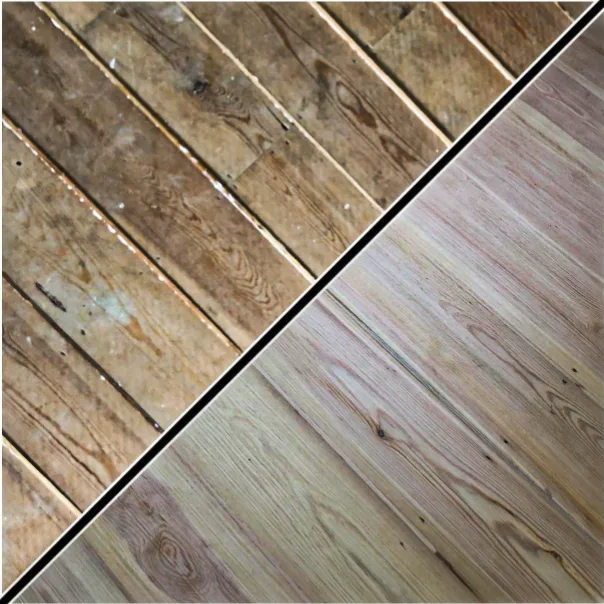
The sanding itself is done in a fixed order. A belt machine works along the boards to clean and flatten the main area of the room. The edger takes the strip next to the skirting, and the corners are finished by scraper. A rotary sander then passes over everything to even out the surface and the finish of the grain. Our wood floor sanding page explains each step.
In a top-floor flat with neighbours below and a shared stair outside, dust control matters more than usual. Every machine draws its dust away through sealed hoses into a collection unit, which keeps the common parts clean and avoids complaints. The method is described on our dust-free floor sanding page; it is very effective, but not literally free of every particle.
We are in Teignmouth regularly, along with the rest of the Teign estuary and the towns on our Devon floor sanding page. Booking floor sanding in Teignmouth is straightforward, and a typical flat or house room takes a day or two.