Floor Sanding Cardiff

Floor Sanding and Wood Floor Restoration in Cardiff

QUICK QUOTATION

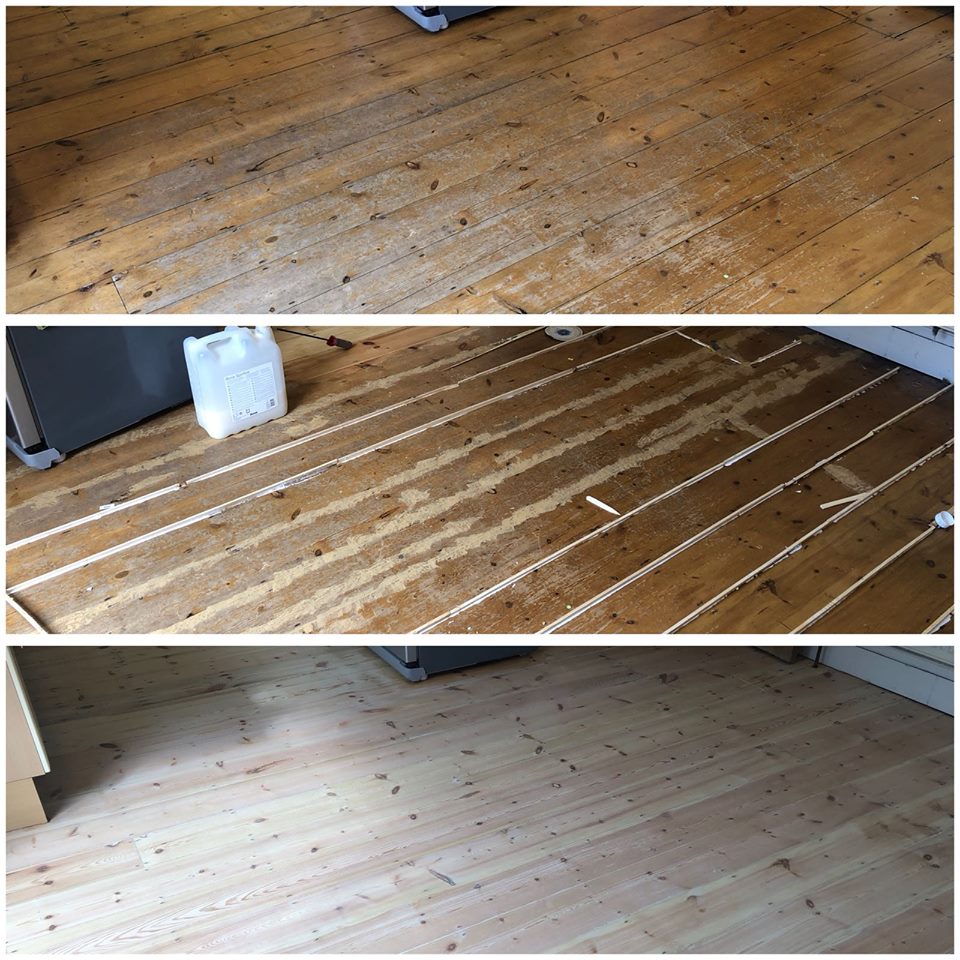
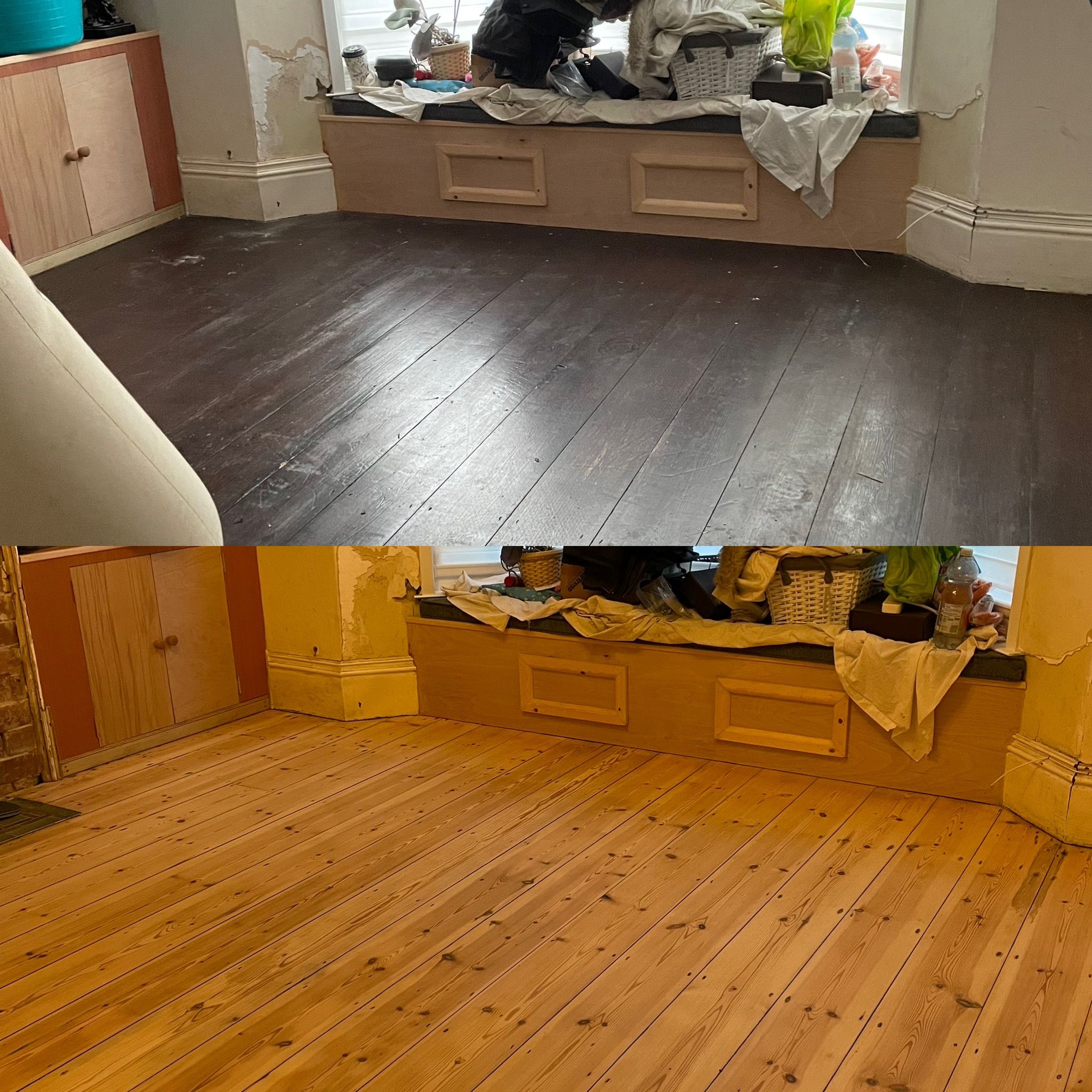
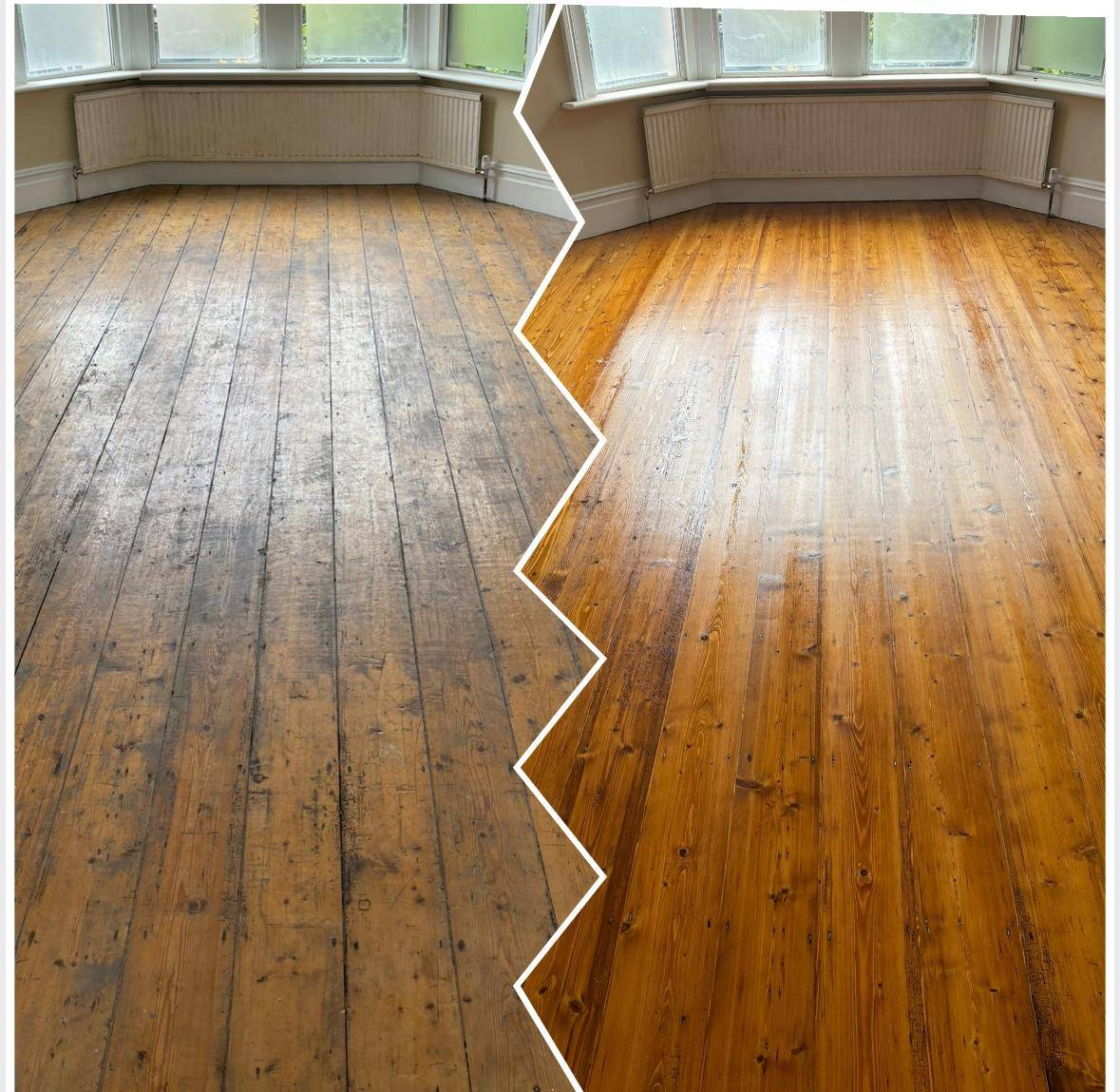
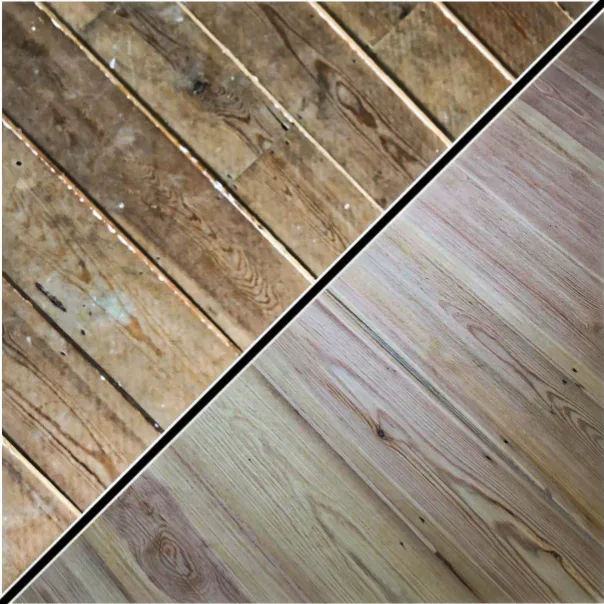
Floor sanding before and after

Floor Sanding in Cardiff

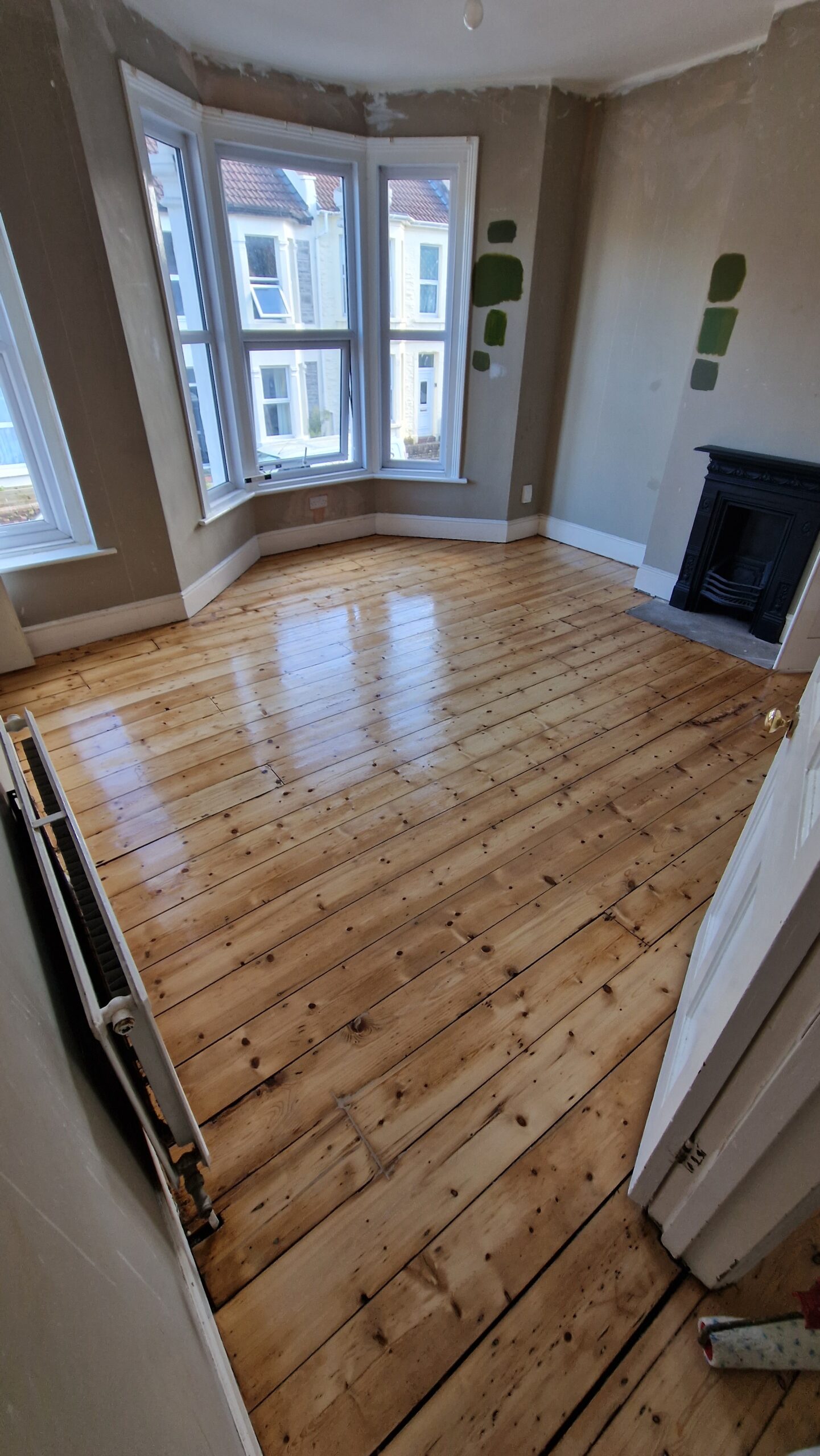
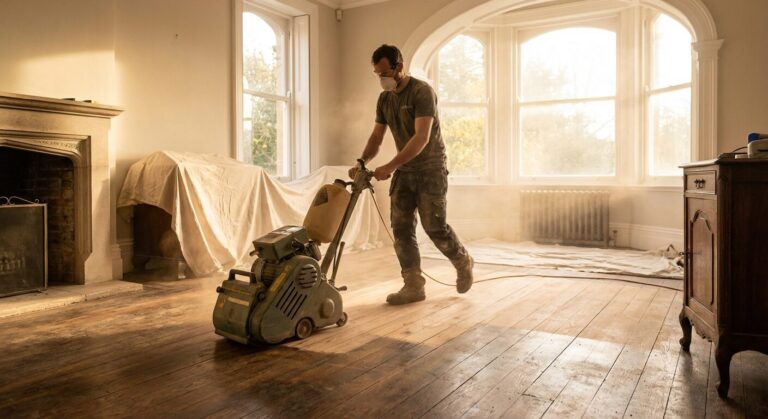
Our wood floor sanding service brings Cardiff’s wooden floors back from under decades of carpet — generous Victorian pine in Pontcanna and Roath terraces, narrower boards in Cathays, oak strip and engineered floors in newer housing. Tack holes, gripper marks and the dark border where carpet stopped short of the skirting all sand out; remaining board thickness is measured first so we know exactly how much timber there is to work with.

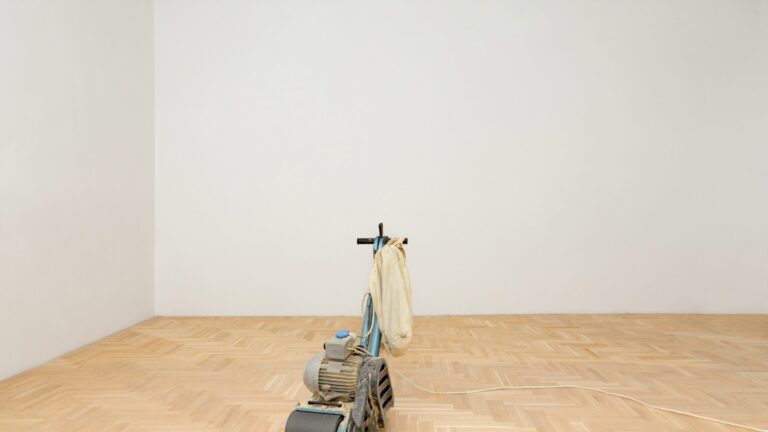
Sanding moves through graded abrasives to a clean, even surface, edges done by machine and hand. Where a floor is thin or the finish alone has failed, we offer restoration without sanding — a buff and recoat that spends no timber at all.

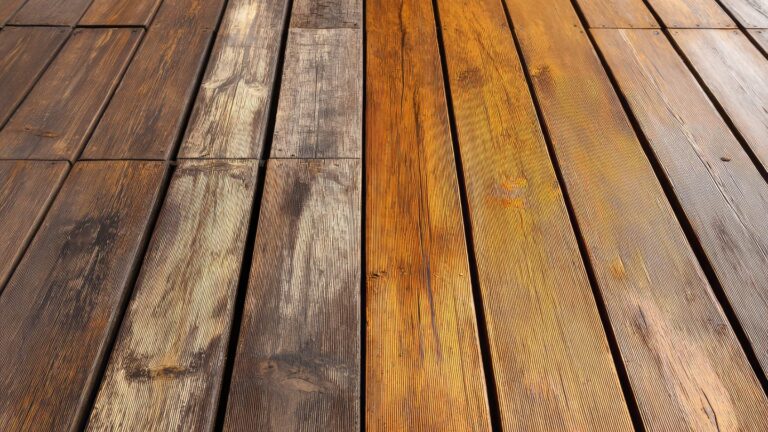
Painted and heavily stained boards are their own discipline. Old paint clogs abrasives fast, so it is taken off in controlled stages with frequent paper changes rather than forced off in one furious pass that overheats the timber. Victorian dark stain around the edges of a room — the border once left showing around a central rug — usually sands away cleanly, but where the pigment has soaked deep into soft early growth we say so at survey, because chasing it out can spend more board than it is worth. Sometimes the honest answer is a full-floor stain that folds the old border into a single even colour.
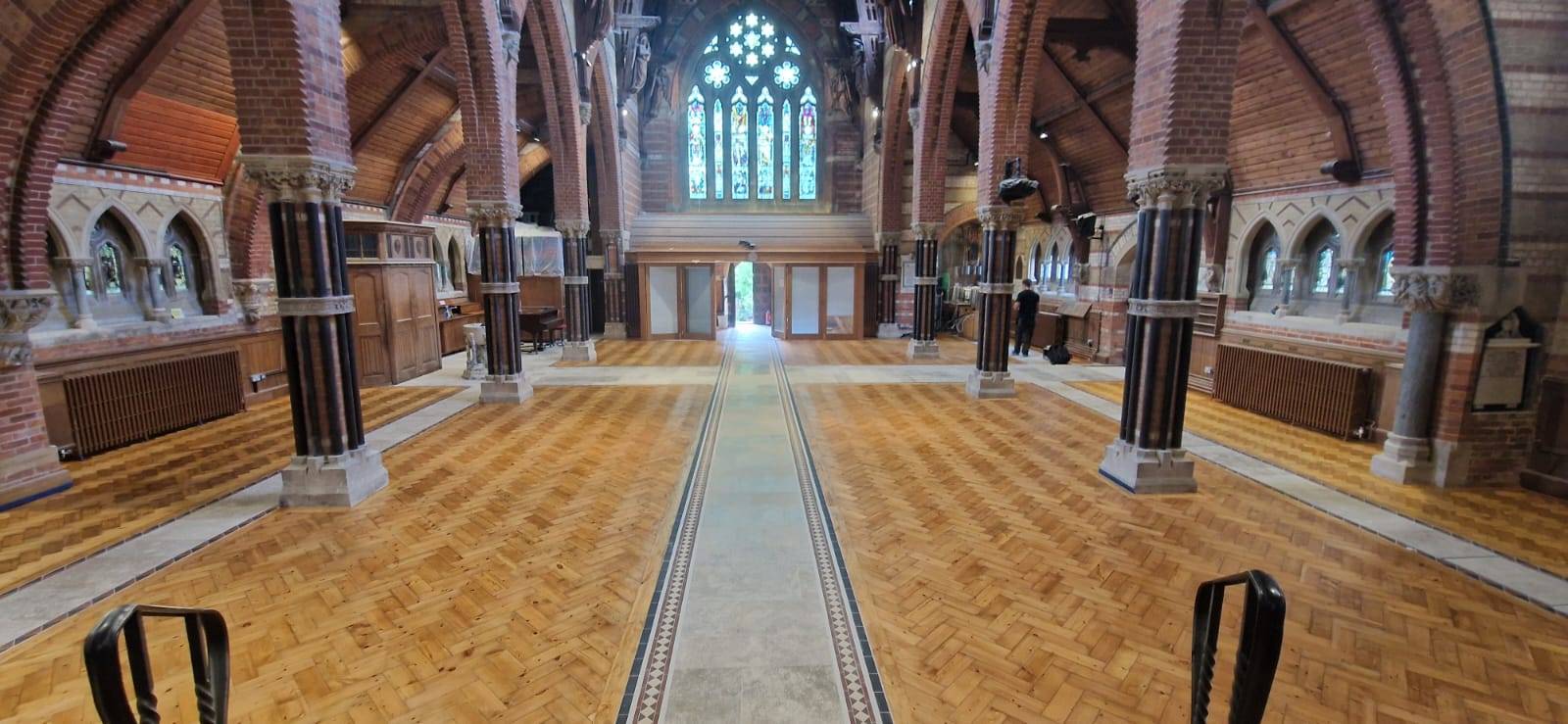
Commercial Floor Sanding in Cardiff

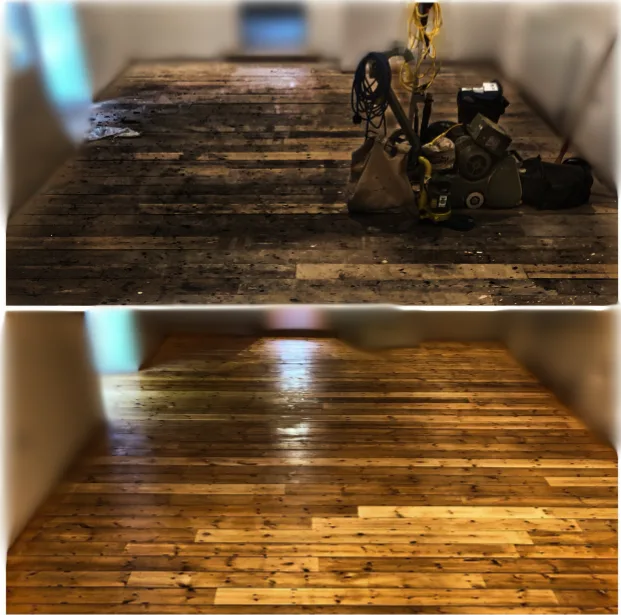
Commercial floor sanding for Cardiff businesses runs overnight, at weekends and in phased blocks, so nobody closes for the sake of a floor. We refinish restaurants and pubs, shops, hotels, offices and venues, and we sand and seal school halls and gym and sports floors with line marking reinstated to governing body specification. Method statements and insurance documentation come as part of the package, not as an afterthought.

Hospitality floors fail in predictable places — the doorway, the route to the bar, the servery line — so we build the finish accordingly, with additional coats through the traffic corridors where the wear actually happens. Seals are chosen for what a busy bar throws at them: spilt drinks, nightly wet cleaning and constant footfall. We can also return on an agreed cycle to inspect and recoat before the wear breaks through, which for a trading venue is the difference between a quiet maintenance visit and another full close-and-sand.

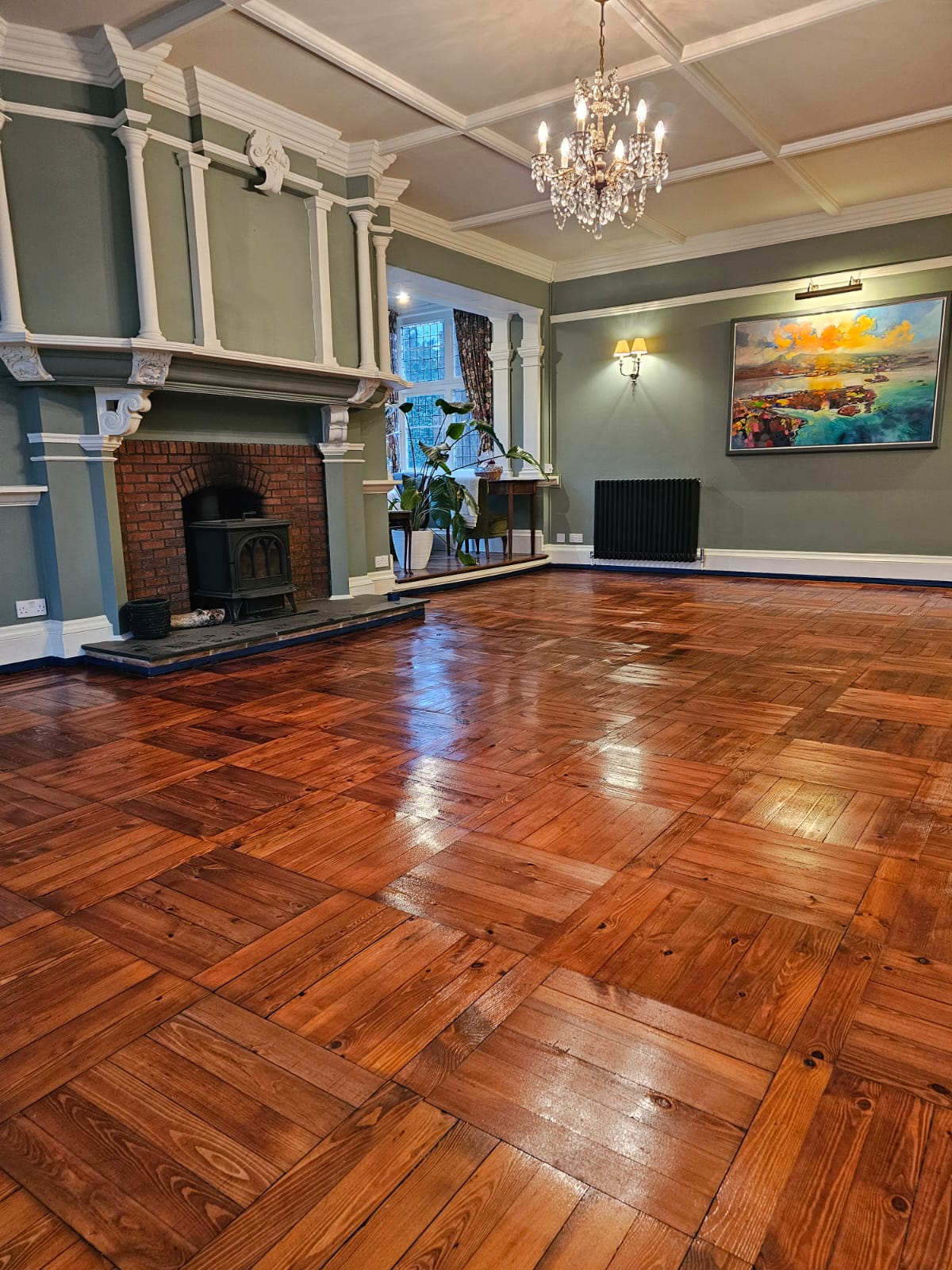
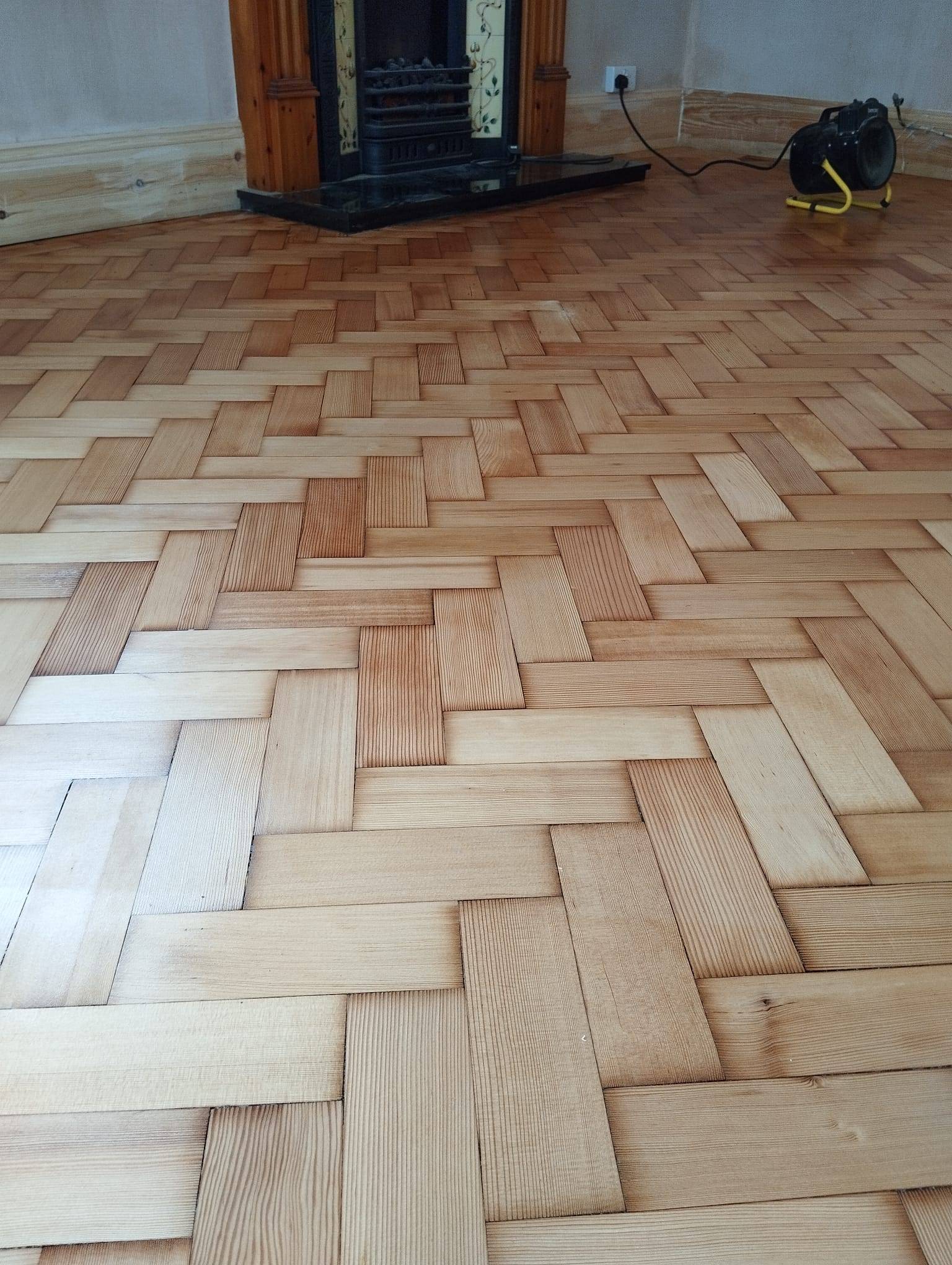
parquet wooden floor sanding
wooden floor sanding

Repairs, Squeaks and Replacement Boards

Wooden floor repairs are the unglamorous half of good restoration: refixing loose boards, making good old pipe notches and patches, and curing the creaks through proper squeaky floor repair rather than a squirt of talc. One-off damage is handled by scratch repair without disturbing the rest of the room.

Where boards have to go, floorboard replacement from our reclaimed timber stock keeps a terrace floor looking like one floor. Gap filling with timber slivers or resin closes the shrinkage gaps that make bay-fronted rooms draughty.

A surprising amount of our repair work follows other trades. Rewires and central heating jobs leave floors with boards cut short of the joist, dropped back loose or fixed with whatever was in the van — and every one of those boards becomes a creak or a rattle. We lift the offenders, add noggins where a cut edge has no bearing, and re-fix with screws so the boards pull down tight and stay down. Done properly, a floor that has been opened up a dozen times over the decades can still sand and finish as one quiet surface.

Parquet Restoration — Our Most Requested Cardiff Work

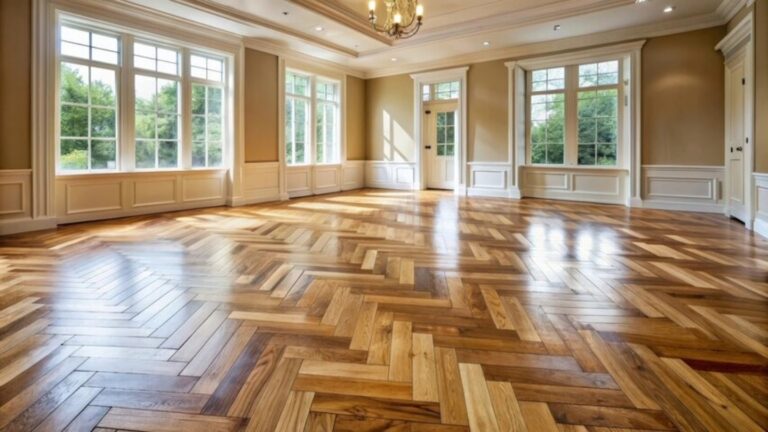
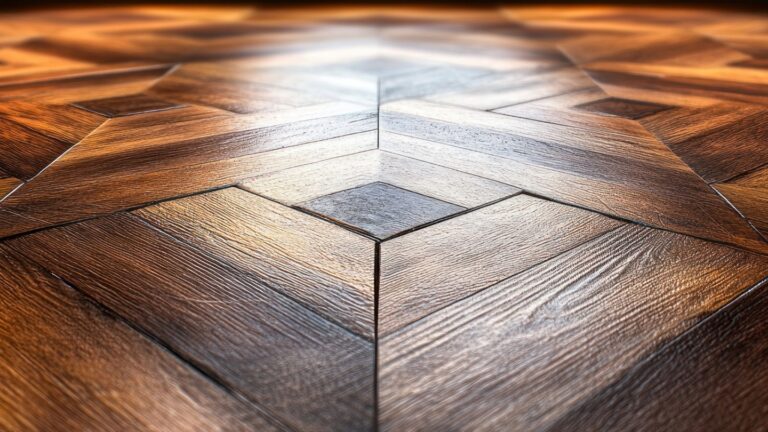
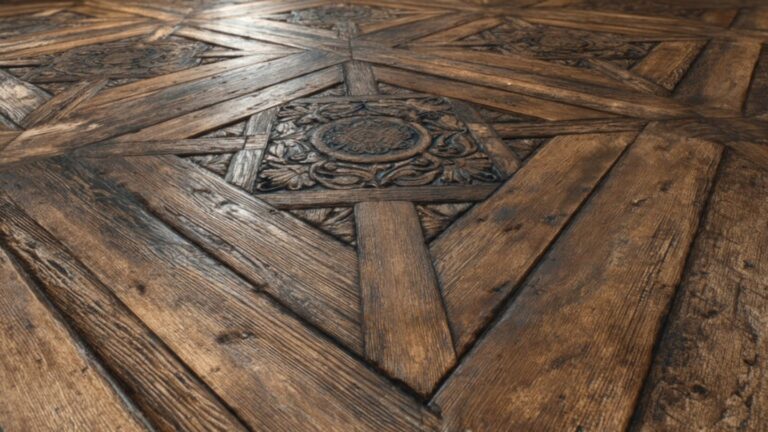
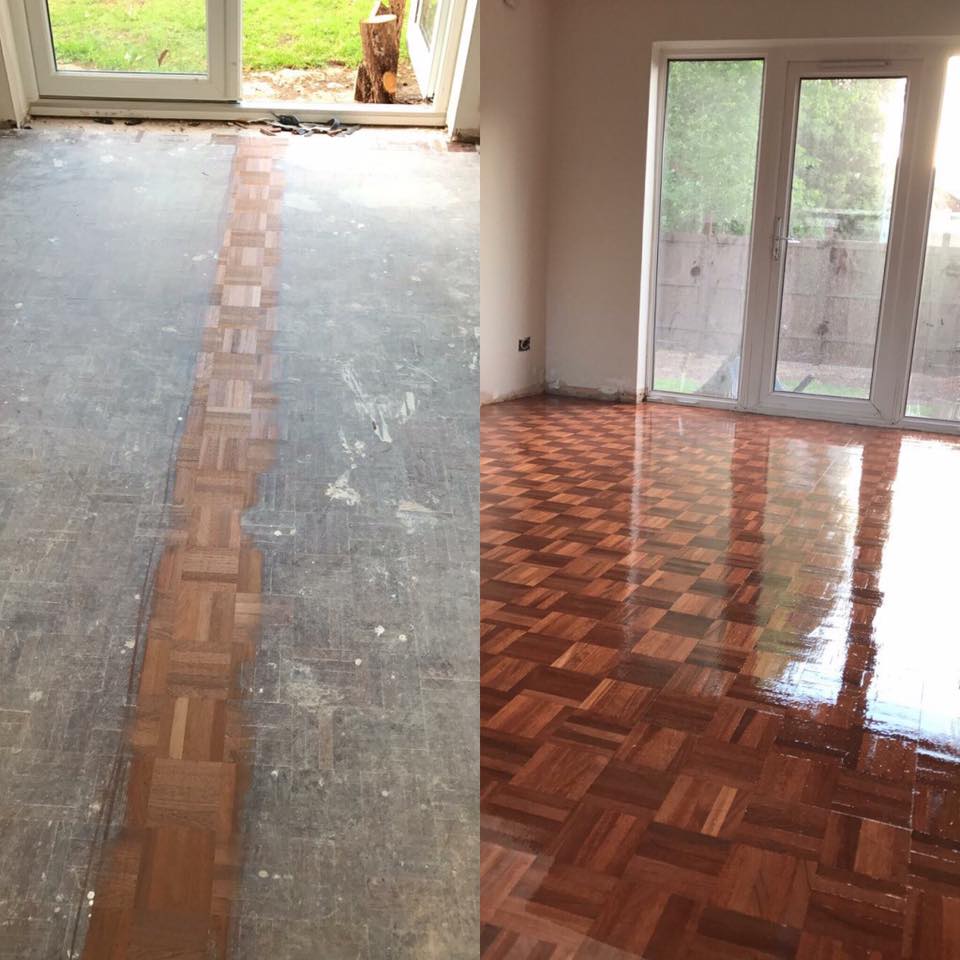
More Cardiff enquiries are about parquet than anything else. Our parquet floor sanding service lifts and re-bonds loose oak or maple blocks, sources matched reclaimed blocks for missing ones, deals correctly with the old bitumen beneath, and sands across several directions so no scratch pattern is left in the alternating grain. Herringbone and basketweave both respond superbly. There is a dedicated Cardiff parquet restoration page if blocks are what you have.

Alongside traditional single blocks we also restore mosaic parquet — the finger-panel floors of the 1960s and 70s, laid as squares of five or so small strips on a bitumen or mesh backing. They need a gentler touch than block: the fingers are thinner, and any loose ones must be re-stuck before machines run. Maple floors, common in halls and older gyms, add their own consideration — the timber is hard, pale and unforgiving of coarse scratches, so the grit sequence runs finer and the finish is chosen to keep that clean, light colour rather than yellow it.

flooring sanding company
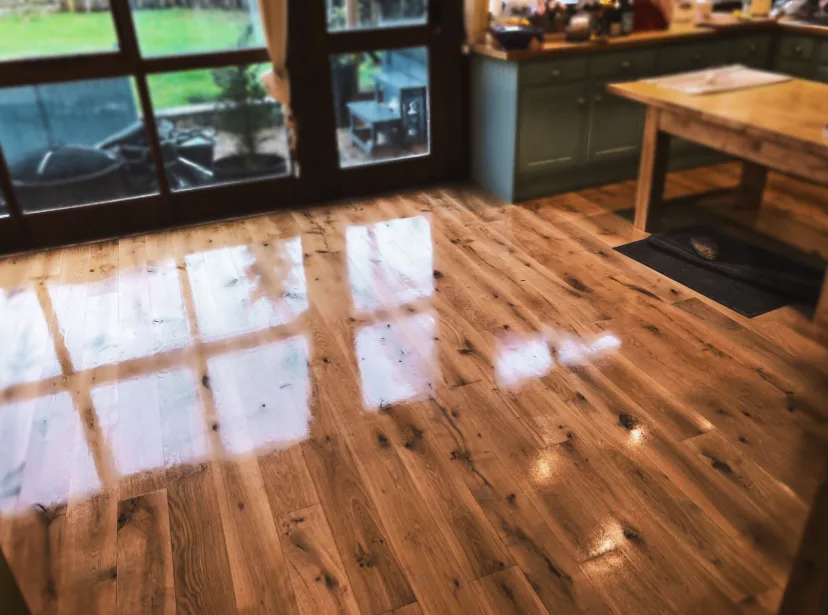
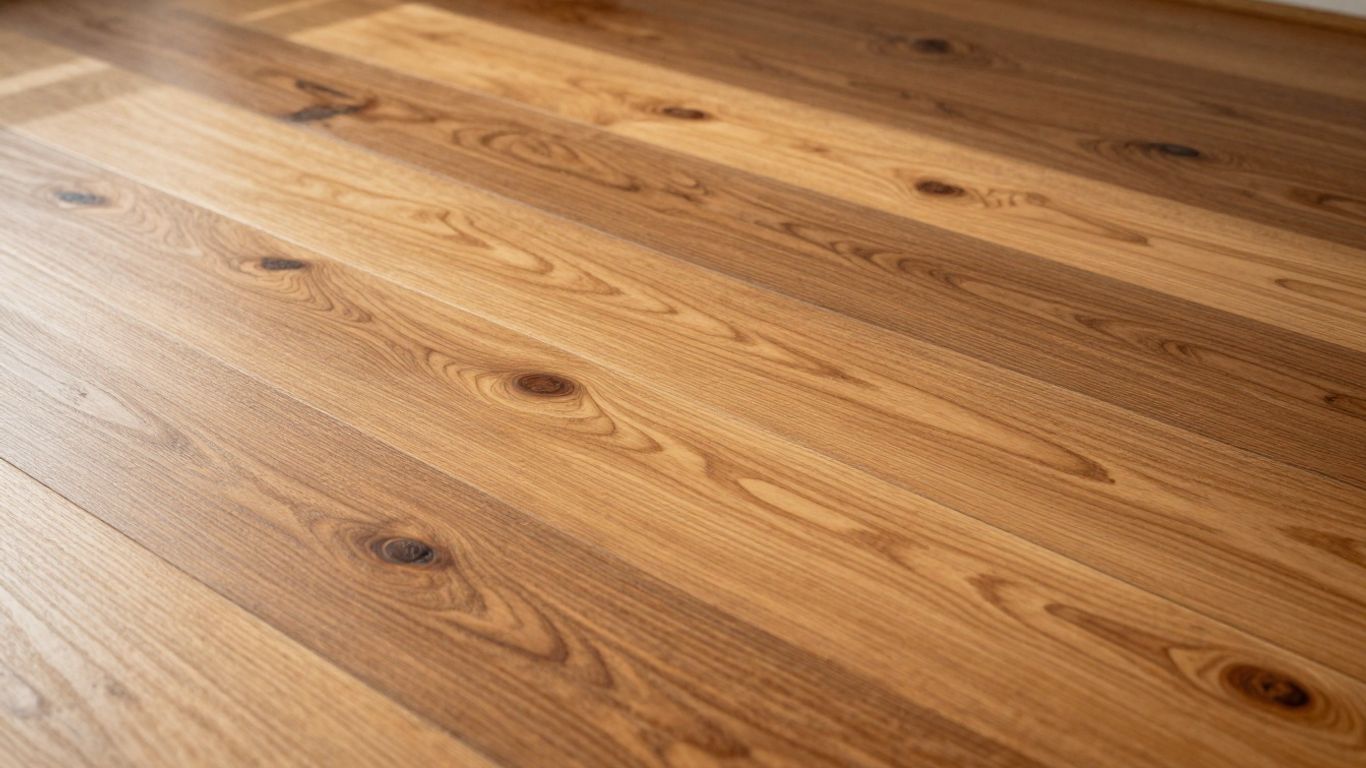
Sunlight across freshly lacquered wooden floorboards

Stains, Seals, Oils and Waxes

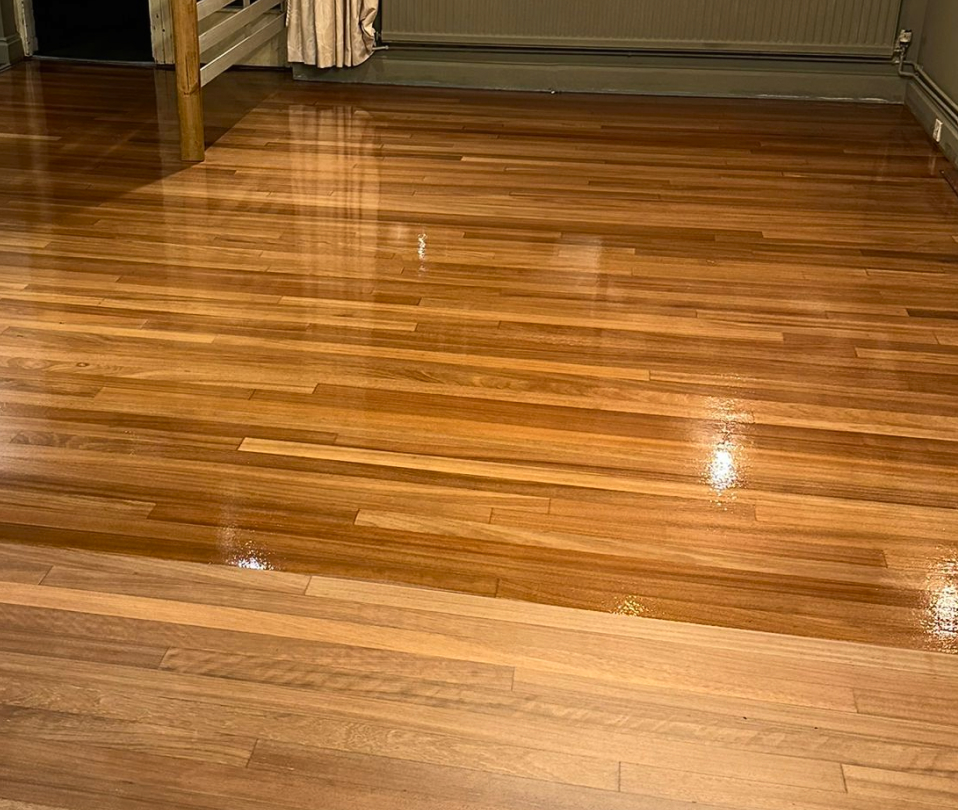
Every finish we use earns its place. Wood floor sealing with commercial-grade lacquer stands up to family life and student lets alike; oiling gives a natural, repairable surface; waxing keeps period rooms looking right. A different colour is achieved with wood floor staining, always trialled on your own boards before the decision is final — pine and oak take the same stain very differently.

Even colour is a preparation problem more than a product problem. If the edges of a room are sanded to a different grit than the middle, stain takes differently there and the floor develops a darker frame around its border — the fault the trade calls picture-framing. We run the final abrasive grade consistently across field and edges alike to prevent it. And with fashionable dark stains we are upfront: deep browns and near-blacks look superb but show dust, pet hair and fine scratching more than mid-tones, which is worth knowing before rather than after.

Stairs, Buffing and Keeping Floors Good

Stair sanding is fiddly, hand-heavy work we do constantly in Cardiff terraces, bringing treads and risers up to match a restored hallway. Once a floor is finished, buffing and recoating every few years renews the wear layer before it breaks down, and a wood floor polish keeps the sheen between visits. Sealed extraction runs on all of it, capturing the overwhelming majority of dust at source — including in occupied flats and conversions, where we can also liaise with managing agents over lease requirements before bare boards are agreed.

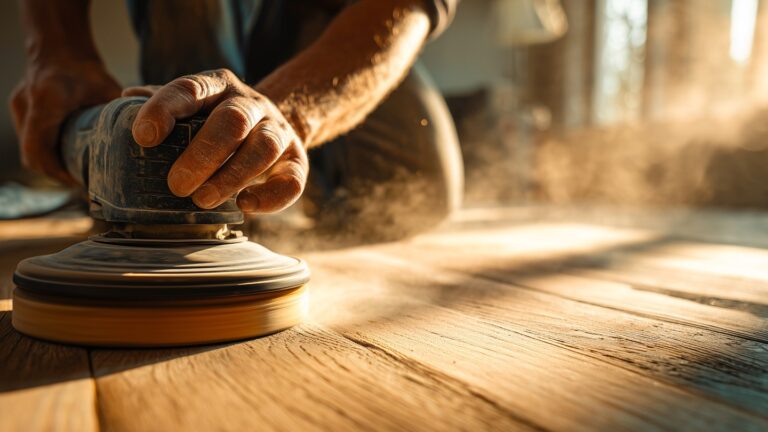
Staircases cannot take the big machines, so they are worked with small orbital sanders, scrapers and hand blocks, tread by tread. Worn nosings are re-glued or pieced in before sanding, and the finish is applied in alternate-tread stages when a household needs to keep using the stairs mid-job. Many customers pair sanded treads with painted risers and strings — a practical scheme in a busy terrace hallway, and one that shows off the timber where it matters most.

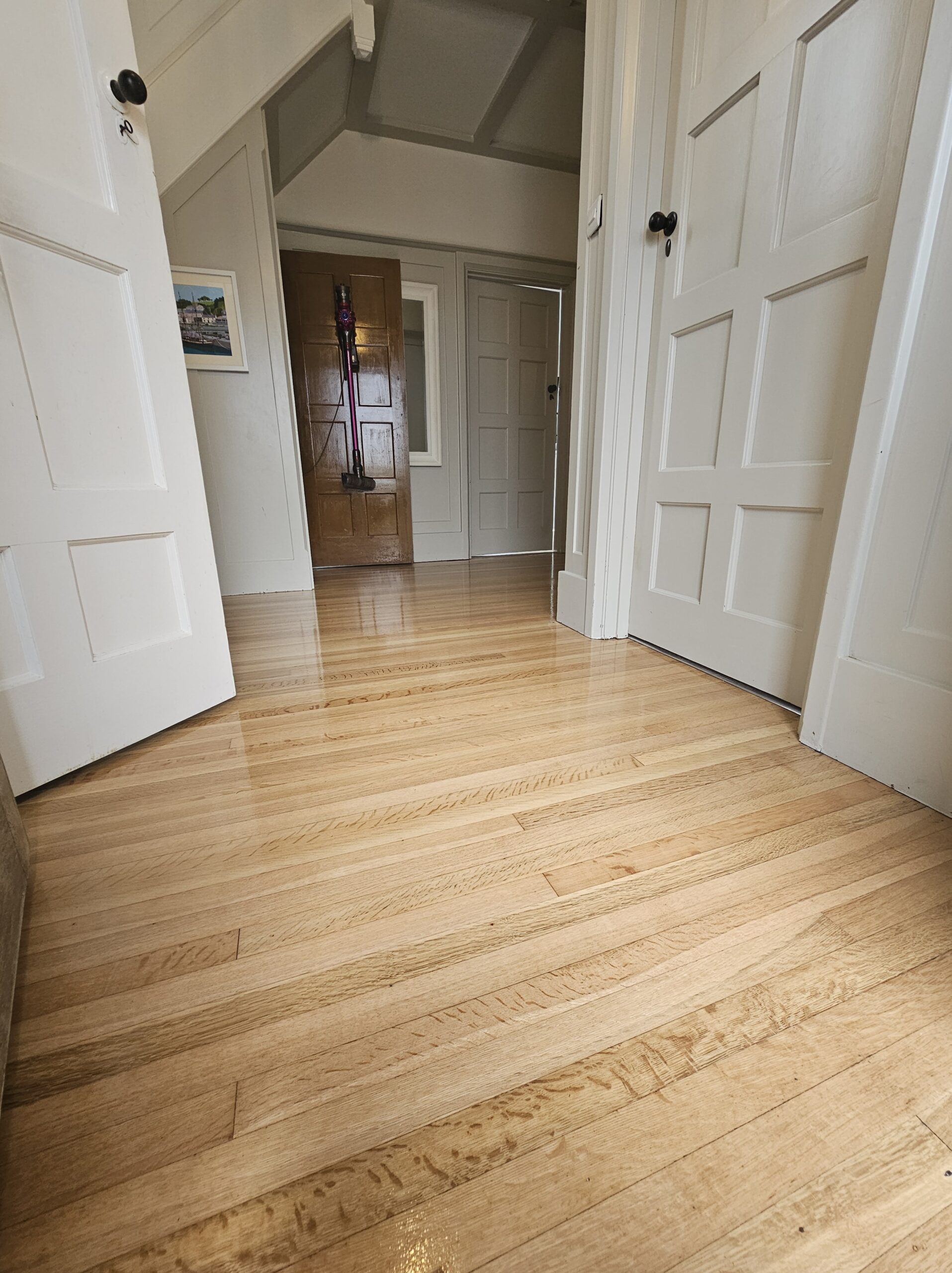
Wood floor sanding company
Floor sanding taunton

Get a Floor Sanding Quote in Cardiff

Two photographs are the fastest route to an answer: the room from the doorway plus a close-up, and for parquet a shot of the blocks themselves. We reply with an honest opinion and a fixed written quotation, and a free no-obligation site survey is available anywhere in the city.

Call 01823 674562, email info@ryansrestoration.co.uk, or use the form on this page.

All services available in Cardiff: floor sanding, commercial floor sanding, wood floor repairs, floorboard replacement, gap filling, parquet restoration, staining, sealing, oiling, waxing, stair sanding and floor installation.

Nearby areas we also cover: South Wales and Swansea. There is a page for each, and the full list of towns is on our areas we cover page.

FAQ: Floor Sanding in Cardiff

Sanding, refinishing, repairs, floorboard replacement from reclaimed stock, gap filling, parquet restoration, staining, sealing, oiling, waxing, stair sanding, buffing, new installation and full commercial contracts.

Yes — that is the point of how we schedule. Floors are sanded and sealed overnight or across a weekend, in phases where needed, and the doors open as normal in the morning.

Repair is the default. Boards are refixed, patched and silenced in place; replacement is reserved for timber that has genuinely failed, and reclaimed boards keep the repair invisible.

The grain alternates direction block by block, so the floor is sanded in several passes at different angles. Treated like plain boards, it would carry a permanent scratch pattern.

Certainly. Stains are tested on a patch of your own sanded floor first — pine, oak and maple each take colour differently, so the sample is the only honest way to choose.

Engineered flooring can be sanded when its hardwood top layer is deep enough; we measure it at the free survey. Laminate has a printed surface with no real wood, so it cannot be.

Yes. Sealed extraction on every machine captures the overwhelming majority of dust at source, which is why customers routinely stay in the house for the duration.

Photographs first: send two to info@ryansrestoration.co.uk for an honest opinion and a fixed written quotation, or phone 01823 674562 for a free no-obligation survey.

Usually, yes. Paint is removed in controlled stages with frequent abrasive changes so the timber is never overheated. Where old pigment has soaked deep into the grain we say so at survey — occasionally a full-floor stain is the better answer than chasing every last trace out.

We do. Mosaic panels from the 1960s and 70s have thinner fingers than traditional blocks, so loose pieces are re-stuck first and the sanding sequence is kept gentle. Restored and sealed, they finish every bit as well as block parquet.