Floor Sanding South Wales

Floor Sanding and Wood Floor Restoration Across South Wales

QUICK QUOTATION

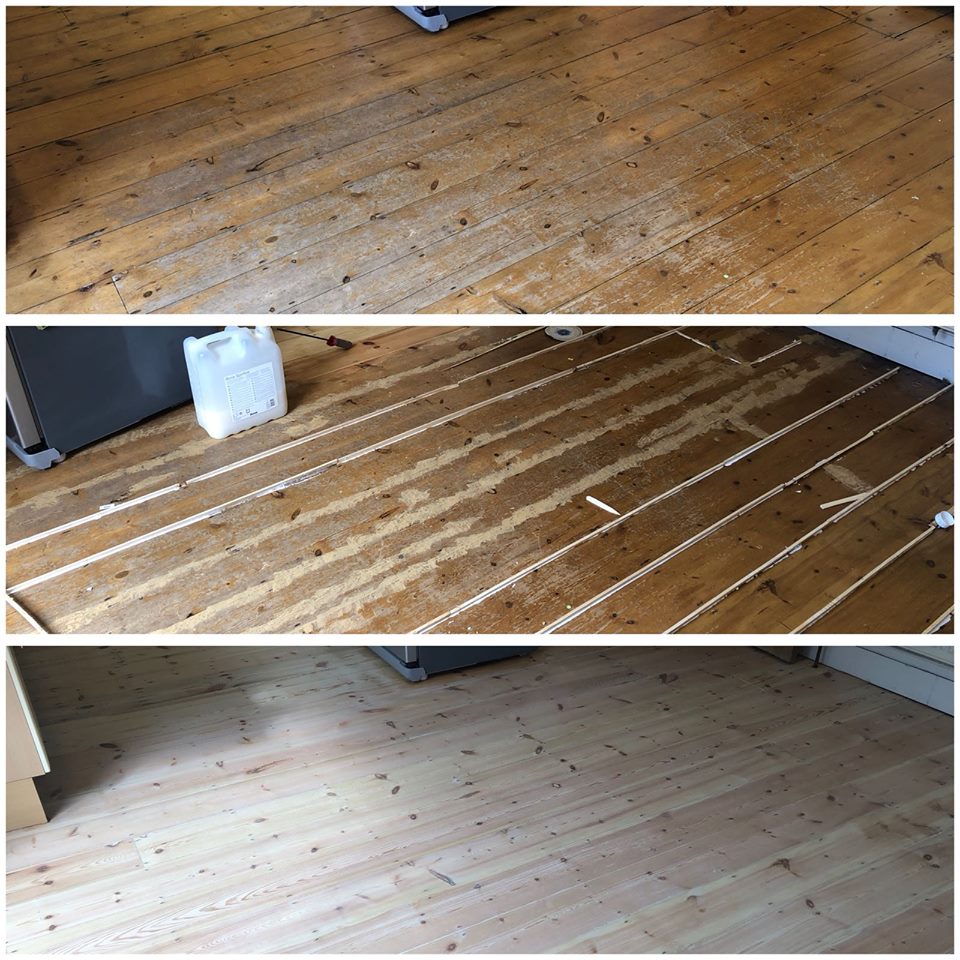
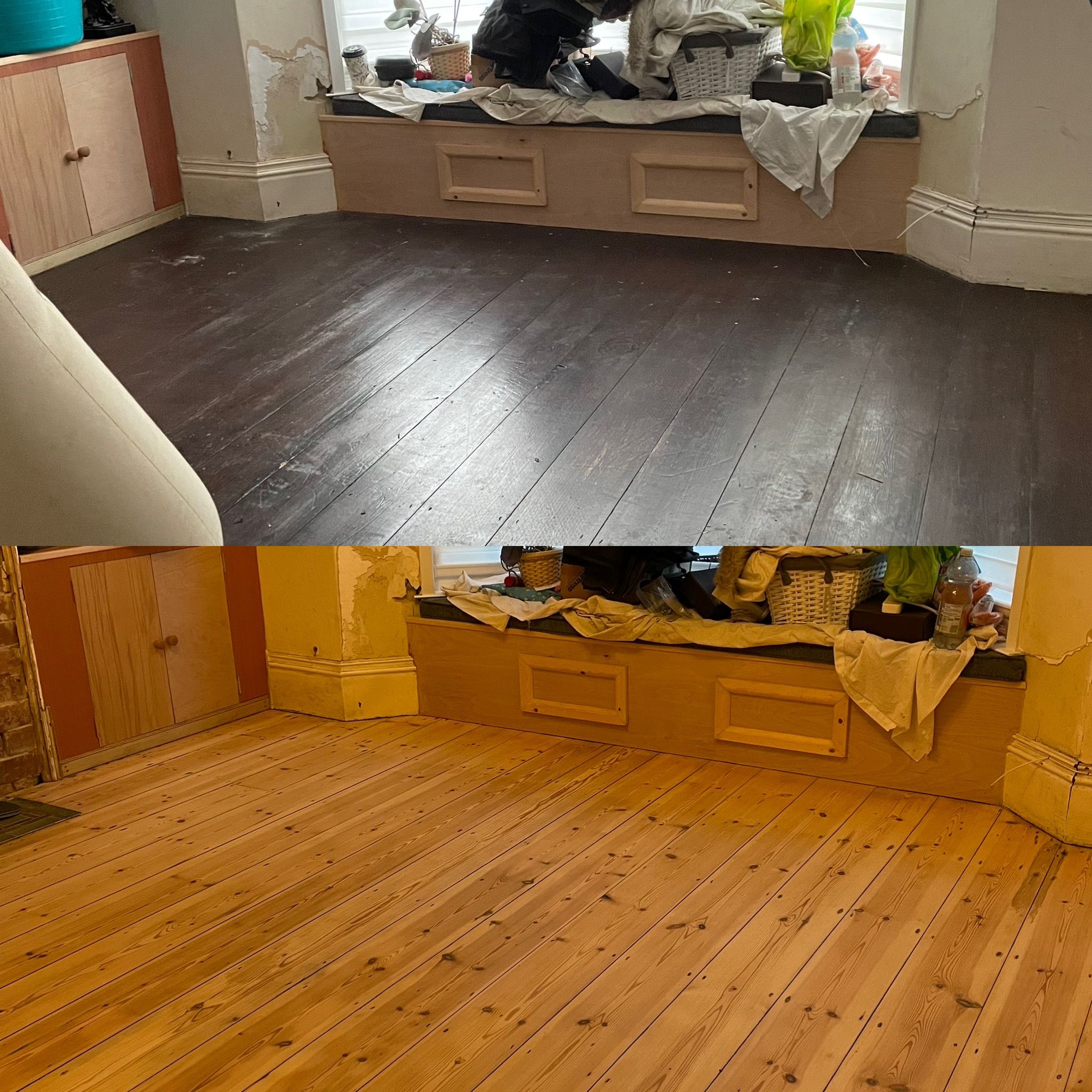
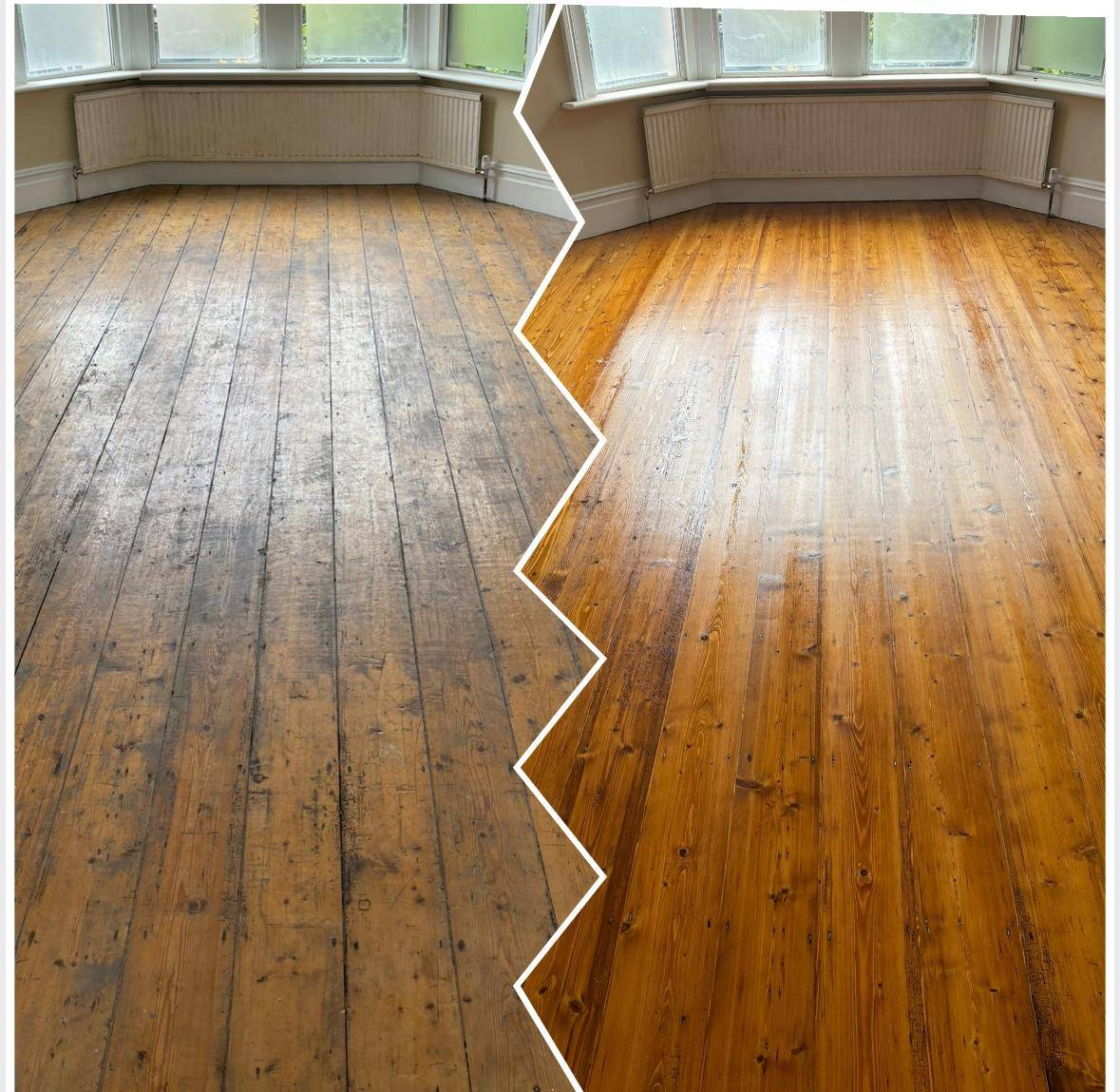
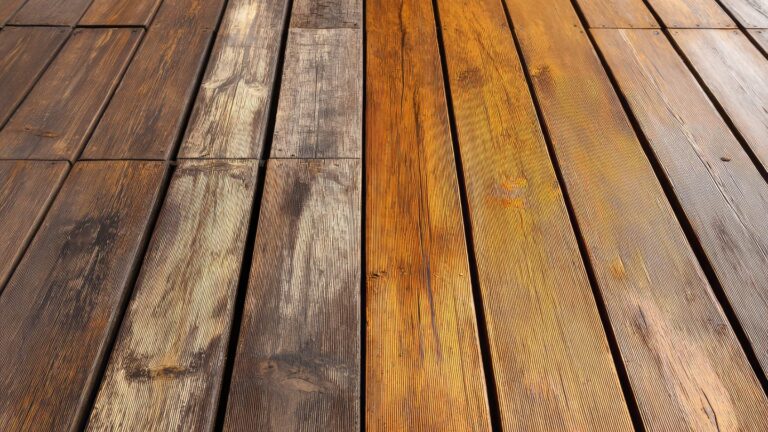
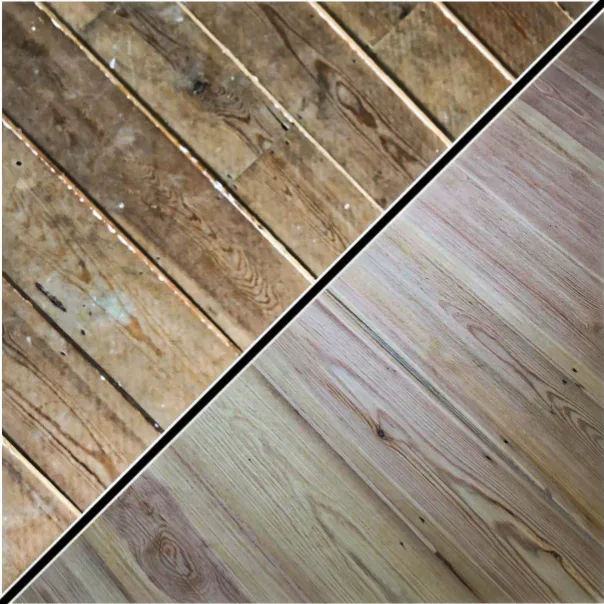
Floor sanding before and after

Floor Sanding Across South Wales

Our wood floor sanding service runs right across the region, from valleys terraces — where miners’ cottage boards are measured for remaining thickness before we commit, since many have been sanded before — to merchant-house pine in the cities and oak or engineered floors in newer homes. Damp is the regional constant, so moisture readings are part of every survey and a cupped floor is never sanded until it has dried flat.

There are dedicated pages for Cardiff, Swansea and Newport; this page covers the service across the wider region, and where a full sand is not needed we offer restoration without sanding instead.

On whole-house jobs the order of work is planned like a decorating sequence. Upstairs rooms and landings are sanded and finished first, then the staircase, then the ground floor, always working towards the door so nobody is stranded across wet finish. Where a family is living around the work we split the house into halves so there is always a furnished room to retreat to, and we agree each day’s noisy window in advance — small logistics that make a big job liveable.

The last step before any finish goes down is one most people never see: the bare timber is buffed over with a fine screen to lay down the raised grain fibres the sanding leaves behind, then vacuumed and wiped until a white cloth comes up clean. First coats applied to a floor prepared this way soak in evenly and dry smooth, which sets the standard for every coat that follows.
Commercial Floor Sanding — Chapels, Schools and Businesses

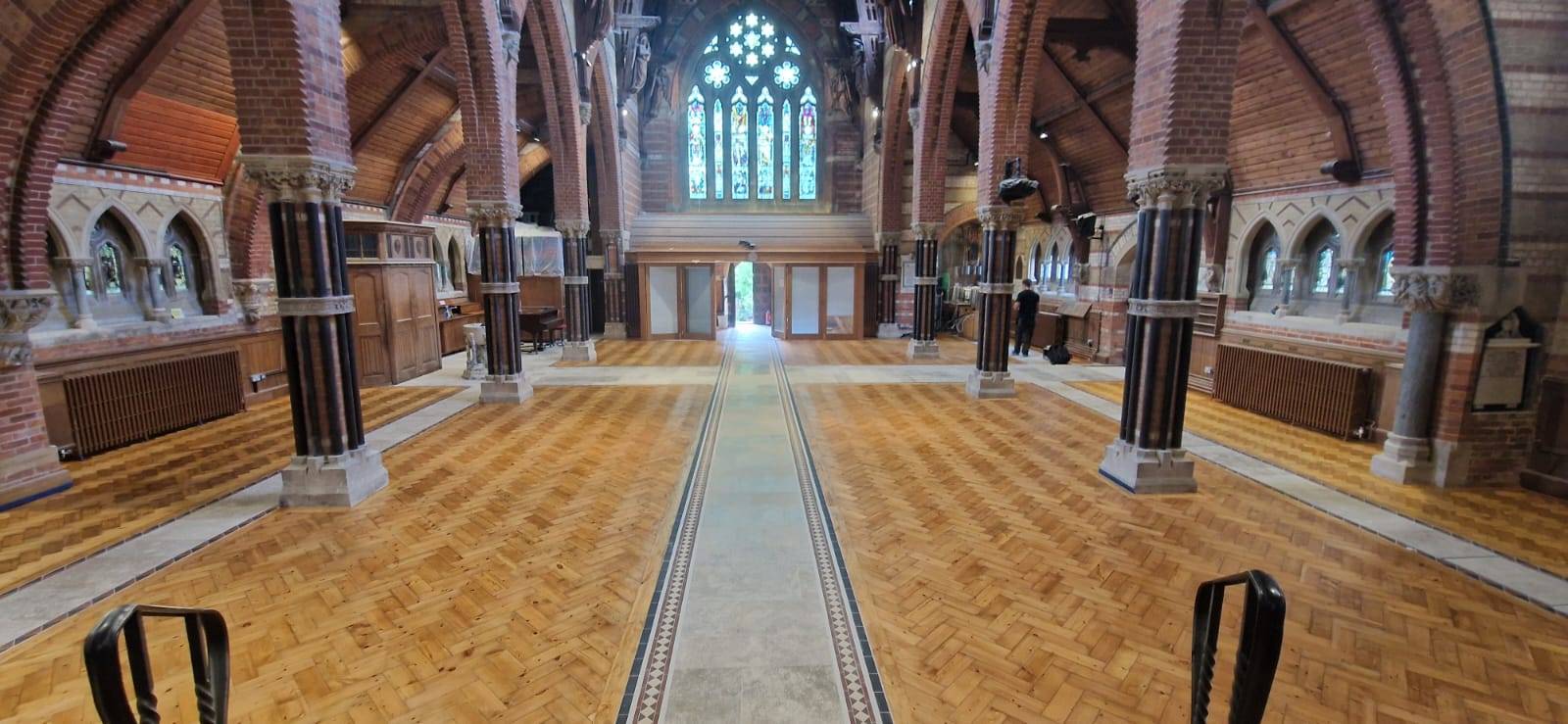
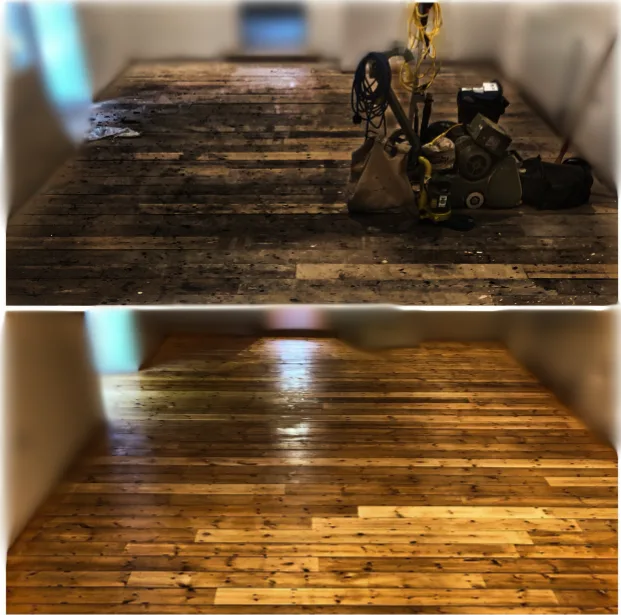
Our commercial floor sanding service is well suited to south Wales work: chapel pitch pine — dense, resinous timber that demands extra time and consumables, which we build into the quotation from the start — alongside school halls, gyms and sports floors with line marking to governing body specification, shops, pubs and restaurants and hotels. Overnight and weekend working keeps every one of them open, and method statements with insurance documentation are standard issue.

Halls and institutes across the region sometimes stand on sprung or battened floors — boarding laid over cradles designed to flex for dancing and sport. These are checked from below where access exists before sanding, because a broken cradle or failed batten telegraphs through the finished floor as a soft spot. Finishing is adjusted too: heavy, water-rich coats are avoided on floors built to move, and the seal system is specified for flex rather than maximum film hardness. It is specialist knowledge, and precisely the sort of floor we enjoy.

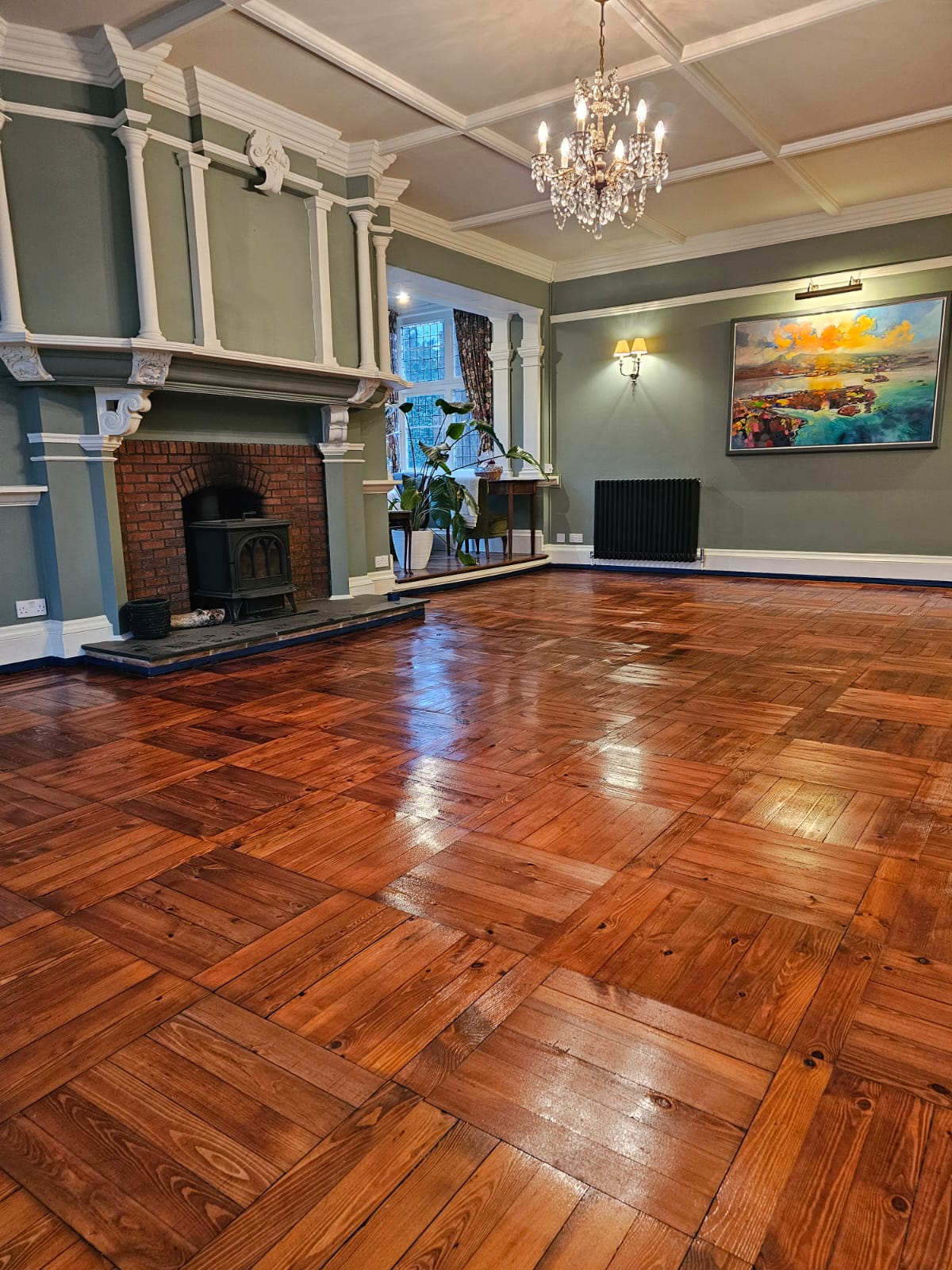
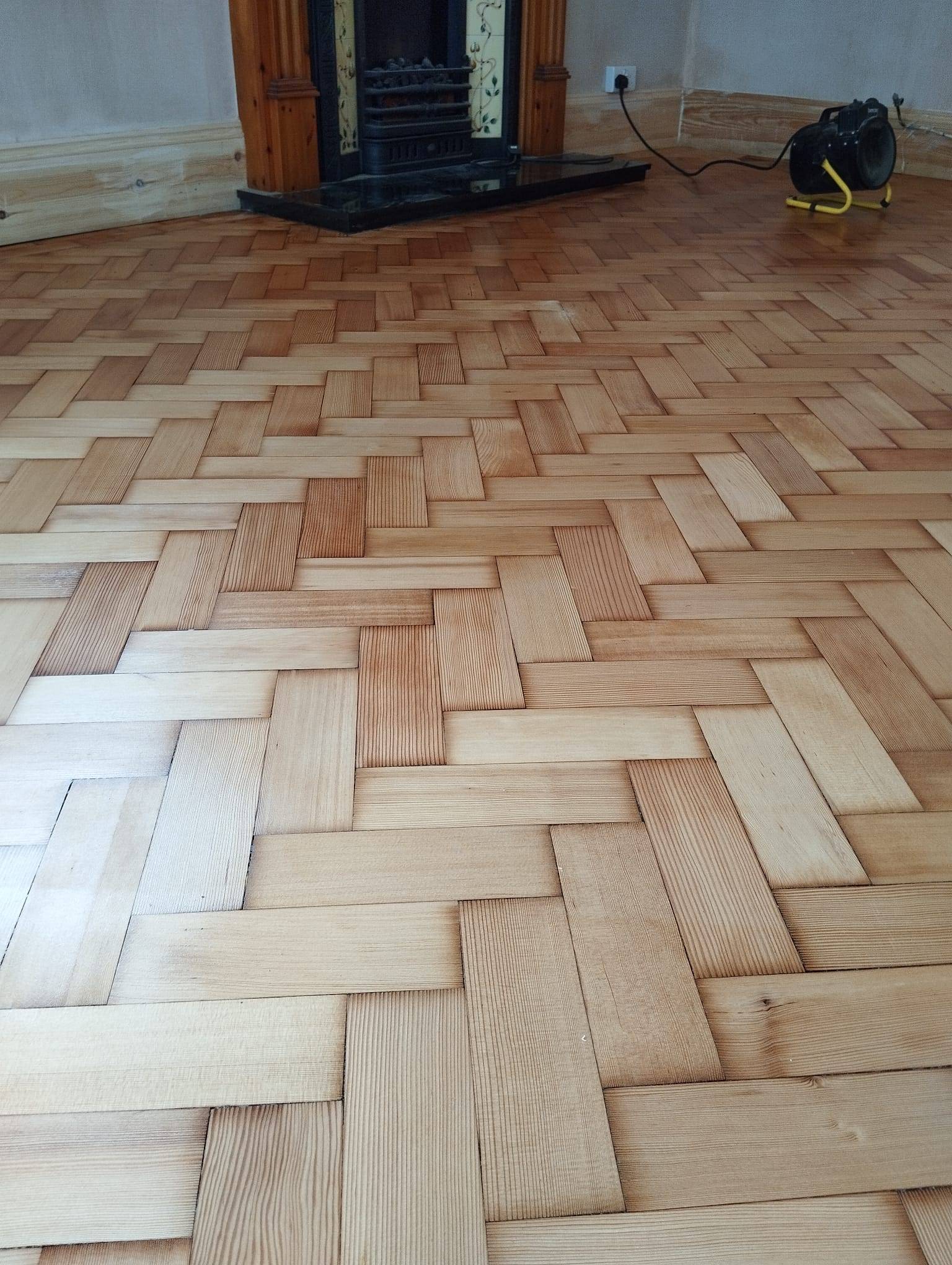
parquet wooden floor sanding
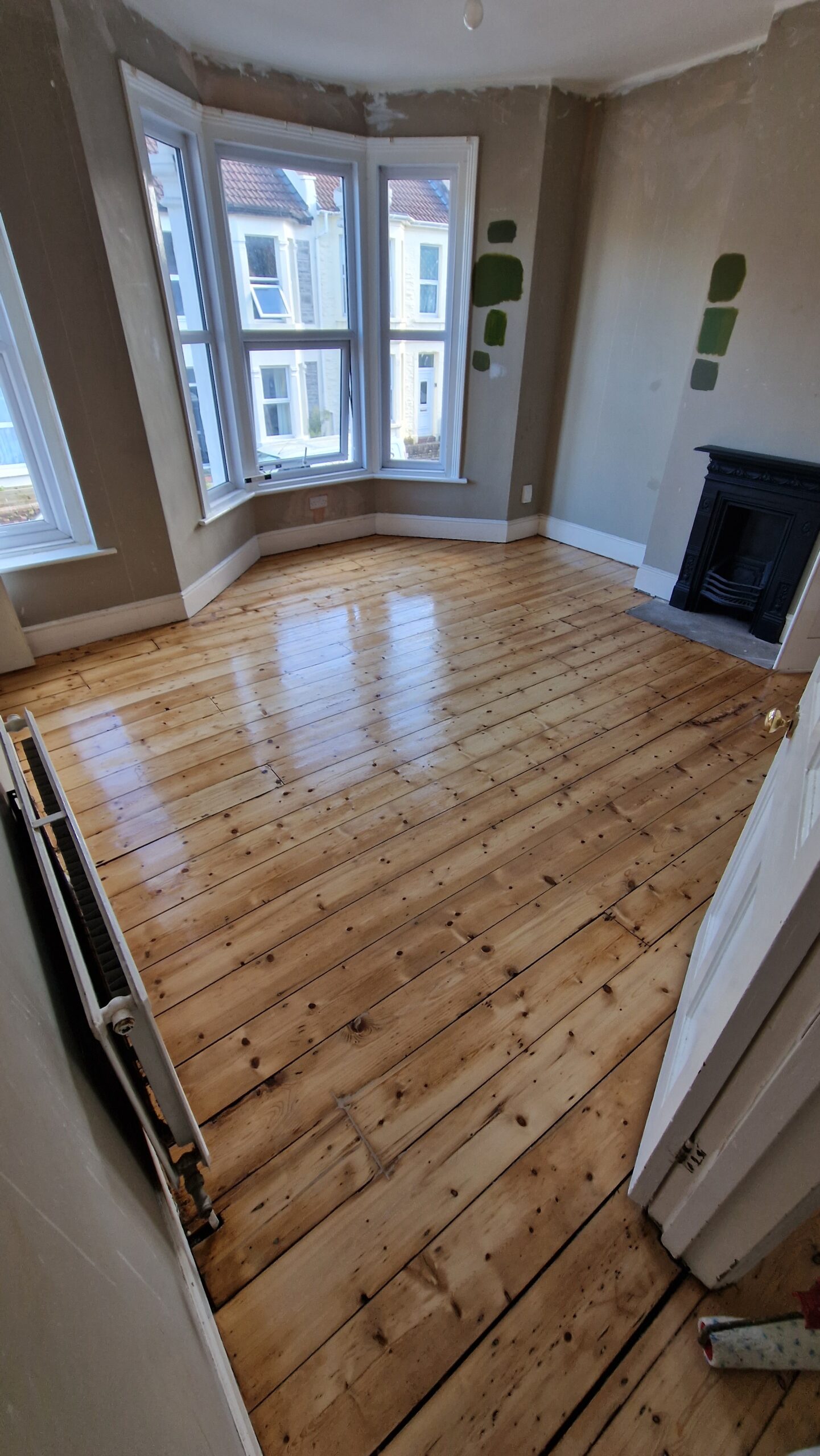
wooden floor sanding

Repairs, Squeaky Boards and Replacements

Structural honesty comes before cosmetics. Wooden floor repairs refix loose boards, rebuild damaged sections and address rot at joist ends; squeaky wood floor repair cures creaks at the joist rather than masking them; scratch repair deals with localised marks on their own.

Floorboard replacement comes from our reclaimed timber stock — boards of the right species and age for terraces and chapels alike — so repairs disappear once the floor is sanded and finished.

Terrace boards rarely match modern stock dimensions — widths and thicknesses vary street by street, and sometimes room by room in the same house. Because we hold reclaimed timber in quantity and can machine it to size, a replacement board is planed and ripped to the exact section of its neighbours before it goes in, not forced in over-thick and sanded into submission. Thickness matters as much as width: a board standing proud wears through its finish early, and one sitting low collects dirt along its edges.

Parquet Restoration Across the Region

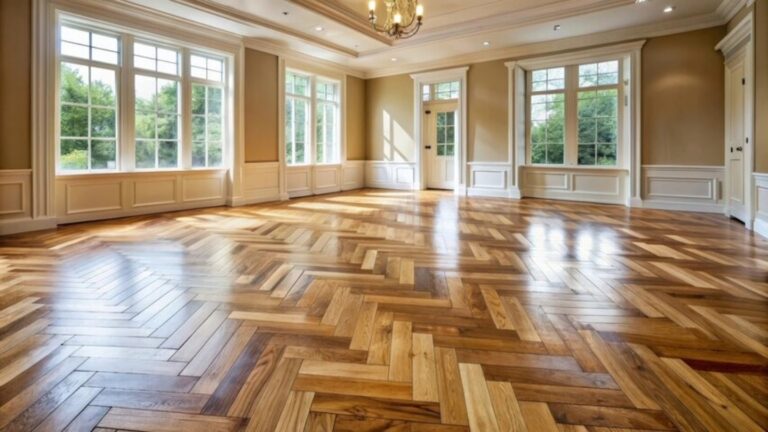
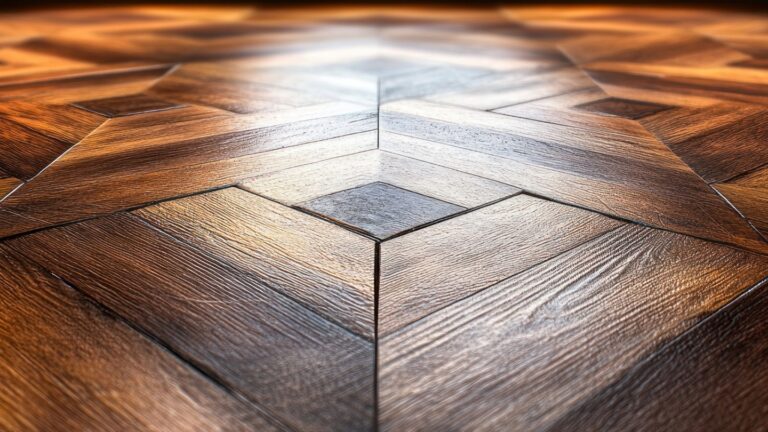
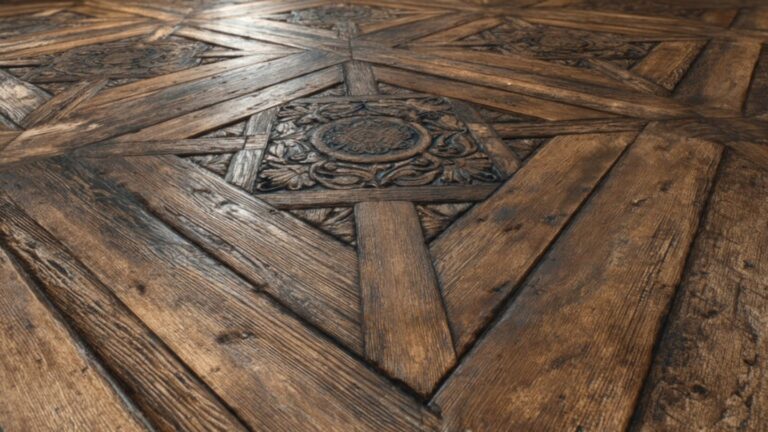
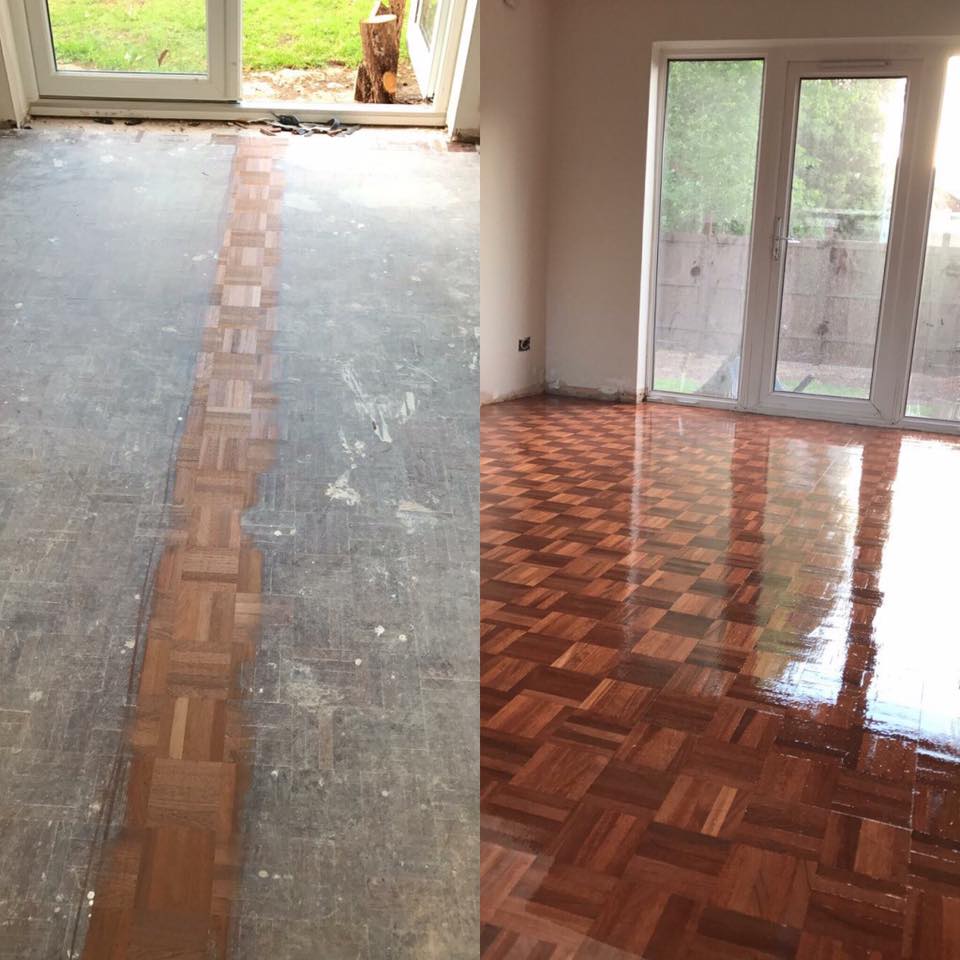
From chapel vestries to valleys schools and Cardiff’s interwar suburbs, parquet keeps surfacing across south Wales. Our parquet floor sanding service re-bonds loose blocks, replaces missing ones from reclaimed stock, deals correctly with the bitumen bed and sands the pattern level in several directions before finishing. Cardiff blocks have their own page — Cardiff parquet restoration — if that is where your floor is.

Big institutional parquet fields behave differently from a domestic hallway. A hall holding several thousand blocks moves appreciably across its width, which is why the original layers included perimeter margins and, in the largest floors, breaks in the field — details we preserve rather than fill solid. Intermittently heated buildings are the extreme case: a chapel vestry warmed once a week swings in humidity constantly, so blocks there are re-bonded with flexible adhesive and finished with products that tolerate movement rather than fight it.

flooring sanding company
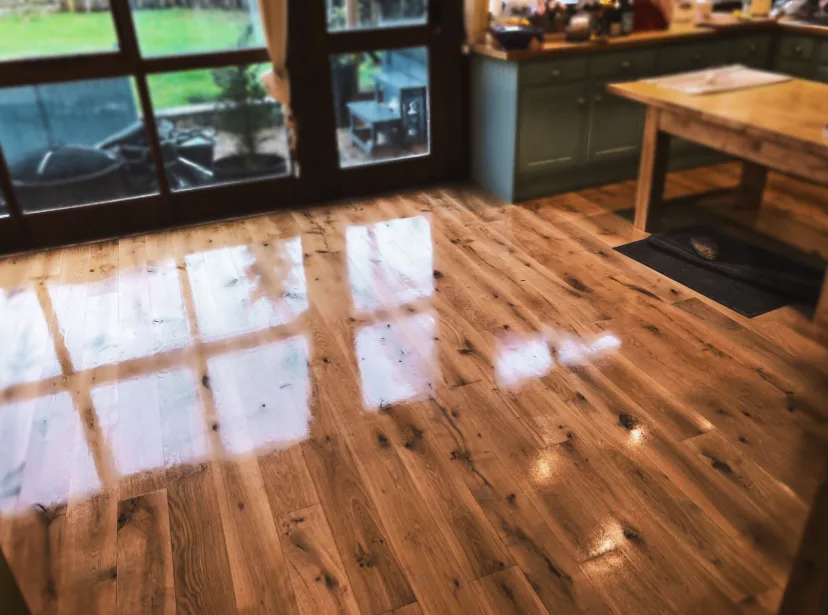
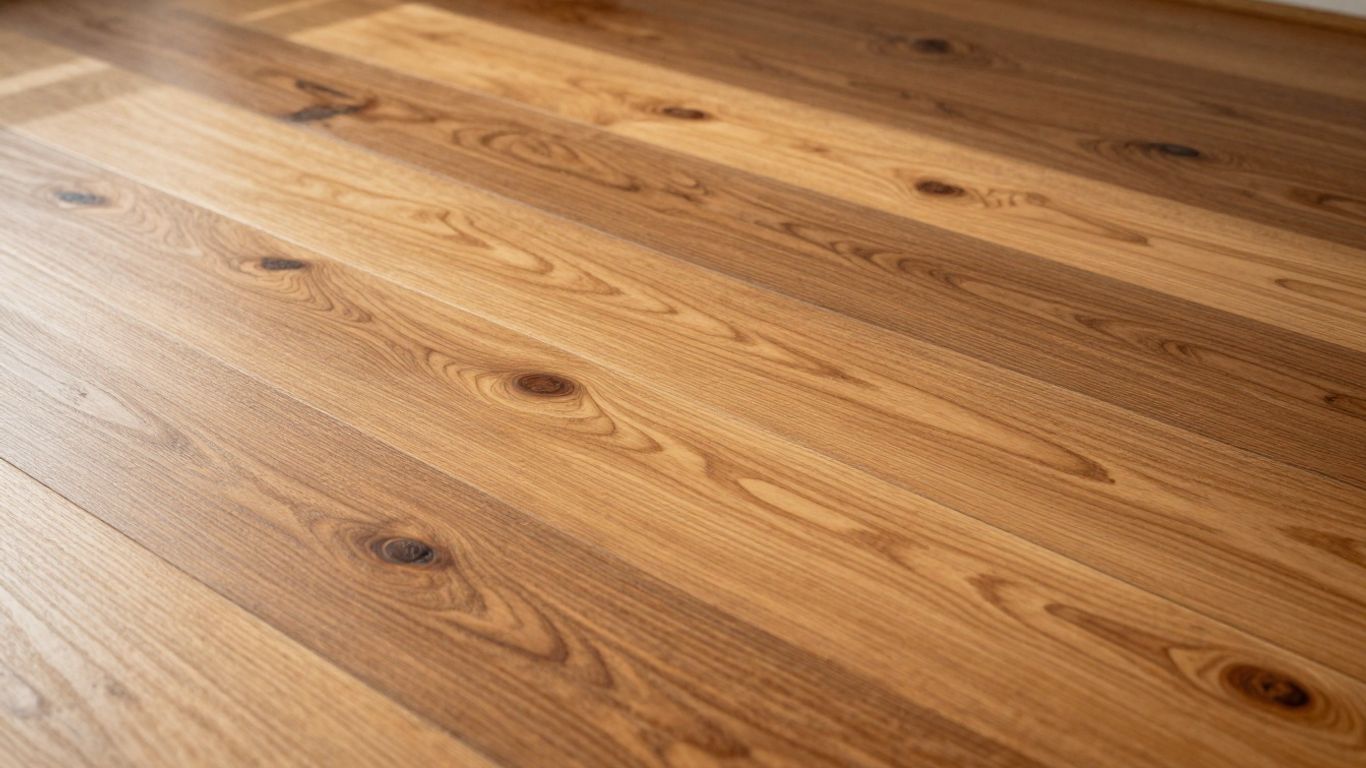
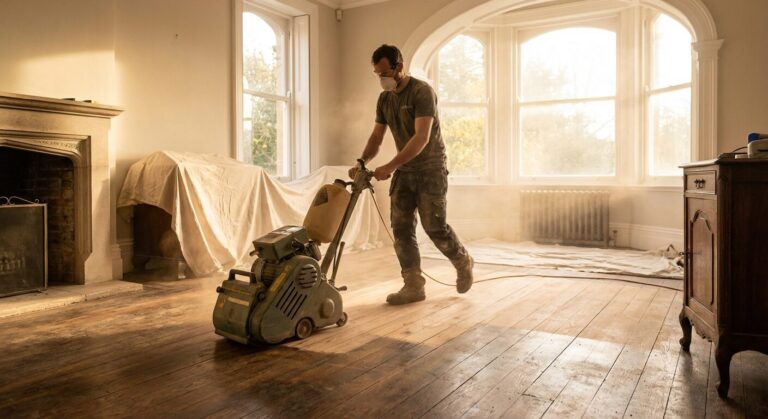
Sunlight across freshly lacquered wooden floorboards

Staining, Sealing, Oiling and Waxing

Finishes are matched to Welsh conditions as much as to taste. In damp-prone and coastal property we often steer towards oiling, which moves with the timber and repairs locally; high-traffic homes, rentals and commercial floors get durable lacquer through wood floor sealing; waxing keeps period rooms authentic. A new colour comes via wood floor staining, sampled on your own boards before the whole floor is committed.

Wood-burning stoves deserve a mention, common as they are in Welsh homes. The floor immediately around a stove runs hotter and drier than the rest of the room, so boards there shrink first and finishes age fastest — worth considering when choosing between a film-forming lacquer and an oil that can be topped up locally in exactly that zone. A proper hearth keeps embers off the timber, and a little distance between log basket and boards saves the scratches that dragging it causes.

Gap Filling, Stairs and Ongoing Care

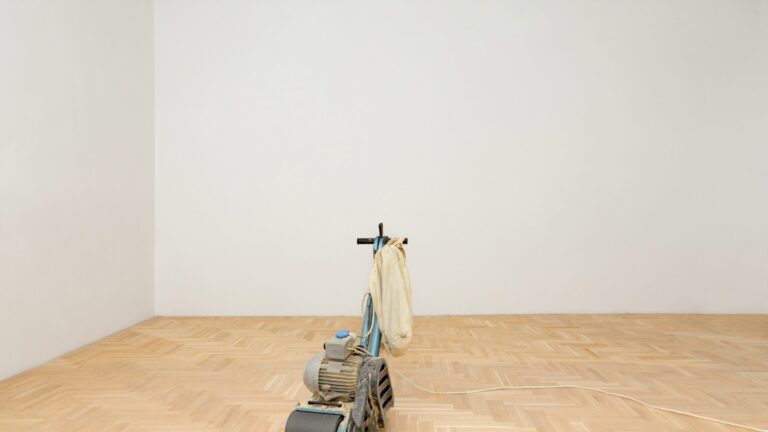
Gap filling earns its keep in Welsh terraces, closing draughty shrinkage gaps with tapered timber slivers or resin sanded flush. Stair sanding restores treads and risers to match refinished floors. Once done, occasional buffing and recoating or a wood floor polish renews the wear layer for years between sands — and every machine we run uses sealed extraction capturing the overwhelming majority of dust at source, so occupied homes, chapels and businesses stay clean.

The healthiest thing an owner can give a restored floor is a stable indoor climate. Timber is happiest when relative humidity stays roughly between forty and sixty per cent — an inexpensive hygrometer tells you where a room sits — and the floors that trouble their owners are usually in rooms swinging far outside that band, parched by winter heating or damp from drying laundry indoors. Steady conditions, prompt attention to leaks and an occasional maintenance coat will keep a sanded floor sound for decades.

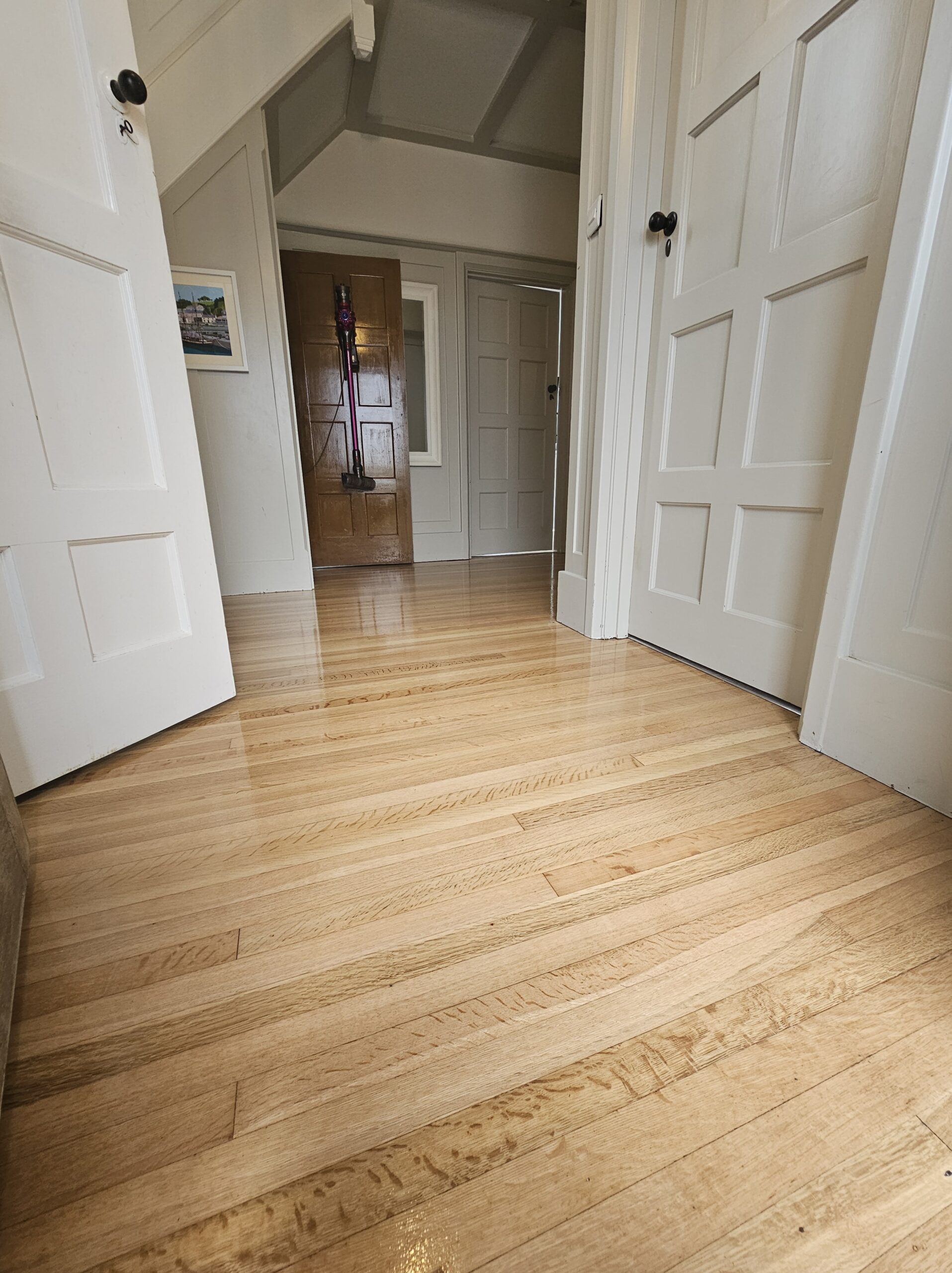
Wood floor sanding company
Floor sanding taunton

Get a Floor Sanding Quote in South Wales

Send two photographs of your floor and we will come back with an honest opinion and a fixed written quotation — photographs usually settle the question without a drive. Free, no-obligation site surveys are available across the region, and because jobs are grouped by area into the same week, it is always worth asking when we are next over your way.

Call 01823 674562, email info@ryansrestoration.co.uk, or use the form on this page.

All services available in South Wales: floor sanding, commercial floor sanding, wood floor repairs, floorboard replacement, gap filling, parquet restoration, staining, sealing, oiling, waxing, stair sanding and floor installation.

Nearby areas we also cover: Cardiff and Swansea. There is a page for each, and the full list of towns is on our areas we cover page.

FAQ: Floor Sanding in South Wales

The full floor service throughout the region: sanding, refinishing, repairs, board replacement, gap filling, parquet restoration, staining, sealing, oiling, waxing, stair sanding, buffing, installation, plus chapel, school and commercial contracts.

Yes — overnight, weekend and phased working is how every commercial job is planned, so shops, pubs, hotels and halls carry on without losing a session.

Usually. Loose, creaking and damaged boards are put right in place; only genuinely failed timber is replaced, using reclaimed boards that match the originals in age and species.

Everywhere in the region. Blocks are re-bonded, gaps in the pattern filled from reclaimed stock, and the floor sanded flat in multiple directions before its new finish goes on.

It can — staining after sanding takes floors darker, warmer or more contemporary. Samples always go on your own boards first so the decision is made on the real thing.

Engineered flooring can be refinished when its hardwood top layer is deep enough, which we measure at survey. Laminate carries no real timber surface and cannot be sanded.

Sealed extraction runs on every machine and captures the overwhelming majority of dust at source — vital in chapels and homes full of pews, furniture and fabric.

Email two photographs for an honest opinion and a fixed written quotation, or call 01823 674562 to arrange a free no-obligation survey when we are next in your area.

Yes, with the right precautions. Sprung and battened floors are checked from below where access allows, soft spots investigated before machines run, and the seal system specified for flex rather than maximum film hardness, so the floor keeps doing what it was built to do.

Relative humidity roughly between forty and sixty per cent. An inexpensive hygrometer shows where a room sits, and keeping it inside that band — avoiding parched winter heating and indoor laundry damp — prevents most seasonal gapping and movement complaints.