Floor Sanding Penzance

Floor Sanding and Wood Floor Restoration in Penzance

QUICK QUOTATION

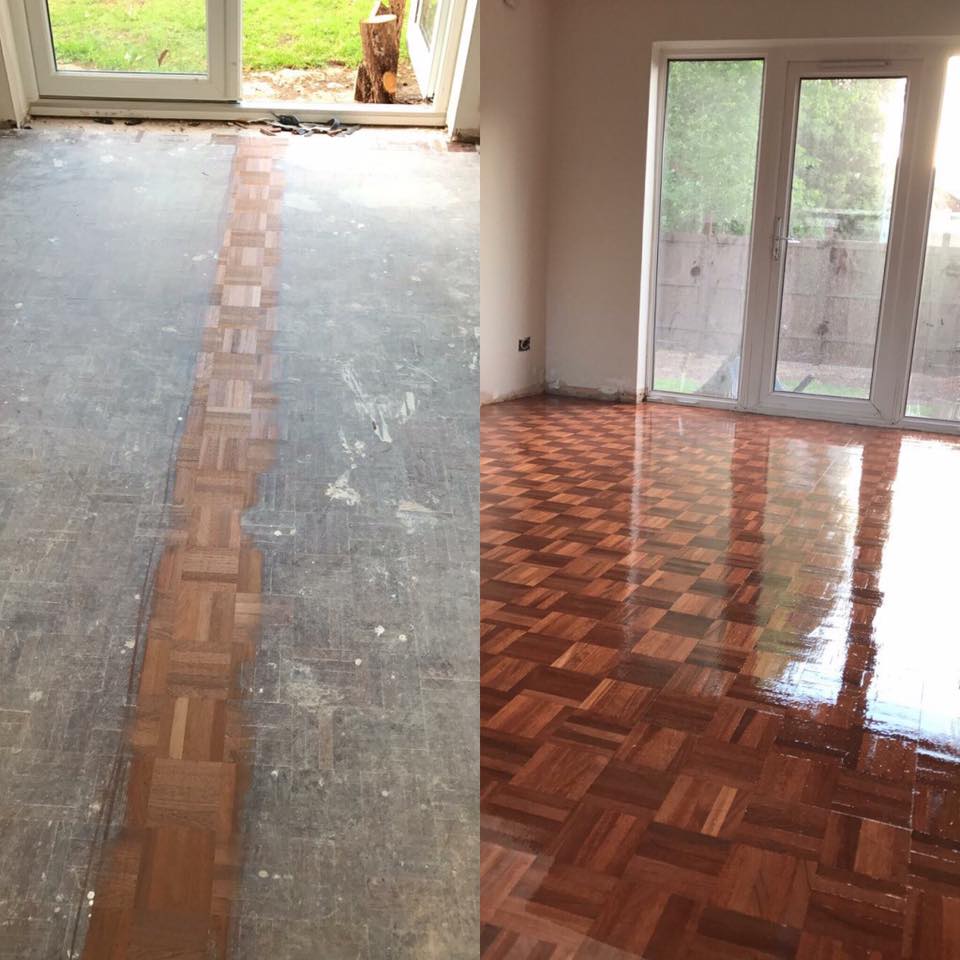
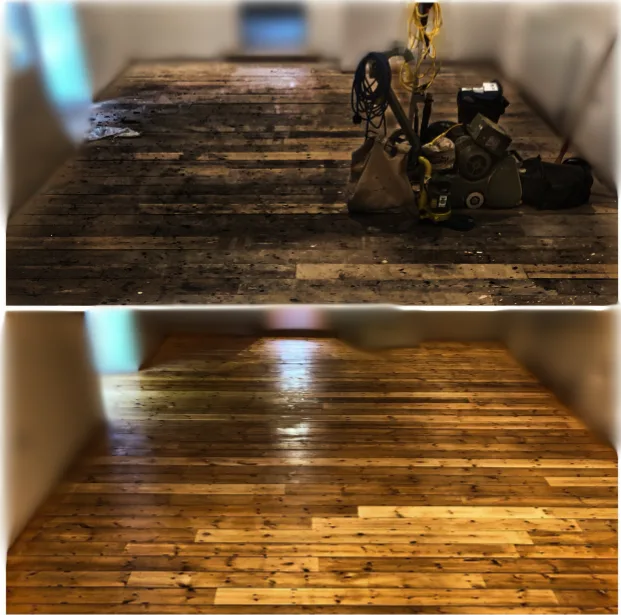
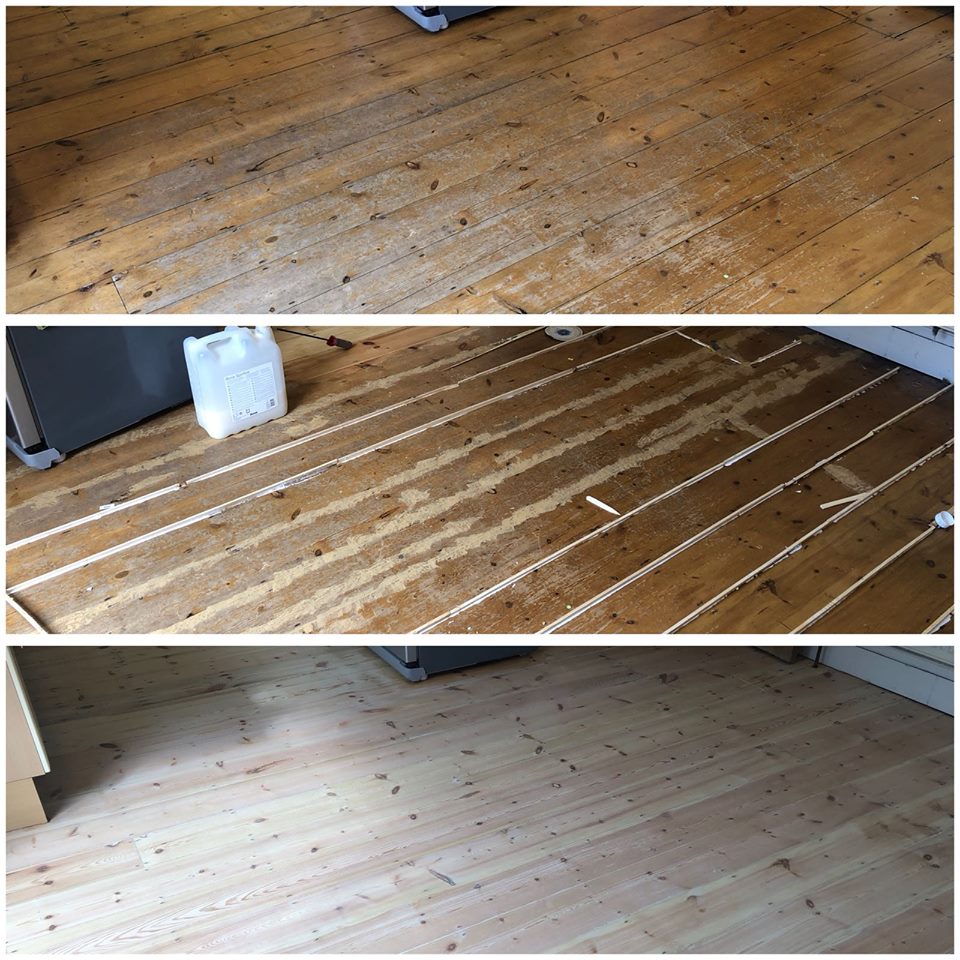
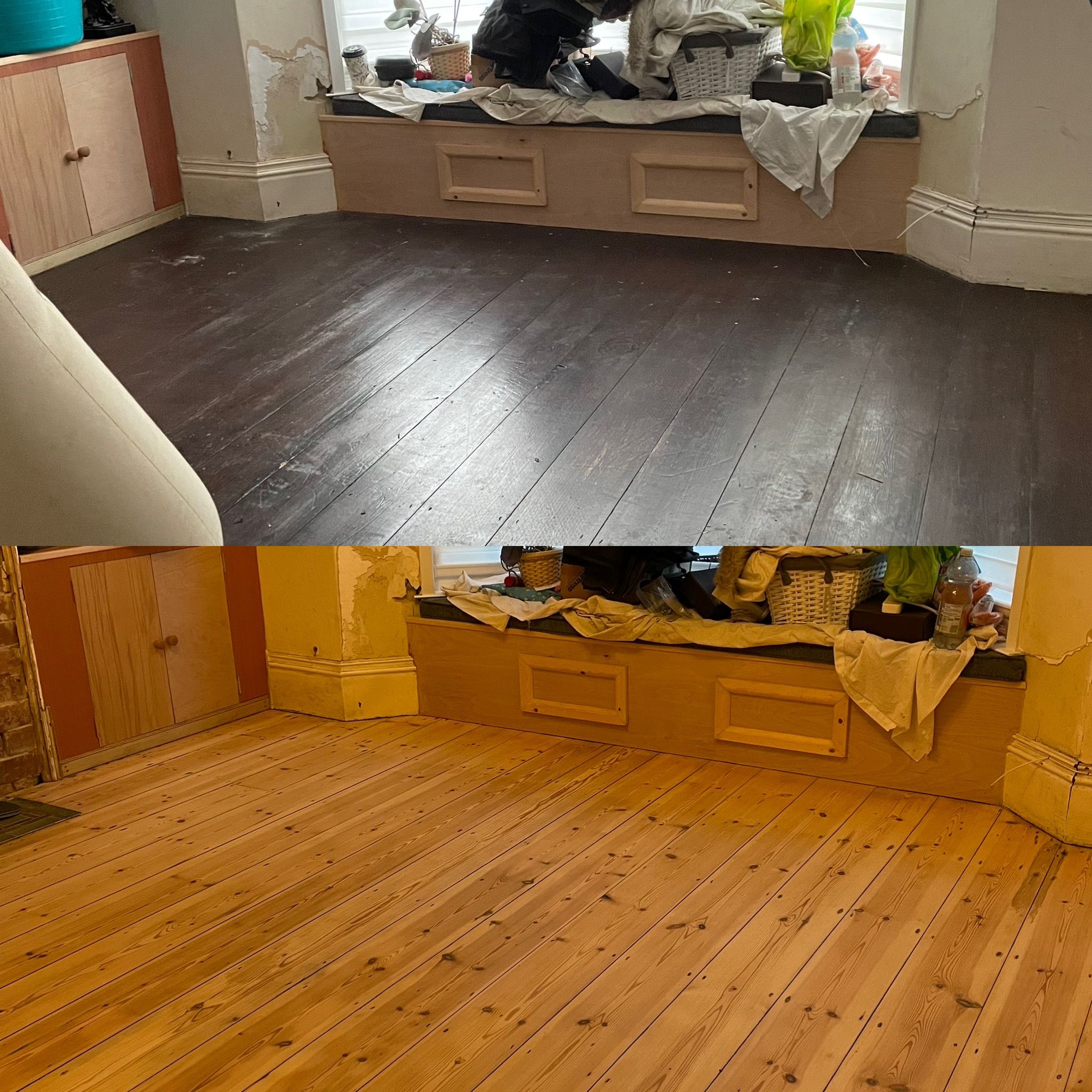
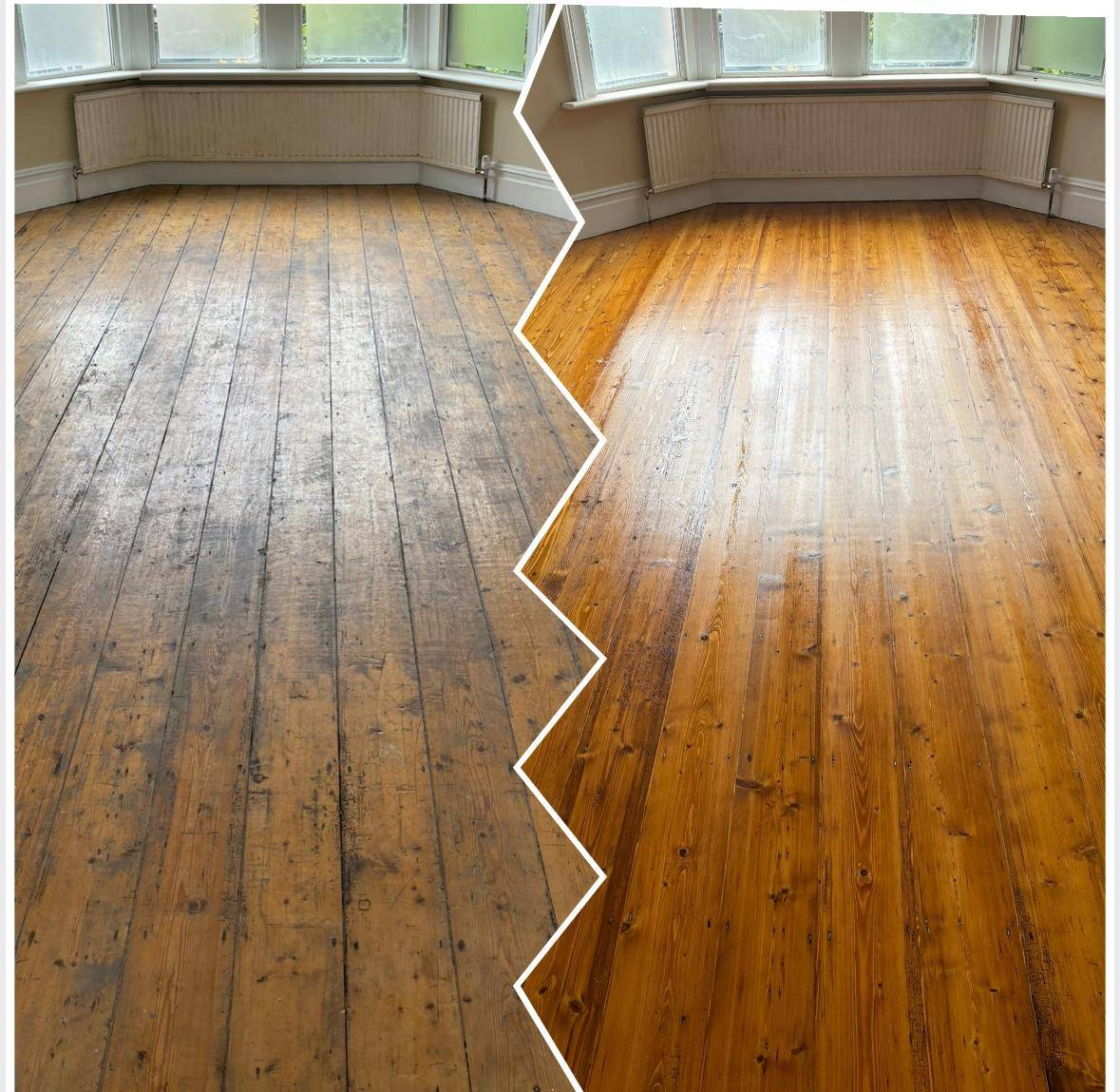
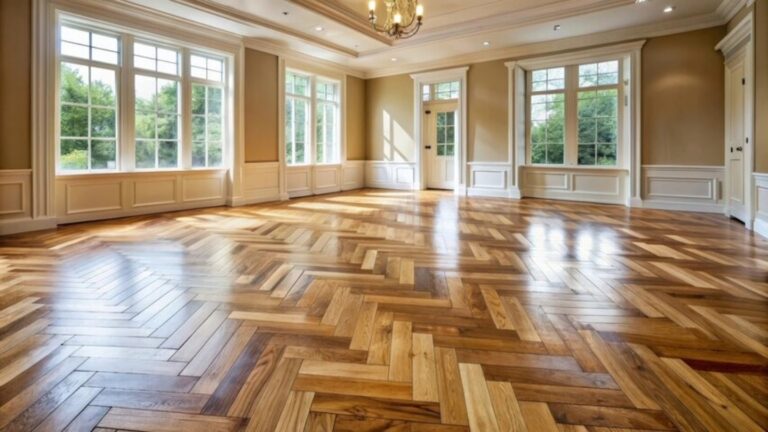
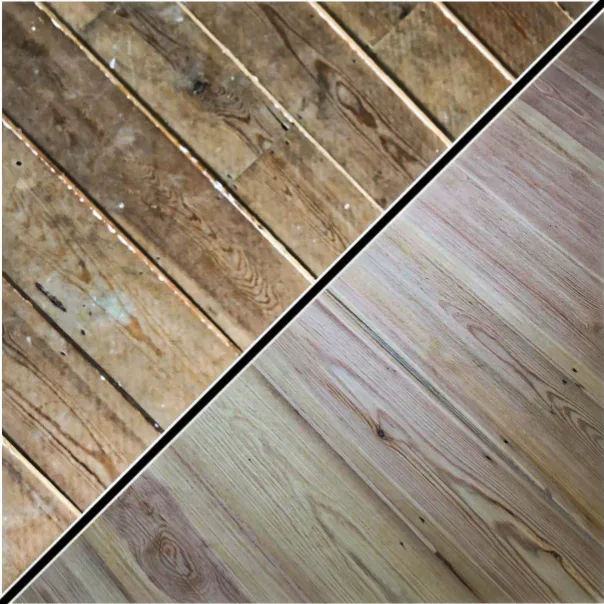
Floor sanding before and after

Floor Sanding Across Penzance and West Cornwall

Penzance is as far west as we work regularly, and it has some of the most interesting floors in Cornwall. Chapel Street alone runs from medieval through Georgian to Regency in a few hundred yards, and the town’s trading wealth paid for good timber when it was built.

We cover Penzance, Newlyn, Mousehole, Heamoor, Gulval, Madron, Marazion, St Just, Sennen and Porthcurno, plus St Ives, Hayle, Camborne and Helston.

This is a long run for us, so we group west Cornwall jobs into the same week wherever possible. That keeps travel out of your price, and it is genuinely worth asking when we are next down rather than assuming it cannot be done.

Chapel Street Georgian and Granite Cottages

Two very different sorts of floor sit close together here.

The Georgian and Regency houses along Chapel Street, Regent Terrace and Clarence Street have wide, well-cut pine over deep joists, laid when Penzance was a prosperous port. Many are listed and most have had a sanding or two across two centuries, so we measure remaining thickness before committing rather than starting and discovering the problem partway through.

The granite cottages of Newlyn, Mousehole and the mining villages are another matter entirely. Thick stone walls, small windows, wide elm and oak boards over hand-cut joists, and frequently almost no ventilated void underneath. Granite is impermeable, which sounds helpful until you realise it means moisture has nowhere to go except through the timber.

Those floors want patience. We start finer, hand-work where a machine would be heavy, and accept that a three-hundred-year-old cottage floor is meant to look its age.

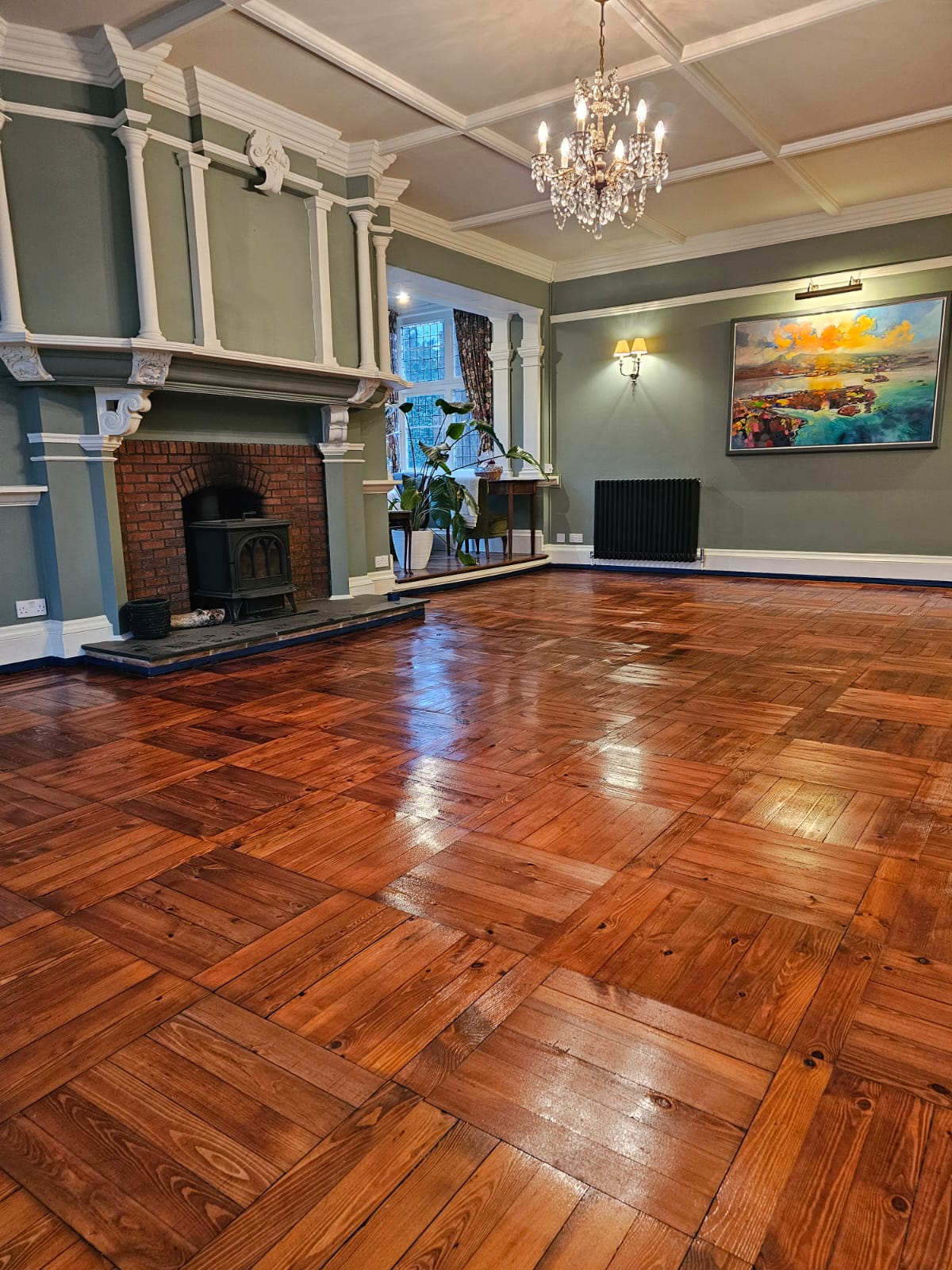
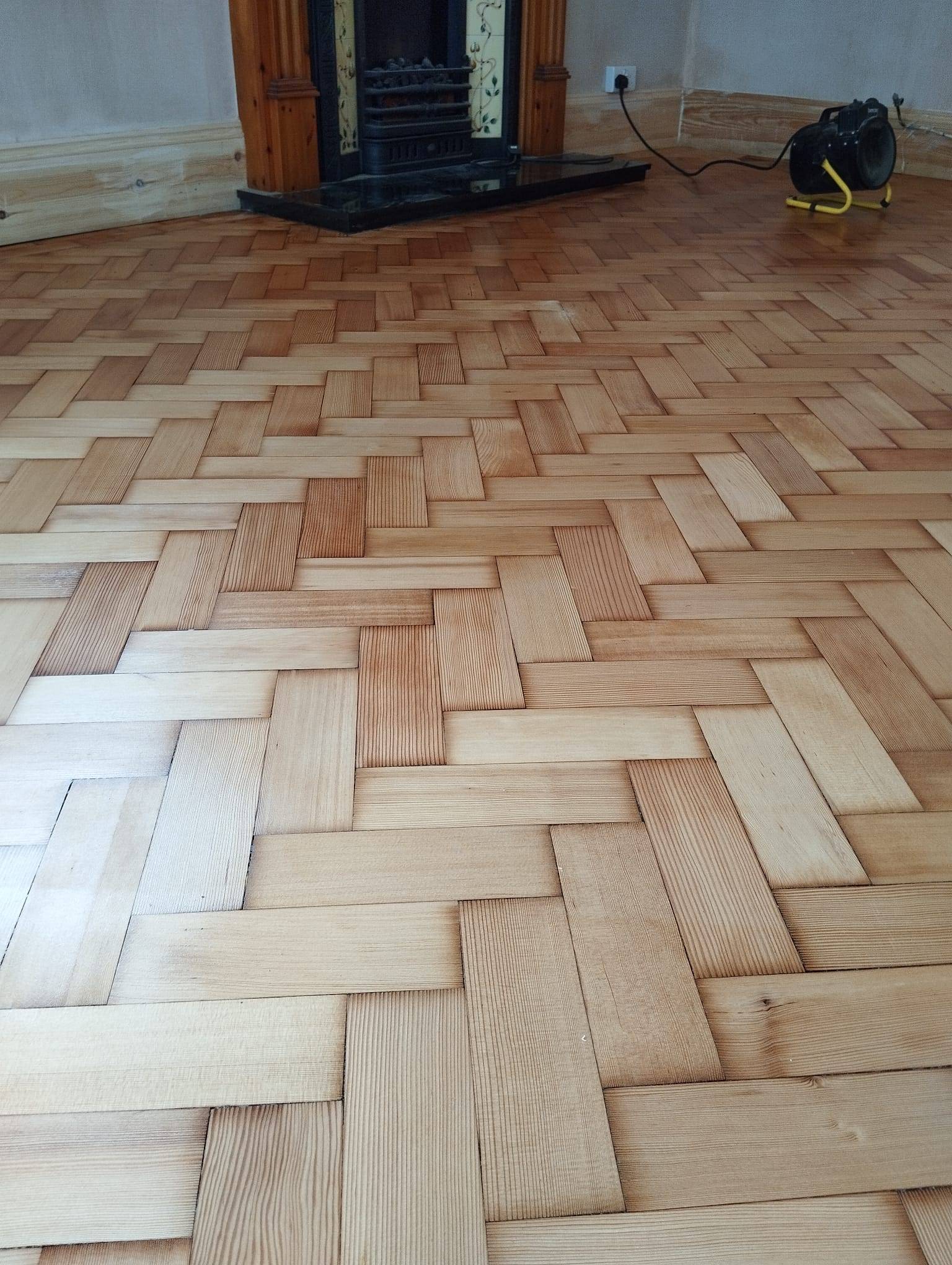
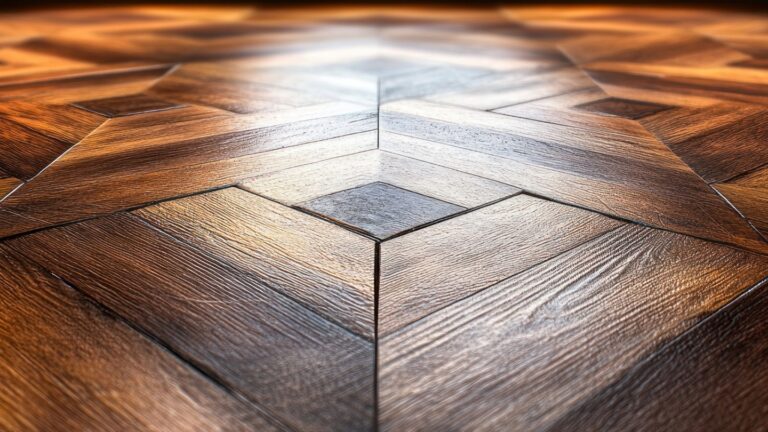
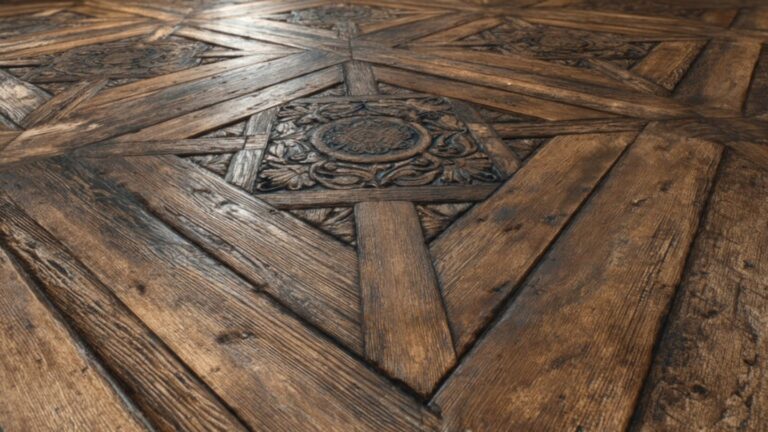
parquet wooden floor sanding
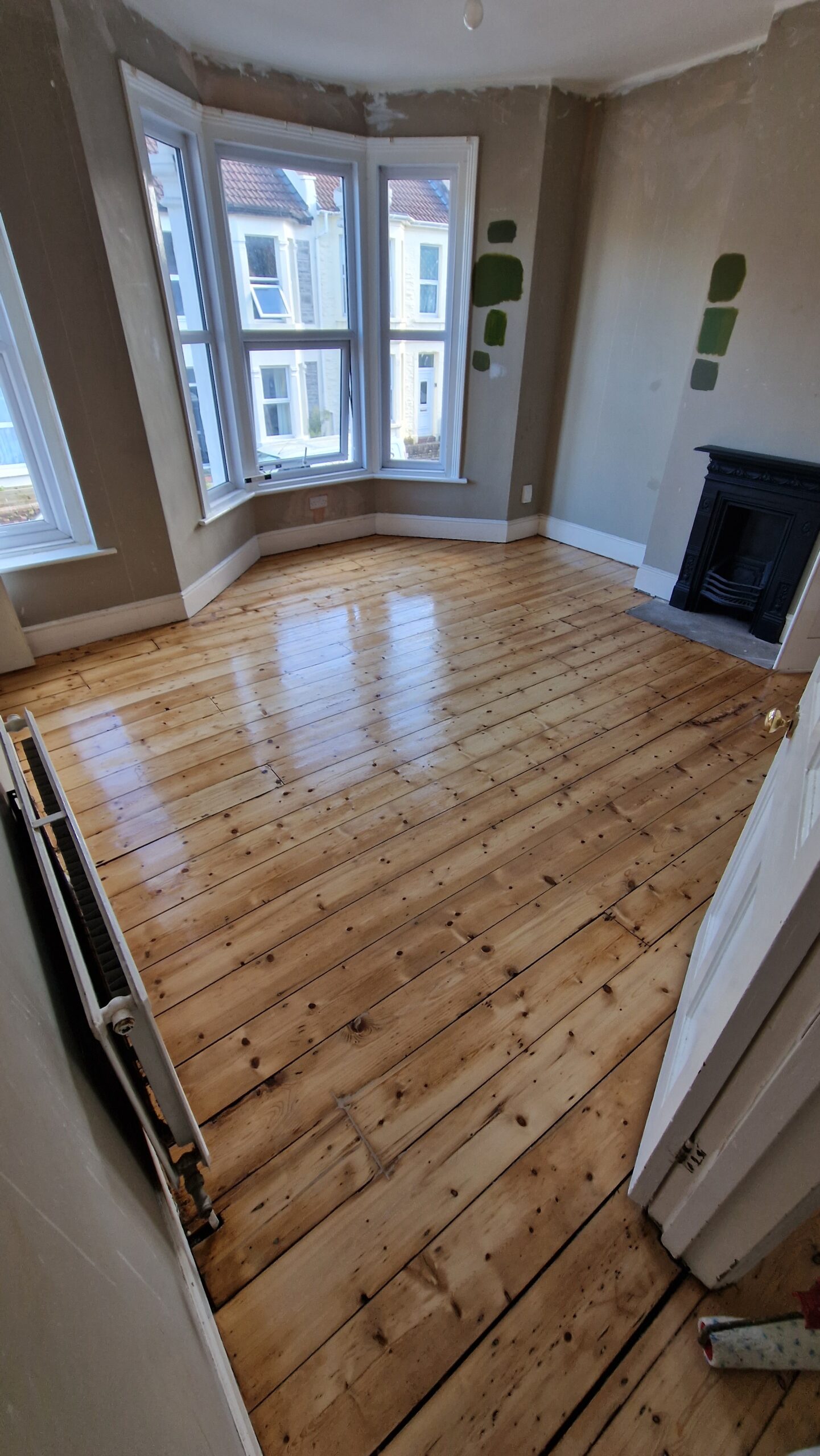
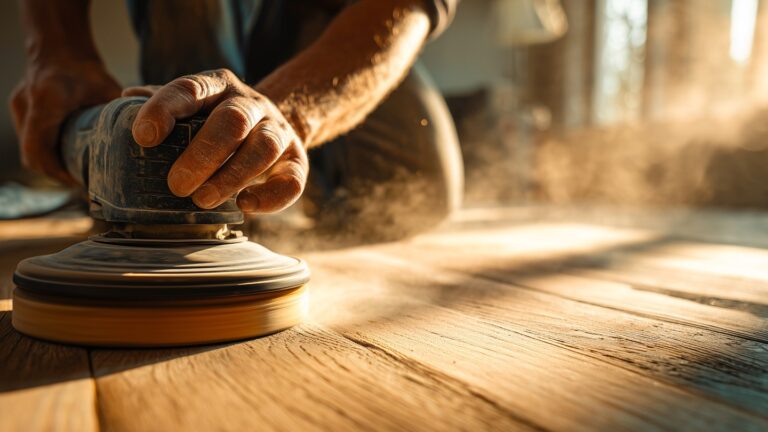
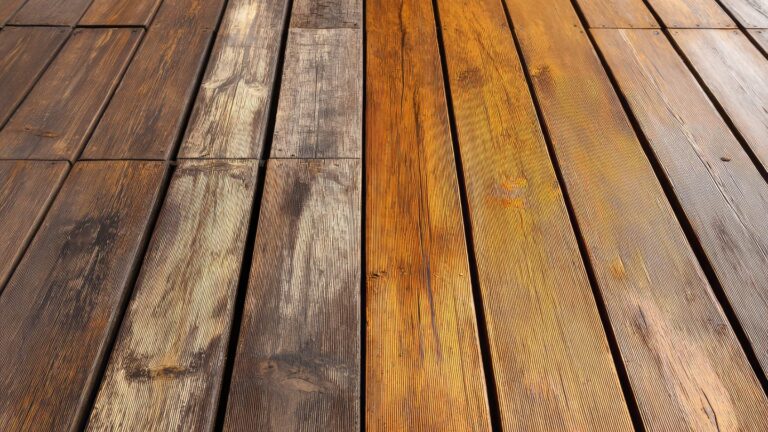
wooden floor sanding

The Wettest Corner We Work In

West Cornwall is harder on timber floors than anywhere else on our patch, and it is worth being blunt about why.

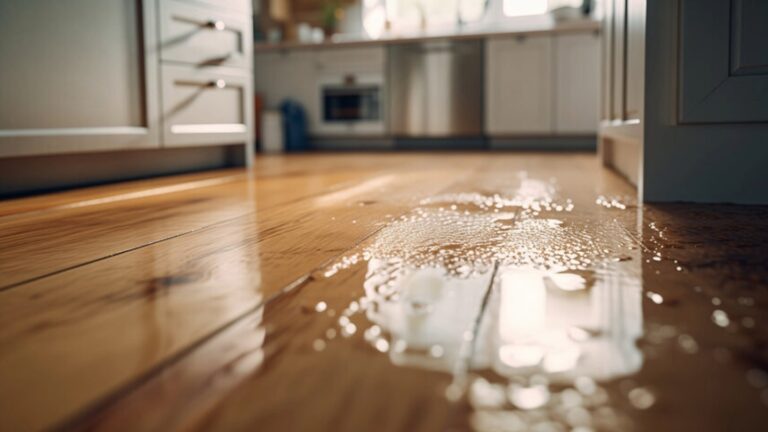
The peninsula rarely gets a properly dry spell. Humidity stays high through the year, Atlantic wind carries salt several miles inland, and salt is hygroscopic — it holds moisture against surfaces rather than letting it evaporate. Add a housing stock that largely predates damp proof courses and sits on granite, and timber here simply never dries out the way it does inland.

The consequences are predictable. Boards cup, so the floor reads as shallow ridges underfoot. Gaps that would close in a Somerset summer stay open. Rigid film finishes crack at the joints within a few years.

Sanding a cupped floor flat while it is still holding moisture ruins it — the boards flatten as they dry and end up thin down the middle. We take moisture readings before quoting, every time, and we will tell you plainly if the answer is ventilation first.

What Actually Lasts Down Here

Finish choice is the difference between a floor that looks right in five years and one that does not.

We recommend hard wax oil for most west Cornwall property. It penetrates the timber rather than sealing it, lets the boards breathe, flexes as they move seasonally, and — the practical part — can be repaired in patches without stripping and redoing an entire room when one area gives up.

A rigid lacquer does the opposite. It forms a film, and when the boards move underneath it the film cracks at the joints, moisture gets in, and you are into a full strip and refinish rather than a touch-up.

The exception is holiday accommodation on a tight turnaround, where a water-based lacquer takes foot traffic within a day and an oil does not. We will tell you which suits your property rather than defaulting to whichever is faster for us.

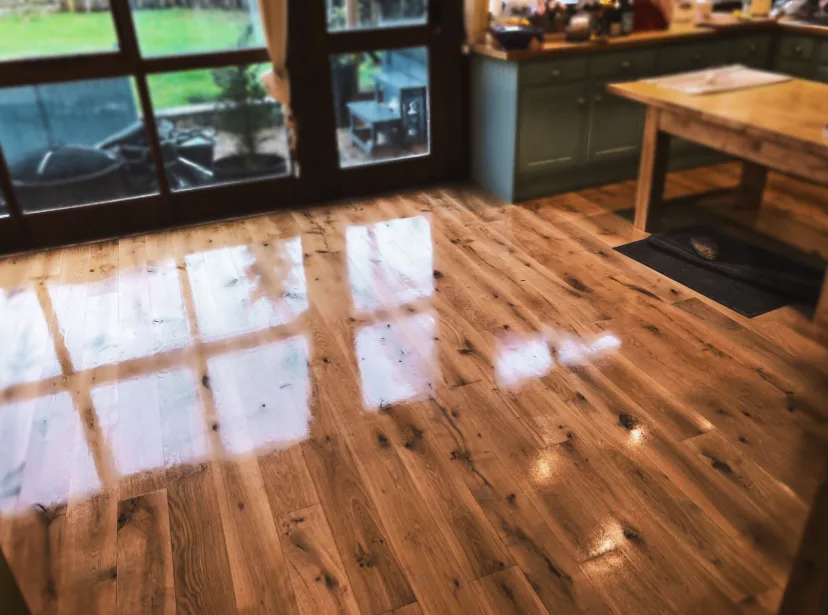
flooring sanding company

Holiday Lets, Pubs, Halls and Chapels

A very large share of west Cornwall property is holiday accommodation, and for those jobs the booking calendar decides everything. Tell us your changeover windows and we will phase the work room by room so the let stays usable. The quiet months fill up early — the weeks before Easter are usually gone by January.

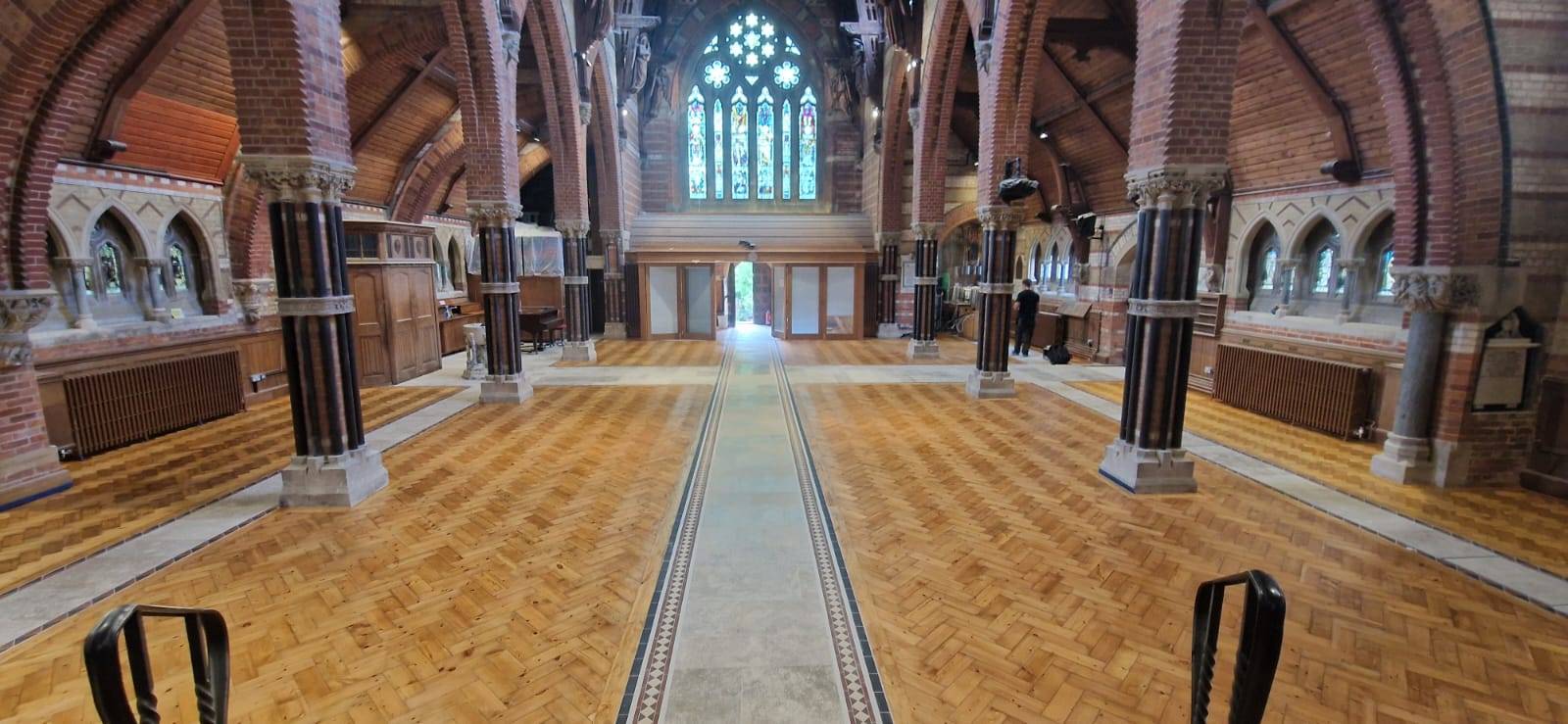
Alongside that we do a steady flow of commercial work here: pubs and restaurants, village halls, the Methodist chapels that west Cornwall has in extraordinary numbers, school halls, gyms and sports halls, plus galleries and shops.

Chapel floors are usually large pitch pine with heavy aisle wear, pew bolt holes and a committee working to a tight budget. Pitch pine is dense and resinous and clogs abrasives faster than anything else, so those jobs take more time and consumables than the area suggests. We build that into the quote and are happy to walk a committee through where the money is best spent.

Why West Cornwall Customers Choose Us

Forty-five years of restoring wood floors, and enough time spent in Cornwall to know that a floor here needs different decisions to the same floor in Hertfordshire. That mostly shows up as honesty about what will actually last.

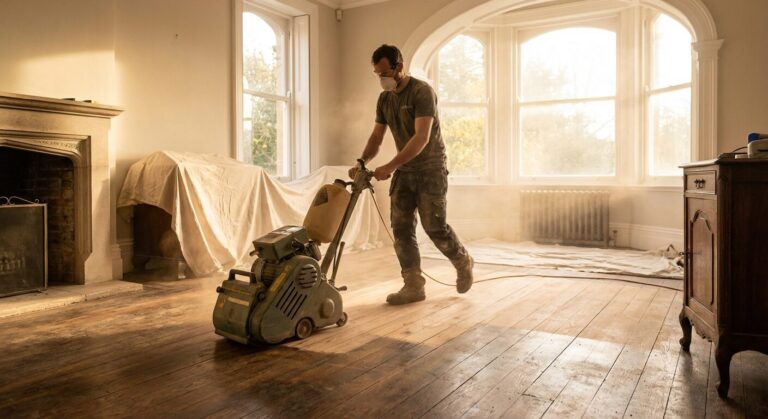
Sealed dust extraction on every job as standard, which matters particularly in holiday property where a turnaround leaves no time for cleaning. Fixed written prices agreed before we start. Furniture moved by us, the property protected, all waste taken away with us.

Fully insured, comfortable with listed and granite property, 4.9 stars from 114 Google reviews.

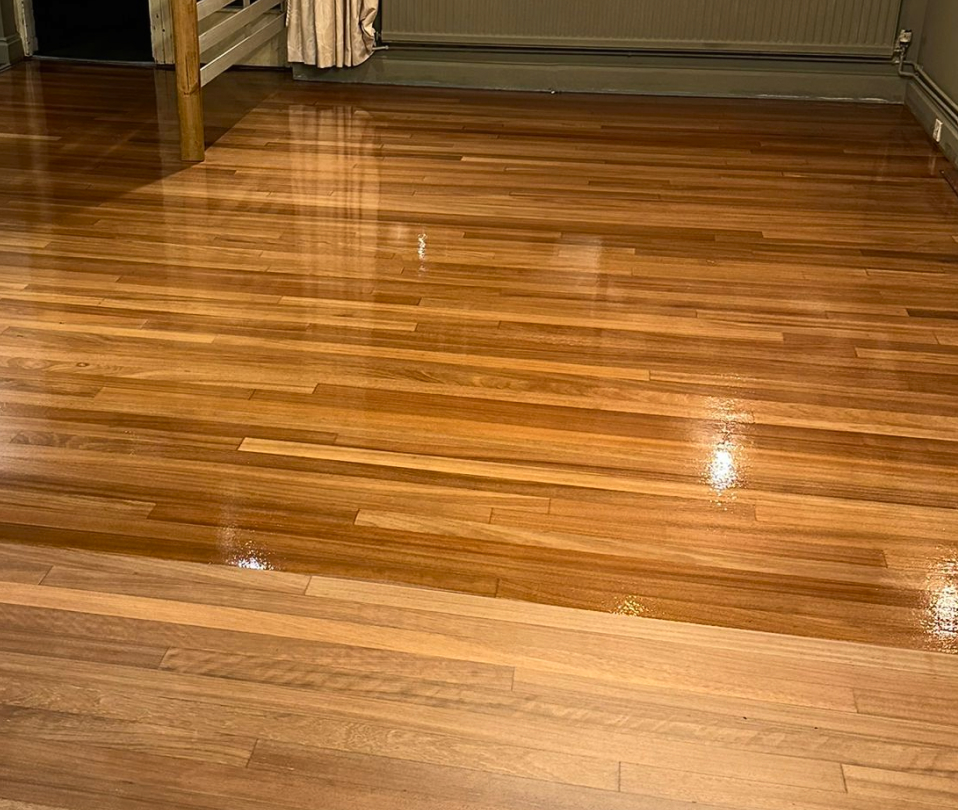
Wood floor sanding company
Floor sanding taunton

Get a Free Penzance Floor Quote

Photographs matter more this far west because they save a very long drive. One shot of the room from the doorway, a couple of close-ups of the worst areas and rough measurements will usually get you an accurate range the same day, without either of us making the journey.

If the floor feels ridged underfoot, say so. That is cupping and it changes the advice completely.

Call 01823 674562, email info@ryansrestoration.co.uk, or use the form on this page.

Nearby areas we also cover: Camborne, Hayle, Helston, Marazion and St Ives. There is a page for each, and the full list of towns is on our areas we cover page.

FAQ: Floor Sanding in Penzance

Penzance, Newlyn, Mousehole, Heamoor, Gulval, Madron, Marazion, St Just, Sennen and Porthcurno, plus St Ives, Hayle, Camborne and Helston.

Yes, and we group jobs in the area into the same week wherever possible to keep travel out of your price. It is well worth asking when we are next down rather than assuming it is too far.

The peninsula rarely gets a dry spell, Atlantic wind carries salt inland, and salt holds moisture against surfaces rather than letting it evaporate. Granite is impermeable so moisture moves through the timber instead, and most property predates damp proof courses.

Hard wax oil, in almost every case. It penetrates rather than sealing, lets the boards breathe, flexes as they move and can be repaired in patches. Rigid lacquers crack at the joints here within a few years.

Not while it is holding moisture. That ridging is cupping. Sand it flat wet and the boards flatten as they dry, leaving every one thin down the middle, which cannot be reversed.

Yes, with patience. Thick walls, shallow voids and very old wide boards mean we start at a finer grit and hand-work where a machine would be heavy. Those floors are meant to look their age.

Regularly — west Cornwall has an extraordinary number of them. Large pitch pine floors with aisle wear and pew bolt holes. Pitch pine clogs abrasives so it takes longer, which we build into the quote rather than discovering later.

Yes. Water-based lacquers take foot traffic within a day so tell us your changeover windows and we will phase the work. The quiet months book up early — the weeks before Easter are usually gone by January.

Yes. Chapel Street and the conservation area hold a great deal of it. Original boards are usually part of what the listing protects, so we work to minimum intervention and provide written method statements where consent is needed.

It depends on size, condition, timber and finish, and travel is a factor this far west, which is why we group jobs. Send photographs for a same-day indication.

Ryan's Restoration
4.9
Based on 114 reviews
×
js_loader