Floor Sanding Sidmouth

Floor Sanding and Wood Floor Restoration in Sidmouth, Devon

QUICK QUOTATION

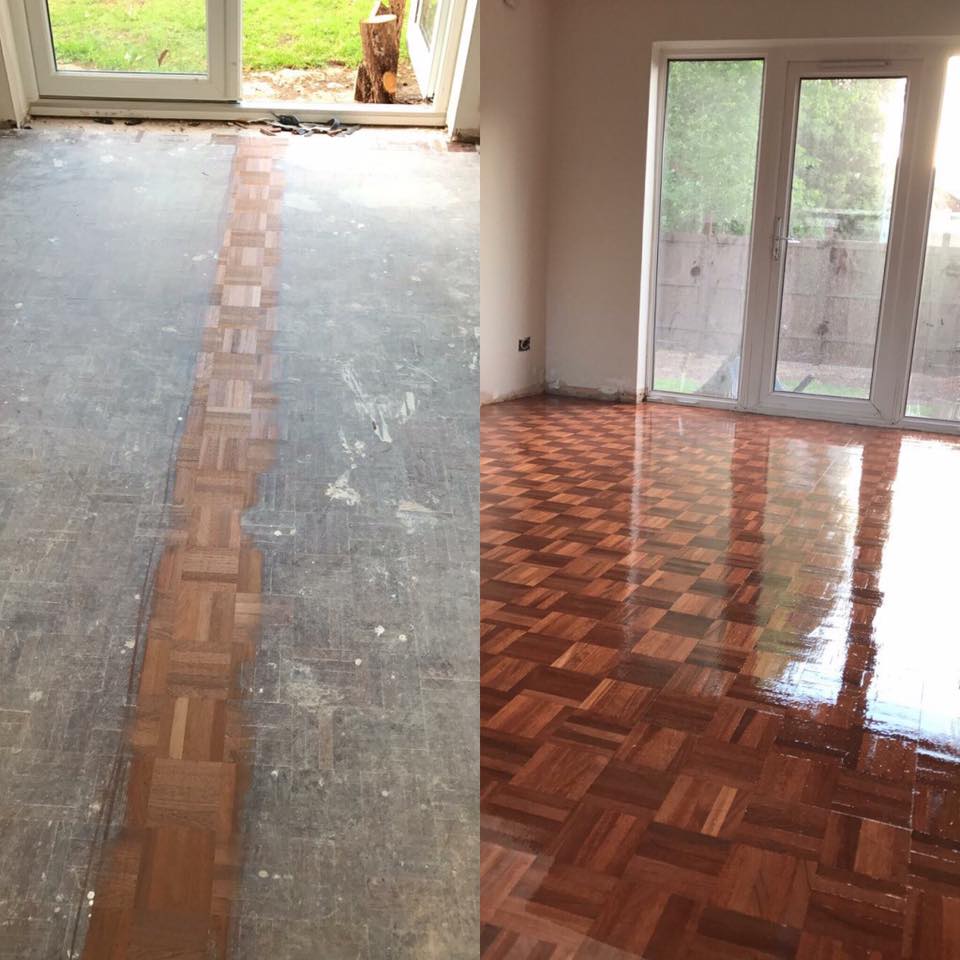
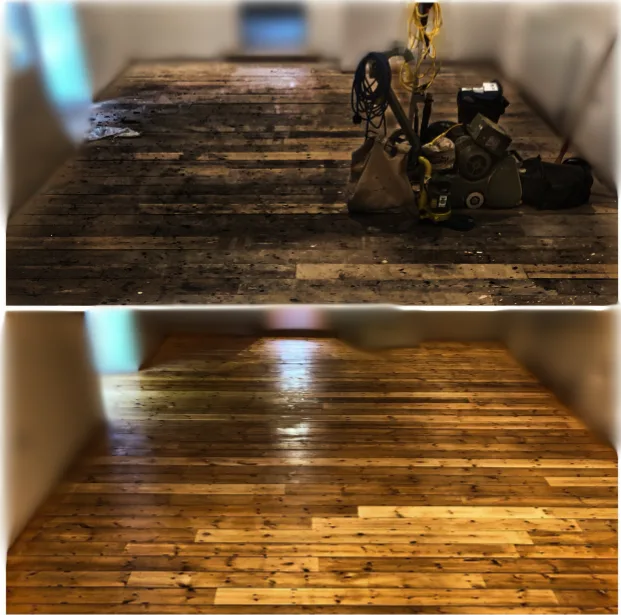
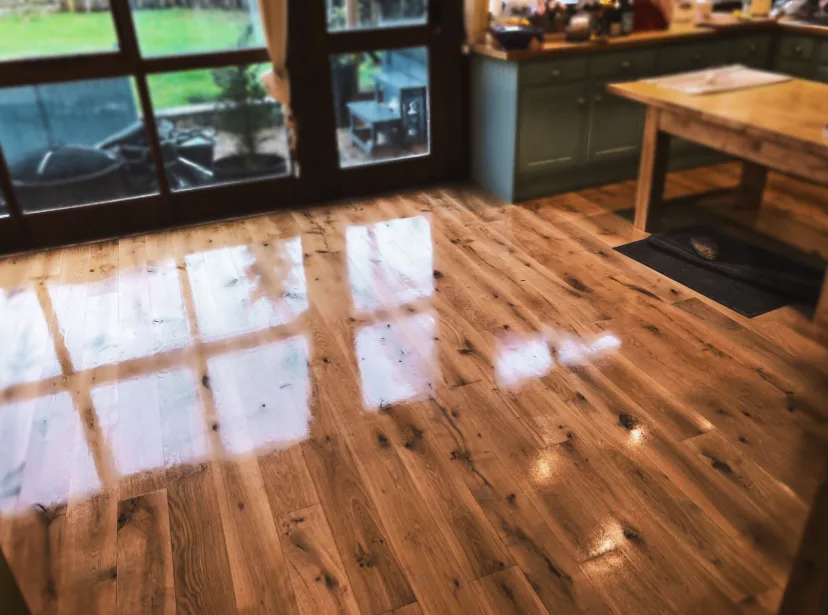
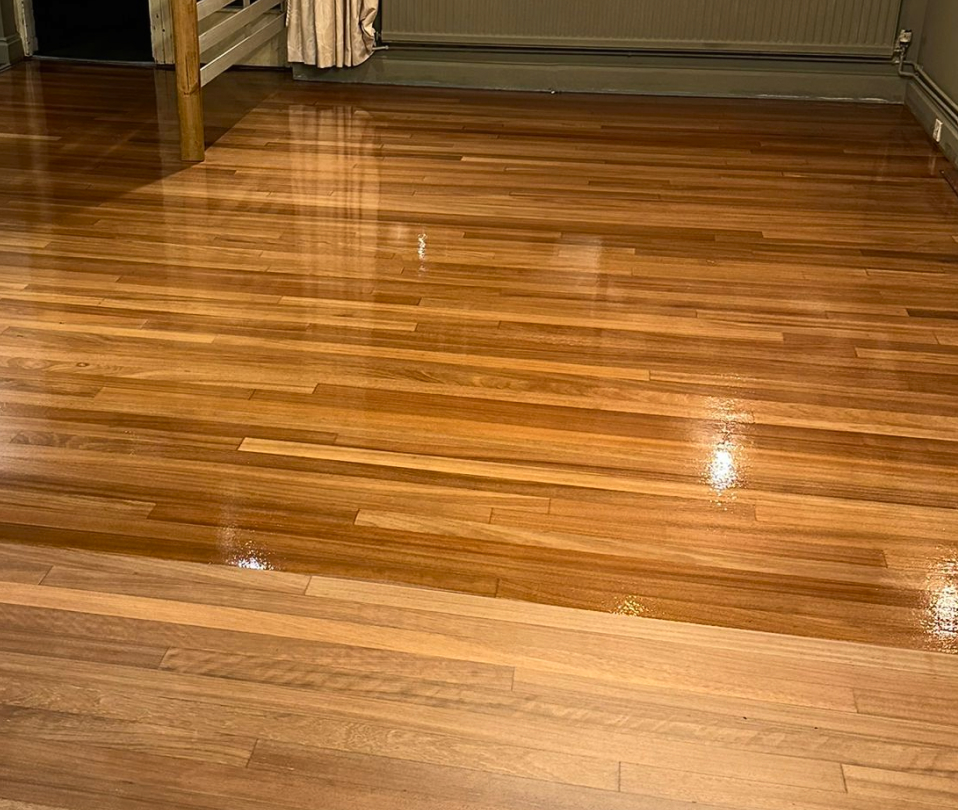
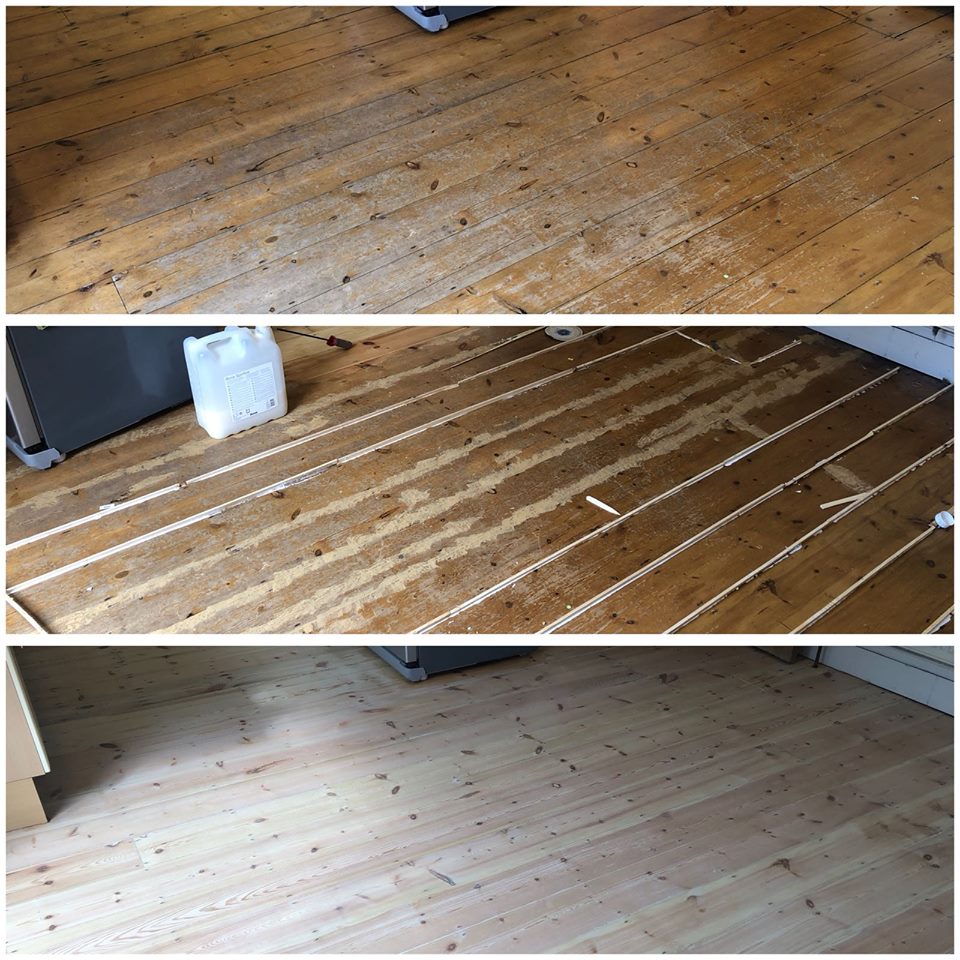
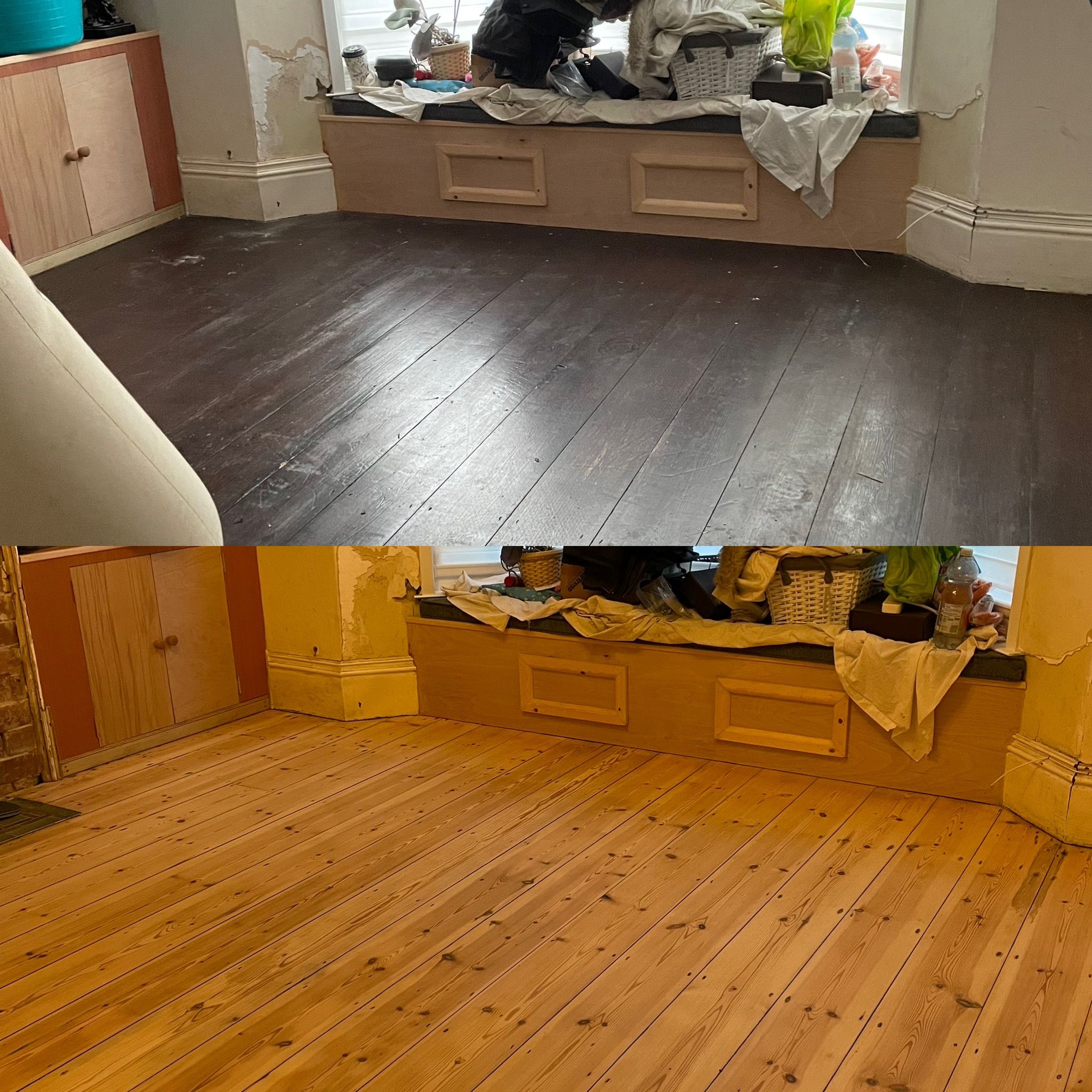
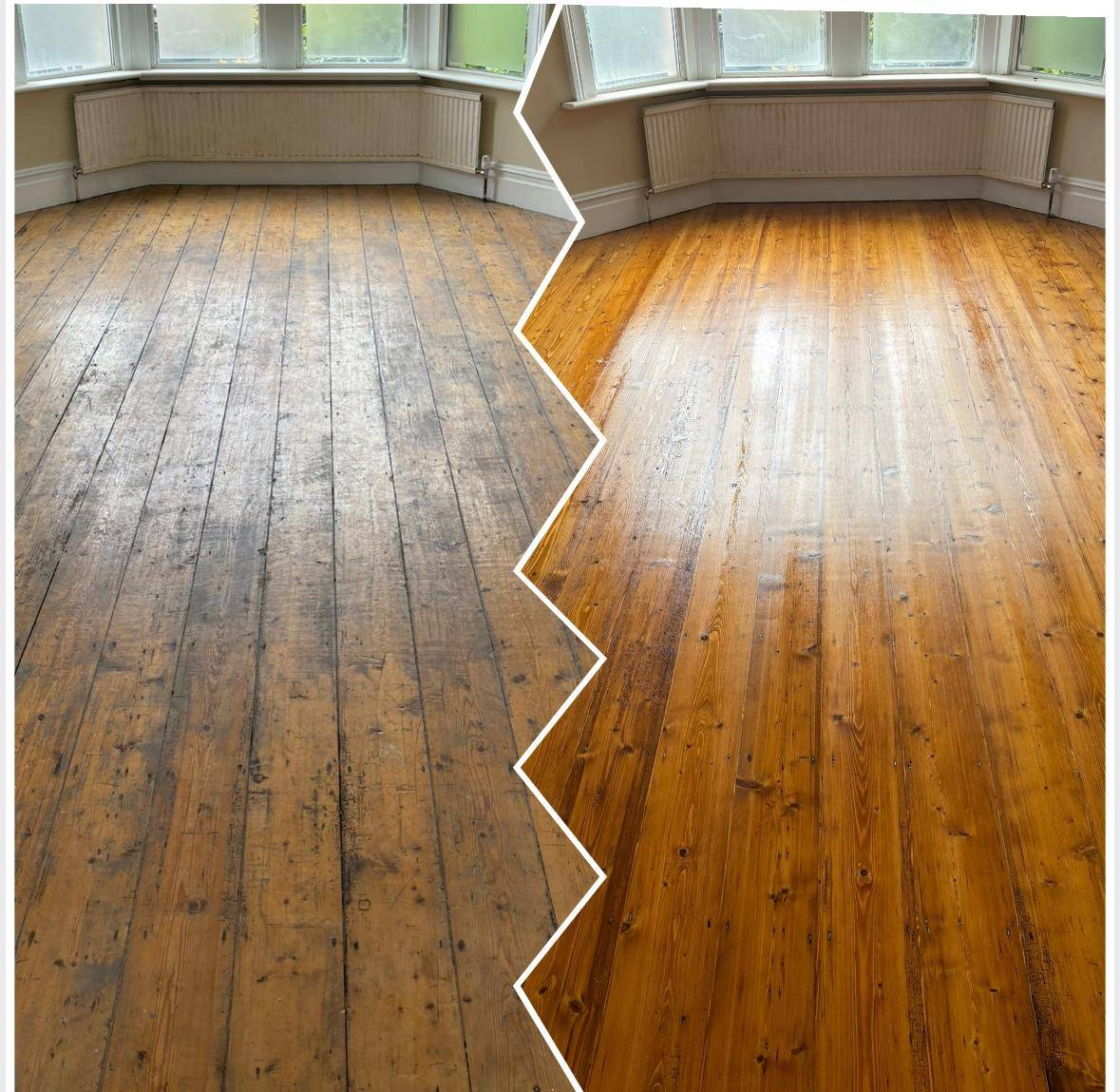
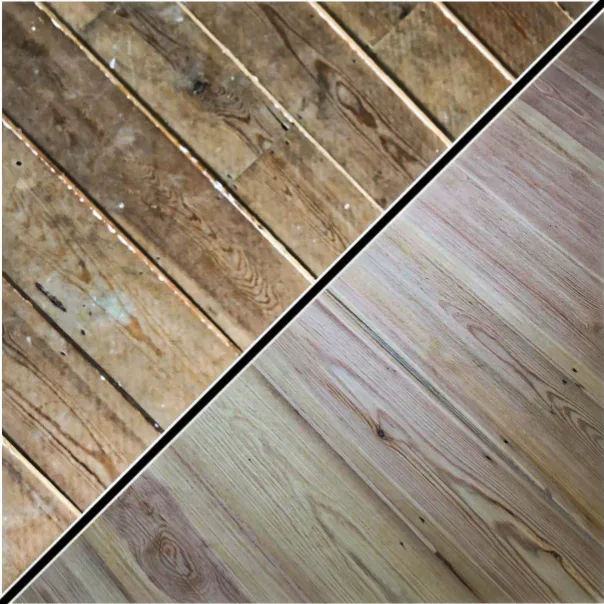
Floor sanding before and after

Floor Sanding in Sidmouth and the Sid Valley

Sidmouth has an unusually intact Regency character. The Esplanade, Fortfield Terrace and the cottages ornées scattered around the town were built when this was a fashionable resort, and a remarkable amount of it survives with over five hundred listed buildings in the parish.

Behind the seafront the town climbs into the Sid valley, with Victorian and Edwardian villas, a good deal of interwar housing and villages of cob and thatch at Sidbury and Sidford.

The floors follow the buildings. Wide Regency pine on the front, narrower Victorian boards behind, and elm on sleeper walls in the older village cottages.

We cover Sidmouth, Sidford, Sidbury, Newton Poppleford, Otterton, Branscombe, Salcombe Regis, Harpford and Colaton Raleigh, plus Ottery St Mary, Exmouth and Honiton.

Listed Buildings and Regency Floors

With that many listed buildings, consent is a real consideration in Sidmouth rather than a theoretical one. Sanding and refinishing an existing floor is generally acceptable, but lifting boards, replacing timber, altering levels or changing the character of a historic surface can need listed building consent from East Devon District Council.

A phone call before work starts saves a great deal of trouble later. We are happy to speak to your conservation officer and we have worked on plenty of listed floors.

Historic England publishes clear guidance on traditional building fabric at historicengland.org.uk, and it is worth reading if you own one of these houses.

Our habit with Regency timber is to take off as little as we can get away with. Wide early pine is often thinner than it looks and there is no replacing it.

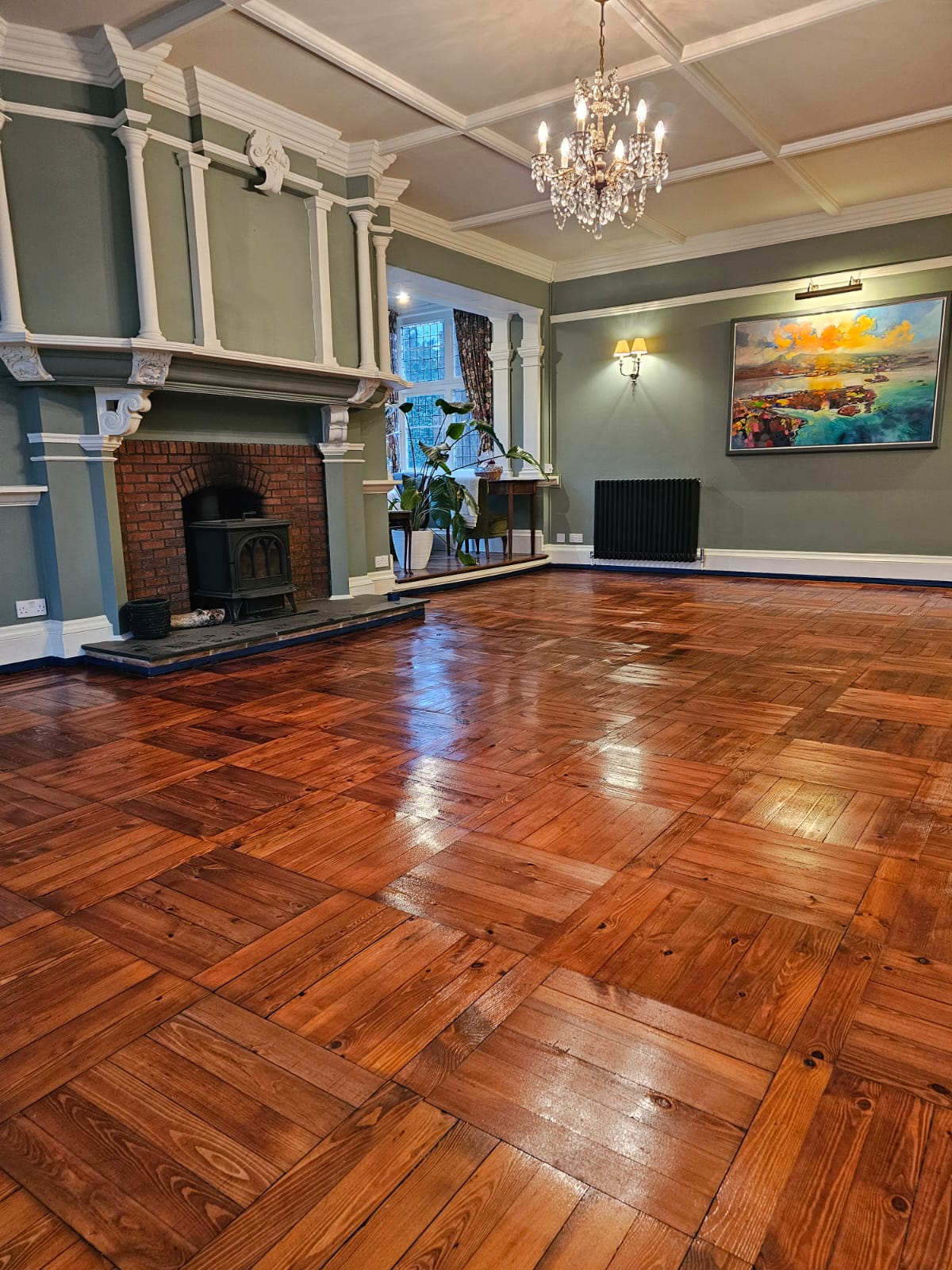
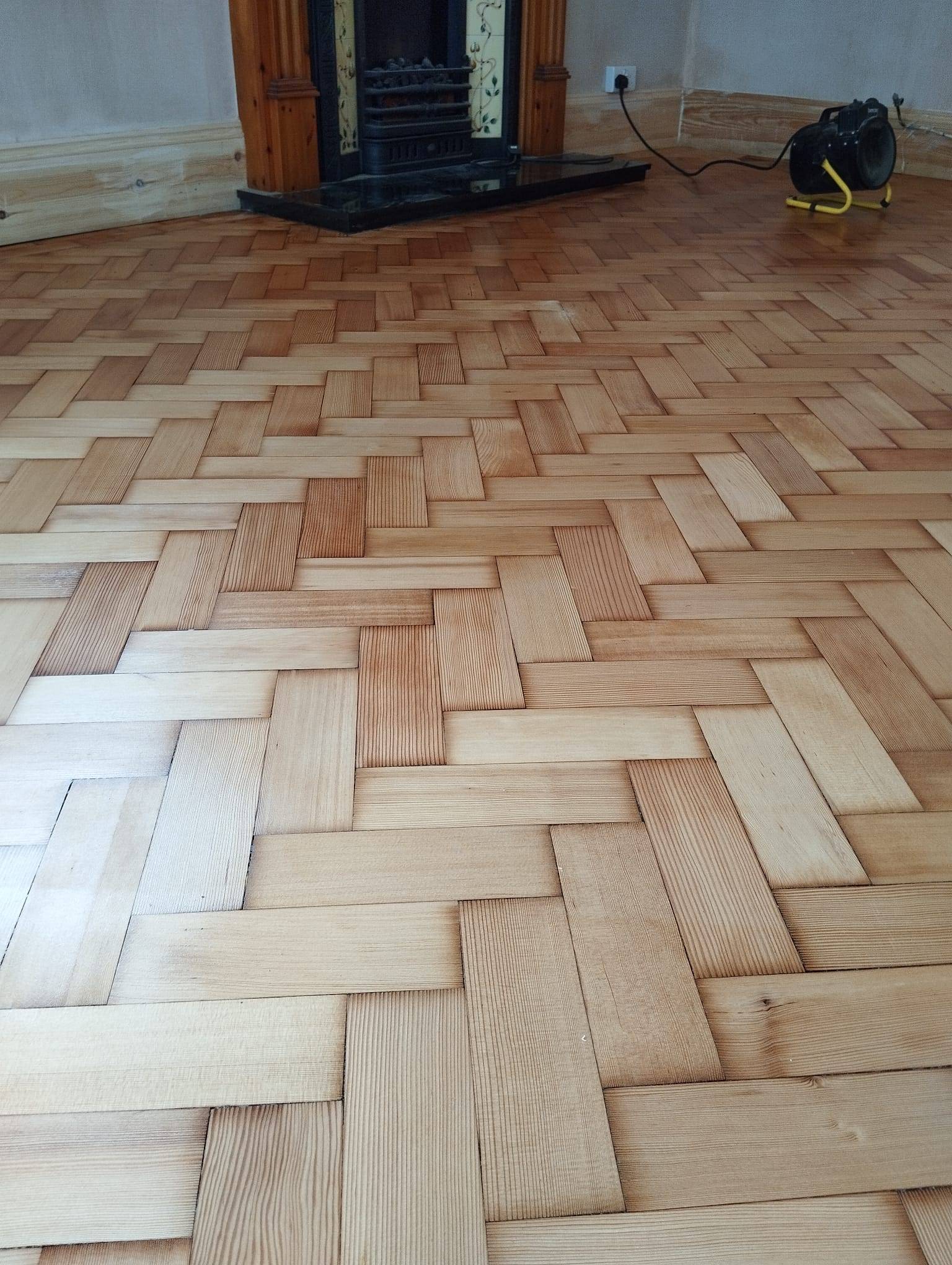
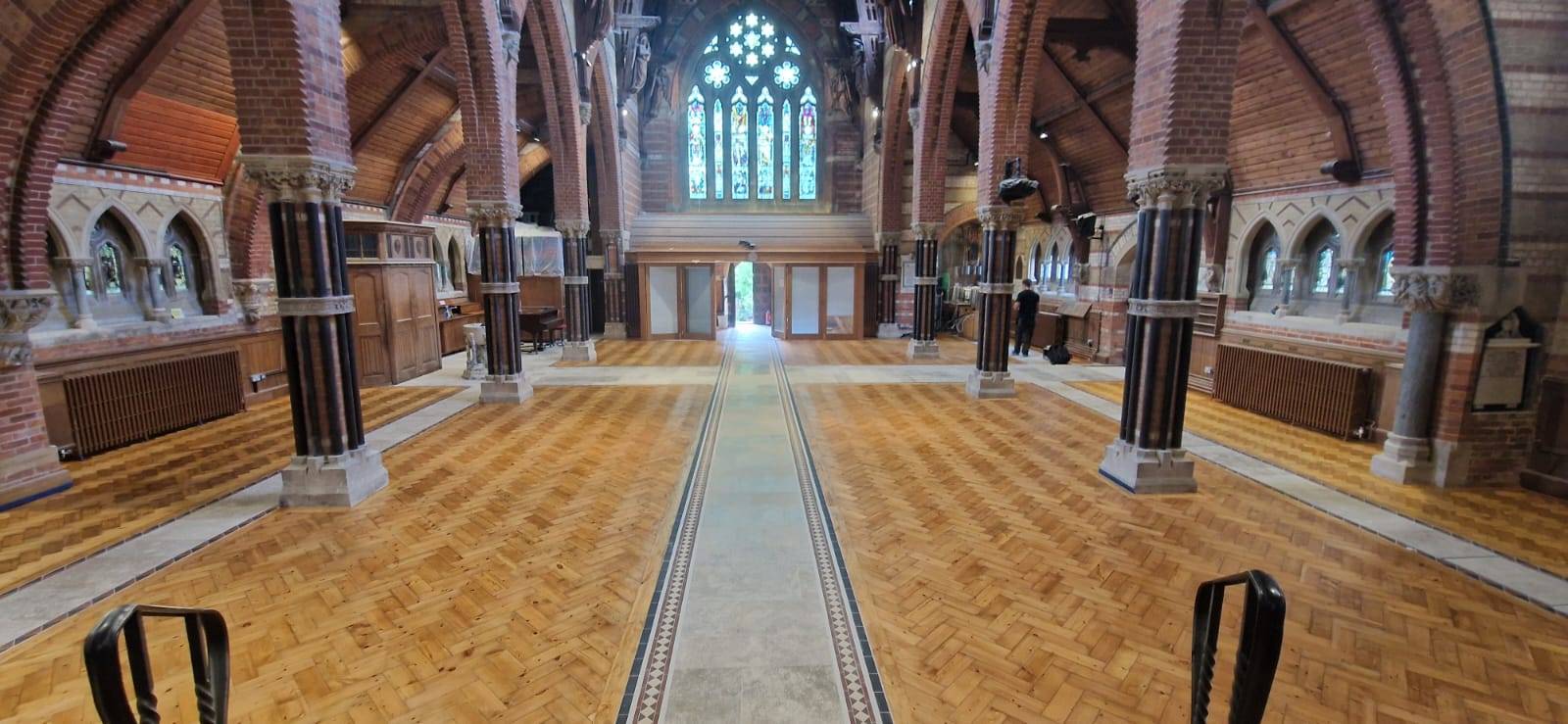
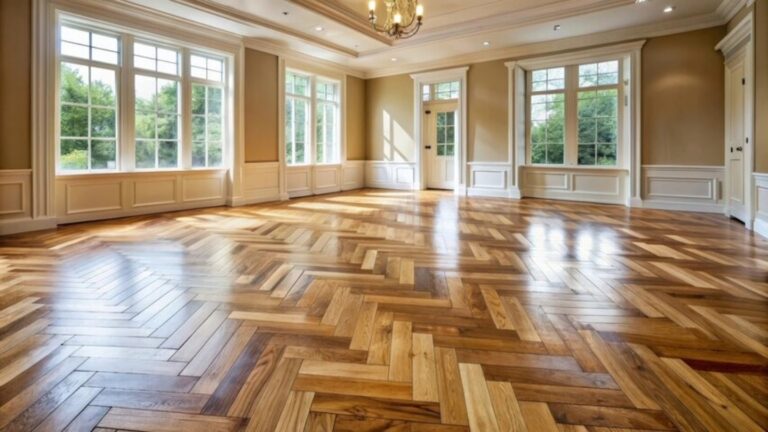
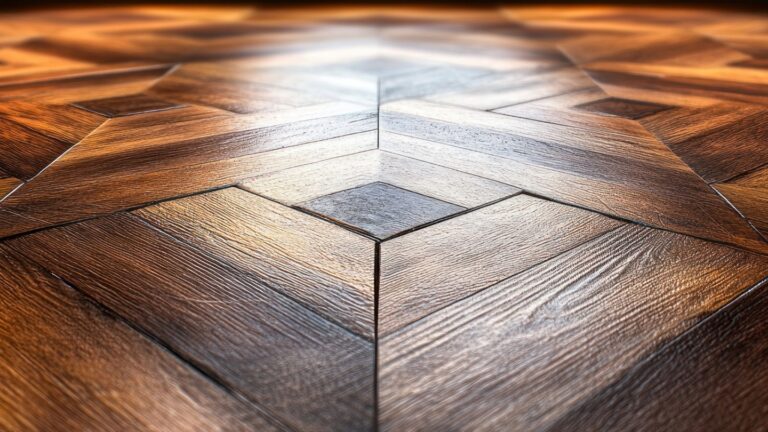
parquet wooden floor sanding
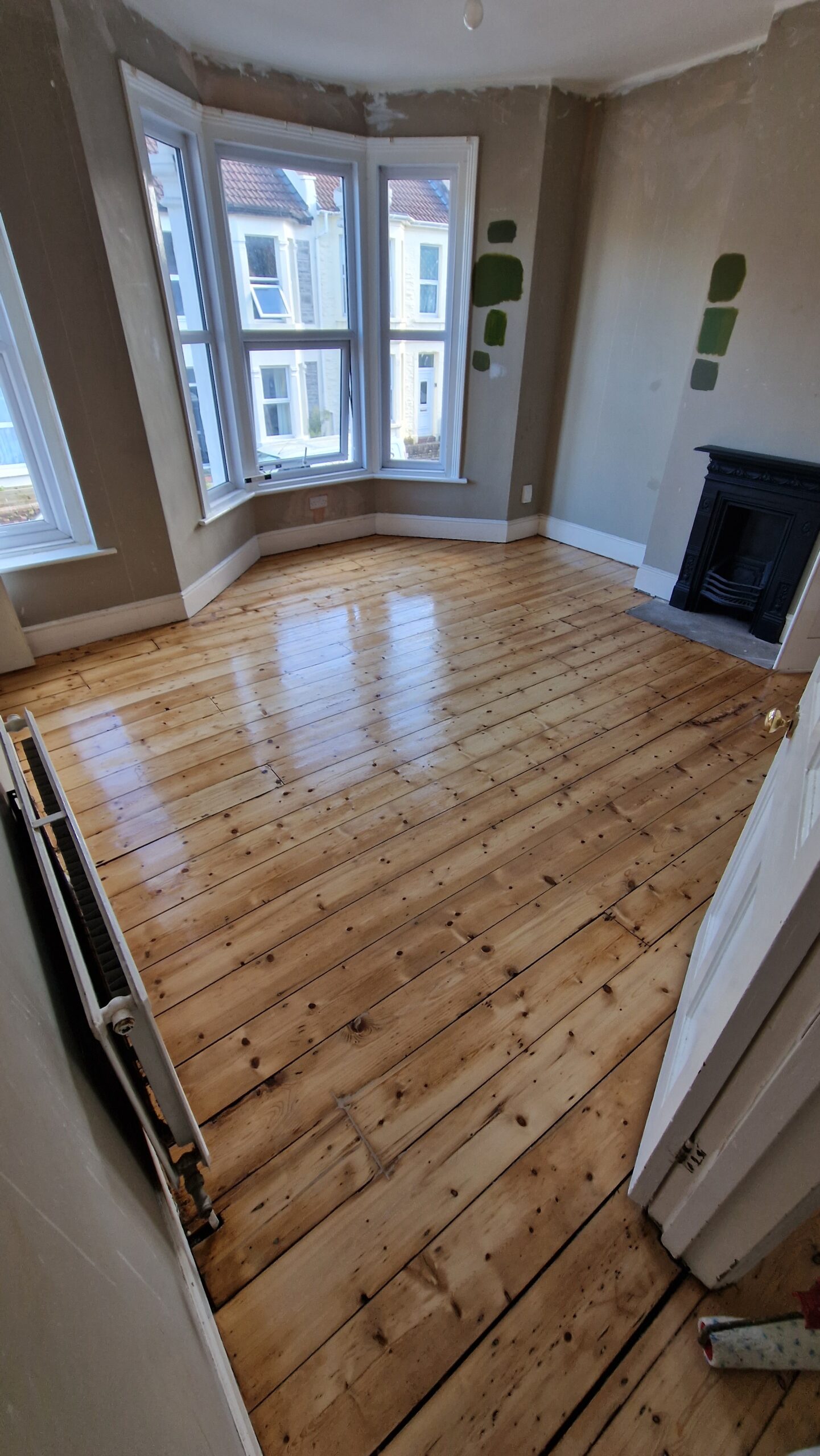
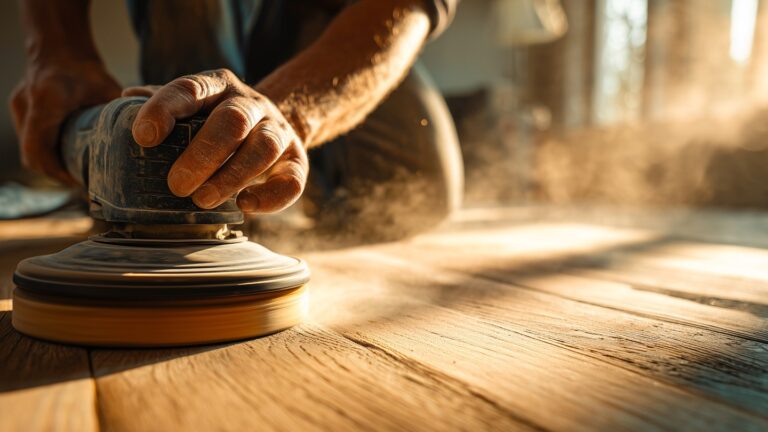
wooden floor sanding

Sea Air, Shingle and Coastal Damp

Sidmouth sits on a shingle beach under red cliffs, and the sea air is relentless on south-facing elevations. Humidity stays high, wind-driven rain drives at the front, and the older seafront buildings often have sub-floor voids that no longer breathe properly.

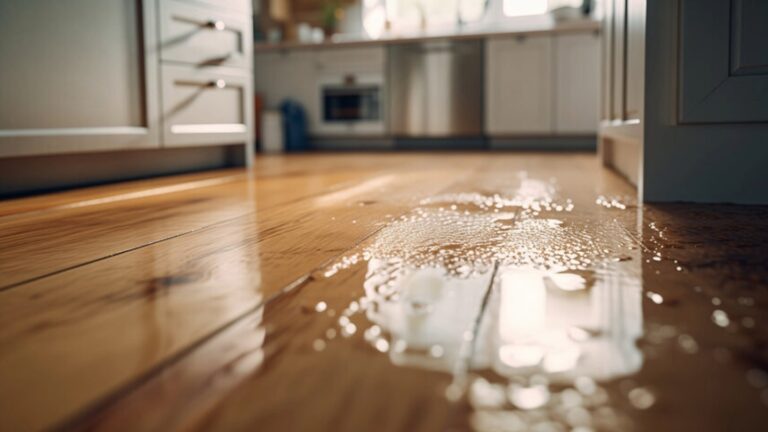
The usual findings are cupped boards near external walls, a blown or milky finish in the same band, and a worn track from the front door where grit has abraded the surface.

We take moisture readings before quoting and we will not sand a floor that is still wet. Where the cause is blocked airbricks or ground raised outside, the fix is straightforward and cheap compared with redoing a failed floor. We tell you what needs doing and come back when the readings are right.

Dust-Free Sanding in a Period House

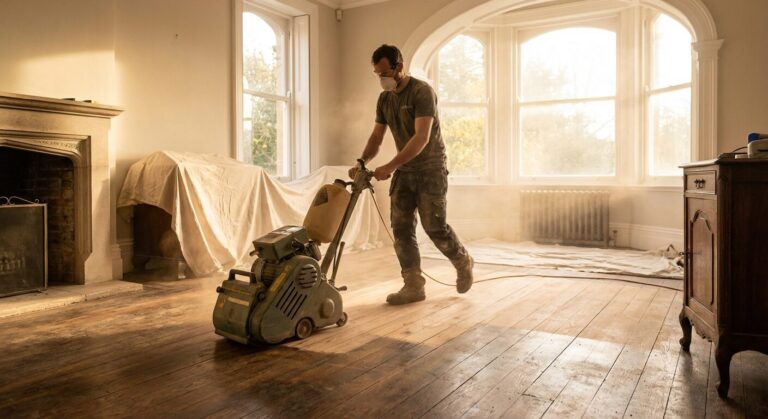
All our machines run to industrial extraction, taking the vast majority of dust as it is created rather than letting it drift through the building and settle for weeks.

In a Regency house with lime plaster, ornate cornices and an open stairwell that is not a small thing. Fine dust is difficult to remove from decorative plaster without doing damage.

We sheet doorways, protect what stays in the room and clean as we go. Most customers stay in the house throughout and we plan the sequence of rooms so there is always somewhere to sit and a clear route through.

flooring sanding company

Commercial Floors in Sidmouth

Sidmouth has a strong hotel and hospitality trade and we work in it regularly. Hotels, guest houses, pubs, restaurants, cafes and shops, plus church and village halls, schools, colleges, nurseries, gyms, dance studios and sports halls across east Devon.

Sports halls and dance floors are sanded back to clean timber, re-marked to the correct governing body specification for badminton, netball, basketball or five-a-side, then sealed with a hard-wearing sports system.

Hotel and hospitality work is scheduled around occupancy and done overnight, on closed days or in the shoulder season with fast-cure sealers. Village halls we usually complete in one closed week. Schools go into holiday windows, booked well ahead.

Choosing the Right Finish

In a Regency or Victorian Sidmouth house, hardwax oil is normally the right answer. It penetrates rather than forming a film, which suits a solid-walled breathing building, and it keeps the grain visible.

For hotels, lets and anywhere taking grit off the beach, a two-pack water-based lacquer is harder wearing, cures fast and does not amber with age.

Whatever goes down, a proper coir mat at every external door does more for a seafront floor than any product choice, because shingle grit is abrasive and it never stops arriving.

We lay trial patches on your own boards and leave them a day so you can see the colour in morning light and under lamps before committing.

Wood floor sanding company
Floor sanding taunton

Costs, Timings and Booking

Sanding and sealing in Sidmouth generally runs twenty-five to forty pounds a square metre. Parquet is higher. Stairs are priced per tread, and gap filling, board replacement and repairs are quoted line by line so nothing is hidden.

The survey is free and takes about half an hour. We measure remaining timber, take moisture readings, look at ventilation and tell you what the floor genuinely needs.

Ring 01823 674562 or use the contact form. Send a wide photograph of the room and a close one of the worst area and we will come back with a realistic range before anyone visits.

Nearby areas we also cover: Exmouth, Honiton, Ottery St Mary and Salcombe. There is a page for each, and the full list of towns is on our areas we cover page.

FAQ: Floor Sanding in Sidmouth

Sidmouth, Sidford, Sidbury, Newton Poppleford, Otterton, Branscombe, Salcombe Regis, Harpford and Colaton Raleigh, plus Ottery St Mary, Exmouth and Honiton.

Refinishing an existing floor is normally acceptable, but lifting or replacing historic boards can need listed building consent from East Devon District Council. With so many listed buildings in Sidmouth it is always worth checking first.

Usually twenty-five to forty pounds a square metre for sanding and sealing, higher for parquet. Stairs are per tread and repairs quoted separately. Survey and written quote are free.

Not if it is done properly. We measure the remaining timber, use finer grits and more passes, and take off the minimum needed. Wide early pine is often thinner than it looks.

Nearly always moisture from a sub-floor void that is not breathing. Blocked or rendered-over airbricks and ground raised outside are the common causes on the seafront.

We use industrial extraction which captures the great majority of dust at source. That matters in a house with lime plaster and decorative cornices, where fine dust is hard to remove safely.

Hardwax oil for a permanent home away from the front. A two-pack water-based lacquer for hotels, lets and anywhere taking shingle grit indoors. Good matting at every door either way.

A room is about two days and a full downstairs three to four. Oil wants a day before light use, lacquer rather less. We give firm dates at survey.

Yes, and we do it often along this coast. We schedule around occupancy, work overnight or on closed days and use fast-cure sealers to minimise disruption.

Yes. Hotels, guest houses, pubs, restaurants, cafes, shops, halls, churches, schools, colleges, nurseries, gyms, dance studios and sports halls including line marking.

Ryan's Restoration
4.9
Based on 114 reviews
×
js_loader