Floor Sanding Totnes

Floor Sanding and Wood Floor Restoration in Totnes, Devon

QUICK QUOTATION

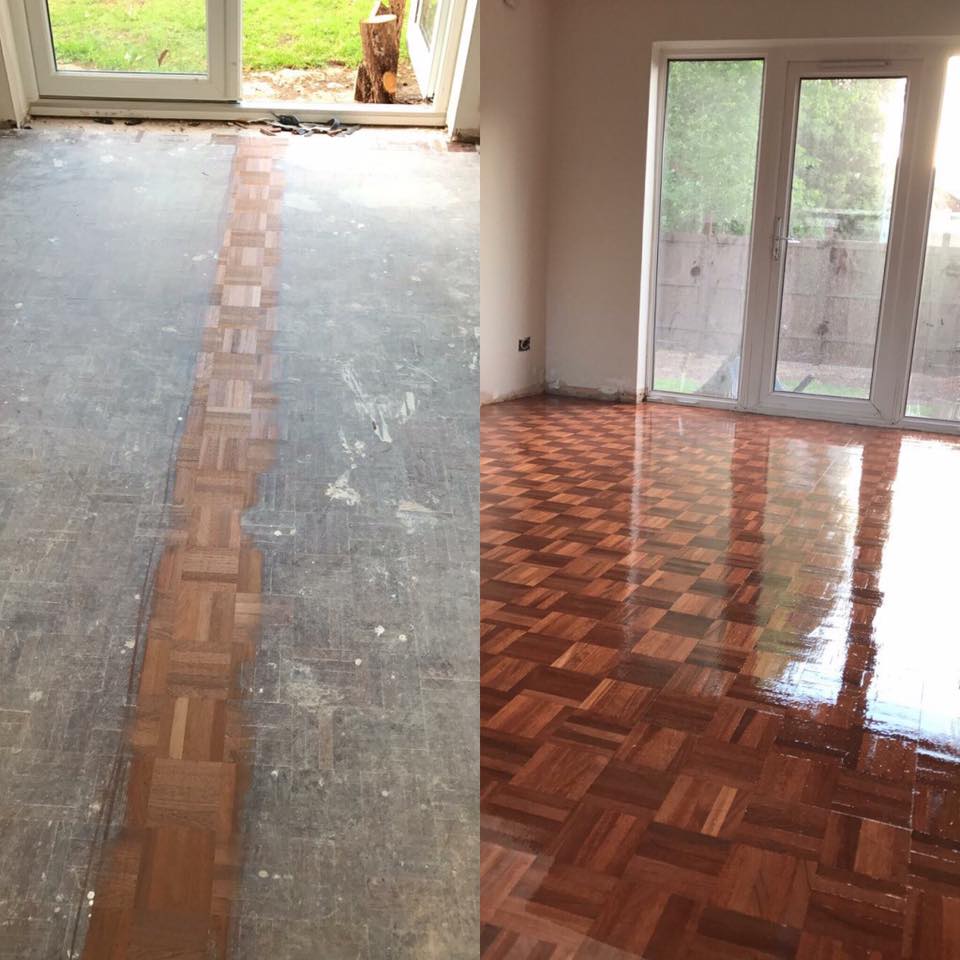
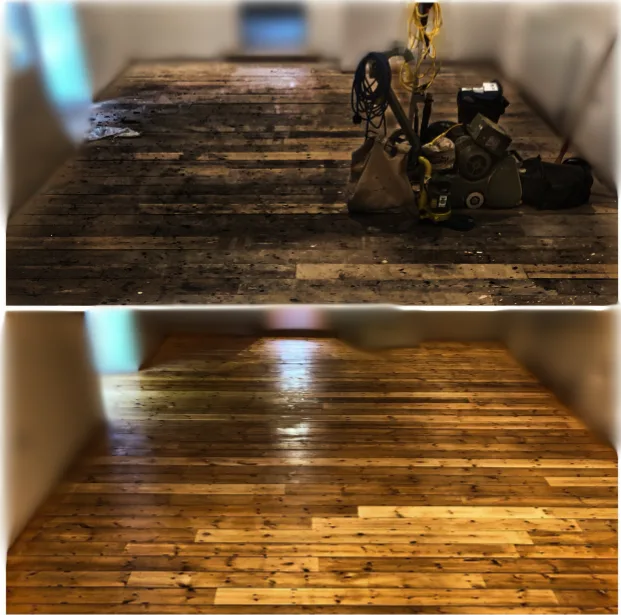
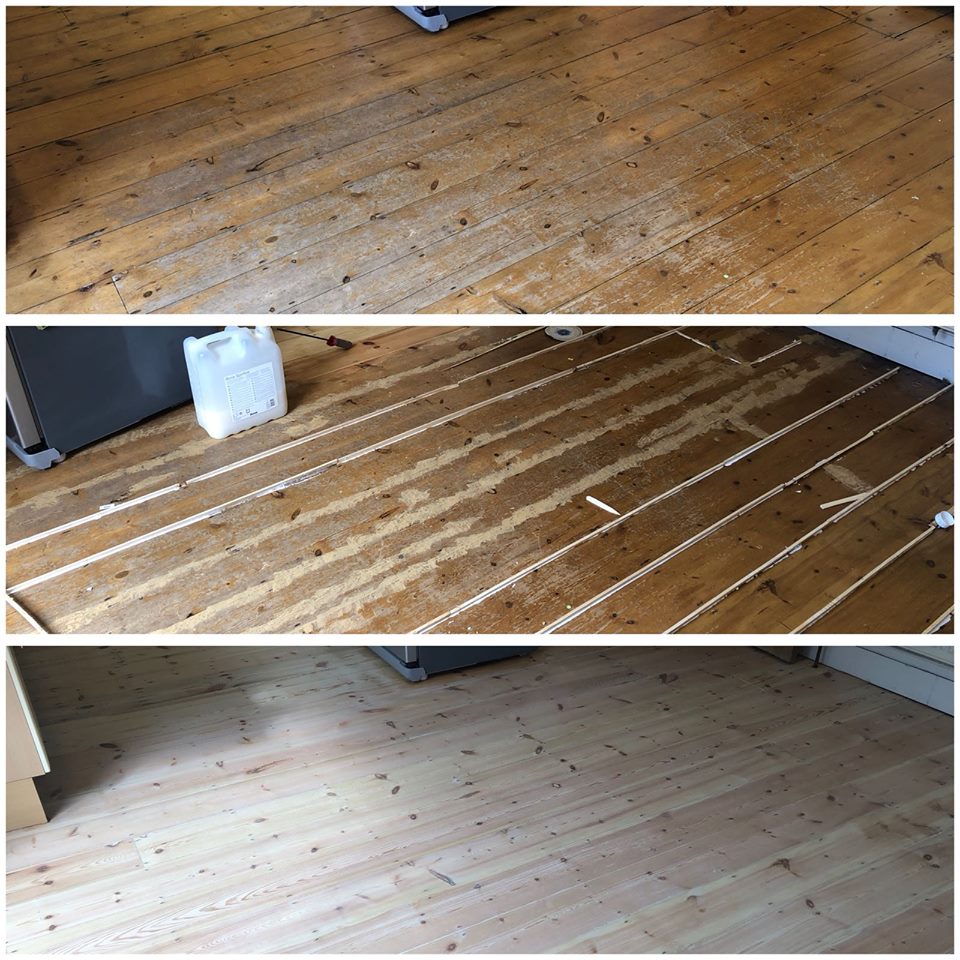
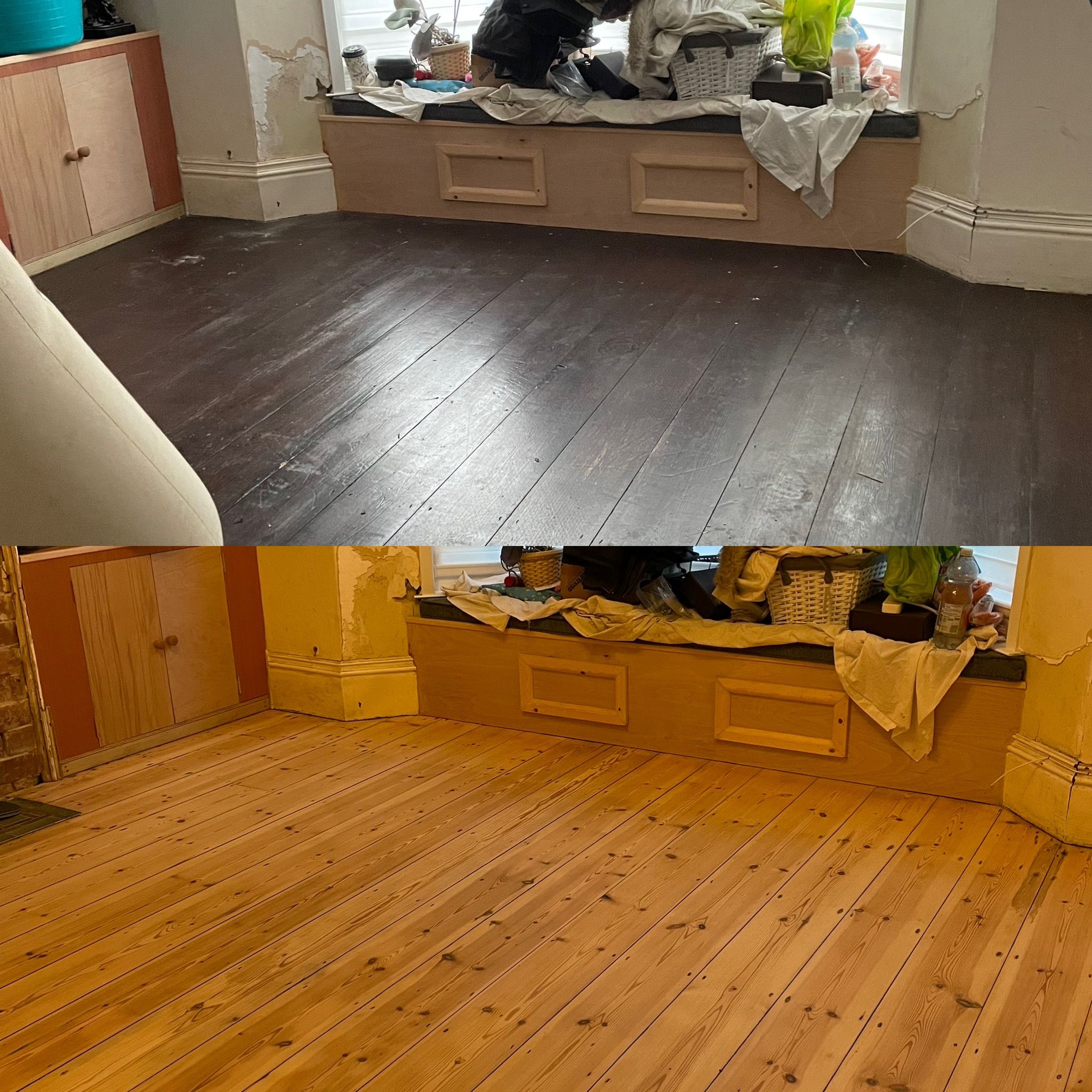
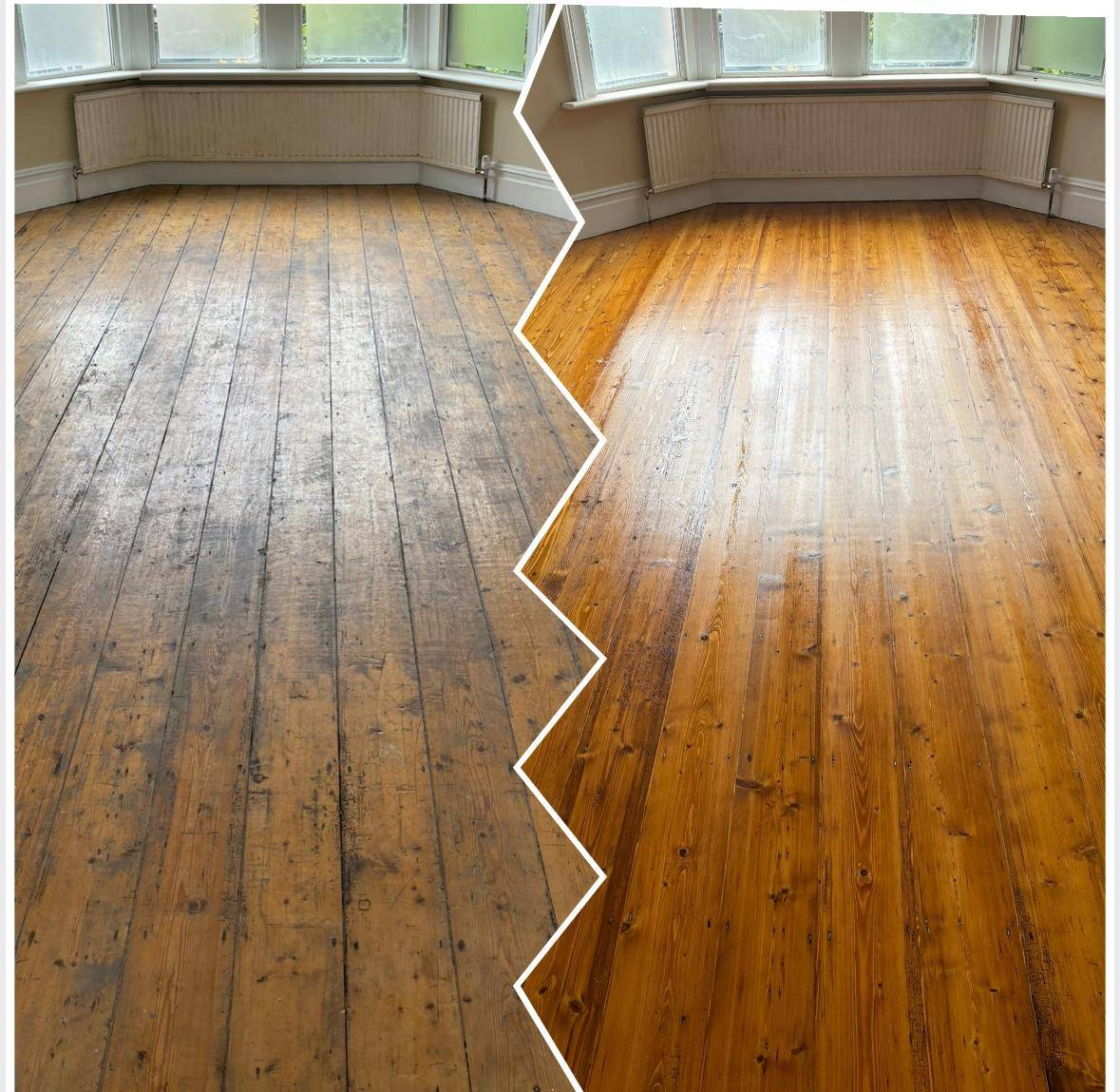
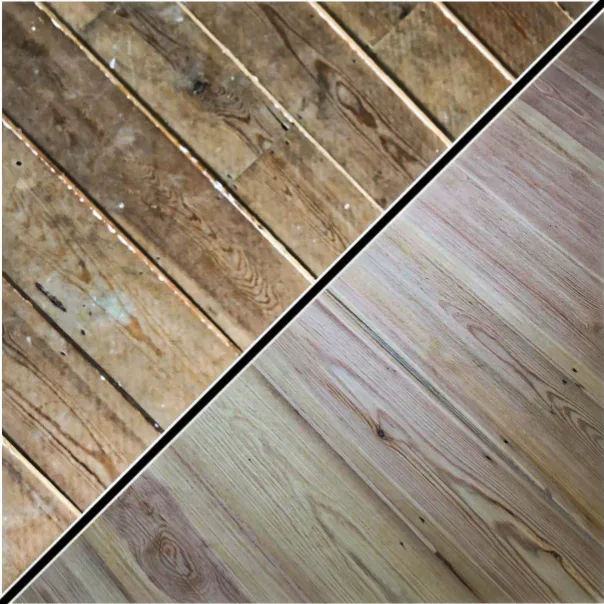
Floor sanding before and after

Floor Sanding in Totnes and the Dart Valley

Totnes has one of the finest concentrations of historic buildings in Devon. Tudor merchants houses on the High Street and Fore Street, slate-hung and jettied frontages, Georgian remodelling on top of much older frames, and the Butterwalk running under buildings that were old when Elizabeth was on the throne.

Behind that the town spreads into Victorian terraces at Bridgetown and Follaton, and out into the Dart valley villages of Dartington, Ashprington and Harberton.

The floors are as varied as the buildings. Wide oak and elm in the oldest properties, Georgian pine above and behind, and Victorian boards in the later terraces.

We cover Totnes, Dartington, Ashprington, Harberton, Berry Pomeroy, Stoke Gabriel, Staverton, Rattery and Diptford, plus Newton Abbot, Paignton and Dartmouth.

Listed Buildings and Historic Timber

An enormous proportion of central Totnes is listed. Refinishing an existing floor is generally acceptable, but lifting boards, replacing timber, altering levels or changing the character of a historic surface can require listed building consent from South Hams District Council.

With buildings of this age it is genuinely worth a call before anything begins. Consent is usually straightforward for sensible work and the conversation is far easier beforehand.

Historic England publishes readable guidance on traditional building fabric including floors at historicengland.org.uk.

On timber this old our approach is minimum removal, always. Finer grits, more passes, no attempt to flatten out four centuries of settlement. Wear is character. Once it is sanded off it does not come back.

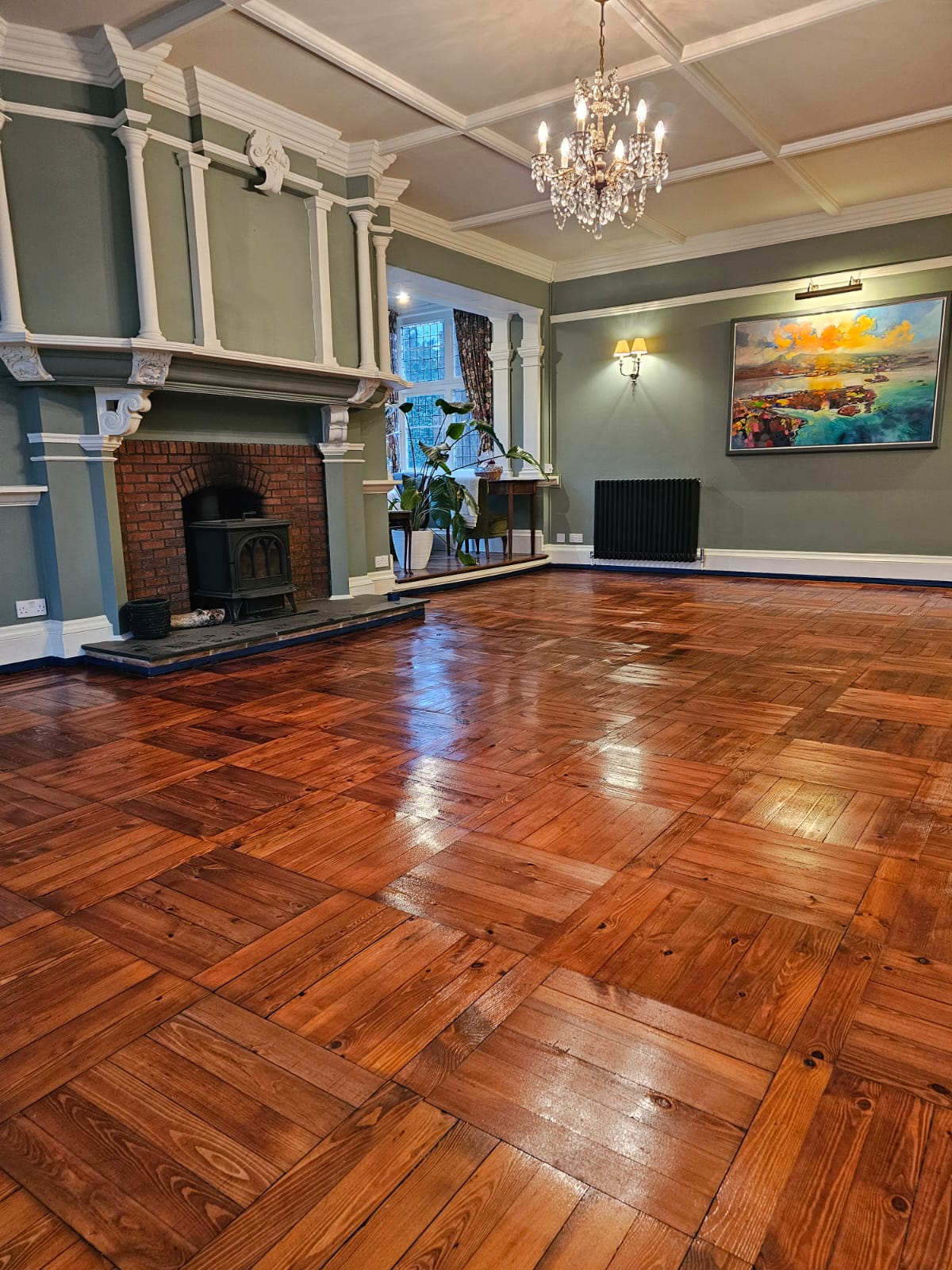
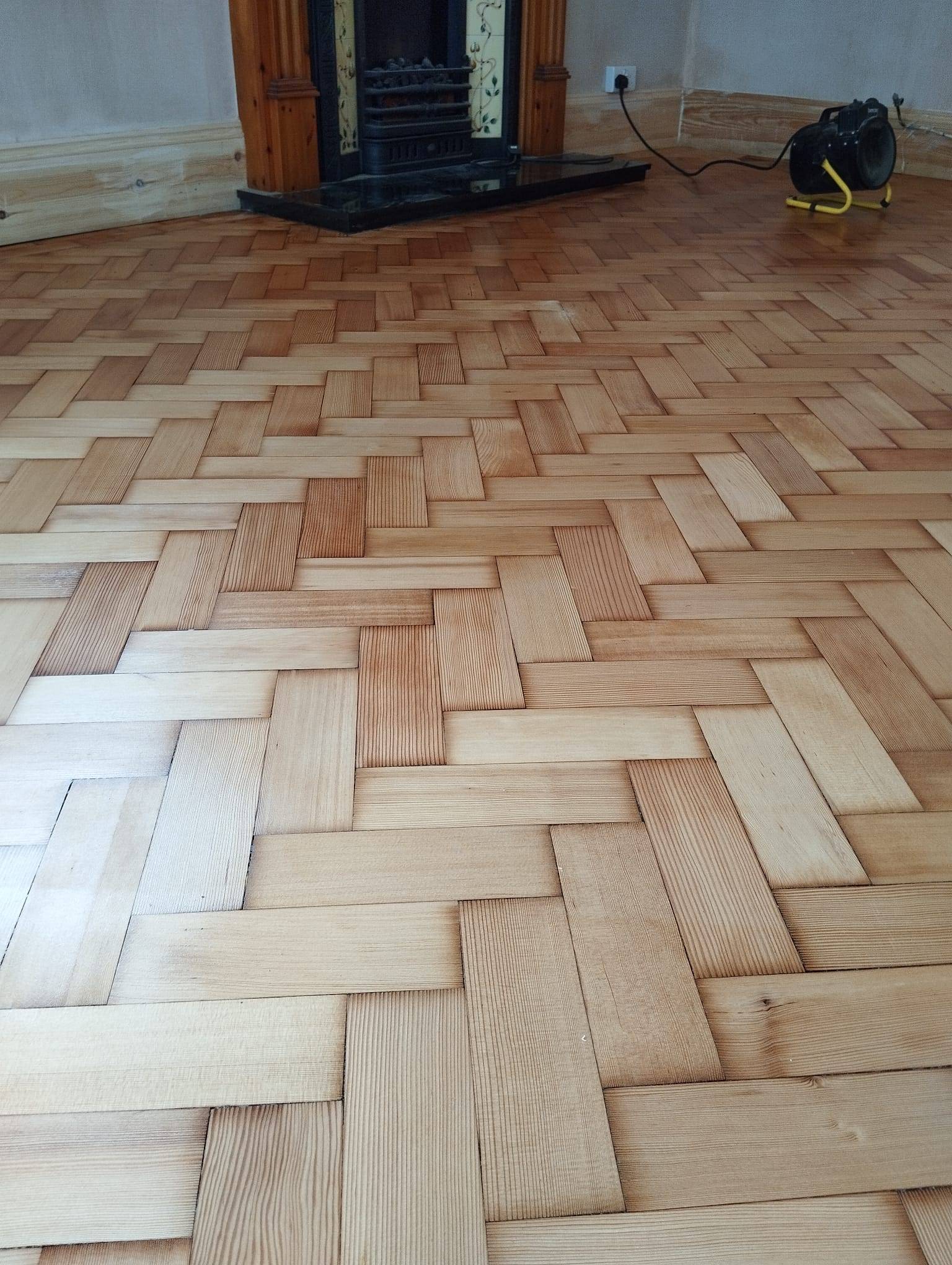
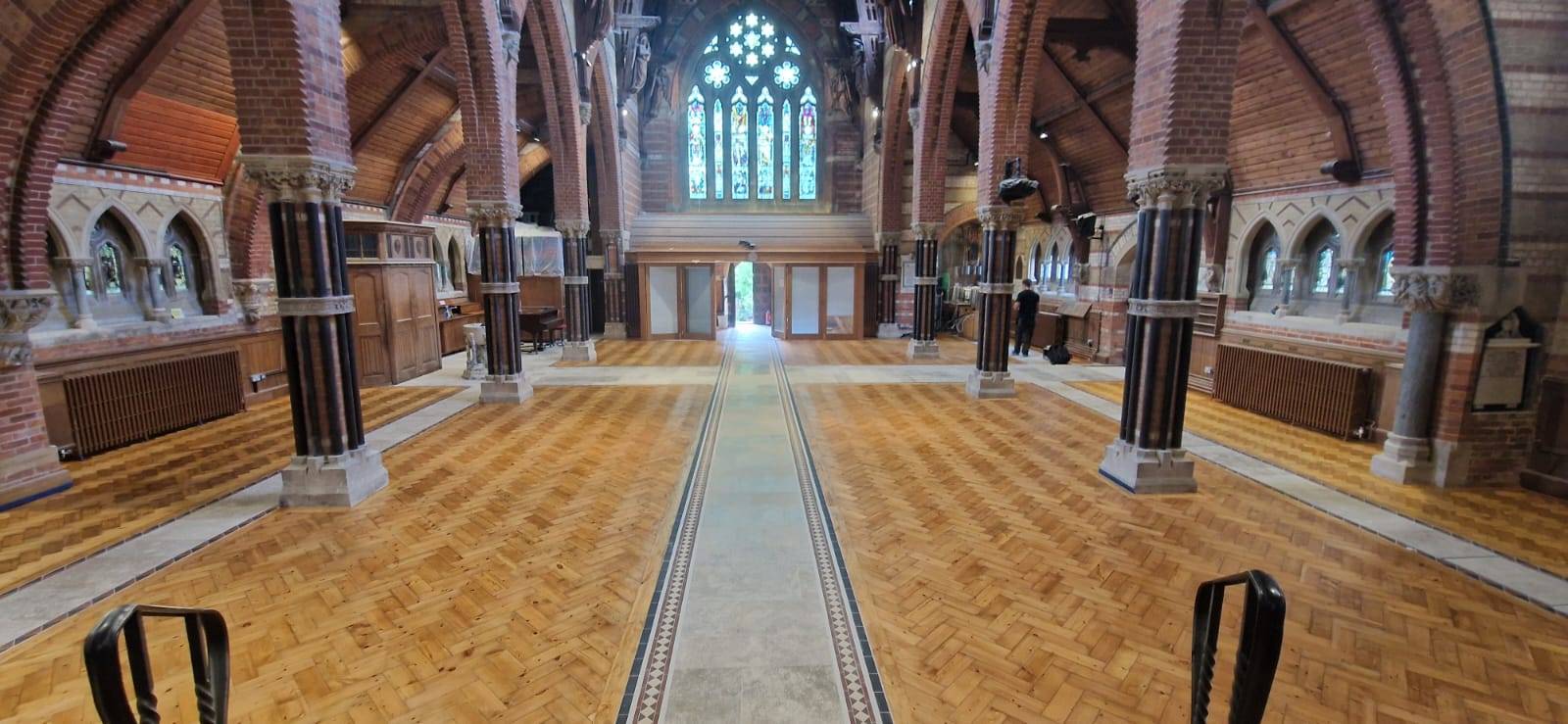
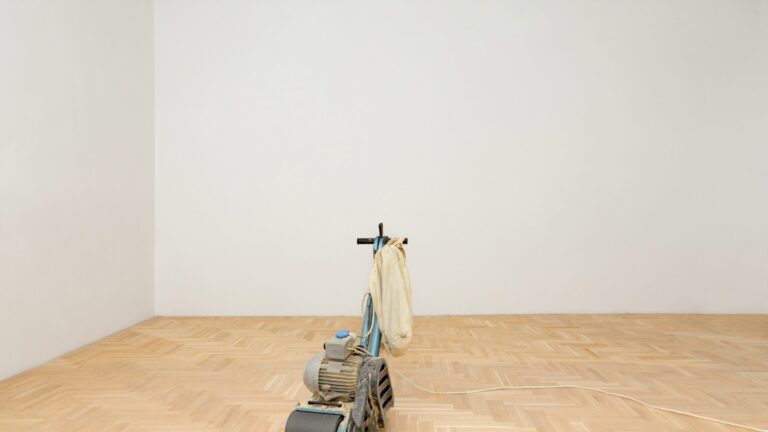
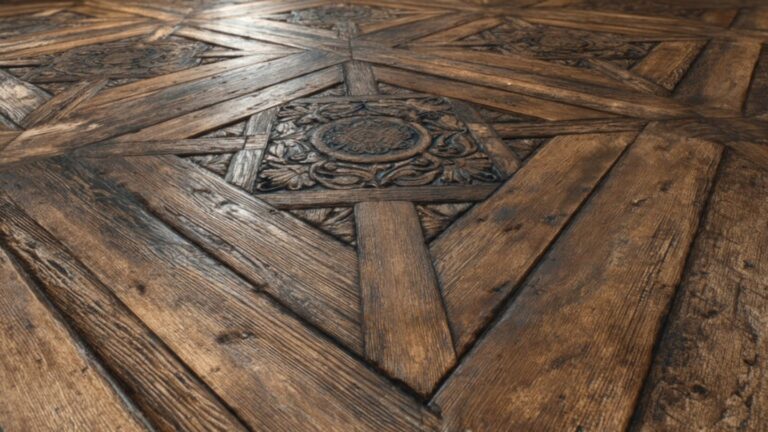
parquet wooden floor sanding
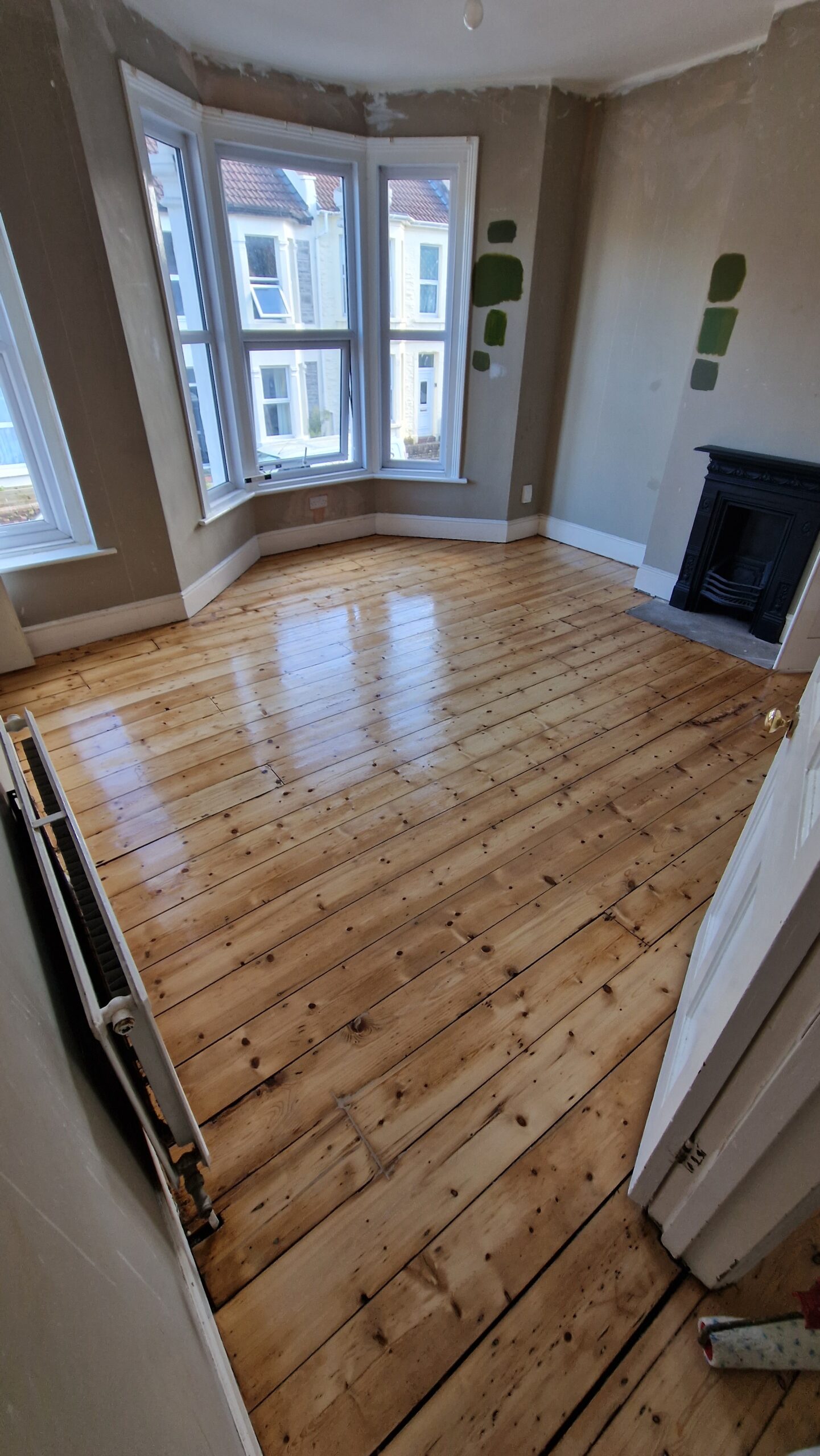
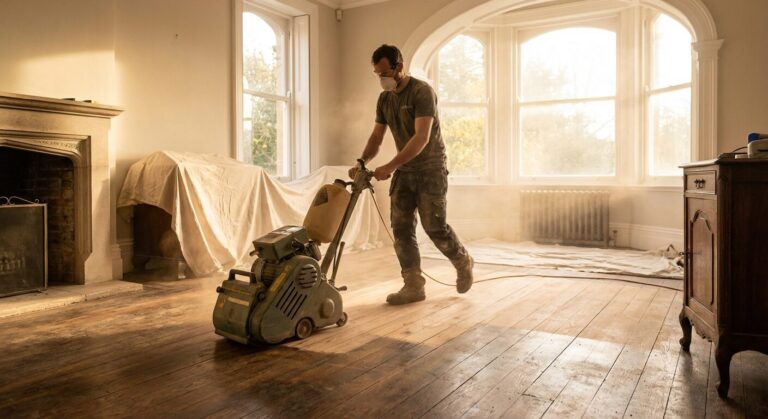
wooden floor sanding

Tudor and Georgian Floors

The oldest Totnes floors are frequently oak or elm, wide, and laid over substantial joists with gaps that have opened and closed for centuries. They are often out of level by a considerable margin and that is entirely normal.

Georgian and early Victorian floors above and behind are usually pine, narrower and flatter, and generally in better condition because they are two hundred years younger.

What we find in both is a great deal of previous repair. Hearth patches, pipe runs, boards from three different centuries in one room. We work with that rather than against it, replacing only what genuinely needs replacing and using reclaimed timber matched for age and section.

Dart Valley Damp and Ventilation

Totnes sits on a tidal river in a wet county and the lower parts of the town, particularly around the Plains and Bridgetown, know it. Cupped boards, blown finishes and soft timber at joist ends are all things we find regularly.

The cause is usually sub-floor ventilation rather than any leak. Airbricks blocked or rendered over, raised ground outside, or voids that were concreted at some point in the last fifty years.

We take moisture readings before quoting and we will not sand a wet floor. It will move again and the finish will fail. Where we find damp we tell you what needs sorting, which is usually simpler and cheaper than people fear, and come back when it is right.

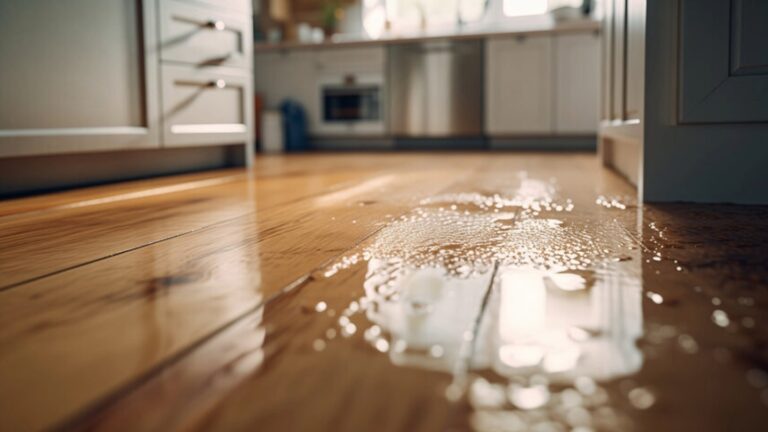
flooring sanding company

Dust-Free Sanding in an Old Building

Our machines run to industrial extraction rather than the cloth bags on hire kit, capturing the great majority of dust as it is created.

In a Tudor building with lime plaster, exposed beams and a tight winding stair that is not optional. Fine dust settles into every joint and lime plaster does not take kindly to being scrubbed.

We sheet doorways, protect fixtures and clean as we go. Access in the old town can be awkward, so tell us at survey where we can park and unload and we will plan the day around it.

Commercial Floors in Totnes

Totnes has an unusually strong independent retail and hospitality scene, and we work in it regularly. Shops, galleries, cafes, restaurants, pubs and hotels, plus church and village halls, schools, colleges, nurseries, gyms, dance studios and sports halls across the South Hams.

Sports halls and dance floors are sanded back to clean timber, re-marked to the correct governing body specification for badminton, netball, basketball or five-a-side, then sealed with a proper sports system.

Retail and hospitality work is done overnight, on closed days or in quiet weeks with fast-cure sealers so you lose one session rather than several. School and college floors are booked into holiday windows well ahead.

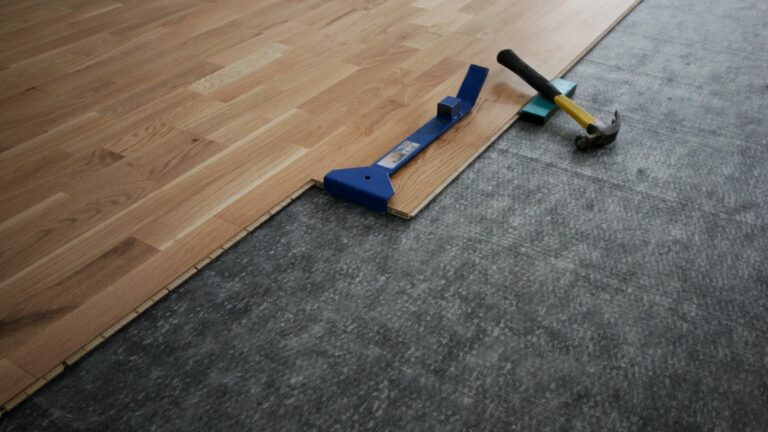
Wood floor sanding company
Floor sanding taunton

Finishes for a Historic House, Costs and Booking

Hardwax oil is almost always our recommendation in old Totnes property. It penetrates the timber rather than forming a plastic film, which is the right behaviour in a building where everything else breathes, and it can be repaired locally.

For shops, cafes and rentals a two-pack water-based lacquer is harder and cures faster, and it does not amber with age.

Very old oak and elm take colour unpredictably, particularly where centuries of wax and polish have soaked in. We lay trial patches on your own floor and leave them a full day. It is much better to discover blotching on a test patch than across a whole room.

Sanding and sealing in Totnes generally runs twenty-five to forty pounds a square metre. Parquet is higher. Stairs are priced per tread and gap filling, board replacement and repairs are quoted line by line.

The survey is free and takes about half an hour. We measure the remaining timber, take moisture readings, look at ventilation and tell you what the floor genuinely needs, including when the answer is to leave it alone.

Ring 01823 674562 or use the contact form. Photographs of the room and of the worst area let us give you a realistic range before anyone visits.

Nearby areas we also cover: Dartmouth, Newton Abbot, Paignton and Axminster. There is a page for each, and the full list of towns is on our areas we cover page.

FAQ: Floor Sanding in Totnes

Totnes, Dartington, Ashprington, Harberton, Berry Pomeroy, Stoke Gabriel, Staverton, Rattery and Diptford, plus Newton Abbot, Paignton, Dartmouth and the South Hams.

Refinishing an existing floor is normally acceptable, but lifting, replacing or altering historic timber can require listed building consent from South Hams District Council. With buildings this old, always ask first.

Usually it should not be. Four centuries of settlement cannot be sanded out without removing far too much timber. We level what is safe to level and are honest about the rest.

Generally twenty-five to forty pounds a square metre for sanding and sealing, higher for parquet. Stairs are per tread and repairs quoted separately. Survey and quote are free.

Not if it is done carefully. We measure the remaining timber, use finer grits and more passes, and take off the minimum needed to get a sound surface.

We use industrial extraction which captures the great majority of dust at source. In a lime-plastered building with exposed beams that makes an enormous difference.

Not if we know in advance. Tell us at survey where we can park and unload and we plan around it. We work in the centre regularly.

A room is about two days and a full downstairs three to four. Oil wants a day before light use and a week before rugs. Lacquer is quicker.

Yes, and in historic property we strongly prefer timber slivers to resin, because these boards still move a great deal seasonally and slivers move with them.

Yes. Shops, galleries, cafes, restaurants, pubs, hotels, halls, churches, schools, colleges, nurseries, gyms, dance studios and sports halls including line marking.

Ryan's Restoration
4.9
Based on 114 reviews
×
js_loader