45 years’ experience  ·  Rated 4.9 on Google  ·  Family-run, from our workshop near Wellington

45 years’ experience · Rated 4.9 on Google · Family-run

Floor Sanding and Wood Floor Restoration in Paignton

Parquet sanding and re-bonding, board repairs and quick-turnaround holiday let work in Paignton, from a family firm that has sanded floors here before.

QUICK QUOTATION

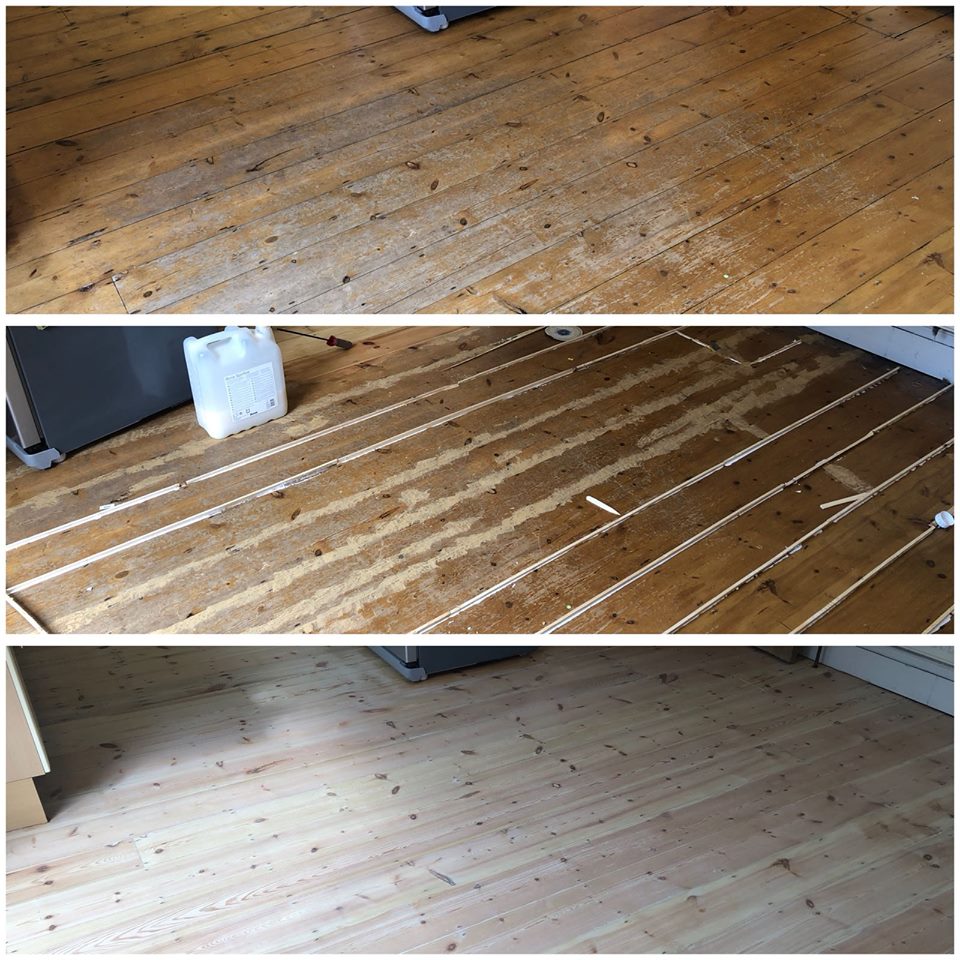
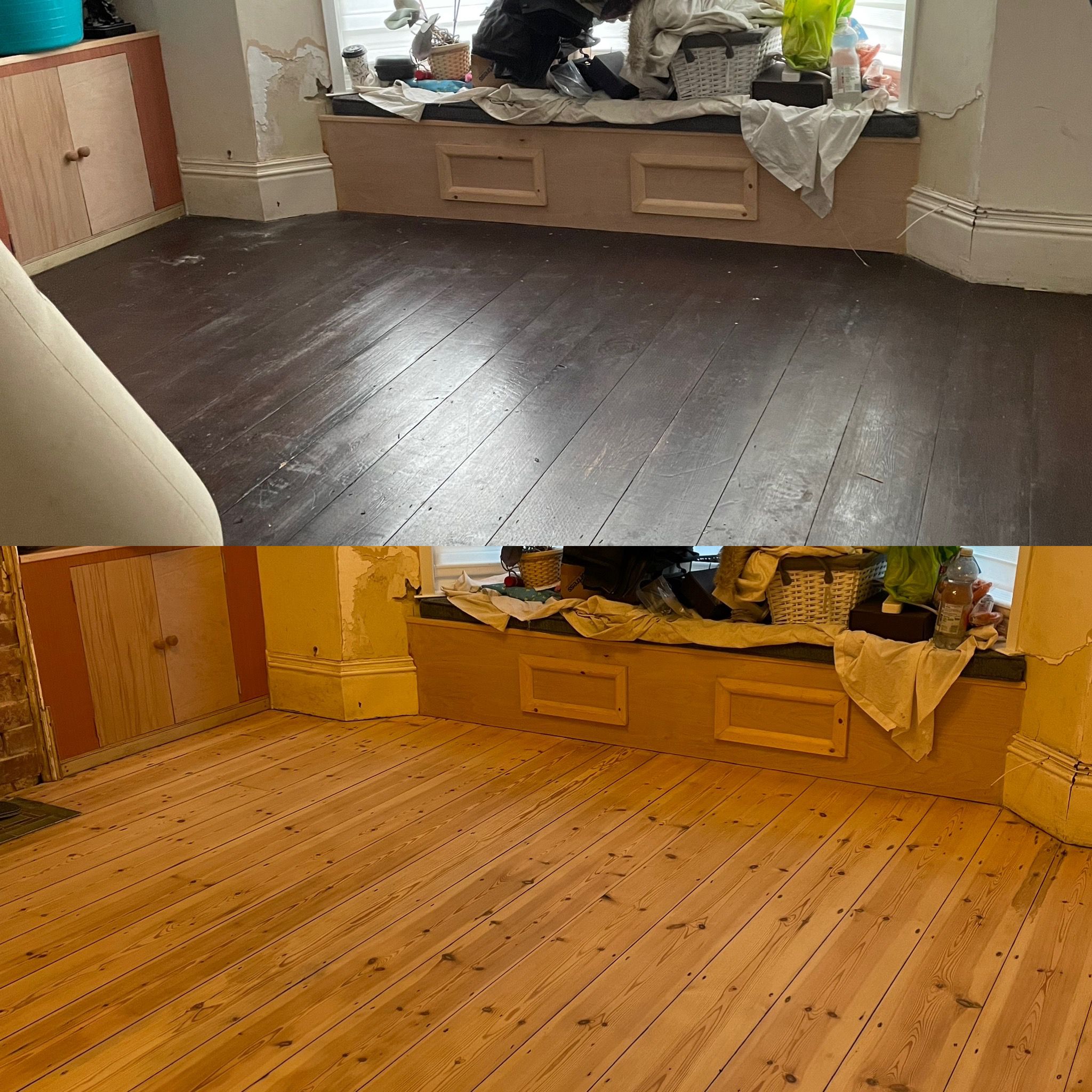
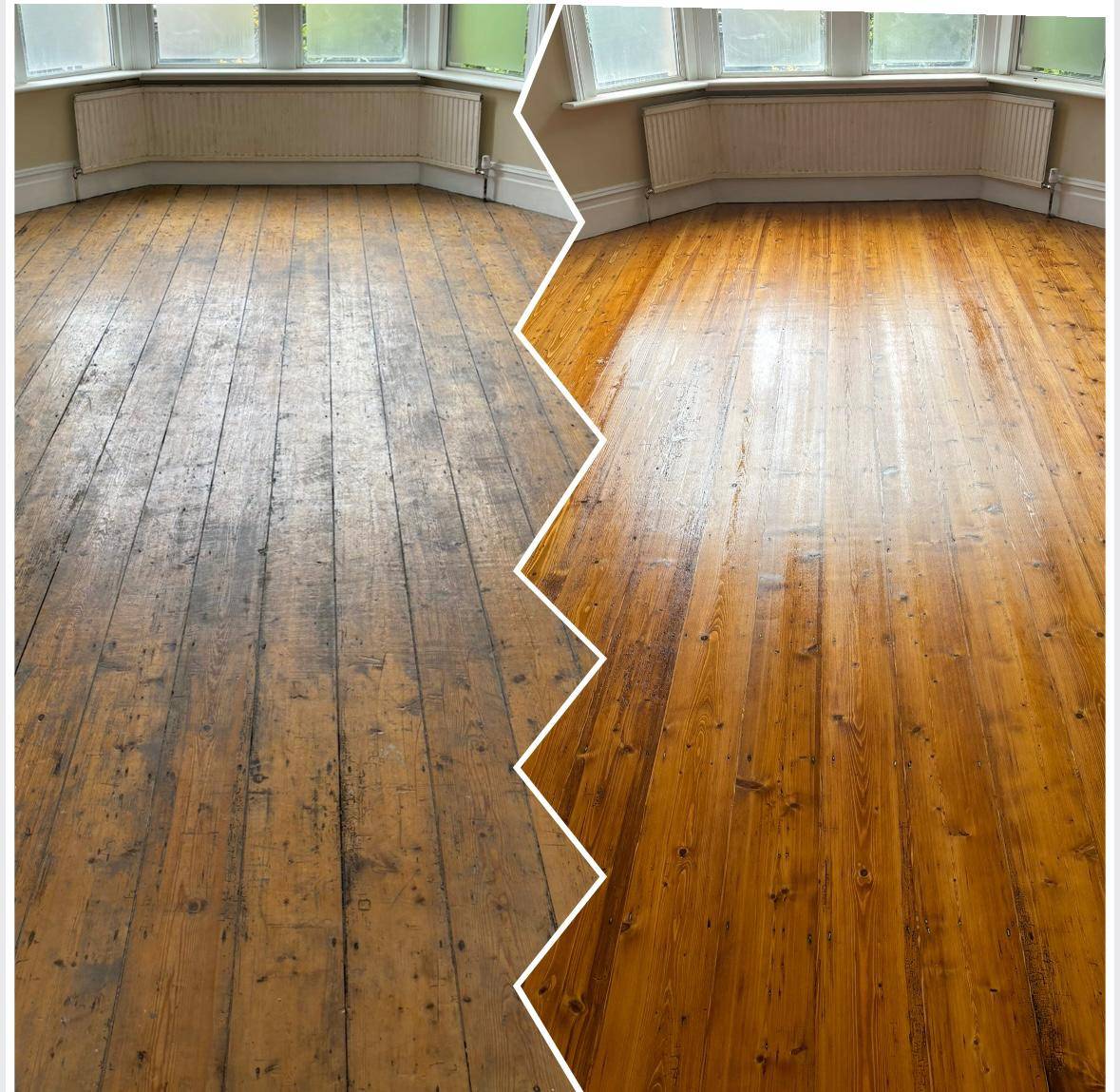
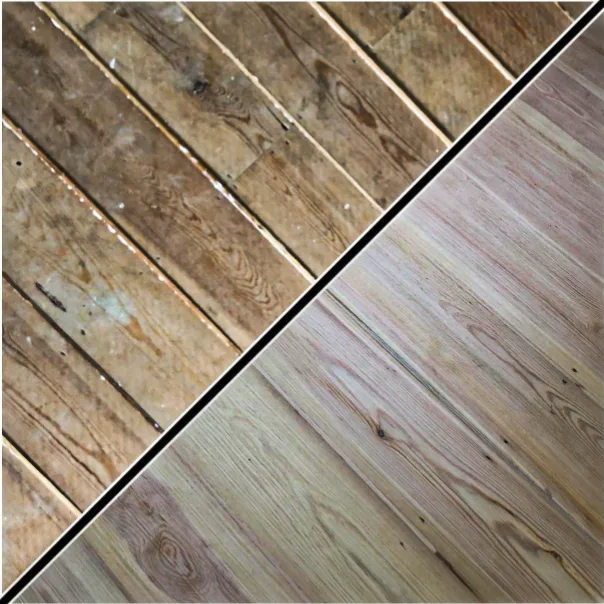
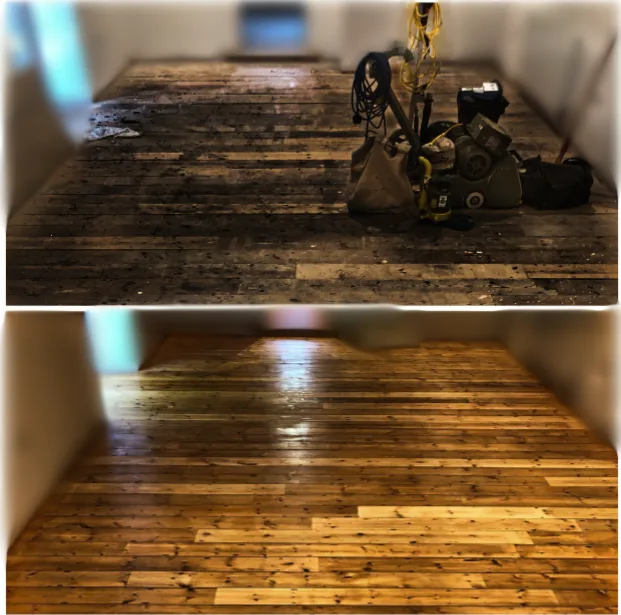
Floor sanding before and after

Floor Sanding in Paignton: What Lies Under the Carpet

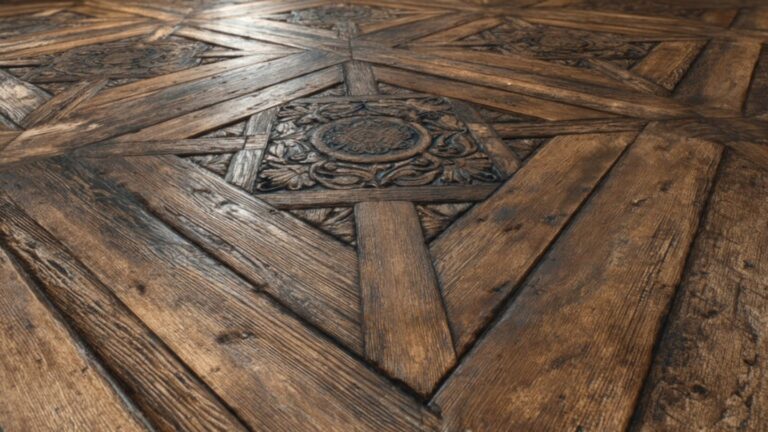
Paignton grew from a farming and fishing village into a resort after the railway arrived in 1859, and the town’s floors still follow that timeline. The Victorian streets laid out on drained marshland behind the seafront have suspended softwood floors, often over a ventilated void on low, once-marshy ground. As the town grew it merged with Preston and Goodrington, and the twentieth-century houses in those areas are where parquet is most likely: oak or hardwood blocks laid on a concrete slab in the hall, the front room and sometimes right through the ground floor of a bungalow.

Much of it was hidden when wall-to-wall carpet became the fashion, and has stayed hidden since. People pull up a corner expecting chipboard and find herringbone instead. The question is then whether it can be saved, and the honest answer is usually yes, provided the blocks are still bonded to the slab or can be re-bonded. That is why so much floor sanding in Paignton starts with a slow walk across the floor listening for hollow blocks, rather than with a machine.

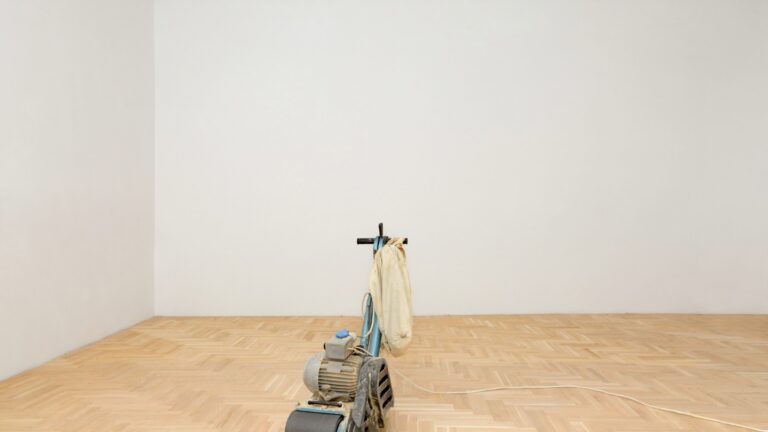
The softwood floors in the older streets are a different job. Boards there have often been lifted for gas, then electrics, then central heating, and the moisture in the void matters more than it would on higher ground. Our wood floor sanding service handles both types, with machines matched to the floor: a heavy belt or drum sander for flattening boards, and a planetary or multi-disc machine that cuts parquet evenly in every direction.

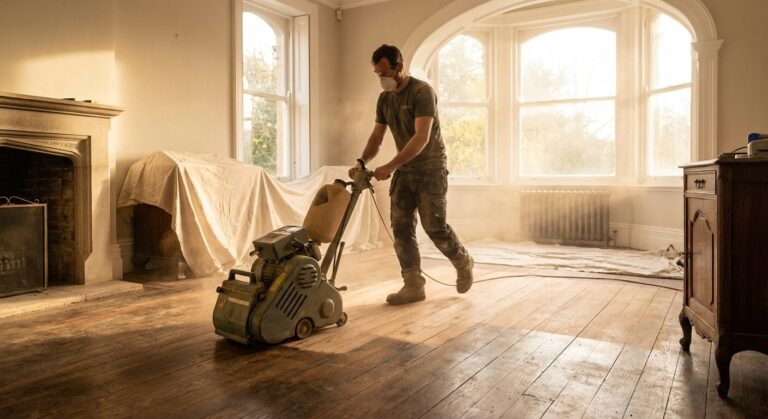
All of the sanding equipment runs into sealed extraction, so the dust-free floor sanding approach keeps holiday flats, occupied homes and small shops clean enough to carry on around the work. Inland villages and the north of the county appear on our Devon floor sanding page. Further down this page you will find the parquet project we completed in the town, how loose blocks are re-bonded, and how wood floor restoration in Paignton is fitted around holiday letting.
Our Parquet Sand and Seal in Paignton

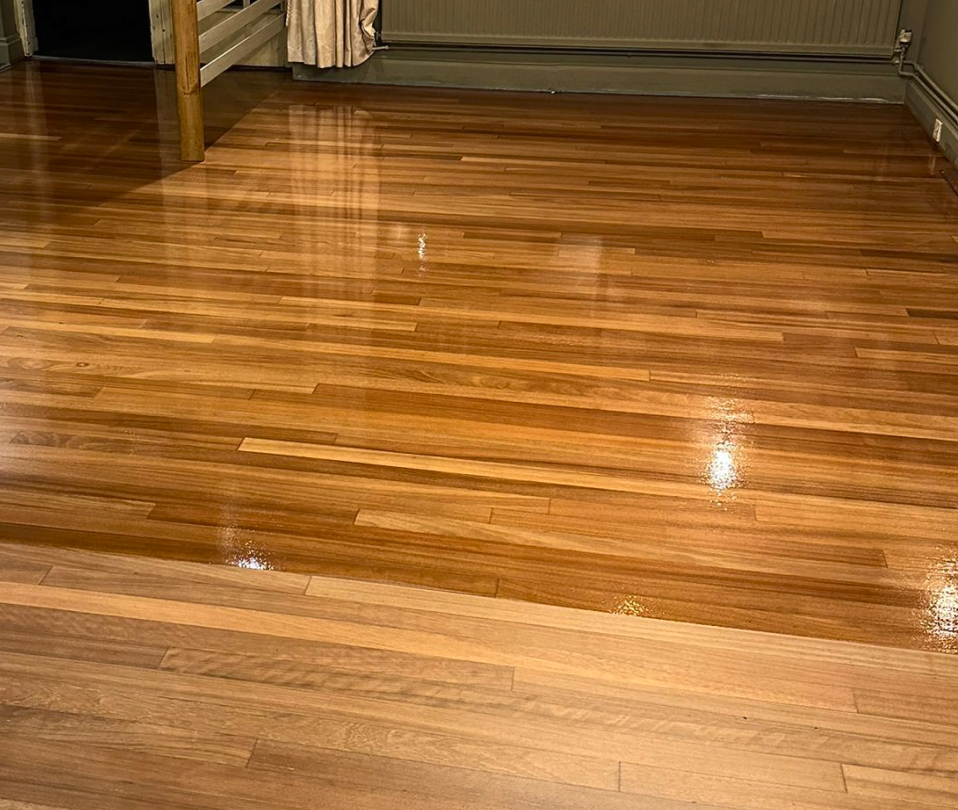
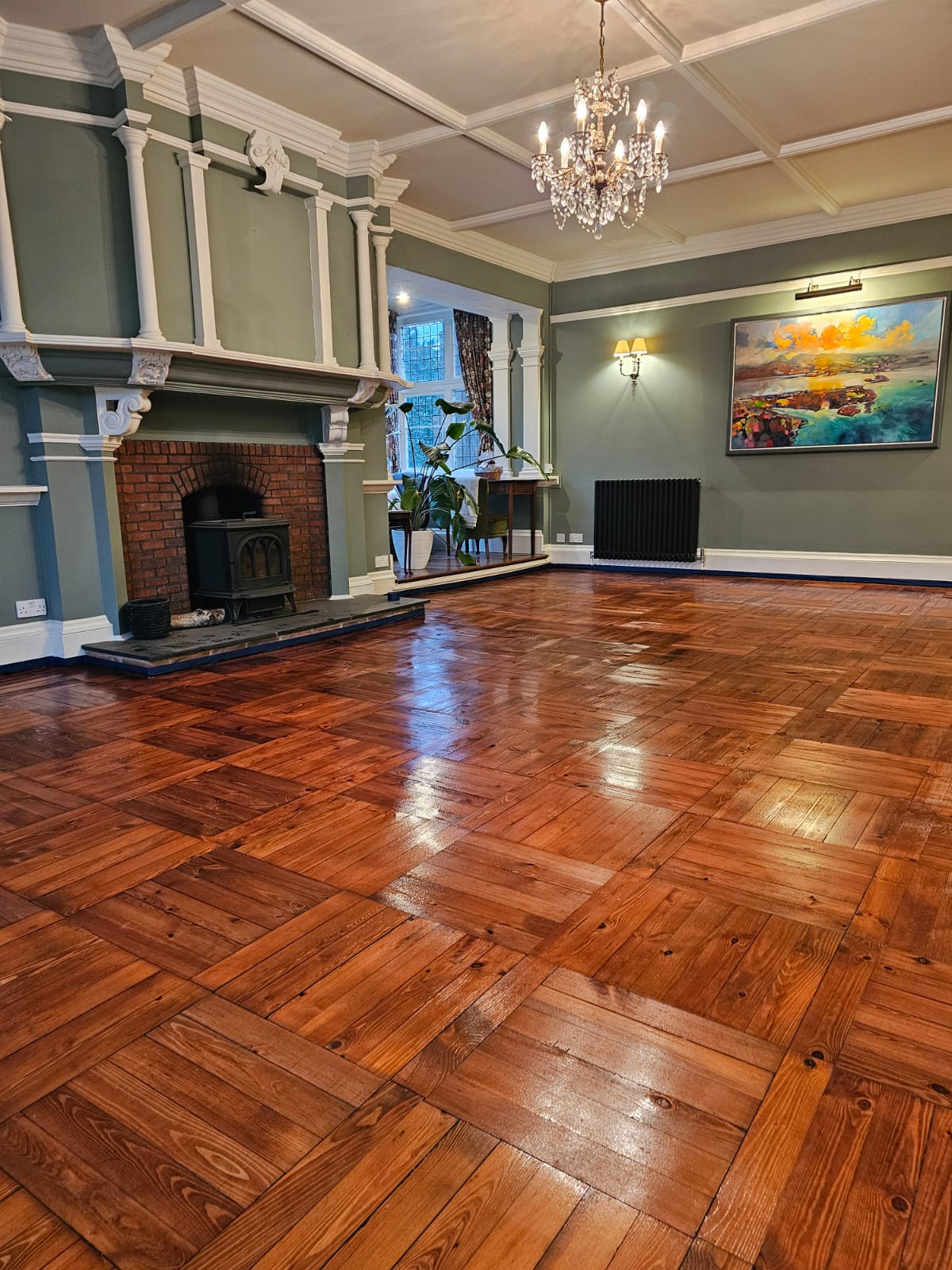
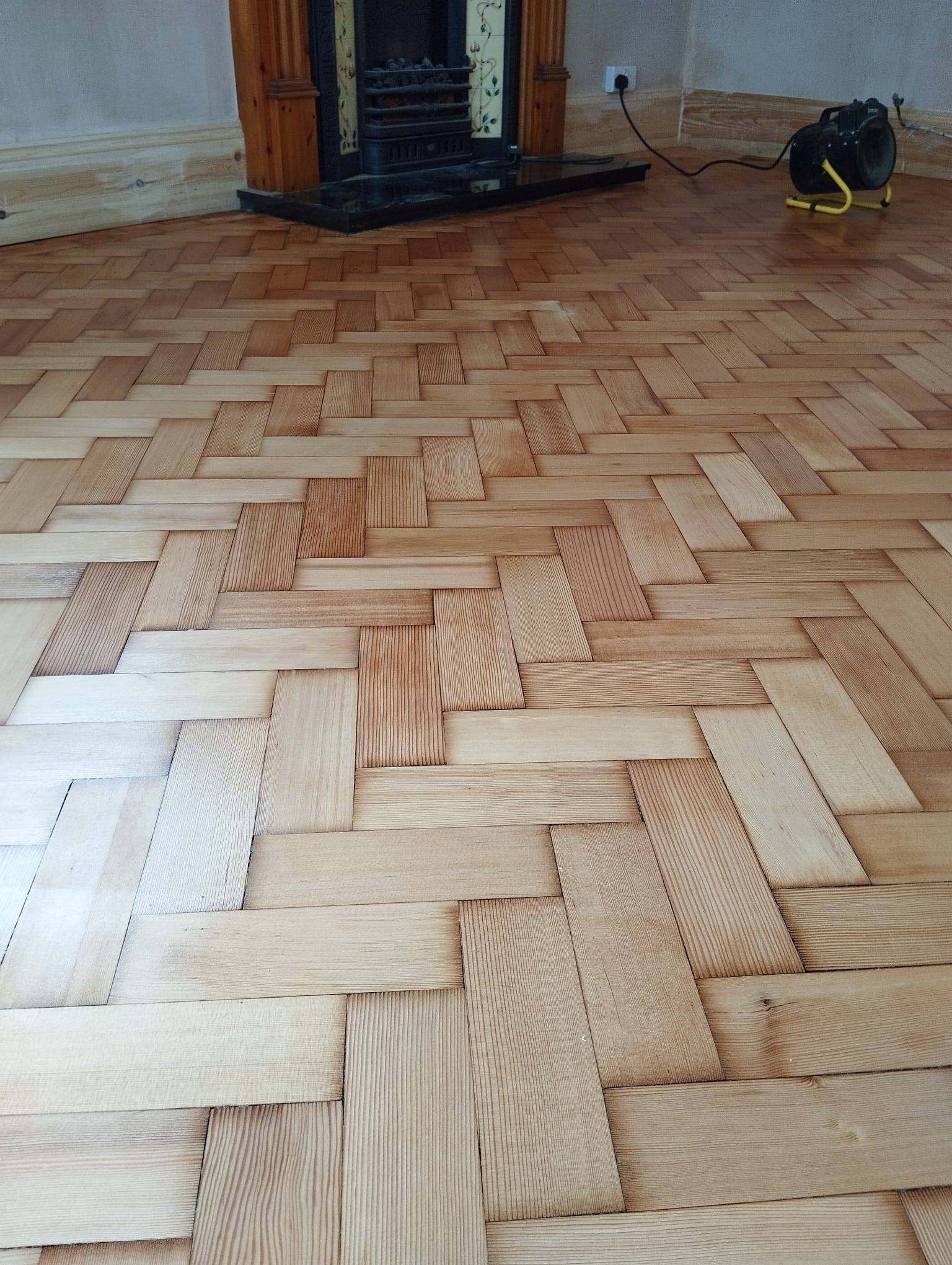
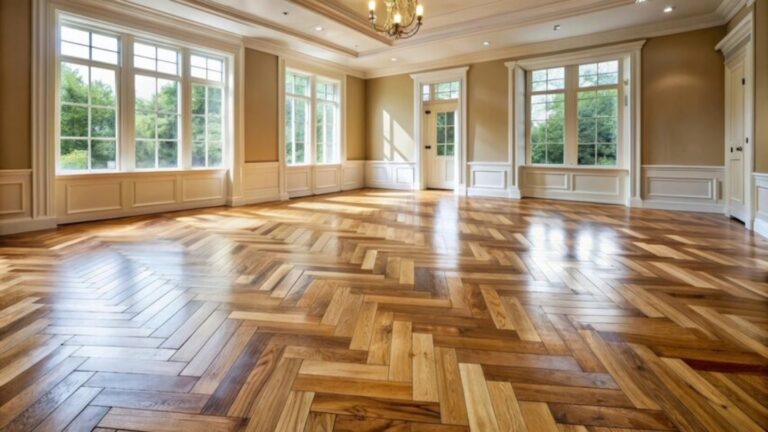
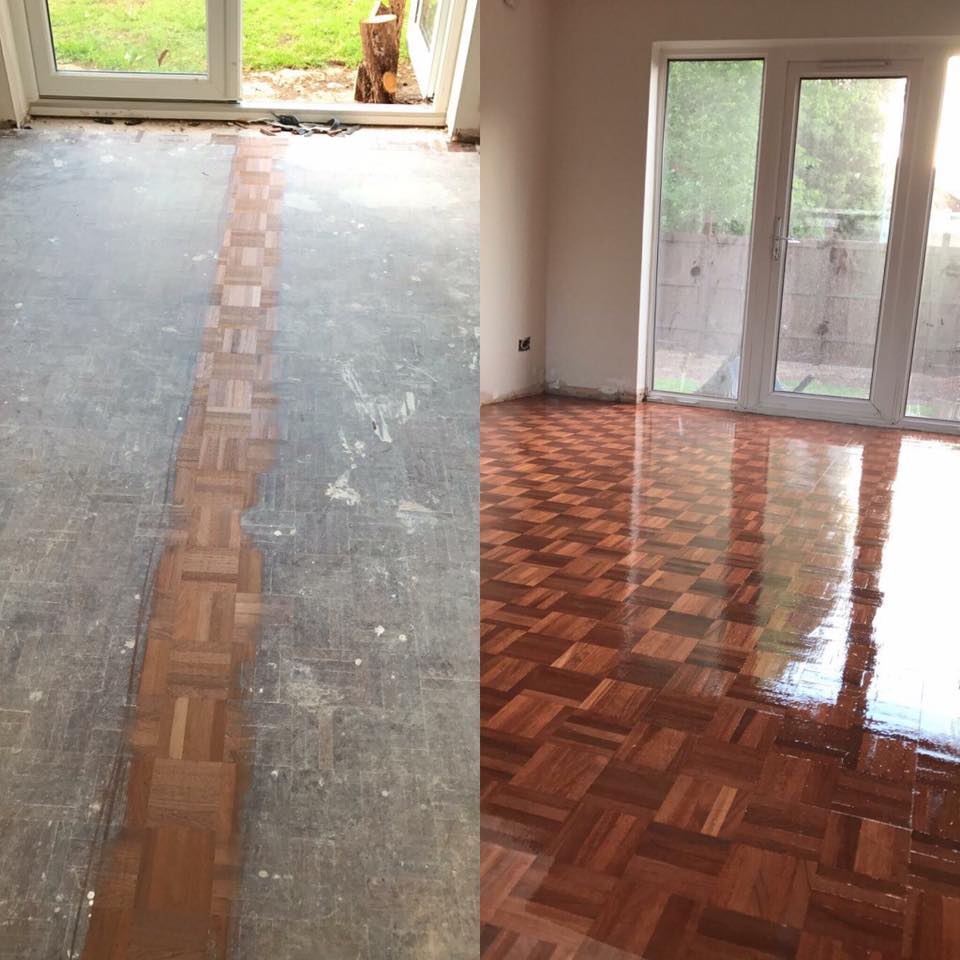
The clearest example of what we do in the town is a residential parquet floor we sanded and sealed in Paignton, written up in full as our Paignton parquet case study. It is a useful one to look at because the floor was typical of what turns up here: sound parquet, but worn unevenly after years of use, in a room that was still being lived in.

Three things shaped the job. First, the room had fixtures and fittings that were staying put, so the sanding had to work right up to and around them without marking them. Second, the wear was not even. Walkways and the area in front of seating had lost much more of their finish than the edges under furniture, which means a sander has to take more from some parts of the floor than others without dishing the busier areas. Third, the homeowner wanted as little upheaval as possible.

The process followed the order we use on most parquet. The floor was assessed first. Fixtures and the surfaces next to the floor were covered and protected. The parquet was then sanded through progressively finer grits until the surface was flat and even, and gaps and damaged spots were filled with a wood filler matched to the colour of the blocks. A seal went on to protect the bare timber, the floor was given proper time to dry, and the homeowner was given aftercare instructions.

The result was a parquet floor with the years of wear removed and a durable sealed finish that brought out the grain again. Nothing about that project needed specialist reconstruction, and that is worth saying, because many people assume a tired parquet floor must be lifted or replaced. Very often a careful parquet floor sanding and sealing job is all that is required.

Where a floor does need more than that, the next step up is re-bonding loose blocks, covered in the following section. For block floors, our wood floor restoration work in Paignton generally runs in that same order, from the first look at the blocks to a seal suited to the room, and the case study is the best picture of it. The project is also a good reference if you are elsewhere in Torbay, including floor sanding in Torquay.

parquet wooden floor sanding
wooden floor sanding

Re-bonding Loose Parquet Blocks in Paignton Homes

Not every parquet floor is as sound as the one in our case study. Blocks laid in the middle of the last century were usually set in hot or cold bitumen, a black tar-like adhesive spread over the concrete. Over decades bitumen hardens and becomes brittle, and it loses grip when moisture rises through a slab that was laid without an effective damp-proof membrane. The blocks then start to rock, click underfoot, or lift in a small tented ridge where several push against each other.

Finding them is simple enough. Tapping across the floor with the end of a screwdriver or a wooden handle, a firm block gives a dull, solid knock and a loose one sounds hollow. A moisture reading on the slab tells us whether the cause is old adhesive failing on its own or damp coming up from below. If it is damp, re-bonding without addressing it simply sets the floor up to fail again.

Re-bonding itself is methodical. Each loose block is lifted, numbered if it sits in a run that must go back in order, and scraped clean on its underside. The slab beneath is scraped back too. Modern adhesives do not always bond reliably to old bitumen, so either the residue is removed back to sound concrete, or an adhesive designed to be compatible with bitumen is used. Where the slab has worn into hollows, a small amount of levelling compound brings it back up so the block sits at the same height as its neighbours. The blocks then go back down with fresh adhesive and are weighted while it sets.

Holes in the pattern, typically where a 1970s gas fire hearth once sat, take salvaged blocks that match in wood and size. Old blocks have aged and oxidised, so a reclaimed block sanded alongside them blends far better than new timber would.

Only then does the floor get sanded. Herringbone parquet is sanded diagonally to the pattern at first, then along the room as the grits get finer, so no cross-grain scratches are left. Where the adhesive has squeezed up between blocks it is cut back before filling. This approach is also the basis of most oak floor restoration on blocks, since oak is the most common species in Paignton parquet.

Holiday Lets and Commercial Floor Sanding in Paignton

Paignton relies heavily on tourism, and much of the timber flooring we see in the town belongs to someone’s livelihood: self-catering flats, holiday cottages, guest houses, cafés and shops near the seafront and in the town centre. For that reason, commercial floor sanding in Paignton almost always starts with the owner opening the bookings spreadsheet and finding the gap.

Holiday lets present the hardest timing. Changeover days are often one day long, and a floor needs more than that to sand, finish and cure. The practical answer is to book the work into a gap of three or four nights, usually outside the summer season. Each property is surveyed beforehand so that repairs, filling and the finish are all decided in advance, which keeps time on site short. A cleaner can walk through in socks the next day, though beds and sofas want two or three days off the new finish.

Let properties wear in a particular way. Suitcase wheels drag grit across hallways, wet towels and swimwear end up on bedroom floors, and beach sand travels everywhere. For that reason we usually suggest a two-pack lacquer in a let, in matt or satin so a scuff from one week’s guests does not catch the eye of the next. Good matting at the door and felt pads on every chair leg make a real difference over a season.

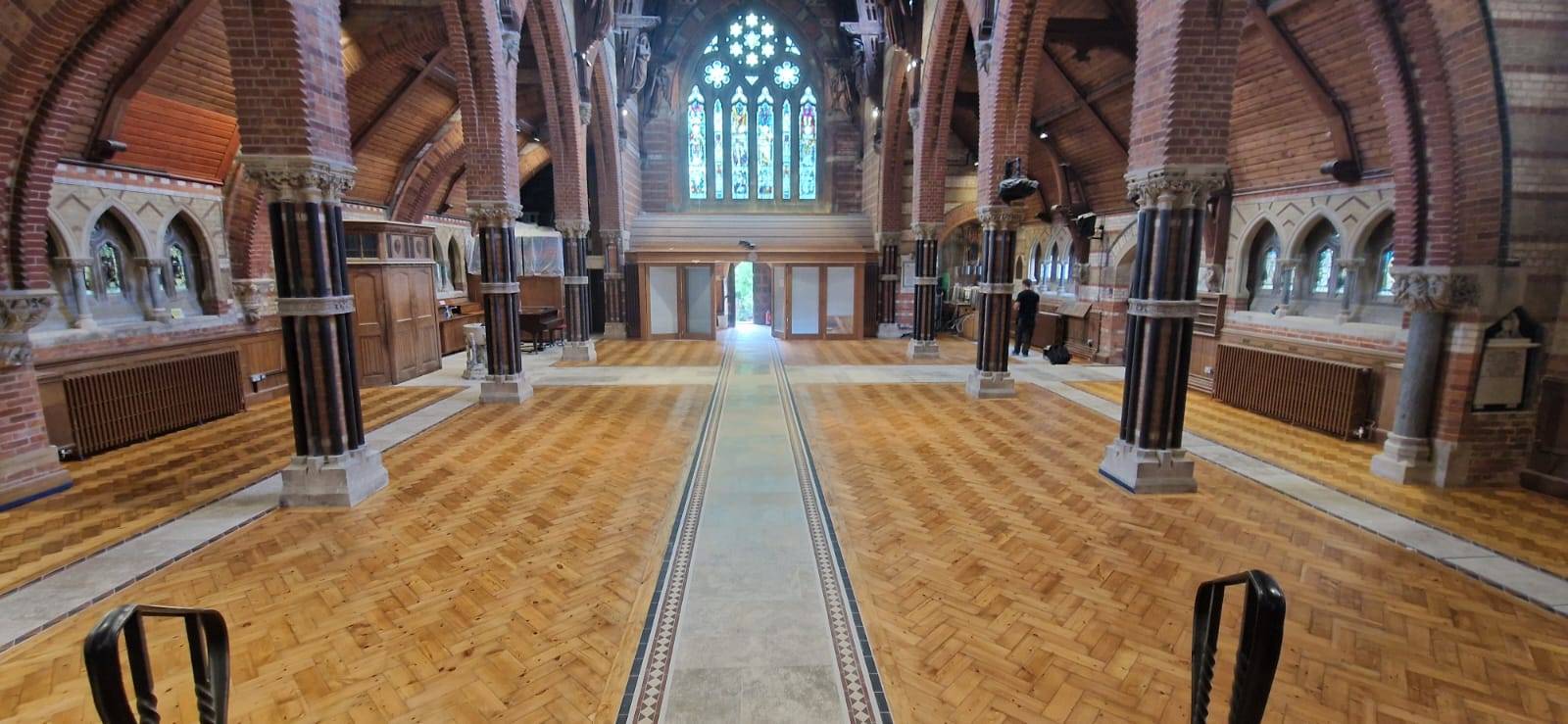
A tall Victorian guest house is easiest tackled storey by storey while the remaining bedrooms stay occupied, which is the pattern behind hotel and guest house floor sanding. Seafront coffee shops and pubs are usually sanded overnight or on a closing day under restaurant floor sanding, and sales floors under shop floor sanding. School halls and sports halls are best done during school holidays, and line marking for courts is completed in-house to the governing body specification; see sports hall floor sanding. Commercially used timber near the beach tends to need a full sanding about twice as often as a family home does. The full range is set out under commercial floor sanding.

flooring sanding company
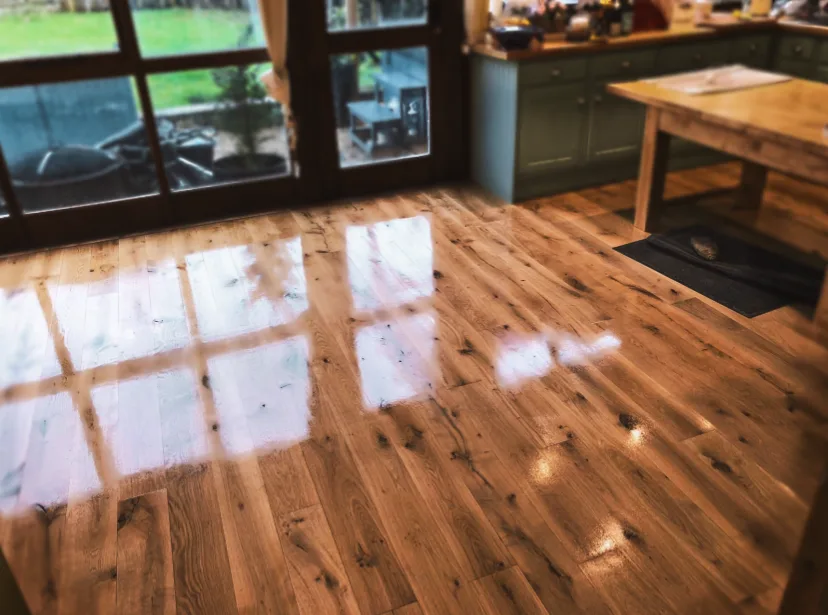
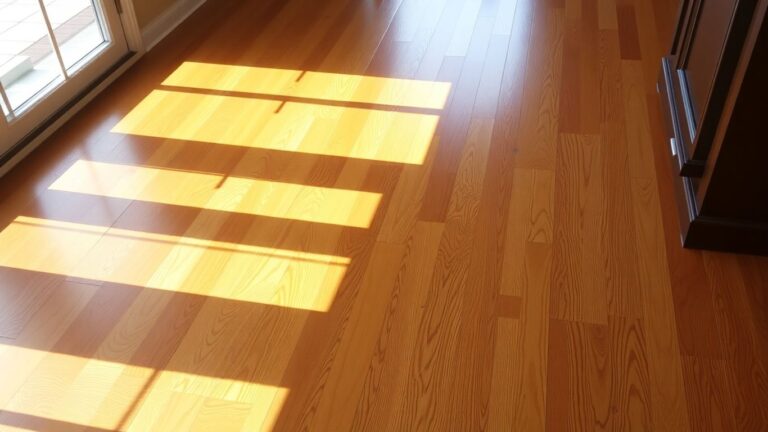
Sunlight across freshly lacquered wooden floorboards

Stairs, Creaks and Damaged Boards in Paignton Houses

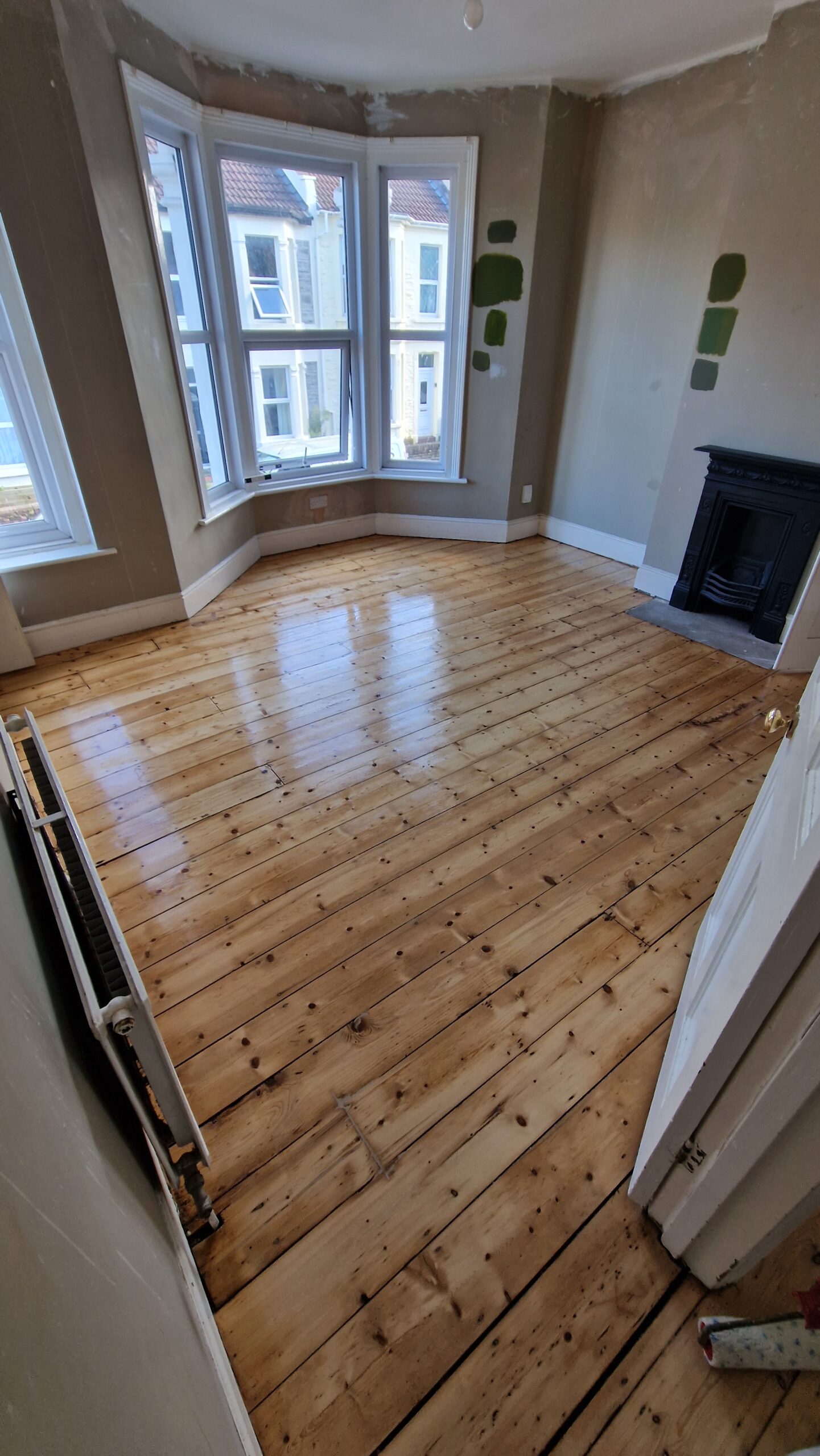
In the Victorian and Edwardian parts of town the floors are mostly softwood, and they have usually been worked on many times. Boards lifted for pipes and cables come back shorter and less securely fixed, and old nails work loose as the timber moves with the seasons. Close to the seafront, and on low ground, damp in the void adds to the movement.

Creaking is the most common complaint. A board that rubs against its neighbour or moves on a loose nail will squeak each time it is walked on. Once pipes and wiring underneath have been located, the board is usually screwed down firmly, and in some cases a short noggin is added between joists to give an unsupported end something to bear on. Our squeaky floor repair service deals with each of these sources of noise.

Boards that are split, rotten from a past leak or riddled with old fixing holes come out, and new pieces go in. Victorian boards were sized in inches, so new metric timber rarely matches; reclaimed boards from our stock are used instead, and once sanded and finished they are very hard to pick out. Floorboard replacement covers that work. Gaps are filled with resin mixed with sanding dust if they are narrow and stable, or with glued pine slivers if they are wide or still moving with the heating; gap filling explains the difference. A dent from a dropped barbecue lid or a deep scrape from a dragged bed frame is better handled as wood floor scratch repair than by chasing it down with the sander.

Stairs in these houses are often pine under a runner, with painted edges and holes from old stair rods. Treads are sanded with hand machines, nosings shaped by hand, and painted areas stripped carefully, as older paint may contain lead and should never be dry-sanded without dust control. In a holiday let with only one stair, the treads can be done alternately so the stair stays usable. Stair sanding covers the method. Our wooden floor repairs cover each of these, and on deal boards they lead into a full pine floor restoration.

How Parquet Species and Pine Take a Finish

Once the sanding is done, the finish depends on the timber. Parquet in Paignton is mostly oak, but iroko, merbau and other tropical hardwoods turn up in floors from the 1960s and 1970s, and each behaves differently.

Oak contains tannins that can react with some water-based lacquers, sometimes giving a slight grey or green tinge, so a test patch or a compatible primer is used first. Iroko is oily and darkens noticeably in sunlight, which means a block that has been under a rug can look much paler than its neighbours until the colour evens out. Merbau can bleed reddish colour into a waterborne finish if it is not primed correctly. None of this is a problem when it is planned for, but it is the reason we test finishes on the floor itself before coating a whole room. Information on sealing and lacquering is on our wood floor sealing page.

Where sandy feet and suitcases are part of daily life, lacquer earns its place. For a sitting room where the look matters most, hard wax oil gives a more natural, low-sheen surface and allows worn areas to be re-coated locally; see wood floor oiling. Traditional wax gives a soft glow and suits rooms that see little water, and wood floor waxing explains how it is maintained.

Staining is possible on both parquet and boards, but colour behaves differently on each. Pine absorbs unevenly because of its alternating soft and hard growth rings, and herringbone shows a stain differently on each direction of block as the light catches the grain. Testing on your own floor is the only sure way, and our wood floor staining page covers the process. A higher shine can be achieved with wood floor polishing.

Whatever the finish, the aim of wood floor refinishing is the same: a surface that suits how the room is actually used, and that can be maintained without starting from bare timber again for as long as possible.

Wood floor sanding company
Floor sanding taunton

Maintenance, New Floors and Getting a Paignton Quote

The homeowner in our Paignton parquet project was given aftercare advice once the seal was down, and the same principles apply to any finished floor. Lift grit with the brush tool of a vacuum first, then wipe over with diluted wood floor cleaner on a flat mop that is only just damp. Avoid steam mops, bleach and multi-surface sprays, which can dull lacquer and dry out oil finishes. Put felt pads on furniture and use mats at external doors to catch sand.

In a family home that is cared for like this, sanding right back is a once-a-decade event, give or take a couple of years. In between, when the surface starts to look dull or lightly scuffed, a floor buffing and recoat refreshes it without returning to bare wood. Holiday lets often benefit from this every year or two, as part of the winter maintenance.

A single parquet room can be finished in a day; a bungalow with blocks running through the hall and lounge, plus repairs, nearer three. If your floor cannot be saved, or you are refurbishing and need new flooring, we can supply and fit new wood floors, or supply only, with brands including Junkers and Bona among the options; ask about wood floor installation when we visit.

Most Paignton floor sanding enquiries begin with two snaps on a phone, a wide one of the room plus a close look at the rocking blocks or tired boards behind the call. For parquet, a close-up of any loose or missing blocks is especially helpful. A free visit follows, usually about thirty minutes, to tap the blocks or probe the boards, meter the slab or void, and look at how air reaches under the floor and which earlier repairs need revisiting. A written, itemised quotation follows. You will then have a written quotation with each item listed. Attach them to the enquiry page or email info@ryansrestoration.co.uk, and if talking suits you better, 01823 674562 reaches the office during the working week. We also cover the harbour town next door; see floor sanding in Brixham.

Paignton Floor Sanding Questions

Yes. We sanded and sealed a worn parquet floor in a Paignton home, which is written up in our case study. The work involved protecting fixtures that were staying in the room, sanding out uneven wear through progressive grits, filling gaps with colour-matched filler and sealing the floor, with aftercare advice given to the owner once the work was complete.

Usually, yes. Loose blocks are found by tapping across the floor, then lifted, cleaned of old bitumen and stuck back down with an adhesive suited to the slab. Broken or absent blocks are made good with salvaged blocks cut to the same pattern. We check the slab for moisture first, because damp is often why the blocks came loose.

Ridging usually means the blocks have absorbed moisture and expanded with nowhere to go, often because there is no expansion gap at the walls or because damp is rising through the slab. The cause needs to be identified and dealt with before the affected blocks are re-laid, otherwise the ridge will simply return.

Yes, if there is a gap of three or four nights. A single changeover day is not enough, because the finish needs time to harden before furniture and beds go back. Booking the work outside the main season gives the most flexibility and means the floor is fully cured before the summer guests arrive.

A two-component lacquer is usually the most practical choice. It resists scratching from suitcase wheels and sand, as well as water from wet towels and swimwear, much better than a standard finish. A matt or satin sheen helps hide wear between guests, and a light recoat every year or two keeps it looking fresh.

Often the orange tone comes from an old oil-based varnish rather than the wood itself. Sanding back to bare timber removes it, and a water-based finish will keep the blocks closer to their natural colour. Iroko and merbau blocks are darker by nature, though, so a trial patch on one corner of your parquet is the honest guide.

Expect one to three days, with re-bonding and repairs adding to the lower figure. Sealed dust extraction keeps the mess very low. Sealed extraction keeps the dust down, socks are fine on the floor by the next day, and the furniture returns a day or two after that.

Yes. Paignton is firmly inside the stretch of south Devon we work in regularly. The parquet case study is proof we have worked here already; the family business behind it has been running since the 1980s from Higher Poole, near Wellington. Sending photographs first lets us advise whether a survey is needed.

A pair of photos to info@ryansrestoration.co.uk starts things off, or phone us on 01823 674562. A free survey gets booked, and afterwards an itemised quote arrives in writing; it only changes if lifting the carpet uncovers something nobody could have known about.