Floor Sanding Castle Cary

Floor Sanding and Wood Floor Restoration in Castle Cary and Bruton

QUICK QUOTATION

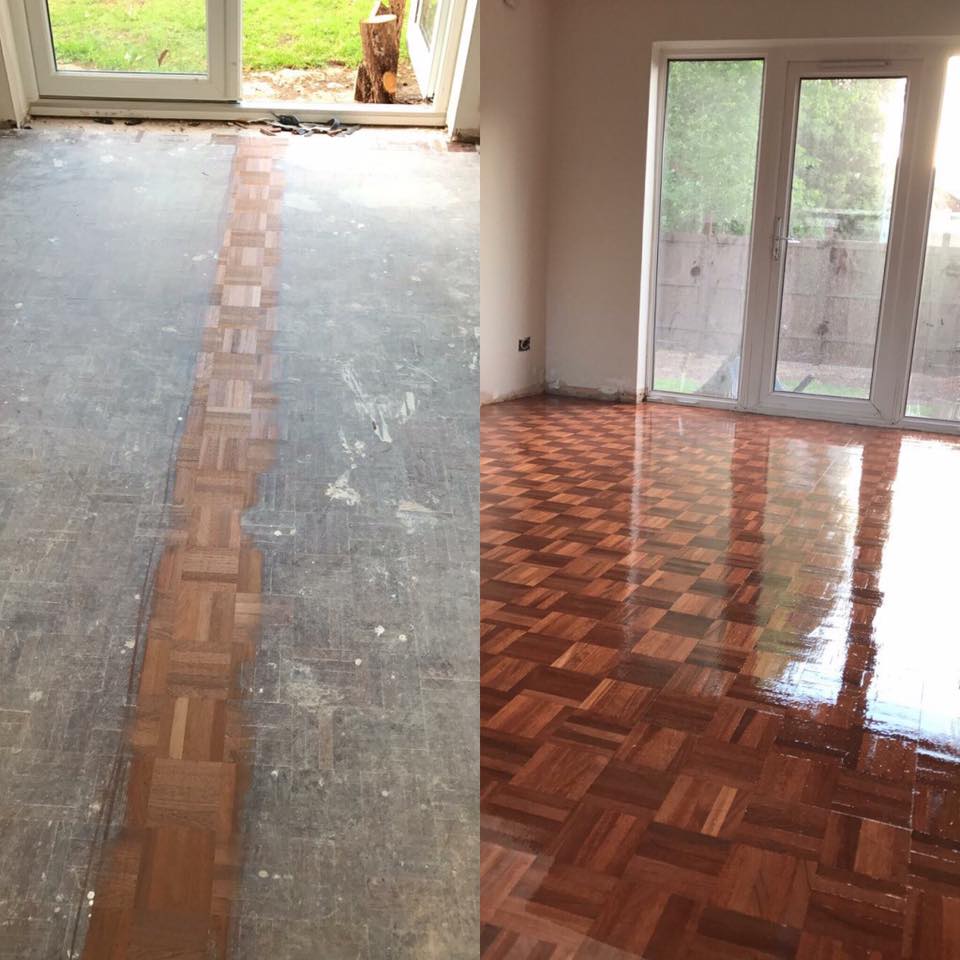
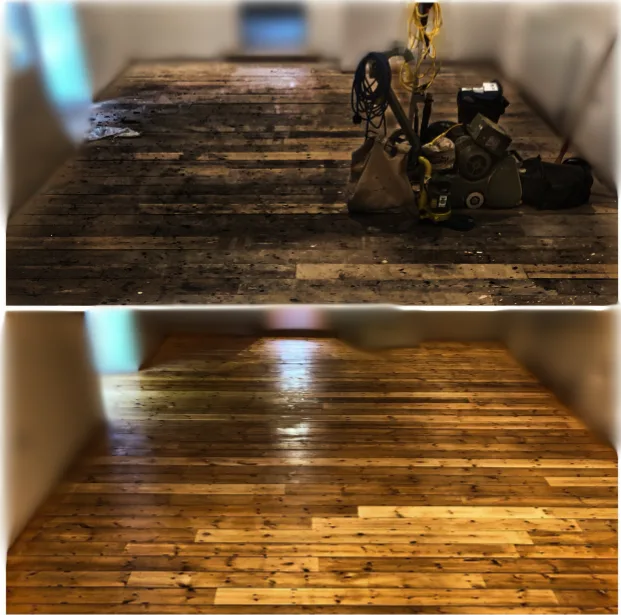
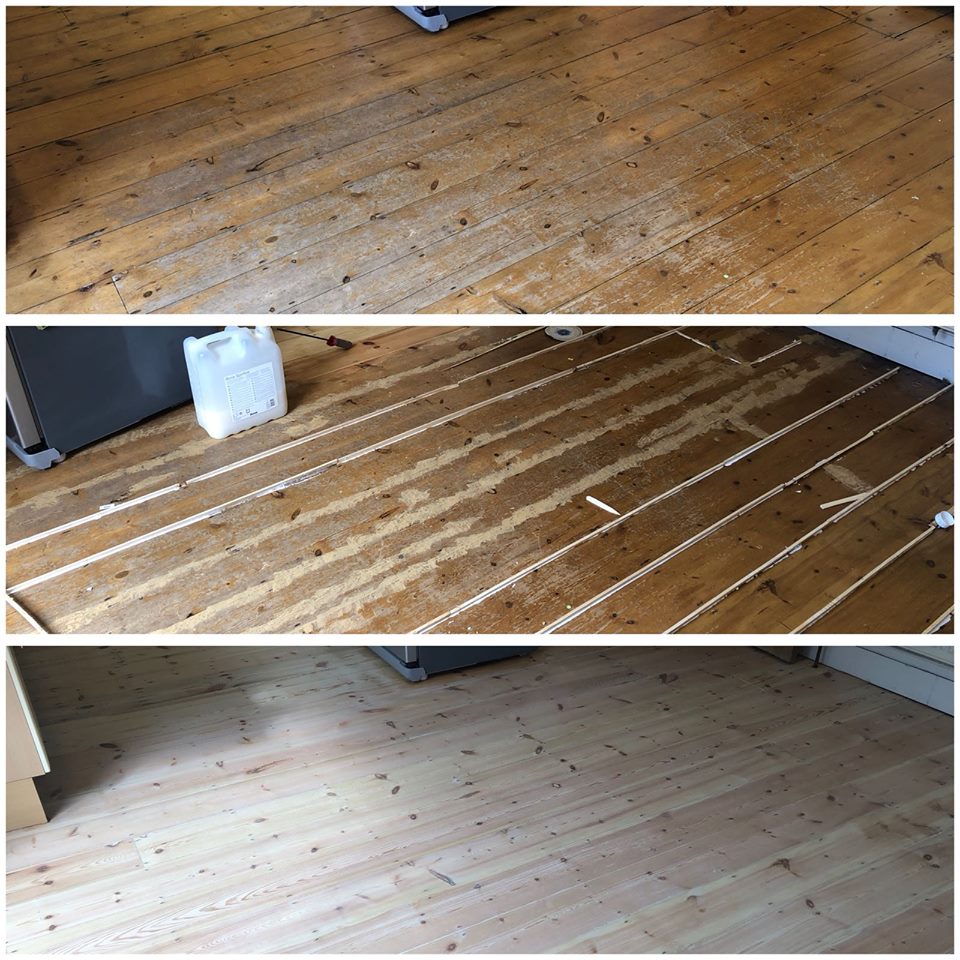
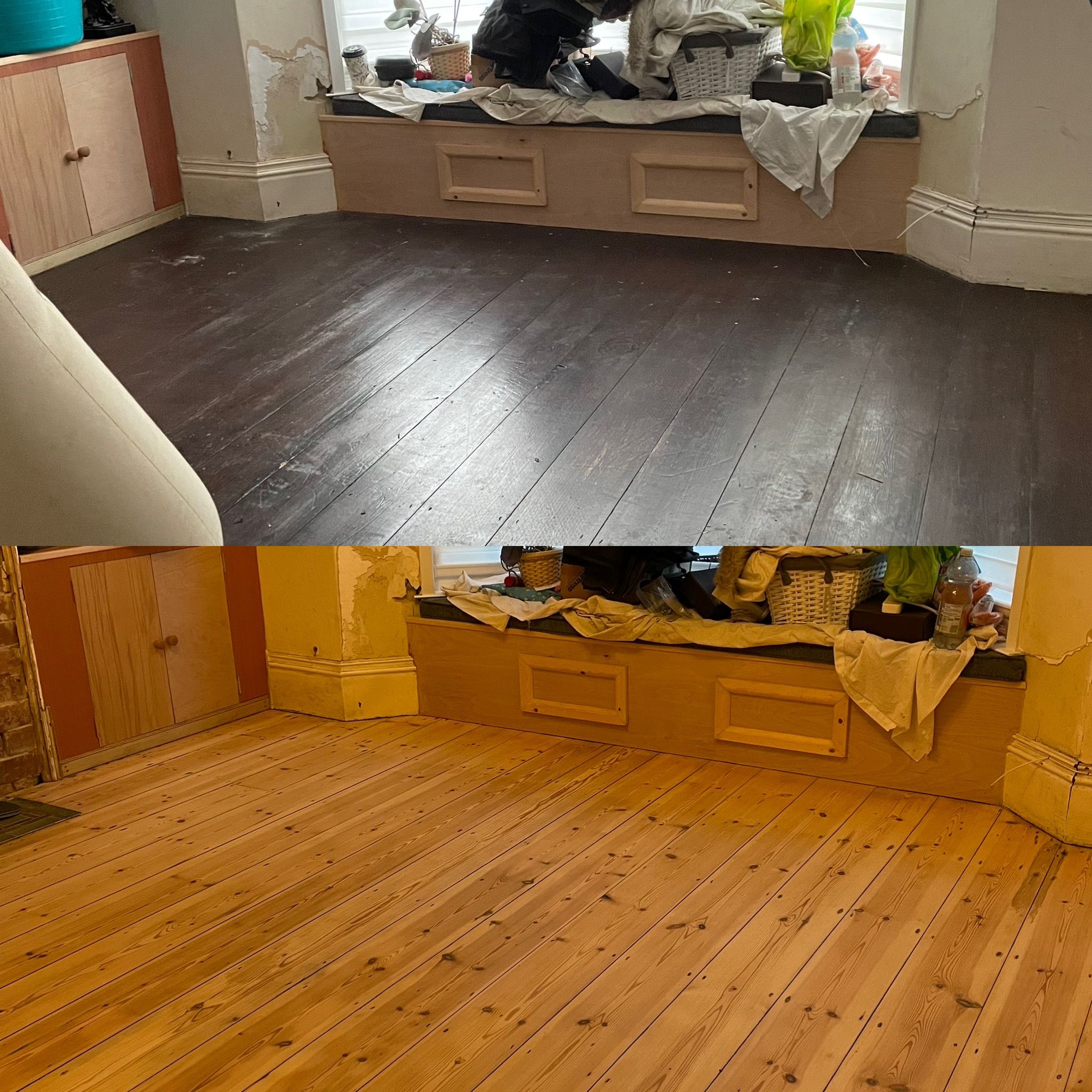
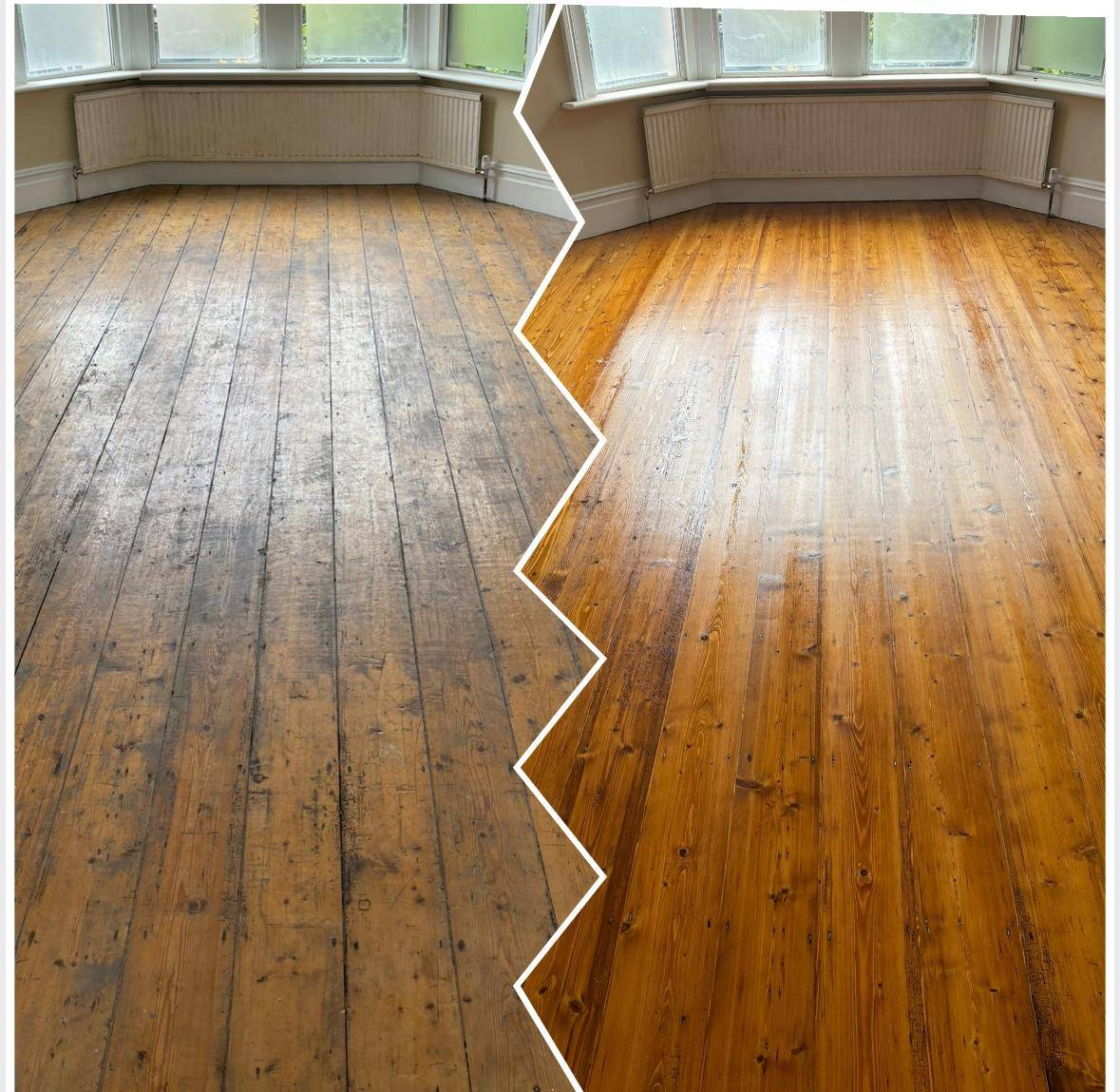
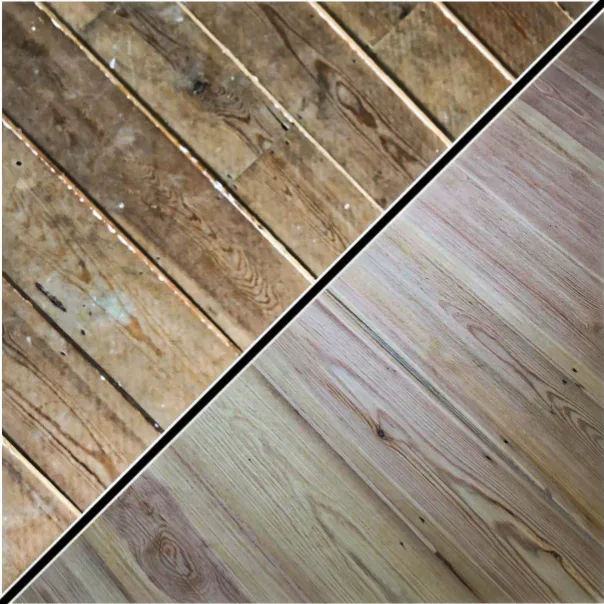
Floor sanding before and after

Floor Sanding in Castle Cary and Bruton

Castle Cary and Bruton have both changed a great deal in twenty years. What were quiet Somerset market towns are now among the most sought after addresses in the county, with a great deal of period property bought, restored and often used part of the year.

The buildings are worth the attention. Ham and local stone cottages, Georgian townhouses along the Market Place and High Street, and in Bruton a remarkable run of medieval and Tudor buildings along the Dovecote side.

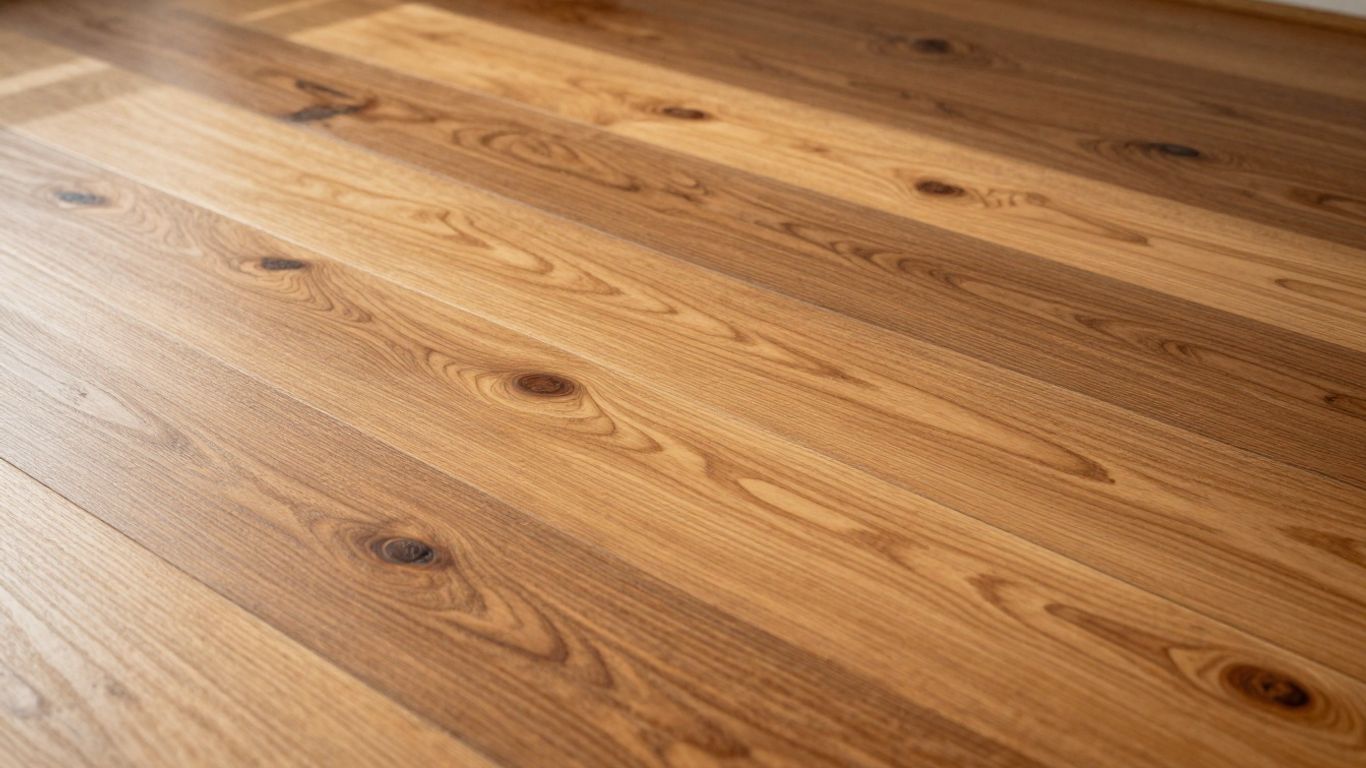
The floors follow. Wide elm and early pine in the oldest cottages, Georgian and Victorian boards over joists in the townhouses, and a good deal of previous repair everywhere.

We cover Castle Cary, Bruton, Ansford, Galhampton, North Cadbury, Ditcheat, Evercreech, Wyke Champflower, Pitcombe and Shepton Montague, plus Wincanton, Frome and Shepton Mallet.

Listed Buildings and Conservation Consent

A very high proportion of central Castle Cary and Bruton is listed or sits in a conservation area. Refinishing an existing floor is generally acceptable, but lifting boards, replacing timber, altering levels or changing the character of a historic surface can need listed building consent from Somerset Council.

With buildings of this age and quality it is genuinely worth a call before anything begins, and we are happy to speak to your conservation officer.

Our default on historic timber is minimum removal. Finer grits, more passes, and no attempt to sand out centuries of settlement and wear. A floor that has been walked on since the sixteen hundreds should not lose two millimetres because somebody wanted it flat by the weekend.

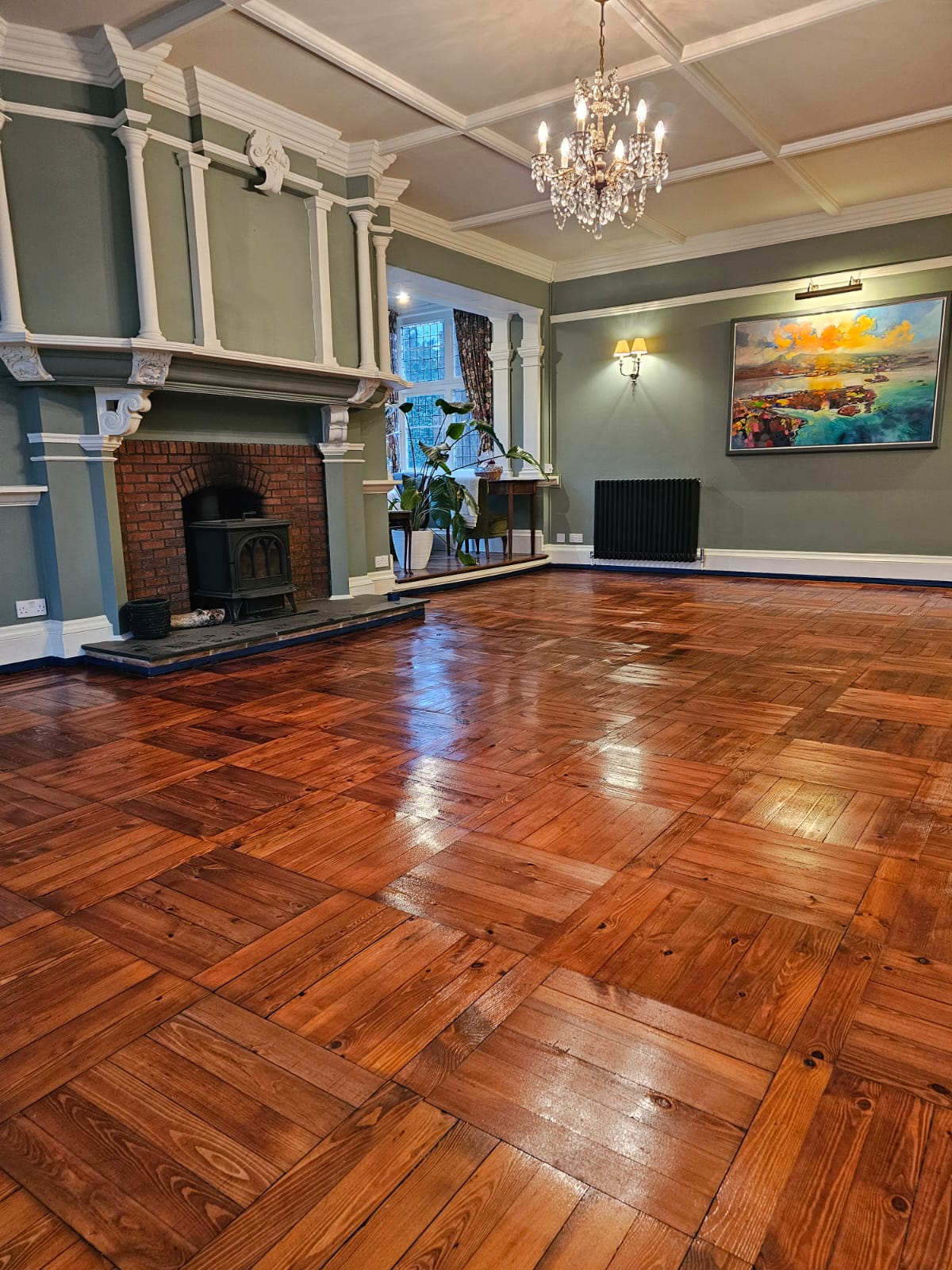
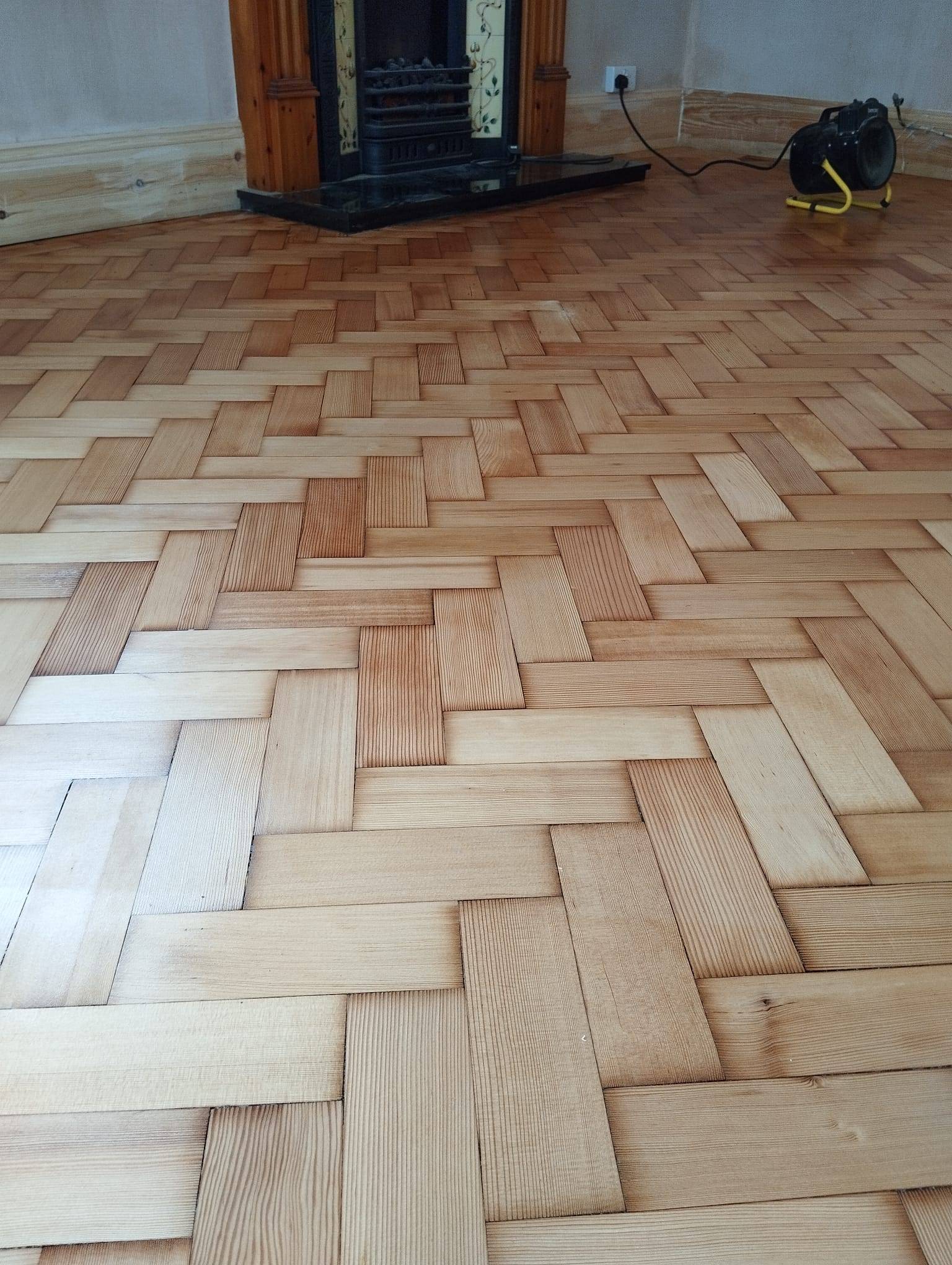
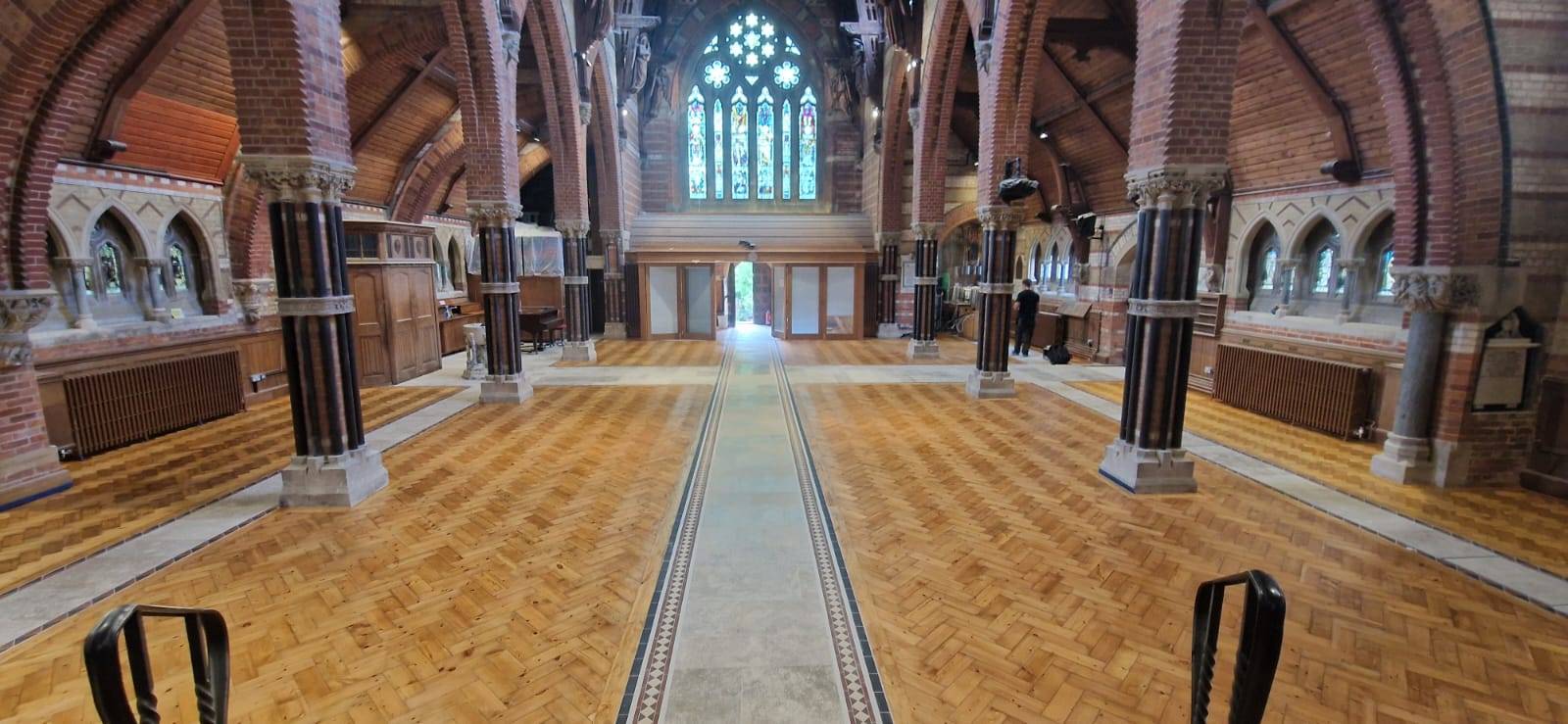
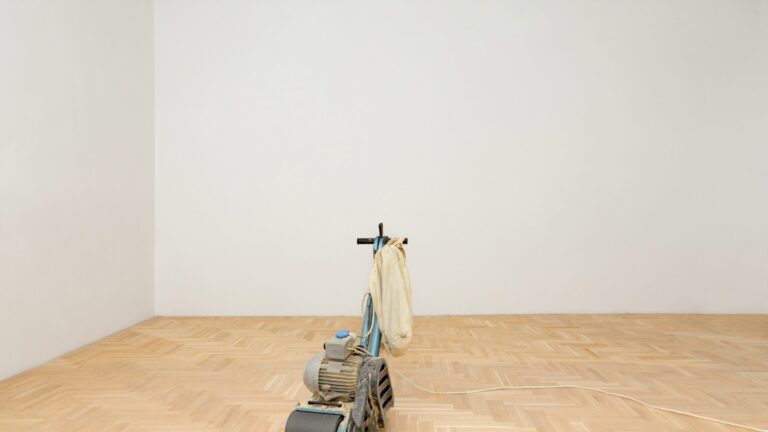
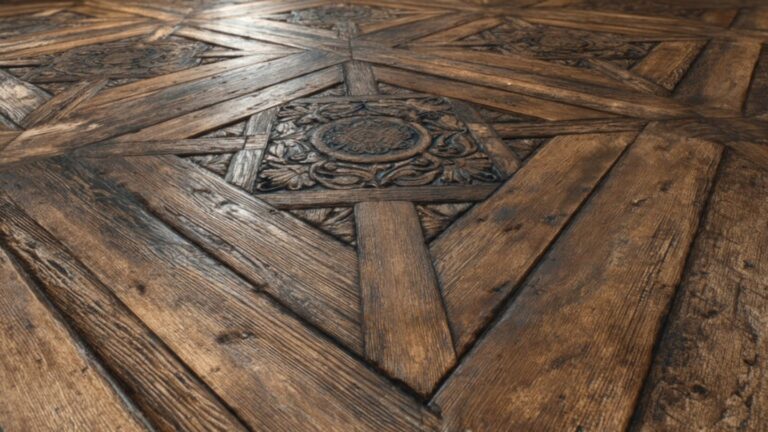
parquet wooden floor sanding
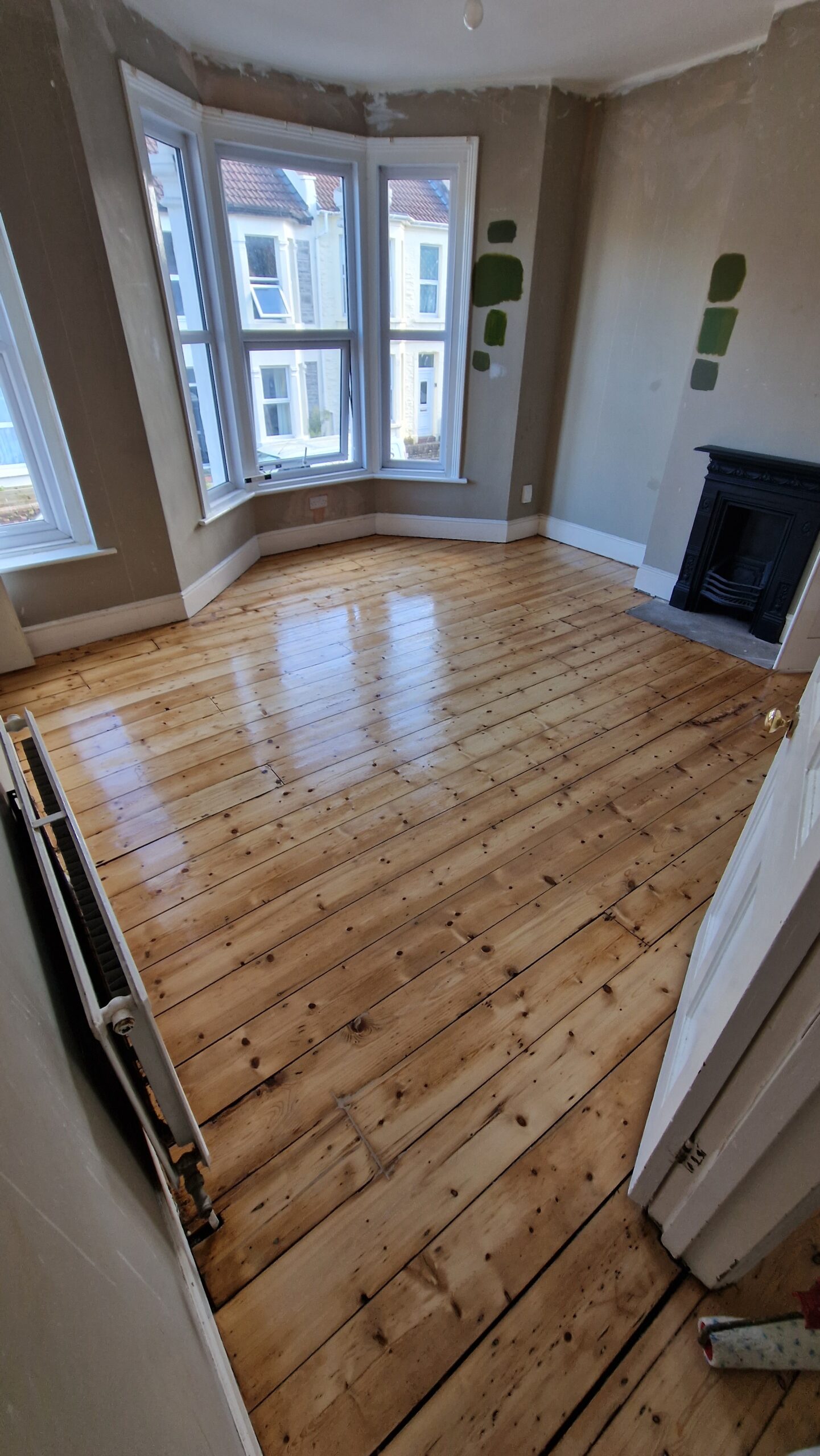
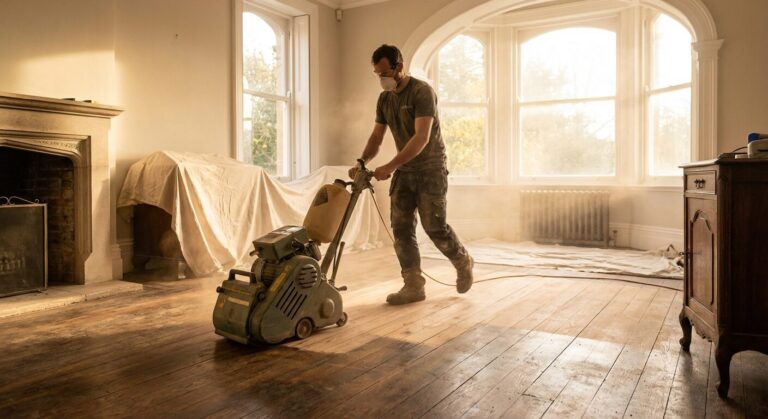
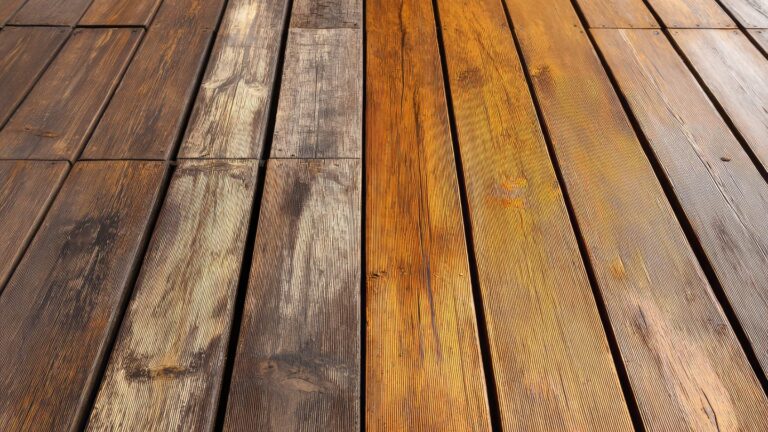
wooden floor sanding

Second Homes and Part-Year Occupation

A good proportion of the best property here is now used part of the year, and that is harder on timber floors than full-time living.

A house left cold, closed and unventilated for months swings in humidity. Boards cup and gap, and finishes suffer at the edges. Owners come back to a floor that looked fine when they left.

It is manageable. A little background heat and some airflow makes an enormous difference, and where a property is genuinely shut up for long periods we specify a finish and a gap-filling approach that account for the movement rather than pretending it will not happen.

Ham Stone, Damp and Ventilation

Local stone is porous and buildings made of it need to breathe. Where cement render or modern paint has been applied at some point, moisture goes somewhere else, and often that somewhere is the floor.

What we find is cupped boards near external walls, blown or milky finishes in the same band, and occasionally soft timber where a joist end bears into damp stone.

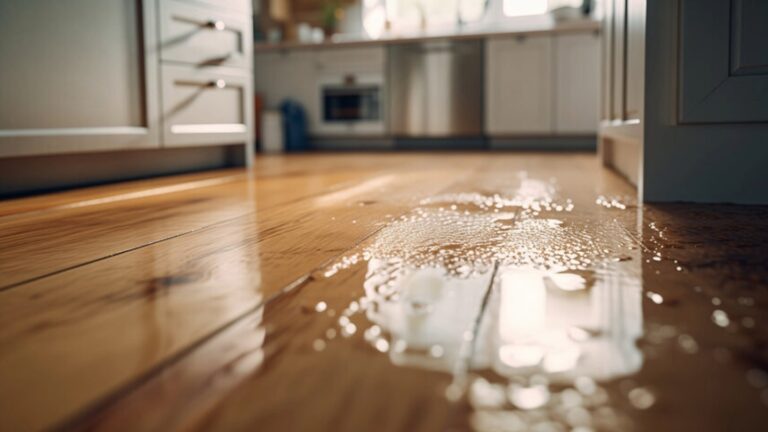
We take moisture readings before quoting and we will not sand a wet floor. Where the cause is blocked airbricks or raised ground outside, the fix is cheap. Where it is impermeable render on a stone wall, that is a bigger conversation and one worth having before you pay for a floor.

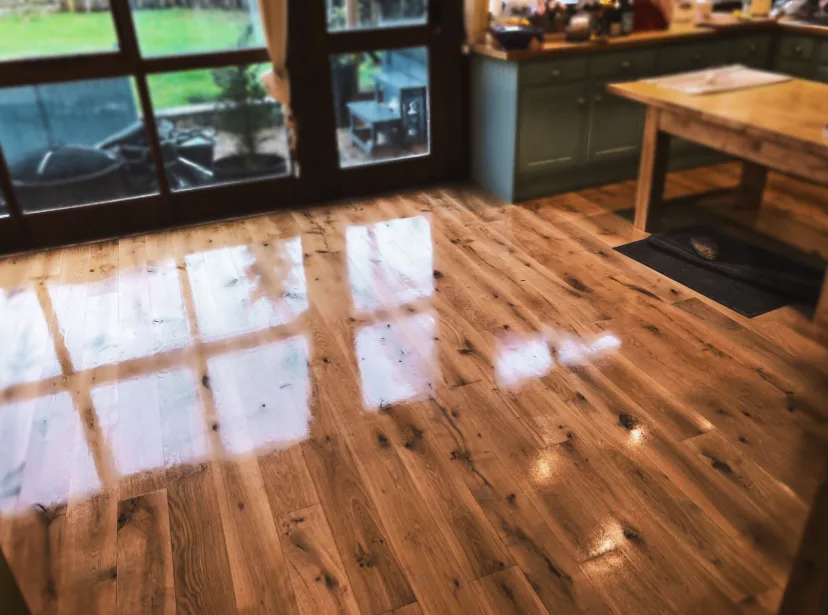
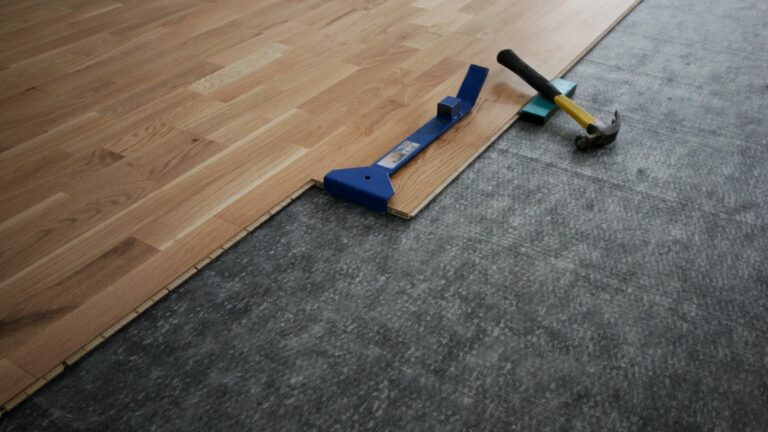
flooring sanding company

Dust-Free Sanding in an Old Building

Our machines run to industrial extraction rather than the cloth bags fitted to hire equipment, capturing the great majority of dust as it is created.

In a building with lime plaster, exposed beams and a tight stair that is not optional. Fine dust settles into every joint and lime plaster does not take kindly to being scrubbed.

We sheet doorways, protect what stays in the room and clean as we go. Most customers stay in the house throughout and we plan the room order so there is always somewhere usable.

Commercial Floors Around Castle Cary

Both towns have a strong independent retail and hospitality scene and we work in it regularly. Pubs, restaurants, cafes, hotels, galleries and shops, plus church and village halls, schools, colleges, nurseries, gyms, dance studios and sports halls across east Somerset.

Sports halls and dance floors are sanded back to clean timber, re-marked to the correct governing body specification for badminton, netball, basketball or five-a-side, then sealed with a proper sports system that keeps grip.

Village halls we normally complete inside a single closed week. Hospitality is done overnight or on closed days with fast-cure sealers. School and college floors go into holiday windows booked a term or more ahead.

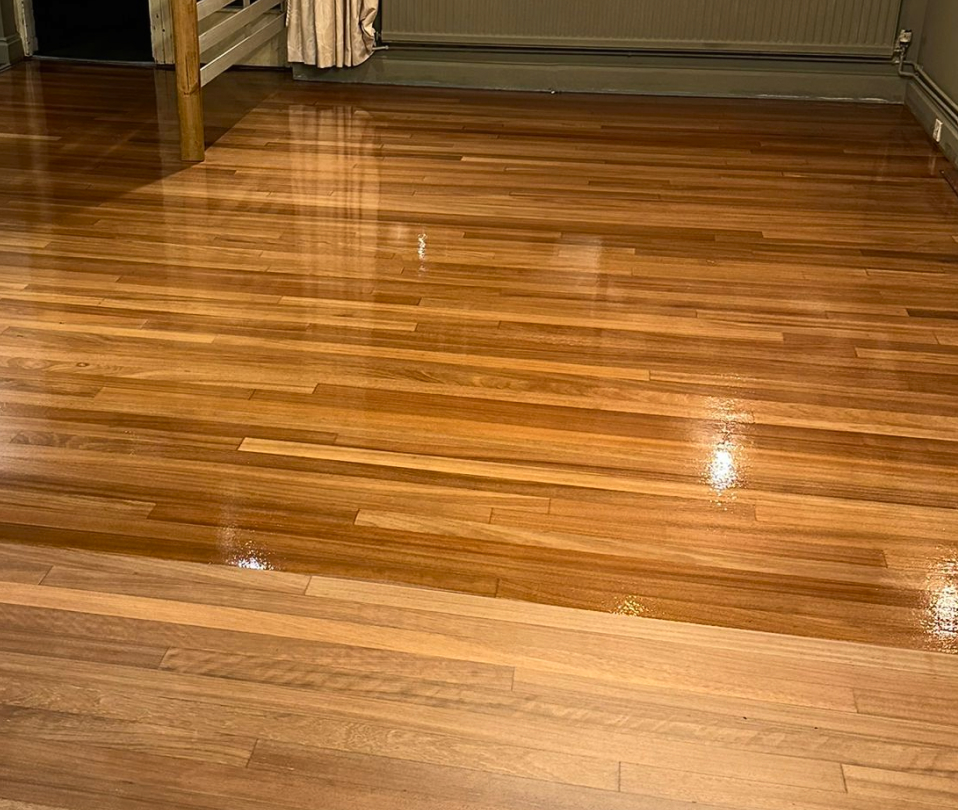
Wood floor sanding company
Floor sanding taunton

Finishes, Costs and Booking

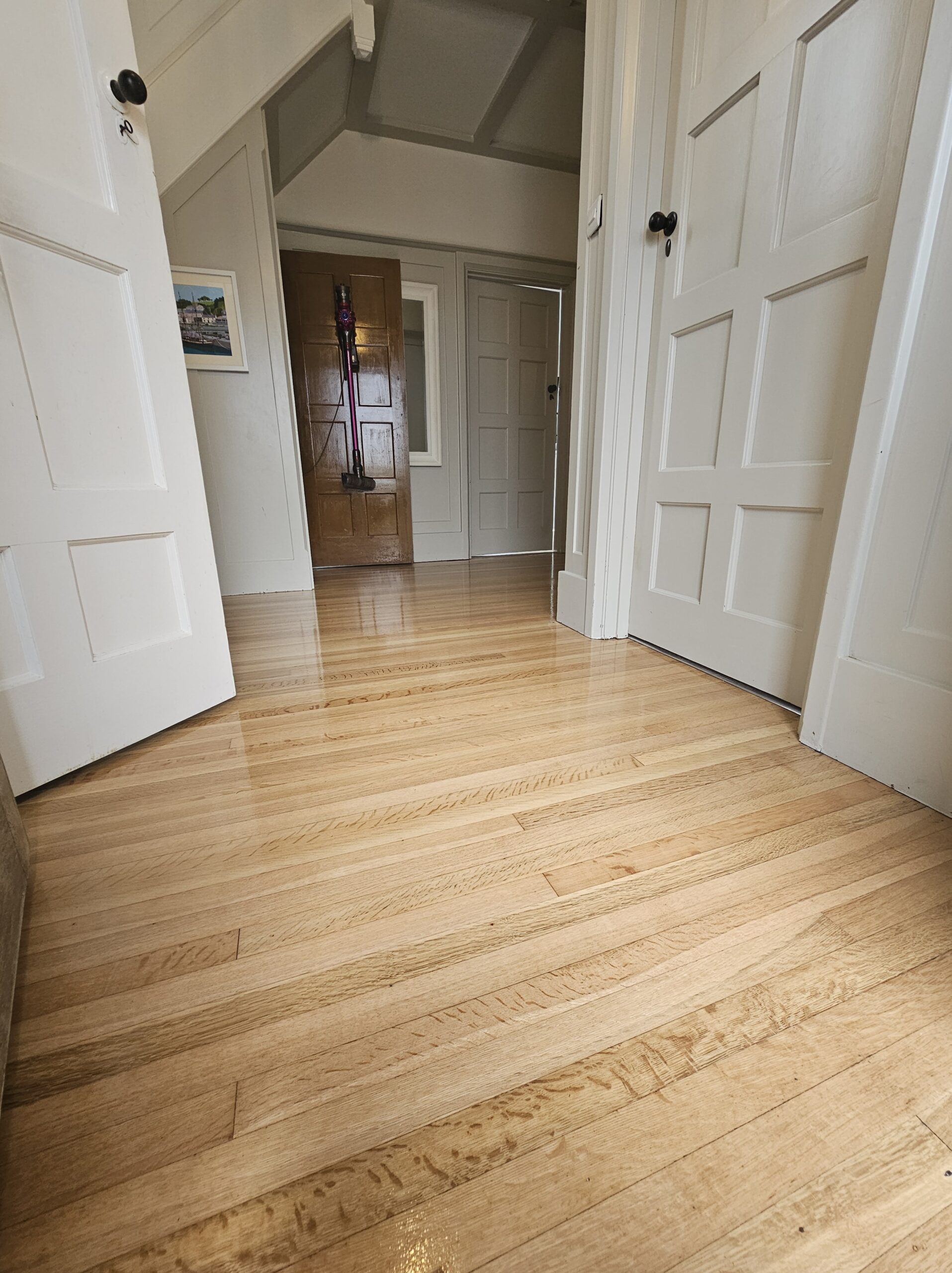
Hardwax oil is almost always our recommendation in period property here. It penetrates rather than forming a film, which is right in a building where everything else breathes, and it can be repaired locally.

For shops, cafes and rentals a two-pack water-based lacquer is harder and cures faster, and it does not amber with age.

Sanding and sealing generally runs twenty-five to forty pounds a square metre, parquet higher, stairs by the tread, and repairs quoted line by line. The survey is free and takes about half an hour.

Ring 01823 674562 or use the contact form, and send photographs of the room and the worst area if you can.

Nearby areas we also cover: Frome, Shepton Mallet, Wincanton and Burnham-on-Sea. There is a page for each, and the full list of towns is on our areas we cover page.

FAQ: Floor Sanding in Castle Cary

Castle Cary, Bruton, Ansford, Galhampton, North Cadbury, Ditcheat, Evercreech, Wyke Champflower, Pitcombe and Shepton Montague, plus Wincanton, Frome and Shepton Mallet.

Refinishing an existing floor is normally acceptable, but lifting, replacing or altering historic timber can need listed building consent from Somerset Council. With buildings this old, always ask first.

Generally twenty-five to forty pounds a square metre for sanding and sealing, higher for parquet. Stairs are per tread and repairs quoted separately. Survey and quote are free.

It can. A cold, closed, unventilated house swings in humidity and boards cup and gap. A little background heat and some airflow makes a real difference.

Local stone is porous and needs to breathe. Where cement render or modern paint has been applied, moisture is pushed elsewhere, often into the floor. It is a common cause of cupping here.

Not if it is done carefully. We measure the remaining timber, use finer grits and more passes and take off the minimum needed to get a sound, even surface.

We use industrial extraction which captures the great majority of dust at the machine. In a lime-plastered building with exposed beams that makes an enormous difference.

A single room is about two days and a full downstairs three to four. Oil wants a day before light use and a week before rugs. Lacquer is quicker.

Yes, and in historic property we strongly prefer timber slivers to resin, because these boards still move seasonally and slivers move with them.

Yes. Pubs, restaurants, cafes, hotels, galleries, shops, halls, churches, schools, colleges, nurseries, gyms, dance studios and sports halls including line marking.

Ryan's Restoration
4.9
Based on 114 reviews
×
js_loader