Floor Sanding in Milverton, Starting With the Timber You Have
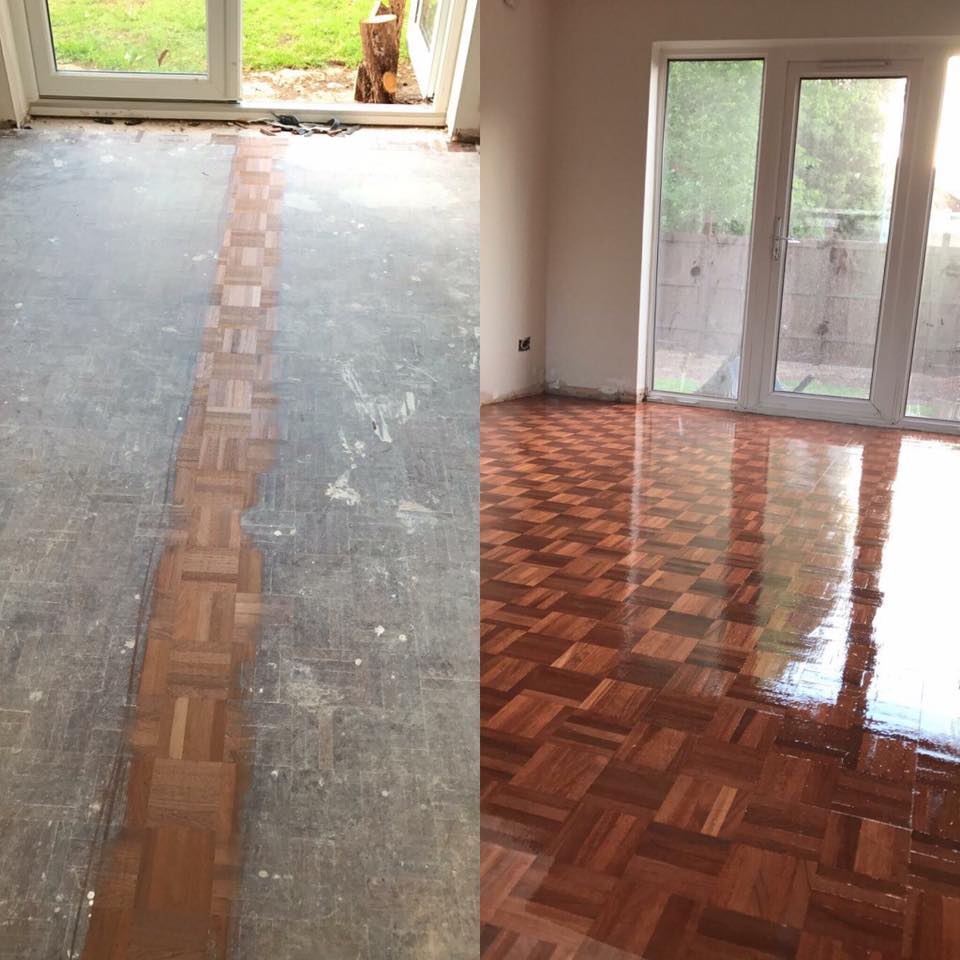
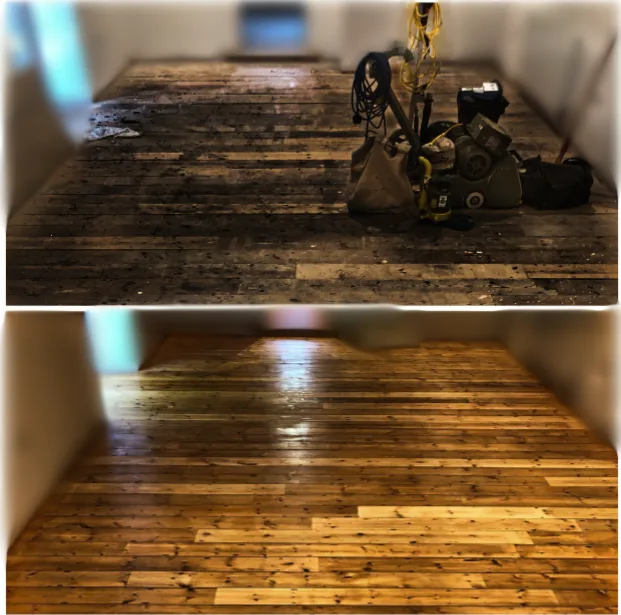
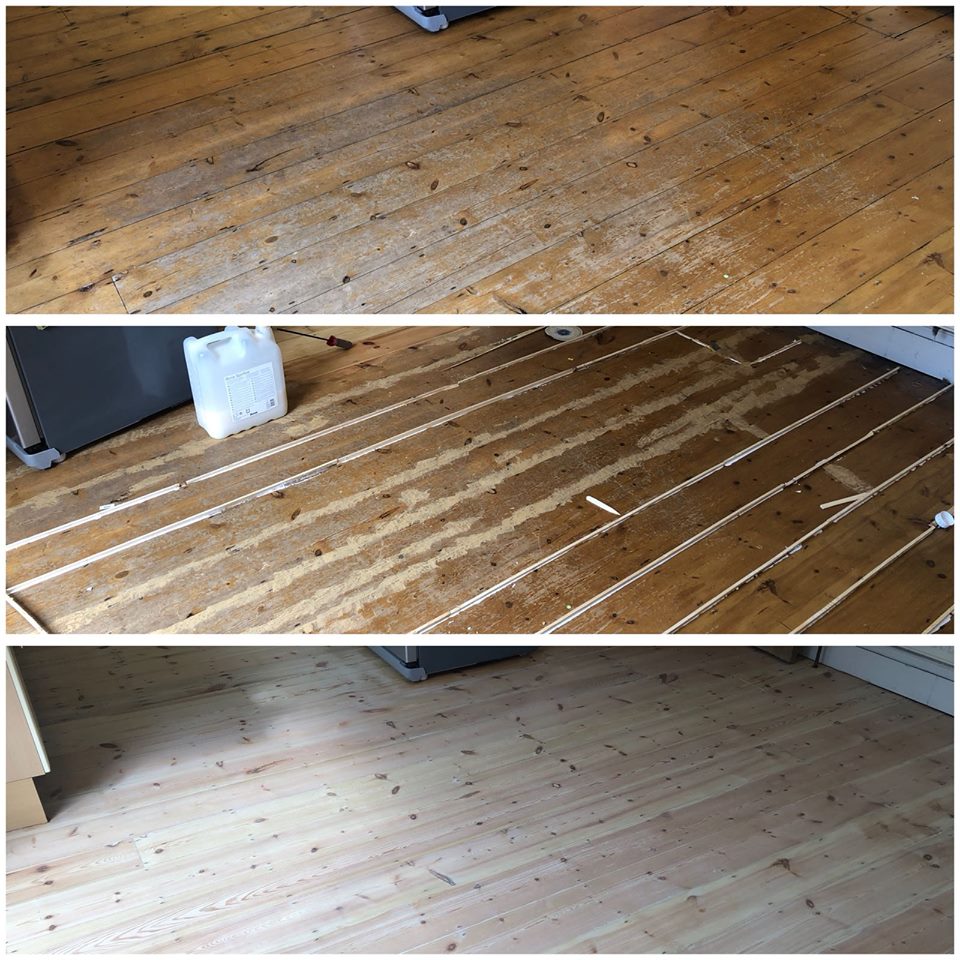
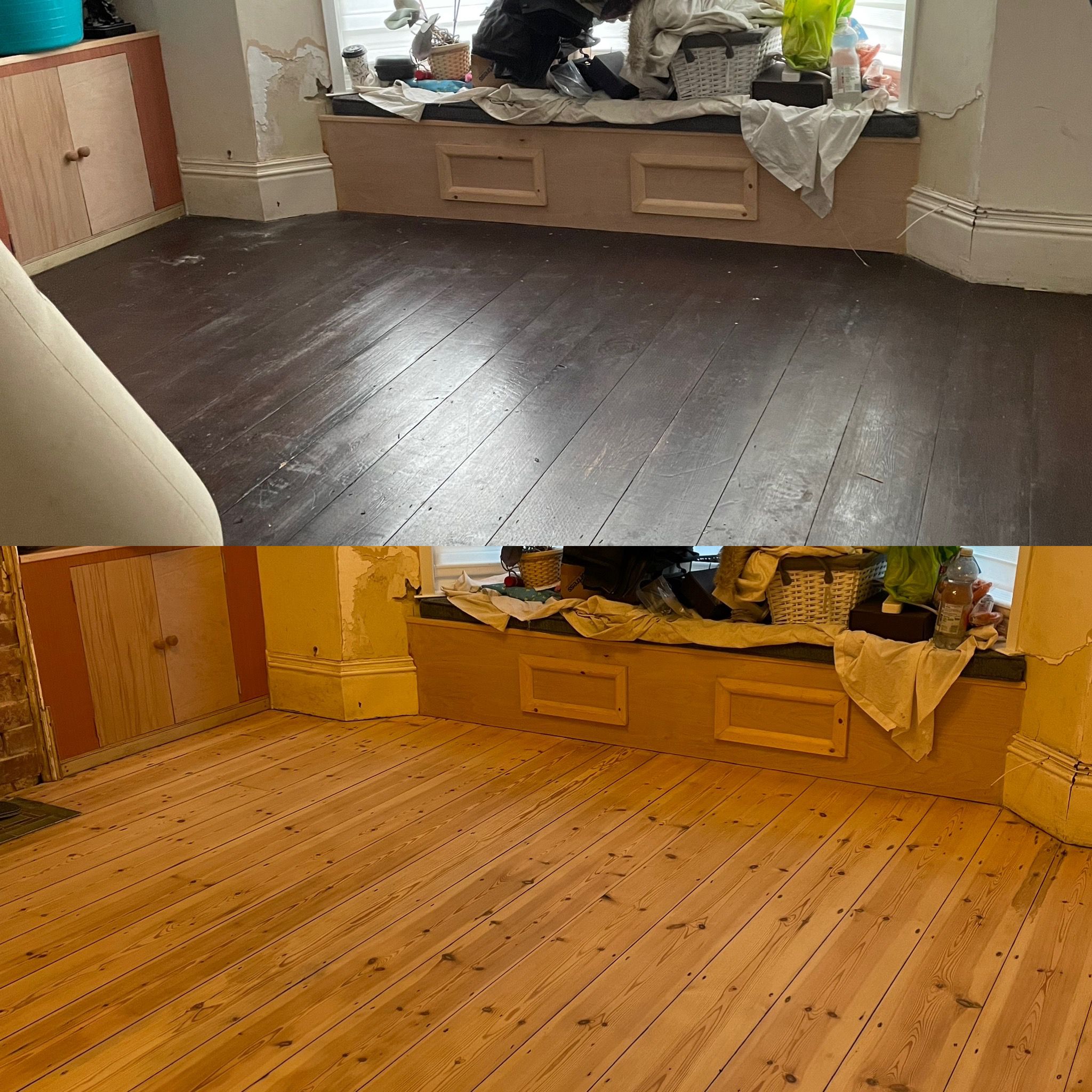
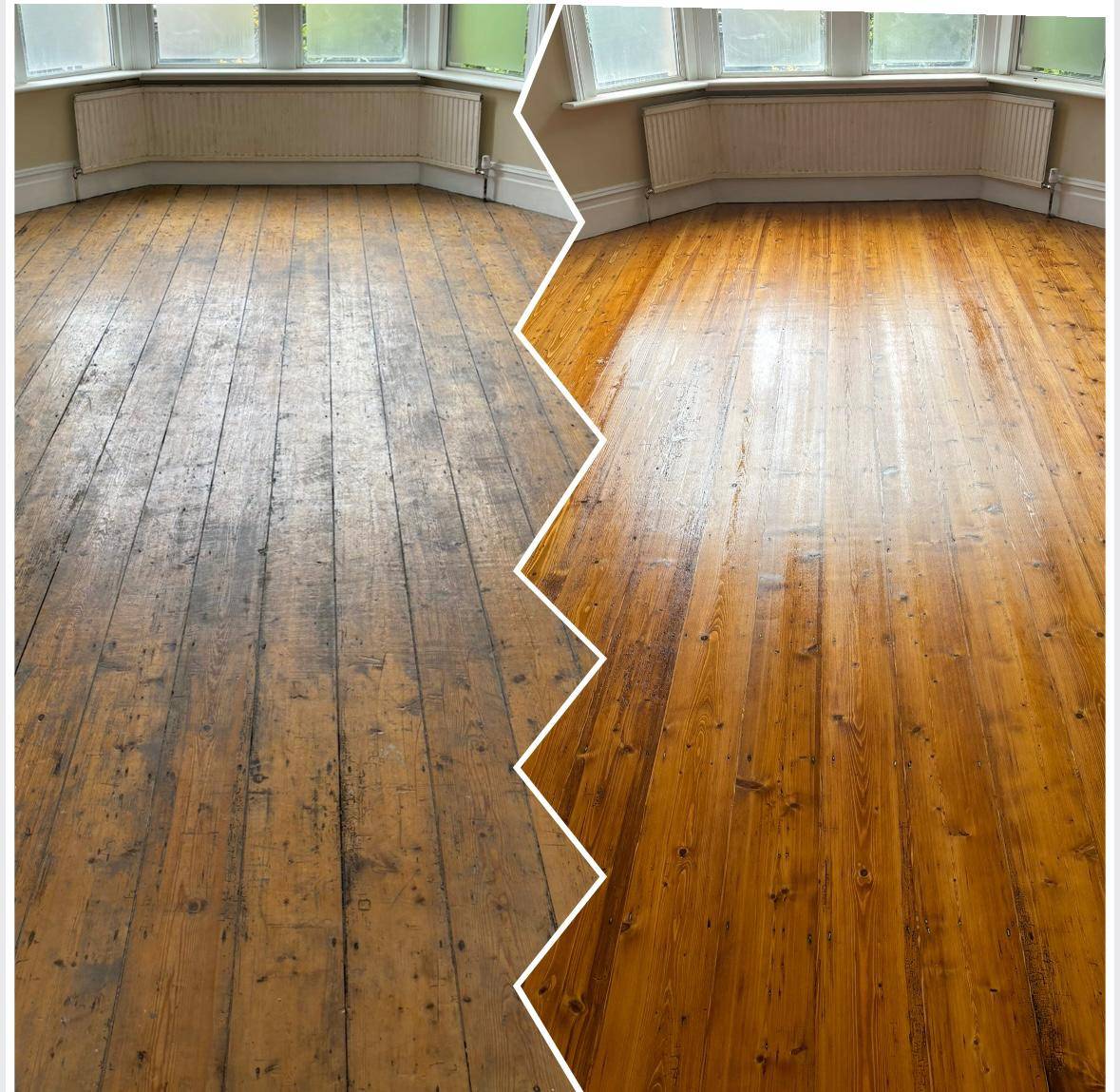
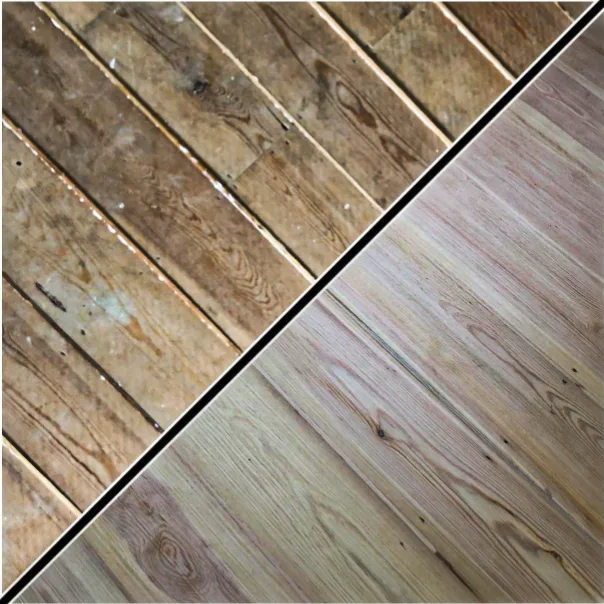
Milverton’s Georgian and Victorian town houses, many of them listed, were mostly boarded in pine or deal, and those boards have usually lived through a lot by the time anyone thinks about sanding them. Carpet grippers, an old stain border, paint drips, a patch where a hearth was taken out, a section lifted for rewiring decades ago and nailed back slightly proud. None of that rules out a good result. What decides the outcome is how much sound timber is still left above the tongue or the nail heads, and that is the first thing we check.
Allow roughly thirty minutes for the survey, which is free. We measure the remaining thickness of the boards, take moisture readings, look at the airbricks and the void beneath for signs of poor ventilation or damp, and note any earlier repairs that might behave differently under the machine. From that we decide how hard the first pass can work. A thick floor that has never been sanded can take a coarse grit to flatten cupping; a floor that has been through the process twice before gets a gentler sequence that keeps as much of the face as possible.
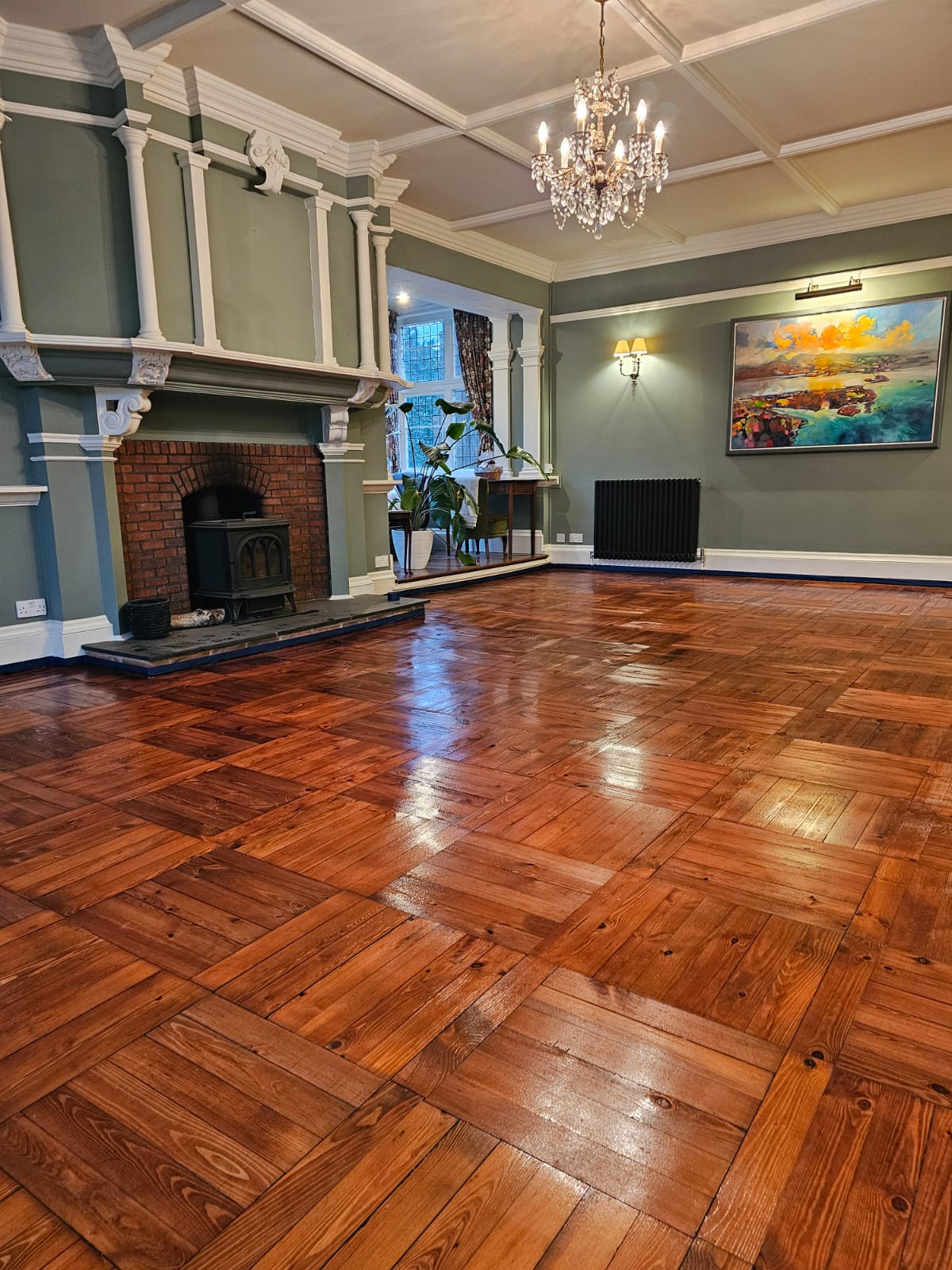
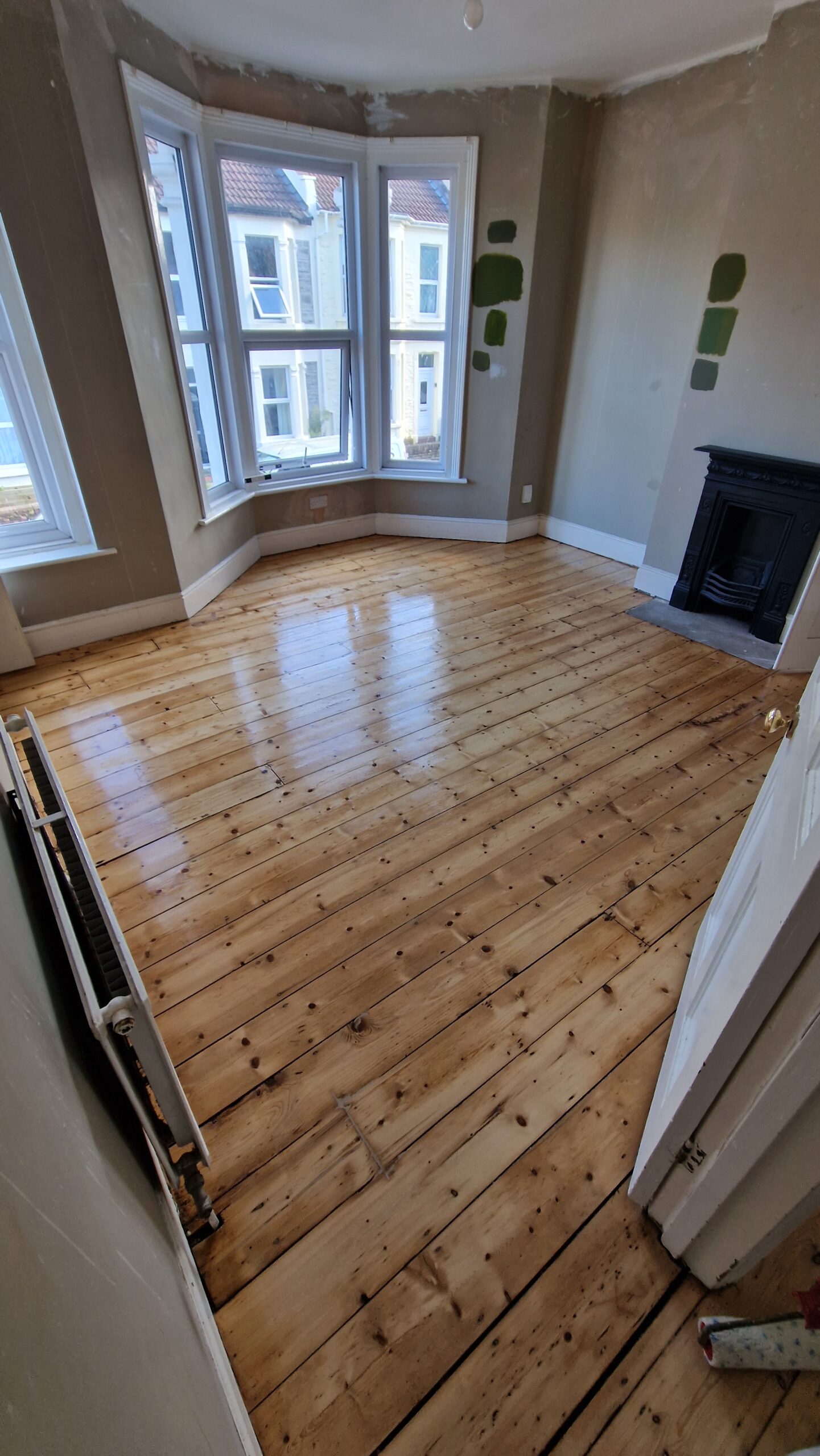
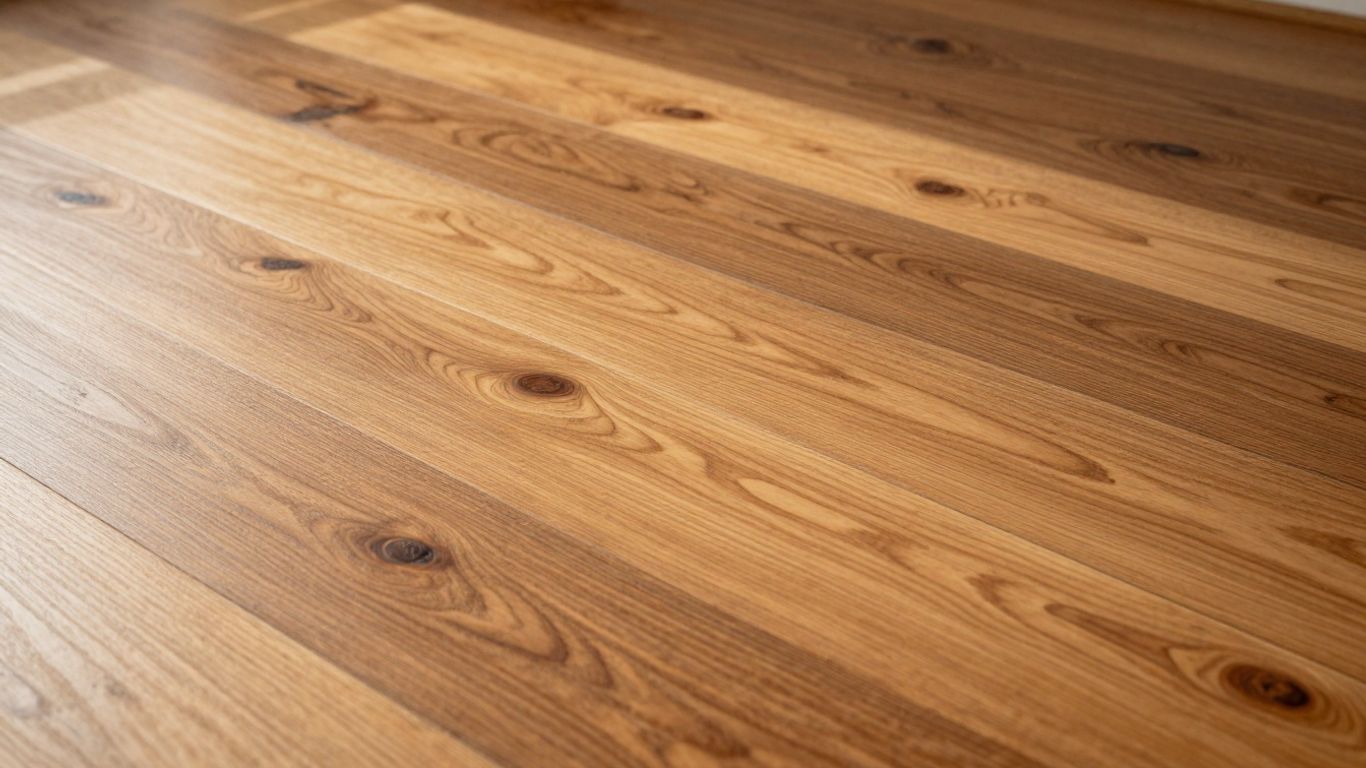
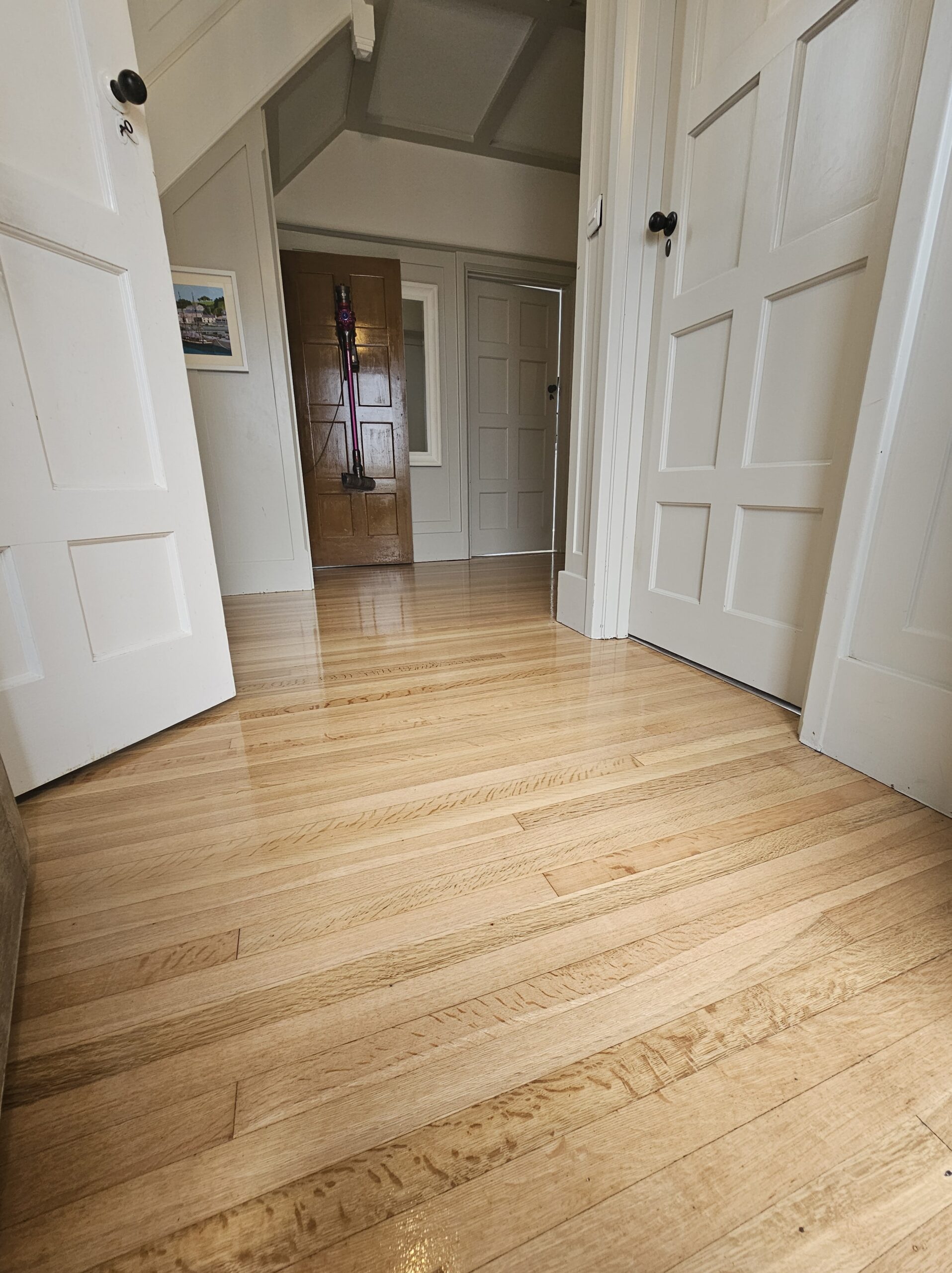
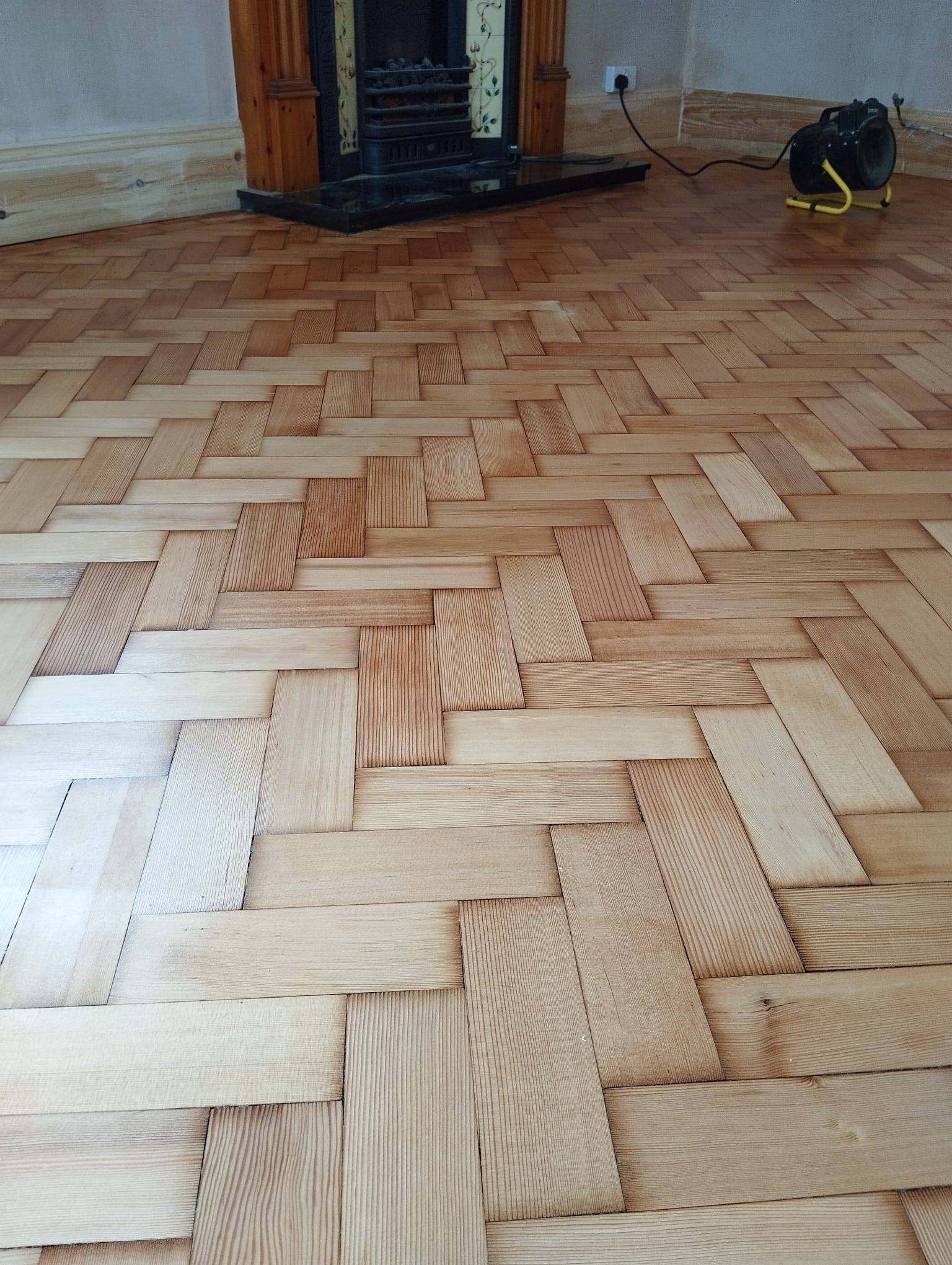
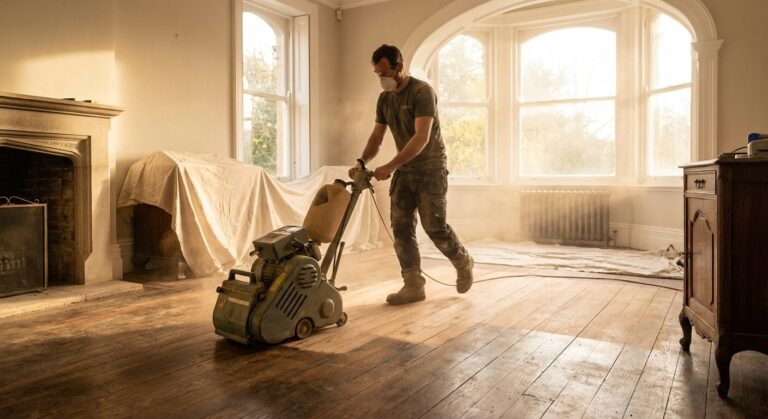
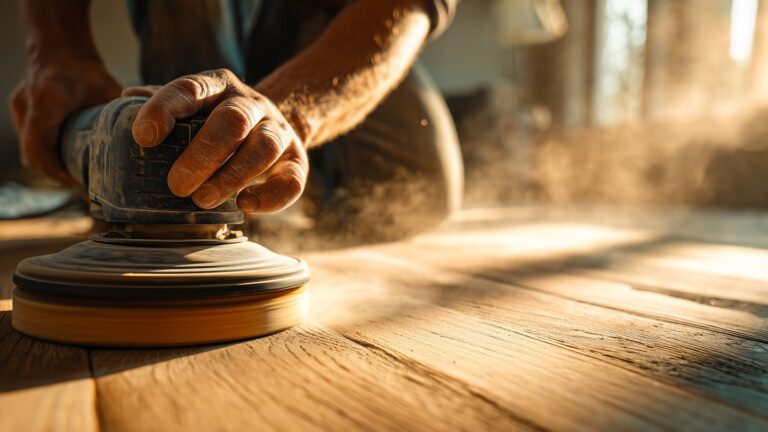
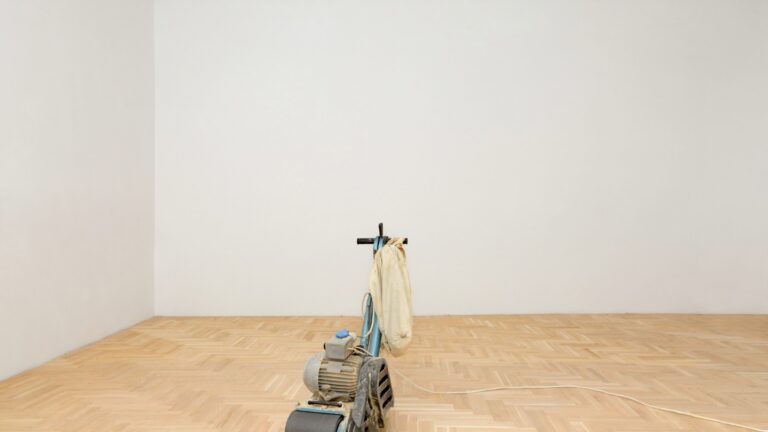
Our wood floor sanding runs through three or more grits, with the edges, corners and the awkward strips under radiators worked by an edging machine and then by hand. Every machine is connected to sealed extraction, which is what we mean by dust-free floor sanding: the great majority of the dust is captured at the drum, although no system on the market is completely dust-free, so bookcases and doorways in furnished rooms still get sheeted. A typical room or two takes one to three days from first pass to final coat. We work from our workshop at Higher Poole in Wellington, a short drive away, and our floor sanding across Somerset page lists the other towns we cover.