Floor Sanding London

Wood Floor Sanding and Restoration Across the Capital

QUICK QUOTATION

Floor Sanding Taunton

Floor Sanding Across London

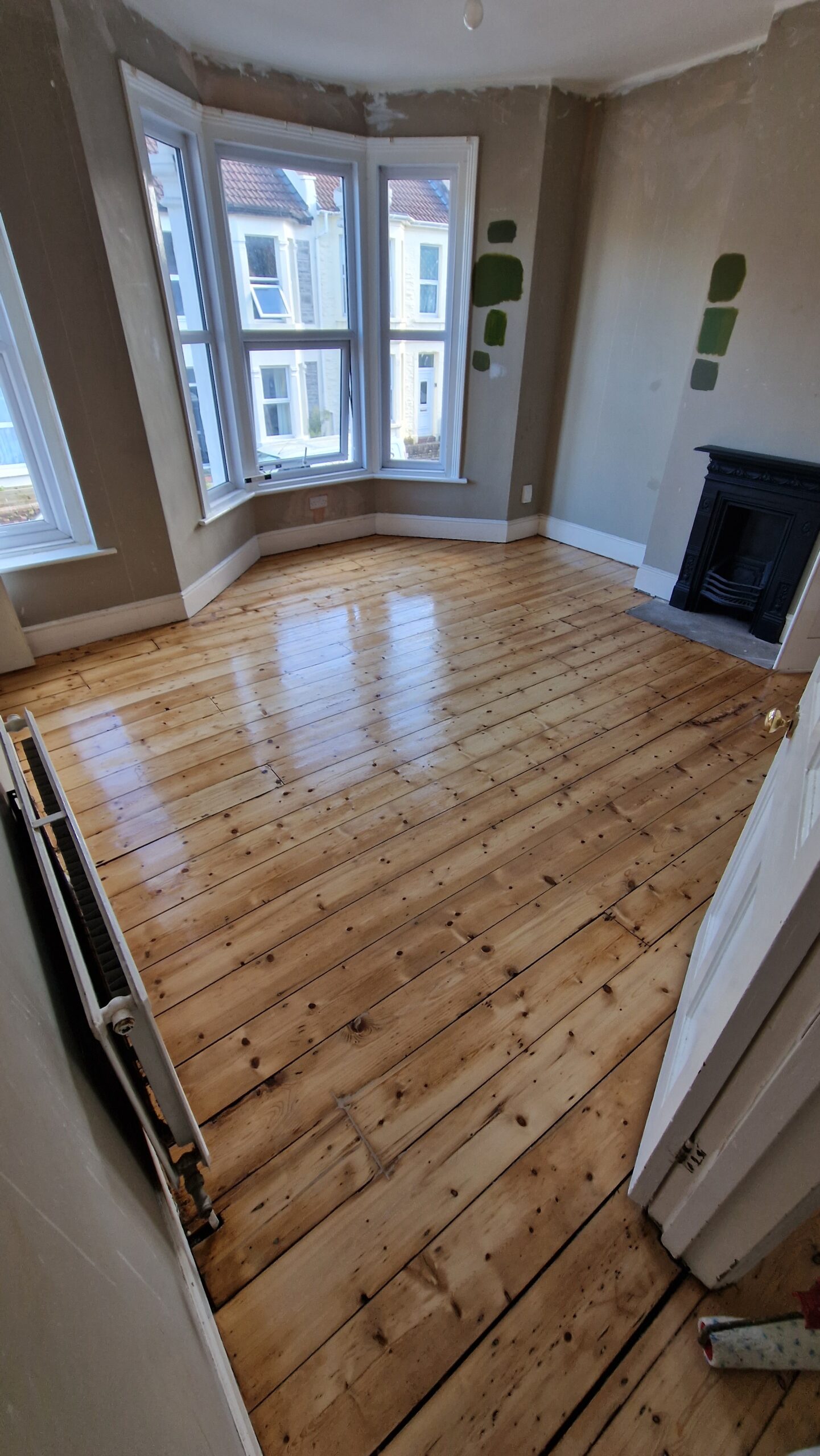
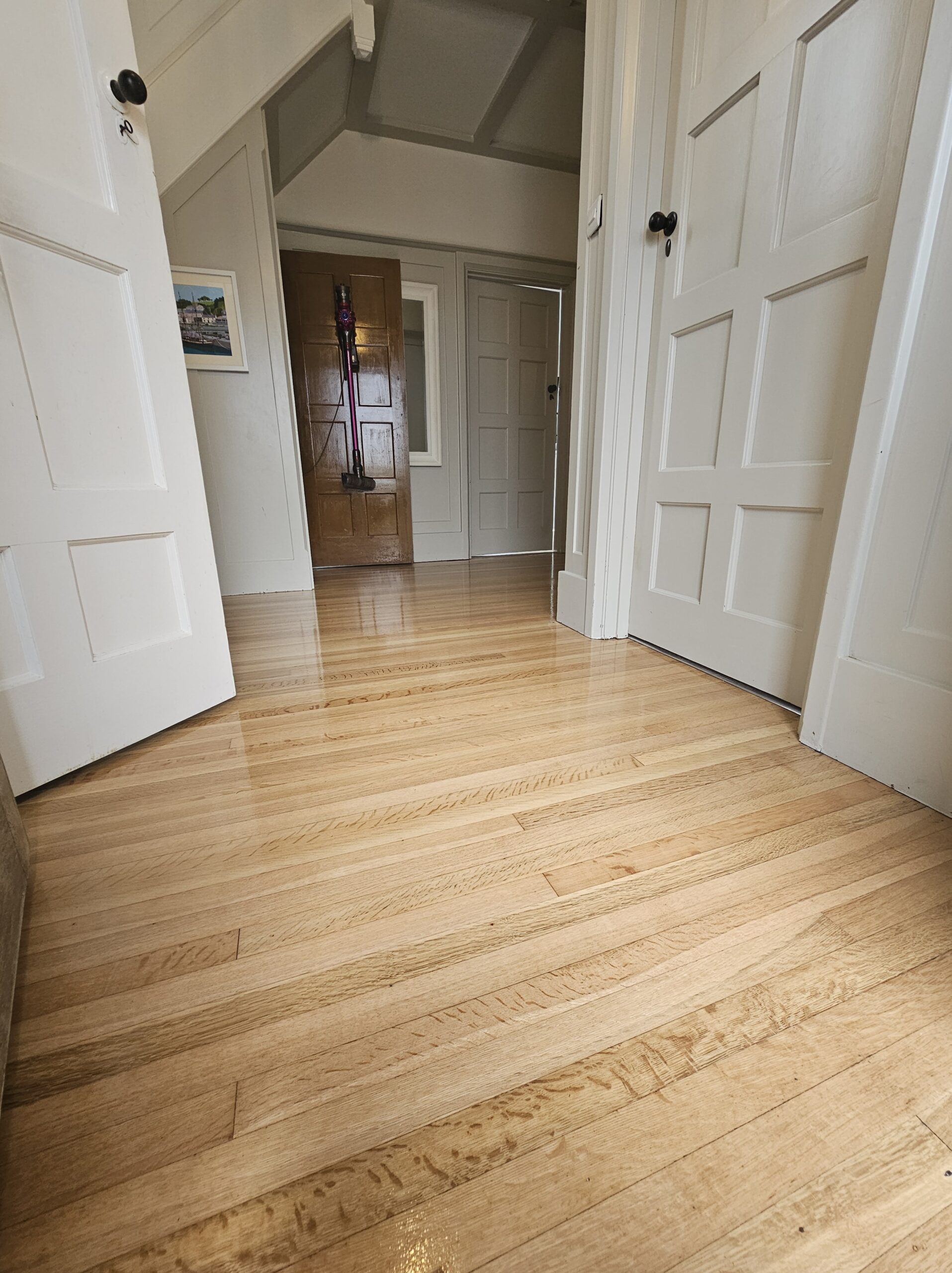
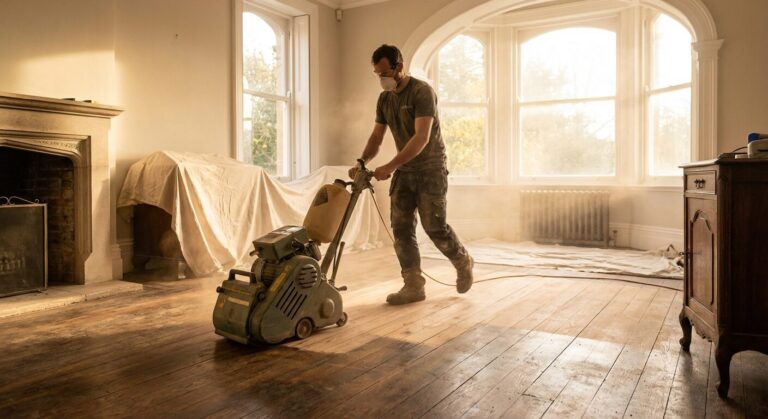
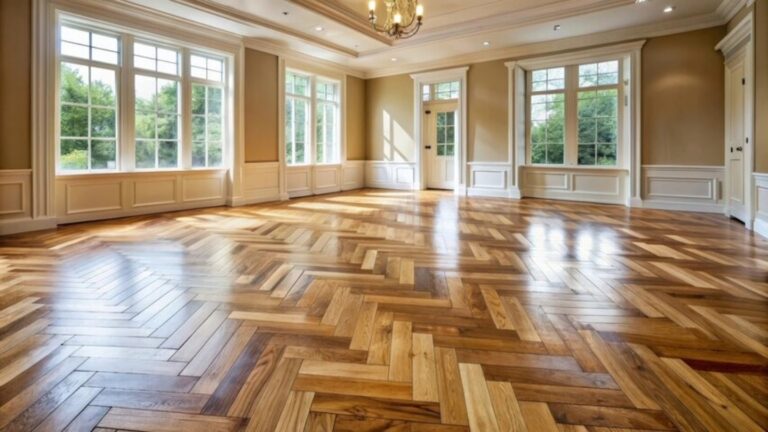
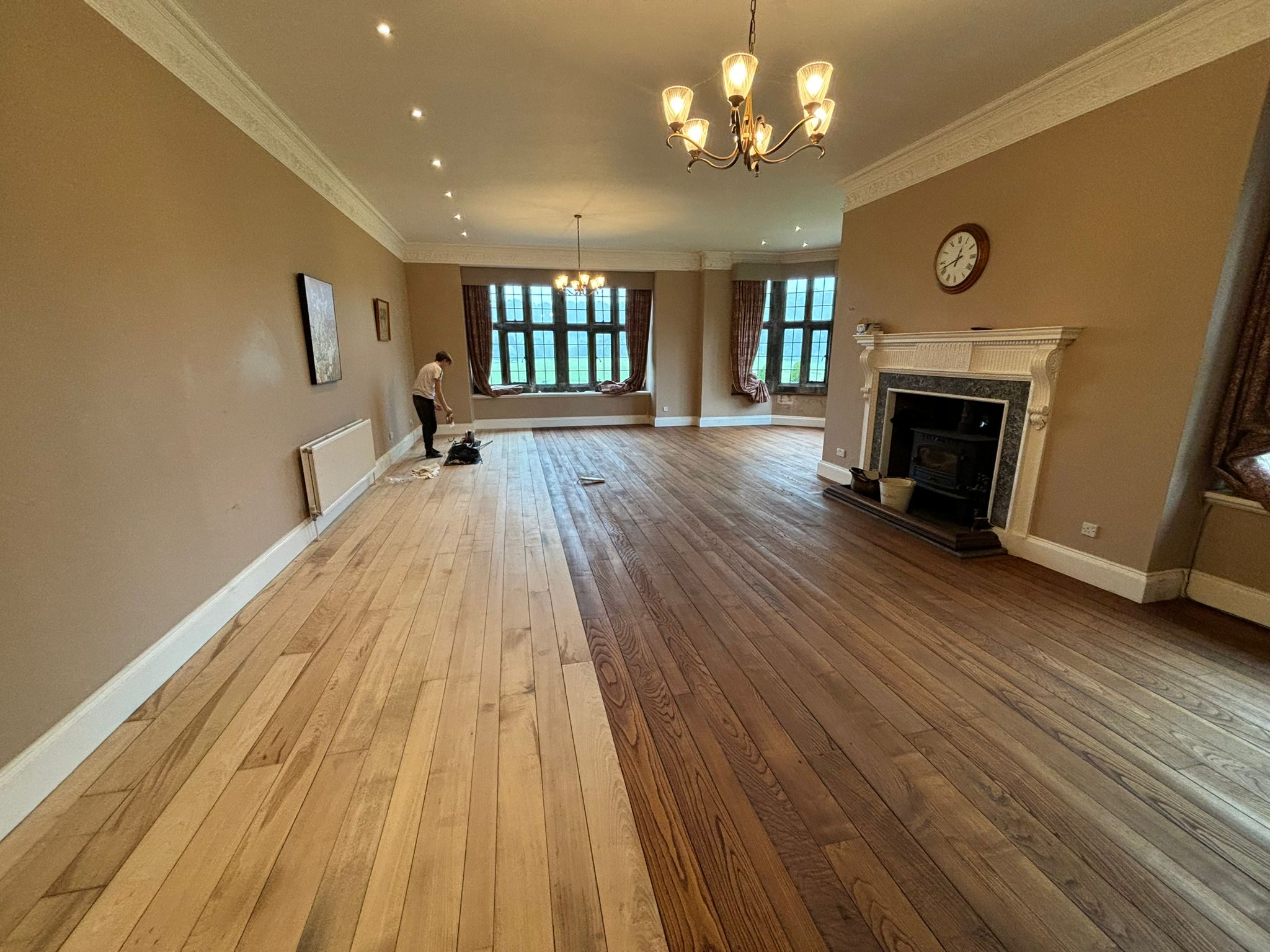
We provide dust-free wood floor sanding throughout Greater London — every borough, north and south of the river — on pine boards, oak and maple strip, parquet and engineered floors. Local pages cover Chelsea, Kensington, Greenwich, Dulwich, Worcester Park and South East London, but the service is the same city-wide: assessment and repairs first, staged sanding with sealed extraction that captures the overwhelming majority of dust at source, then a finish specified for the room — all agreed in a fixed written quotation. London jobs are planned in multi-day runs, which suits whole-flat and whole-house work perfectly.

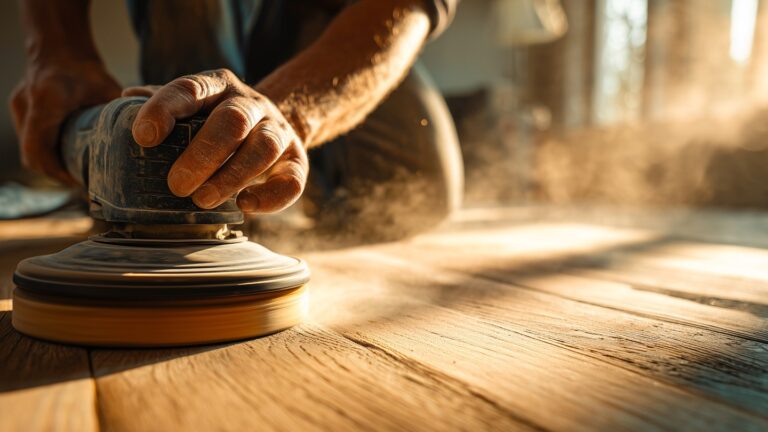
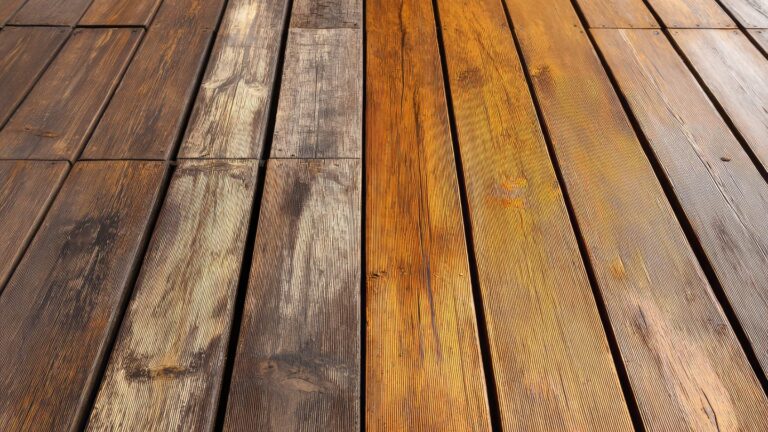
The sanding itself follows a staged sequence rather than a single aggressive pass. Boards are checked over first and every nail head punched below the surface, because one proud fixing will tear an abrasive belt mid-cut. A coarse grit then removes old coatings and levels cupped or worn timber, and each subsequent pass steps down through the grades — typically three to five stages — so the scratches left by one grit are refined away by the next. The belt machine runs with the grain of the boards, an edging machine takes the perimeter, and corners, thresholds and around radiator pipes are finished by hand where machines cannot reach cleanly.

Between passes the floor is vacuumed and tack-wiped, and again before any seal goes down, because grit trapped under a coat of lacquer telegraphs through every subsequent coat. On older boards we measure remaining thickness before setting the specification: a floor that has been sanded twice before needs a conservative cut, and we would rather take less timber and be honest about a few surviving marks than sand a Victorian board down to its tongue.
Commercial Floor Sanding in London

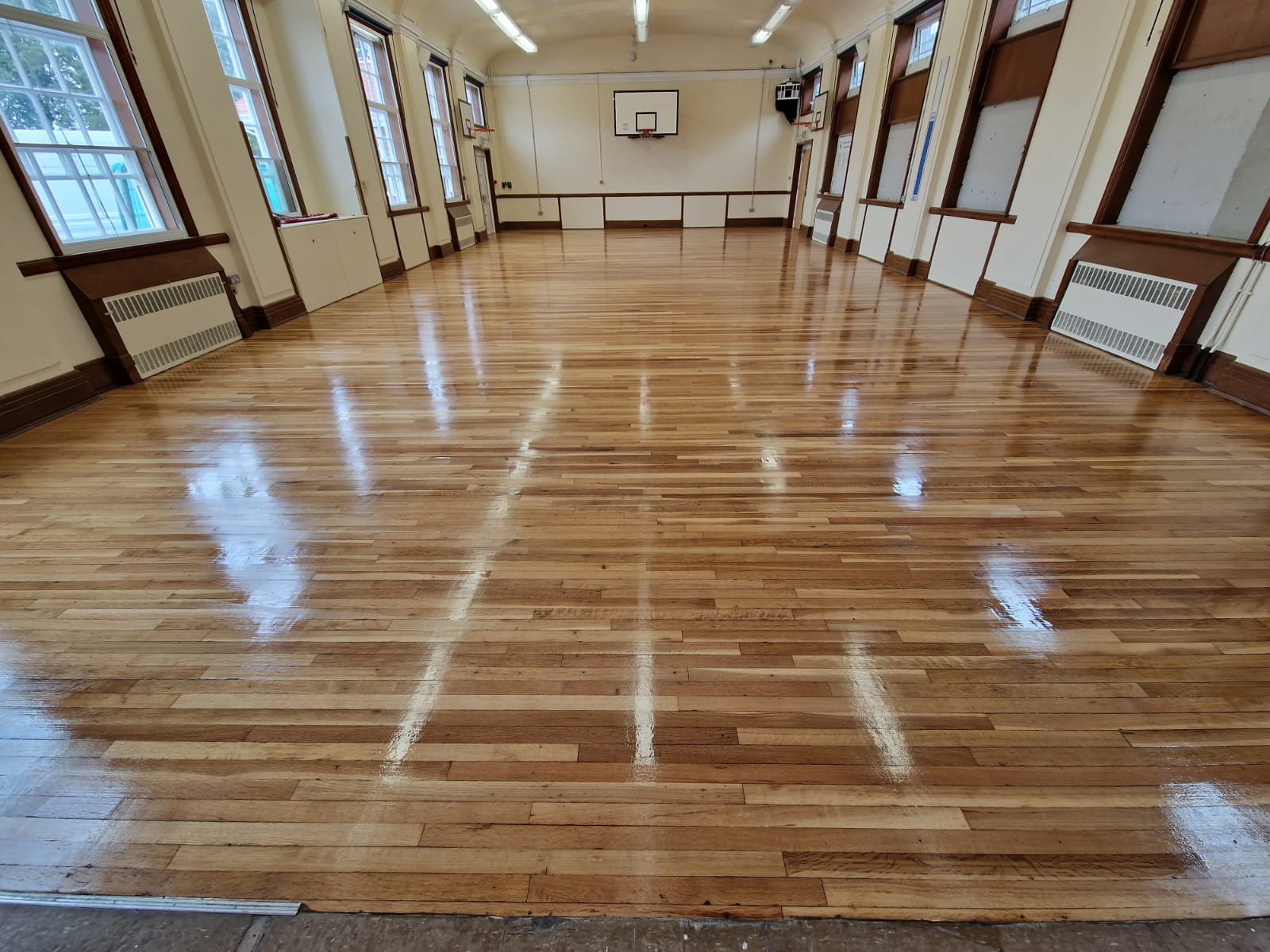
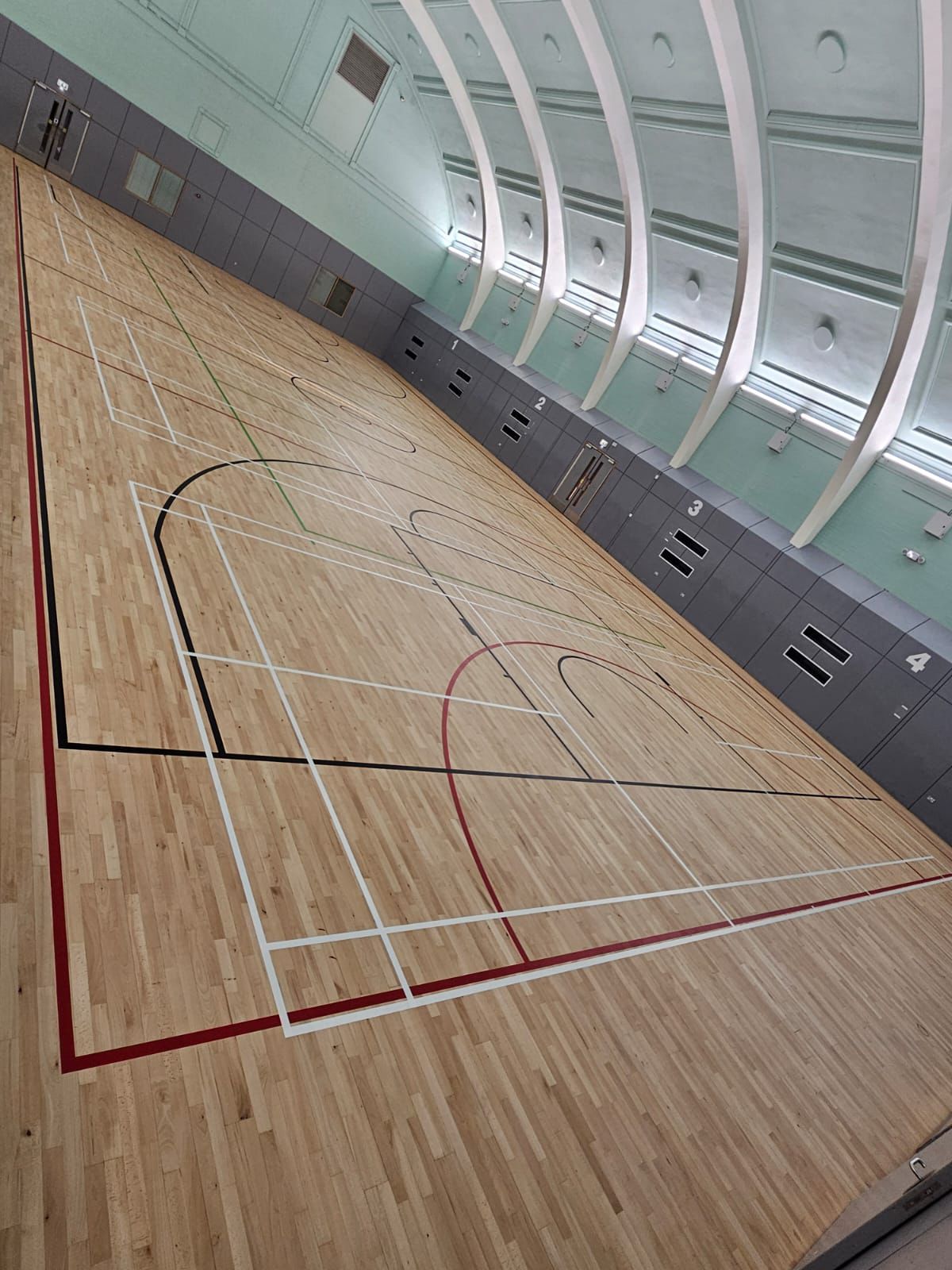
Our commercial floor sanding London service runs on out-of-hours working: restaurants, bars and cafes sanded and sealed overnight with fast-curing products, retail floors phased behind barriers, offices completed over weekends, hotels worked section by section around occupancy, and school halls booked into holidays with line marking to governing body specification. Method statements, risk assessments and insurance certificates are supplied as standard for facilities and property teams.

The practical detail that makes overnight work succeed is sequencing around cure times. A fast-curing commercial lacquer will usually accept careful foot traffic the following morning and furniture soon after, but full hardness takes days, so we agree with managers exactly when mats, chairs and cleaning regimes can return. In food service areas we specify finishes with appropriate slip resistance rather than the glassiest sheen, and in sports and school halls line marking is set out to the relevant governing body dimensions before the final seal locks it in.

For multi-tenant buildings and trading premises the phasing is written into the method statement: which zones are barriered off each night, where machines and cables run, how extraction is managed so adjacent areas keep trading, and who signs off each section before the next begins. Facilities teams get RAMS and insurance documentation before we arrive, not after they chase for it.

Floor sanding south east London
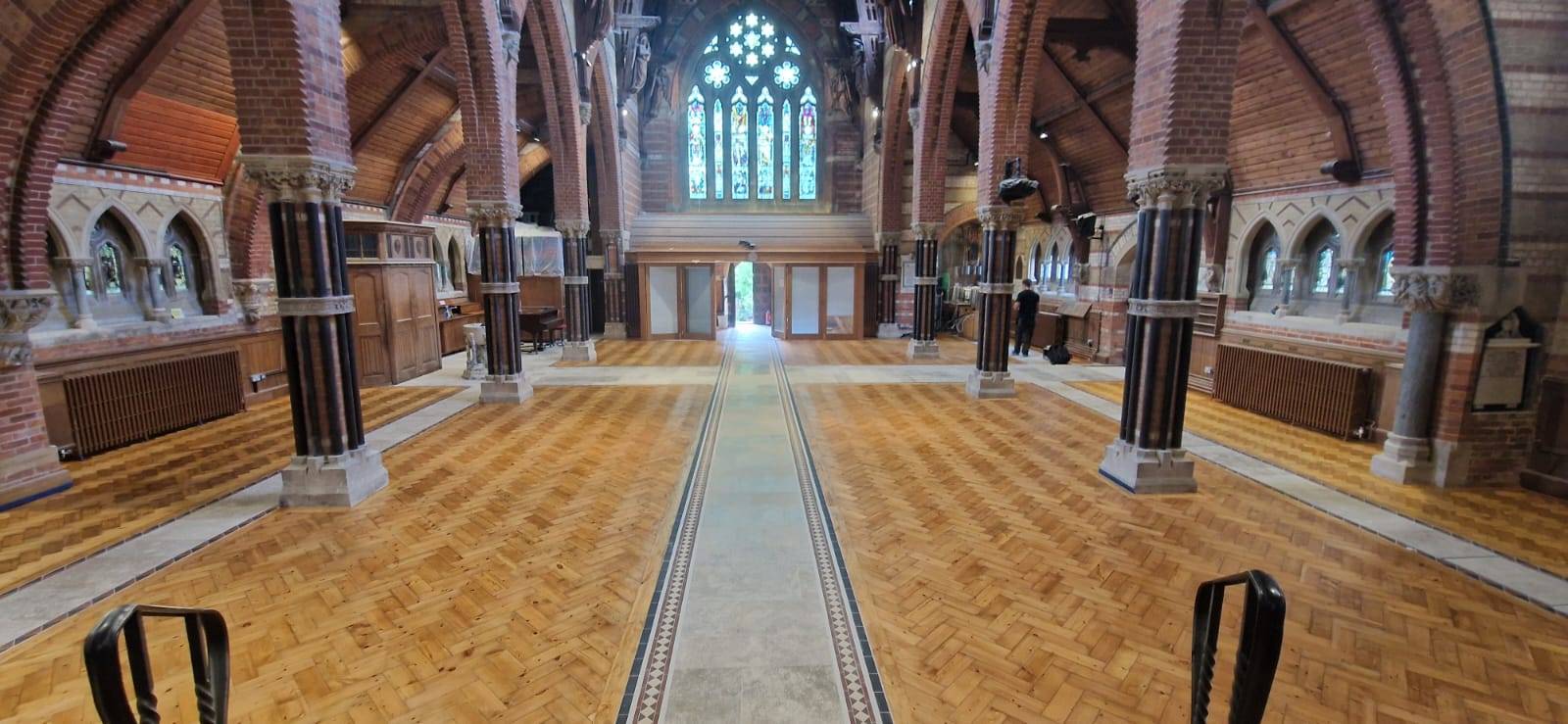
Commercial Hall Floor Refurbishment

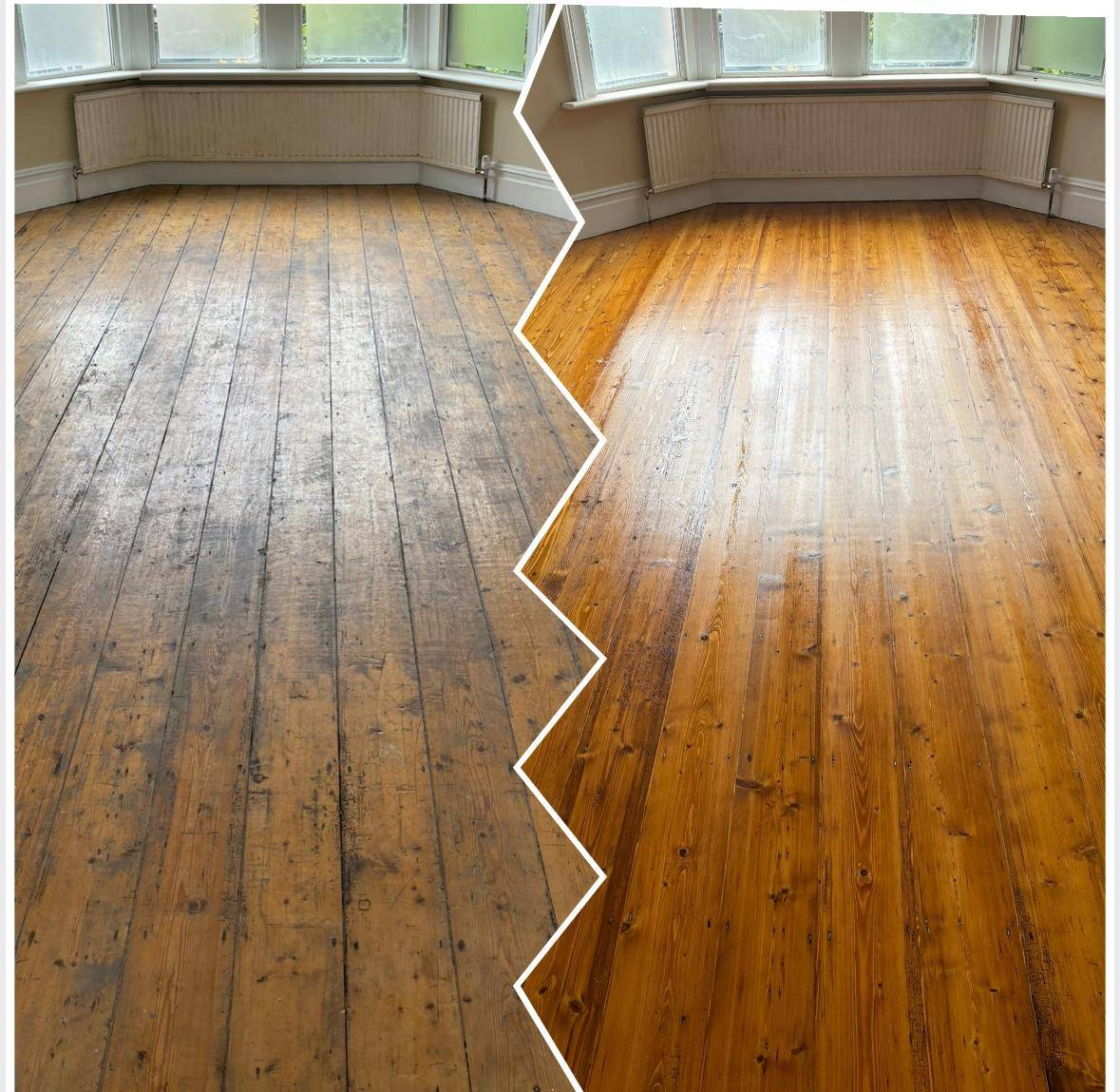
Wood Floor Repairs and Restoration in London

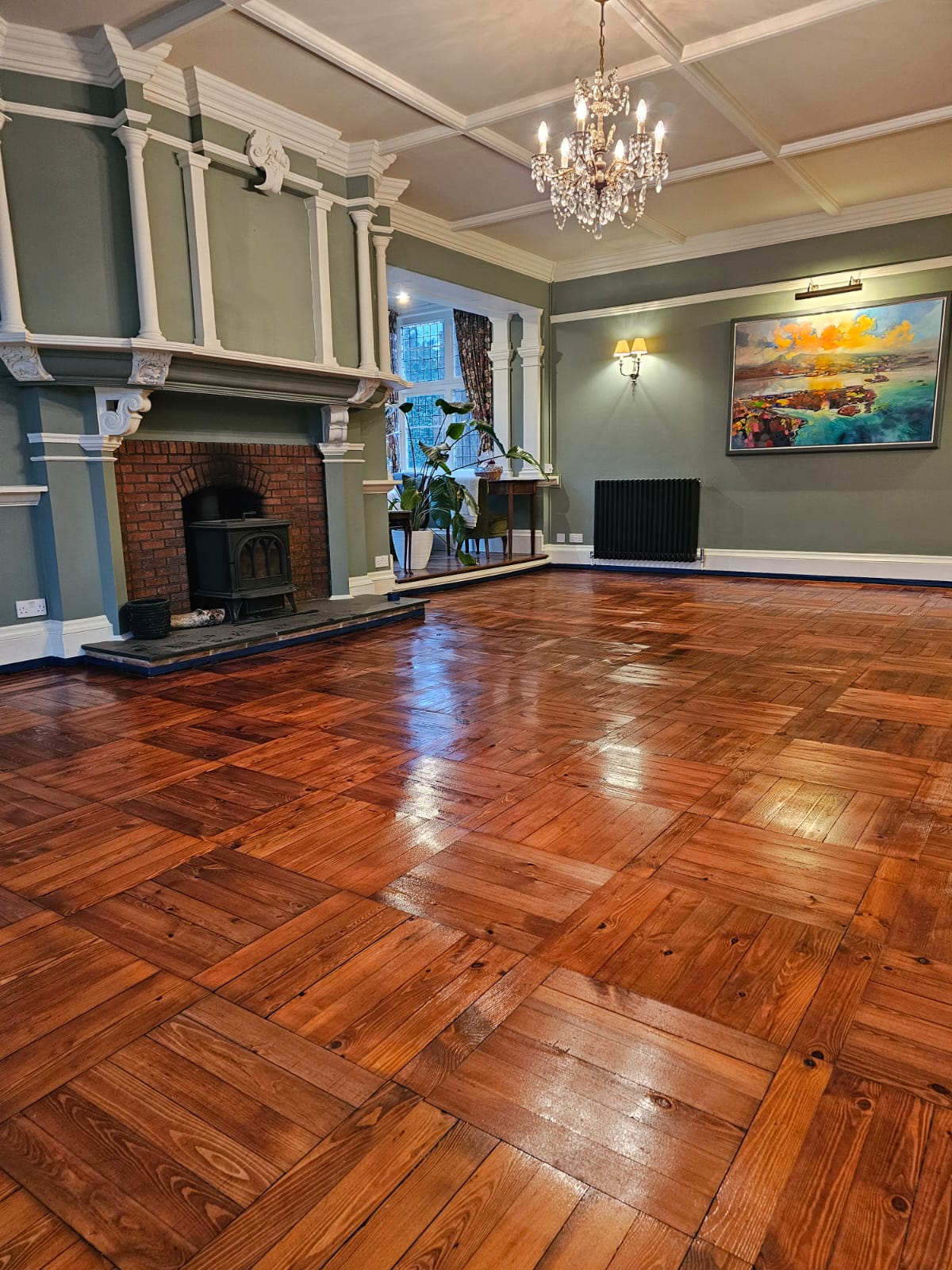
Full wood floor restoration is built on the repair services: wooden floor repairs, squeak fixes, floorboard replacement with reclaimed timber matched for species, width and age, scratch and gouge removal and gap filling. Victorian terrace boards under carpet, Georgian townhouse floors needing a lighter hand, mansion-flat strip worn grey along the hallway line and warehouse boards carrying a century of machine oil — each gets a specification written for what it is, not a one-size sand.

Board replacement is a matching exercise before it is a carpentry one. A new board dropped into a 120-year-old floor announces itself, so replacements come from our reclaimed timber stock and are chosen for species, width, thickness and surface age together — a Victorian pine board is a different size and colour to its modern softwood equivalent, and the difference survives sanding. Where a whole board does not need to come out, we piece in a section and cut the joint back to a joist so it lands on solid bearing.

Gaps are treated on their merits: slivers of matching timber glued into the wider gaps of a draughty ground floor, a dust-and-resin fill where gaps are fine and even, and sometimes deliberately left alone where seasonal movement would simply eject a rigid filler. Squeaks are traced rather than guessed at — usually a board rubbing on a loose fixing or a joist edge — and refixed before sanding starts, because a silent floor cannot be retrofitted under a new finish.

Parquet Floor Restoration in London

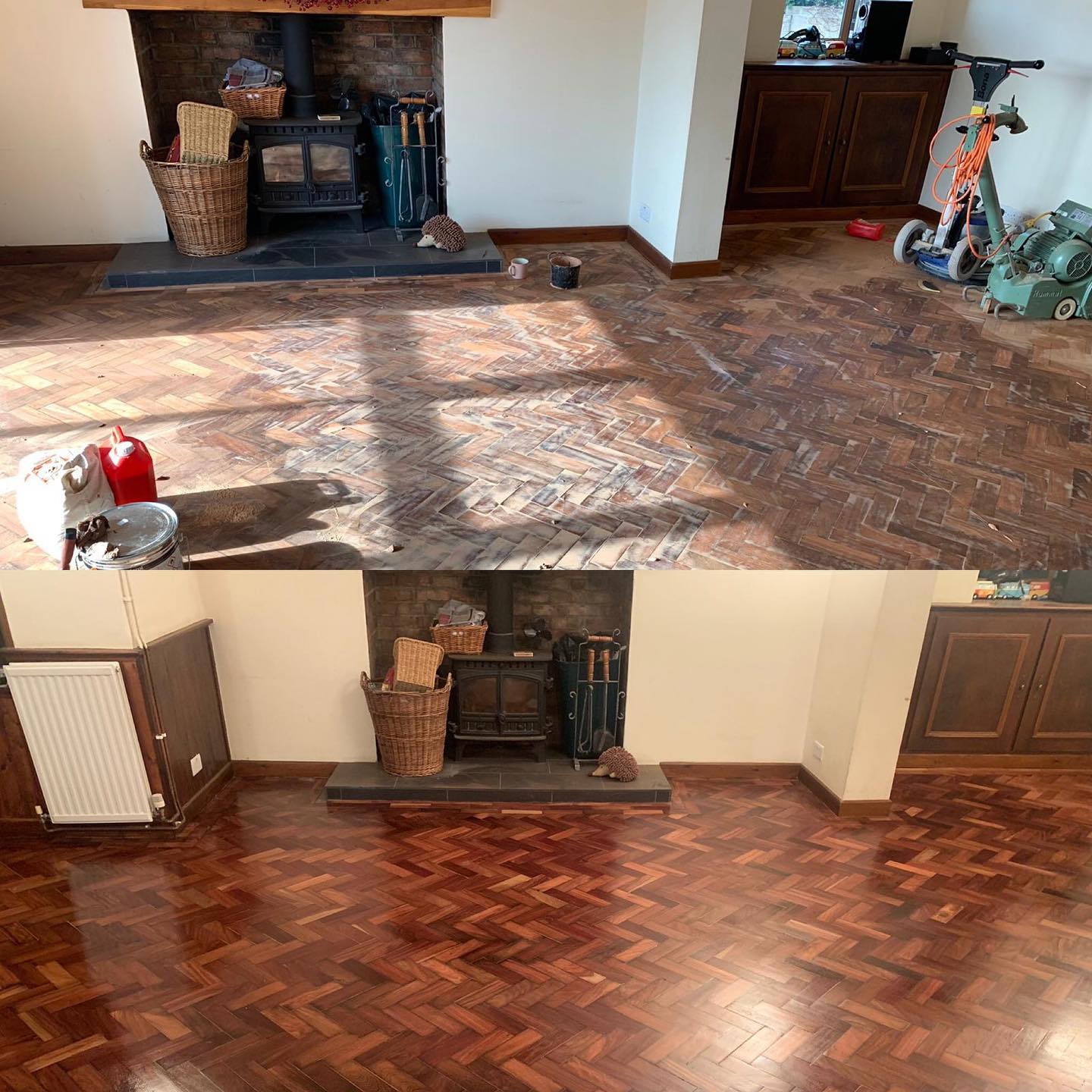
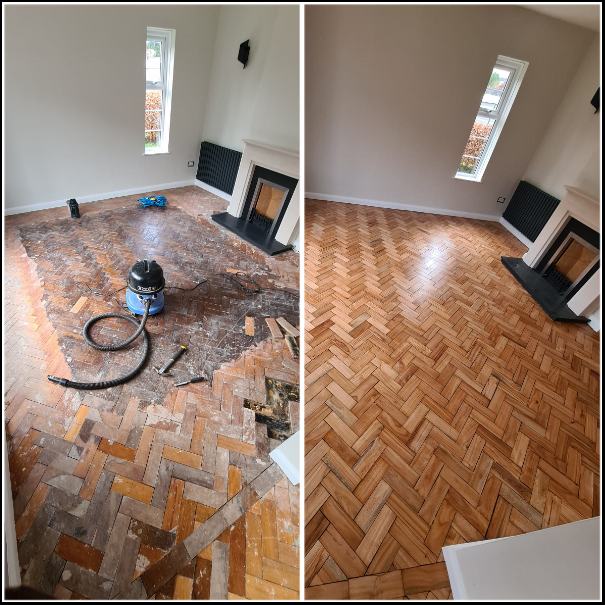
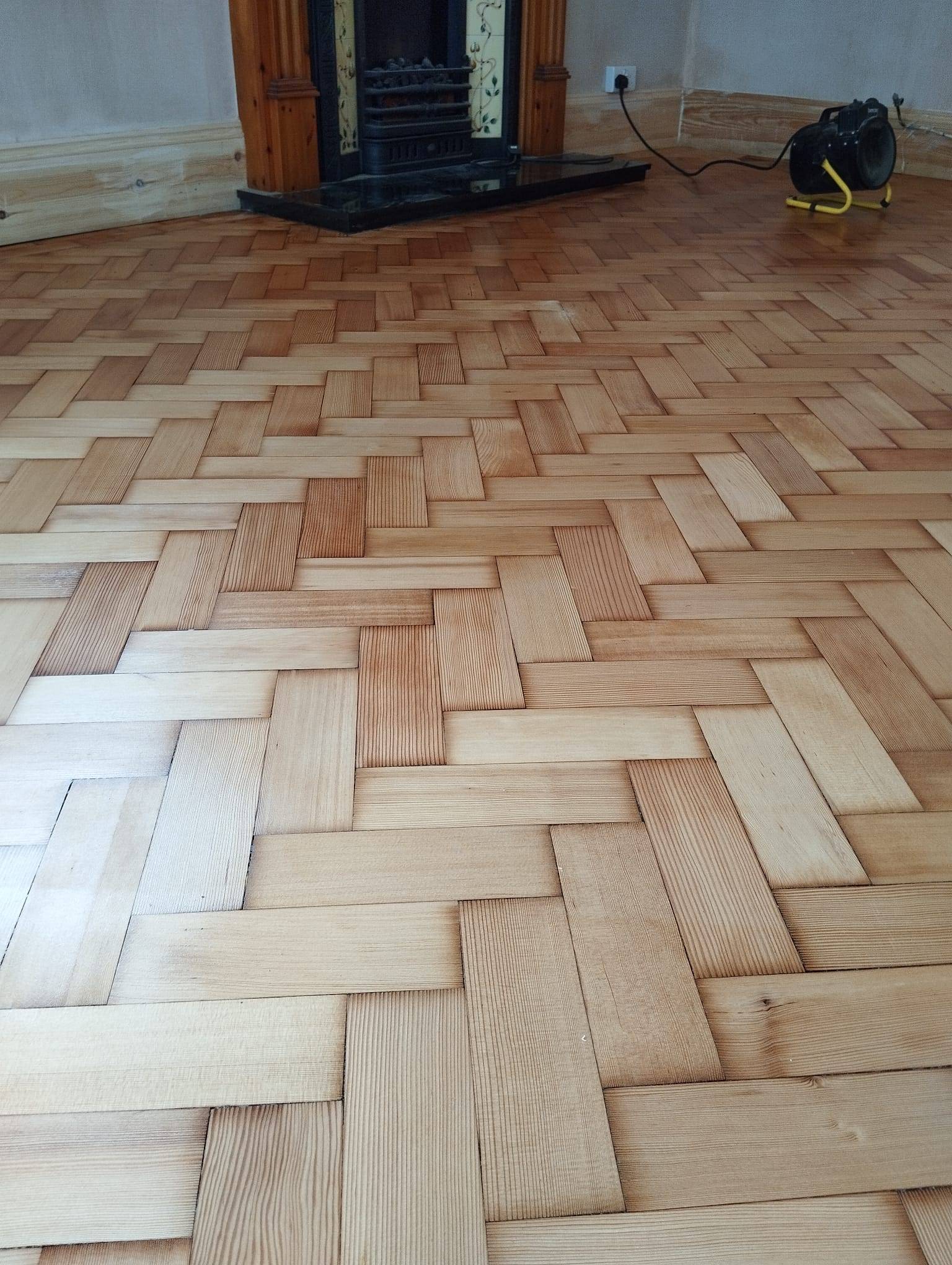
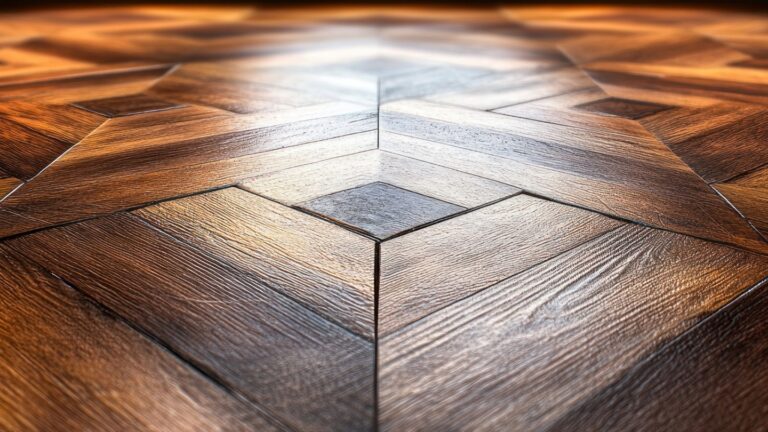
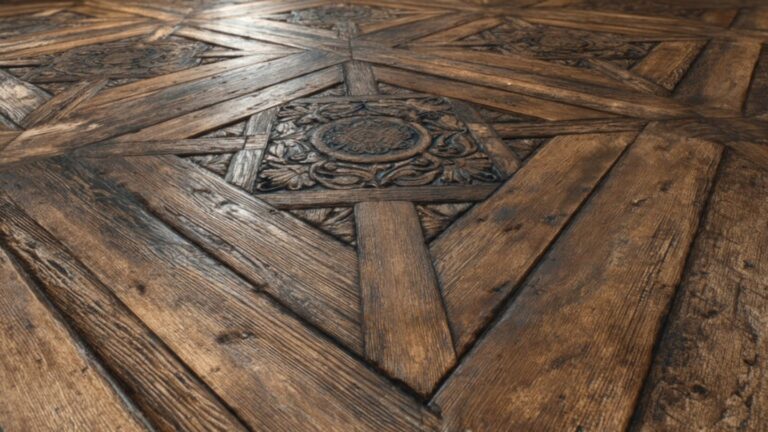
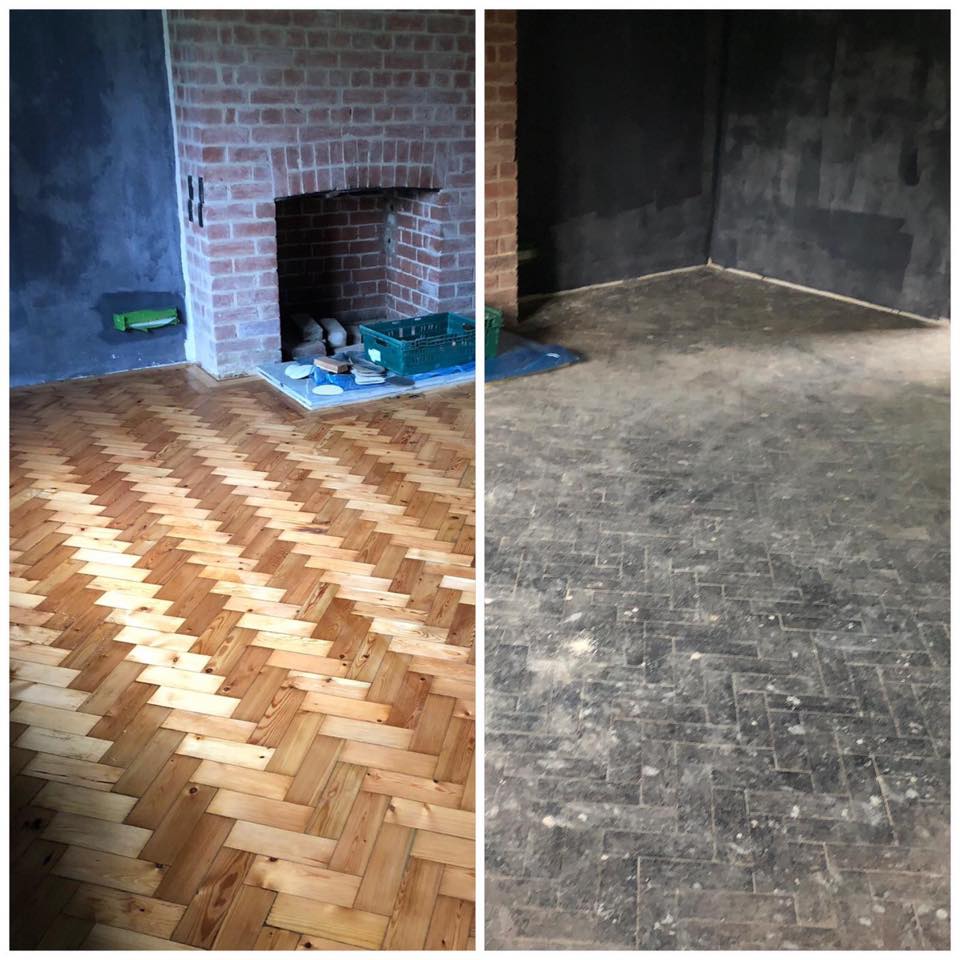
London holds more restorable parquet than anywhere else we work, and parquet restoration is a core service: herringbone, basketweave and brick-bond lifted where loose, cleaned of old bitumen, re-laid on modern adhesive and patched from reclaimed stock before sanding with the pattern and sealing. Interwar semis, thirties mansion blocks, school and church halls and badly treated floors from previous trades are all familiar work — most \”ruined\” parquet can be rescued, and we will say honestly when it cannot.

Old parquet almost always sits on bitumen, and dealing with it properly is what separates restoration from patch-up. Loose blocks are lifted, the brittle black adhesive scraped from their backs and from the subfloor, and each block re-bonded with a modern flexible adhesive that grips where bitumen long ago gave up. Missing blocks are cut from reclaimed stock to match thickness and wear, which matters more than colour — a slightly different tone blends after sanding, but a block standing proud never stops catching the light.

Sanding herringbone means working with a pattern that runs in two directions at once, so the main passes are made at 45 degrees to the blocks with the final fine cut along the room, which avoids cross-grain scratching on half the floor. The fine dust from those passes is mixed with resin to fill the joints between blocks, so the filler is made of the floor itself and takes stain and seal the same way the timber does.

Floor Sanding Essex
parquet floor restoration near me

Staining, Finishes, New Floors and Flat Logistics

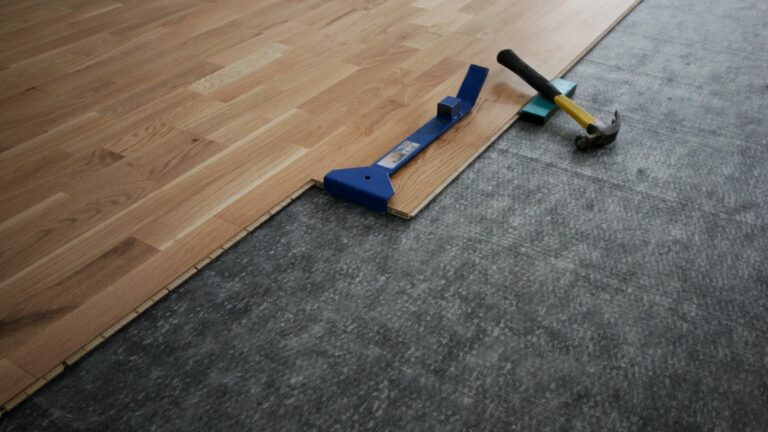
Finishing options cover staining (tested on your boards first), hard-wearing seals, oils and waxes, with low-odour, fast-curing products available where flats and neighbours demand them. New floor installation supplies and fits solid, engineered, reclaimed and parquet floors, and buffing and recoating refreshes sound floors in a day. Flat work comes with the logistics handled: managing-agent paperwork, service lifts, parking suspensions and machine hours kept inside sociable times.

Choosing between finish types is a conversation about how the room is used. Water-based lacquers stay close to the natural colour of the timber, keep odour low and cure quickly — the usual choice for occupied flats. Oil-based products warm the tone and are forgiving to apply but need longer between coats. Hard wax oil sits in the wood rather than on it, so worn areas can be patch-repaired and re-oiled without sanding the whole room, in exchange for a more regular maintenance cycle. Sheen matters too: matt and satin surfaces hide fine scratches and dust far better than gloss, which is why we rarely recommend high gloss for hallways.

Stains are never applied straight from the tin. We test the chosen colours on your actual boards — species, age and previous treatments all shift the result — and only proceed once you have approved a sample patch in the room’s own light. For new installations the groundwork comes first: subfloor checked for level and moisture, timber acclimatised on site before fitting, expansion gaps set at the perimeter, and board temperature limits observed where underfloor heating is present.

Get a Floor Sanding Quote in London

Send two photographs — the room from the doorway and a close-up of the worst patch — with your postcode for an honest opinion and usually a fixed written quotation. Whole houses, parquet and commercial premises get a free, no-obligation site survey.

Call 01823 674562, email info@ryansrestoration.co.uk, or use the form on this page.

All services available across London: floor sanding, restoration, repairs, board replacement, gap filling, parquet, staining, installation, stairs and commercial floors.

Local pages: Chelsea, Kensington, Greenwich, Dulwich, South East London, Worcester Park and Commercial Floor Sanding London.

Parquet Flooring Restoration

FAQ: Floor Sanding in London

The complete range: dust-free sanding, restoration, repairs, board replacement, gap filling, parquet restoration, staining and finishes, stair sanding, buffing, new floor installation and out-of-hours commercial floor sanding.

All of Greater London, north and south of the river. Several areas have their own pages, but we take work in every borough.

Yes — flats are a large share of our London work. Sociable machine hours, sealed dust extraction, low-odour finishes where needed, and the paperwork managing agents ask for.

Yes — a London speciality. Blocks re-laid, matched from reclaimed stock and sanded with the pattern; most previously botched parquet can be rescued.

Yes — overnight and closed-day working with fast-curing seals is standard, and shops can be phased behind a barrier where they cannot close at all.

Constantly — most London terraces still have sound original boards. We lift coverings, repair and replace with matched reclaimed timber, then sand and finish.

Sanding alone rarely engages the Party Wall Act, but structural repairs can and some leases require notice for noisy works — we flag it at survey so nothing surprises you.

Yes — solid, engineered, reclaimed and parquet, supplied and fitted, specified for subfloor and any underfloor heating.

A few weeks is typical, as jobs are planned in multi-day runs. Photographs early will hold a slot while details are agreed.

Two photographs and a postcode get a fast first opinion; a free, no-obligation survey and fixed written quotation follow before any work is booked.