Floor Sanding Greenwich

Floor Sanding and Wood Floor Restoration in Greenwich

QUICK QUOTATION

Floor Sanding Taunton

Floor Sanding in Greenwich

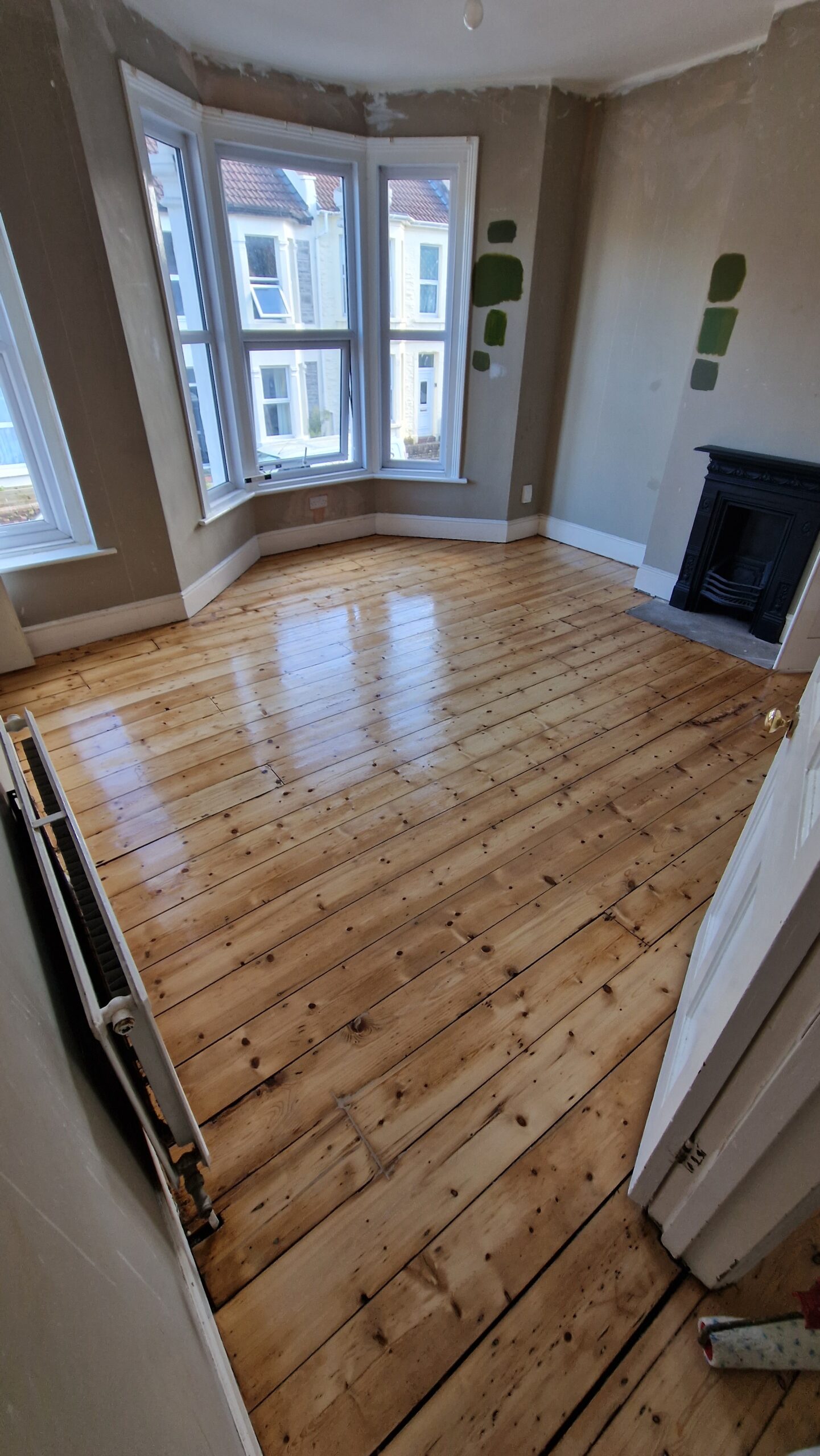
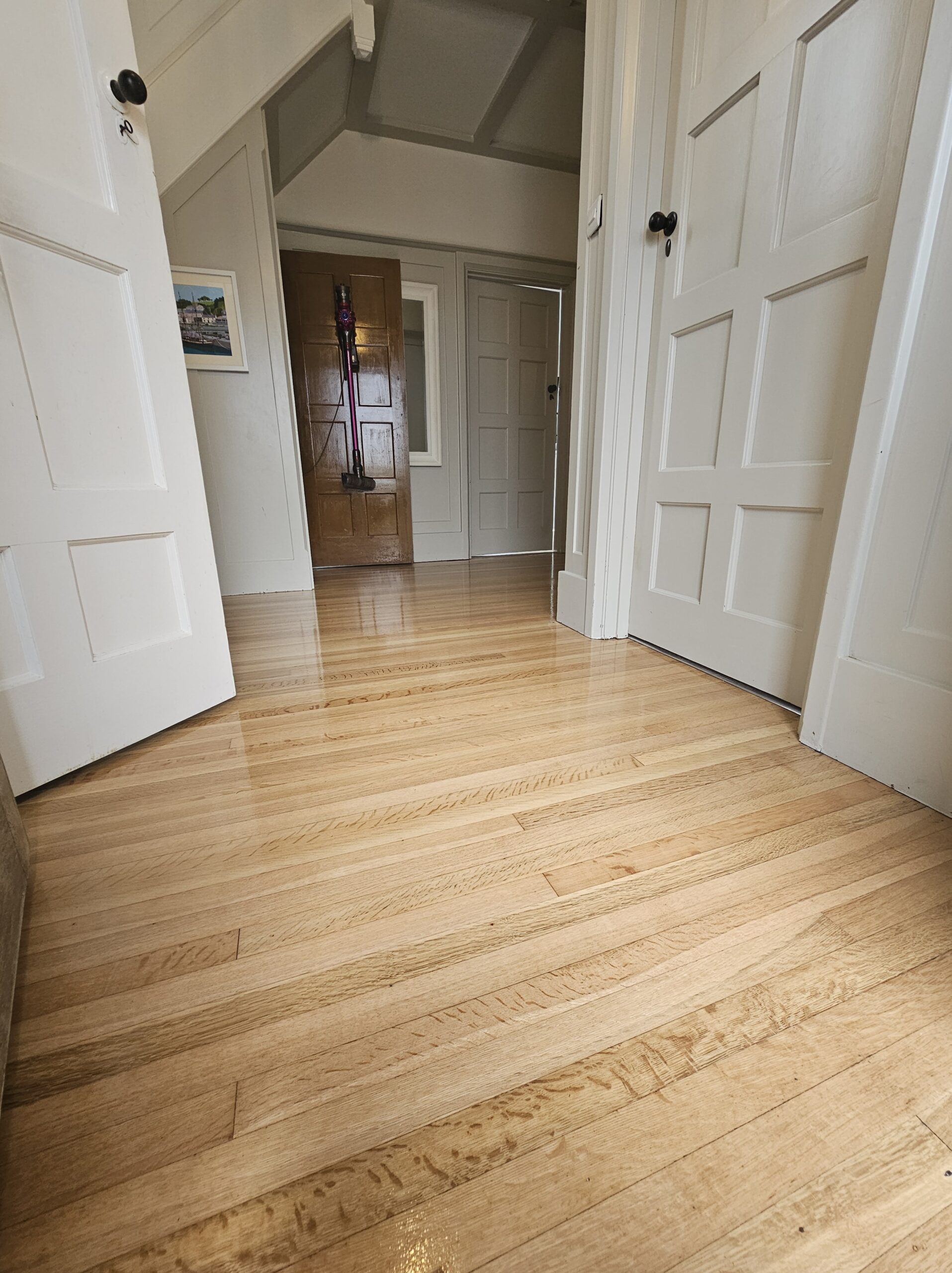
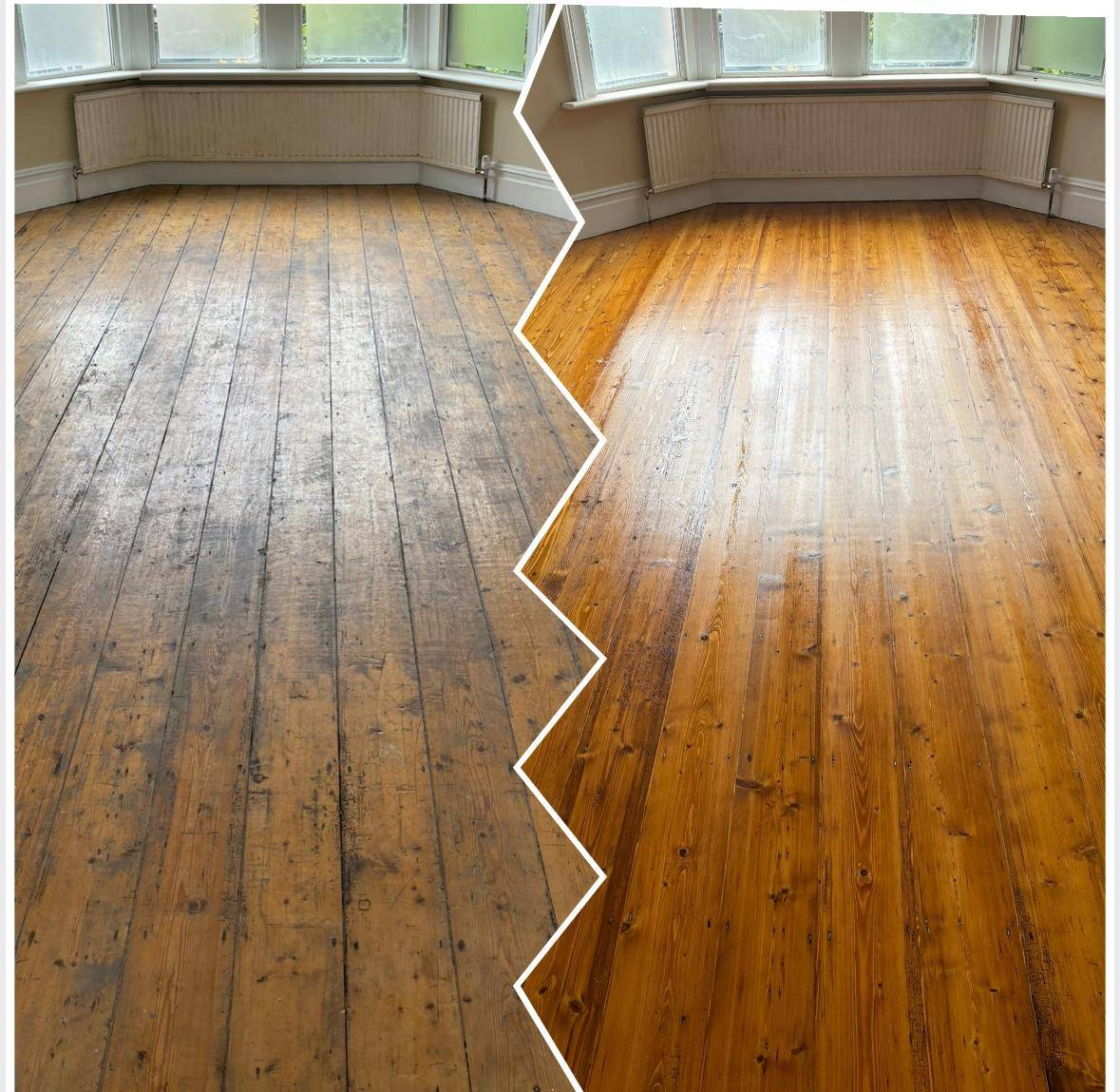
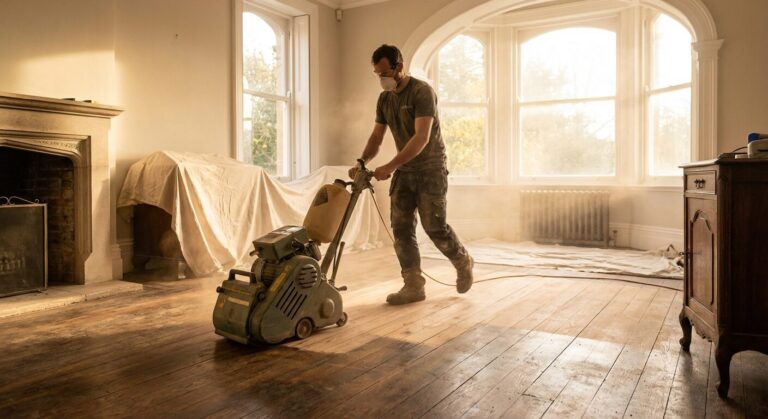
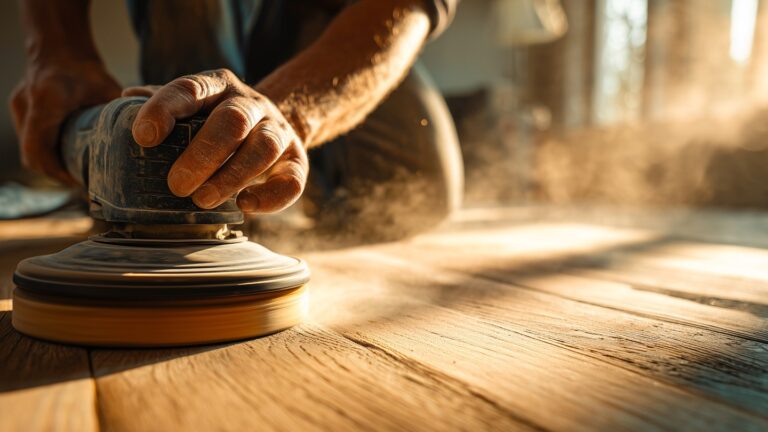
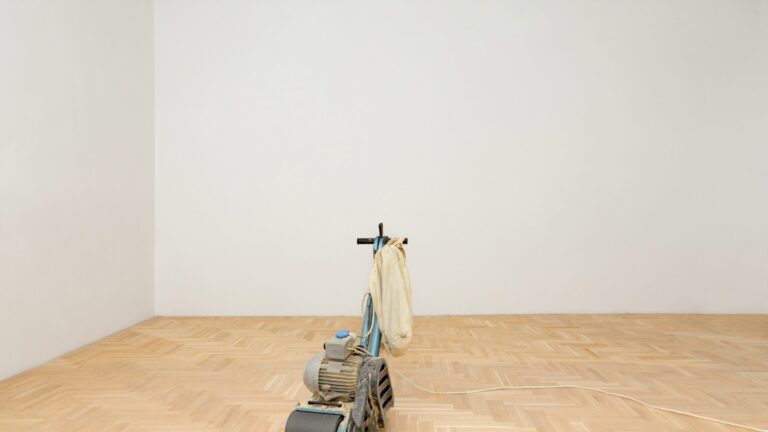
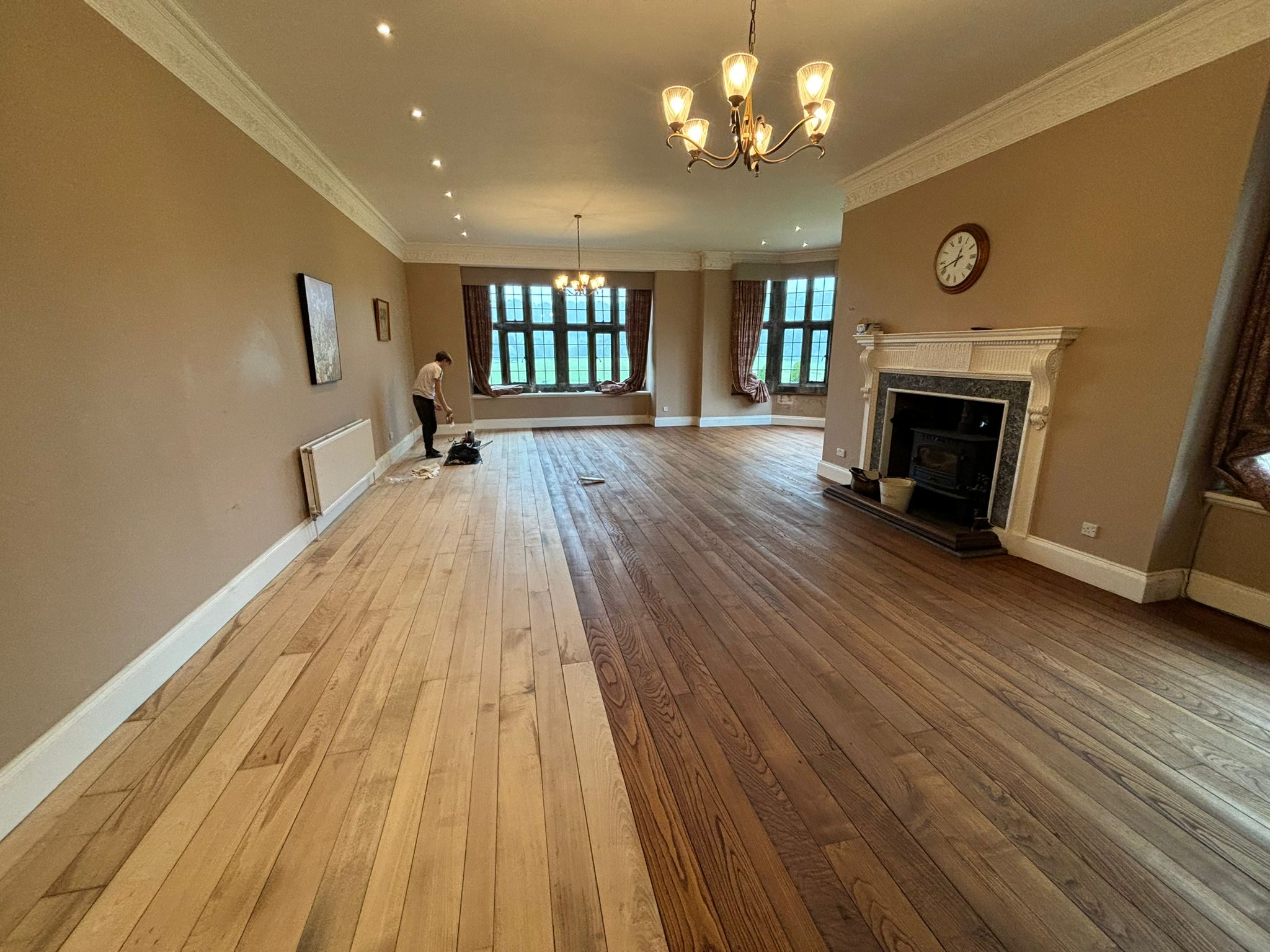
From the Georgian terraces around the town centre to the Victorian streets running up towards Blackheath, Greenwich keeps us busy with wood floor sanding of every kind — pine boards, oak strip, engineered floors and parquet. As a family-run firm with over 45 years’ experience, we sand conservatively: older boards are measured for remaining thickness first, and we take off only what the floor genuinely needs.

A large share of Greenwich homes are conversions, so we routinely work to sociable hours, screen doorways, and keep communal areas spotless. Our wider coverage is described on the floor sanding London page.

The survey is where the important decisions get made. We check moisture content across the room, not just in one spot, because a reading that climbs towards an outside wall points to a damp problem that must be solved before any finish goes down. We look at how much wear the boards have left, note which way the light falls — the last fine pass is best run towards the main window — and agree the abrasive sequence for that particular floor. A heavily painted floor might start three grits coarser than one with a single tired coat of lacquer, and starting too coarse wastes timber the floor cannot spare.

In a lived-in house we work one or two rooms at a time so there is always somewhere furnished to retreat to. Sanding a room, filling it and applying the first seal typically fits into a day, which lets coats harden overnight while we move on to the next space.
Commercial Floor Sanding in Greenwich

Pubs, cafés, offices and venues around Greenwich rely on their floors taking a beating seven days a week. Our commercial floor sanding service is planned around trading hours — overnight and weekend working is standard — and we issue method statements and insurance documentation before the first machine arrives.

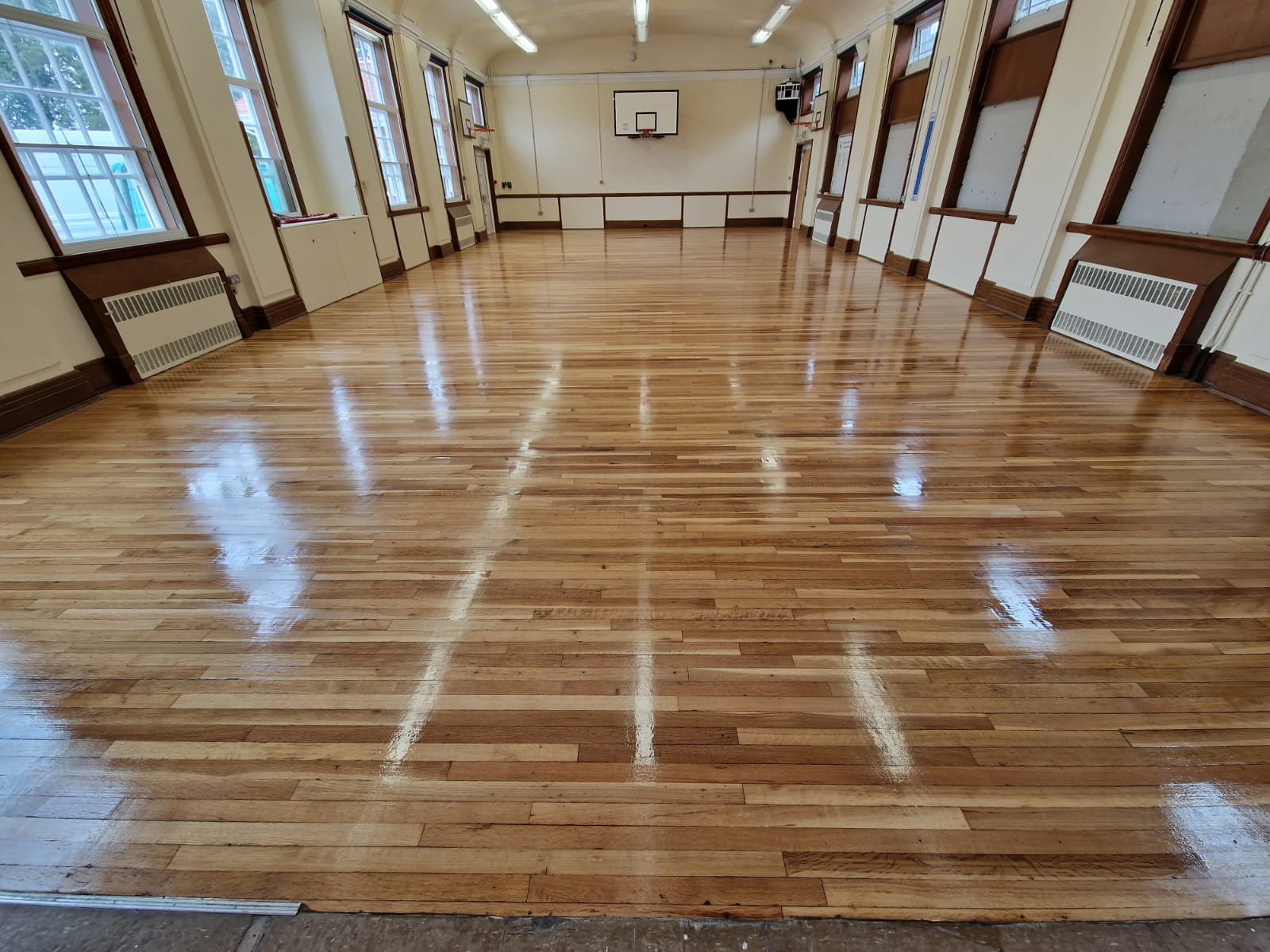
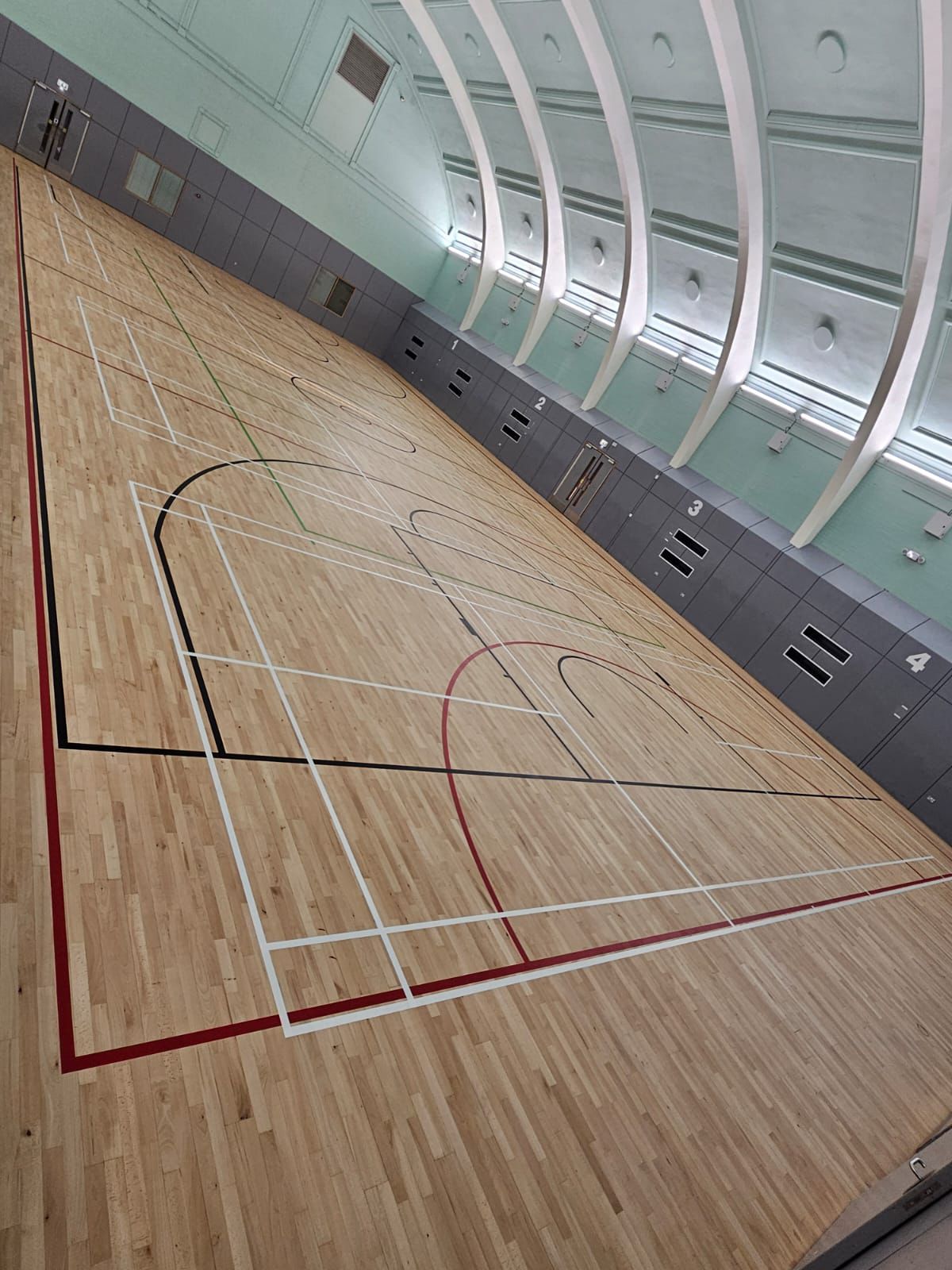
We refinish restaurant and shop floors with heavy-duty lacquers, and handle school halls including line marking to governing body specification. Larger projects are covered on our commercial floor sanding in London page.

School and sports hall work follows its own routine. The old game lines are sanded away with the finish, the timber is resealed, and new courts are marked out to the relevant governing body dimensions before the final coats of lacquer lock the paint in — lines applied between coats rather than on top wear at the same rate as the floor itself. For offices and public-facing spaces we plan the programme backwards from reopening: last coat down early enough to be walkable at handover, heavy furniture and mats held back until the lacquer reaches full hardness, and a written method statement setting out each stage.

Floor sanding south east London
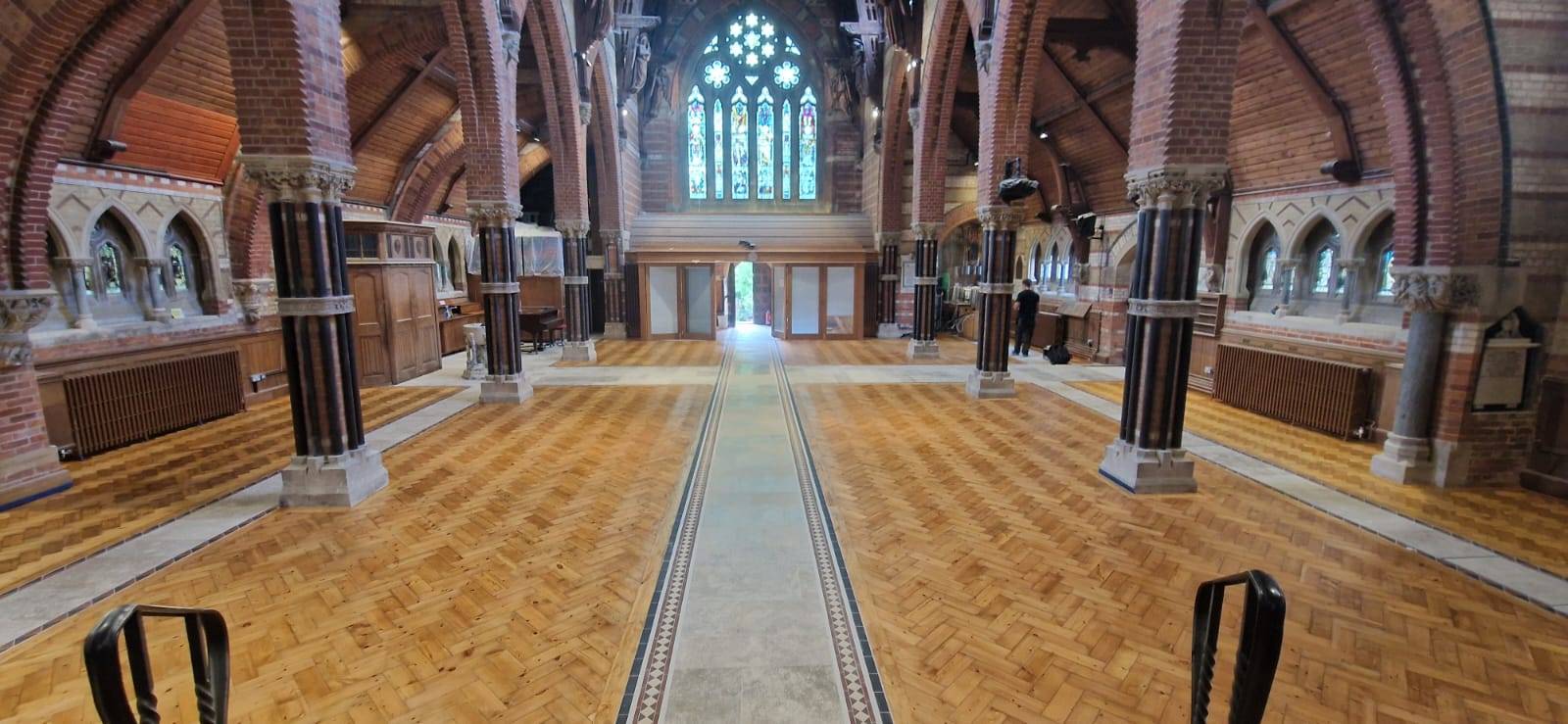
Commercial Hall Floor Refurbishment

Floor Repairs, Squeaks and Gap Filling

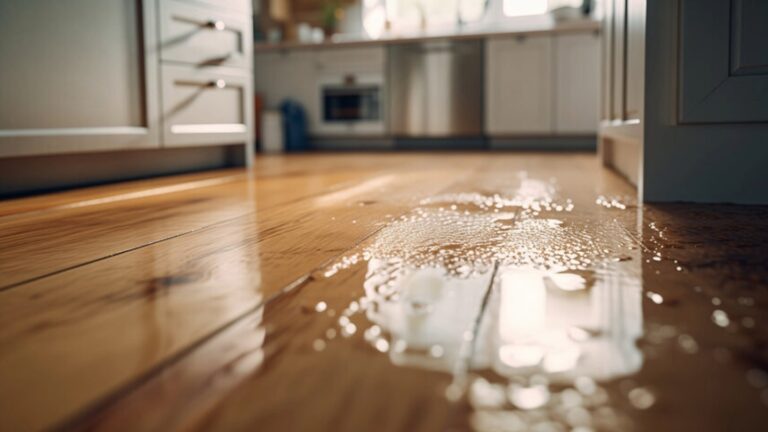
Greenwich floors near the river often carry the effects of higher subfloor humidity — cupped boards, lifting edges, corrosion around old nails — and our wooden floor repairs service deals with all of it before sanding starts. Boards beyond rescue are swapped through floorboard replacement using reclaimed pine from our own stock, so new timber does not shout against old.

We also fix squeaky floors, tidy scratches and gouges, and carry out gap filling to cut draughts between boards.

A squeak is a symptom, so we find its cause before choosing the fix. Sometimes it is a board rubbing on a loose cut nail, cured by refixing with screws driven into the joist; sometimes the joist itself has shrunk away from the board and needs packing. We walk the floor and mark every noisy point before opening anything up, because the sound frequently emerges a couple of boards from where the movement actually is. And we are candid about limits: deep chair-castor crush, old woodworm galleries or long-standing rot cannot always be sanded away, and where that is the case we say so and quote for the piecing-in instead.

Filled gaps are finished flush at the sanding stage, so filler, slivers and boards all take the seal together and read as one surface.

Restoring Parquet and Block Floors

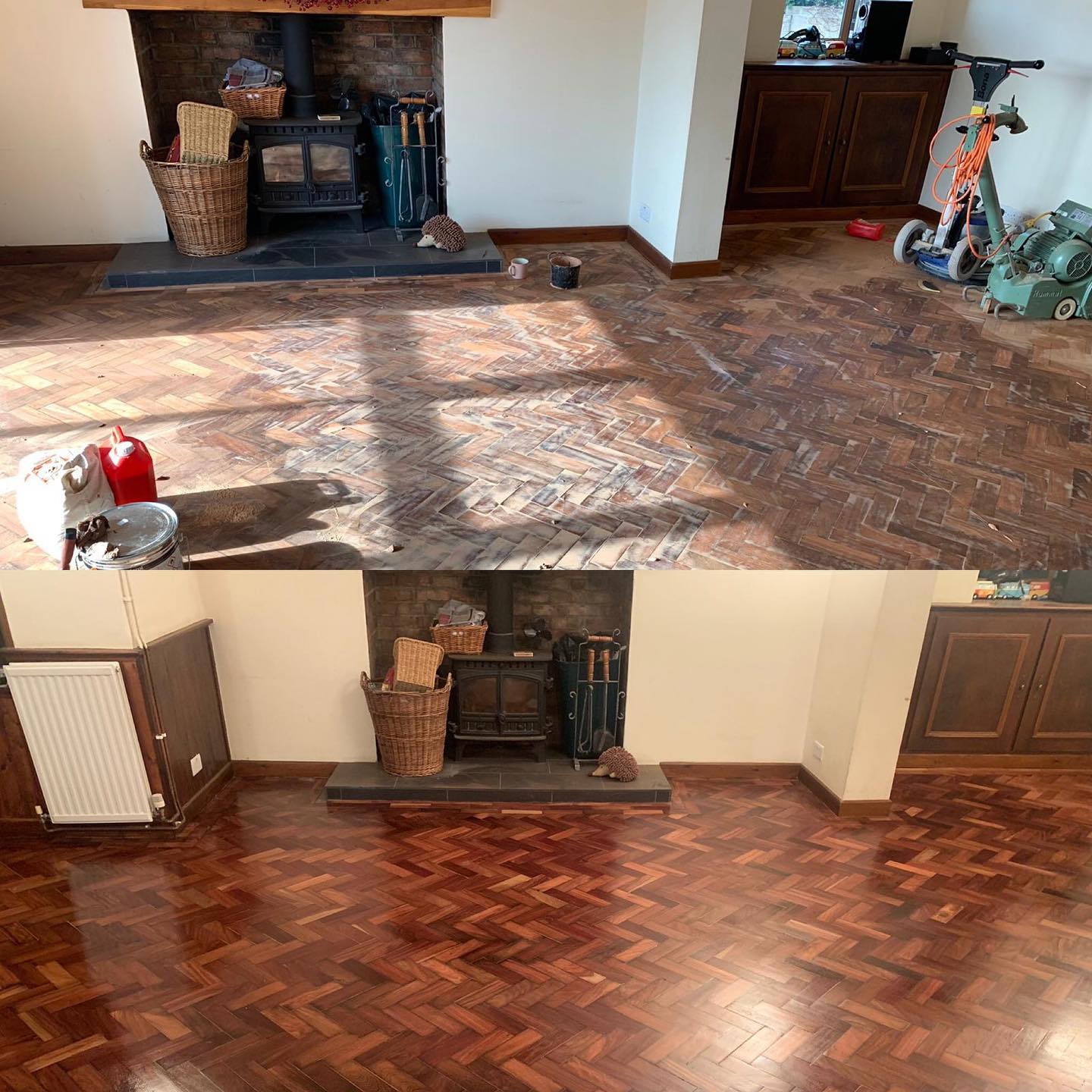
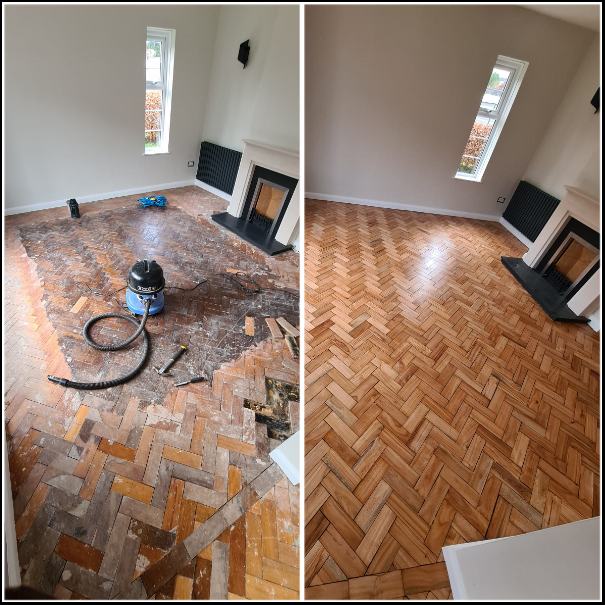
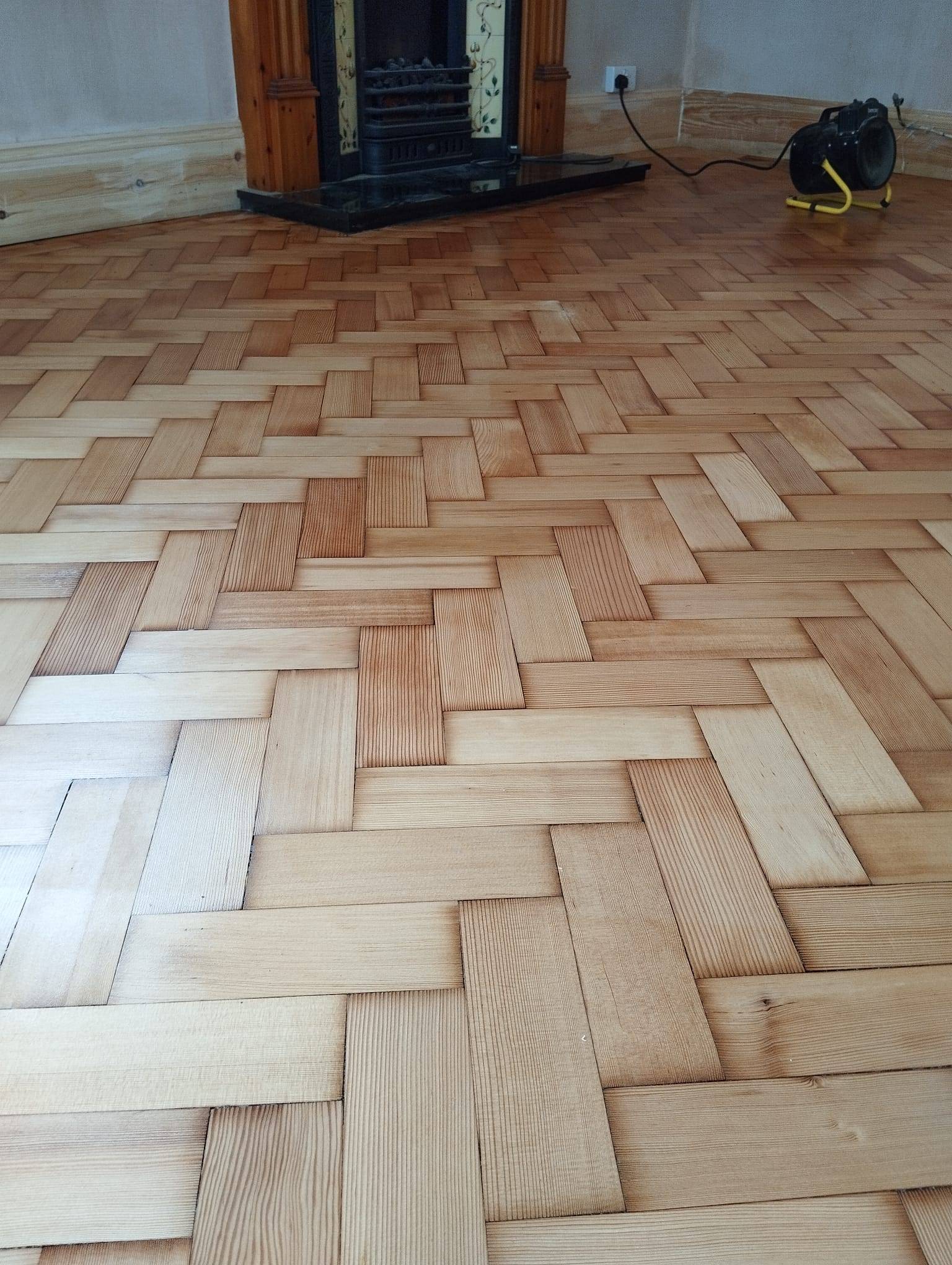
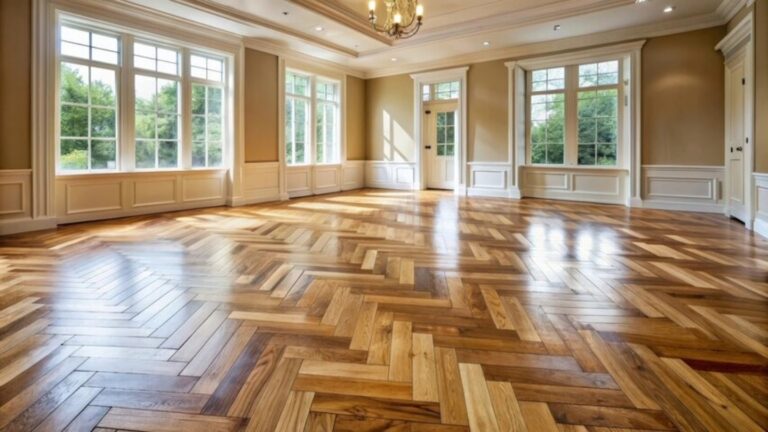
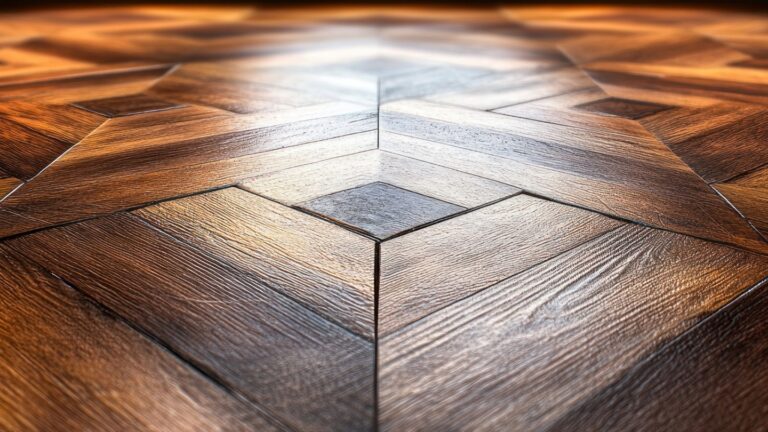
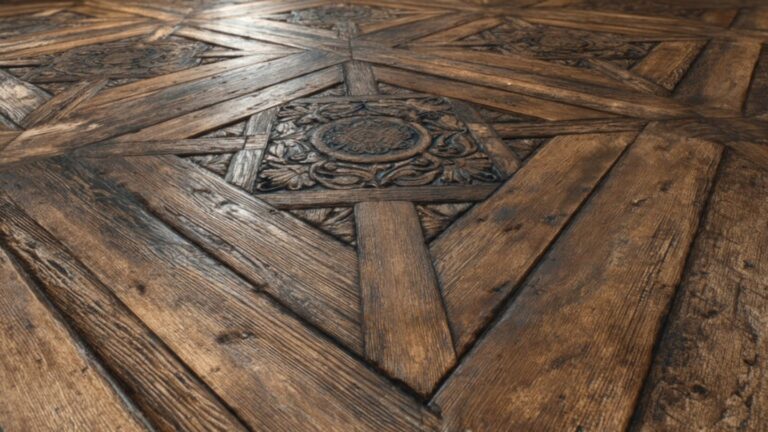
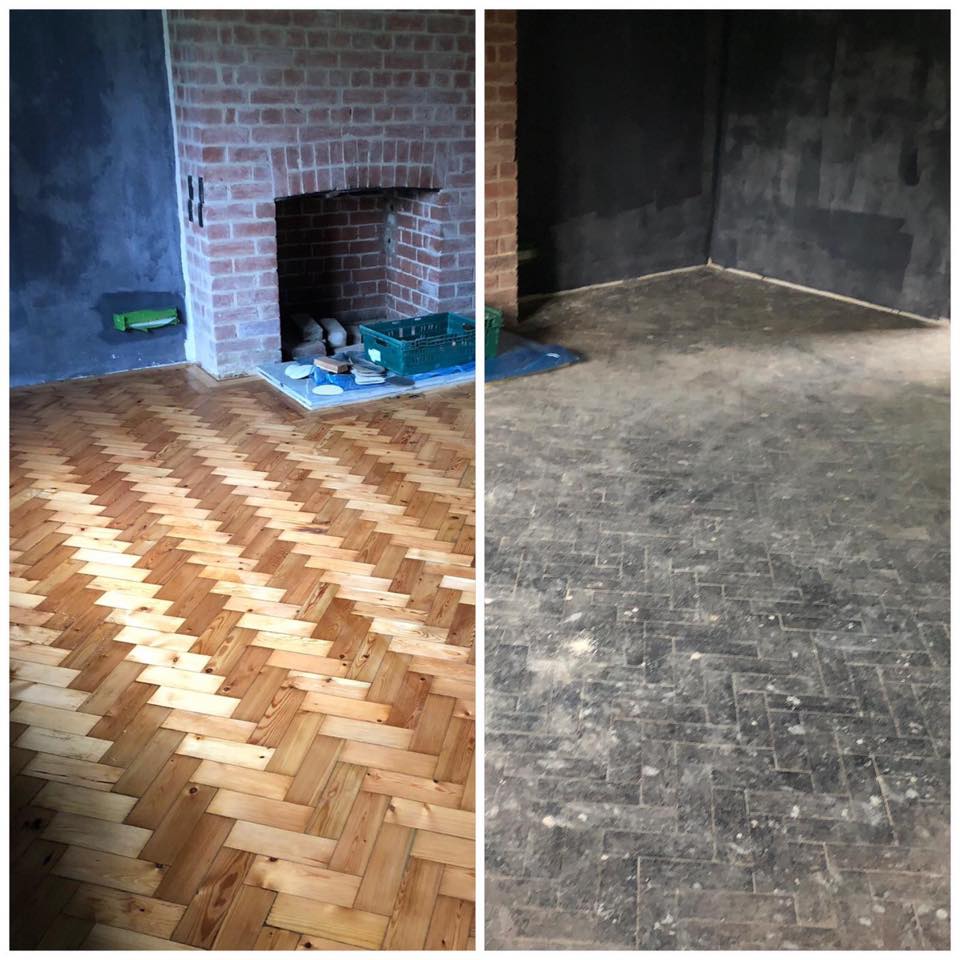
Herringbone and mosaic panels turn up regularly in Greenwich’s interwar homes and converted schools, and our parquet floor sanding service brings them back properly. Loose blocks are lifted and re-bonded, missing sections are cut from matching timber, and the whole pattern is levelled with progressively finer grits.

Old bitumen adhesive and blackened wax are normal on floors of this age and come out during the process. The result is a flat, sealed surface that keeps every bit of the original pattern.

Mosaic panels — the finger-block floors common in interwar and mid-century Greenwich houses — need a lighter touch than solid blocks because each finger is thin. We test a hidden area first, lift any panels that drum underfoot, and clean the backing and subfloor before re-laying. On herringbone the first cuts are made diagonally across the pattern so both directions of grain are treated equally, and only the finishing pass follows the room. Gaps between blocks are packed with a resin paste made from the floor’s own sanding dust, which colours and seals identically to the surrounding timber.

Floor Sanding Essex
parquet floor restoration near me

Stains, Seals, Oils and Ongoing Care

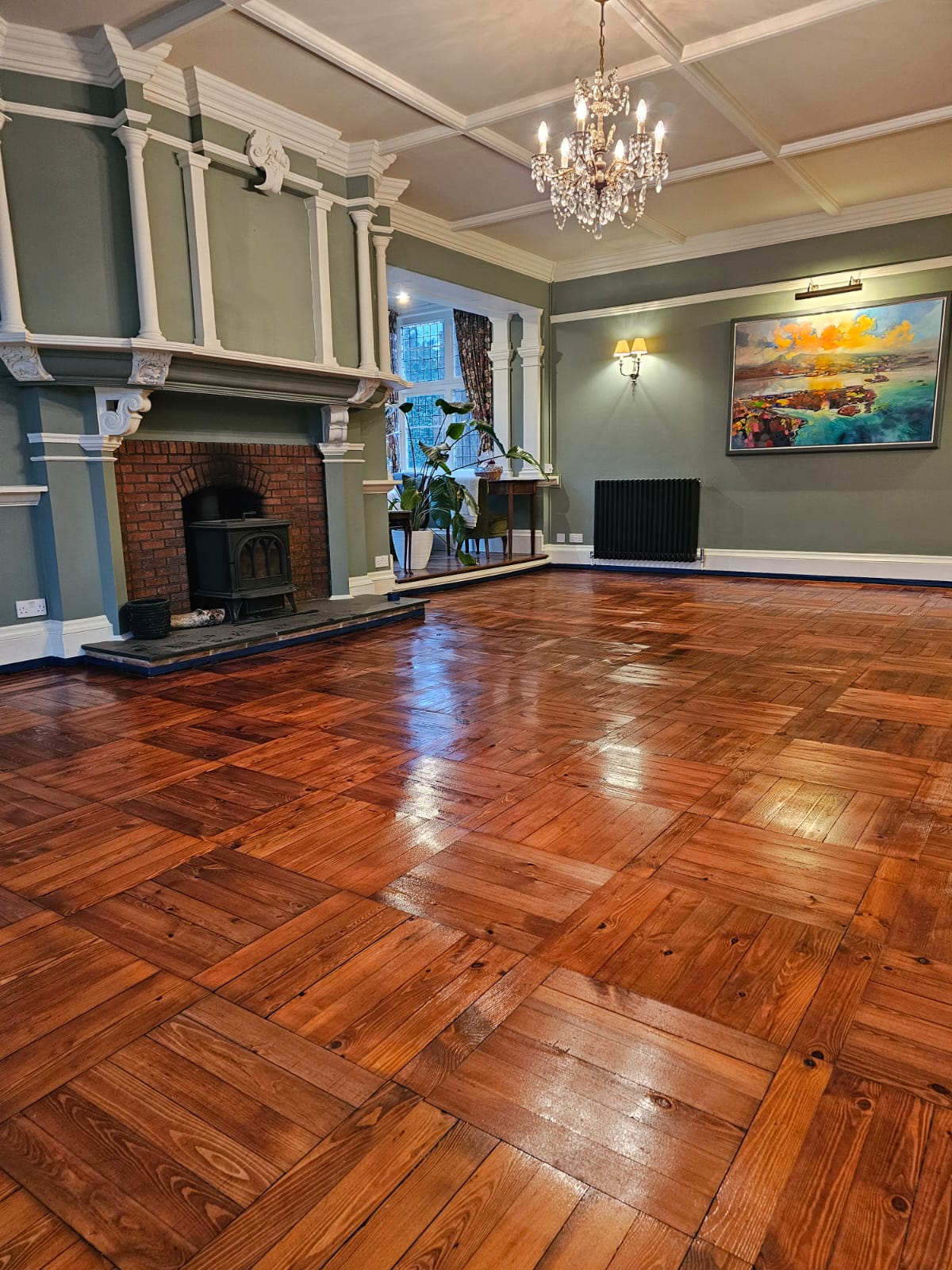
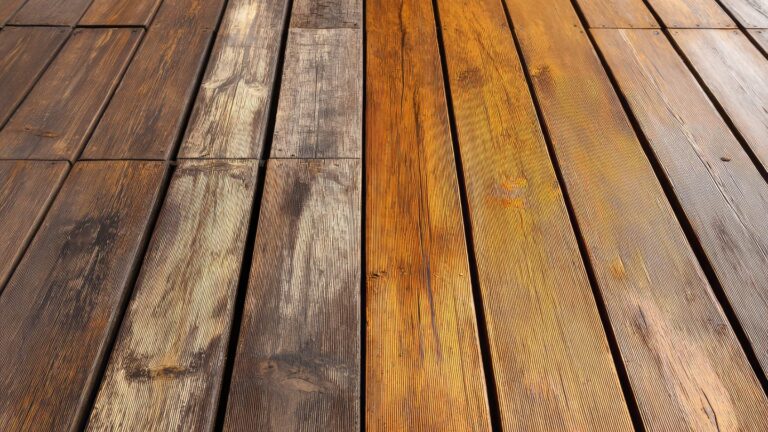
Once the timber is clean we agree the look: staining for a change of tone, hard-wearing sealing lacquers for busy households, oiled finishes for a natural feel, or wax where a period room calls for it. Samples go down on your own boards so the decision is made on real evidence.

Years later, buffing and recoating or a polish will refresh the wear layer without a full re-sand — far quicker and kinder to the floor.

Aftercare determines how long the finish lasts, so we leave every customer with a simple routine. Dry dust-mopping does most of the work; washing wants a barely damp mop and a cleaner made for sealed wood — supermarket sprays and steam mops both shorten a finish’s life. Felt pads under chair legs and a decent mat at the door stop most of the scratching that would otherwise build up. On lacquered floors, a screen-and-recoat every few years abrades the surface lightly and adds a fresh coat before wear ever reaches the timber; oiled floors take a maintenance oil in the traffic lanes instead. Either way, the floor should never need a full re-sand on our account for a long time.

Get a Floor Sanding Quote in Greenwich

Start with two photographs — one across the room, one close-up of the worst damage — and we will give you an honest opinion of what the floor needs together with a fixed written quotation. A free, no-obligation site survey is available if you would prefer us to see it in person; let us know about parking and access when you book.

Call 01823 674562, email info@ryansrestoration.co.uk, or use the form on this page.

All services available in Greenwich: floor sanding, parquet restoration, repairs, board replacement, gap filling, staining, oiling, stair sanding and new floors.

Nearby areas we also cover: London, Dulwich, South East London and Rochester. There is a page for each, and the full list of towns is on our areas we cover page.

Parquet Flooring Restoration

FAQ: Floor Sanding in Greenwich

Full sanding and refinishing, parquet and block restoration, repairs and board replacement, gap filling, staining, sealing, oiling, waxing, stair sanding, buffing and new floor installation.

They can. We schedule around your opening hours, working nights or weekends, so a pub or shop never has to shut its doors for the floor.

Usually. Cupping often sands out once the cause is addressed, loose boards are refixed, and anything genuinely gone is replaced with matching reclaimed timber before we sand.

Yes — re-bonding loose blocks, cutting replacements for missing ones and sanding the pattern flat is one of the jobs we do most often in older Greenwich properties.

It is. Stains and coloured oils can shift the floor darker, lighter or cooler, and we always trial the shade on your own timber first.

Generally once or twice if the wear layer is thick enough — we measure it before promising anything. Laminate is the one floor type that cannot be sanded.

Every machine runs sealed extraction that catches the overwhelming majority of dust at source, we seal doorways, and communal hallways are left as we found them.

Send two photographs and rough room sizes for an honest opinion and a fixed written quotation, or ask for a free no-obligation survey — 01823 674562 or the form on this page.

Give the finish its full cure — usually about a week for lacquers — before the first proper clean, then stick to a dry mop day to day and a barely damp mop with a wood-floor cleaner when needed.

Yes. Old lines come off during sanding and new courts are marked to governing body specification between seal coats, so the lines wear no faster than the floor around them.