45 years’ experience  ·  Rated 4.9 on Google  ·  Family-run, from our workshop near Wellington

45 years’ experience · Rated 4.9 on Google · Family-run

Floor Sanding and Wood Floor Restoration in Dulwich

Parquet rescues, stain matching and board repairs for Dulwich family houses, plus out-of-hours sanding for local shops, cafés and halls.

QUICK QUOTATION

Floor Sanding Taunton

Floor Sanding in Dulwich Family Houses

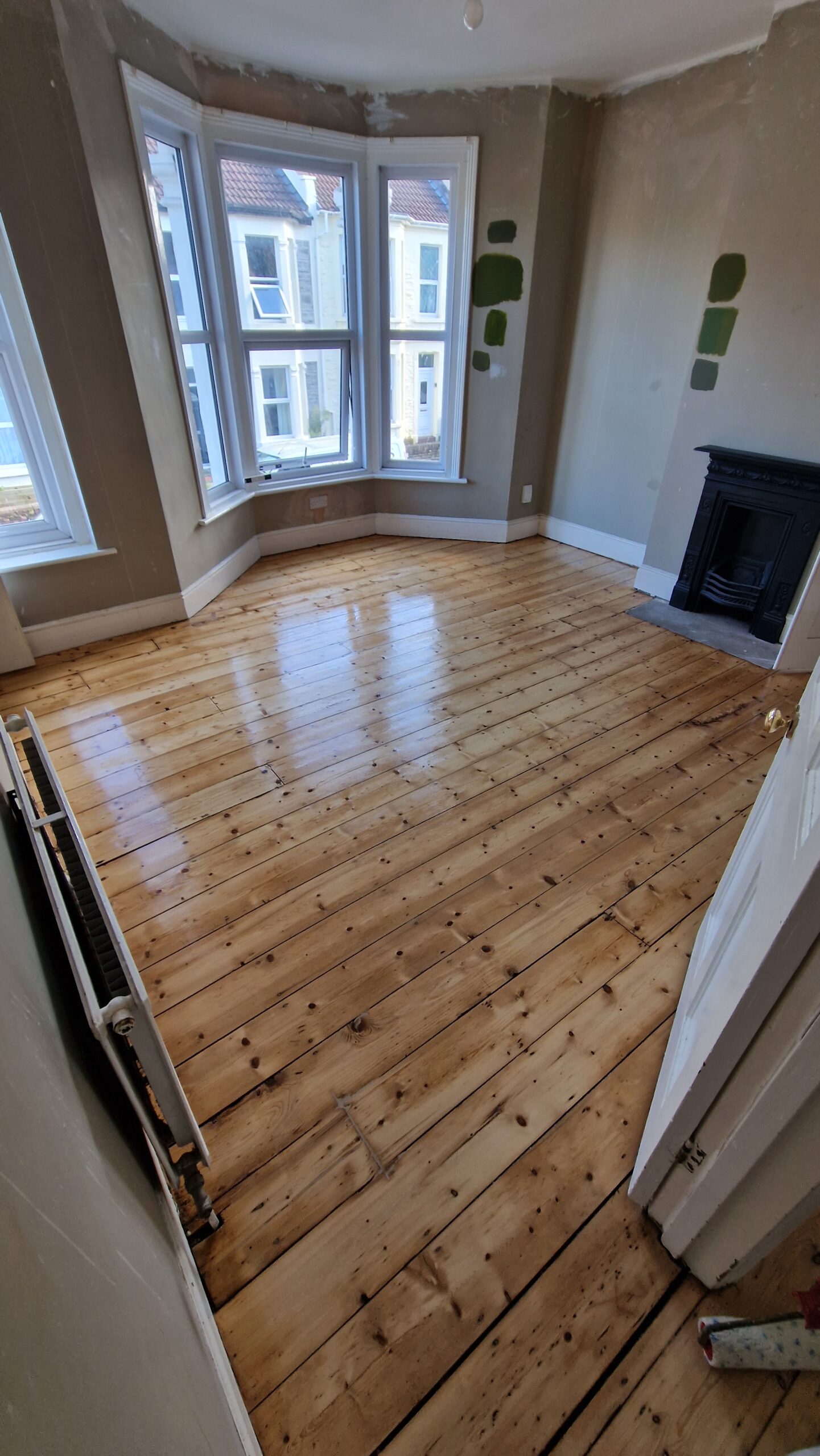
Dulwich and East Dulwich are, for the most part, streets of solid late Victorian and Edwardian family houses: two or three storeys, a bay at the front, a through-room or a pair of reception rooms, a long hall and a back addition running towards the garden. The floors inside them tell you how each house has lived. Front rooms usually have pine boards, tongued and grooved, laid when the house was built. Halls sometimes have encaustic tiles at the door giving way to boards. And a surprising number of rooms, especially where a house was updated between the wars, have oak or teak blocks put down over the original joists or over a screed.

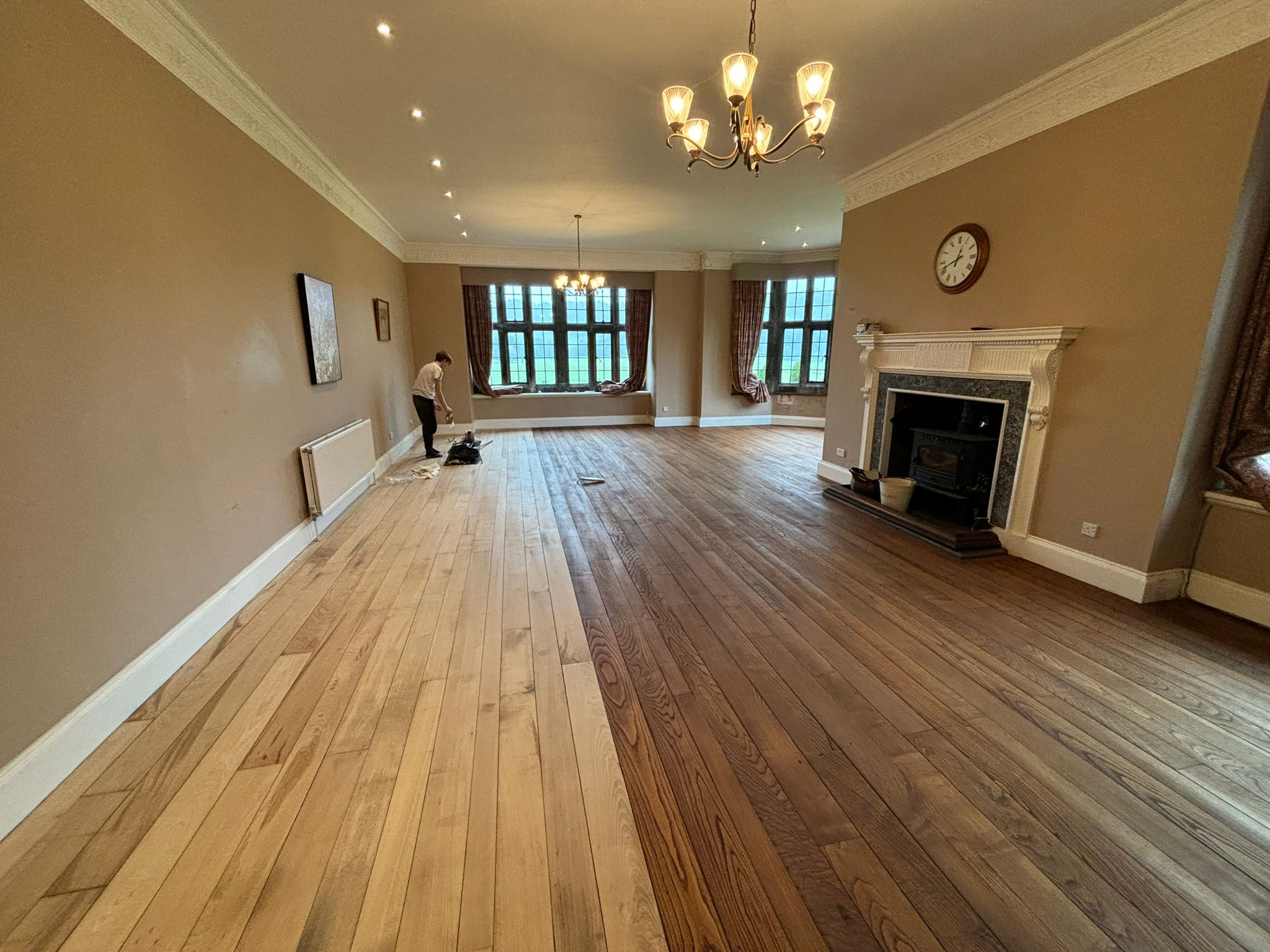
That mix is why floor sanding in Dulwich is rarely a single process repeated room by room. A pine through-lounge might need its boards refixed and the gaps closed; the dining room next door may hide herringbone under a fitted carpet; the back addition kitchen might have a concrete slab with a newer engineered floor. Each one gets the treatment it needs, which is how our wood floor sanding and refinishing work is meant to run.

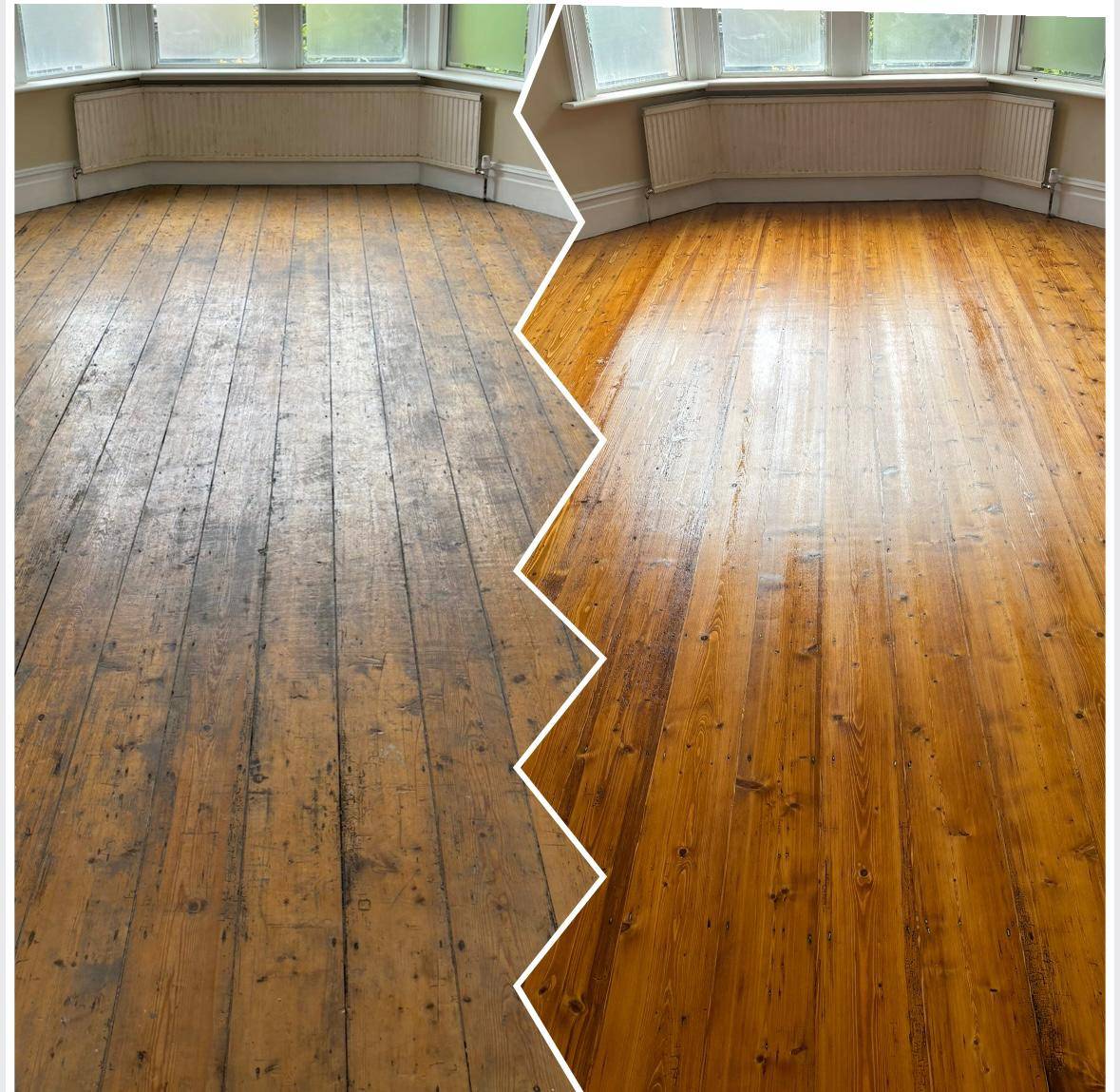
Family life is the other thread. These houses hold children, dogs, bikes in the hall and a kitchen table that has been dragged out from the wall every evening for years. Wear concentrates in a few predictable places: the hall runner line, the spot in front of the sofa, the route from back door to fridge. Sanding takes that wear out of the surface; the finish chosen afterwards decides how quickly it returns. Wood floor restoration in a family house is therefore half sanding and half choosing the right protection. We talk that through before the first sheet of abrasive goes on, because a satin lacquer in a dog-walking household behaves very differently from a hand-rubbed oil in a quiet sitting room.

A word on travel, since it affects whether we are the right firm for you. The family behind Ryan’s Restoration works out of a yard near Wellington in Somerset, so a Dulwich street is a long haul up the M5 and M4 for us. We take on work here when the scale makes the trip sensible: several rooms at once, a whole ground floor, a parquet rescue that runs through a house, or commercial premises. Our floor sanding across London page sets out how those visits are organised.
Rescuing Dulwich Parquet From Under the Carpet

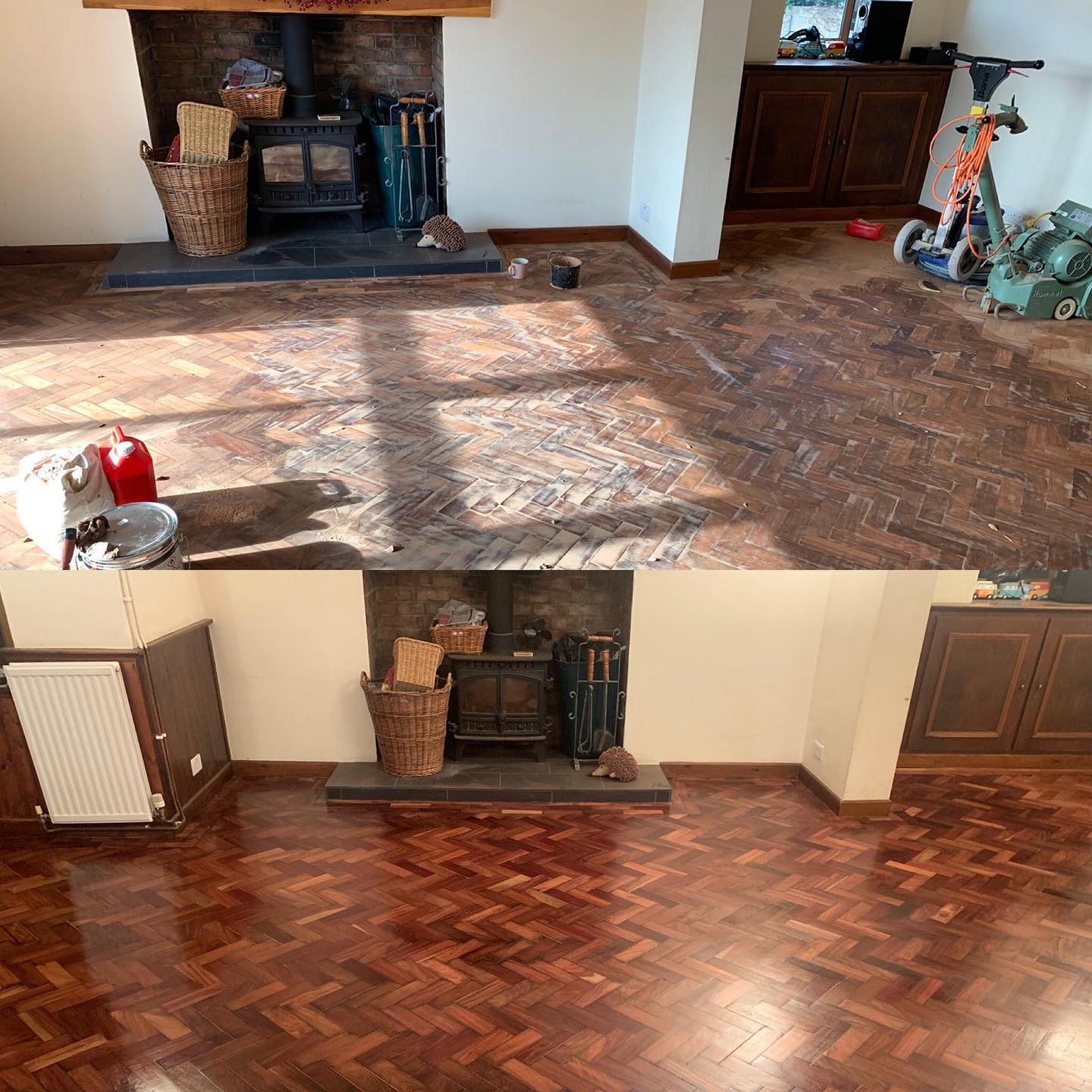
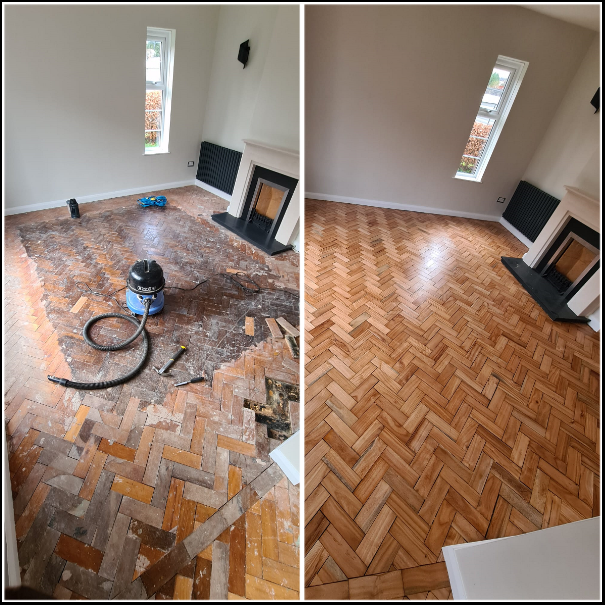
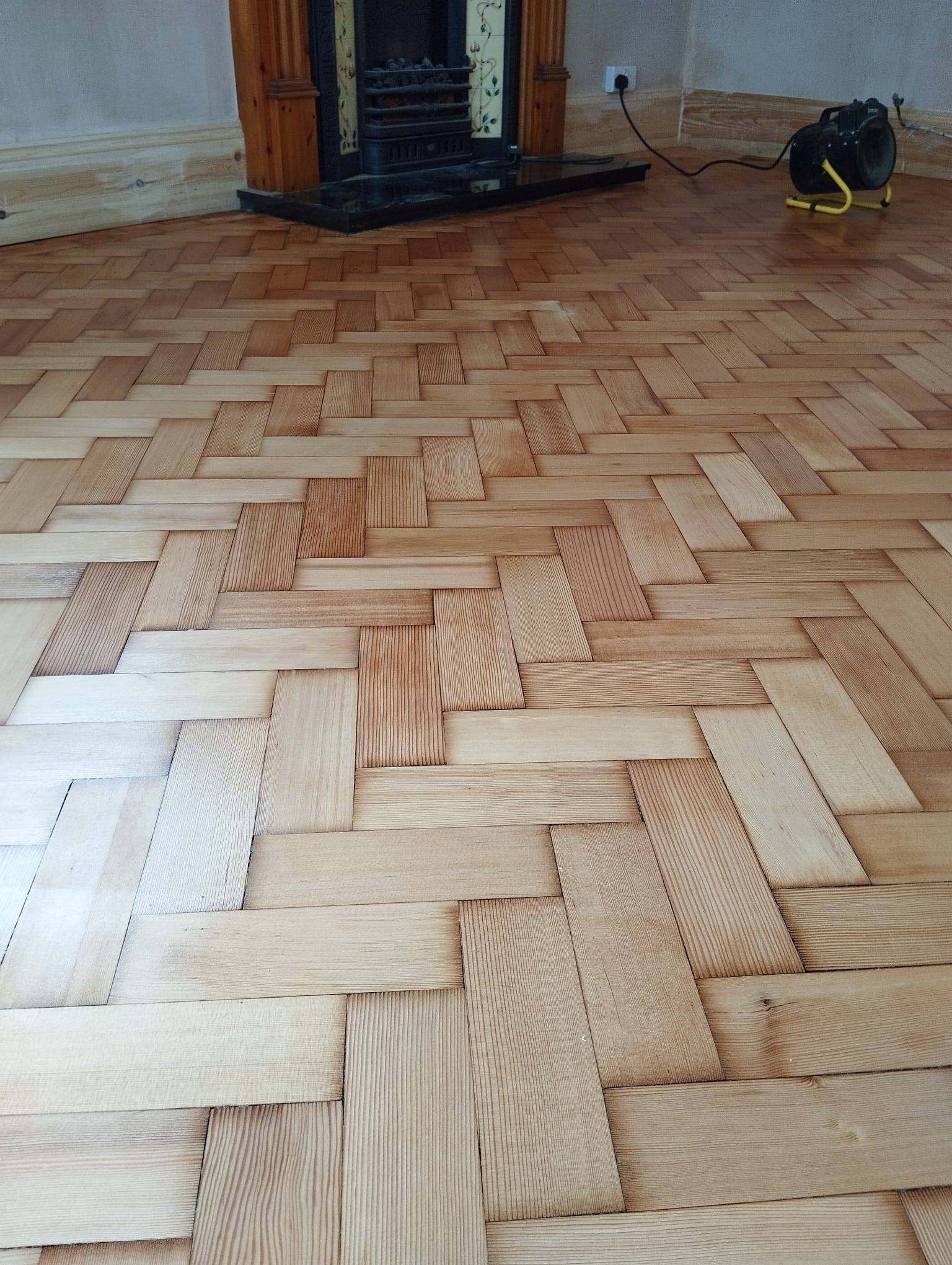
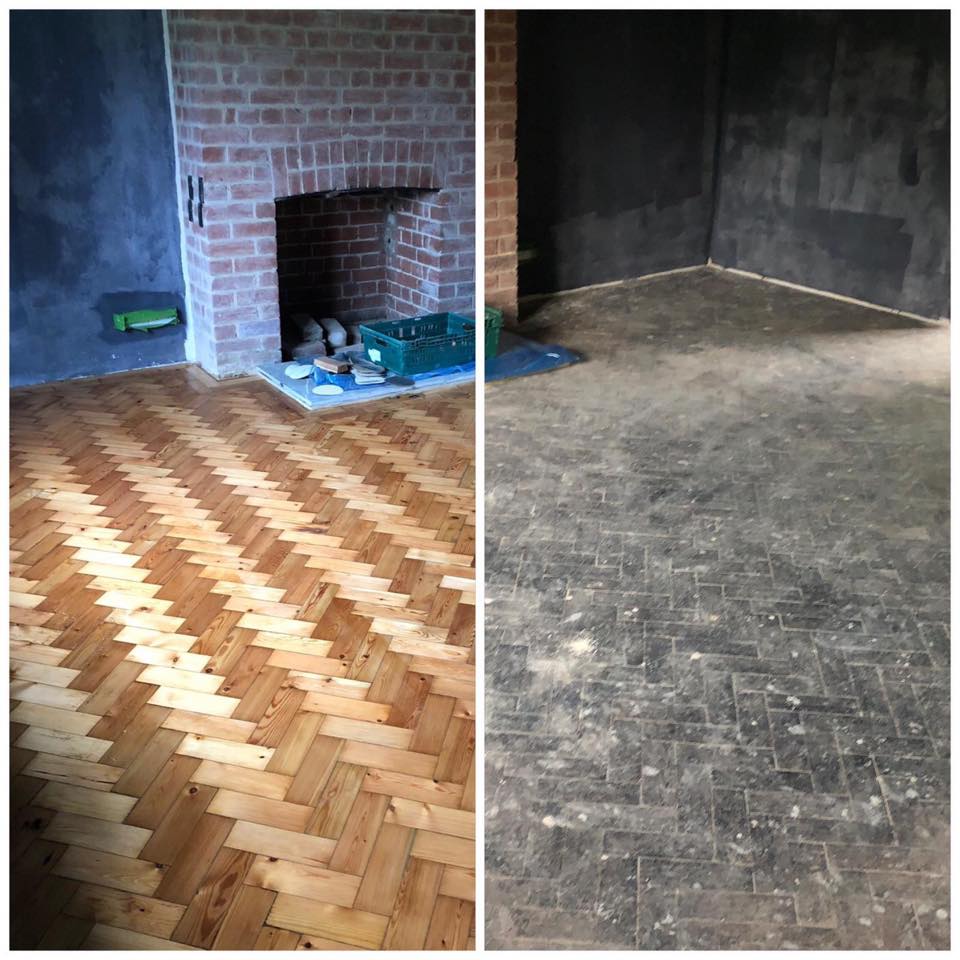
People lifting a corner of carpet in a Dulwich dining room and finding woodblock underneath is one of the commonest starting points we hear about. Often the blocks are oak, sometimes teak or iroko in later houses, nearly always set in herringbone or a basket weave, and almost always stuck down with black bitumen adhesive. Three questions decide that dining room’s future. Are the blocks still gripping the base? Is there enough oak left above the tongue? And how much damage did the gripper rods, underlay glue and staples leave behind?

Bonding first. Bitumen goes brittle with age, and once it lets go a block will click or rock when you stand on it. Walk the room tapping with a broom handle and the failed ones give themselves away with a dull, papery knock. These are lifted one at a time, cleaned of old adhesive on the underside and along the edges, the base is scraped back, and the block is refixed with a modern flexible adhesive. Gaps left by blocks that went missing years ago are made good with hardwood of the same species and dimensions, trimmed to suit the pattern. A herringbone floor with a few dozen loose blocks is routine; one where whole areas have let go may need the base checking for damp before anything is relaid.

Then thickness. Old solid blocks were often generous, but a floor that has been sanded two or three times before may be close to its tongue at the edges. Gripper rod nails and carpet staples also leave a perimeter of holes that need picking out and filling.

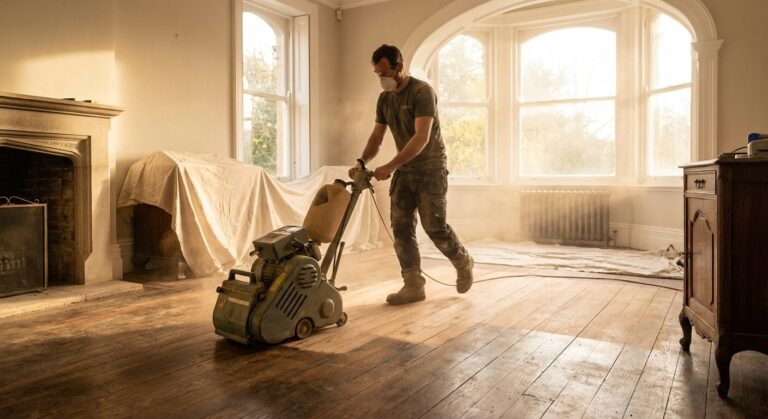
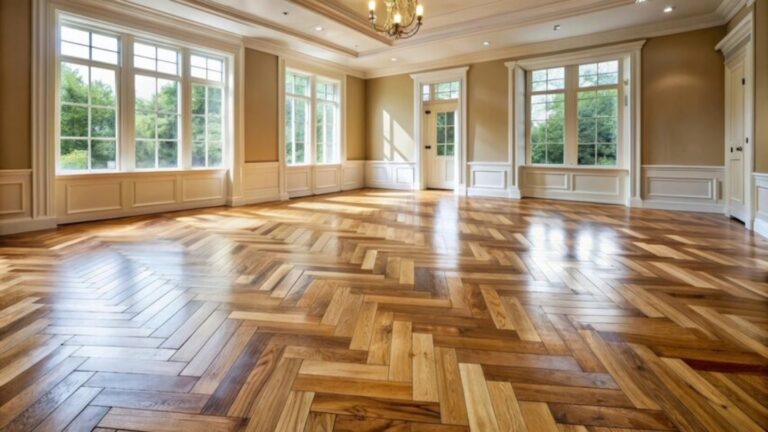
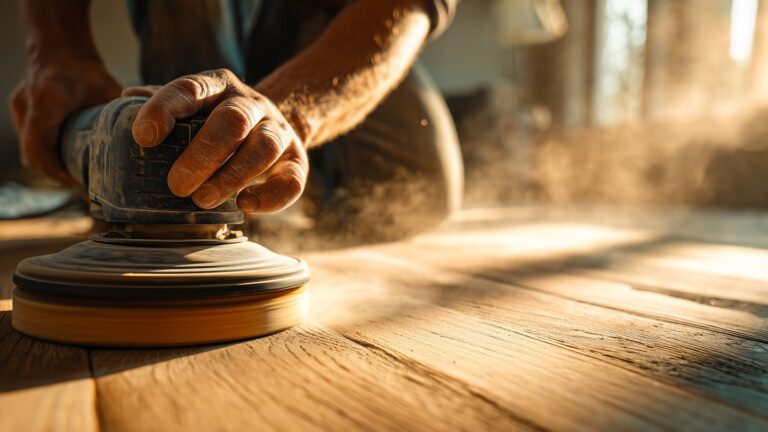
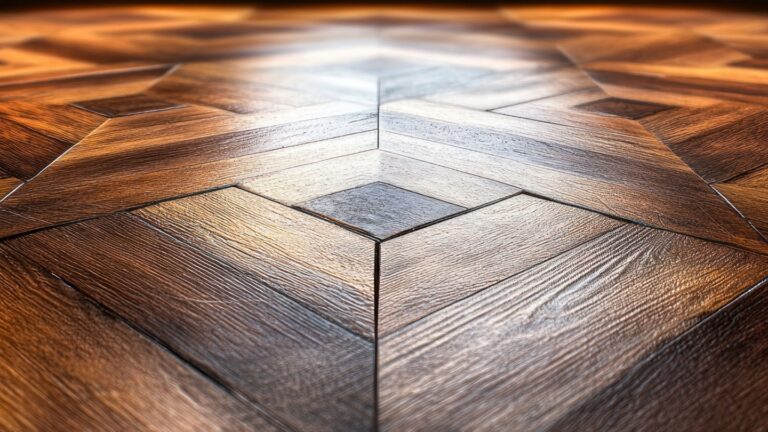
Sanding the pattern is slower than sanding boards. In herringbone, half the blocks always run across the direction of the machine, so coarse grits leave cross-scratches that only finer grits and careful edging will clear. The final stage is usually done with a multi-disc or rotary machine, which works across the pattern evenly and leaves no directional marks. The whole herringbone parquet sequence, from rebonding to final coat, is laid out under parquet floor sanding. Since the blocks in these dining rooms are mostly oak, oak floor restoration is worth a look too, particularly for how tannin-rich oak reacts to water-based versus oil-based coatings. Done well, this kind of wood floor restoration in Dulwich gives a family dining room back a floor that was laid to last a century. For the broader approach behind it, see how we approach wood floor restoration, which also covers pine floor restoration in older boarded rooms.

Floor sanding south east London
Commercial Hall Floor Refurbishment

Stain, Tone and Colour Matching in Dulwich Homes

Colour is the question that comes up most often in Dulwich after sanding is agreed. Some people want the honey of an old pine floor brought back exactly as it was; others want a pale Scandinavian look in a period house, or a deep walnut to sit with dark joinery; and in houses where one room was replaced decades ago, the challenge is making two different timbers look like neighbours.

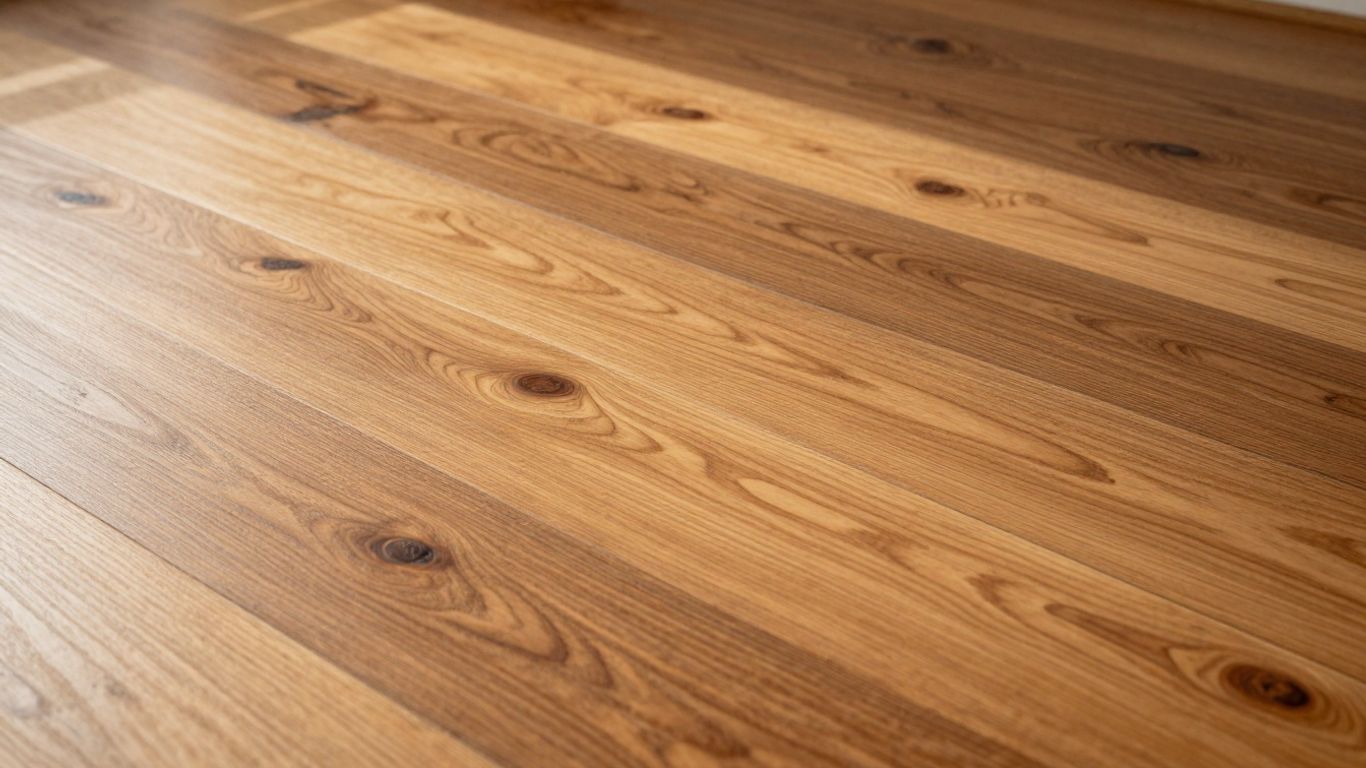
The starting point is understanding how each wood takes colour. Pine is soft and uneven: the pale springwood drinks stain while the harder resinous latewood rejects it, and knots barely accept it at all. Applied directly, a dark stain on pine can come out blotchy and stripy, which is why a conditioner, a diluted first coat or a water-based tint is usually the safer route. Oak is more even, with open pores that take pigment readily, so it will hold a deep colour well, but the medullary rays in quarter-sawn oak resist stain and show up as lighter flecks. That can look beautiful or distracting, depending on taste.

No stain chart matches a real floor. Every board has its own age, its own previous finishes and its own density, so colour is decided by sampling on the floor itself after it has been sanded. Several small test patches are laid out, each one sealed with the intended topcoat because lacquer and oil change the shade, and the decision is made in that room’s daylight. That process sits behind our floor staining work.

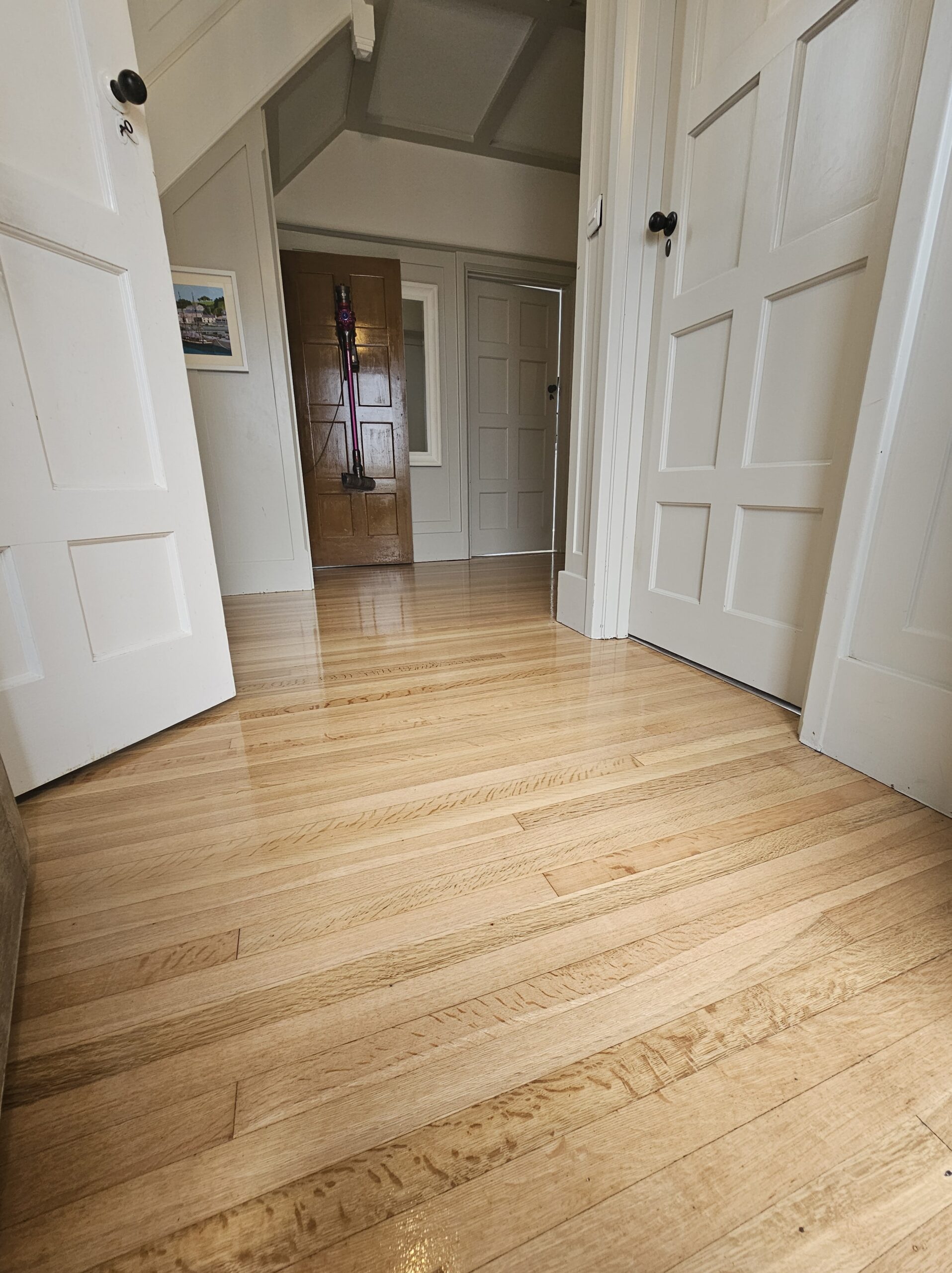
The finish over the colour matters as much as the colour itself. A water-based lacquer barely changes tone; oil-based lacquer adds warmth and ambers further with time; hard wax oil brings out the grain and is easy to repair locally. Those choices are explained under lacquers and sealers for wood floors and oils and hard wax oils. Traditional wax gives a soft glow, covered on our waxed floor finishes page, and a polished finish can be buffed up from there. With pets and children in mind, a matt or satin sheen hides scratches far better than gloss.

Family Wear: Squeaks, Gaps, Damaged Boards and Stair Treads

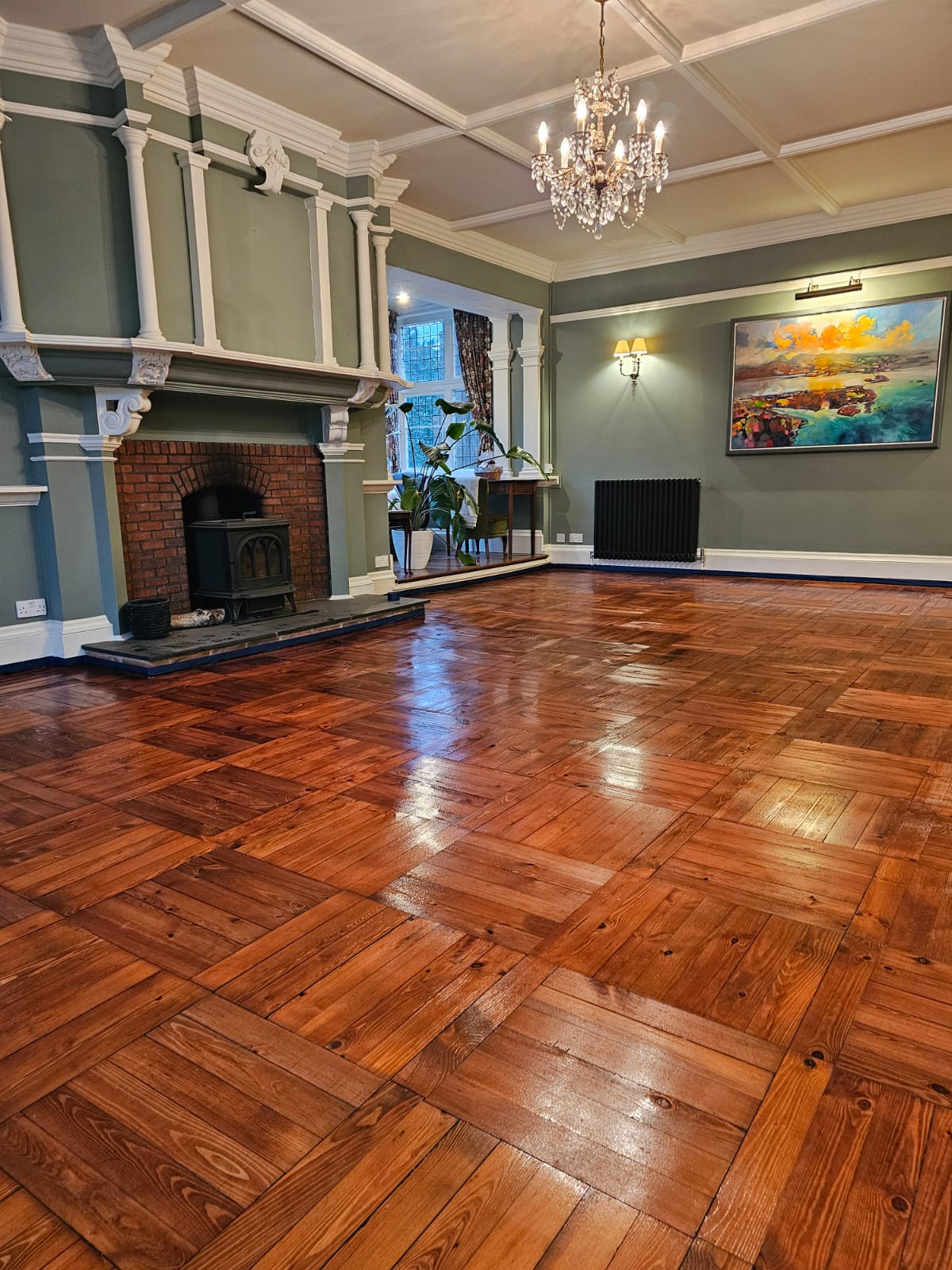
Pine floors in these houses have usually been opened at least once by every trade that ever worked on the place. Short cut boards over pipe runs, boards nailed down with modern lost-head nails beside original cut nails, and odd pieces of plywood let in where a hearth or a radiator once stood are all common. Before sanding, any board that moves, bounces or squeaks is fixed back down. The noise children learn to avoid on the landing at bedtime usually comes from a board riding up and down on a loosened nail. Swap that nail for a countersunk screw bedded firmly in the timber below (once a detector has confirmed no wiring or heating pipe lurks there) and the landing goes quiet; stopping squeaks and creaks explains why.

Boards that are split, burnt or rotted are cut out. In an Edwardian house the originals are imperial sizes, so the replacement comes from reclaimed timber of the same age and roughly the same section, with thickness packed or planed to sit flush. Our replacing damaged floorboards page covers that choice. Smaller damage such as dents, scorch marks and deep dog-claw grooves is often handled within general wooden floor repair work or through targeted scratch and dent repair on newer floors.

Gaps deserve their own decision. In a family living room the draught through open joints is often the real complaint, especially over a cold suspended floor. For gap filling in a Dulwich through-room, slim tapered strips of old pine suit joints wider than a coin edge, while hairline cracks take a paste made from the room’s own sanding dust bound in resin. Boards still move with the seasons, so a fine line may reappear in winter. The floorboard gap filling page sets out what to expect.

Stairs in these houses are usually pine under decades of runner, tacks and paint. Stair sanding is careful hand work: treads and risers cleaned back, nosings shaped, holes filled and a finish chosen that will not turn the flight into a slide for children in socks.

Floor Sanding Essex
parquet floor restoration near me

Commercial Floor Sanding in Dulwich

The shopping streets here are lined with independent shops, cafés, restaurants, bars and small studios, and many of them have wooden floors that take a pounding from buggies, boots and chairs. Commercial floor sanding in Dulwich follows the shop’s rhythm rather than ours. Our machines roll in once the till is cashed up, the lacquer hardens overnight, and the owner has the room again before the morning trade.

For cafés and restaurants, that usually means working overnight or across a day or two of closure, using fast-curing finishes so the room is usable again quickly. A two-component lacquer stands up to chair legs, spilled coffee and constant mopping far better than a domestic finish, and our restaurant floor sanding page discusses how those jobs are phased. Independent shops have their own pattern of wear, with tracks to the counter and around display units, and retail floor sanding is usually fitted around a closed day.

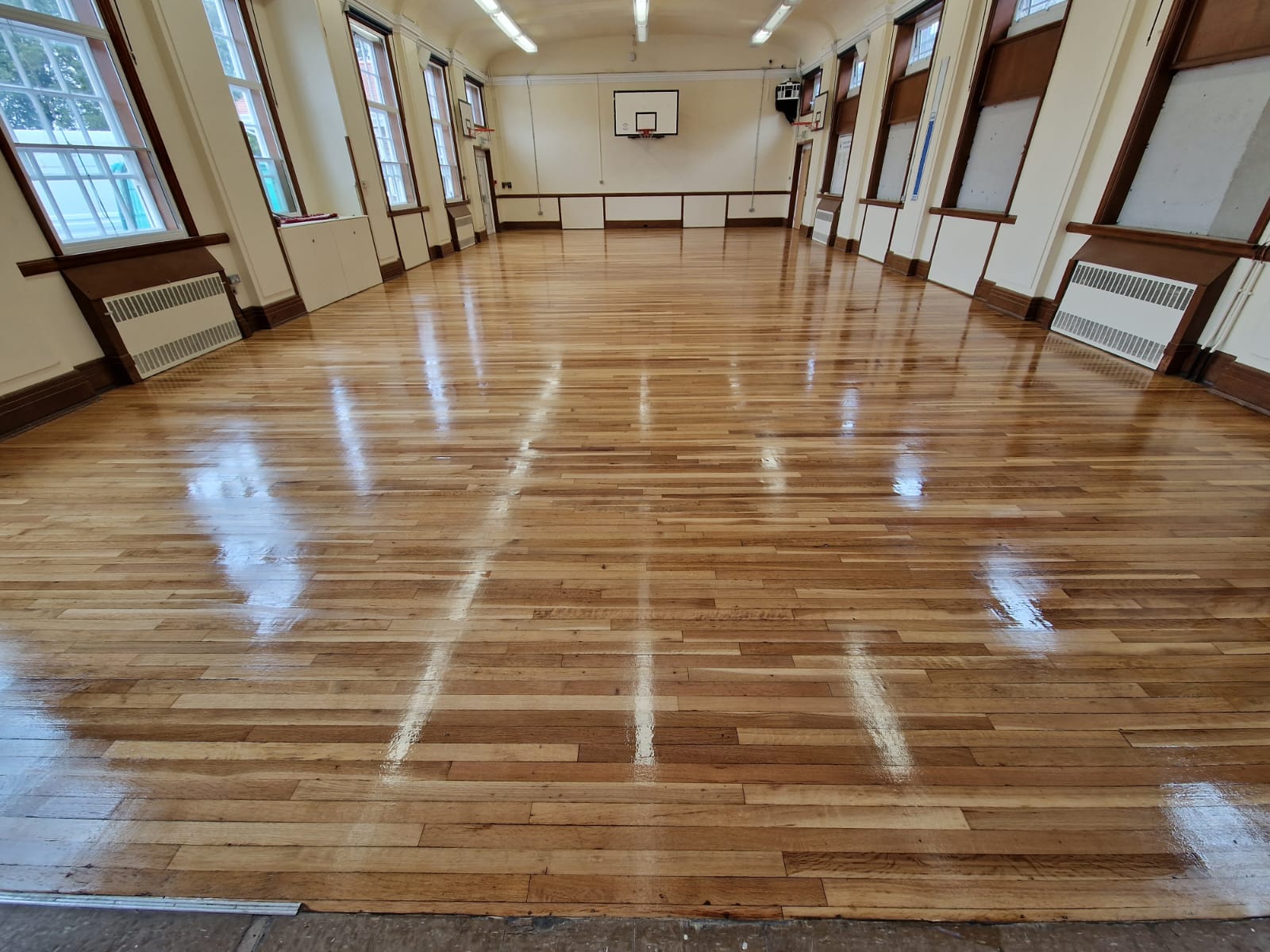
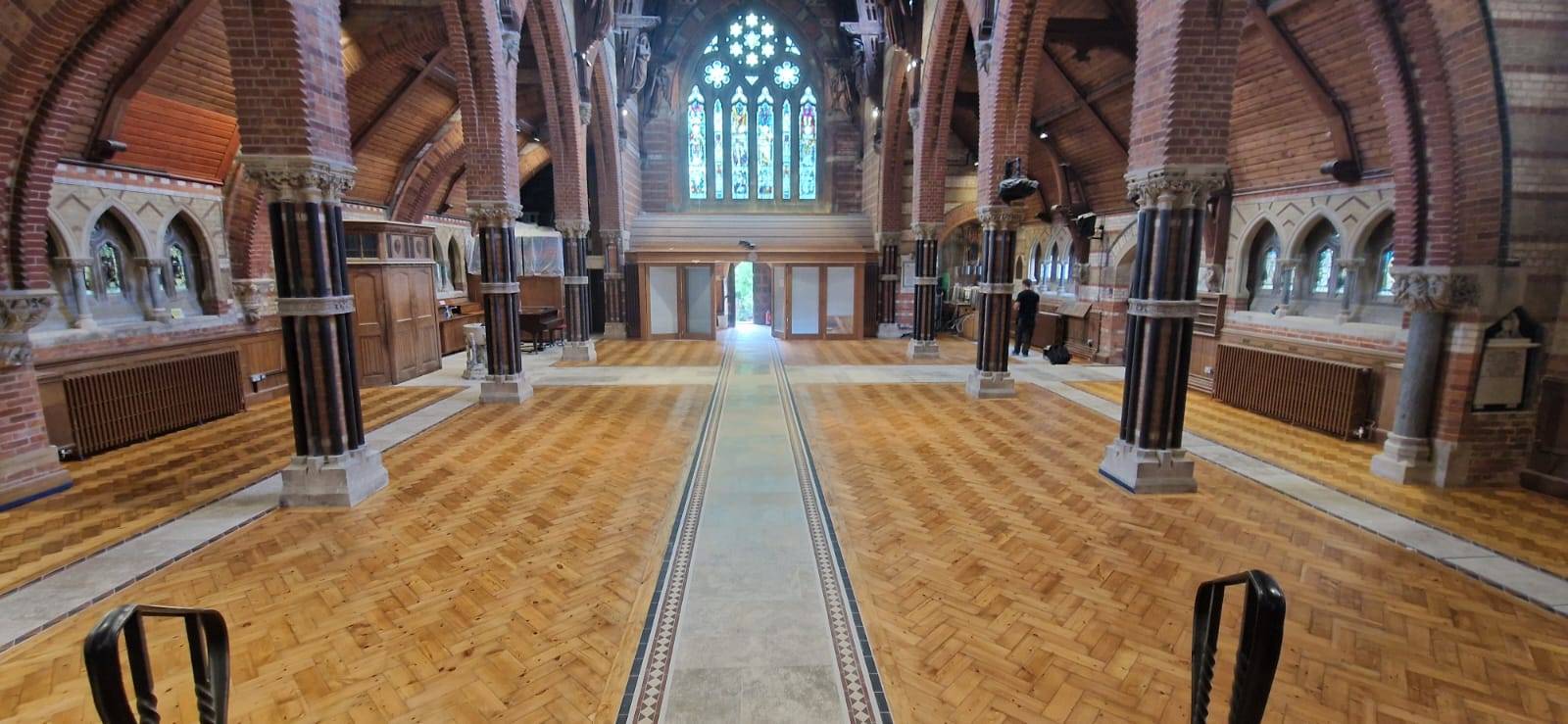
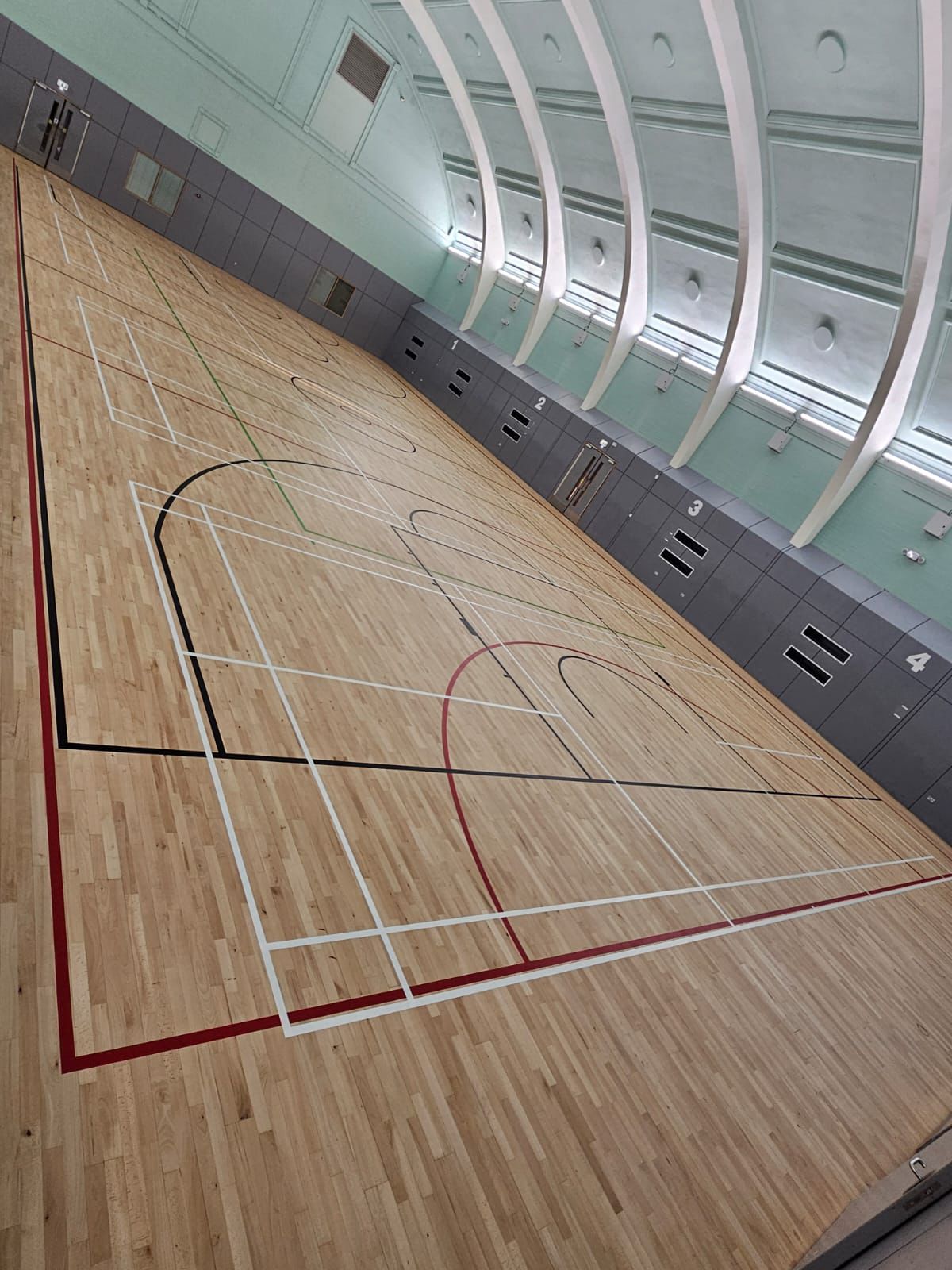
Halls and studios are a different technical problem. A dance or yoga floor needs the right grip for bare feet and dance shoes: too slippery is dangerous, too grippy stops turns. That balance is the subject of sanding dance and studio floors. Gym floors take dropped weights and constant shoe traffic, and gym floor refinishing involves heavier-duty finishes and sometimes local repairs where boards have been dented or split. Church halls and school buildings tend to book the long summer break. Our pages on school floor sanding and sanding sports hall floors cover that timetable, and badminton or netball lines are painted back by our own team to the governing body’s published layout.

Businesses usually need paperwork before booking. Hall committees often want things in writing; we can send a job-specific method statement, our cover certificate and referees, and booked nights are not shuffled. The main commercial floor sanding page has the wider picture of how we handle non-domestic work.

Living With the Finished Floor and Starting Your Dulwich Enquiry

A new finish is softer for its first few days than it will ever be again. Feet in socks are fine after about a day; rugs, the dining table and the sofa should wait a further couple of days while the coating hardens properly; and the dog’s claws are best kept off it for as long as practical. Day to day, felt discs under the kitchen chairs and a coir mat where school shoes come off do most of the protecting, and a wrung-out mop with a mild, neutral wood soap is all the cleaning a lacquered floor wants. Steam mops and strong detergents do more harm than good.

In a busy family house, a lacquered floor typically lasts the best part of a decade before it needs sanding back to bare wood again. Before that point, a buff and recoat restores sheen and adds a fresh protective layer without removing timber, which saves the floor’s thickness for future generations. Oiled floors are maintained differently, with periodic cleaning and a top-up of oil on worn routes.

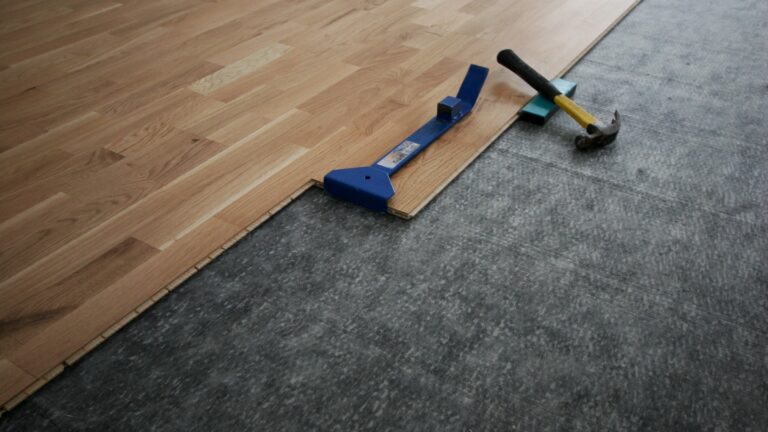
Some floors cannot or should not be saved: a kitchen extension with a failed laminate, a room where the boards have been sanded paper-thin, or a space that needs a new floor to match a renovation. In those cases we offer wooden floor supply and installation, either fitted by us or supplied for your builder, with ranges including Junkers and Bona.

A good opening move is to email info@ryansrestoration.co.uk with two snaps, one wide shot taken from the hall door and one close-up of the scruffiest boards or blocks. From those we can normally give a first opinion. When a visit makes sense, there is no charge for it; in about thirty minutes we meter the timber for moisture, gauge how much wood is left, check the airbricks and look over earlier patches. A written, itemised quotation follows. Or phone the office on 01823 674562 on a weekday, or send details through the enquiry form. Neighbouring floor sanding in Greenwich has its own page.

Parquet Flooring Restoration

Common Questions About Floors in Dulwich

In most cases, yes. Woodblock floors in Edwardian and inter-war houses were usually solid oak or another hardwood, laid thick enough to be sanded several times. The main checks are whether the blocks are still bonded, whether any are missing, and how much wear layer remains. Loose blocks can be relaid in fresh adhesive and gaps filled with matching timber.

It can be done, but pine needs care because its soft and hard growth rings absorb colour unevenly. Pre-conditioning, diluted coats or tinted water-based systems help. We always lay test patches on your sanded boards and seal them with the intended finish so you can judge the result in your own room before committing.

They can be brought much closer together, though different timbers never become identical. Oak is denser and more even; pine is softer and warmer. A carefully chosen stain on one, or a finish that warms or cools the tone, can make the transition look deliberate. Sample patches on both floors are the best way to decide.

The bitumen adhesive used under most older woodblock floors is not something to sand. Where blocks have come loose, the old adhesive is scraped back from the base and from the block edges before rebonding. On the surface of the blocks themselves, any residue is removed during sanding with coarse abrasive, but excess on the base is handled by scraping.

Our machines run with sealed extraction systems that collect the vast majority of the dust at the point of sanding, so the house stays far cleaner than many people expect. It is not entirely dust-free, as no sanding process is, but the difference from older open-bag machines is substantial and most families find the clean-up minor.

Yes, that is how most commercial jobs are run. We arrive after the last table is cleared, sand and seal with quick-hardening coatings, and leave the room ready for the breakfast trade. Larger rooms can be done in sections across consecutive nights if the business cannot close fully.

We are a family business working from near Wellington in Somerset, so Dulwich is outside our regular local area. We do come to London for larger domestic projects, such as several rooms, whole floors or parquet restorations, and for commercial jobs. Sending photographs first is the best way to find out whether your project fits.

Expect somewhere from a day to three for most houses. A single pine through-room is at the quick end; a loose herringbone dining room plus hall, stairs and stain samples pushes towards the long end. Staining and stairs add time. A clear schedule is set out in the written quotation after the survey.