45 years’ experience  ·  Rated 4.9 on Google  ·  Family-run, from our workshop near Wellington

45 years’ experience · Rated 4.9 on Google · Family-run

Floor Sanding and Wood Floor Restoration in Sevenoaks

Whole-house floor sanding, oak and parquet restoration, stair sanding and commercial refinishing in Sevenoaks, from a family-run team that travels up from Somerset.

QUICK QUOTATION

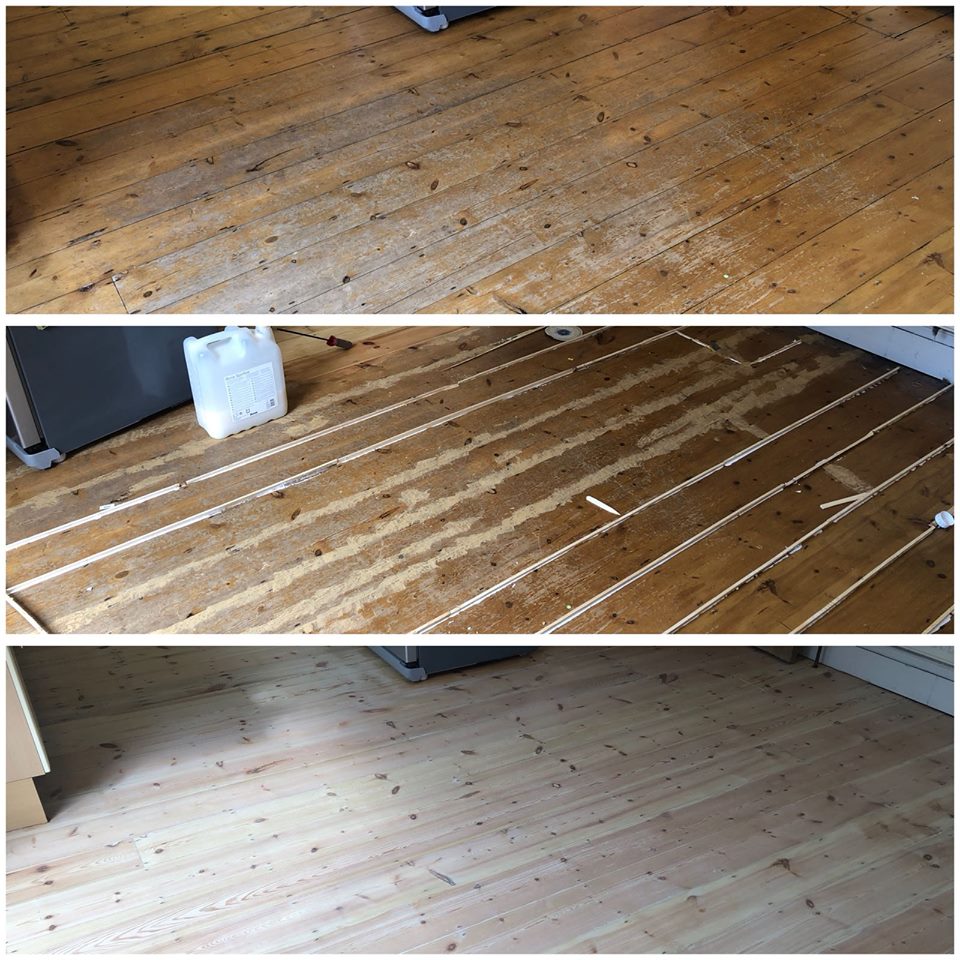
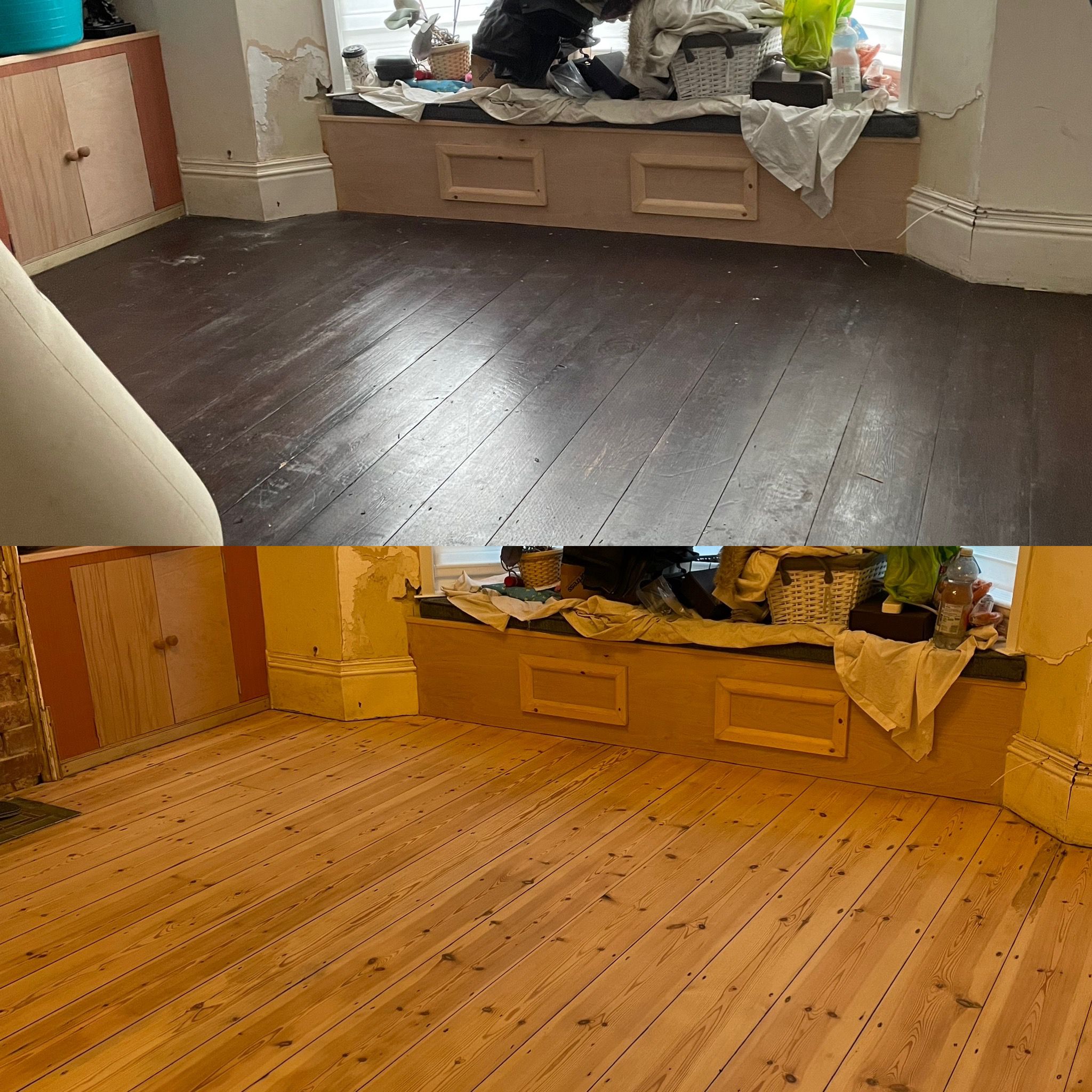
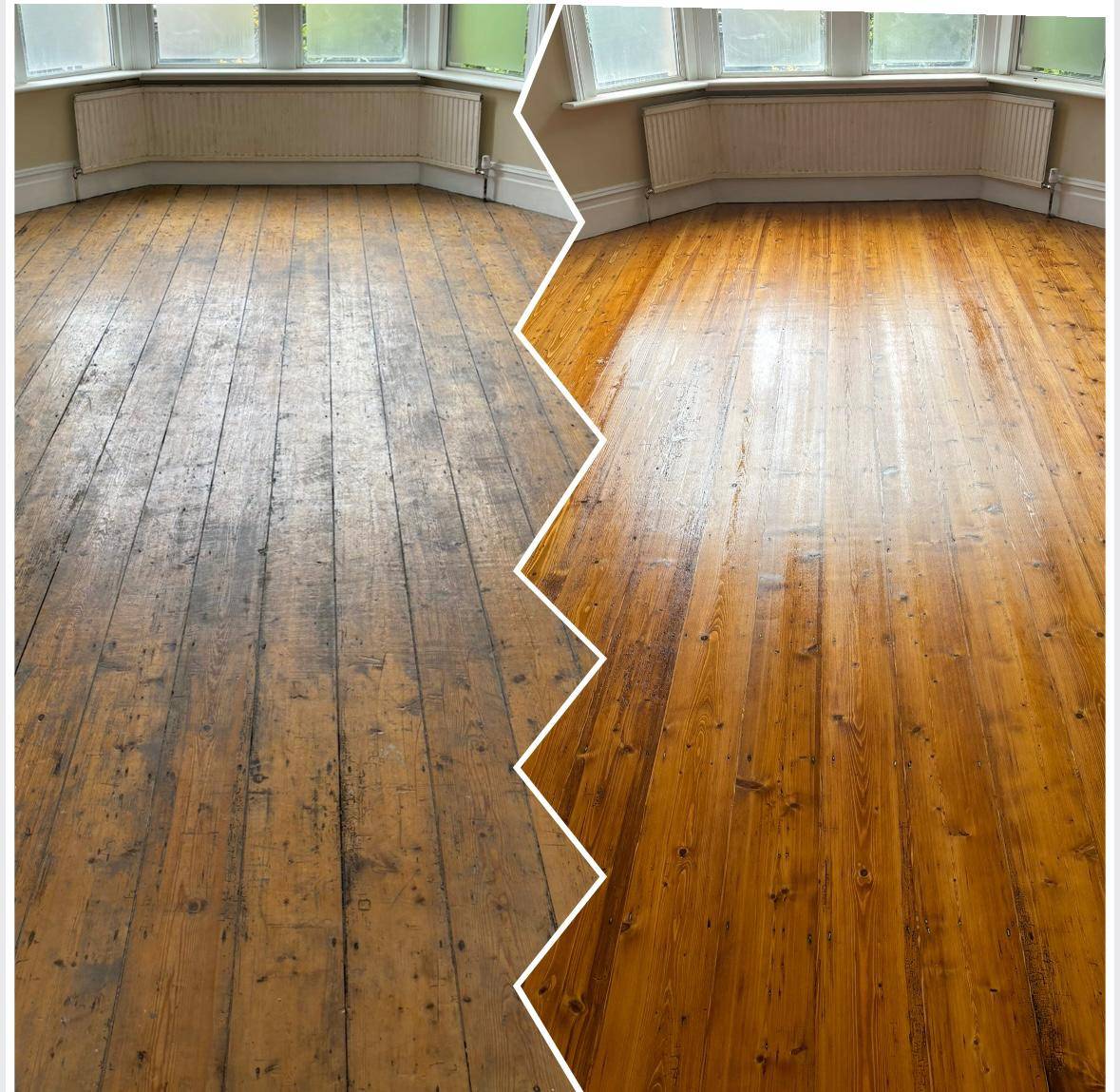
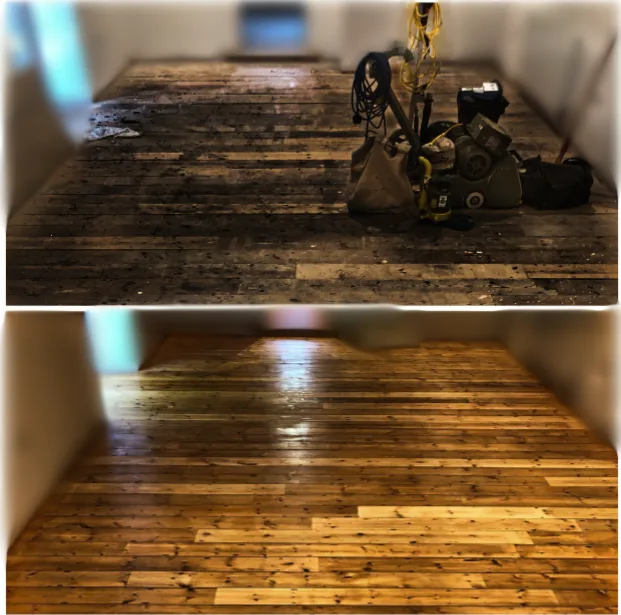
Floor sanding before and after

Floor Sanding in Sevenoaks for Whole Floors, Not Just One Room

Most of the Sevenoaks enquiries that suit us involve more than a single room. A hallway that runs into a sitting room, a dining room knocked through to the kitchen, or an entire ground floor of oak boards that has gone grey and patchy after years of family life. Floor sanding in Sevenoaks on that scale needs planning, because the rooms connect, the finish has to match from one end of the house to the other, and the household still has to live somewhere while the work goes on.

We should be clear about where we come from. Ryan’s Restoration is a family firm whose workshop sits at Higher Poole, just outside Wellington in Somerset. We are not a Kent firm and do not pretend to be one. Sevenoaks is a trip we make for substantial house projects and for business premises, where the size of the job makes the journey sensible and we can stay with it until it is finished. If you have one small bedroom to refresh, a local sander may suit you better, and we will say so.

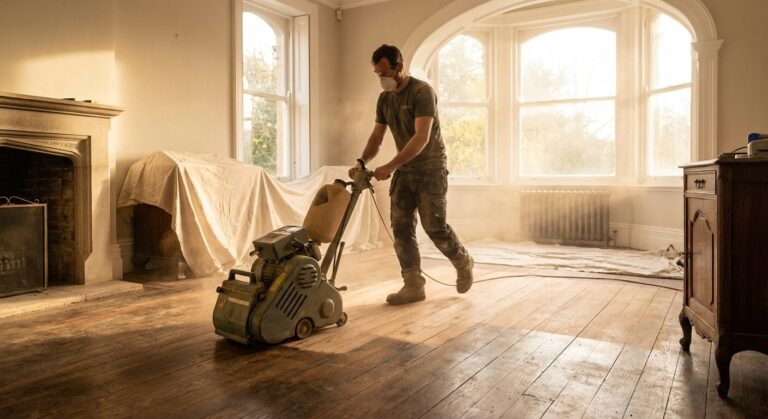
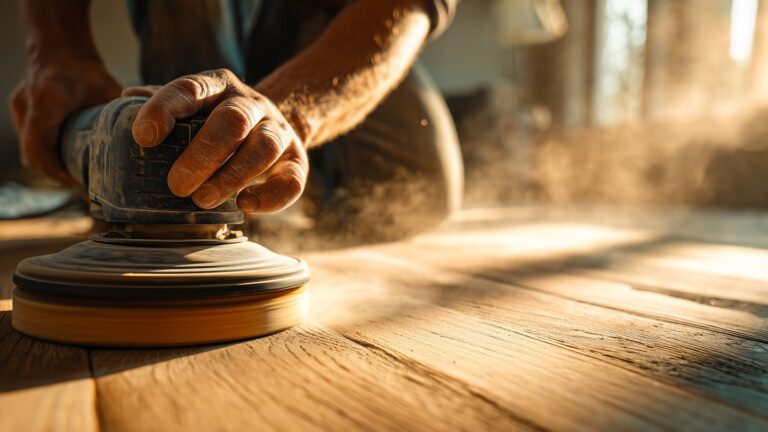
On a multi-room job we work in a sequence that keeps a route through the house open. The rooms furthest from the front door are sanded and sealed first and the hallway comes last, so nobody has to cross wet lacquer to reach the kitchen. All our sanders are connected to sealed extraction units, the set-up behind our dust-free floor sanding. No extraction system is perfect, yet the great majority of the dust goes into the bag rather than settling on shelves and window sills. The sanding follows a set grit sequence from coarse to fine, with edges and corners done by a separate edging machine and finished by hand. Our wood floor sanding page explains each stage in more depth.
Wood Floor Restoration in Sevenoaks: Oak, Engineered Boards and Period Pine

The floors we expect to meet across Sevenoaks fall into three broad groups. Victorian villas and Edwardian houses often hide pine or deal boards under later carpet, sometimes with a dark stained border around the edge of the room where a rug or square of carpet once sat. Larger detached and semi-detached family houses tend to have solid oak strip or wider oak boards. Newer developments are more likely to have engineered oak, where a hardwood top layer is bonded to a plywood or softwood core.

Each group needs a different approach, which is why wood floor restoration begins with a measurement rather than a machine. Solid oak usually has plenty of timber above the tongue, and oak floor restoration can take out deep scratches, grey traffic lanes and old orange varnish in a single programme. Engineered boards are another matter. Some have a generous hardwood layer and will take a full sand; others have very little and can only be lightly abraded and recoated. Where we can, we look at a board edge at a threshold or under a vent cover, so the decision rests on the actual thickness instead of a guess.

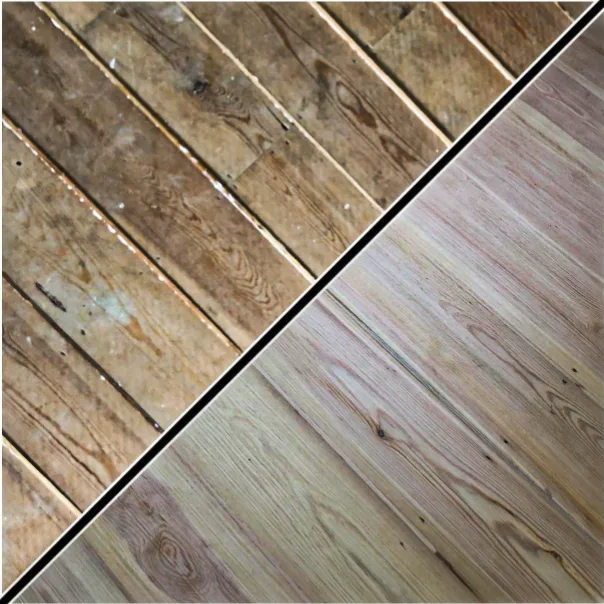
Old pine is softer and moves more with the seasons. Pine floor restoration usually means securing loose boards, punching down nail heads that would tear a sanding belt, and dealing with the gaps between boards before the final pass. The aim is a floor that looks its age in a good way, with grain and knots showing clearly, rather than one sanded so hard that the character has gone. The wider process is set out on our wood floor restoration page.

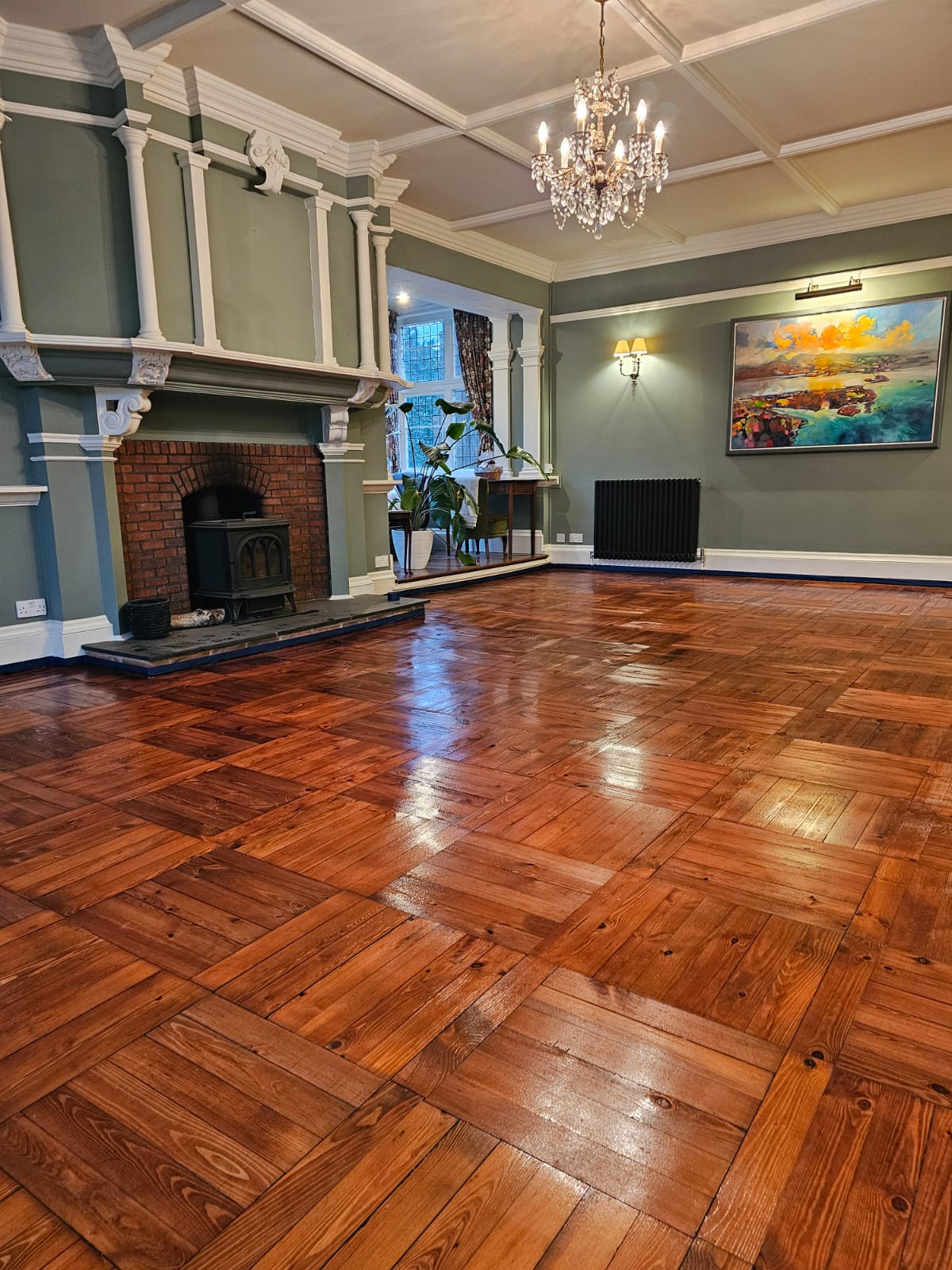
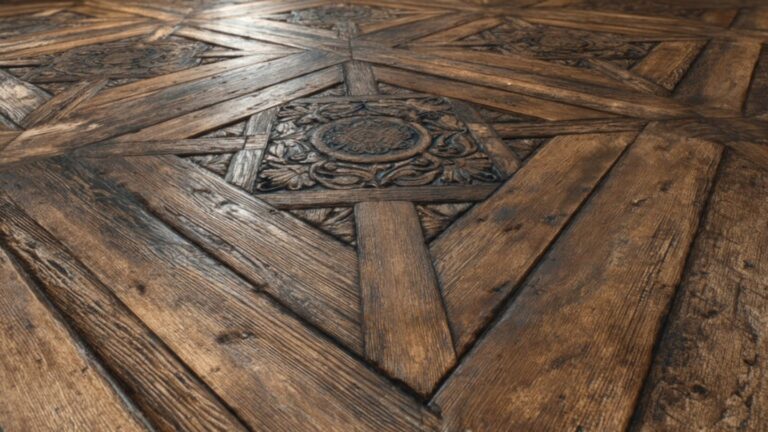
parquet wooden floor sanding
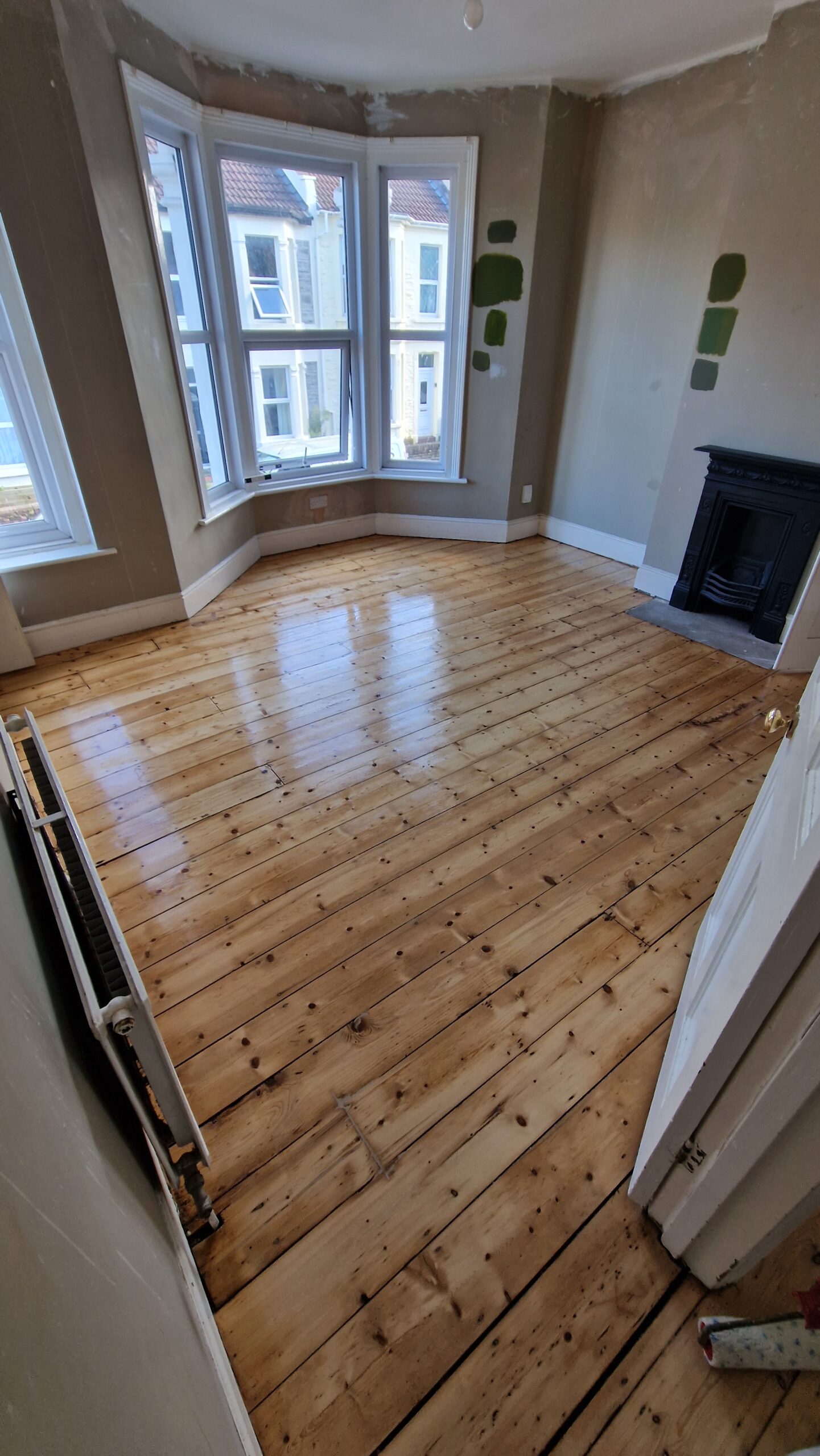
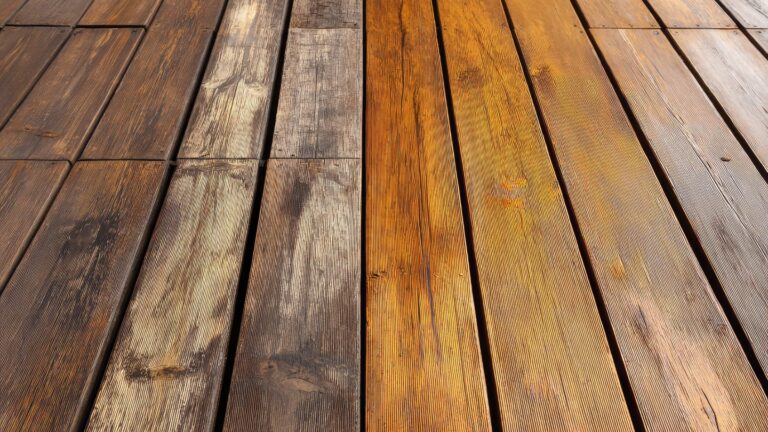
wooden floor sanding

Staircases, Landings and Parquet Hallways

A staircase is often what ties a whole-house project together. If the hall and landing are sanded and the stairs are left with tired varnish or a painted strip from an old runner, the difference shows straight away. Stair sanding is slower than open floor work because most of it is done with detail sanders, scrapers and by hand: treads, risers, nosings, strings and, if you want them included, handrails and spindles. Carpet gripper holes and tack holes along each tread are filled before finishing, and old paint lines are taken back to bare timber.

We talk through the stairs at the survey because they affect the order of work. Lacquer on treads needs time to harden before heavy use, so the timing has to fit around how everyone gets to the bedrooms.

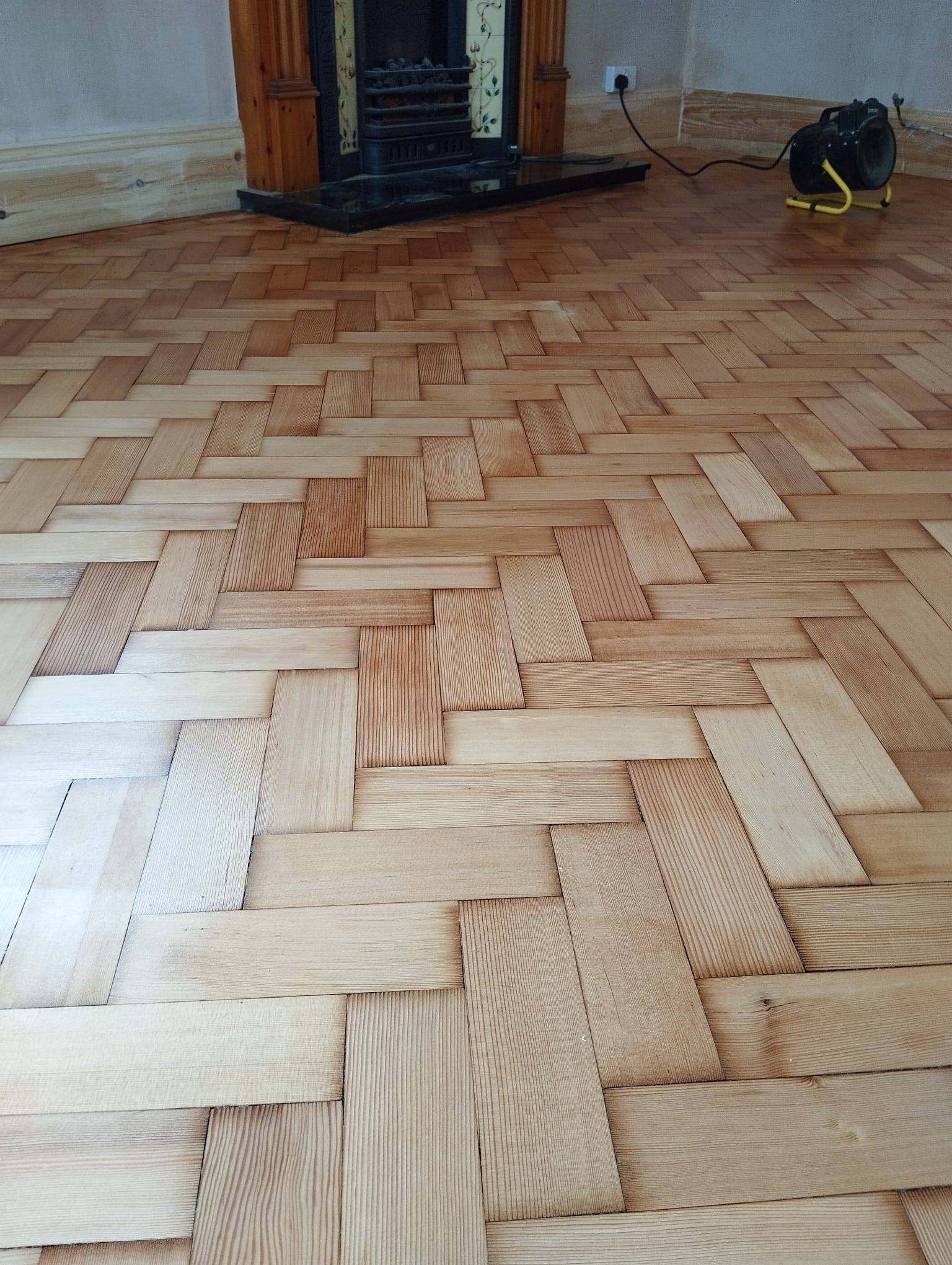
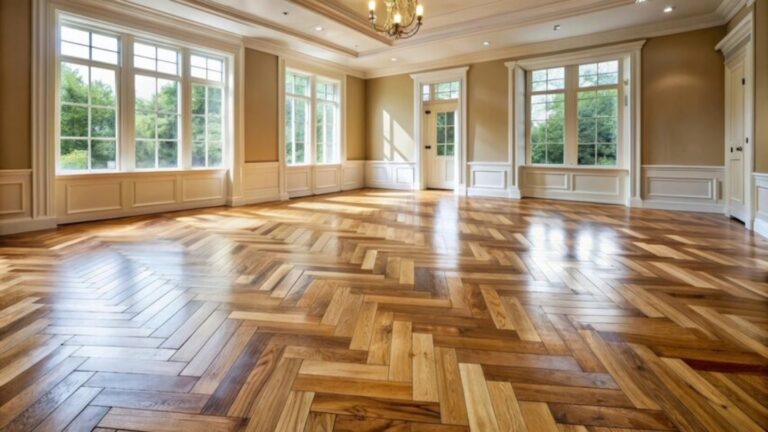
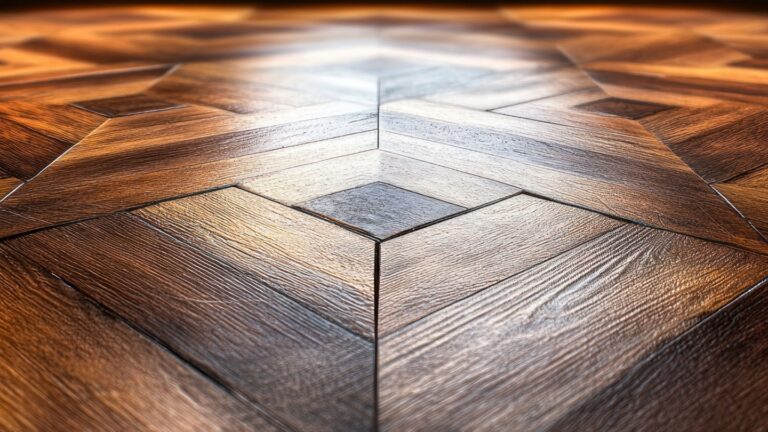
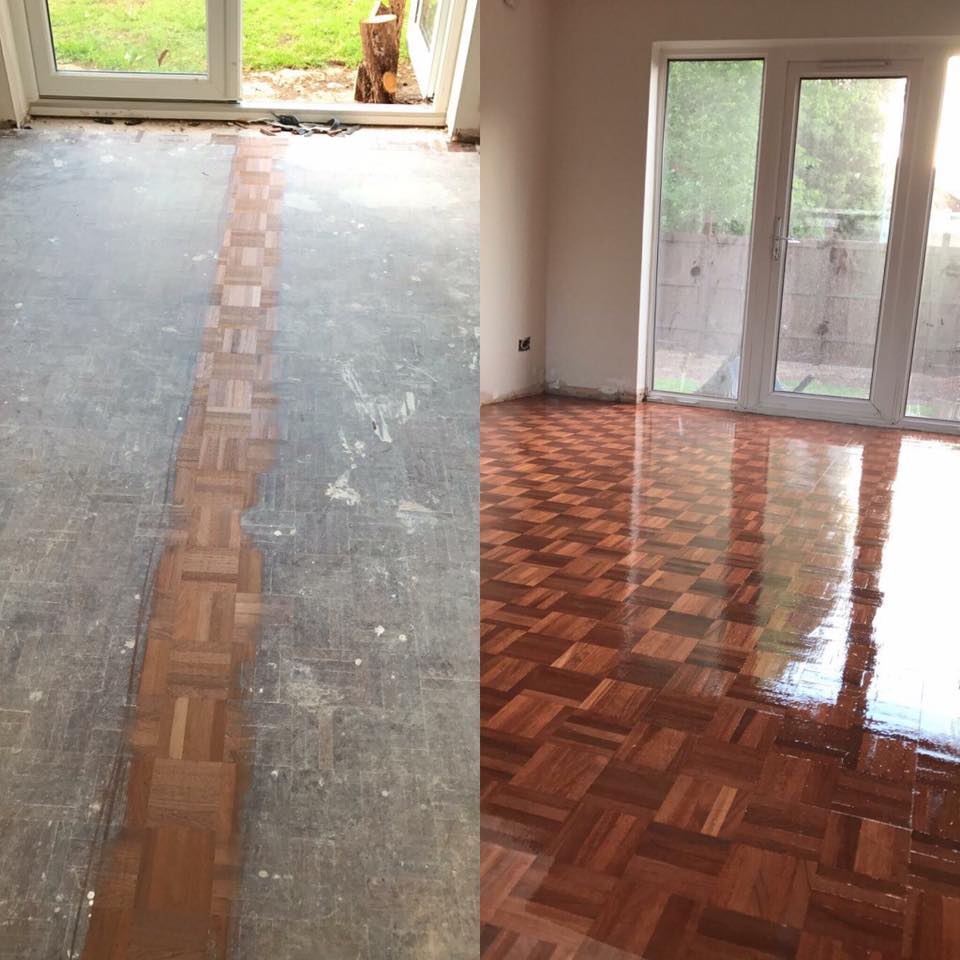
Where a house has parquet in the hallway or a reception room, we treat it as its own stage within the project. Woodblock and herringbone floors are sanded at an angle to the pattern, so the machine crosses every block diagonally instead of running with the grain on half of them and against it on the rest. Loose blocks are lifted, cleaned of old bitumen adhesive and refixed. Missing ones are replaced from our reclaimed stock, chosen to match the originals in timber, size and depth so the repair is hard to pick out after finishing. Parquet floor sanding covers this in more detail, including how we handle blocks that have been sanded too often in the past.

Commercial Floor Sanding in Sevenoaks

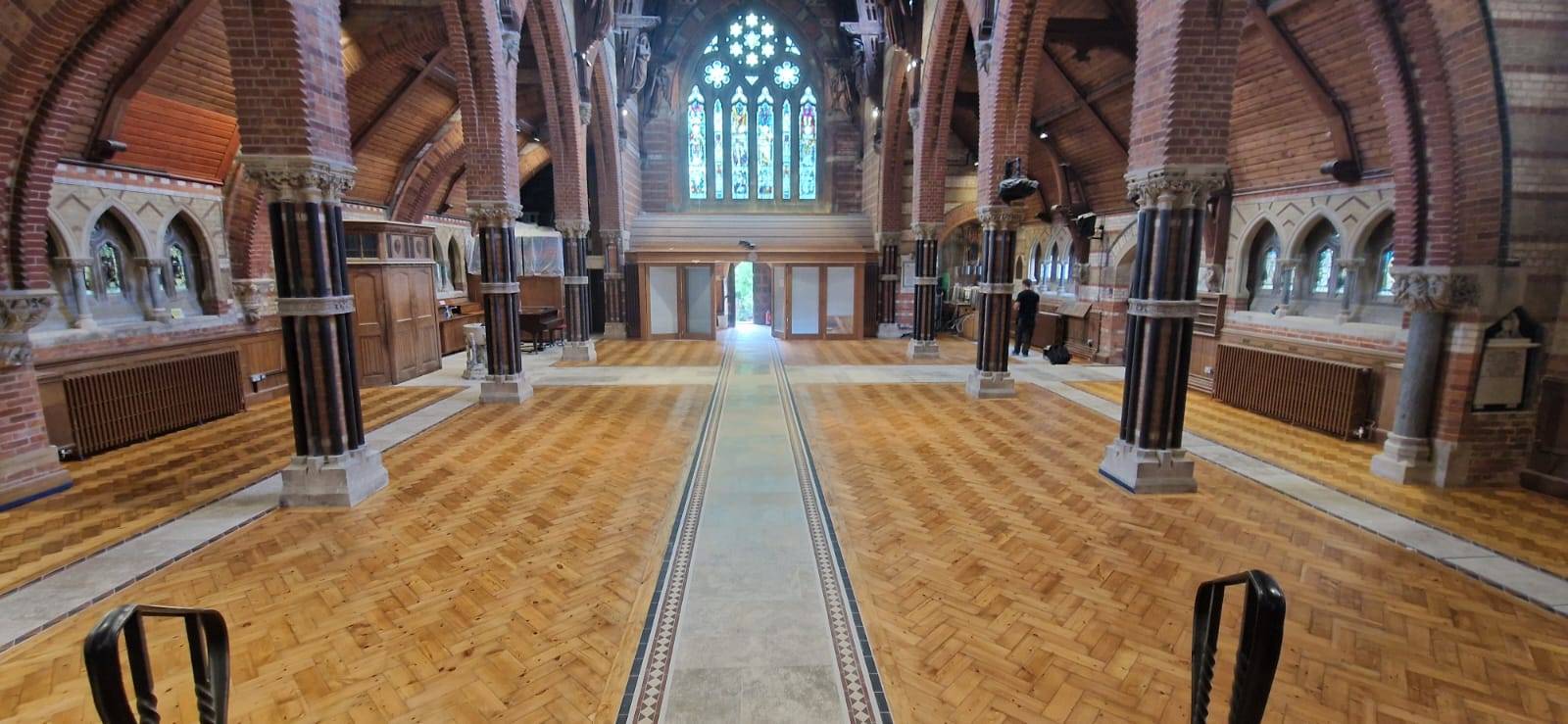
For us, commercial floor sanding in Sevenoaks justifies the travelling more than anything else, because business premises tend to have larger floor areas and a fixed window in which the work has to happen. Restaurants, cafes, pubs, offices, shops, church halls and school buildings share the same difficulty: the floor can only be out of action while the doors are shut. We plan around that by working through the night, on the days you are closed or during the school holidays, and we hold dates in advance so you can tell staff and customers exactly when you will reopen. Our commercial floor sanding page describes how a job is organised.

Finishes for business floors are chosen for footfall and cleaning as much as for appearance. Fast-curing lacquers let a dining room or shop open again far sooner than a traditional oil would. A restaurant floor has to cope with daily mopping and constant chair movement. A shop floor can often be done in sections behind barriers so part of the unit keeps trading. Hotel corridors and bedrooms can be taken out of use a few at a time, which is how hotel floor sanding is normally phased.

Schools and halls usually book into the long summer break. School floor sanding takes in classrooms, corridors and main halls, and where a hall is used for sport the court lines are repainted afterwards by our own team to the relevant governing body specification. If your facilities manager or insurer needs a method statement, a copy of our insurance certificate or references, ask and we will send them. Commercial floors work far harder than domestic ones, so expect a business floor to need sanding back to bare timber after four or five years of trading, compared with eight to ten in a typical house.

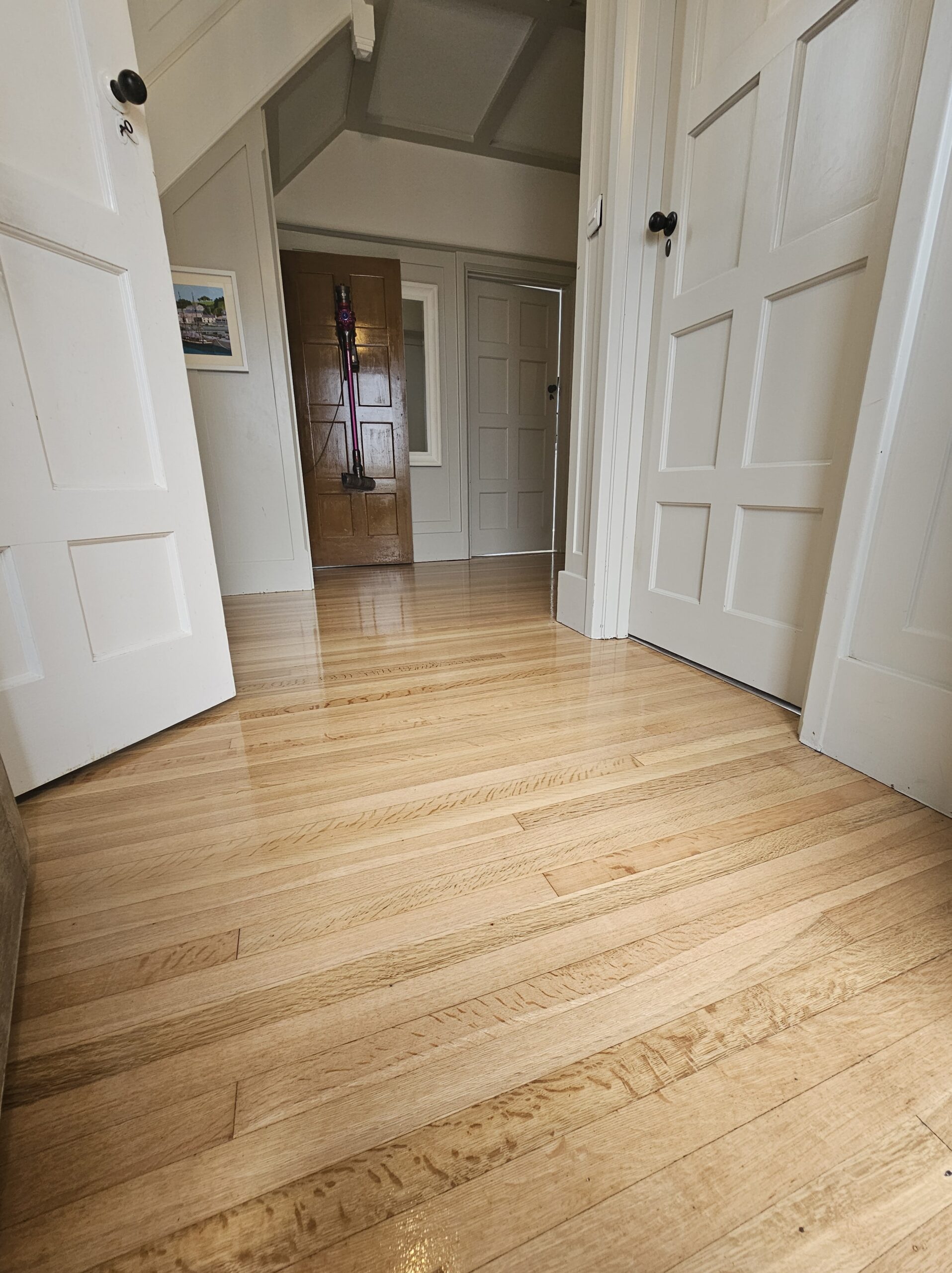
flooring sanding company
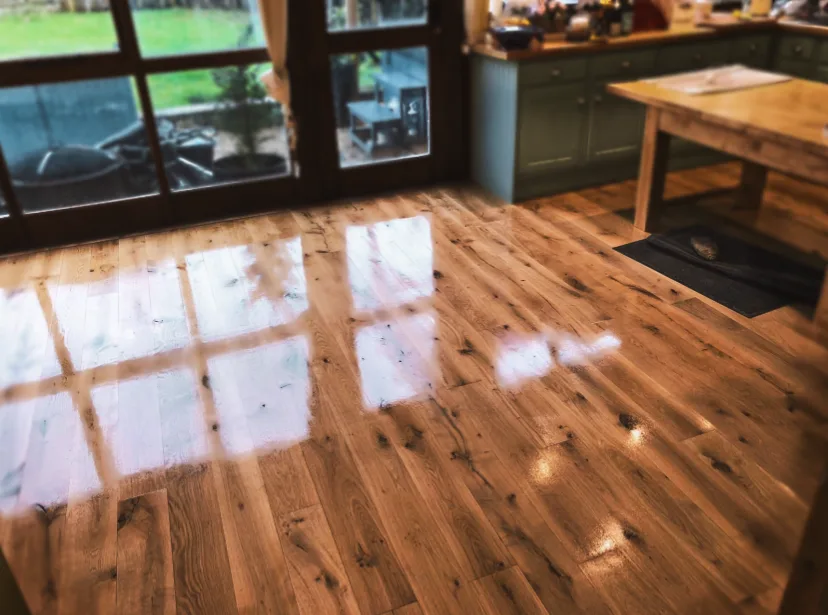
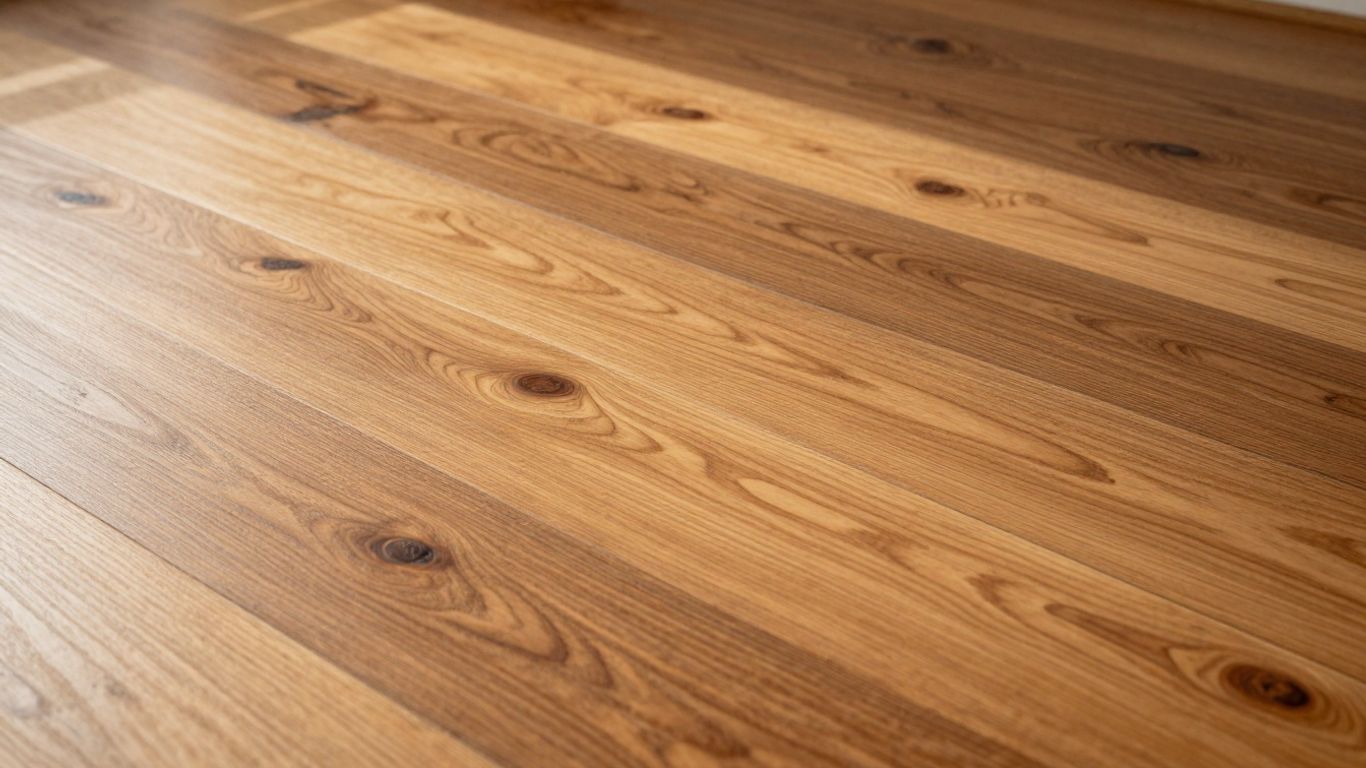
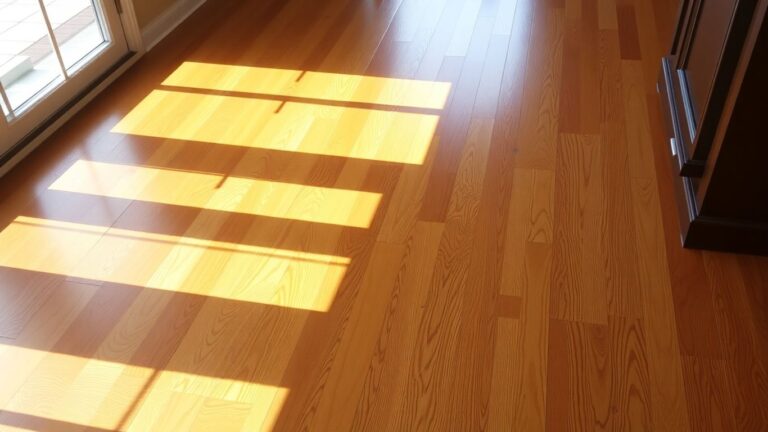
Sunlight across freshly lacquered wooden floorboards

Choosing a Finish for a Busy Family Home

Picking a finish is partly about looks and partly about how the surface copes on a wet Monday morning. Most family homes with children, dogs and an open kitchen-diner end up with lacquer, because it cures into a tough protective layer over the wood that shrugs off spilt drinks and only needs a damp mop. Lacquer comes in two broad families, water-based and oil-based, and either can be matt, satin or gloss. Water-based products keep oak close to its natural colour; oil-based ones warm the tone and deepen the grain. Our wood floor sealing page sets the two side by side.

Oil suits people who prefer a softer, more natural look and do not mind a little upkeep. Natural oil and hard wax oil penetrate the wood instead of forming a layer over it, so a scratch in a hallway can be spot-repaired on its own and the rest of the floor left alone. Wood floor oiling works especially well on wide oak boards, where the texture of the grain is part of the appeal.

Traditional wax still has a place in period rooms, although it needs regular attention and is a poor choice for a kitchen; wood floor waxing is explained separately for anyone restoring a room in the old way. If you want a different colour, we test wood floor staining samples on your own boards, because the same stain can look quite different on oak, on pine and on older reclaimed timber. And if a floor only needs its sheen brought back rather than a full sand, wood floor polishing may be all it takes.

Repairs to Do Before the Sanding Starts

Sanding a damaged floor without repairing it first just gives you a shiny damaged floor. Most repair work happens on day one, before the first coarse pass. Split or rotten boards are cut out and replaced, and floorboard replacement uses timber from our reclaimed stock wherever possible, matched for species, width and thickness so the new piece sits at the same height and takes the finish in the same way as the boards around it.

Creaks are usually a loose board rubbing on a nail or against its neighbour as you walk across it. Squeaky floor repair means finding where the movement is and refixing the board to the joist with screws countersunk well below the surface, so the sander cannot catch them. In an older house we check for pipe and cable runs before drilling.

Gaps are the other common complaint, particularly in pine floors where boards have shrunk after decades of central heating. Narrow gaps can be filled with resin mixed with sawdust from the floor itself, so the filler blends in closely. Wider ones are better closed with fine strips of matching wood, glued into each gap and then cut back level with the boards. Our gap filling page explains which method suits which floor. Scratches and dents from furniture, pets or heels are a separate matter: shallow marks come out in the normal sanding, while deeper gouges may need a localised repair, as described under wood floor scratch repair. Anything more serious, such as water staining, a scorched patch or a board badly cut for cabling, comes under general wooden floor repairs.

Wood floor sanding company
Floor sanding taunton

Aftercare, New Floors and Arranging a Survey in Sevenoaks

After the final coat, you can normally walk on the floor in socks after 24 hours and start carrying furniture back in two or three days, the exact wait set by the product used. Felt pads under chair and table legs and a good doormat at each outside door will do more to protect the floor than anything else. In most homes a full resand should not be needed for eight to ten years. Before that, a screen and recoat, which is a light abrasion followed by a fresh coat of lacquer, revives a dull or lightly scuffed surface without taking any real timber off.

If the existing floor is beyond saving, or you want wood in a room that has never had it, we also carry out wooden floor installation. We can provide the boards and lay them ourselves, or deliver them for your own builder to fit, working with makers including Junkers and Bona.

To start, take two pictures on your phone, a wide shot that takes in the full room and a close shot of the most worn patch, and send them over. From those we can usually say if sanding is realistic and give a rough idea of the work involved. The next step is a free survey at the house, taking around thirty minutes, in which we measure how much timber is left, take moisture readings, check subfloor ventilation and look for damp or old repairs. A written quotation follows, broken down item by item, and we hold to it for as long as the job stays as described. The quote form on this page reaches us directly, or you can get in touch with the Wellington office between 8am and 6pm on weekdays; Saturday appointments can be arranged. Our floor sanding in Kent page explains how we approach work across the county, and the Tunbridge Wells floor sanding page covers the period houses a little further south.

Sevenoaks Floor Sanding Questions

Yes, and that is the kind of Sevenoaks project we are best placed to take on. We plan the order so there is always a way through the house, usually finishing the rooms furthest from the front door first and the hallway last. A typical domestic job takes one to three days; a full ground floor with stairs can run longer, and you get the sequence in writing before we start.

Often, but it depends on the depth of the hardwood layer. Some engineered boards will take a full sand and come up like new solid oak. Others have so little wear layer that the only safe option is a light abrasion and a fresh coat. We check the thickness at the survey, ideally by looking at a board edge at a threshold or vent, before recommending anything.

Usually not. Because the machines run with sealed extraction, most families carry on living in the house and just avoid whichever rooms we are sanding that day. The main consideration is access to the kitchen, bathroom and bedrooms, so we plan the sequence with you. Pets are better kept away from the work area, and anyone sensitive to the smell of lacquer may prefer to be out on finishing days.

For most busy households we suggest a hard-wearing lacquer in a matt or satin sheen. It forms a tough surface that resists spills and wipes clean, and matt hides minor scuffs well. Hard wax oil is a good alternative if you prefer a more natural look, because small scratches can be repaired locally. We can show samples of both on your own timber.

We travel to Kent for projects where the scale justifies it: several rooms, a whole floor of oak or parquet, or business premises that need careful scheduling. The team, the machines and our reclaimed timber stock all come from our base near Wellington. For one modest room, a sander based nearer to you may well be the better choice, and we will say that plainly.

In most cases, yes. Salvaged timber held at the workshop means the replacement pieces can line up with the originals in species, width and depth, so they sit level. Sanding the whole floor after the repair evens out the surface, and the finish ties old and new together. Very unusual widths or timbers can take longer to find, and we mention that at the survey if it applies.

Treads can be walked on carefully in socks after 24 hours, the same as the floors. Because stairs take concentrated wear on a small area, we advise giving the lacquer its full curing time before refitting a runner or letting heavy traffic back on. We agree the timing with you beforehand so nobody ends up stranded upstairs or down.

Use the quote form here to send a wide photo of the room plus a closer one of the most damaged boards. We come back with initial thoughts, then book a free visit lasting roughly thirty minutes to measure the timber and check moisture and ventilation. An itemised written quotation follows, and it does not move unless the job itself does.