Floor Sanding Kent

Floor Sanding and Wood Floor Restoration Across Kent

QUICK QUOTATION

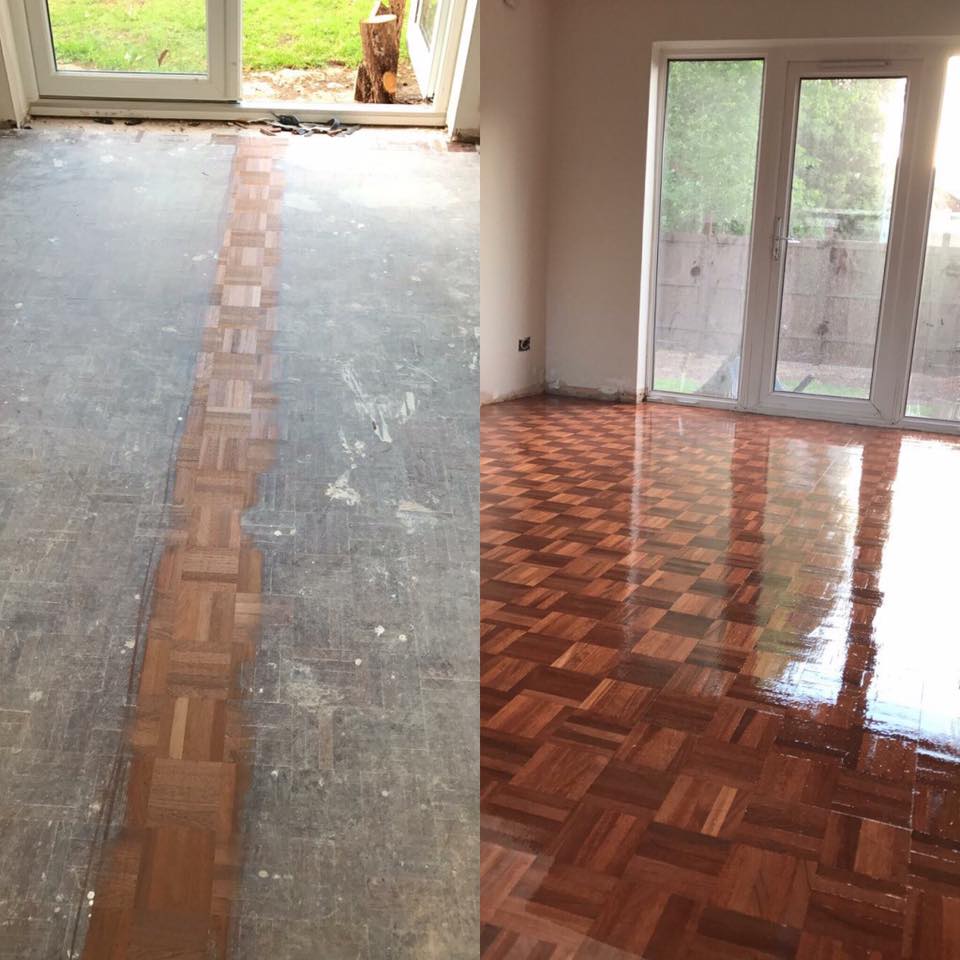
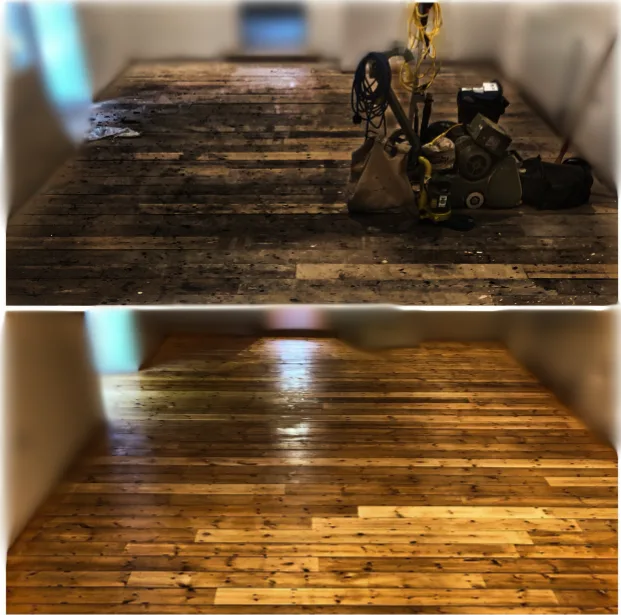
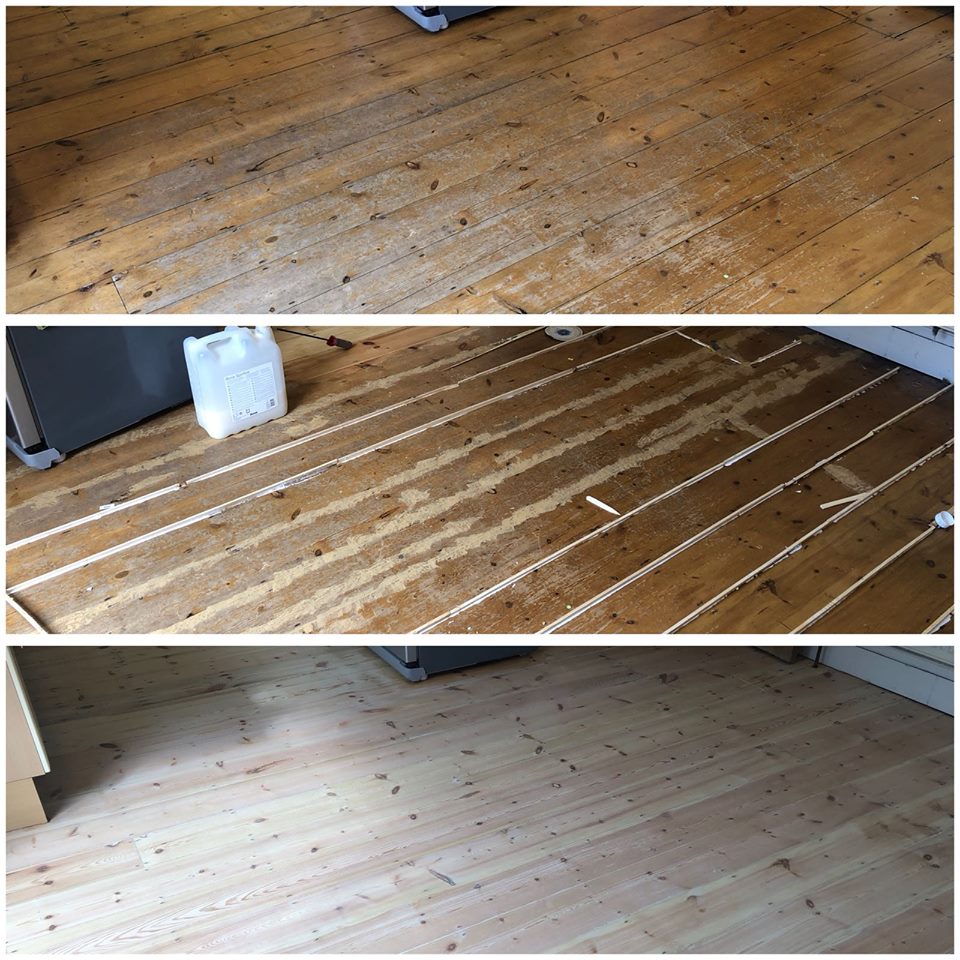
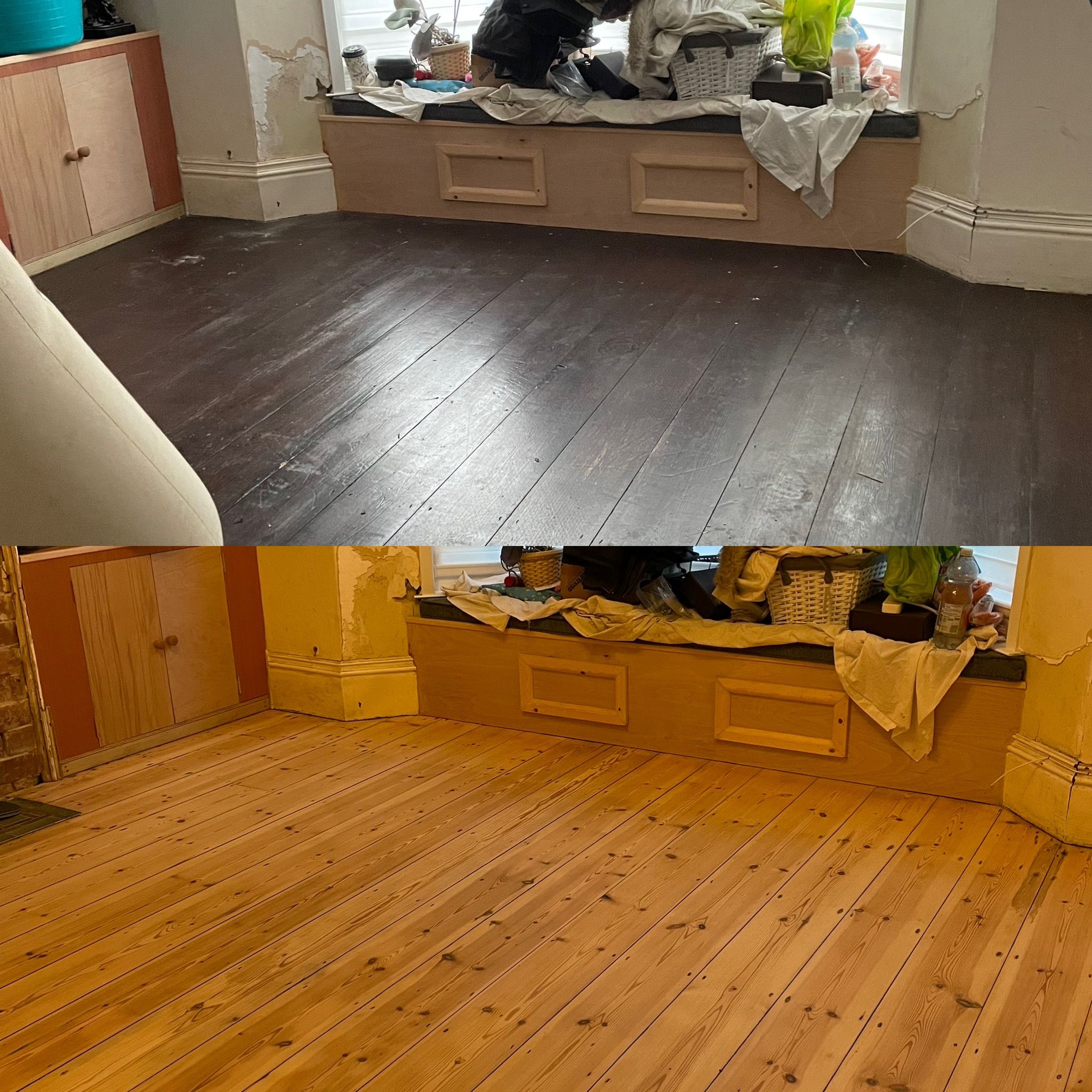
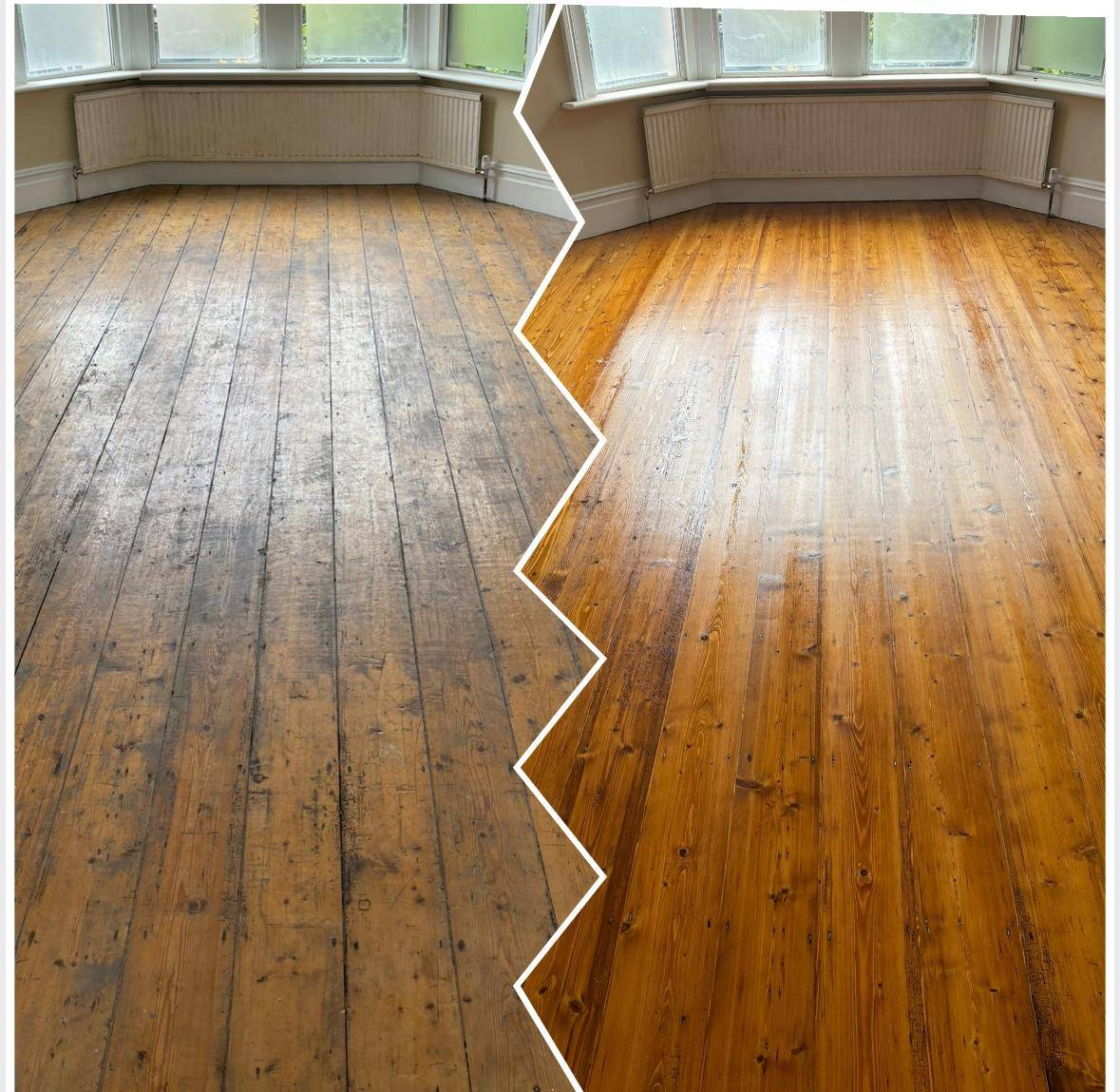
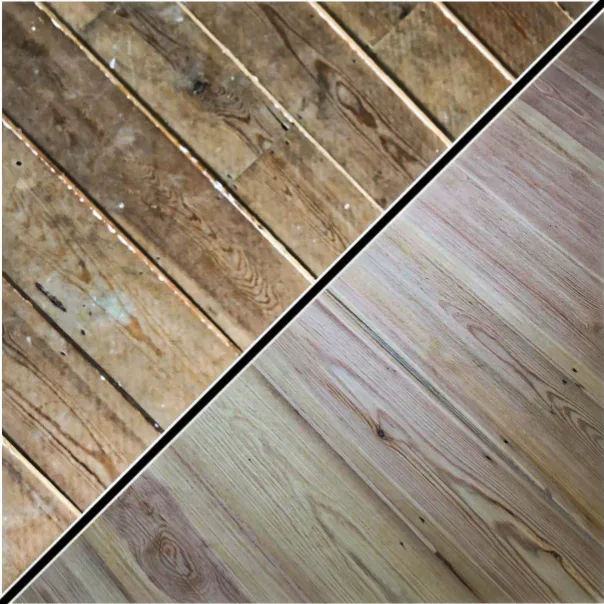
Floor sanding before and after

Covering Kent End to End

Kent packs an unusual variety into one county — medieval Canterbury, Georgian Rochester and Faversham, Wealden farmhouses, Victorian seaside terraces and a great deal of commuter housing along the railway lines.

We work throughout: Maidstone, Canterbury, Ashford, Tunbridge Wells, Sevenoaks, Tonbridge, Dartford, Gravesend, Rochester, Chatham, Faversham, Whitstable, Margate, Broadstairs, Ramsgate, Folkestone, Dover, Deal and Sandwich, plus the Wealden villages.

Because it is a large county we group jobs by area into the same week where we can, which keeps travel out of your price. Worth asking when we are next in your part of Kent.

Oast Houses, Barns and Wealden Farmhouses

Kent has more converted oasts and agricultural buildings than any county, and their floors are among the more interesting things we work on. Wide elm and oak over heavy joists built to carry weight rather than to sit level.

They come with particular quirks. Oast floors are frequently far from flat, because the building was never designed as a dwelling and two centuries of settlement have not helped. There is often historic staining from hop drying, and occasionally scorch marks near where the kilns sat — neither sands out entirely.

We assess flatness with a long straight edge before quoting. Sanding hard to chase a level surface just cuts through the high spots on boards that cannot be replaced, so the honest answer is often to accept some undulation as character and take off only what needs to go.

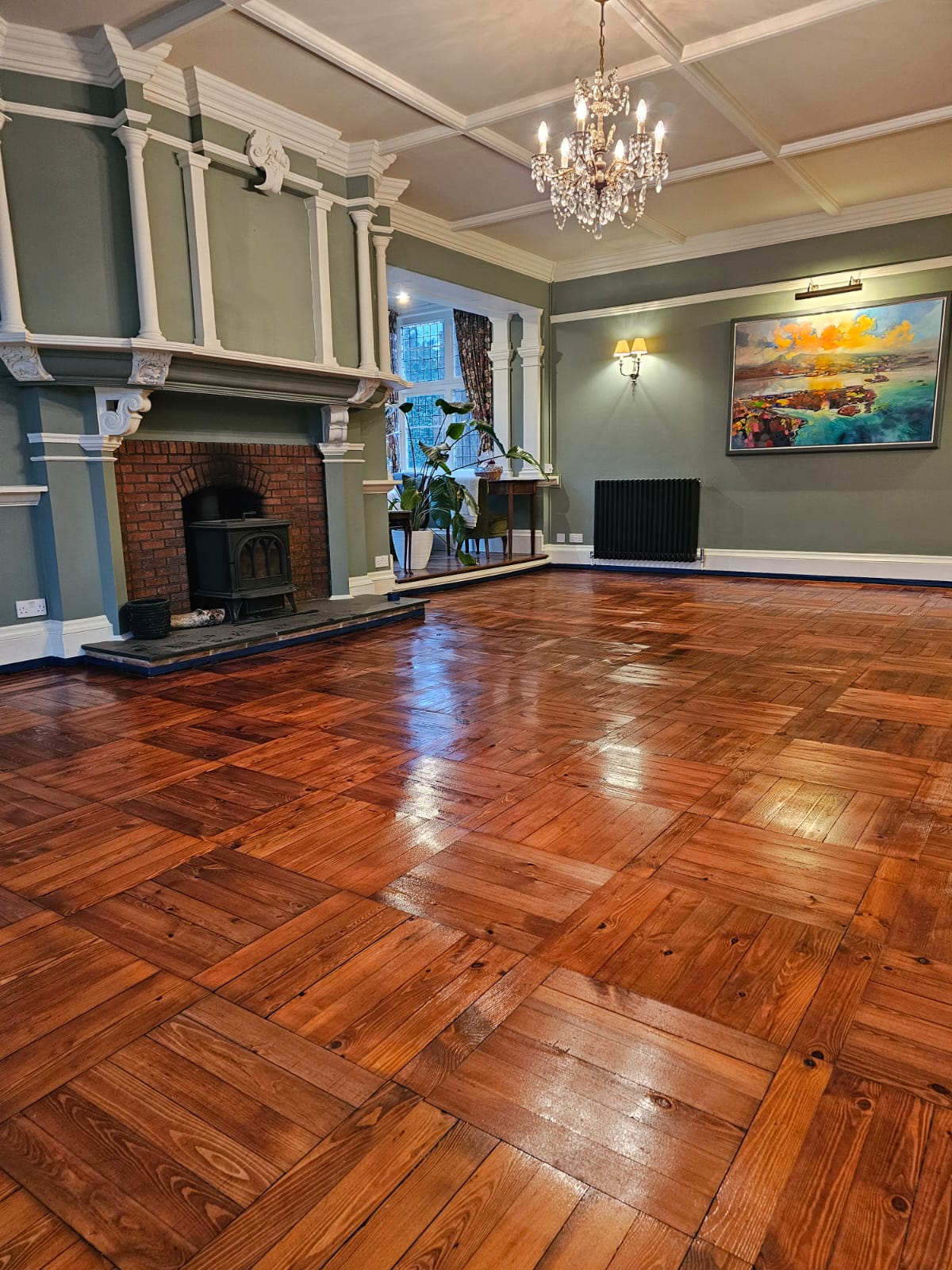
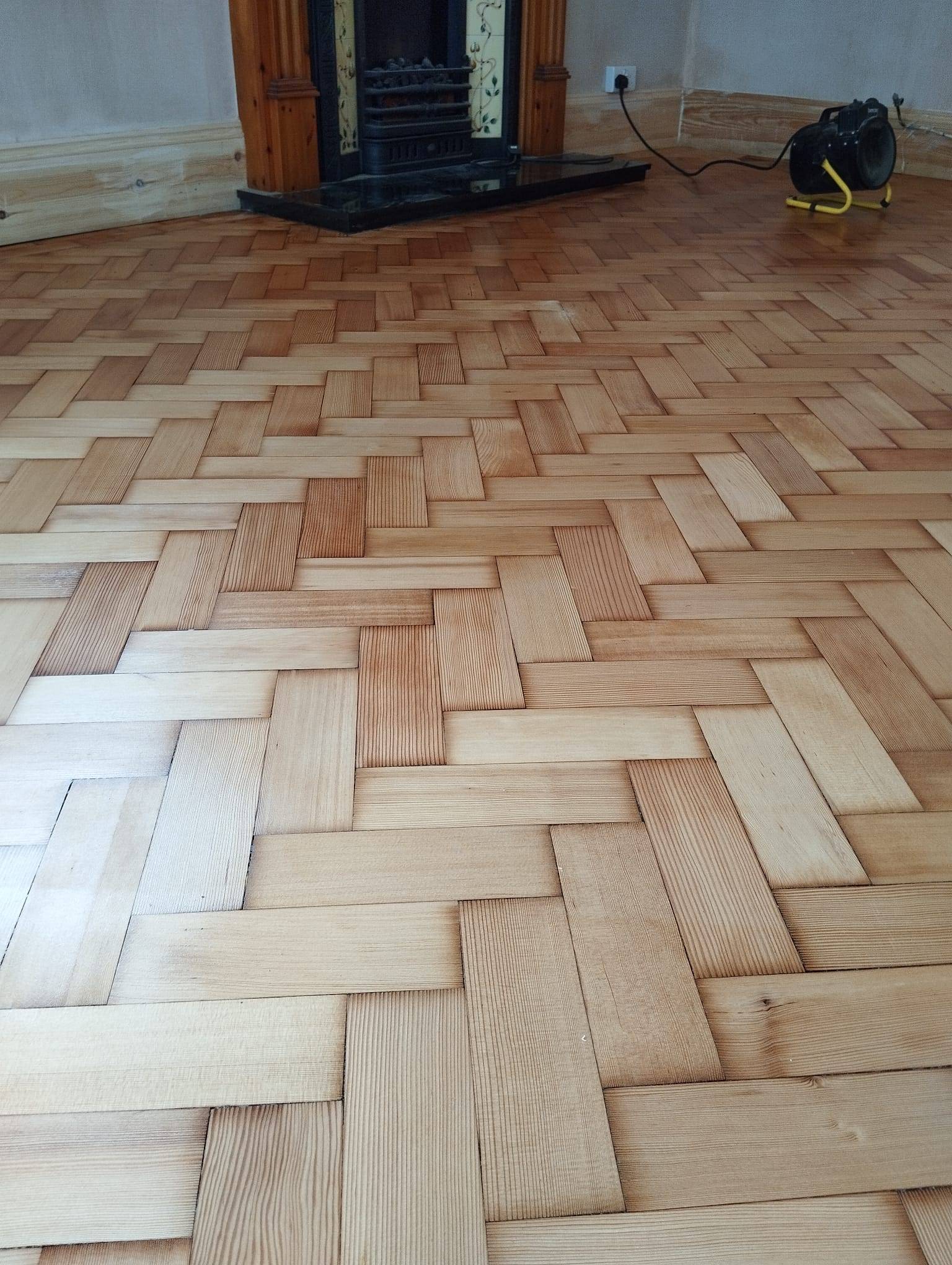
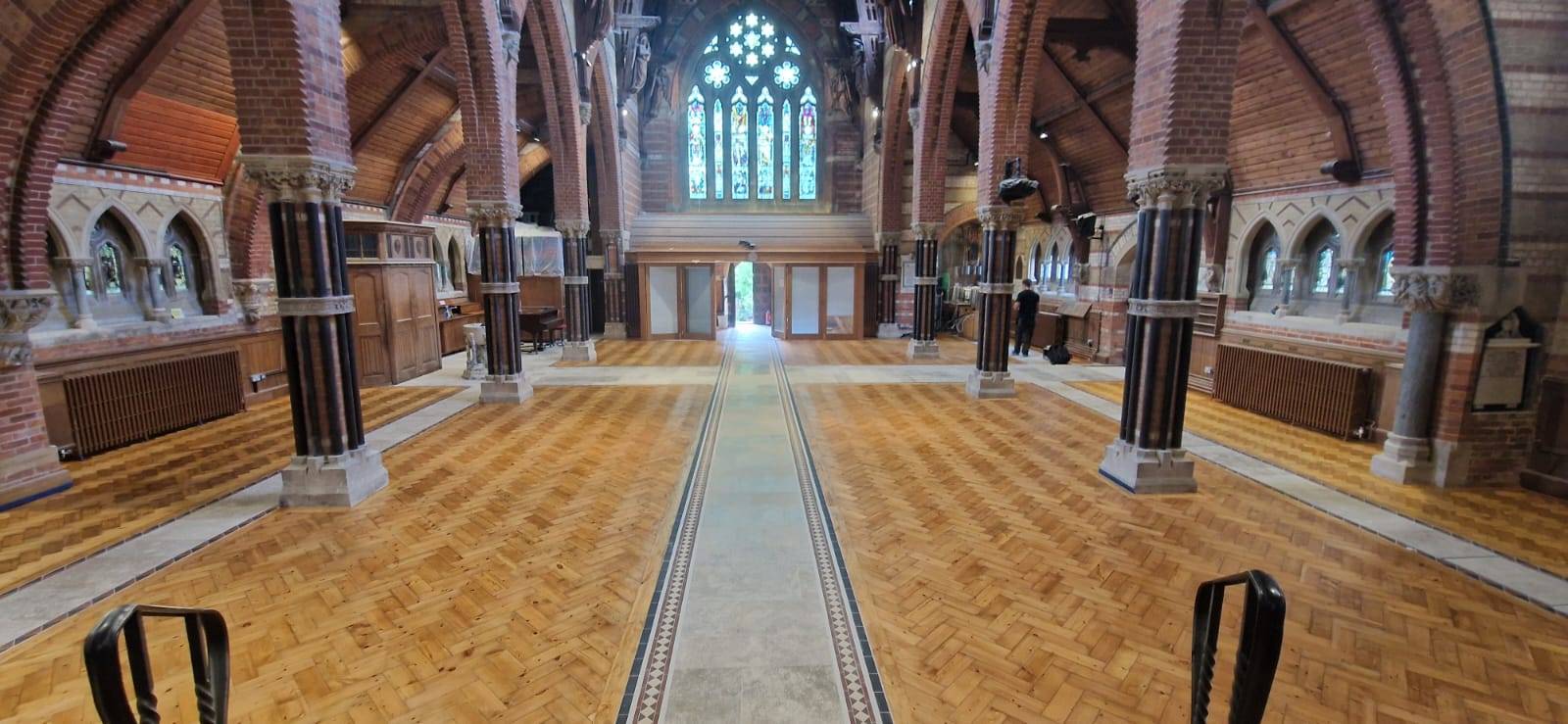
parquet wooden floor sanding
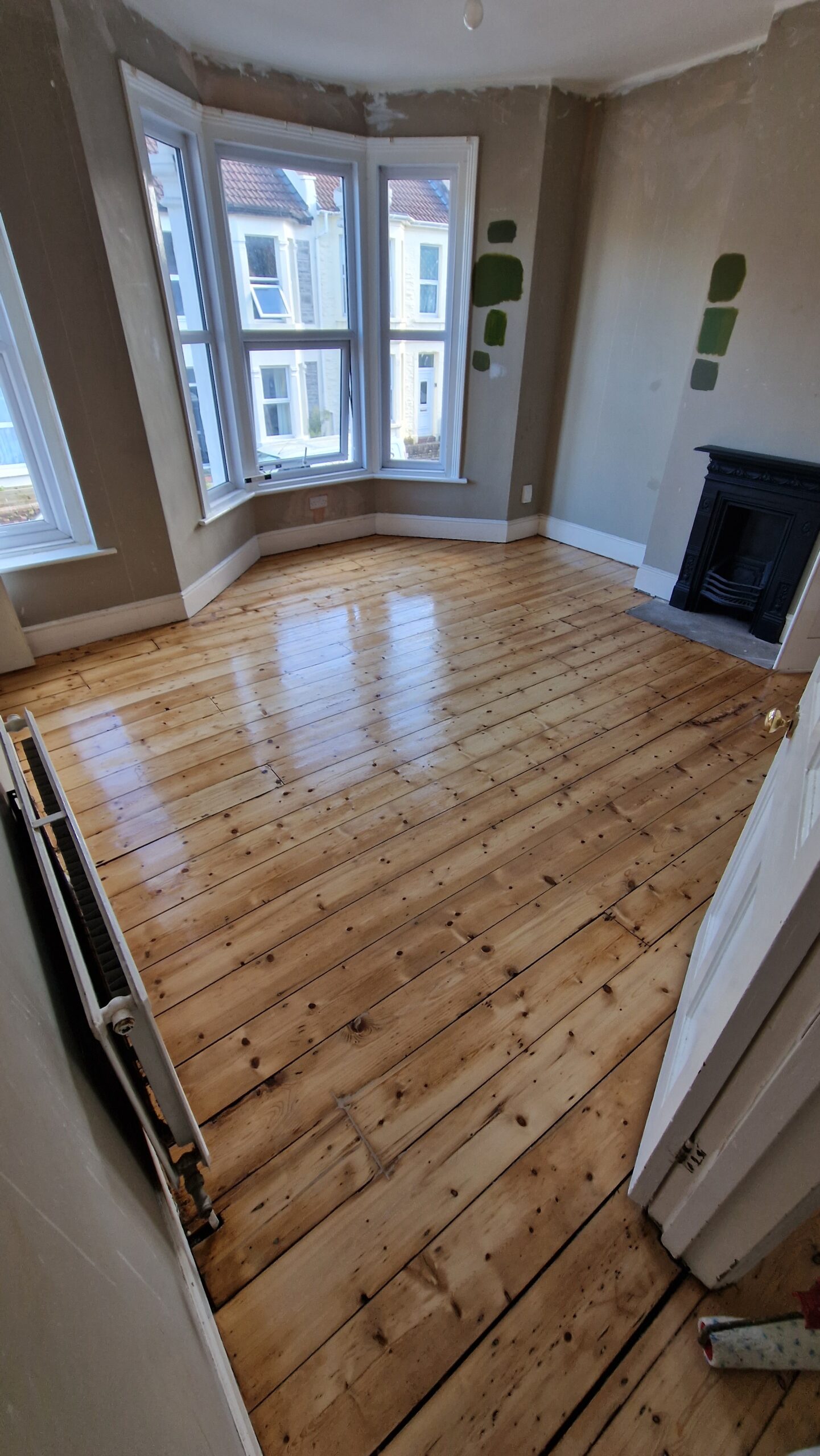
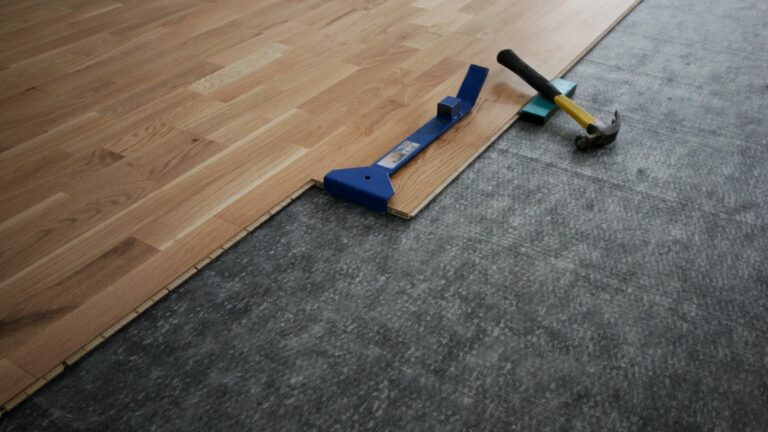
wooden floor sanding

Weald Clay, Ragstone and Seasonal Movement

Much of central and southern Kent sits on Weald clay, which shrinks and swells with the seasons more than almost any ground in England. Over decades that movement works into the buildings above, and in floors it shows up as gaps that open and close noticeably between February and August.

That changes what we recommend for gap filling. Resin mixed with sanding dust is quicker and cheaper, and on a floor that moves this much it cracks out within a couple of winters. Timber slivers cost more and stay put, because each one moves with the board rather than fighting it.

Along the ragstone belt and near the Medway you get the other problem — subfloor damp and cupped boards. We take moisture readings before sanding rather than assuming, because a cupped floor sanded flat while wet is ruined once it dries.

Coastal Kent and Seaside Property

Whitstable, Margate, Broadstairs, Deal and Folkestone bring the coastal version of the same challenges: high humidity, salt carried inland holding moisture against surfaces, and a lot of property let out or standing empty out of season.

An unheated house swings between damp and dry with nothing moderating it, which pushes boards about and cracks rigid finishes at the joints. For coastal Kent we generally recommend a hard wax oil, which flexes with the timber, breathes rather than sealing moisture in, and can be patched locally instead of stripping a whole room.

For holiday lets the constraint is the calendar rather than the technique — water-based lacquers take foot traffic within a day, so tell us your changeover windows and we will phase around them.

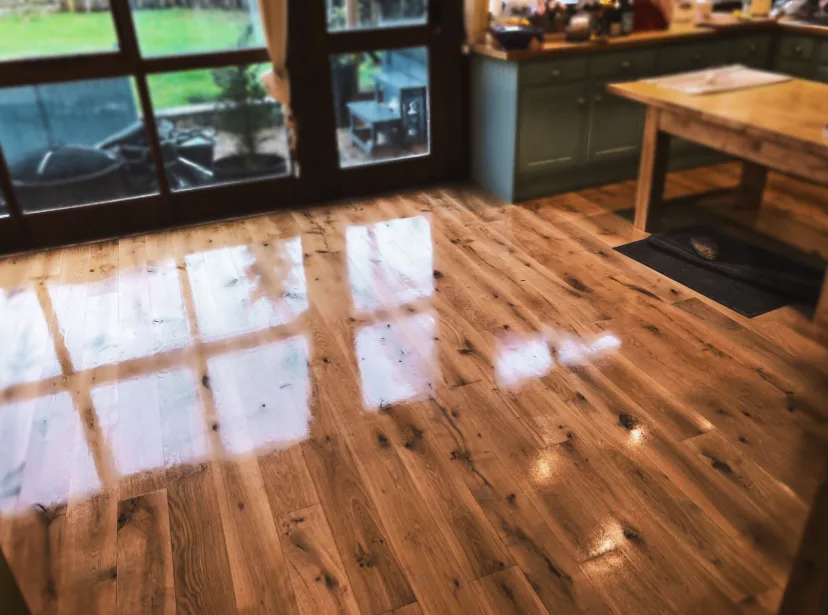
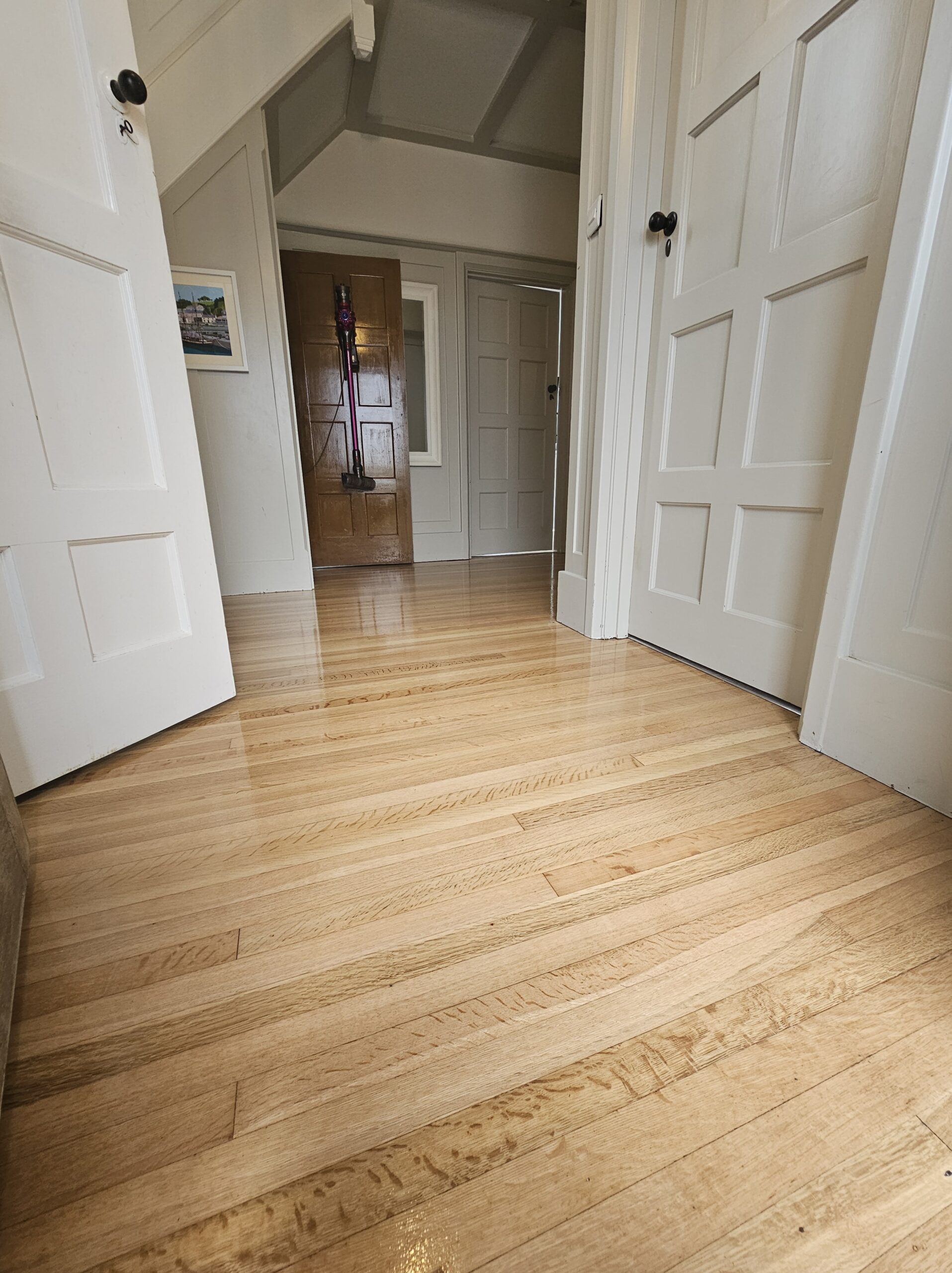
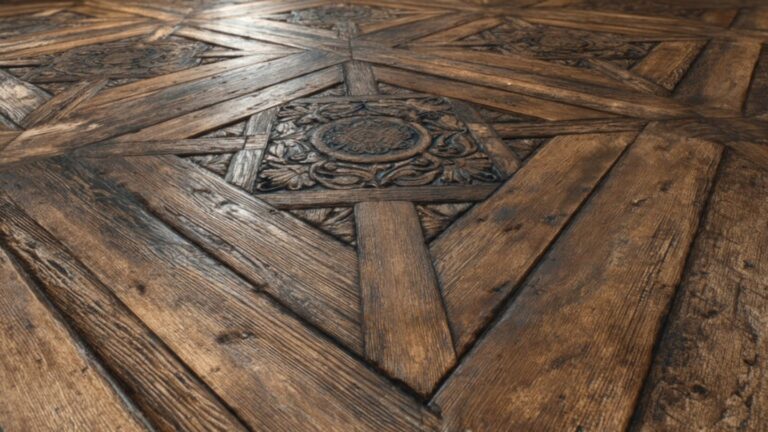
flooring sanding company
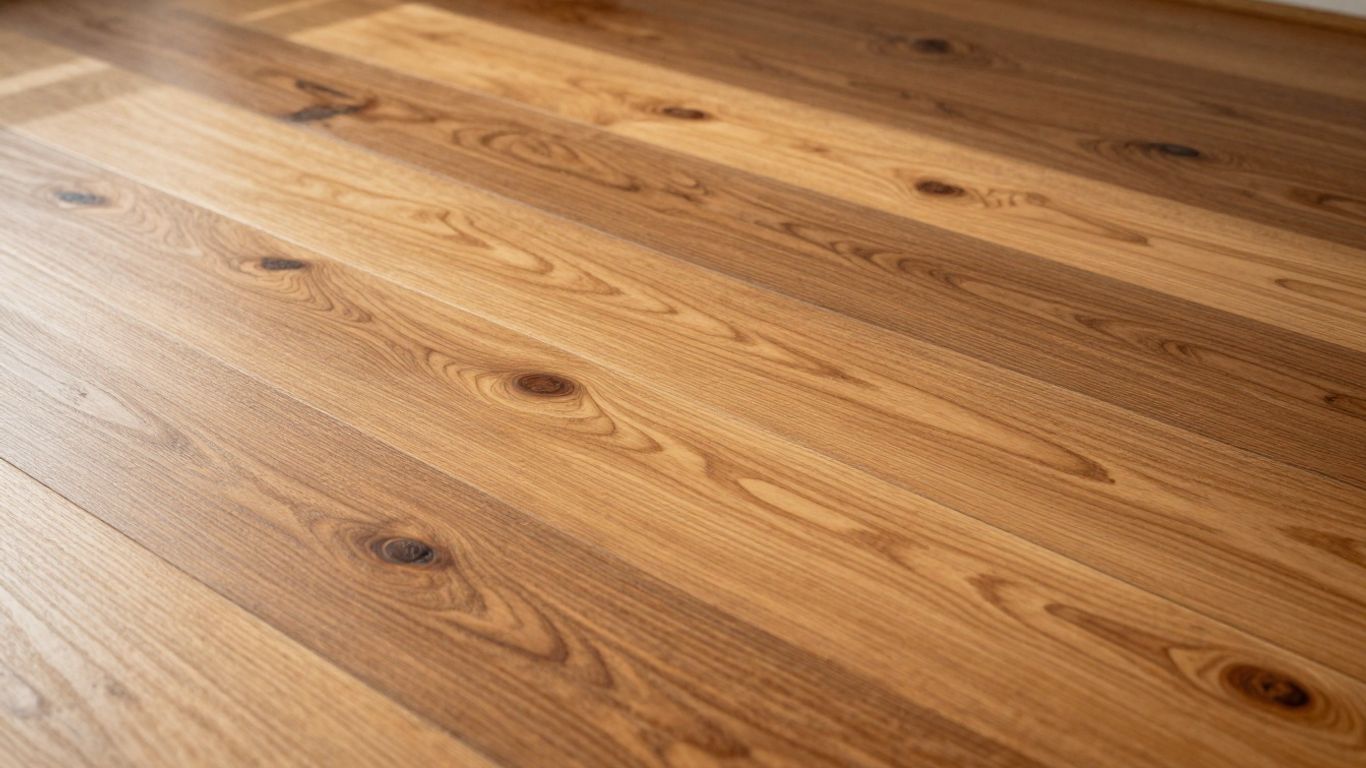
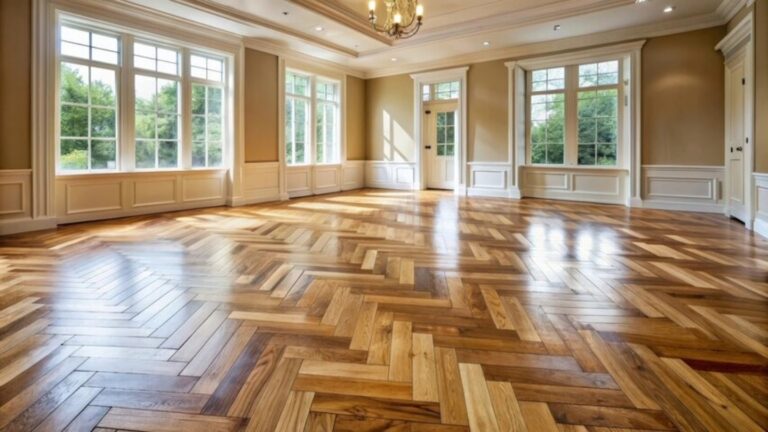
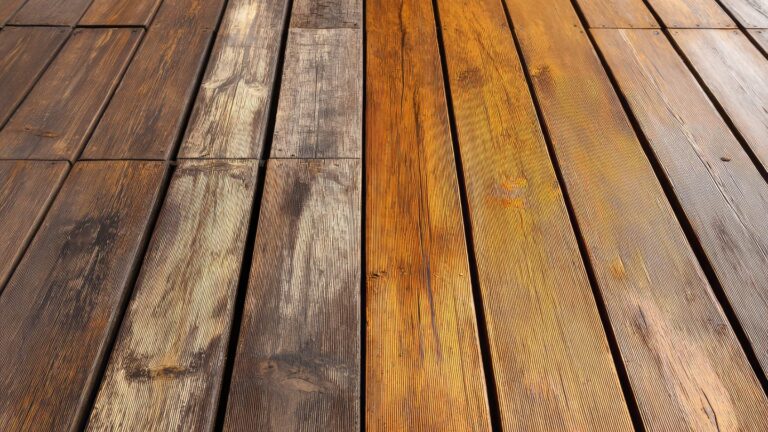
Sunlight across freshly lacquered wooden floorboards

Listed Buildings and Conservation Areas

Kent has a very high concentration of listed buildings, particularly in Canterbury, Rochester, Faversham, Sandwich and the Wealden villages. In a listed property the original floorboards are usually part of what is protected.

Sanding and refinishing an existing floor rarely needs listed building consent. Replacing boards, altering the structure or changing materials generally does, and unauthorised work to a listed building is a criminal offence rather than a paperwork slip.

Where there is any doubt we produce a written method statement setting out grits, finishes and exactly what will and will not be removed, which you can put to the conservation officer before we start.

Why Kent Customers Choose Us

Forty-five years of restoring wood floors, including a great deal of period, agricultural and listed property. What that buys is judgement about how little to take off a floor that cannot be replaced.

Sealed dust extraction on every job as standard, which matters in barn and oast conversions where there are gaps everywhere for dust to travel. Fixed written prices agreed before we start. Furniture moved, property protected, waste taken away.

Fully insured, comfortable alongside conservation officers, 4.9 stars from 114 Google reviews.

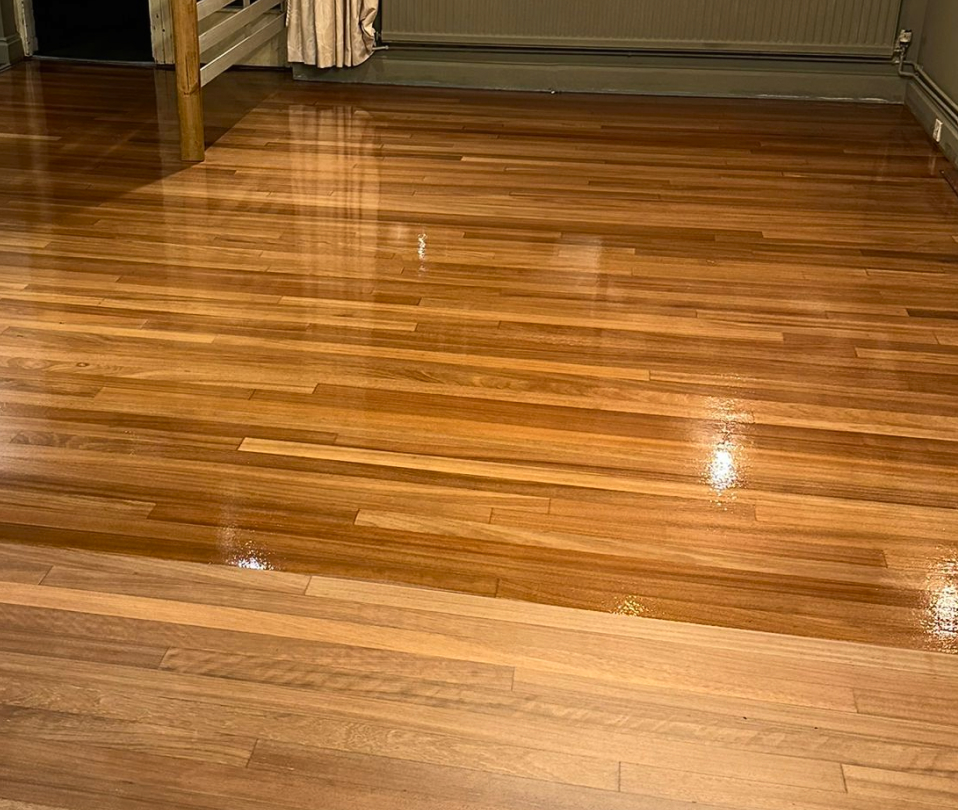
Wood floor sanding company
Floor sanding taunton

Get a Free Kent Floor Quote

Photographs save a drive across the county. One shot of the room from the doorway, close-ups of any staining or damage, and rough measurements will usually get you a realistic range the same day.

If the floor is noticeably uneven, or the building is listed or a conversion, mention it — all three change what we would recommend.

Call 01823 674562, email info@ryansrestoration.co.uk, or use the form on this page.

What we actually do in Kent: mostly full restoration and colour and staining, along with sealing, repairs, dance floors and commercial floor sanding.

Before you ring anyone: Pet-Friendly Wood Floor Finishes: Top Choices for You, and The Science Behind Wood Floor Moisture: Essential Guide.

From domestic floor sanding in terraced houses to commercial floor sanding in Kent for schools, pubs and village halls, everything starts with a free survey.

Nearby areas we also cover: Maidstone, Rochester, Brentwood and Cambridge. There is a page for each, and the full list of towns is on our areas we cover page.

FAQ: Floor Sanding in Kent

Maidstone, Canterbury, Ashford, Tunbridge Wells, Sevenoaks, Tonbridge, Dartford, Gravesend, Rochester, Chatham, Faversham, Whitstable, Margate, Broadstairs, Ramsgate, Folkestone, Dover, Deal and Sandwich, plus the Wealden villages.

Yes, and Kent has more than anywhere. Wide elm and oak over heavy joists is the usual arrangement. They are rarely level, so we assess flatness first and often recommend accepting some undulation rather than sanding through irreplaceable boards.

Not entirely. Historic staining from hop drying and scorching near old kilns goes deeper than sanding reaches. We test an area and tell you honestly what will and will not come out before you commit.

Weald clay. It shrinks and swells seasonally more than most ground in England and that movement transfers into the building. It is why we recommend timber slivers rather than resin for gap filling here.

Timber slivers, cut to taper and tapped in individually. They move with the boards. Resin and dust is cheaper but tends to crack out within a couple of winters where seasonal movement is pronounced.

Usually a hard wax oil. It flexes with timber that moves, breathes rather than sealing moisture in, and can be repaired in patches rather than redoing a whole room.

Sanding and refinishing an existing floor rarely needs it. Replacing boards or altering the structure usually does, and unauthorised work to a listed building is a criminal offence. We provide a written method statement for your conservation officer.

We group jobs in the same area into the same week where we can, which keeps travel out of your price. Any travel element is shown in the quote rather than added afterwards.

It depends on size, condition, timber and finish. Oak costs more than softwood and conversion work often takes longer because of the unevenness. We give a fixed written price after surveying.

On every job as standard and at no extra charge. It matters particularly in barn and oast conversions where dust finds gaps you did not know were there.