Floor Sanding in Canterbury and How Far We Travel
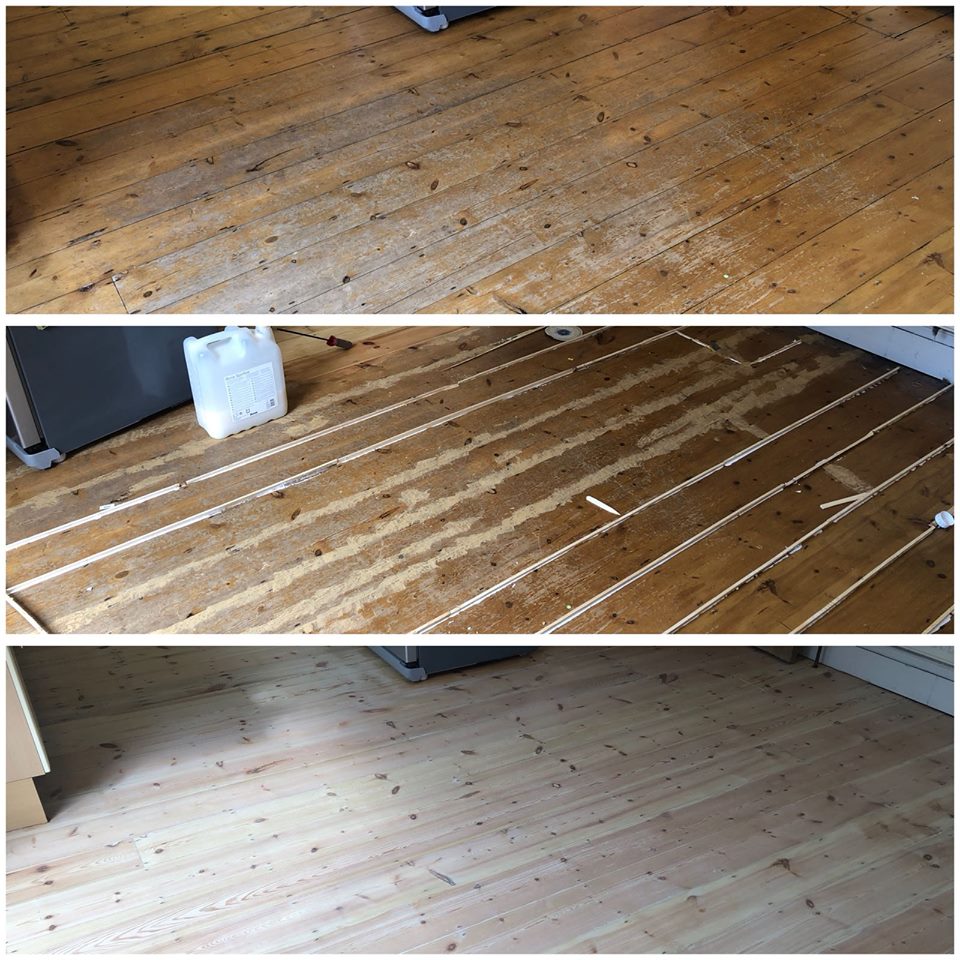
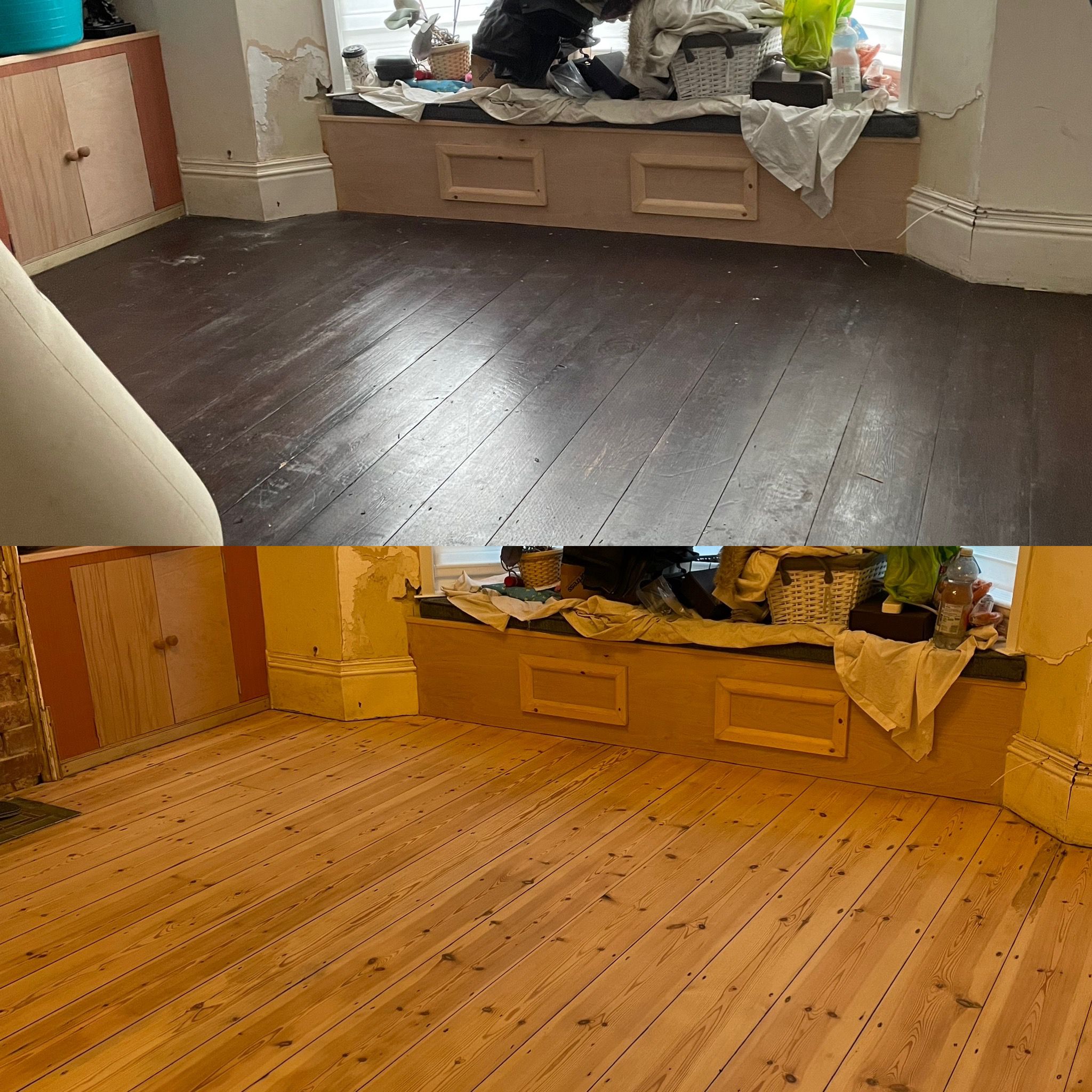
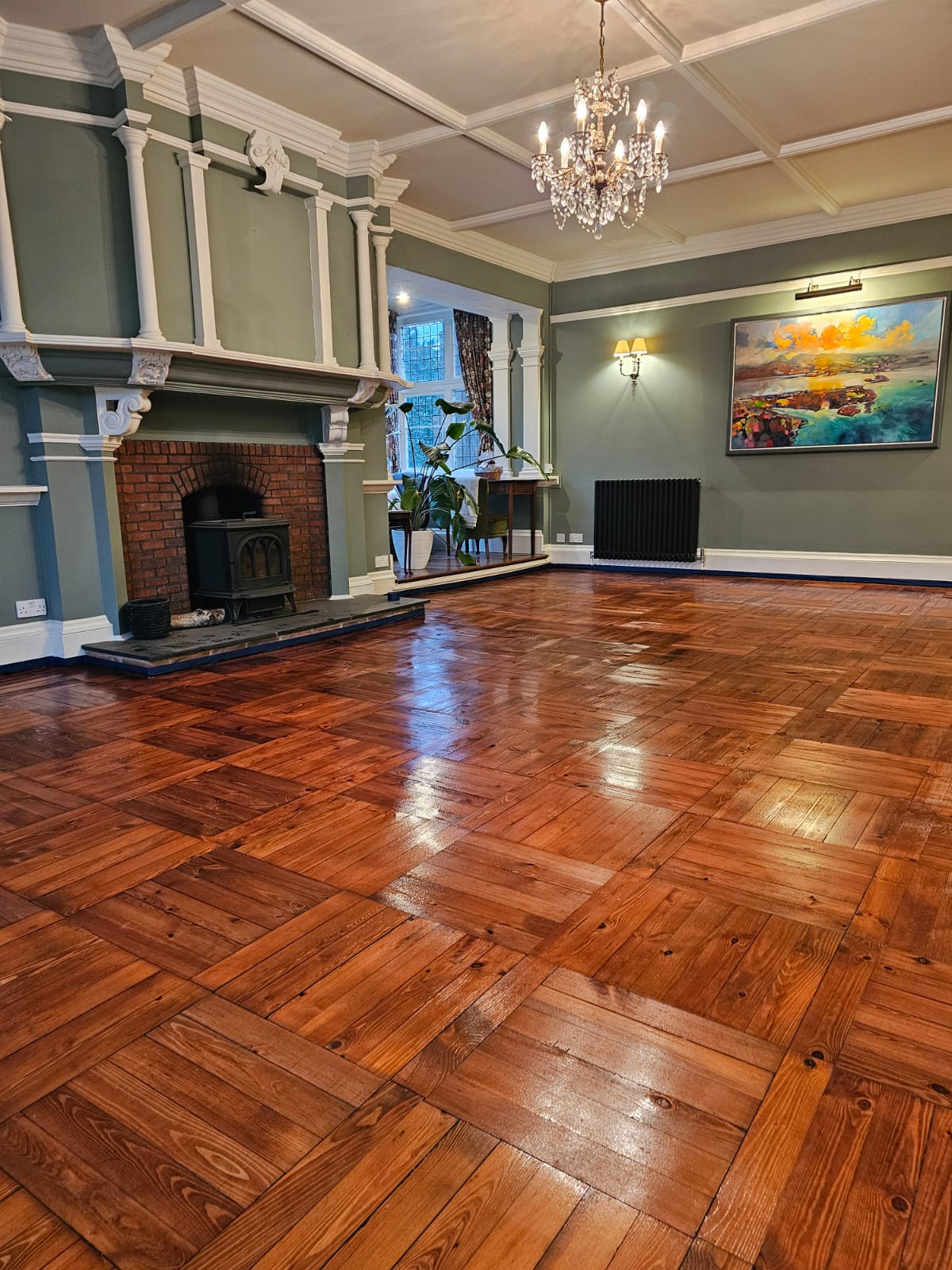
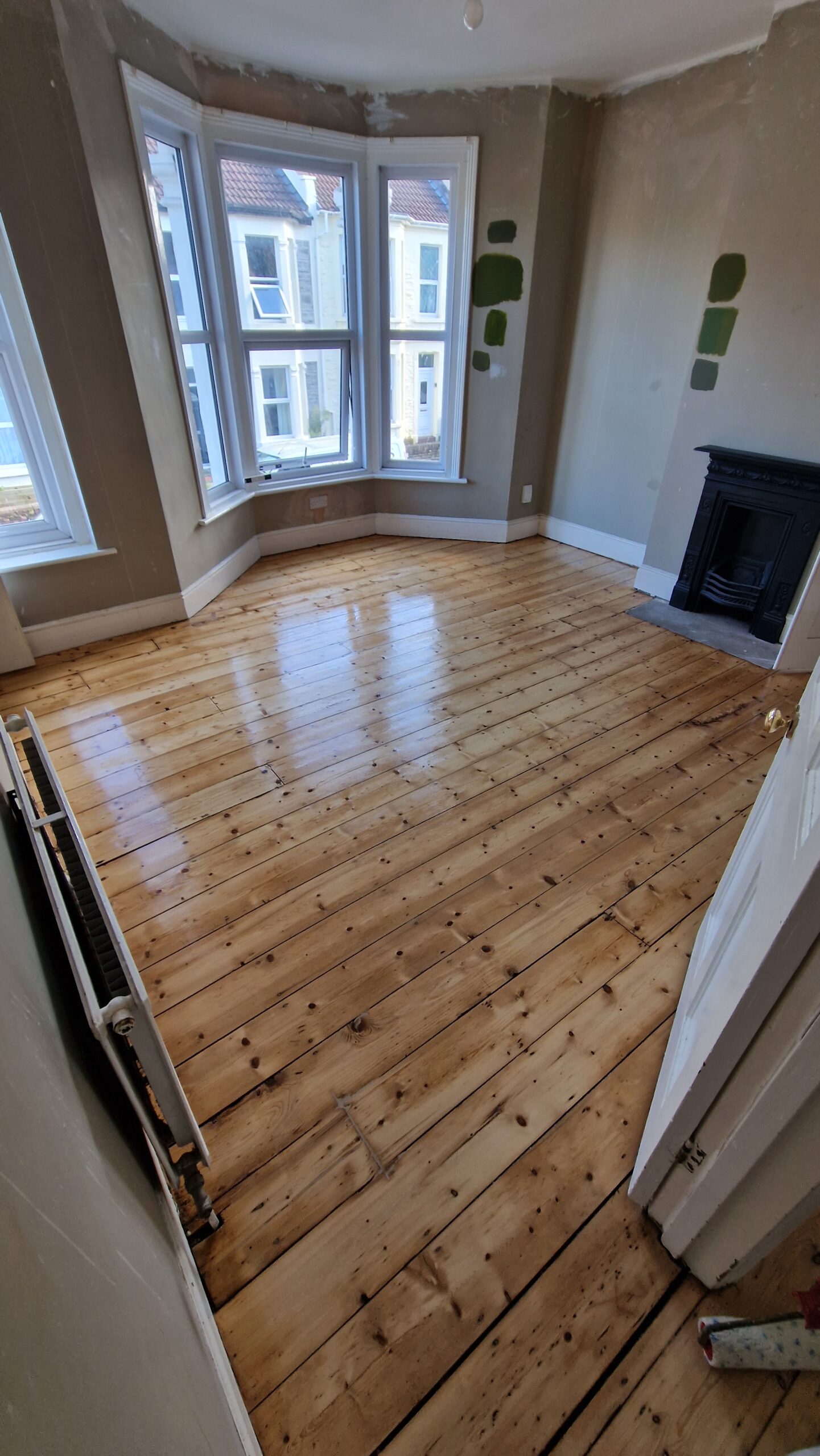
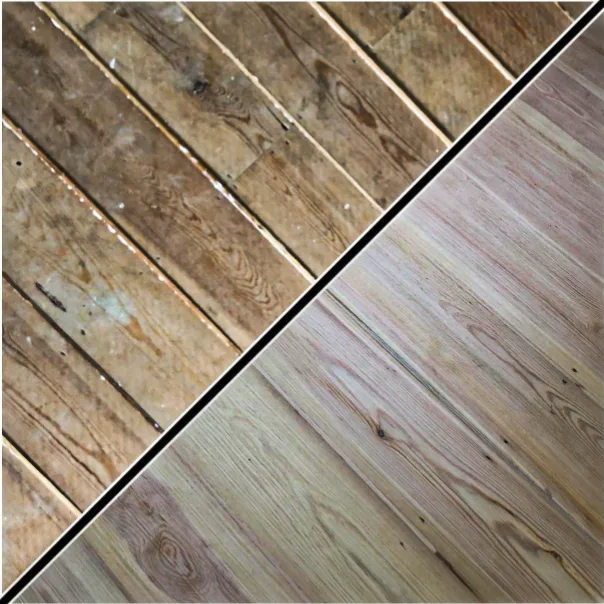
A floor in Canterbury might be four hundred years old or forty. Inside the city walls there are timber-framed buildings, many of them hidden behind later brick or plaster fronts, with upper floors of broad oak or elm that rise and fall with the frame beneath. Beyond the walls the picture shifts to Victorian terraces with pine boards, inter-war semis with oak strip or woodblock in the hall, and recent houses laid with engineered boards. Floor sanding in Canterbury has to cope with all of that, and the oldest floors call for a far lighter hand than most people expect.
Canterbury is not one of the places we cover week in, week out. Ryan’s Restoration is run by a family from a base near Wellington in Somerset, close to the opposite end of the south coast, so the trips we make to east Kent are for work that justifies the miles: a house with several rooms and a staircase, a run of rented rooms between tenancies, or a cafe, shop or hotel that needs its floors renewed around trading. If the job is a single box room, somebody local is the sensible choice and we will say so plainly.
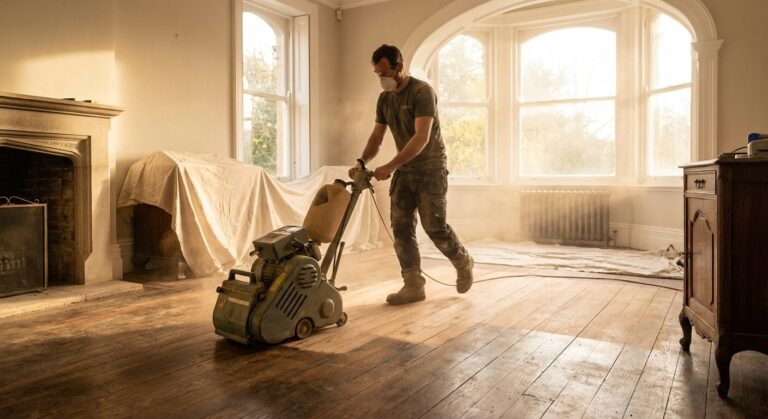
Our machines feed their sawdust down sealed hoses to extraction units, so the shavings from those old elm and oak boards end up bagged instead of hanging over the room. That is why dust-free floor sanding is a fair description, as long as nobody reads it as a promise of zero. In a building with gappy old boards and open joints in the frame, a trace of fine dust can still drift somewhere unexpected, and anything delicate is worth covering or moving out.
The machine work itself, from the first coarse cut to the last fine pass, is described on our main floor sanding page. How Canterbury fits into the rest of the county, and which other towns we visit, is set out under floor sanding across Kent.