Floor Sanding Cirencester

Wood Floor Sanding and Restoration in Cirencester and the Cotswolds

QUICK QUOTATION

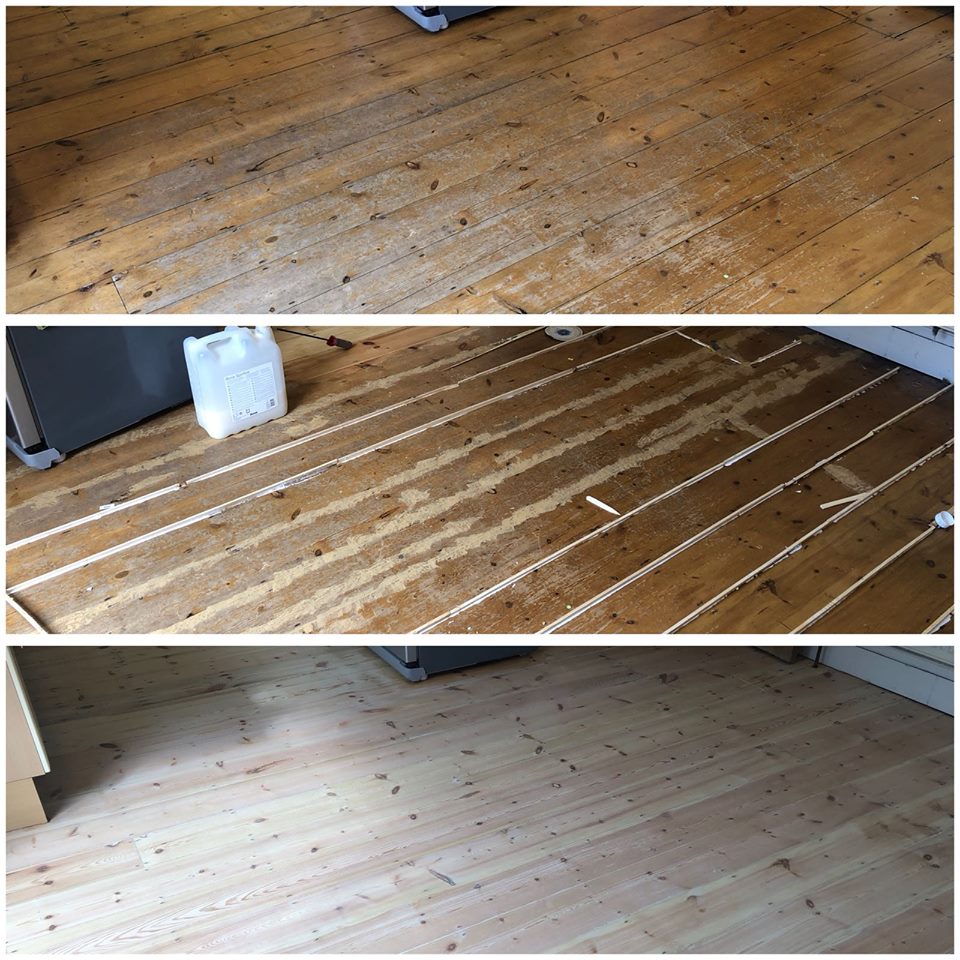
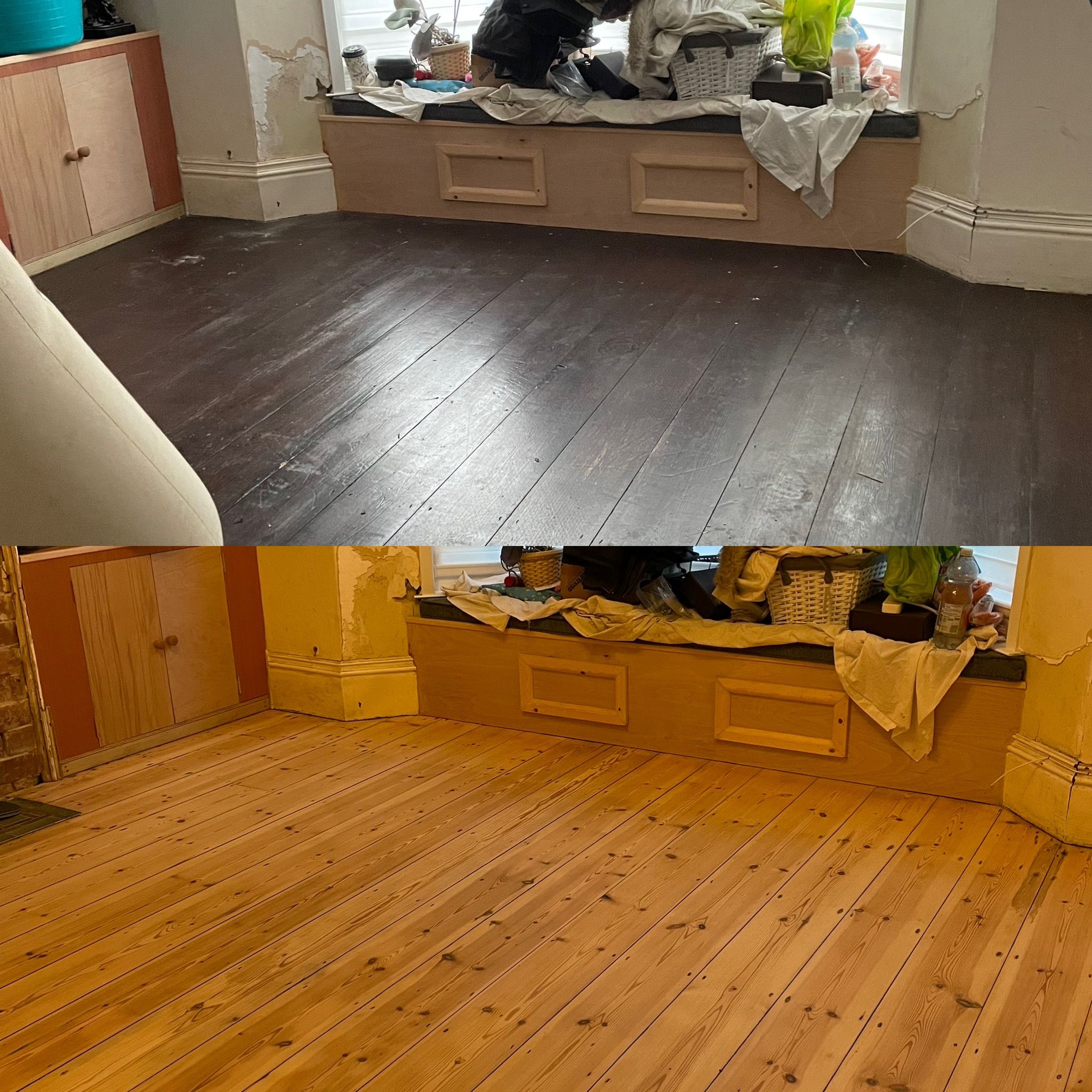
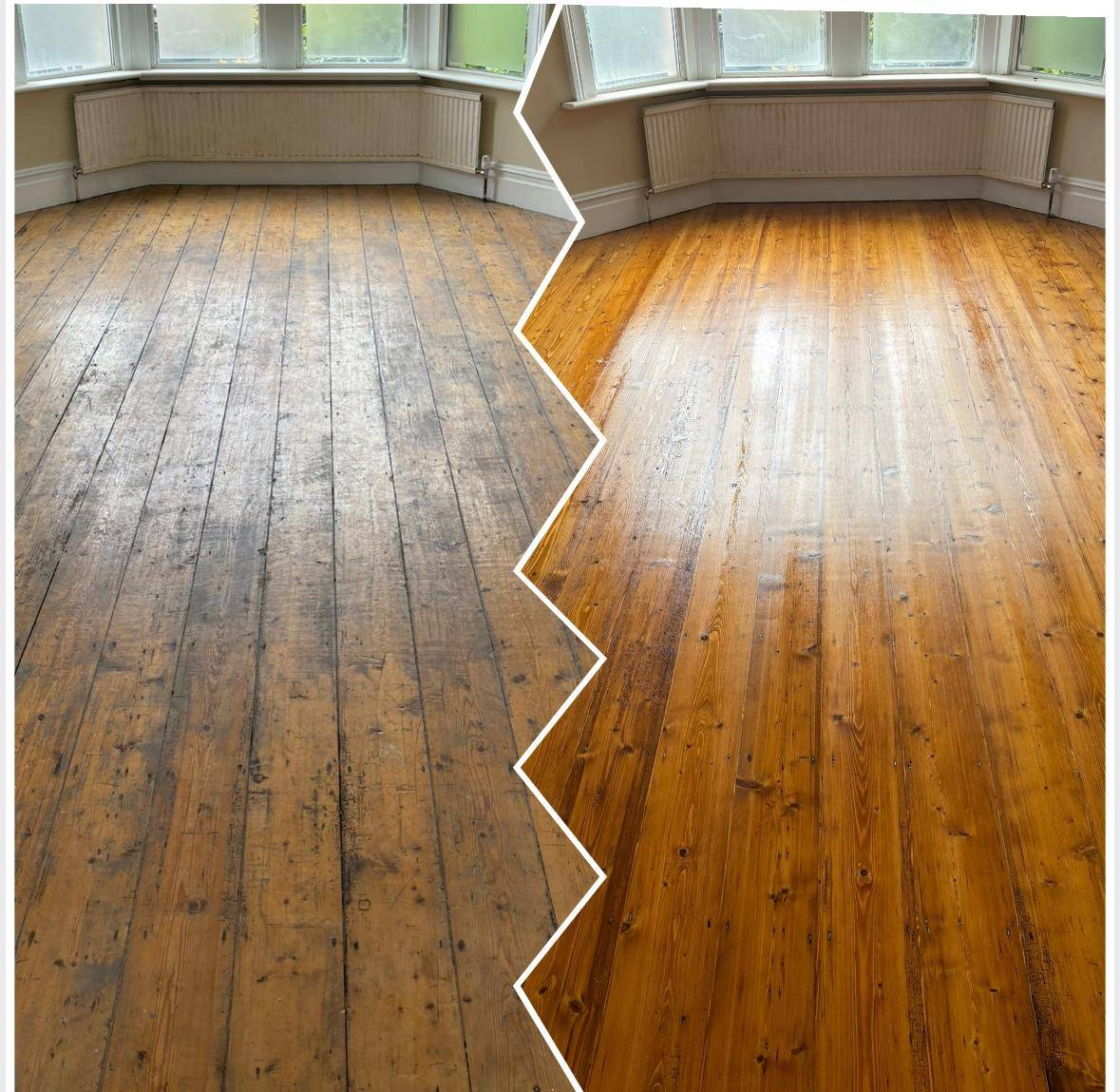
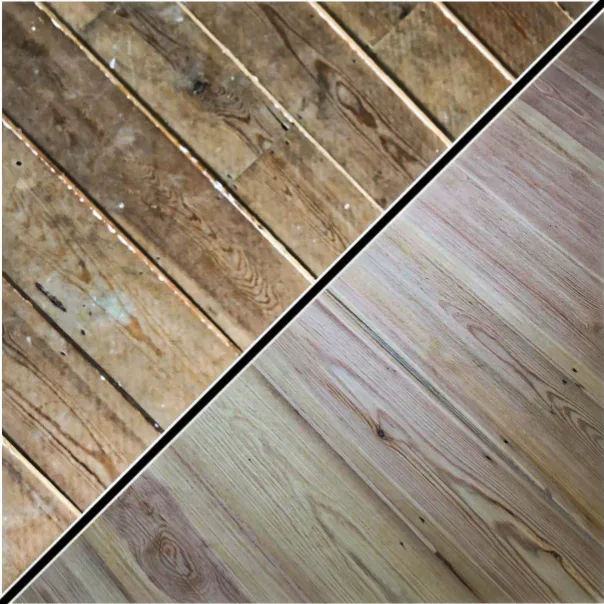
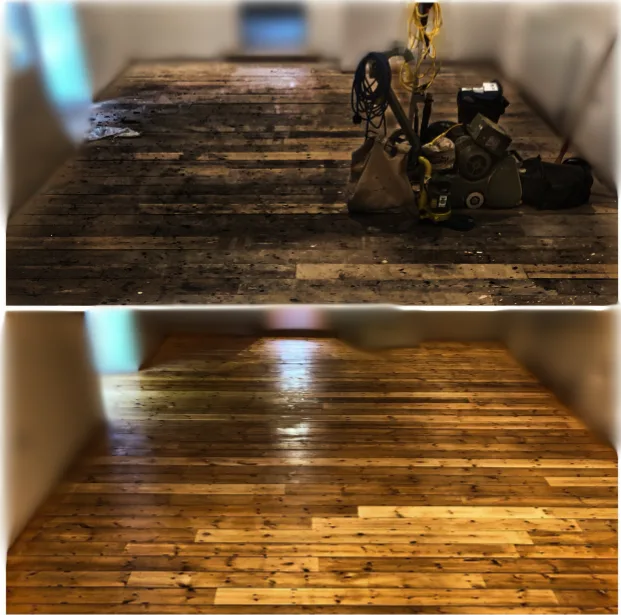
Floor sanding before and after

Floor Sanding in Cirencester

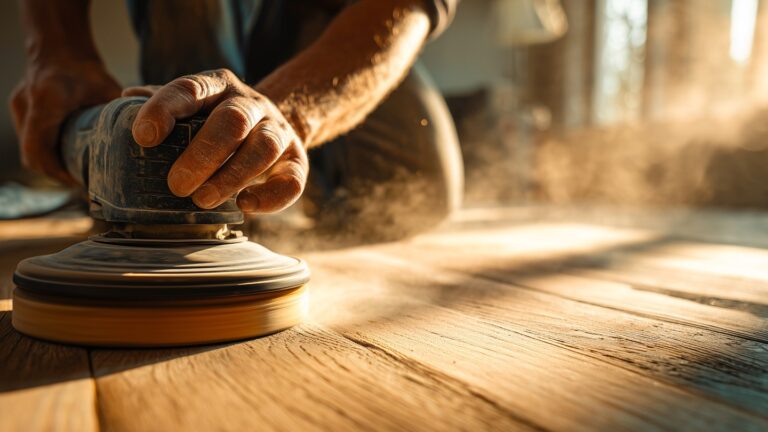
Our floor sanding service covers Cirencester and the surrounding Cotswold towns and villages, restoring every floor type the area holds — broad elm and oak in the wool merchants’ houses and village cottages, Georgian softwood in the townhouses, Victorian pine in Watermoor, interwar oak strip and modern engineered boards. Old timber is treated conservatively: the least abrasion that clears the failed finish, with board thickness and moisture measured before anything is promised. Sealed extraction captures the overwhelming majority of dust at the machine, and every job is agreed in a fixed written quotation before work begins.

Elm rewards — and demands — its own technique. The grain interlocks and changes direction within a single board, so an abrasive that cuts cleanly for half a metre suddenly finds itself working against the fibres and plucks them out, leaving rough patches that deepen with pressure. The answer is shallow passes with sharp paper, machine pressure kept light, direction adjusted where a board’s figure dictates, and more of the final surface brought up with fine abrasives and hand work than oak would ever need. It is slower than sanding pine by half again, and it is the only way elm comes up with the rippled, watery figure that makes these floors worth owning.

Georgian softwood gets the parallel courtesy: grit sequences that start no coarser than the old finish requires, thickness checked at the vulnerable board ends, and the acceptance that a floor laid in the 1780s may keep a shadow or a stain as part of its record. The measure of the job is that the floor looks like itself, well kept — not like a delivery from a flooring warehouse.
Wood Floor Repairs and Board Replacement

Repair services cover the full menu across the district: wooden floor repairs, permanent squeak fixes, floorboard replacement with reclaimed timber matched for species, width and age, scratch and gouge removal and gap filling against draughts. Elm — common in the stone villages — gets specialist handling, since it tears under machines set up for oak, and repairs in listed buildings are pieced in conservatively with consent questions handled at survey.

Half the town’s restoration jobs begin with undoing floor coverings, and the residues are their own craft. Rubber-backed underlay from mid-century carpets perishes and welds itself to boards as a black crust; it is softened and scraped by hand, never machined straight off, because heat from a belt melts it deeper into the grain and drags it across the floor. Bitumen paint around old carpet squares, self-adhesive tile glue and hardboard pins each have their own removal routine, and the boards emerge ready to sand rather than smeared. This preparation is itemised visibly in the quotation — it is often a day of the job, and pretending otherwise is how floors get rushed.

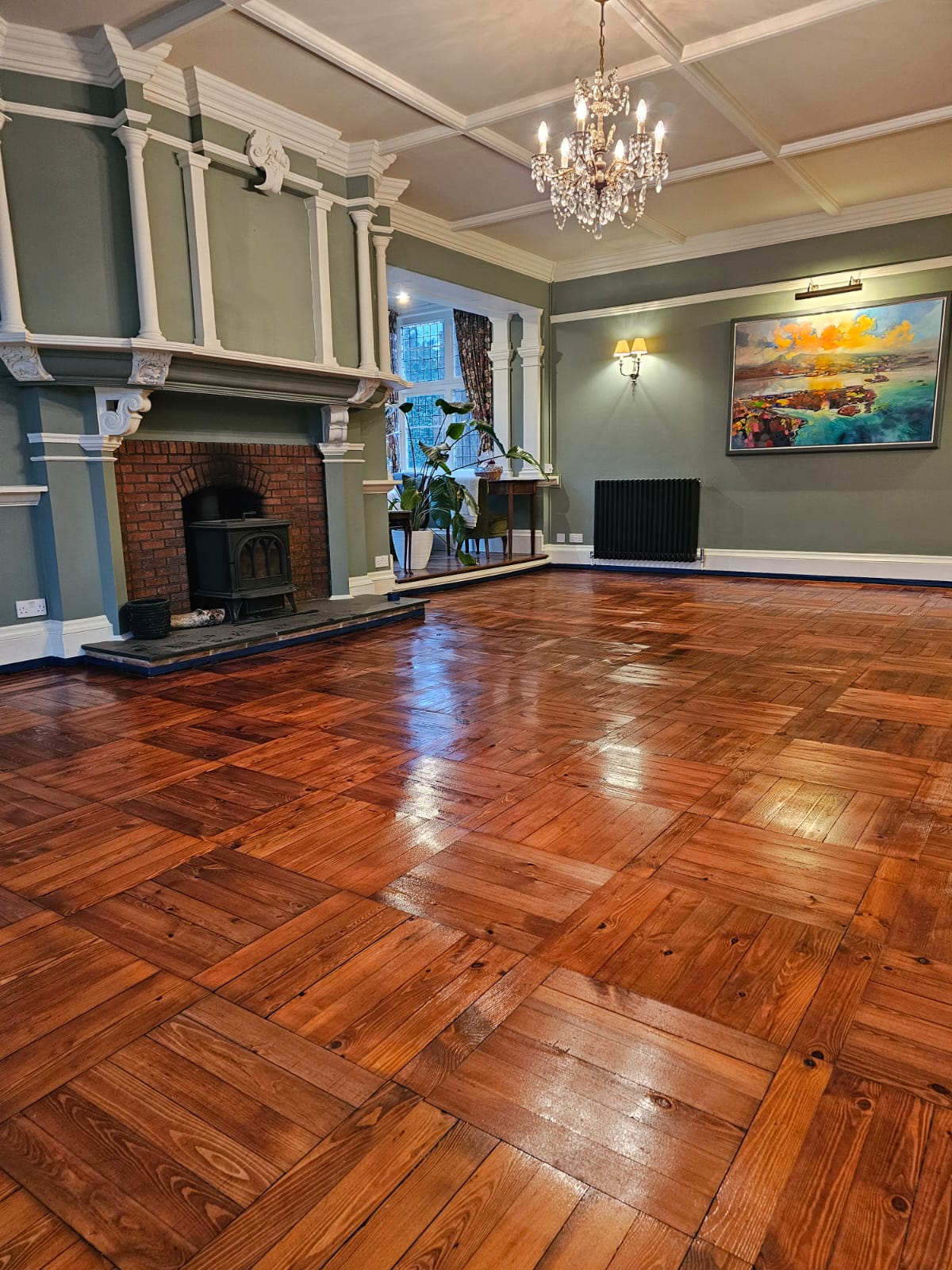
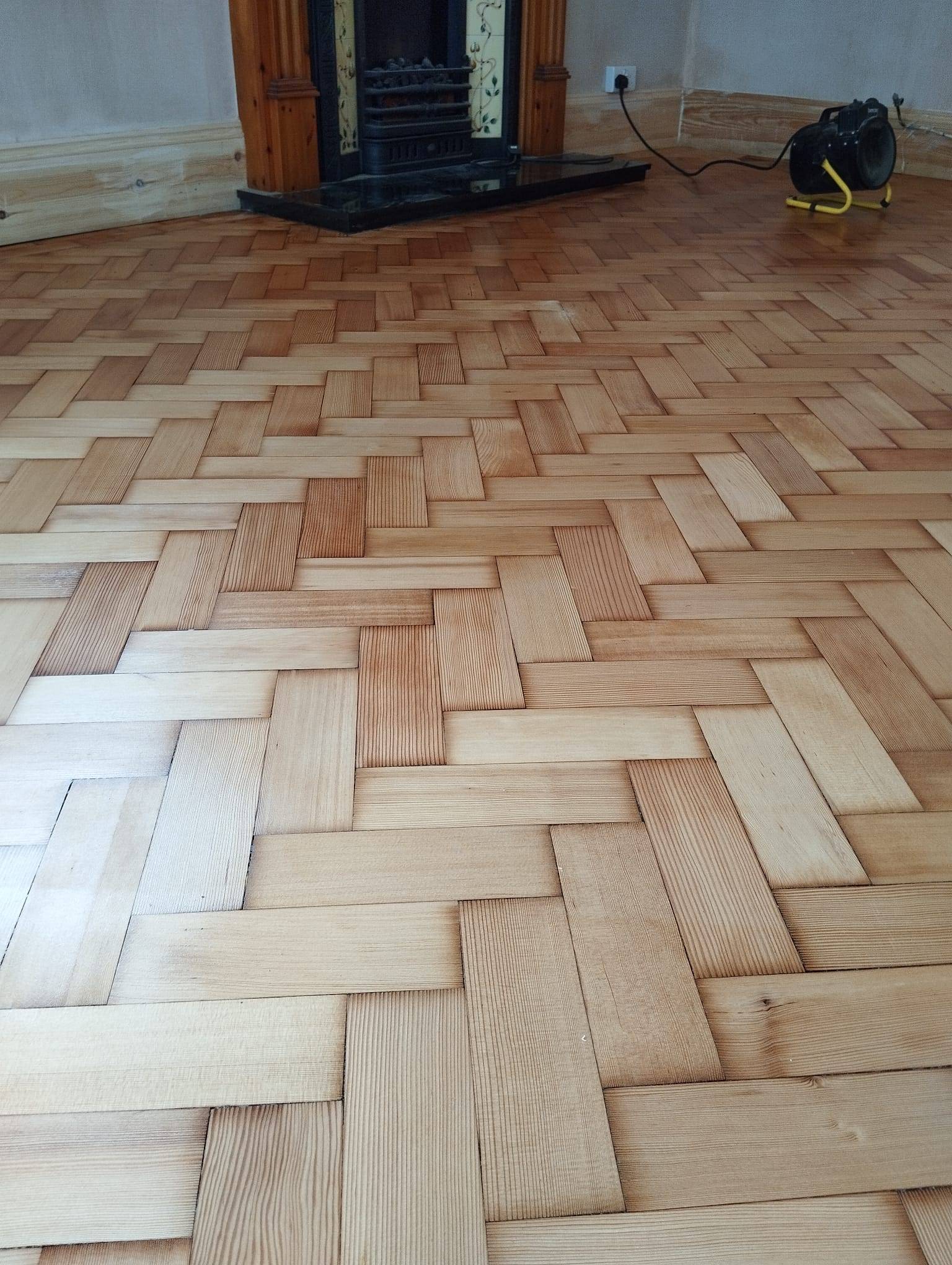
parquet wooden floor sanding
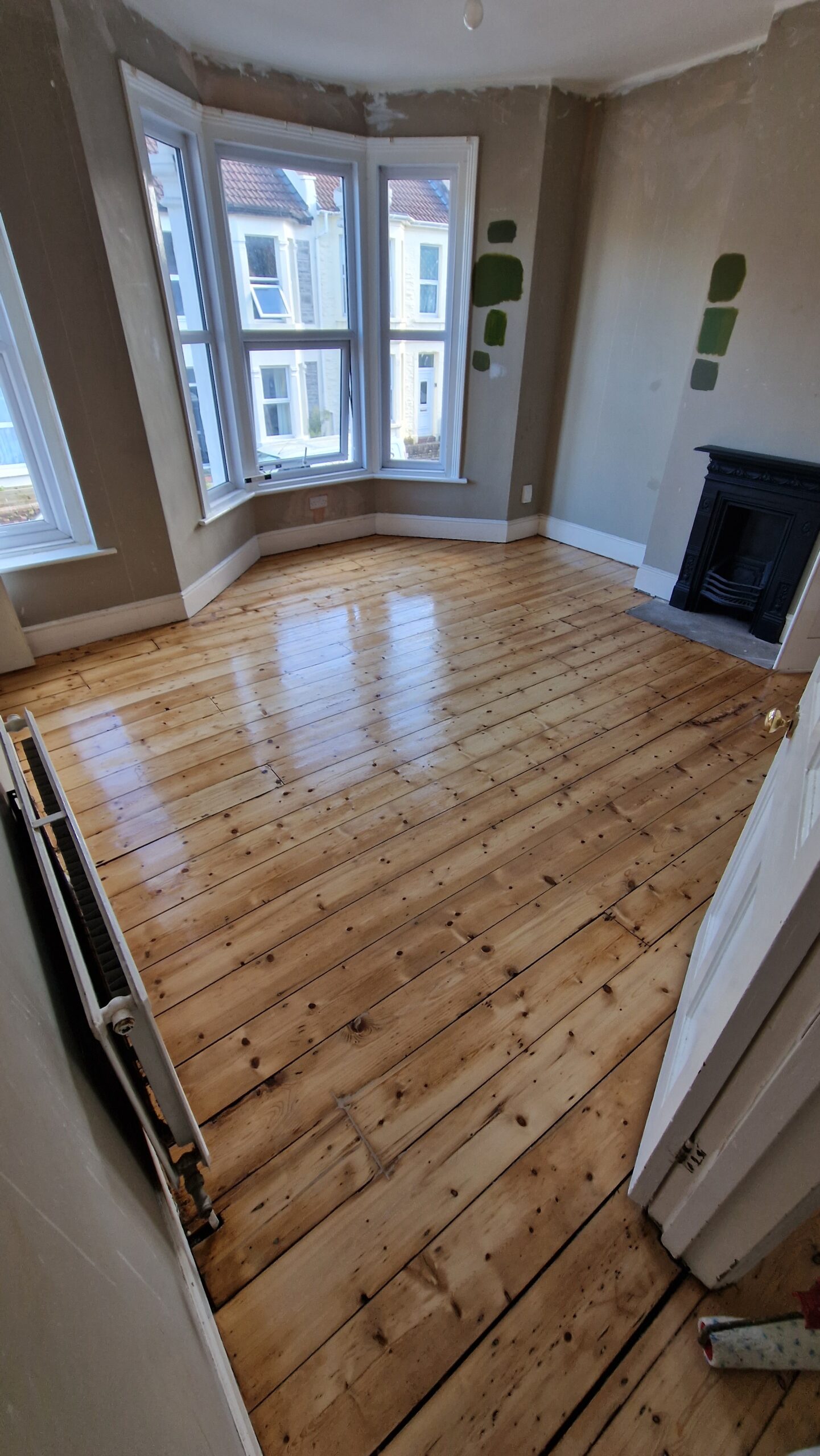
wooden floor sanding

Commercial Floor Sanding in Cirencester

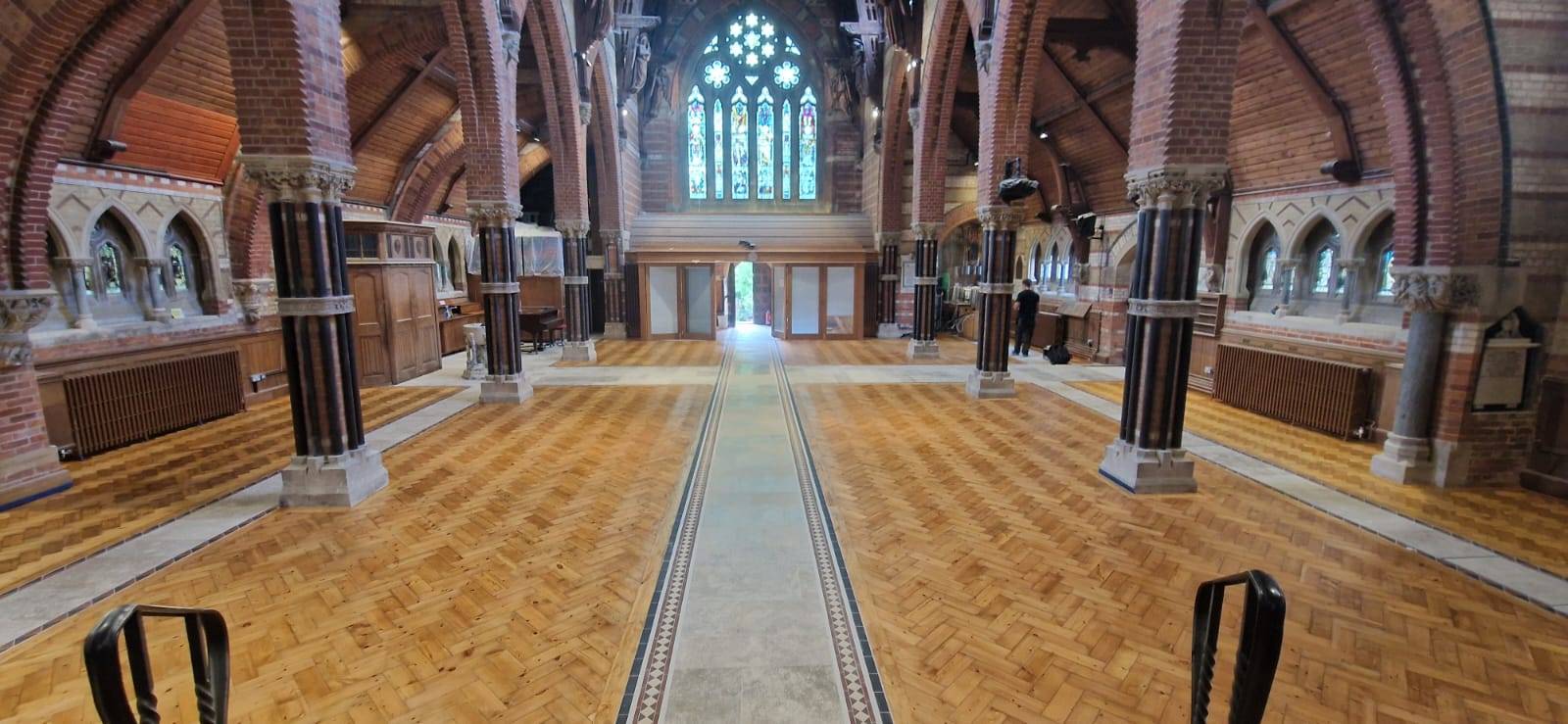
Commercial floor sanding keeps the town and villages trading while their floors are renewed: inns, pubs and restaurants sanded overnight or on closed days with fast-curing seals; shops phased behind barriers so not a Saturday is lost; offices and showrooms over weekends; village halls and school floors in quiet weeks and holidays with line marking to specification. Method statements and insurance documents are provided as standard.

Commercial programmes here are planned against each business’s own calendar — quiet weeks for the visitor-facing premises, closed days for dining rooms, holidays for the schools — and the specification travels with the paperwork: seal system and coat count, working hours, barrier and extraction arrangements, and a staged reopening schedule stating when feet, furniture and cleaning return. The programme is honoured as written; if a floor needs one more coat than the window allows, we say so and re-plan the window rather than thin the system.

Parquet Floor Restoration

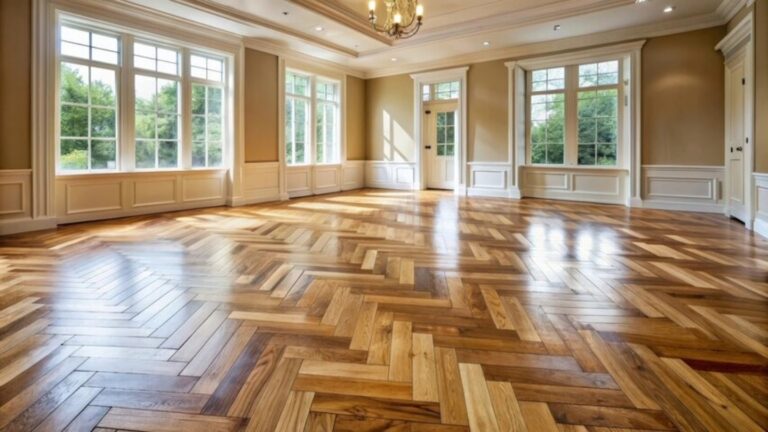
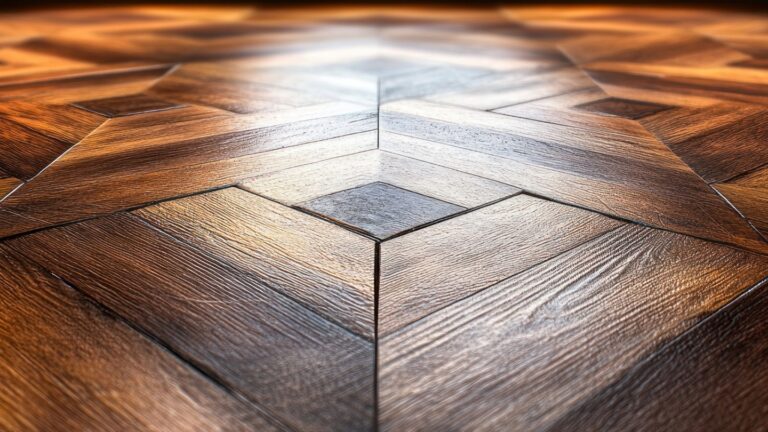
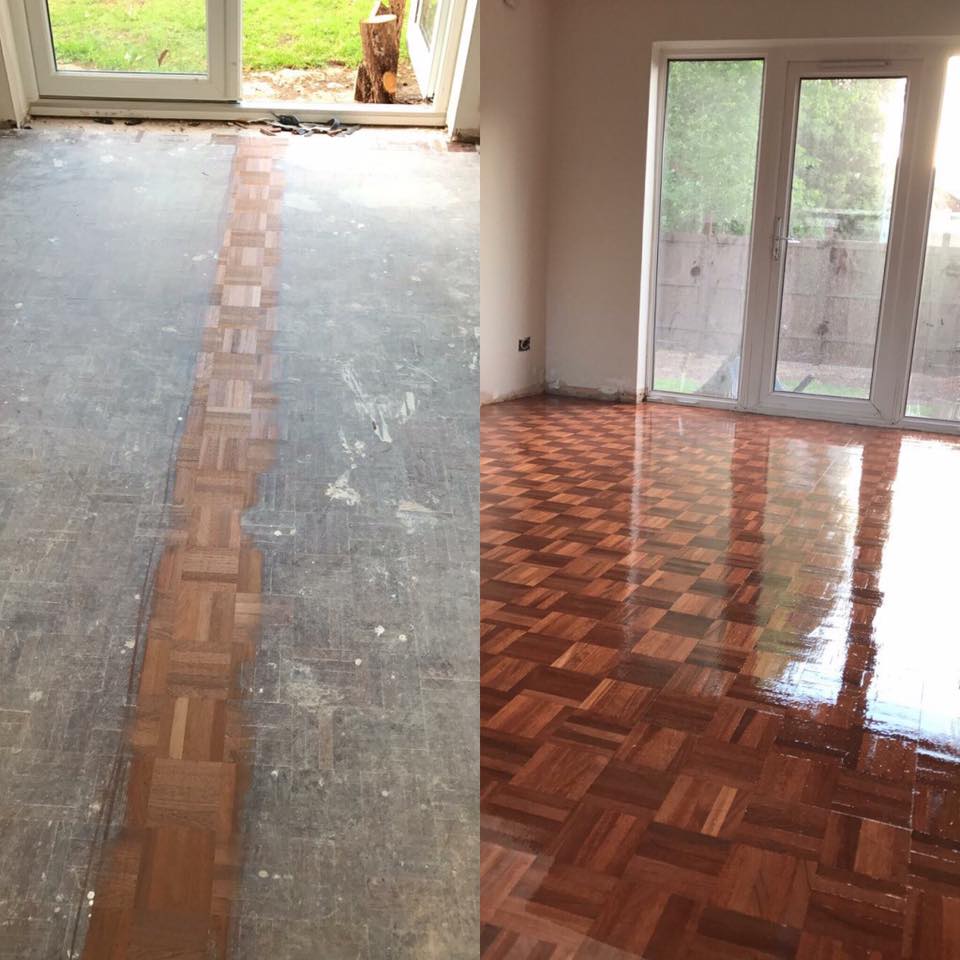
Parquet restoration covers herringbone halls in the interwar avenues, block floors in public buildings and the occasional fine parquet in the town’s larger houses: loose blocks lifted, cleaned of old bitumen, re-laid and matched from reclaimed stock, then sanded with the pattern and sealed for the room’s traffic. Previously mis-sanded parquet is assessed honestly and is usually recoverable with the right sequence.

Where whole areas of parquet have been lost — a wall taken out, a hearth removed, a pipe trench cut through a hallway — the missing section is rebuilt rather than patched. The surviving field gives the geometry: block dimensions, pattern angle and course lines are taken from what remains, replacement blocks are selected from reclaimed stock to match thickness and species, and the new area is set out from the original datum so the pattern arrives at the far wall exactly as the first fitters intended. After machining and sealing, the rebuilt section belongs to the floor — findable only by someone who knows where to look.

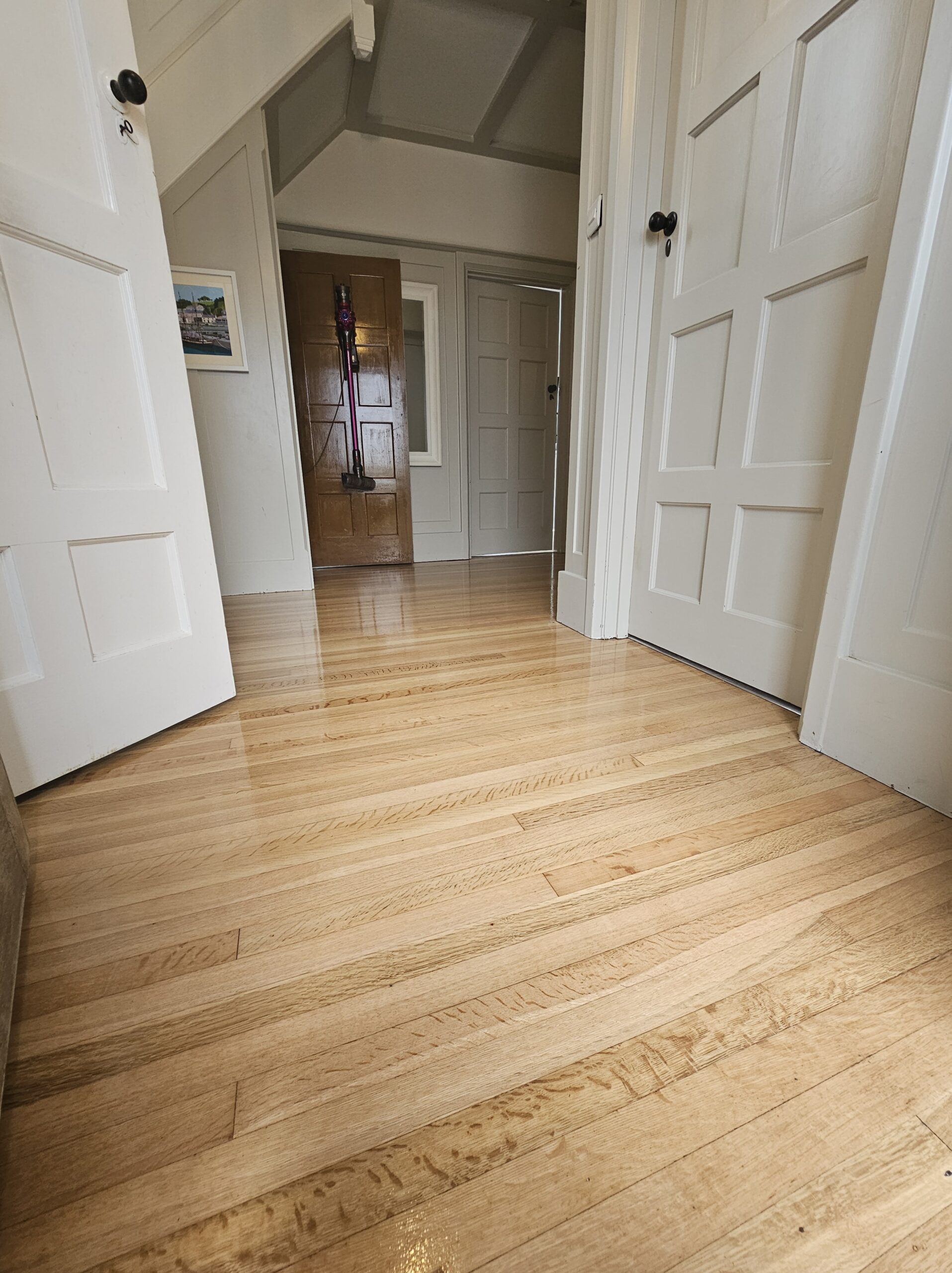
flooring sanding company
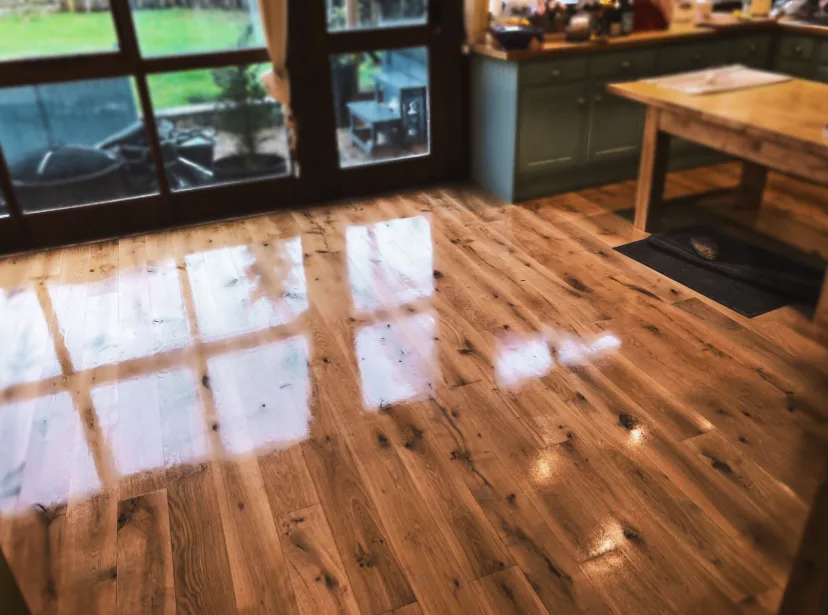
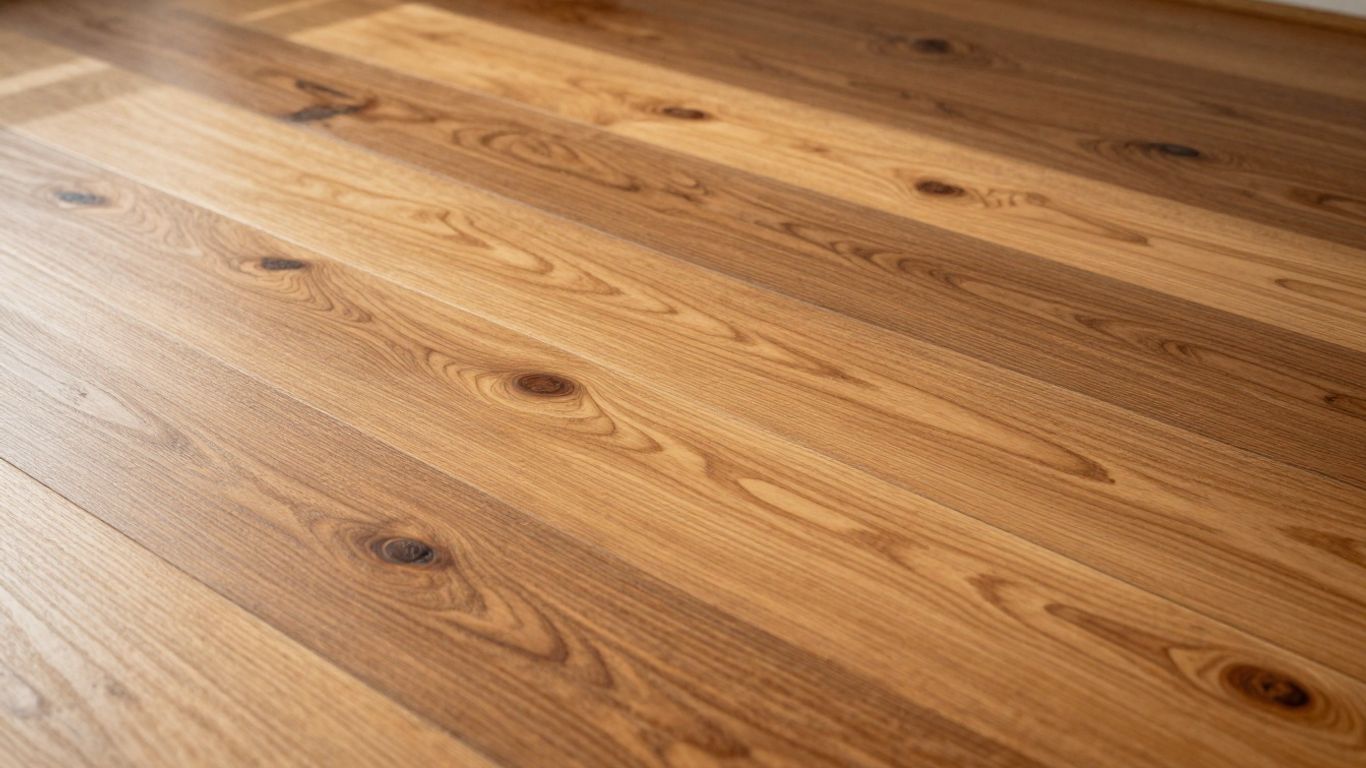
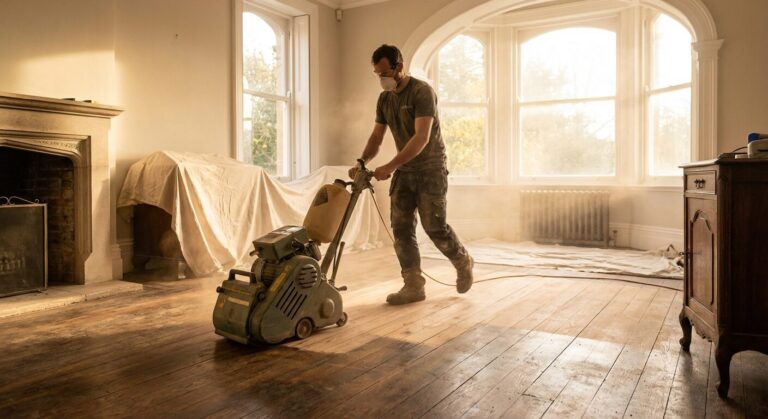
Sunlight across freshly lacquered wooden floorboards

Staining, Sealing, Oiling and Waxing

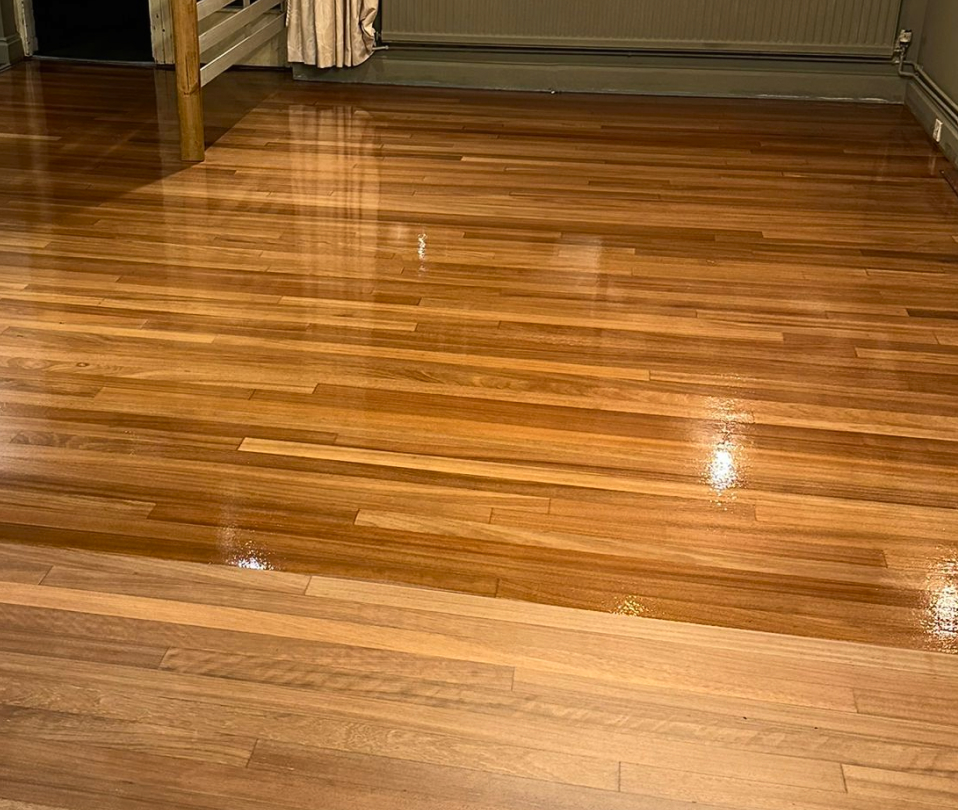
The finishing menu suits both ends of the district’s housing: wood floor staining for colour changes, tested on your own boards first; hard-wearing lacquer seals for family and rental floors; hard wax and natural oils that feed old timber and mellow well; traditional wax for the oldest rooms. Stone buildings hold moisture, so breathable finishes are favoured where the building needs them and sealing waits for the readings, not the calendar.

On old boards our advice usually runs against staining altogether. Timber that has aged for a century or three has already earned a colour — oxidised, sun-deepened, polished by use — that returns rapidly under a clear finish once the grey surface grime is machined away. Stain over that character tends to flatten it: old softwood takes pigment unevenly around its resin and repairs, and the result can look applied rather than grown. Where a colour shift is genuinely wanted, we test on the actual boards and use toned oils rather than heavy pigments, keeping the grain legible beneath the change.

New Floors, Lets and Maintenance

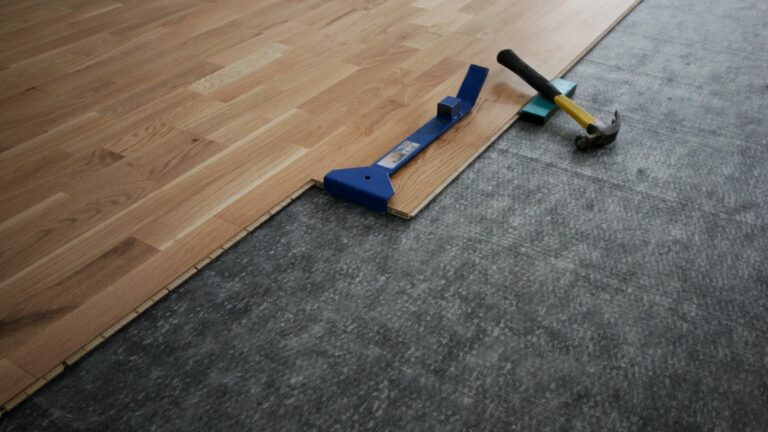
Our wooden floor installation service supplies and fits solid, engineered, reclaimed and parquet floors where restoration is not the answer. Rental and estate-cottage owners get durable seals, changeover timing and grouped surveys across several properties in one visit. Between full sands, buffing and recoating renews a sound floor in a day, polishing keeps it bright, and every job leaves with clear aftercare guidance.

For estate and multiple-cottage owners the sensible pattern is a rolling programme: properties surveyed together, works staggered around tenancies so no two stand empty at once, and a single finish system used throughout so any cottage can take its one-day maintenance recoat from the same products years later. Records of what was used on which floor stay with the paperwork, which turns future maintenance from detective work into a diary entry.

Wood floor sanding company
Floor sanding taunton

Get a Floor Sanding Quote in Cirencester

Send two photographs — the room from the doorway and a close-up of the worst area — for an honest opinion and usually a fixed written quotation. Older houses, elm floors and commercial premises get a free, no-obligation site survey.

Call 01823 674562, email info@ryansrestoration.co.uk, or use the form on this page.

All services available in Cirencester: floor sanding, restoration, repairs, board replacement, gap filling, parquet, staining, waxing, installation, stairs and commercial floors.

Nearby areas we also cover: Stroud, Cheltenham and the rest of Gloucestershire.

FAQ: Floor Sanding in Cirencester

Sanding, restoration, repairs, floorboard replacement, gap filling, parquet, staining, oiling, waxing, stair sanding, buffing and recoat, new floor installation and commercial floor sanding — the lot.

Usually, gently, by people who know elm — and sometimes the honest answer is feeding and waxing instead. We assess board by board.

Refinishing rarely does; repairs and board replacement can. Much of central Cirencester is listed, so we flag consent at survey and keep specifications conservation-friendly.

They can — we take moisture readings before promising finishes, favour breathable products where the building needs them, and seal only when the timber is ready.

Yes — overnight and closed-day working with fast-curing seals, or phased sections behind a barrier where closing is impossible.

Yes — grouped surveys in one visit, durable seals for tenancy wear and work staggered so nothing stands empty longer than it must.

Yes — reclaimed boards matched for species, width and age, pieced in so the mend disappears into the floor.

Start with two photographs for a rapid opinion, or go straight to a free survey — no obligation — and receive a fixed written quotation before anything is booked.

Yes — the perished residue is softened and scraped by hand before any machining, because sanding it directly melts it deeper into the grain. It adds preparation time, which we set out openly in the quotation.

Usually not — aged timber recovers a rich, earned colour under a clear finish once surface grime is sanded away. Where a change is wanted, we test toned oils on your own boards rather than heavy pigments.