45 years’ experience  ·  Rated 4.9 on Google  ·  Family-run, from our workshop near Wellington

45 years’ experience · Rated 4.9 on Google · Family-run

Floor Sanding and Wood Floor Restoration in Barnstaple

Floor sanding and refinishing for Barnstaple offices, gyms, shops and homes, including two-pack lacquer for hard-working floors and careful sanding of engineered boards.

QUICK QUOTATION

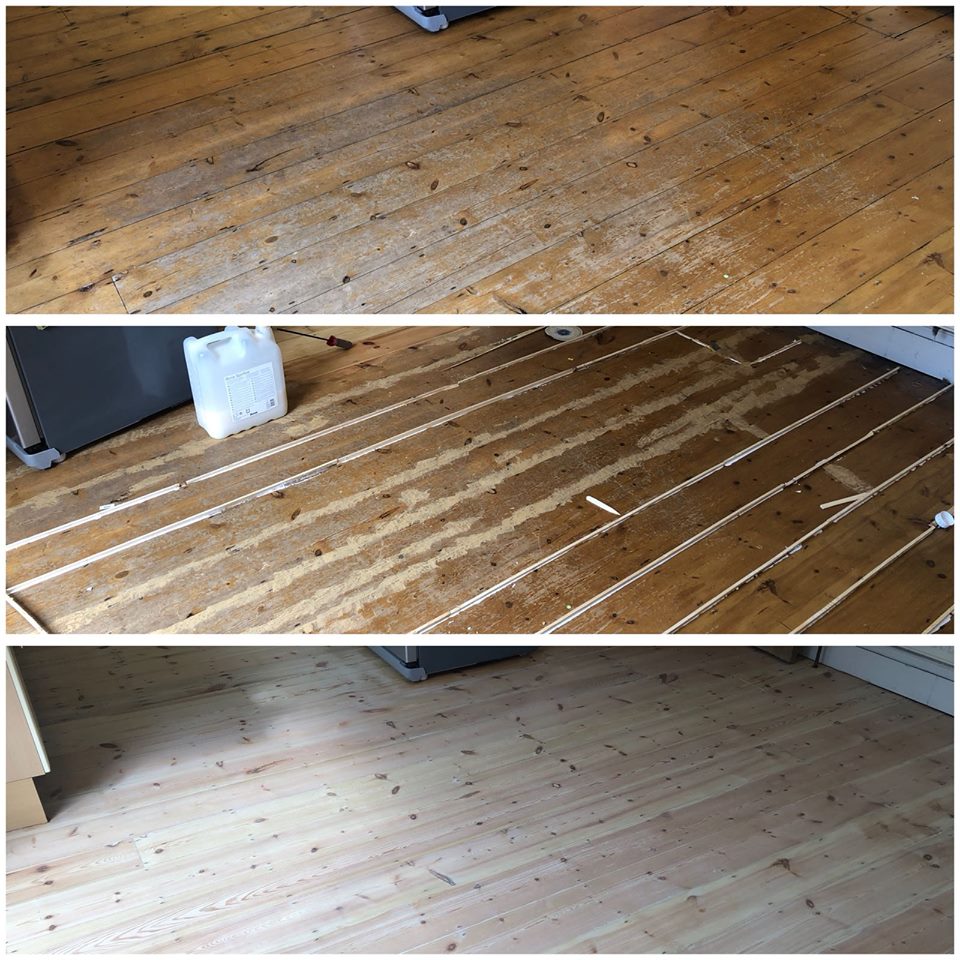
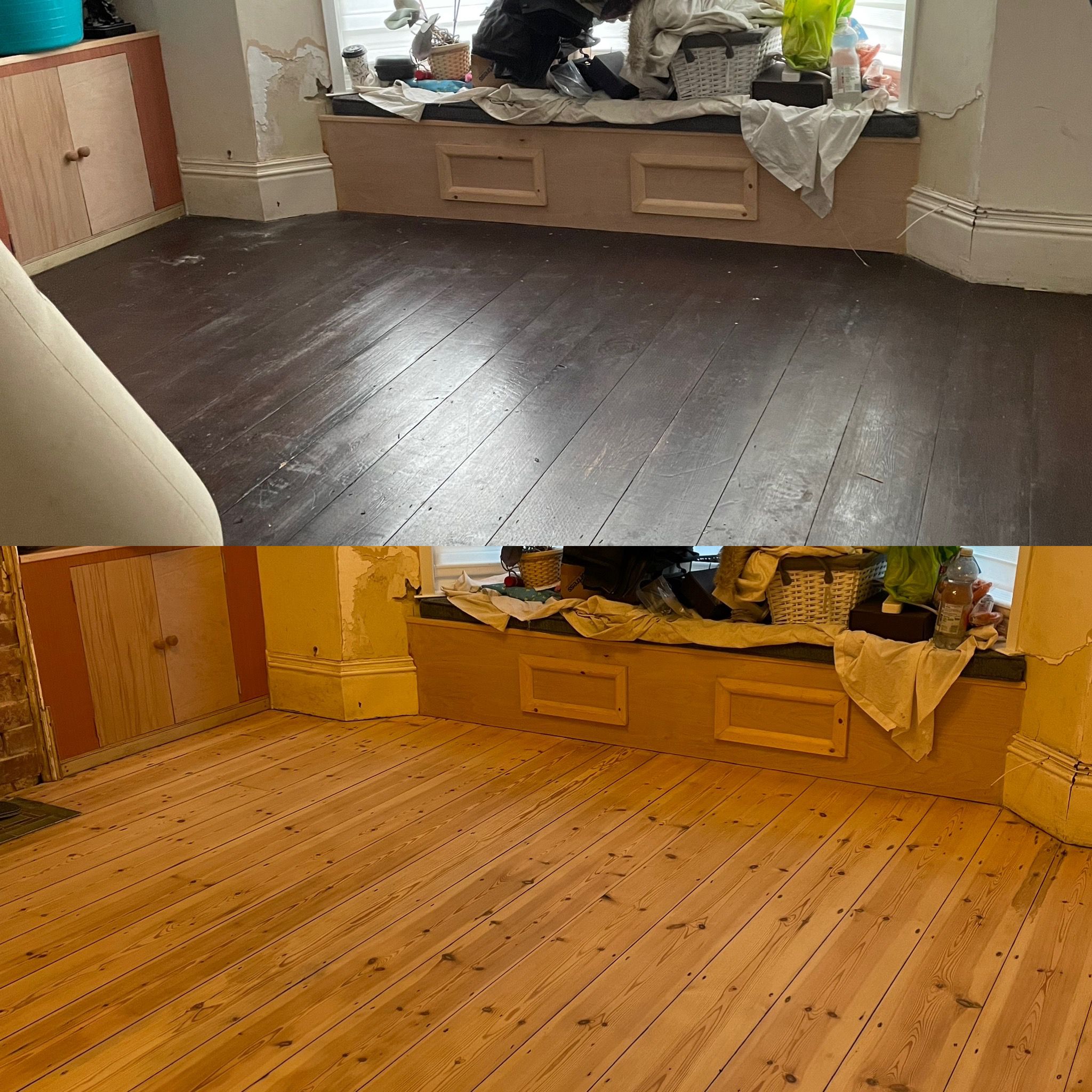
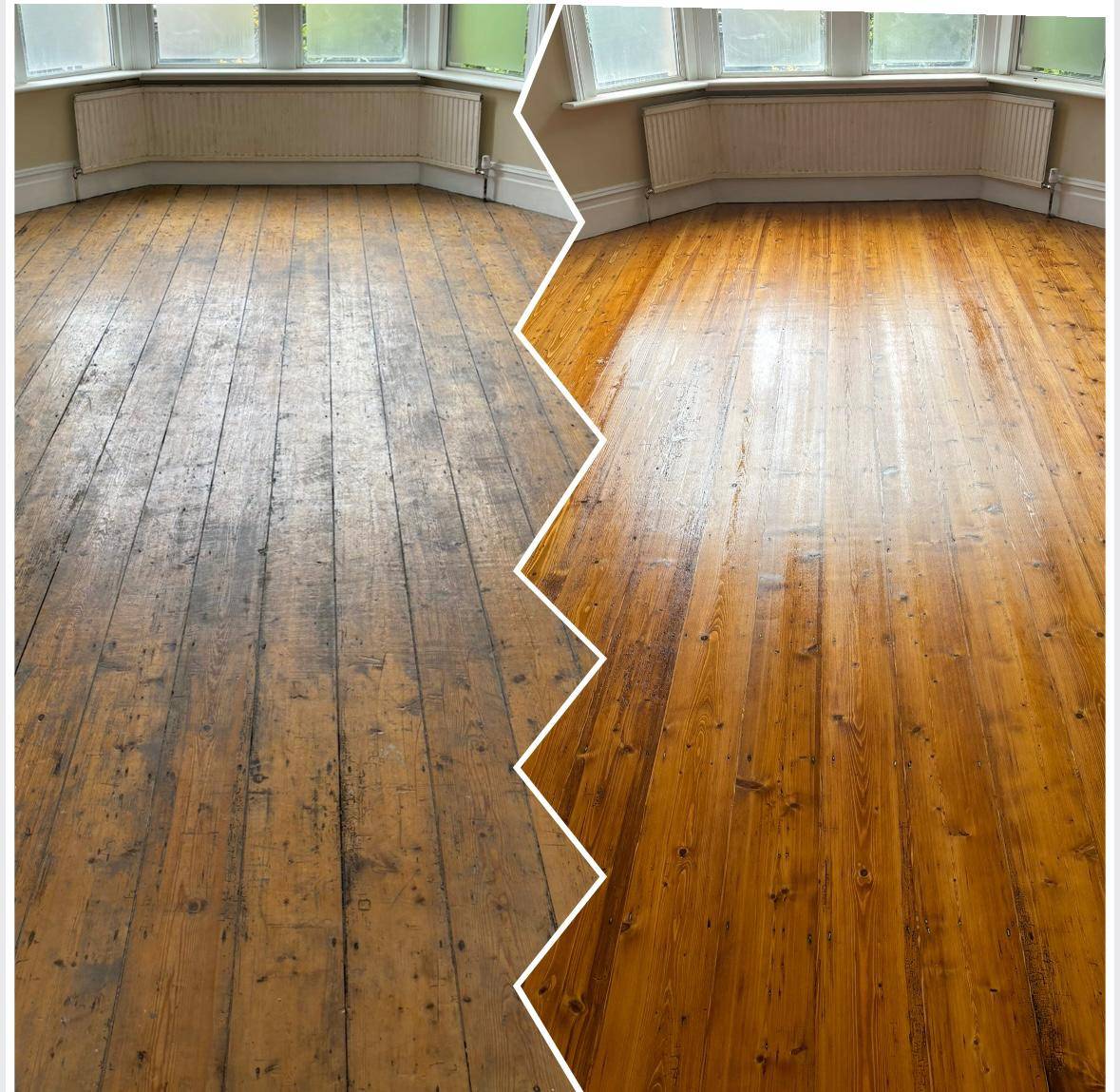
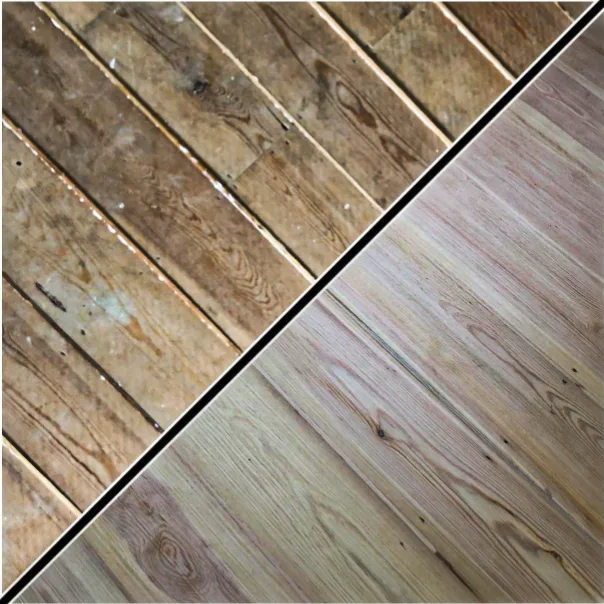
Floor sanding before and after

Floor Sanding in Barnstaple: One Town, Very Different Floors

As the main shopping and business town for North Devon, Barnstaple gives us a wider mix of floors than most places we visit. In a single week the work might take in a solid pine floor in a Victorian terrace, a run of engineered oak through a new-build on the edge of town, a timber studio floor upstairs in a gym, and the boards of a high-street shop where the finish has worn through in a neat lane between the door and the counter. The principles of floor sanding in Barnstaple stay the same throughout, but the machine settings, the grits, the finish and the timing all change with the floor in front of us.

Solid boards and engineered boards are the first split, and confusing the two is the mistake with a sander that is hardest to undo. With solid oak or pine there is plenty to play with: the timber continues right down to the tongue, so the drum can bite through three layers of yellowed varnish and level ridged boards with room to spare. An engineered board has only a thin skin of hardwood on top of a plywood or softwood base, and every pass takes some of that skin away. Working out which you have, and how much of the top layer remains, is one of the first things checked at a free survey, and there is a section further down this page that explains why it matters so much.

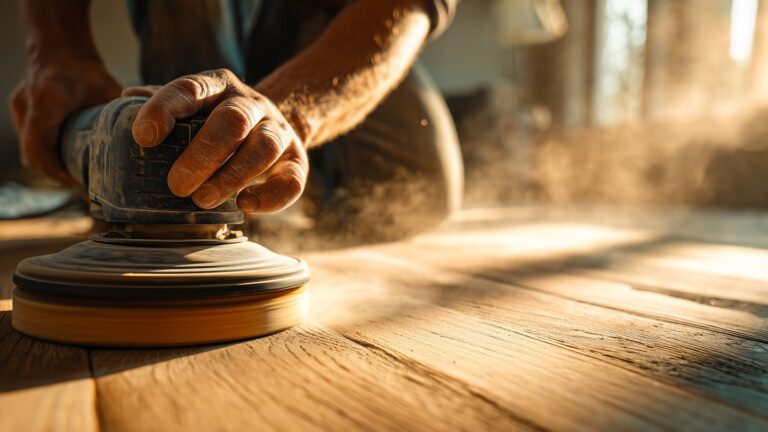
After that the work follows a familiar pattern: clear the room, lift the old coverings and their fixings, set every nail below the surface, then sand in stages from coarse to fine with the main machine before the edger and hand scraper deal with the margins. In an office where the IT cupboard and the photocopier stay switched on through the job, sealed extraction on every machine is what keeps fine timber dust out of the fans; our dust-free floor sanding page is plain about the little that slips past. The full method for houses is set out under our floor sanding service, and other towns in the county are listed under floor sanding across Devon. The family business runs from near Wellington in Somerset, and the North Devon link road brings Barnstaple well within the area we work week in, week out.
Commercial Floor Sanding in Barnstaple: Offices, Gyms and Shop Units

Ask three Barnstaple businesses what has gone wrong with their timber floor and you will get three different answers, which is why commercial floor sanding in Barnstaple starts with how the room is used. In offices it is the castors. An office chair rolling back and forth from a desk all day puts a concentrated load through a few small wheels, grinds in any grit that has been carried in, and wears a pale, dull arc on the floor beneath each workstation. Meeting rooms suffer from chairs being dragged rather than lifted. Reception areas take the bulk of the outdoor dirt. Rather than sanding the whole office every time, it is often sensible to plan a full sand of the worst areas and a maintenance coat elsewhere, carried out over a weekend so that staff come back on Monday to a finished floor.

Gyms are a separate challenge. The weights area is normally on rubber matting, but many gyms have timber floors for studios, spin rooms or functional training spaces, and those see sweat, chalk, dropped kettlebells and dumbbells, and trainers that pick up grit from the car park. Dents from dropped weights can sometimes be partly lifted with steam applied through a damp cloth if the wood fibres are crushed rather than cut, though deep gouges need sanding out or a board replacing. Grip is the key concern on a studio floor. A finish that is too glossy and slick becomes dangerous once it gets damp with sweat, while one that grips too much catches feet during turns and twists. Sports-grade lacquers are formulated to sit in the right range, and a matt or satin sheen helps. Gym owners will find more on sanding and sealing fitness floors, and those running yoga, Pilates or dance sessions on finishes for studio and dance floors.

Shops have their own problems: a heavy path from door to till, heel marks, trolleys and display units that are rarely moved, so the boards underneath stay pristine while those around them wear thin. Retail work is usually carried out overnight or across days when the shop is closed, with fixtures moved in stages so the whole floor can be reached. See shop floor sanding for more.

Whatever the business, quick-drying coatings let the work slot in around opening hours, and the dates can be booked months ahead to dodge a stocktake or the January sales. Landlords and facilities teams in shared office buildings often need the work documented before they will sign it off, and we can provide a method statement in writing, confirmation of our insurance and the contacts of earlier commercial clients for that purpose. Planning for business premises in general is on the commercial floor sanding page; landlords of licensed premises can look at bar and restaurant floor work, and bursars at sanding school halls in the holidays.

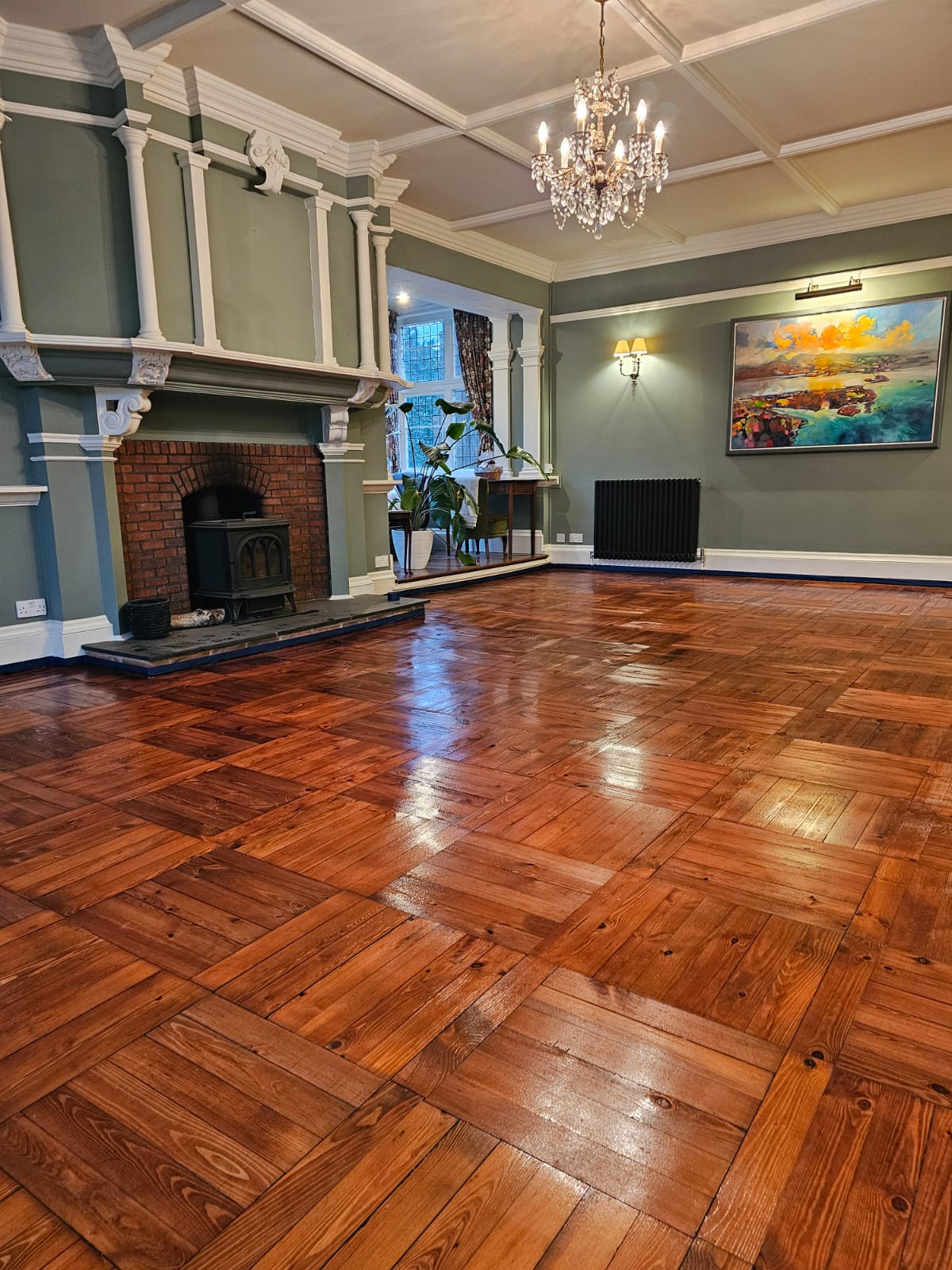
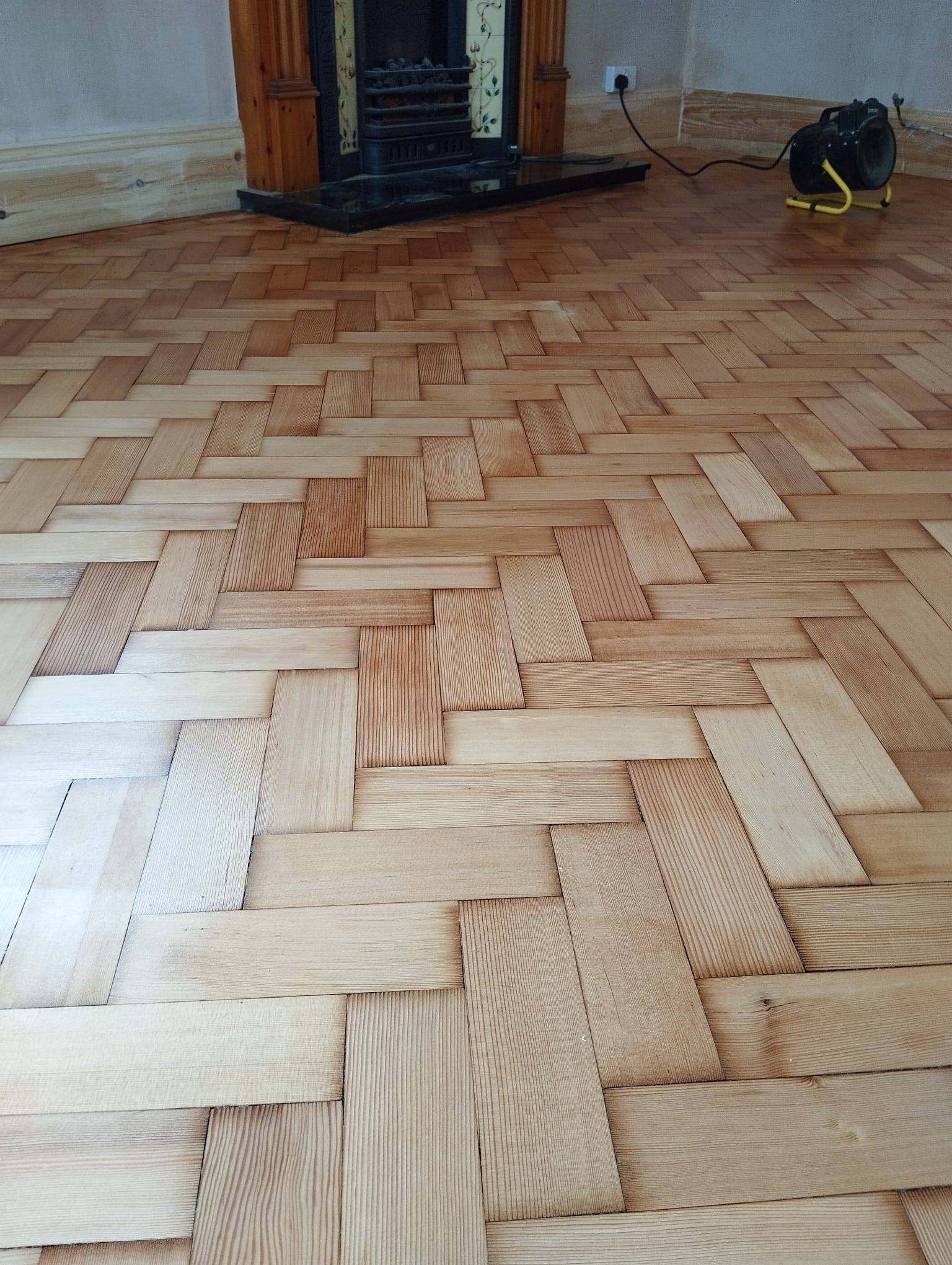
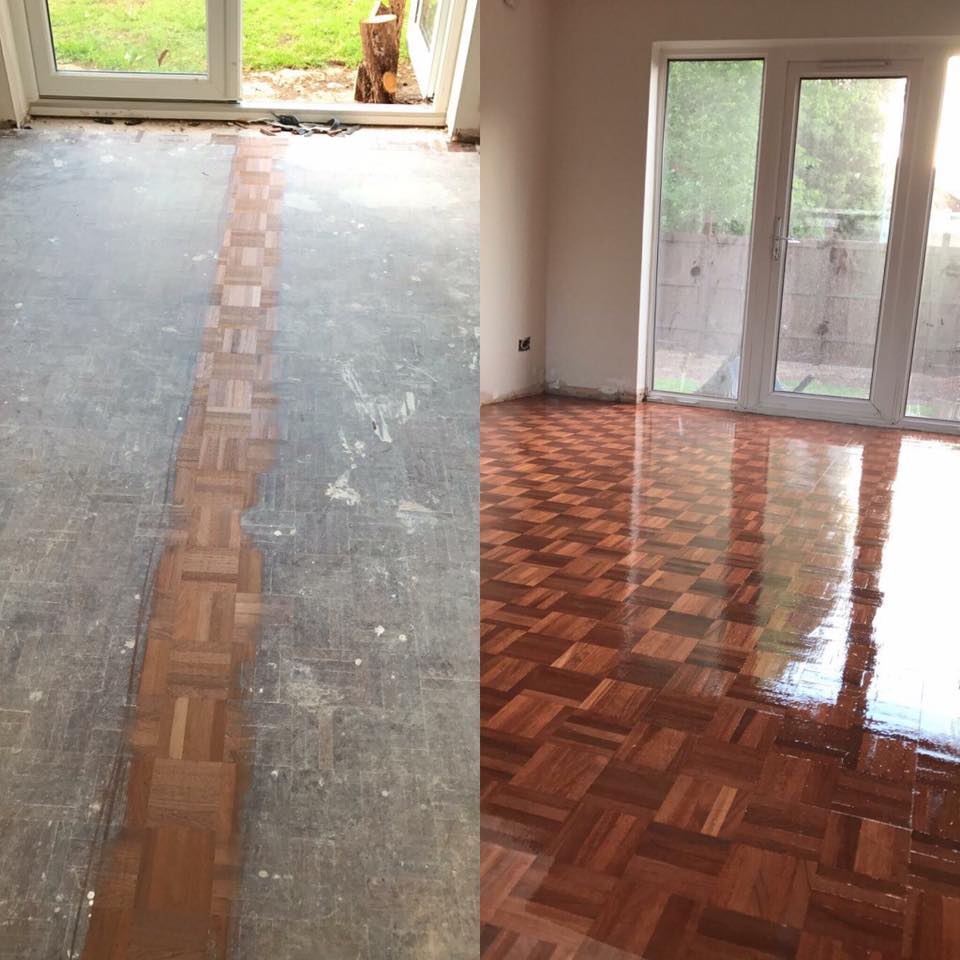
parquet wooden floor sanding
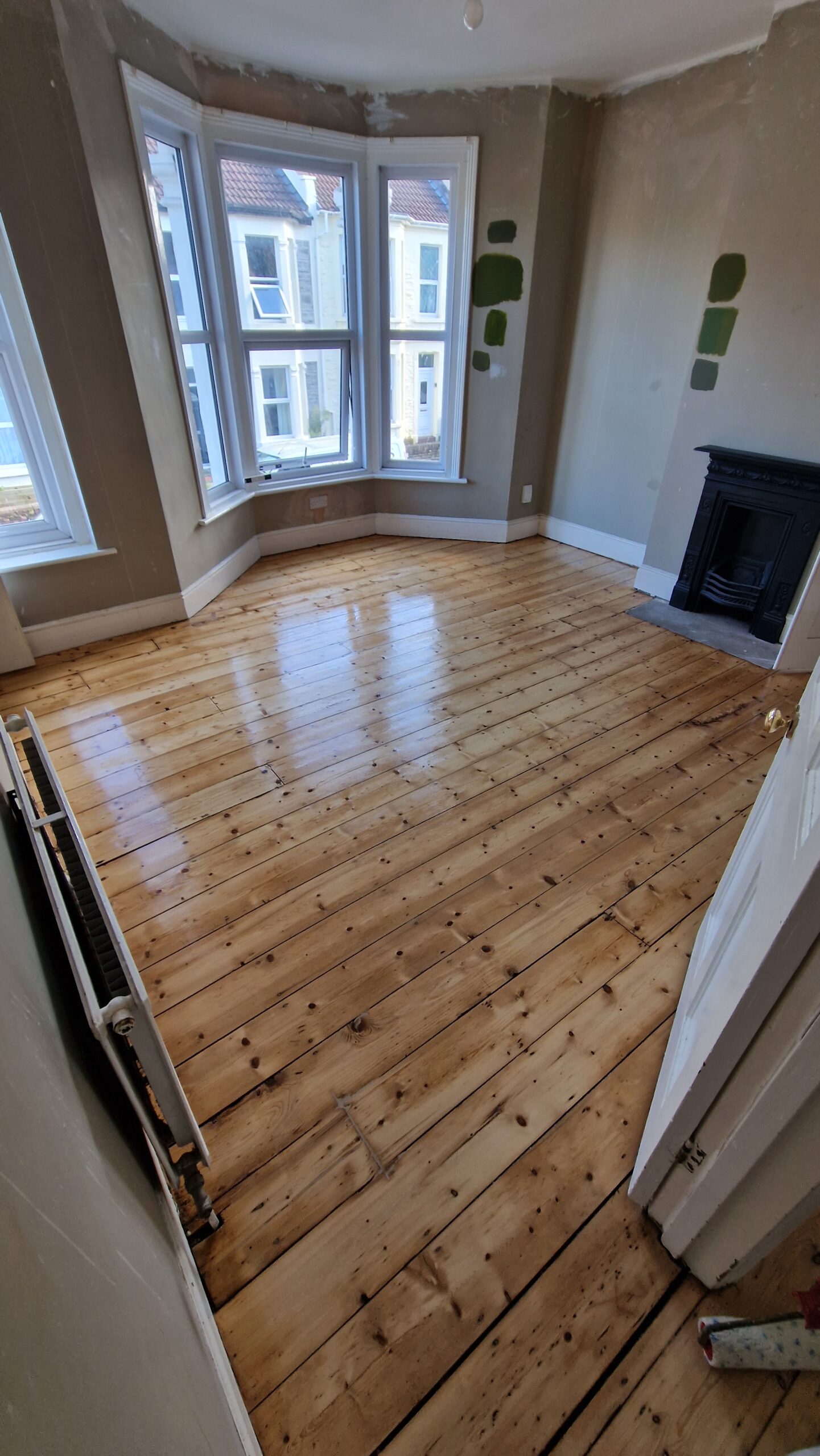
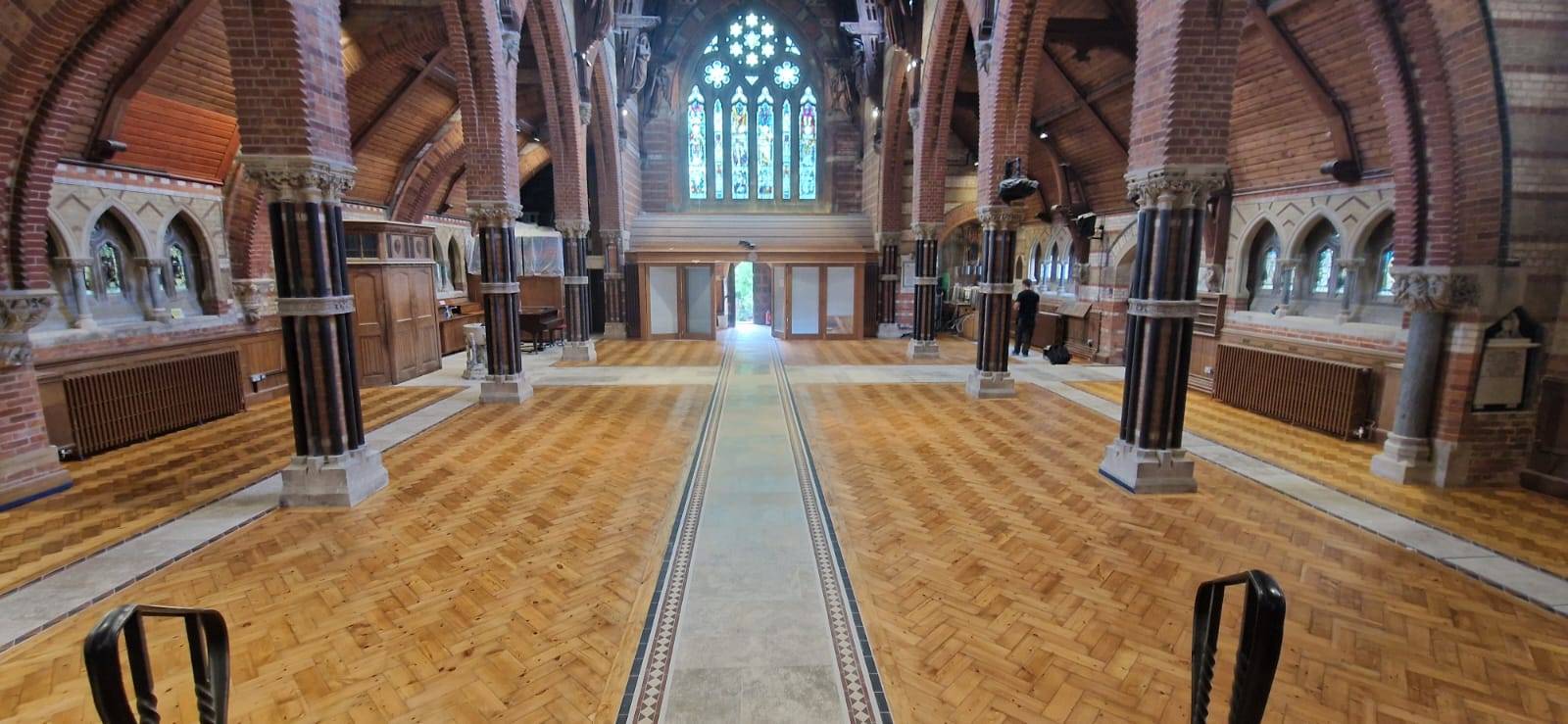
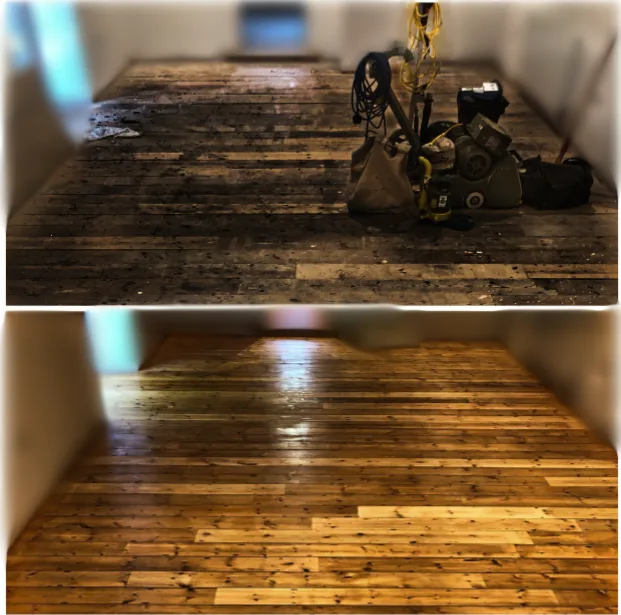
wooden floor sanding

Two-Pack Lacquer: Why a Hardener Changes Everything on a Busy Floor

The varnish on a DIY shelf is a one-pack product. Brush it out and the carrier, water or solvent, simply leaves the film, and the resin left behind hardens by drying alone. That is perfectly good for a bedroom or a sitting room. A two-component lacquer works on a different principle. The base and a separate hardener are kept apart until the moment of use, then mixed in an exact ratio. Once combined, the two react and form chemical cross-links between the resin molecules, building a tighter, denser network than evaporation alone can achieve. The practical result is a coating that resists abrasion, scuffing and chemicals, including the cleaning products used in commercial premises, far better than a one-pack finish.

That chemistry brings some practical rules. The clock starts the moment the two parts meet. Mixed lacquer stays workable for a few hours at most before it begins to gel, so on a large office floor it is made up in measured batches, one area at a time, rather than a whole drum at once. Getting the ratio wrong weakens the result. The floor is normally ready for light foot traffic within a day, but full chemical resistance takes several days longer to build, which is why heavy cleaning machines and wet mopping should be held off for about a week after the final coat. Ventilation during application matters too, and on commercial jobs this is planned in advance.

Where does that leave a Barnstaple customer? For offices, shops, gyms and restaurants, a two-component lacquer is usually the default. For a house, it is well worth considering in a kitchen, a hallway with heavy traffic or a home with large dogs, while a single-component water-based lacquer is fine for quieter rooms. Sheen is a separate choice: matt and extra-matt finishes hide fine scratches and look closer to bare wood, while satin and gloss reflect more light and show every mark. Our wood floor sealing page compares the lacquers in more detail.

Lacquer is not the only option. Some creative studios and boutique offices prefer the low-sheen feel of hard wax oil, which also lets a scuffed area by a desk be re-oiled without recoating the room; oiled finishes covers how that works. Traditional wax, on the waxing page, is better suited to a period room at home. If a company wants the floor to match a new colour scheme, a stain goes on first, with a sample square laid down on the actual boards before anyone signs it off; staining wood floors explains more. And for floors that just need their shine restored rather than a new coating, there is wood floor polishing.

Engineered Boards and Wood Floor Restoration in Barnstaple: Reading the Wear Layer

A large share of the timber floors laid in Barnstaple’s newer homes and offices over the last twenty years or so are engineered rather than solid. Cut one in half and you would see the layers: a few millimetres of real oak on the face, and under it a base of plywood plies running crossways to stop the plank moving with the seasons. That construction makes it less prone to seasonal movement and suitable over underfloor heating, but it also sets a hard limit on how much sanding the board can take. Wood floor restoration in Barnstaple therefore often begins with a question of millimetres.

The top layer is called the wear layer, and it varies a lot. Entry-level boards may have as little as two millimetres of hardwood; better ones have four to six. A full sand typically uses up between about half a millimetre and a whole millimetre of that oak, more if the floor is scratched deeply or uneven, and the sensible aim is always to leave enough for one more sanding later on. A board with three millimetres or more is normally a good candidate. A board with two may take one careful light sand, or may be better served by abrading the existing finish and recoating, which takes off almost nothing.

There are several ways to find out what you have without lifting the floor. A door threshold bar or a skirting can often be removed to show the edge of a board. A floor vent grille sometimes lifts out to reveal a cross-section. Leftover boards in the garage or loft are ideal. The paperwork from the original purchase may give the exact construction. On our survey we will look for exactly these clues before recommending anything.

The style of the board matters too. Many engineered floors have bevelled edges, a small V-groove along each joint. Sanding the surface flat cannot remove these, and on a heavily worn floor, sanding deep enough to clear damage may shrink the bevel unevenly. Floating floors, the click-together type laid loose over foam, can creep or bounce under a heavy machine, so they call for gentle passes and sometimes a different sander altogether. Factory finishes with aluminium oxide in the lacquer are very hard and need the right abrasive to cut through evenly. Laminate and vinyl planks that look like wood are a different matter altogether: they have a printed photograph under a plastic wear layer and cannot be sanded at all. The wood floor restoration page explains the other options, and oak floor restoration focuses on oak in particular, whether solid or engineered.

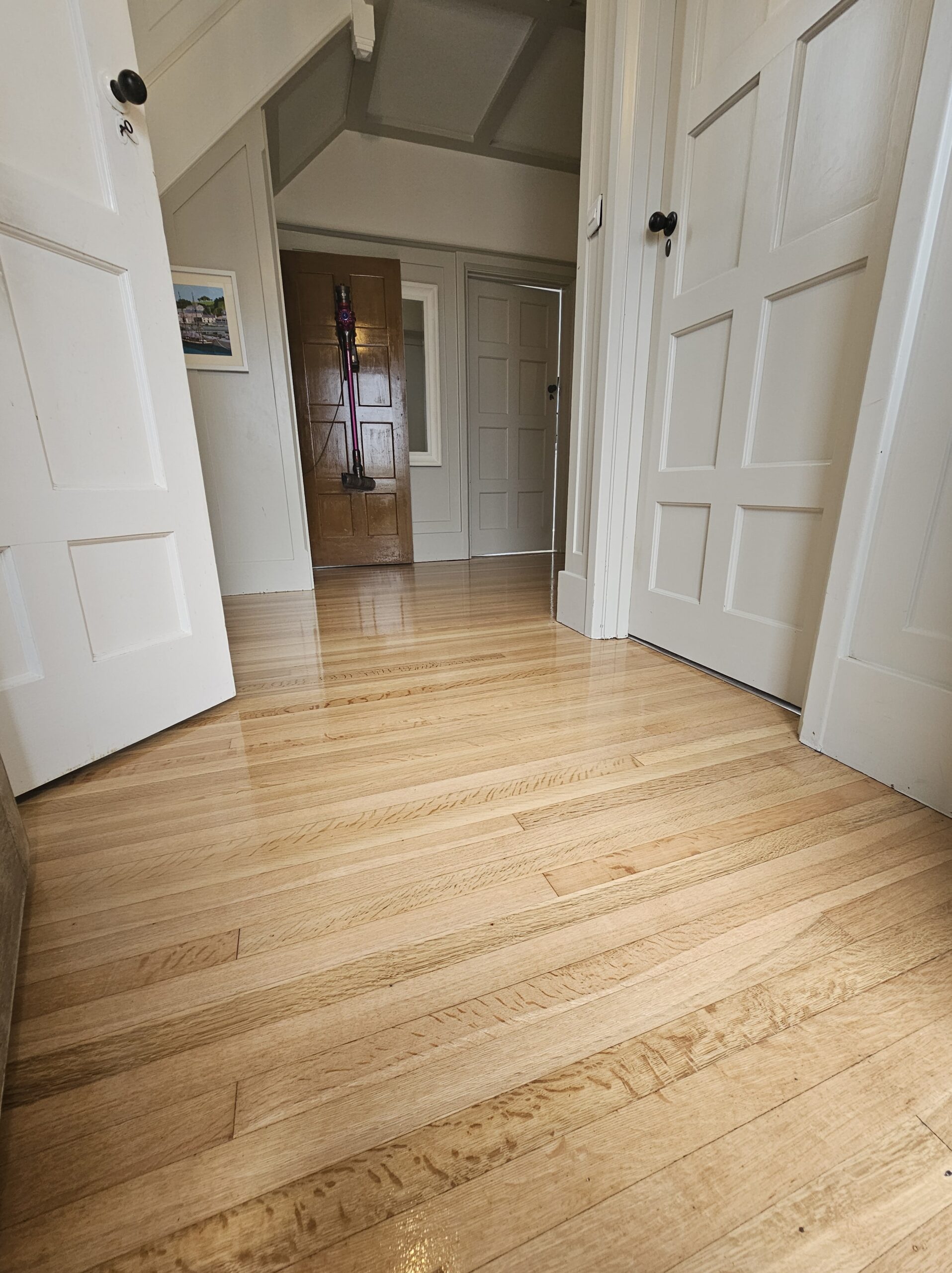
flooring sanding company
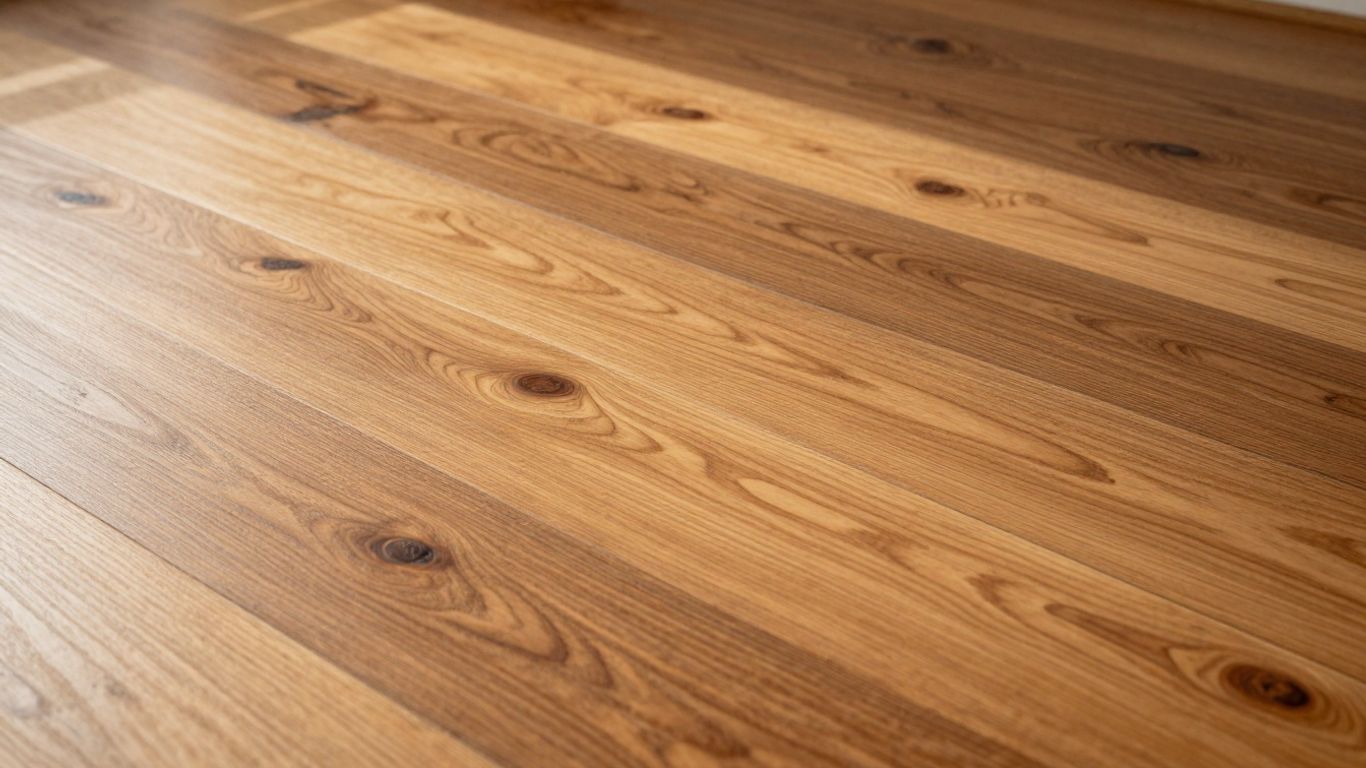
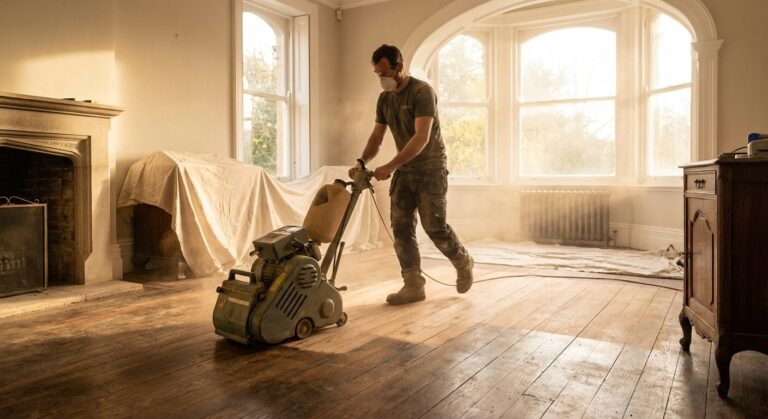
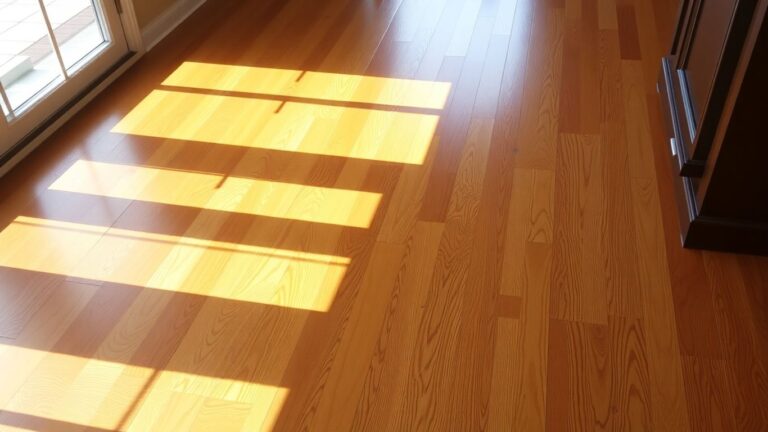
Sunlight across freshly lacquered wooden floorboards

Dented Studio Boards, Split Thresholds and Creaking Upstairs Offices

Repair work in Barnstaple divides roughly between the town’s older houses and its commercial buildings. In the older houses, the issues are mostly the familiar ones of age. Boards that have been cut for wiring or pipework are often left with short, loose pieces that rock underfoot. Edges split around old nail holes. A board near a radiator or a back door can rot through. Whatever cannot be saved is cut out and replaced with matching reclaimed timber from our stock, chosen by width and thickness so it lies flush with its neighbours and sands to the same colour. The floorboard replacement page shows how that works, and pine floor restoration is useful reading for anyone with old softwood boards.

In commercial buildings, the problems come from use. A shop doorway takes the full force of every customer, and the board or block at the threshold can split or wear far deeper than the rest of the floor. Office floors above ground level often creak, especially in converted older buildings where the joists were never intended for desks, filing and dozens of people walking about. Fixing creaks is normally a matter of securing loose boards to the joists with screws, though sometimes a joist itself needs attention. There is more under repairing creaking floors.

In older solid floors, gaps open once the central heating has run for a few weeks and tighten again by June. Resin filler mixed with the floor’s own dust handles fine gaps, and timber slivers glued in deal with larger ones; see gap filling. Light scuffing in an office lacquer usually needs only a fresh coat, whereas a dented studio board is judged on its own merits; repairing scratches and dents lays out the choices. For anything more structural, wooden floor repairs is the place to start.

Parquet Corridors and Family Staircases

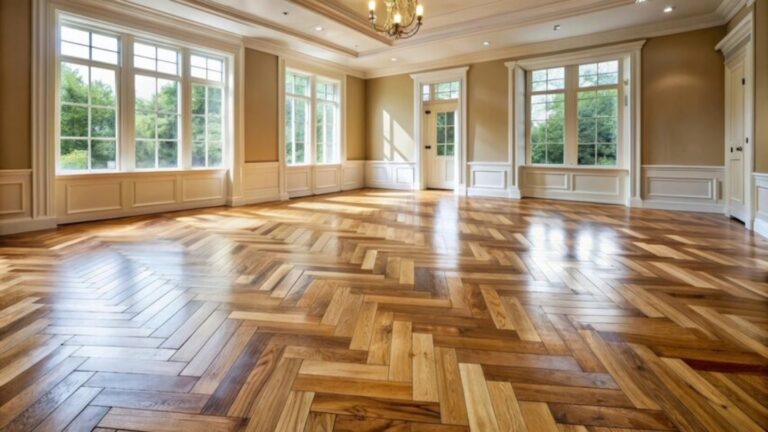
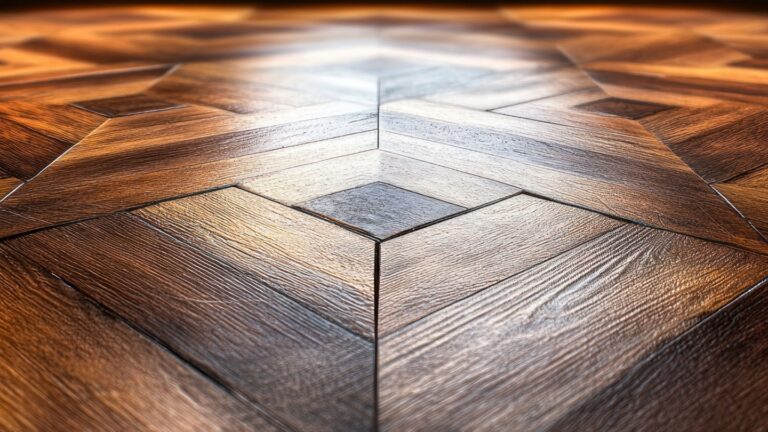
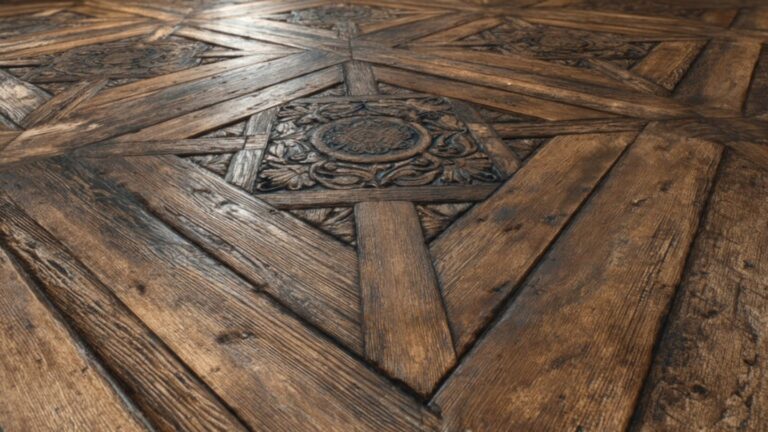
Parquet is common in Barnstaple’s mid-twentieth-century buildings, from homes to older offices and public buildings. A block floor in a corridor or reception area that has been walked over for decades often has a worn central lane and blocks loosened by ageing bitumen adhesive at the edges. In a long office corridor there can be dozens of blocks that sound dead when tapped. Each comes up, both it and the screed get their crust of aged bitumen scraped away, and it goes back in modern adhesive; anything lost over the years is replaced with blocks of matching size and species. Herringbone parquet floor sanding is then done at angles across the pattern, followed by a multi-head machine to clear the swirl marks that would otherwise show through the finish. More on the technique is on the parquet floor sanding page, and a completed Devon example sits in our write-up of a Paignton woodblock floor.

In homes, the staircase is often the job that comes after the floors. Carpet comes up to reveal treads with gripper strips and staples, painted borders and a lot of old adhesive. Stair sanding is done by hand-held machines and scraping, with particular care at the nosings where the profile is easily flattened. A common choice is sanded and lacquered treads with painted risers, which hides the inevitable differences in the riser timber and makes the steps easier to see. See stair sanding for the details.

Wood floor sanding company
Floor sanding taunton

Keeping Barnstaple Floors Working, New Installations and Asking for a Quote

For a commercial floor, the cleaning routine decides how long the finish lasts. In a Barnstaple shop or office, the plainest item in the building, a long strip of barrier matting just inside the door, protects the floor more than anything else, because people need three or four strides on it before their soles are clean. Scrubber-dryers can be used on lacquered wood, but with soft pads, the minimum amount of water and a cleaner suited to the finish rather than a heavy-duty degreaser. In offices, polycarbonate chair mats under each desk save the floor from castor wear. Gyms and studios benefit from daily dust-mopping to lift chalk and grit. When the surface begins to dull in the traffic lanes, an abrade and recoat restores it quickly without a full sand, as described on the buffing and recoating page. A busy commercial floor normally needs full sanding every four or five years; a domestic one, every eight to ten.

A family home asks much less of its owners. Stick felt to the kitchen chair legs, put a coir mat where the children kick off their shoes, and wash weekly with a well-squeezed mop and a gentle, neutral wood cleaner. Domestic rooms follow a simpler timetable: socks on the new finish from the next day, and the settee carried back in a couple of days after that. Leave rugs rolled up for a fortnight.

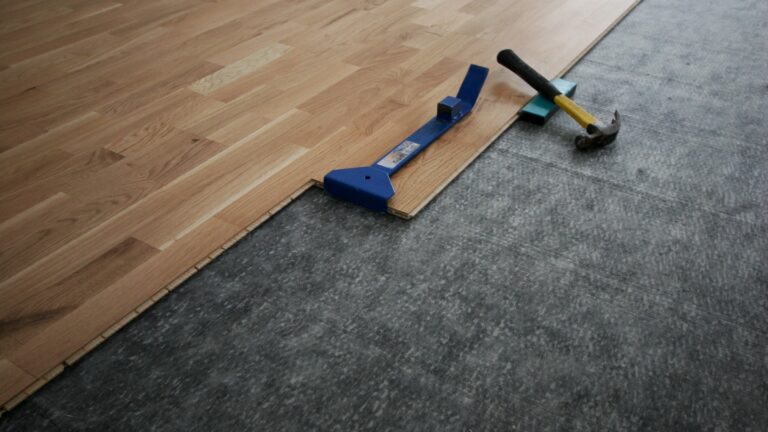
If an office or house needs a new floor rather than a refurbished one, we can lay solid or engineered timber ourselves, or deliver it for a contractor already on site. The ranges we draw on include Bona and Junkers. See new wooden floor installation for what is involved.

Getting advice starts with a pair of photographs emailed to info@ryansrestoration.co.uk: a wide view of the office, shop or room, then a close shot of the worn lane under the desks or whatever is worst. We then come and look, at no charge, usually spending about half an hour on site. On an engineered floor this is the moment the remaining oak gets measured at a threshold or vent; on any floor we also log meter readings, check airflow beneath the boards and look for damp and past repairs. You then get a written breakdown showing sanding, repairs and finishing as separate lines, and that figure is fixed for the agreed scope. Facilities managers who would rather talk it through can ring 01823 674562 any weekday from 8am until 6pm, and shop owners who cannot leave the till in the week can ask for a Saturday visit. You can also use the contact page. If you have premises along the coast as well, our page on floor sanding in Braunton may help, and for a sanded and sealed domestic floor, see the East Anstey project.

Barnstaple Floor Sanding Questions

Usually, yes. Offices are often done over a weekend, or in sections over several evenings, using quick-drying finishes so the floor is ready for staff on the next working day. Furniture can be moved in stages so that only one area is out of use at a time. The plan is agreed in advance, so everyone knows what will happen and when.

Look at the edge of a board, which can often be seen at a door threshold, a removed skirting or a floor vent. Look for layers. Solid oak shows one continuous grain from face to underside, while an engineered plank has a visible line where the hardwood face meets the plywood beneath. Original purchase paperwork or spare boards in the garage will also tell you.

That comes down to the depth of real oak on the top of each plank. With a generous four to six millimetres, a floor will usually survive several resands across its lifetime; with only two or three, there may be room for one light sand at most. In thinner cases, abrading and recoating the existing finish is often the better option.

Two-pack means the lacquer arrives as two containers, base and hardener, combined on site so they cure chemically into a film that stands up to scuffing and cleaning chemicals far better than ordinary varnish. It is the normal choice for commercial floors. At home it makes sense in a hallway, kitchen or a house with large dogs, while a one-pack lacquer is usually enough for bedrooms and quieter rooms.

Shallow dents where the wood fibres are crushed rather than broken can sometimes be partly raised with steam and a damp cloth before sanding. Deeper dents and gouges need sanding out, which is only practical if there is enough timber left. Where the damage is very deep, the best solution is replacing the affected boards.

Not necessarily; slip resistance depends more on the product than the sheen. That said, matt finishes hide scratches and scuffs better and tend to look more natural. On sports and studio floors, the finish should be one designed for that use, which balances grip for safety with enough slide for turning movements.

No. Laminate is essentially a photograph of wood sealed under a clear plastic skin, and luxury vinyl tile is plastic from top to bottom. Sanding would go straight through the pattern. If a laminate floor is worn out, the only real options are replacement with laminate or upgrading to a solid or engineered wood floor, which can then be sanded in the future.

With fast-curing commercial finishes, a shop floor sanded overnight can often take foot traffic the next morning. Display gondolas can go back after a day or two if they are lifted rather than pushed and have pads under the feet, but wet machine cleaning should be held off for roughly a week, until the lacquer has cured right through. A specific timetable is agreed before the work starts.

Yes. North Devon is regular territory for us, so homes and businesses in the surrounding villages are covered as readily as those in the town. A postcode in the email with your pictures is enough for us to tell you straight away.