45 years’ experience  ·  Rated 4.9 on Google  ·  Family-run, from our workshop near Wellington

45 years’ experience · Rated 4.9 on Google · Family-run

Floor Sanding and Wood Floor Restoration in Cheddar

Floor sanding, oiling and repairs for Cheddar cottages, cafes and gift shops, with finishes chosen to cope with muddy boots and spilt tea

QUICK QUOTATION

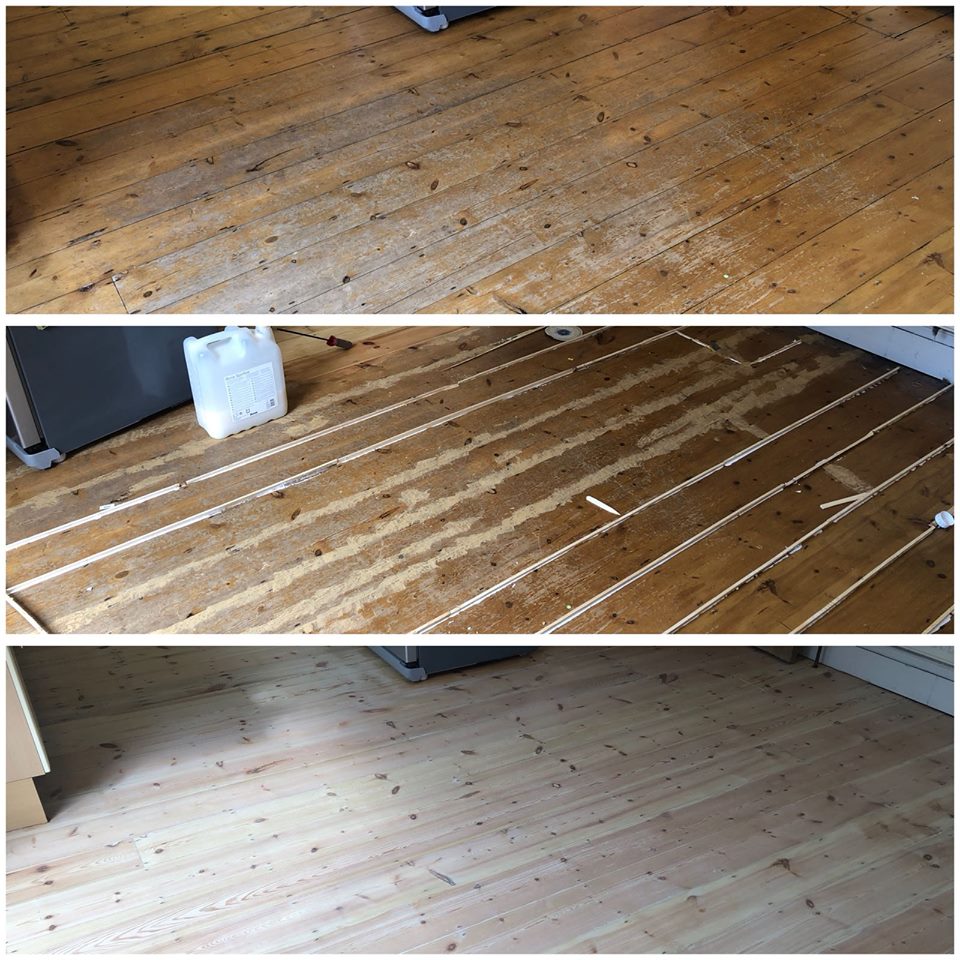
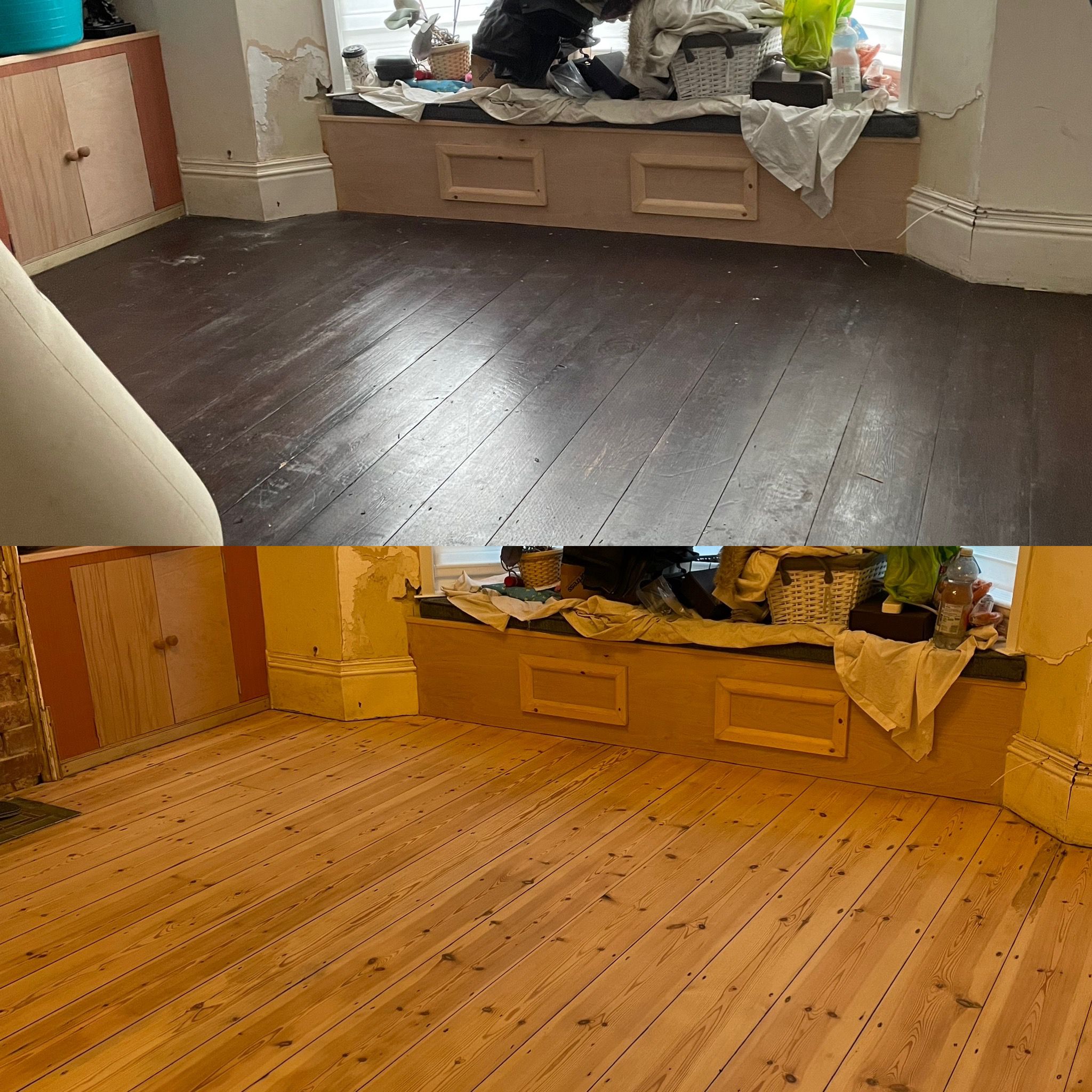
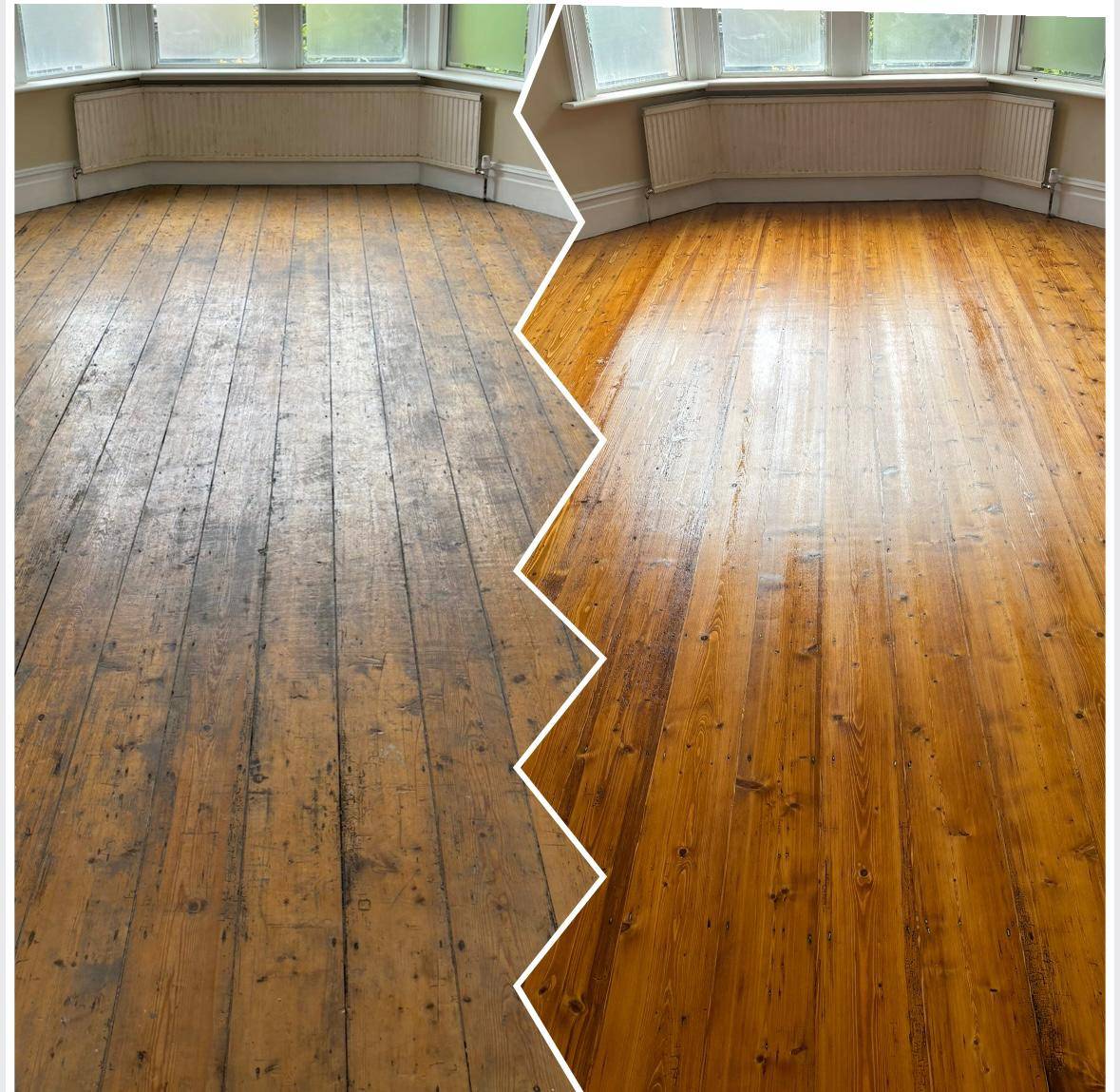
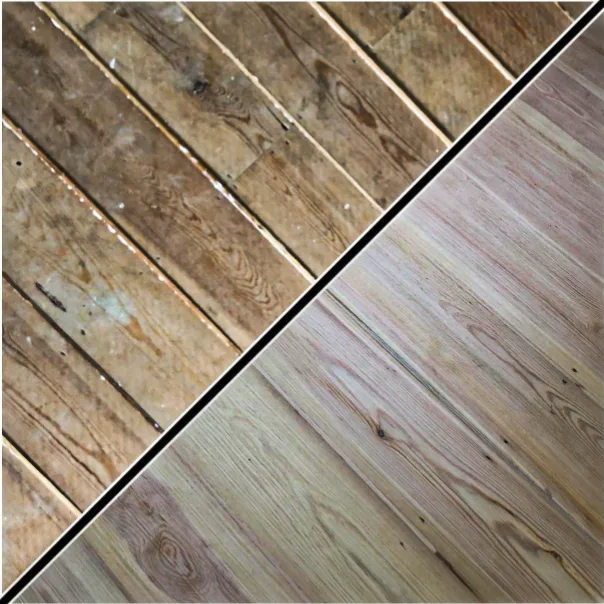
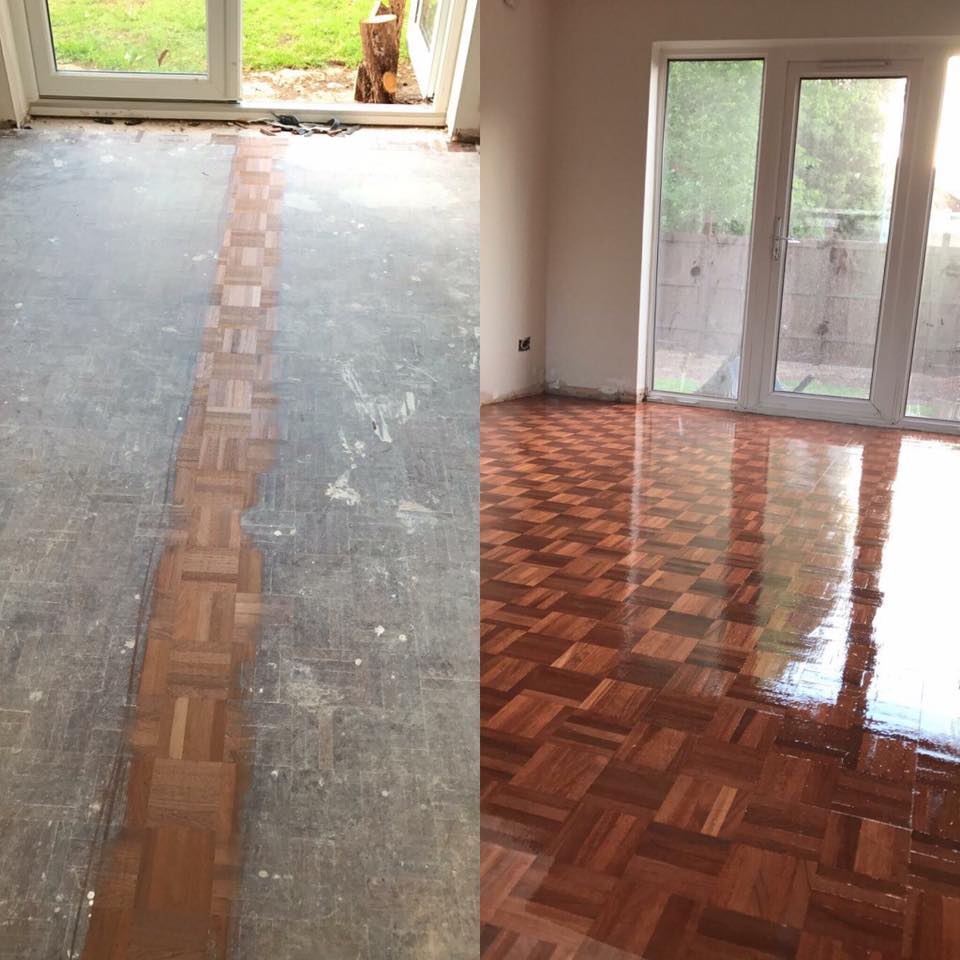
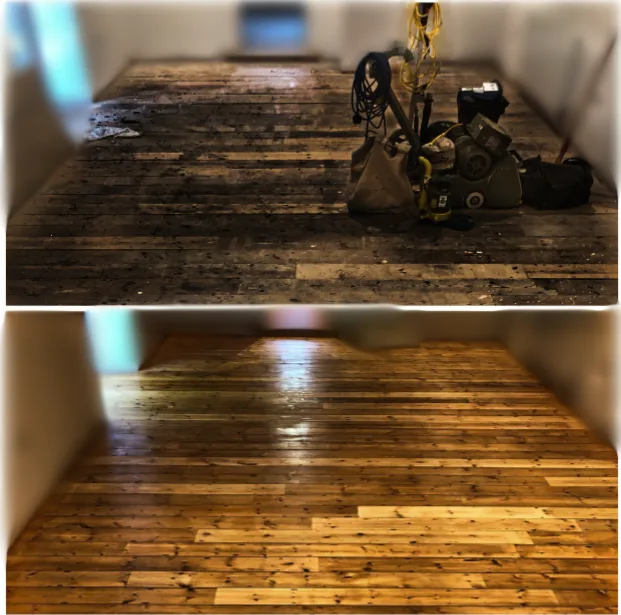
Floor sanding before and after

Floor Sanding in Cheddar: Cottages, Village Houses and What Lies Underfoot

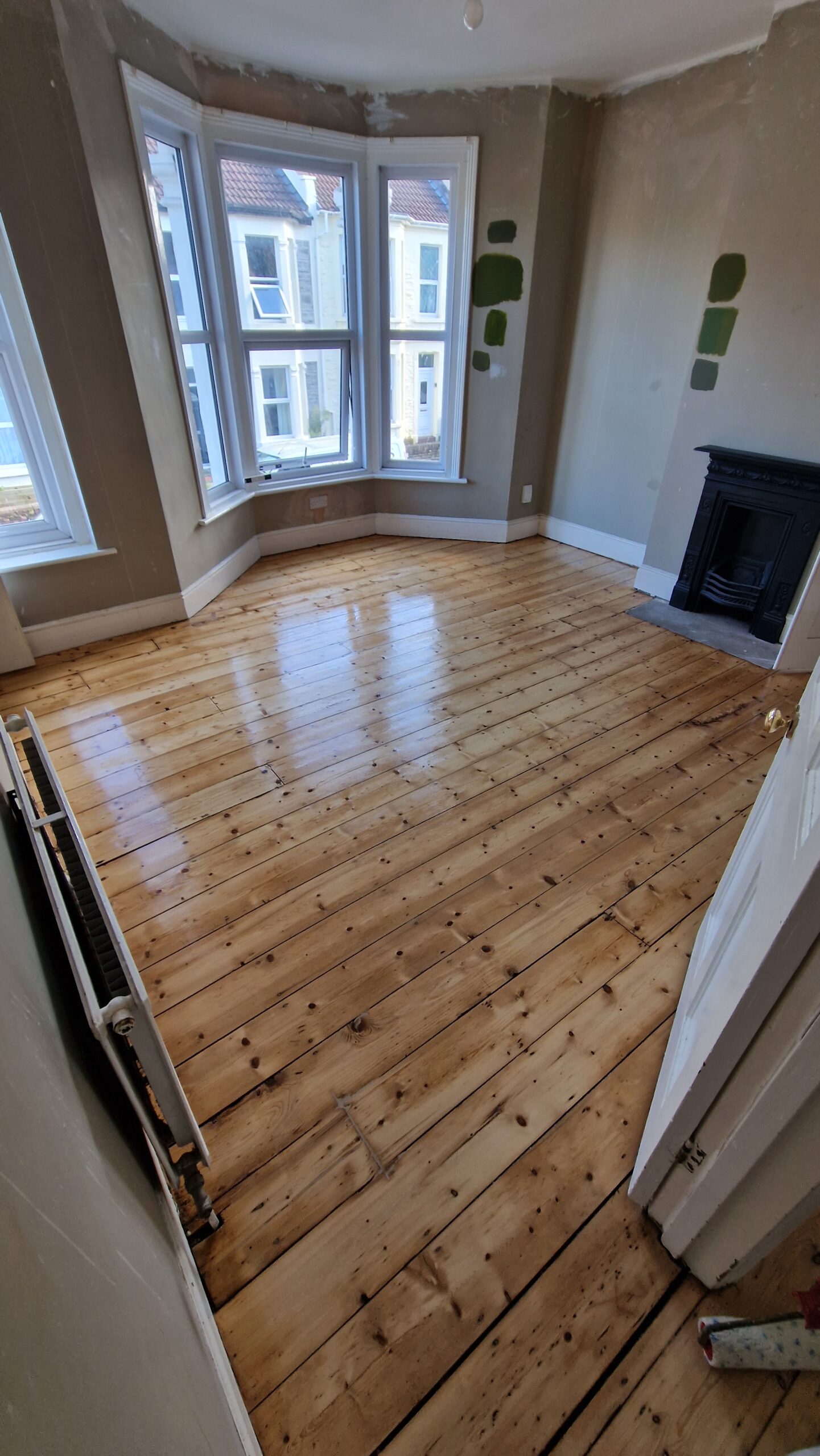
Cheddar’s housing runs from old stone cottages on the lanes below the Mendips to semis and newer estates further out, and the floors vary to match. In the oldest cottages, the ground floor may be flagstone or concrete, with timber only upstairs. Victorian and Edwardian houses usually have suspended pine boards on joists throughout. Post-war and modern homes are more likely to have oak strip, engineered boards or a wood block floor laid onto a screed.

Each of these needs handling differently, so floor sanding in Cheddar starts with finding out exactly what you have. Pine boards are soft and forgiving of a heavy hand only up to a point. Oak strip is harder and shows chatter marks, the faint ripples a drum sander leaves if it is set up badly. Engineered boards have a finite layer of real timber on top, and the first job is checking how much is left before any machine touches it.

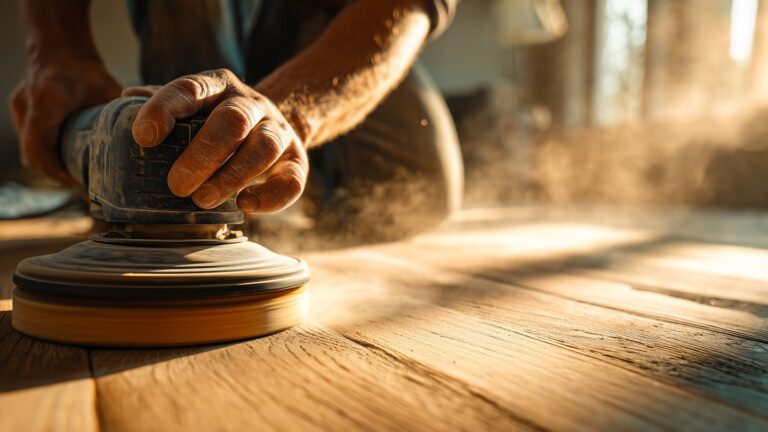
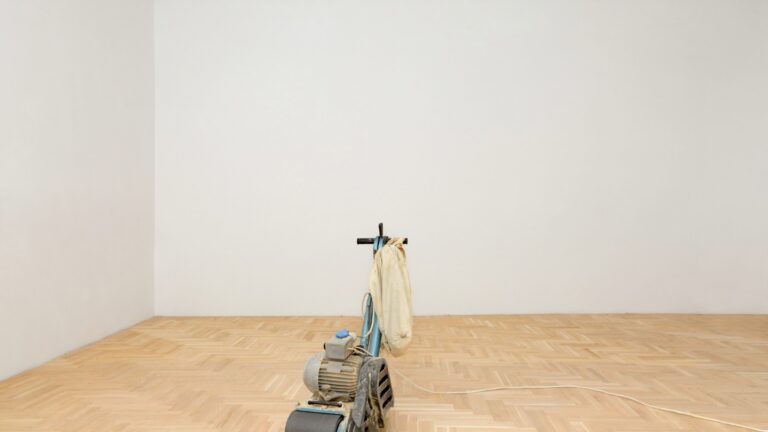
The sanding itself is done in stages. Our floor sanding service opens the timber up with a rough grit that cuts through tired finish and grime, then works down through finer papers until the surface is smooth enough for oil or lacquer to sit evenly. The edger takes care of the margin along the skirting, and the corners and awkward spots round pipes are finished with a hand scraper. Cottage rooms are often out of square with sloping floors, and on those the edges need a lighter touch so the margins do not end up looking scooped.

The extraction is sealed: dust travels from the drum through a closed hose into a collection unit rather than into a bag hanging off the machine. That system is what lets us describe our work as dust-free floor sanding, although a little fine dust always escapes and settles somewhere, usually on the top of door frames. In a cottage with low beams and a lot of nooks, it is worth moving ornaments out of the room beforehand.

A typical living room or bedroom takes a day or two. A whole downstairs with a hallway and stairs runs to about three days, depending on what repairs turn up once the old finish is off.
Commercial Floor Sanding in Cheddar for Cafes, Tea Rooms and Gift Shops

Cheddar sees a heavy flow of visitors heading to and from the Gorge, and that traffic is hard on a wooden floor. Walkers come in off the cliff paths with grit and limestone dust in their boot treads. Families queue at the counter. Tables are pulled in and out all day, and tea, coffee and ice cream end up on the boards more often than anyone would like. A cafe or gift shop floor here can go from freshly finished to grey and worn along the walkways within a single summer if the finish is not up to it.

Commercial floor sanding in Cheddar is about matching the work to that pattern of use, and to the calendar. Visitor businesses are busiest in the school holidays and at weekends, and many trade quietly or close on certain days through the winter. The quieter months are the obvious window. Where a business cannot shut, our commercial floor sanding service can work overnight with fast-curing finishes, and doing a floor in two halves on successive nights keeps at least part of the premises usable.

The choice of finish matters more here than in most homes. On a shop floor where limestone grit off the Gorge paths is grinding away at the coating all day, two-pack lacquer holds out longest. It forms a hard film that resists scratching from sandy soles and stands up to frequent mopping. For cafe and restaurant floors, where the wear is concentrated around tables and the counter, a hard wax oil is often the better choice, for reasons the next section explains. Guest houses and B and Bs, where corridors take most of the punishment, are covered on our hotel floor sanding page.

A few practical measures add years to any finish in a visitor-facing business: a long entrance mat that takes several strides to cross, felt or nylon glides on every chair, and a cleaning routine that uses a wood-safe product rather than whatever is under the sink. Commercial floors in heavy use need sanding back roughly every four or five years. If you need paperwork first, we provide method statements, insurance certificates and references.

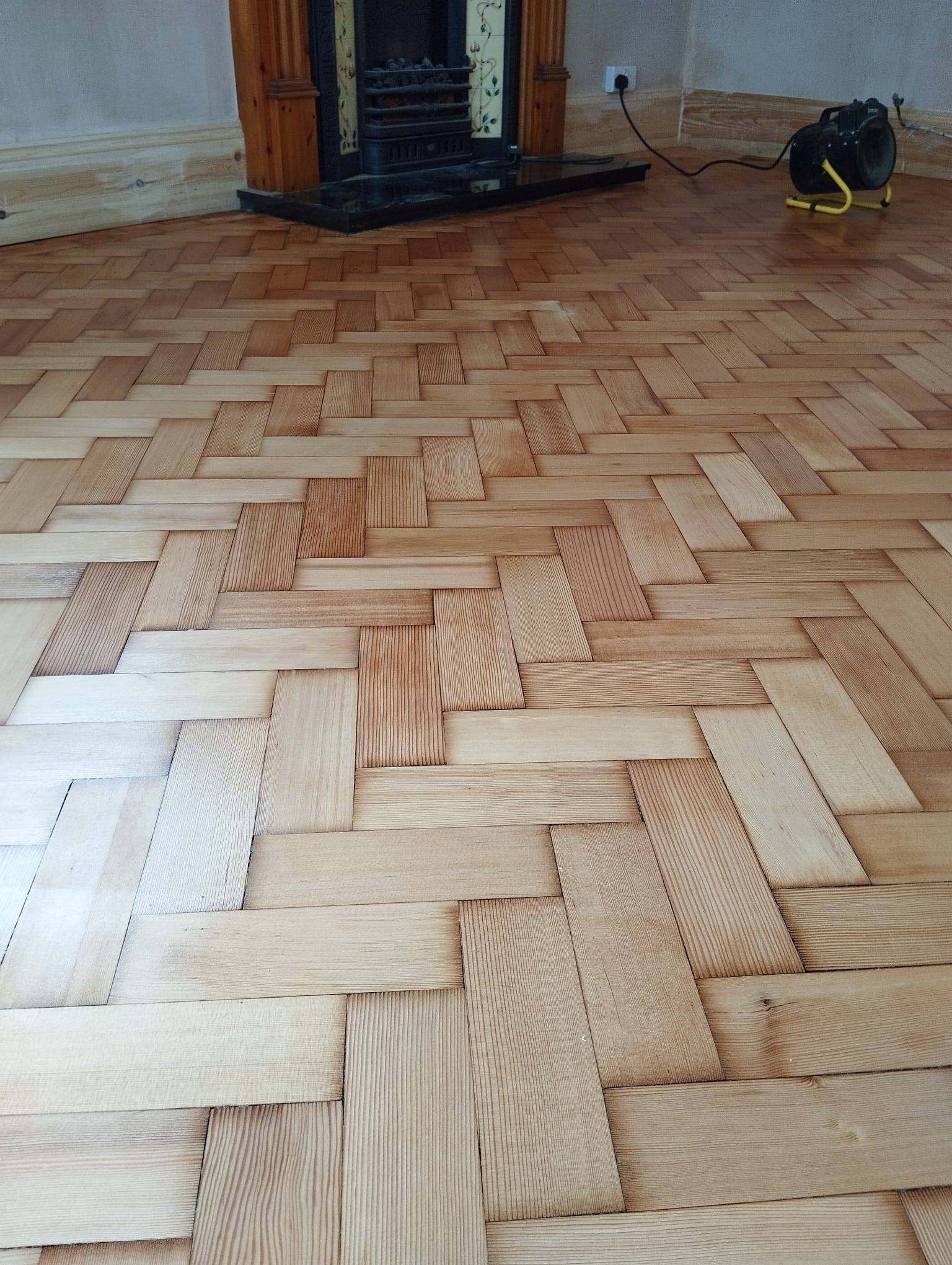
parquet wooden floor sanding
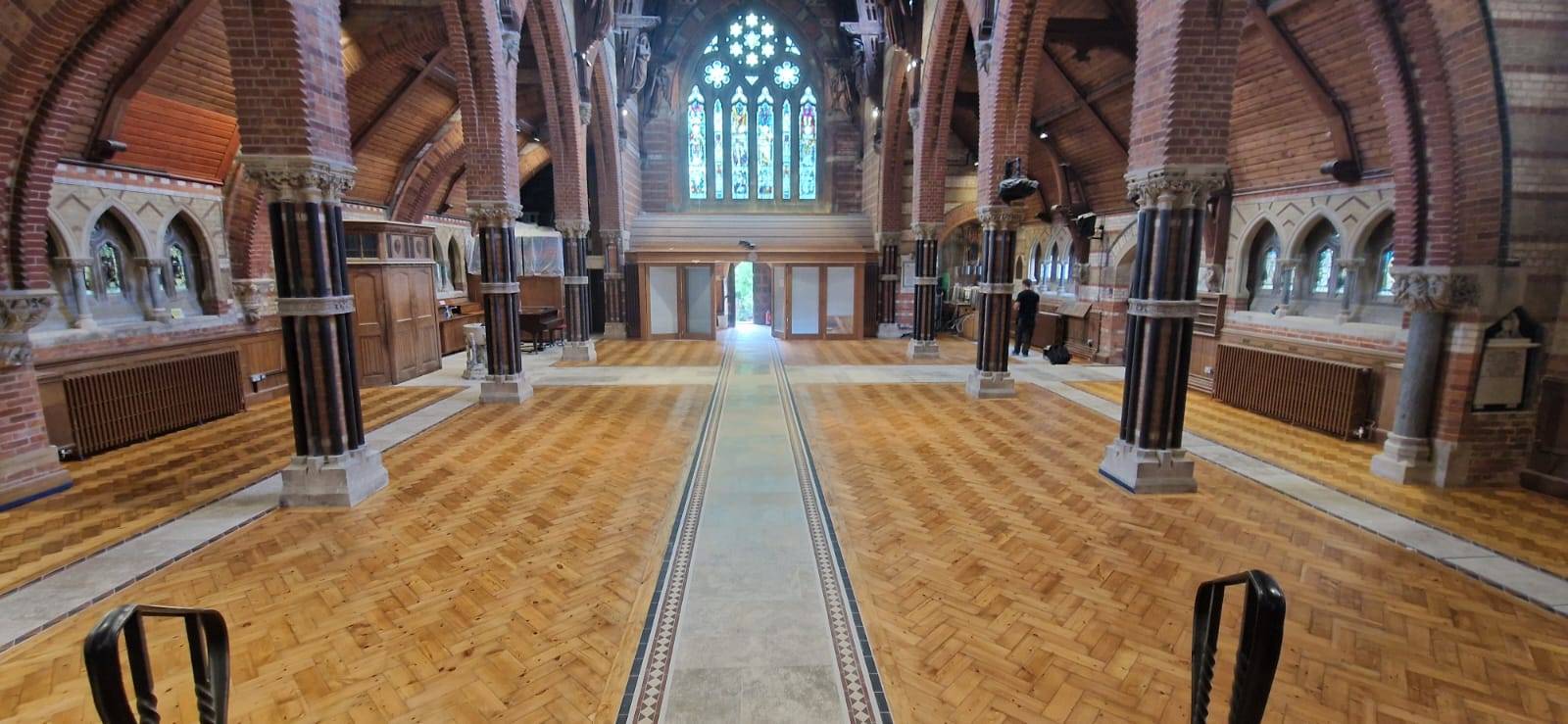
wooden floor sanding

Hard Wax Oil: How It Works and Why It Suits Busy Floors

Hard wax oil is a blend of natural oils, usually linseed or sunflower based, with waxes such as carnauba or candelilla. Unlike lacquer, which sits on top of the wood as a film, the oil soaks into the surface fibres and hardens there, while the wax component builds a thin, water-repellent layer at the surface. The result looks and feels more like bare timber than lacquer does, with a low sheen and none of the plastic look some people dislike.

The real advantage in a busy setting is repair. A lacquered floor that has worn through in front of a counter needs the whole area sanded and recoated, because new lacquer does not blend invisibly with old. With hard wax oil, a worn patch can be cleaned, lightly abraded and given a fresh coat that blends into the surrounding floor. A cafe owner can deal with a tired walkway in an evening rather than closing for days.

There are trade-offs. Hard wax oil is less resistant to standing water than a two-component lacquer, so a spill left for an hour may leave a mark that needs a spot of attention. It also needs more frequent maintenance. A floor oiling refresh once or twice a year on high-traffic routes, and occasional cleaning with a soap made for oiled floors, keeps the surface in good shape. Ordinary detergents strip the wax and leave the timber looking dry.

For homes in Cheddar, hard wax oil is a good fit on oak, particularly in kitchens and open-plan rooms where it is easier to touch up than lacquer. It brings out the figure of the grain and gives a warm, slightly deeper colour. On pine, it tends to yellow a touch over time, which some people like and others do not. The alternatives, from clear water-based lacquers to sealing products built for heavy use, are worth comparing with your own floor in mind.

One thing to know before choosing: an oiled floor and a lacquered one cannot easily be switched later without a full sand. Pick the one that suits how the room is really used.

Wood Floor Restoration in Cheddar: Water Marks, Black Stains and Worn Walkways

Spills are the most common problem on village and visitor-trade floors, and they leave two kinds of mark. A pale, cloudy ring is usually trapped moisture in the finish itself, and it often vanishes with the old coating during sanding. A dark grey or black stain is different. That is water that has got through the finish and into the timber, and in oak it reacts with the natural tannins in the wood, especially where there is iron from a nail or a metal chair foot nearby. Those stains can run deep.

Wood floor restoration in Cheddar often involves dealing with exactly these marks, by a plant pot, a dog bowl or the sink in a cafe kitchen. Sanding removes the surface staining. If the colour has soaked further in, a wood bleach based on oxalic acid can lighten it, applied carefully to the affected boards and neutralised before finishing. Where a board is stained right through, or the wood has gone soft, replacing that board is often the better answer. Our wood floor restoration work considers all three options rather than assuming one fix suits every mark.

Worn walkways are the other typical issue. The route from door to counter, or from kitchen to dining room, wears through the finish first, and once bare timber is exposed it picks up dirt and darkens quickly. A full sand brings it back level with the rest of the floor. For oak floors that have dulled and greyed with age, oak floor restoration restores the warm colour and the grain figure.

If you want a different shade, staining can darken a floor or neutralise a yellow tone. Colour is always tested on your own timber before a decision is made, because the same stain looks different on old oak, new oak and pine. A traditional wax finish remains an option on older floors in cottages, where a soft, buffed sheen suits the age of the building.

flooring sanding company
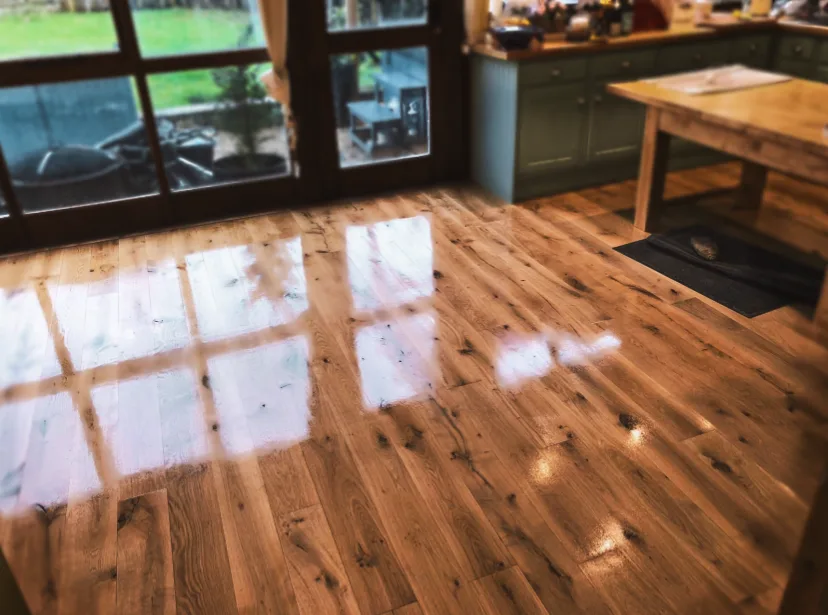
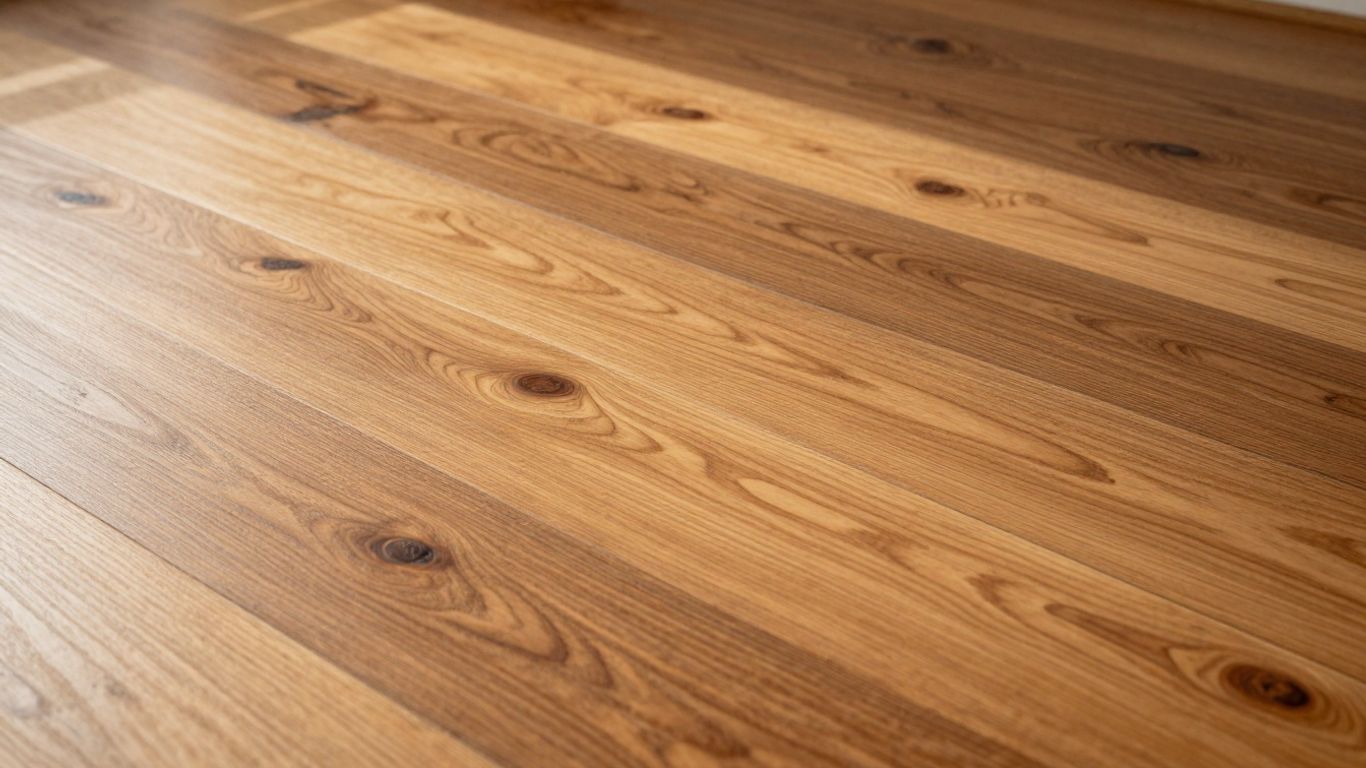
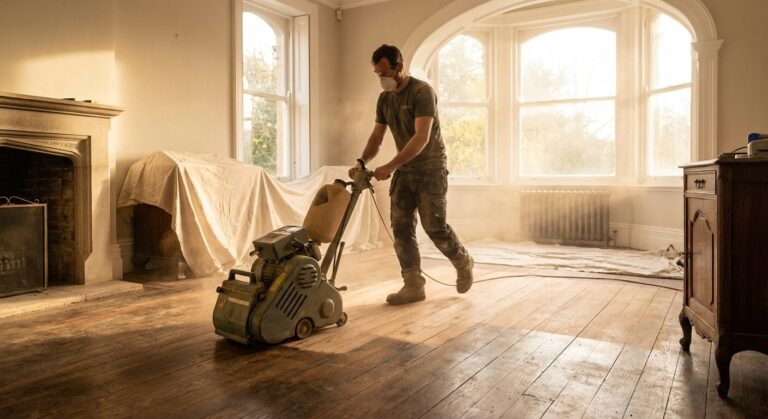
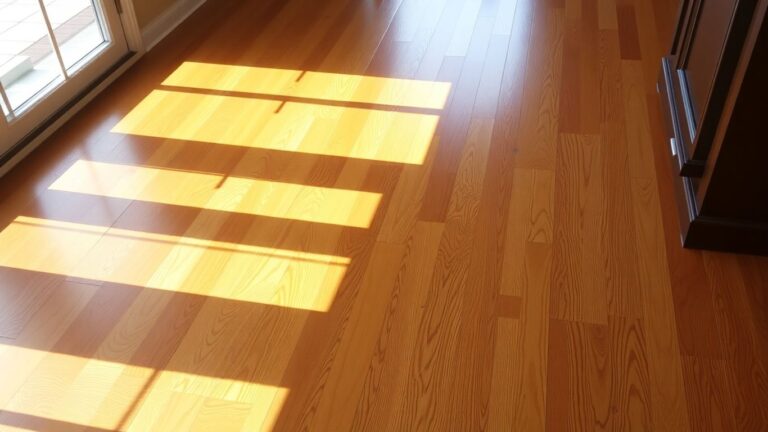
Sunlight across freshly lacquered wooden floorboards

Gaps, Loose Boards and Creaks in Older Cheddar Homes

Suspended timber floors in older houses take seasonal moisture changes, and boards shrink in winter when the heating is on and swell again in damp weather. Over the years, the gaps that open up collect dirt, let draughts through from the void underneath, and make a floor look neglected even after it has been sanded.

The fix depends on the size of the gap. Very narrow gaps can take a resin-based filler blended with dust from the floor itself. For anything wider, gap filling with tapered strips of timber, glued in and planed level, gives a more durable result because the strips move with the boards and do not crack out. It also makes a noticeable difference to how warm the room feels.

Boards near outside walls deserve a careful look in stone-built cottages. Joist ends and board ends can sit in or against walls that hold moisture, and if the airbricks are blocked or the ground outside has been raised, the void beneath can stay damp. That shows up as soft, discoloured board ends, or a musty smell when the boards are lifted. Fixing the ventilation matters as much as replacing the timber, otherwise new boards go the same way.

When a section has to go, our floorboard replacement draws on salvaged boards kept at the workshop, picked so the new piece lines up with its neighbours and sands to a similar tone. That matters in older houses, where boards were often wider and thicker than anything sold new. Creaking is usually down to boards moving on their fixings, and a run of screws into the joists, with the heads sunk and filled, quietens most of it. Our squeaky floor repair page has more detail.

For deep scratches, gouges from dragged furniture or dents from stiletto heels, scratch repair is done before sanding begins, so the patch and the floor are finished together. The full scope of wooden floor repairs covers rot, splits and boards that have been badly cut in the past.

Herringbone Blocks, Oak Strip and Narrow Cottage Stairs in Cheddar

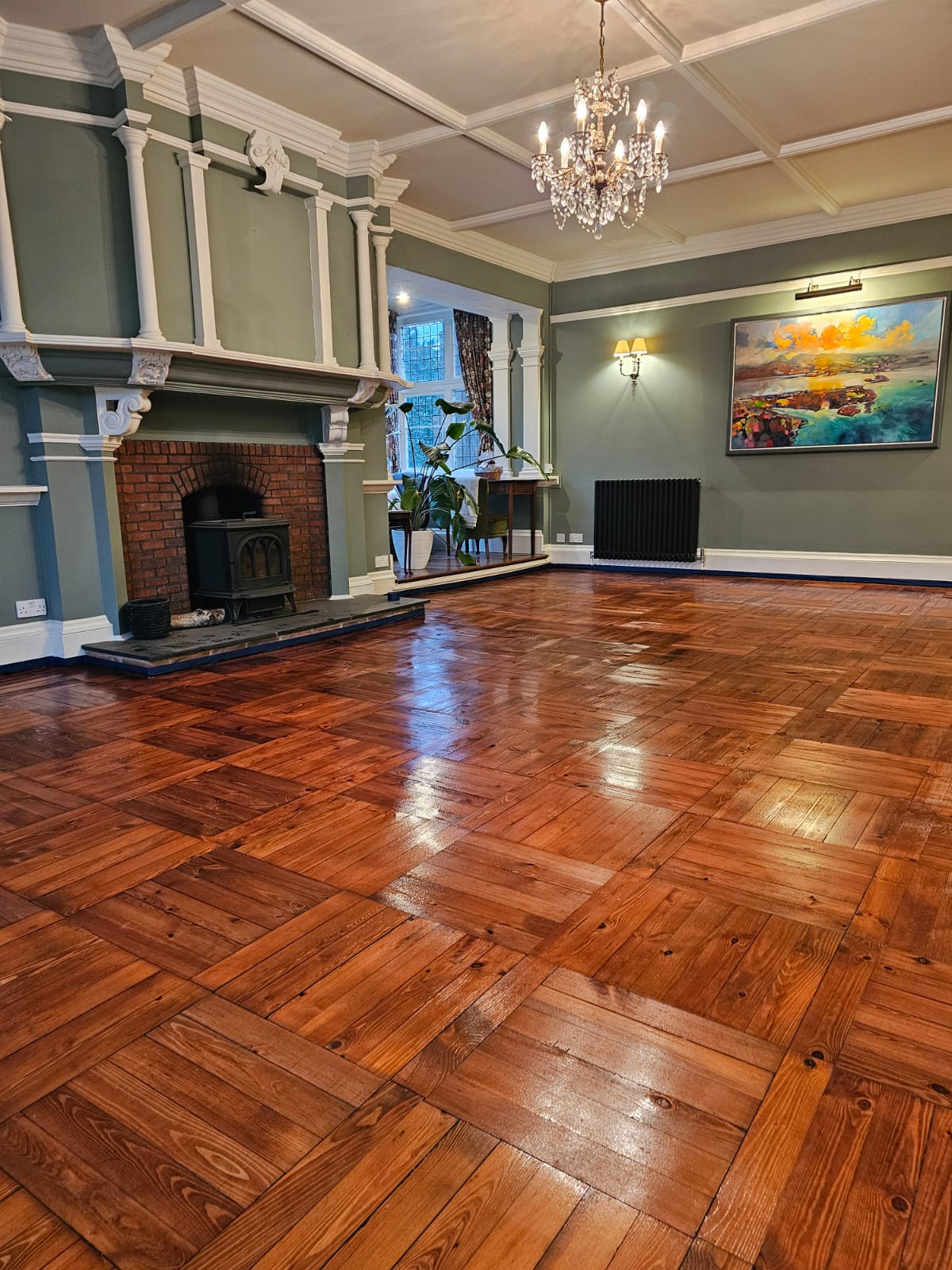
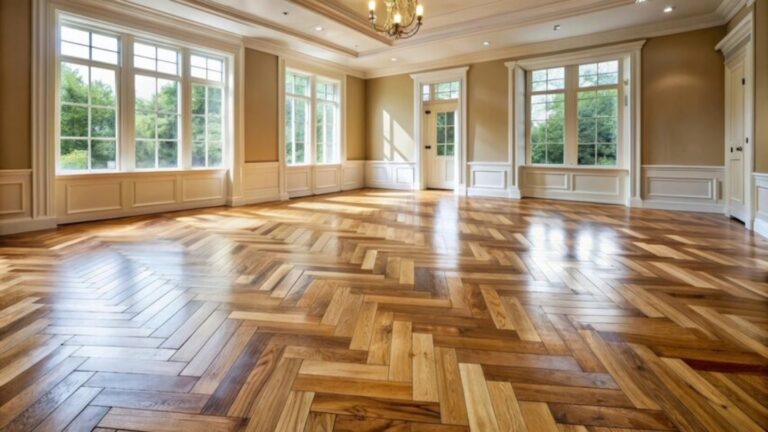
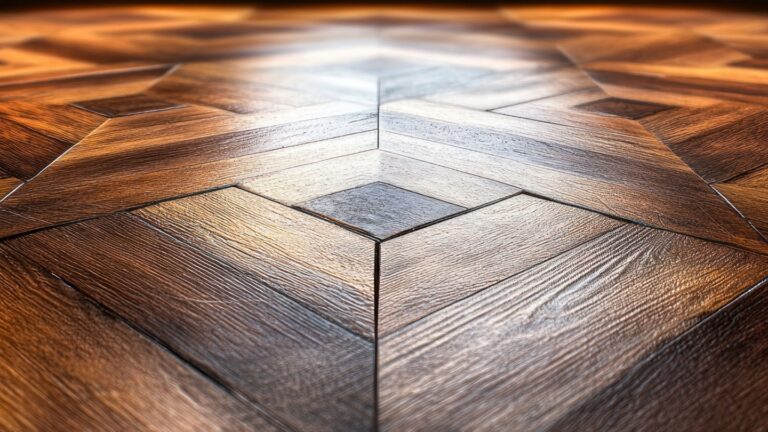
You will find fewer block floors than boards around Cheddar, though they crop up in some post-war houses, village halls and the odd shop that was once something else. The usual pattern is herringbone parquet laid onto a bitumen adhesive, and the usual problem is blocks that have come loose as the adhesive aged. They need lifting, cleaning and re-bonding before any sanding takes place, otherwise the sander will pull them free.

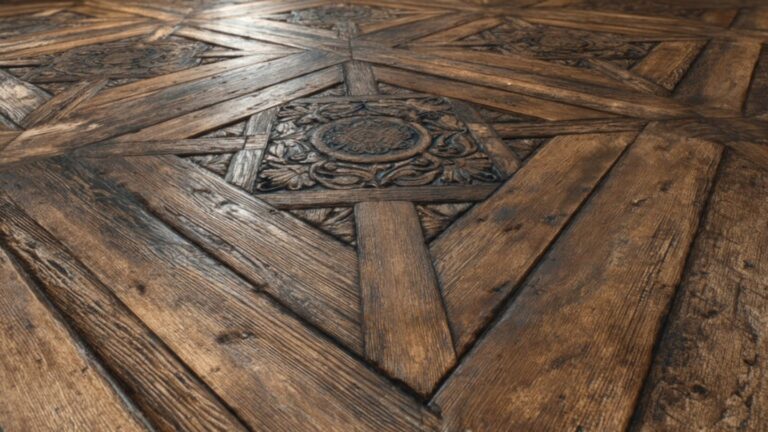
With parquet floor sanding, every other block has its grain at right angles to the last, so the machine is never simply running with the wood. Sanding at an angle across the pattern with the coarse grits, then along the room with the fine ones, gives the flattest finish and keeps scratches out of sight. On a herringbone floor the herringbone itself is the attraction, so a clear oil or water-based lacquer that keeps the colour close to natural is the usual choice.

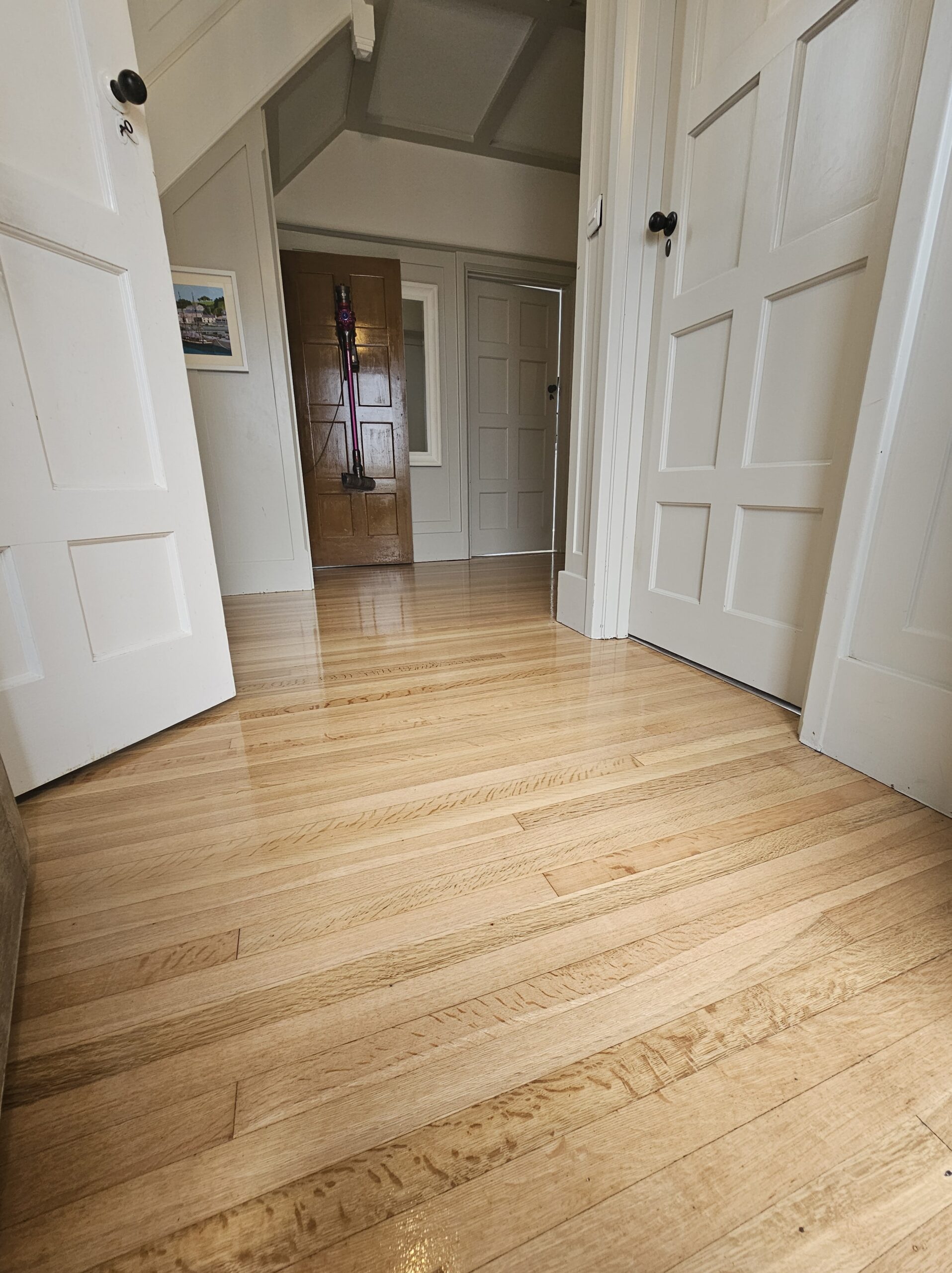
Oak strip floors, laid tongue-and-groove in narrow lengths, are more common in houses built from the 1930s onward. They sand well, and the main risk is going too deep on a floor that has already been sanded several times, which can expose the tongues. Checking the remaining thickness at a threshold or a vent first avoids that.

Cottage stairs are often narrow and winding, with treads that change width from one side to the other. Stair sanding on a staircase like that is done largely by hand, with small orbital and detail sanders on the treads and risers and hand scraping in the corners. Nosings take the worst wear and are shaped back carefully. If the stair has been painted, stripping the old coating is part of the job, and it pays to check whether the paint is old enough to contain lead before sanding it.

Pine floors and stairs throughout older homes respond well to pine floor restoration, which brings back the colour without hiding the knots and grain.

Wood floor sanding company
Floor sanding taunton

Keeping a Cheddar Floor in Good Order, and How to Get a Quote

A newly finished floor needs time before it is fully hard. Give it a full day before anyone pads across in socks. Tables and the dresser can return on day two or three, and hold off with the rugs for around a week. On an oiled floor, avoid wet mopping for the first week as well.

After that, grit is the main thing to manage. Mats at every external door, felt pads on furniture legs, and a quick vacuum or sweep every day or two are the basics. Use a damp mop and a cleaner made for your particular finish, and avoid steam mops and general-purpose spray cleaners, which dull lacquer and strip oil.

On a lacquered floor, the sheen will dull in high-traffic areas over the years. Rather than a full resand, a buff and recoat lightly abrades the finish and adds a fresh coat, extending the time before the timber itself needs sanding. At home that is often eight to ten years. On oiled floors, a periodic polish or maintenance oil does the same job.

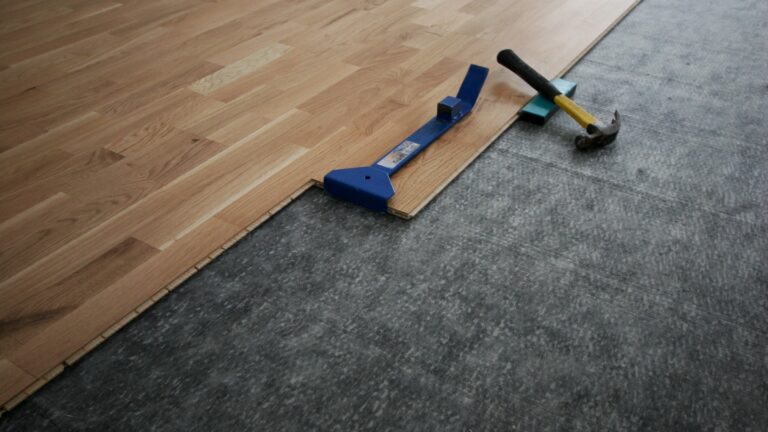
If you want new timber floors rather than restoring old ones, our wooden floor installation service covers both fitting and supply, including Junkers and Bona products.

To get things moving, send us two photos, one wide and one close-up, of the floor you want done. The email is info@ryansrestoration.co.uk and the phone line is 01823 674562, open Monday to Friday 8am to 6pm, with Saturday visits by arrangement. You can also use the contact page. Next comes a free visit of around thirty minutes, in which we gauge how much timber is left, take damp readings, look at the airflow under the floor and note any old patching. After that you receive a written quotation, itemised so you can see each stage. Cheddar is part of our regular area, and the family-run team works out of a workshop near Wellington. Our Somerset floor sanding page lists other towns, including floor sanding in Wells nearby.

Common Questions About Floor Sanding in Cheddar

Often it can. Work can be done overnight or on closed days, and fast-curing finishes mean the floor is usable again within hours rather than days. On larger floors, doing one half at a time means you can keep trading in the other part. Dates are agreed well ahead so they do not clash with busy weekends.

It depends on how the floor wears. Lacquer gives the hardest surface against grit and frequent mopping, but repairs need a larger area recoated. Hard wax oil looks more natural and worn patches can be revived locally in an evening, which suits a room where wear is concentrated round tables and the counter. Both work well if maintained.

Surface marks usually come out with sanding. Deep black stains in oak, caused by water reacting with tannins and iron, may need a wood bleach treatment after sanding to lighten them. If a board is stained right through or the timber has gone soft, replacing it with a matching reclaimed board is often the most reliable fix.

Commercial floors in heavy use usually need a full sand every four or five years. Proper matting and the correct cleaner stretch that interval, and so does a fresh topcoat or a maintenance oil applied while there is still a layer of protection left. Once timber is exposed, dirt gets in quickly and a full sand becomes unavoidable.

Yes. Narrow gaps can be filled with a resin and sawdust mix, while wider ones are better filled with thin strips of timber glued in and planed flush, because they move with the boards. Filling the gaps also cuts draughts from the void beneath the floor, which can make a real difference in an older cottage.

Most of it is drawn straight into a sealed extraction unit through hoses on the machines, so far less escapes than from older sanders with cloth bags. A light film of fine dust still tends to settle on ledges and door tops. Clearing ornaments and closing doors to other rooms beforehand keeps cleaning up afterwards to a minimum.

Engineered wood can be sanded if the real timber layer on top is thick enough, and many will take one or two full sands in their lifetime. Peeling back a door bar to look at the edge of a board will tell you how much is left. Laminate cannot be sanded at all, as it has a printed image of wood under a thin plastic wear layer.

Take two snaps on your phone, the room from the doorway and then the worst corner up close, then attach both to a message for info@ryansrestoration.co.uk. Phoning 01823 674562 on a weekday works just as well. Then we come out to have a proper look, free of charge, on a day you choose. We are in and around Cheddar regularly, so fitting your visit in is rarely a problem.