Floor Sanding in Chudleigh for Halls, Studios and Houses
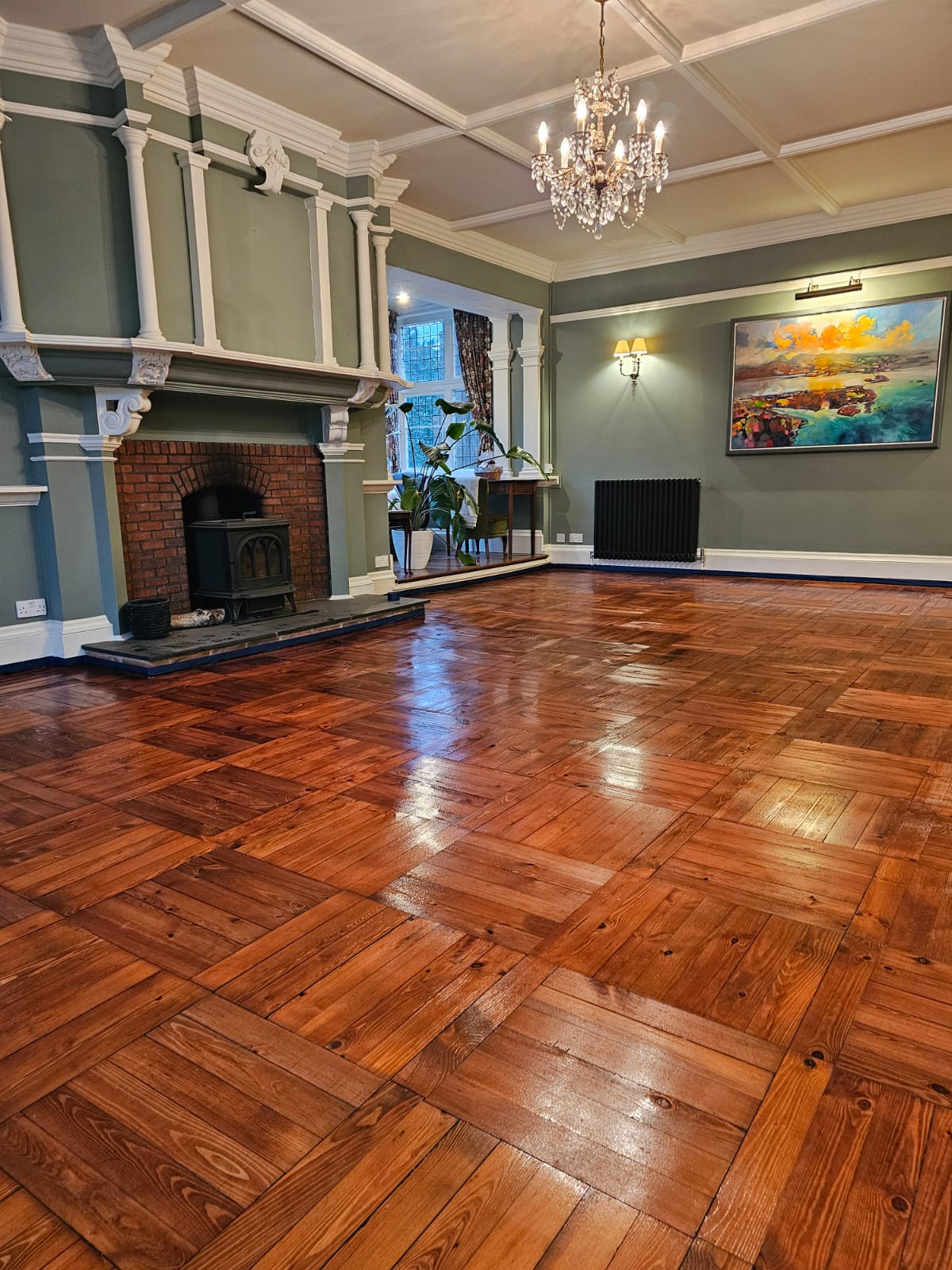
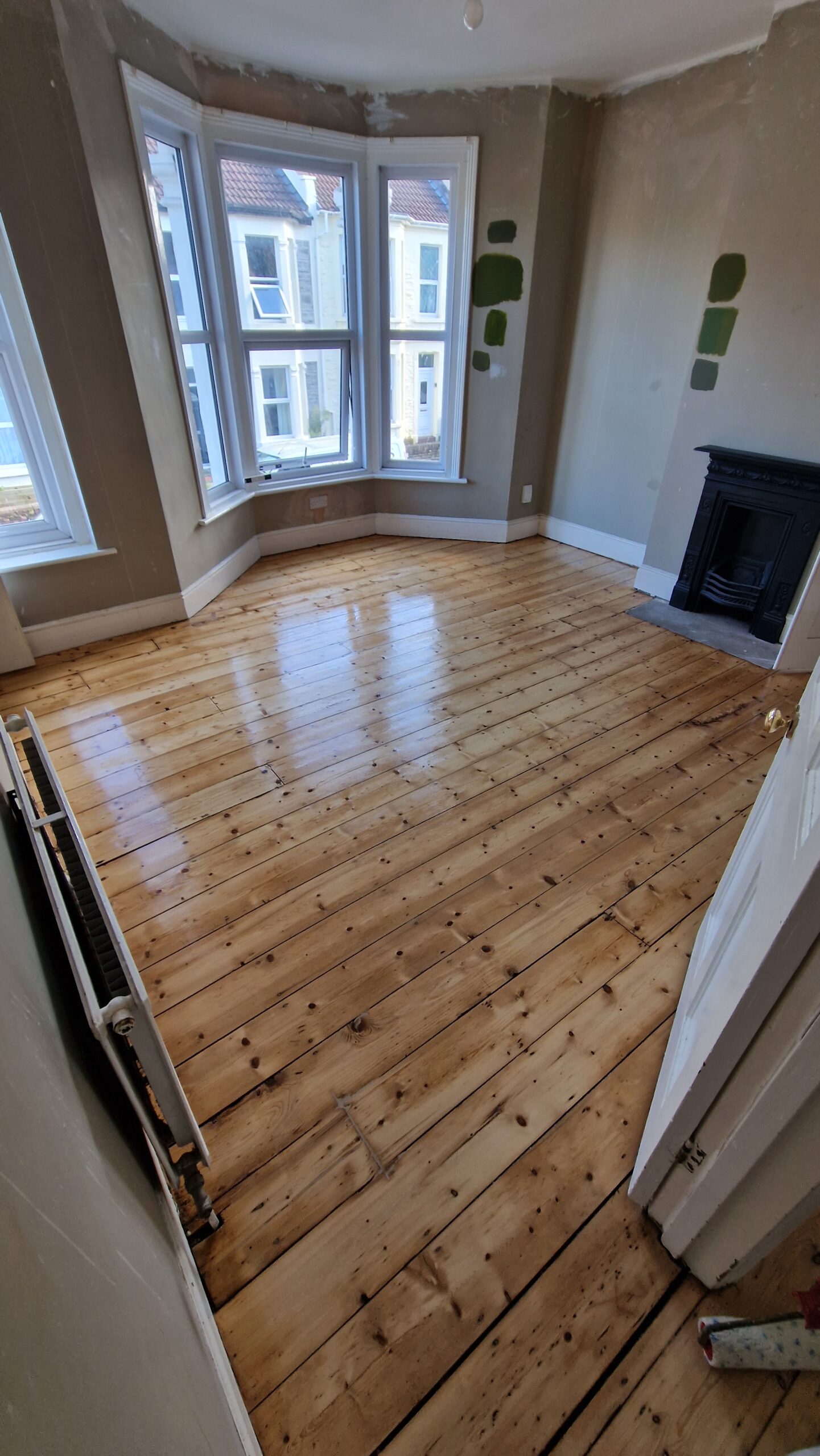
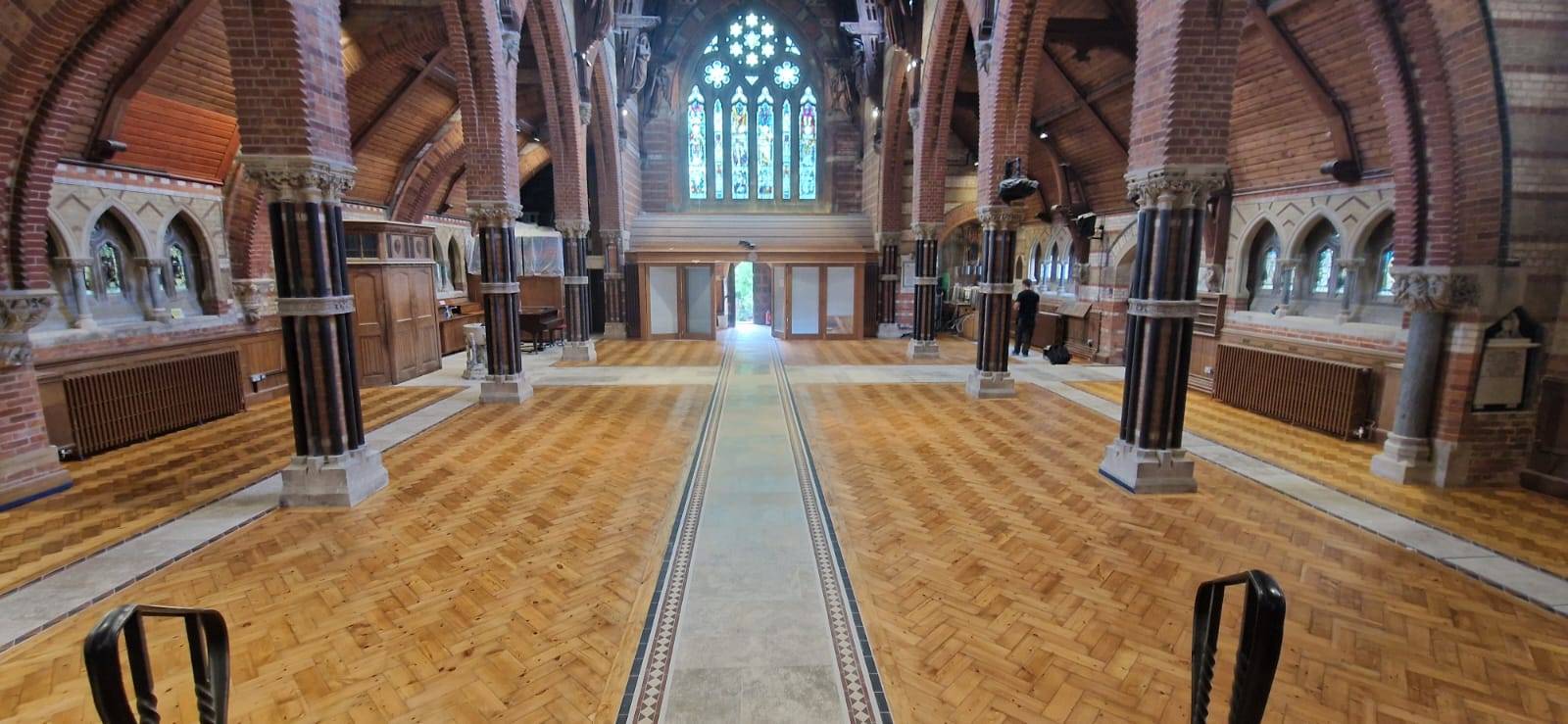
Chudleigh sits just off the A38 between Exeter and Newton Abbot, inside the patch we work week in, week out, and the floors we are asked about here split fairly evenly between homes and shared buildings. On the domestic side there are town houses in the centre, much of which was rebuilt after a large fire in 1807, along with Victorian terraces and plenty of newer estates. On the community side there are the halls, function rooms and studios used for keep-fit, toddler groups, Brownies, line dancing, ballet and short mat bowls, both in the town and in the villages around it. Shared boards like these get scuffed by a dozen different groups a week, and most of this page is about them.
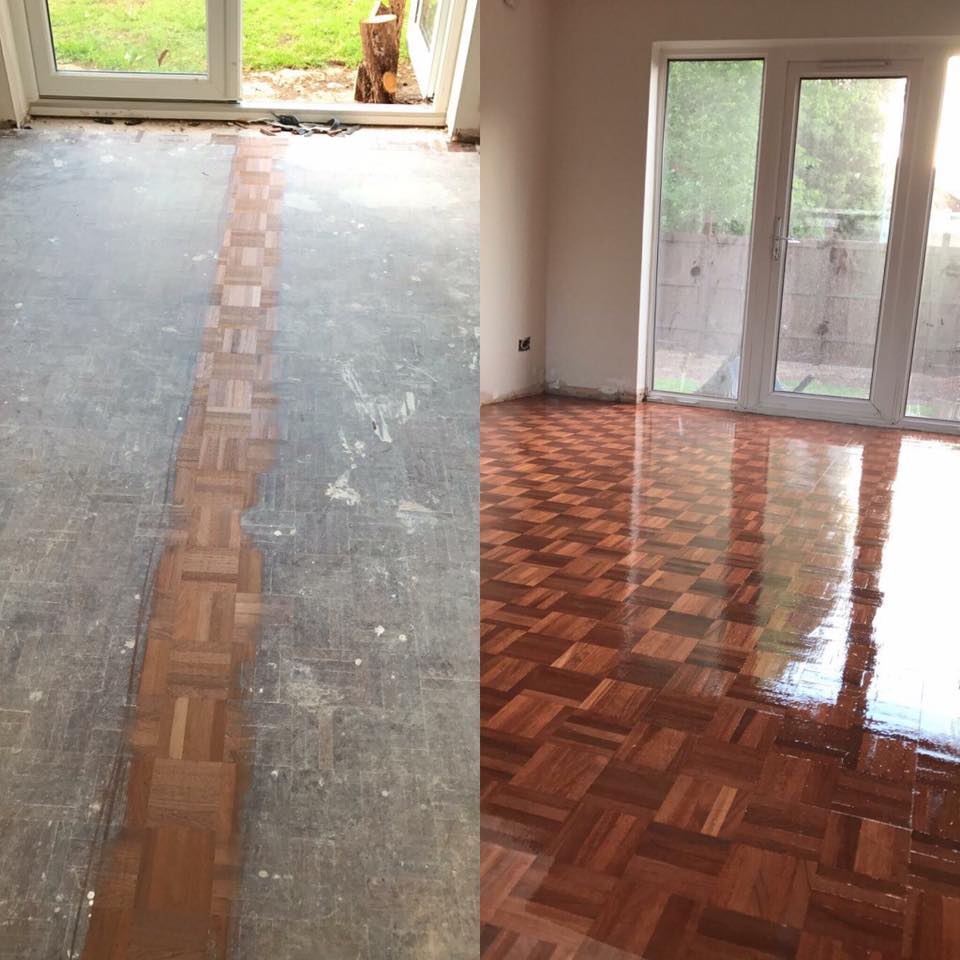
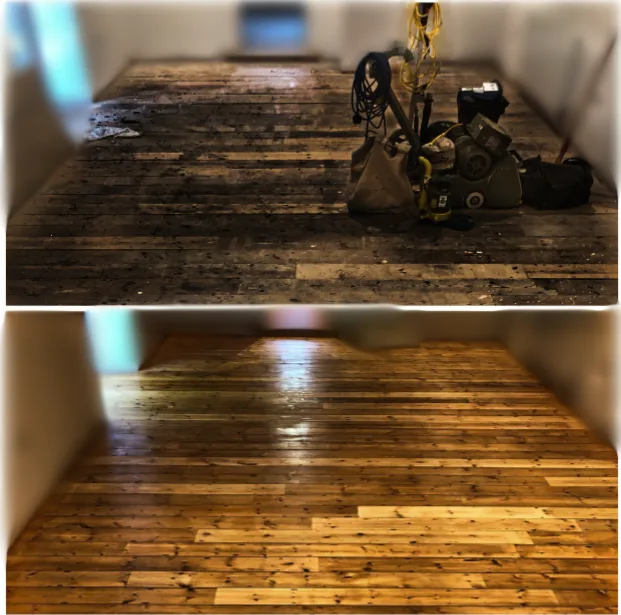
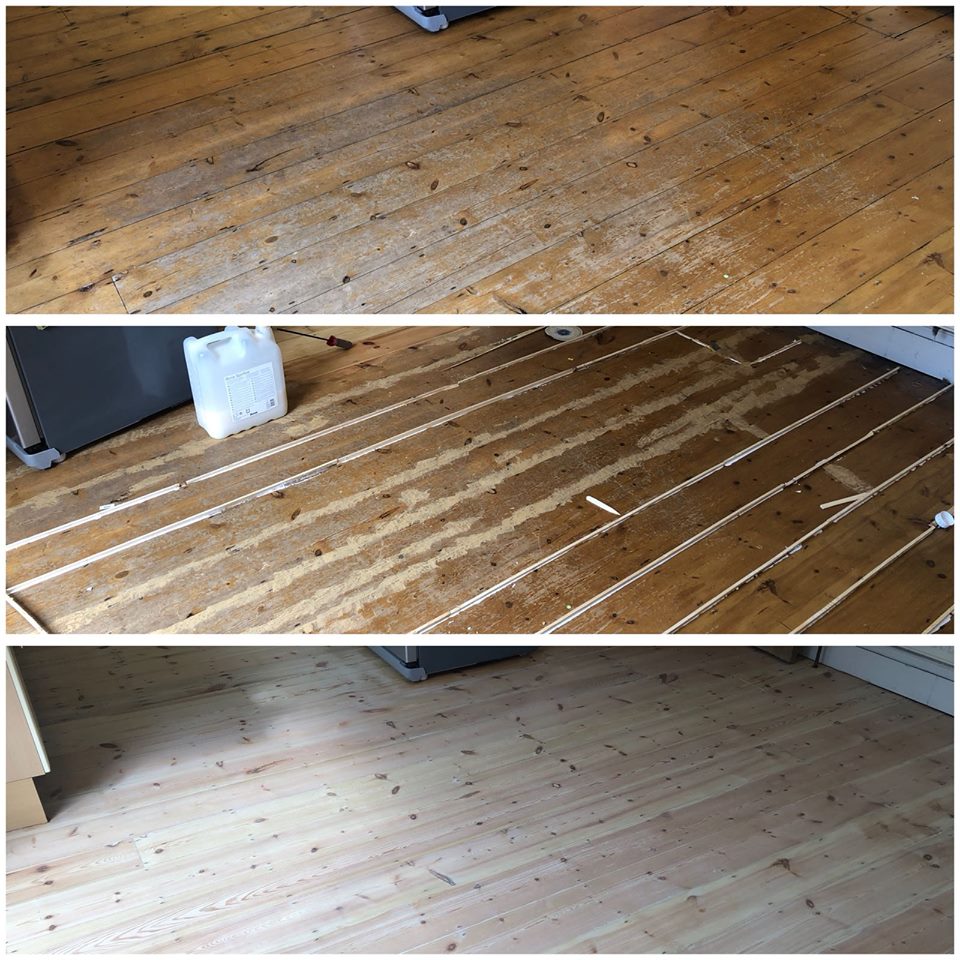
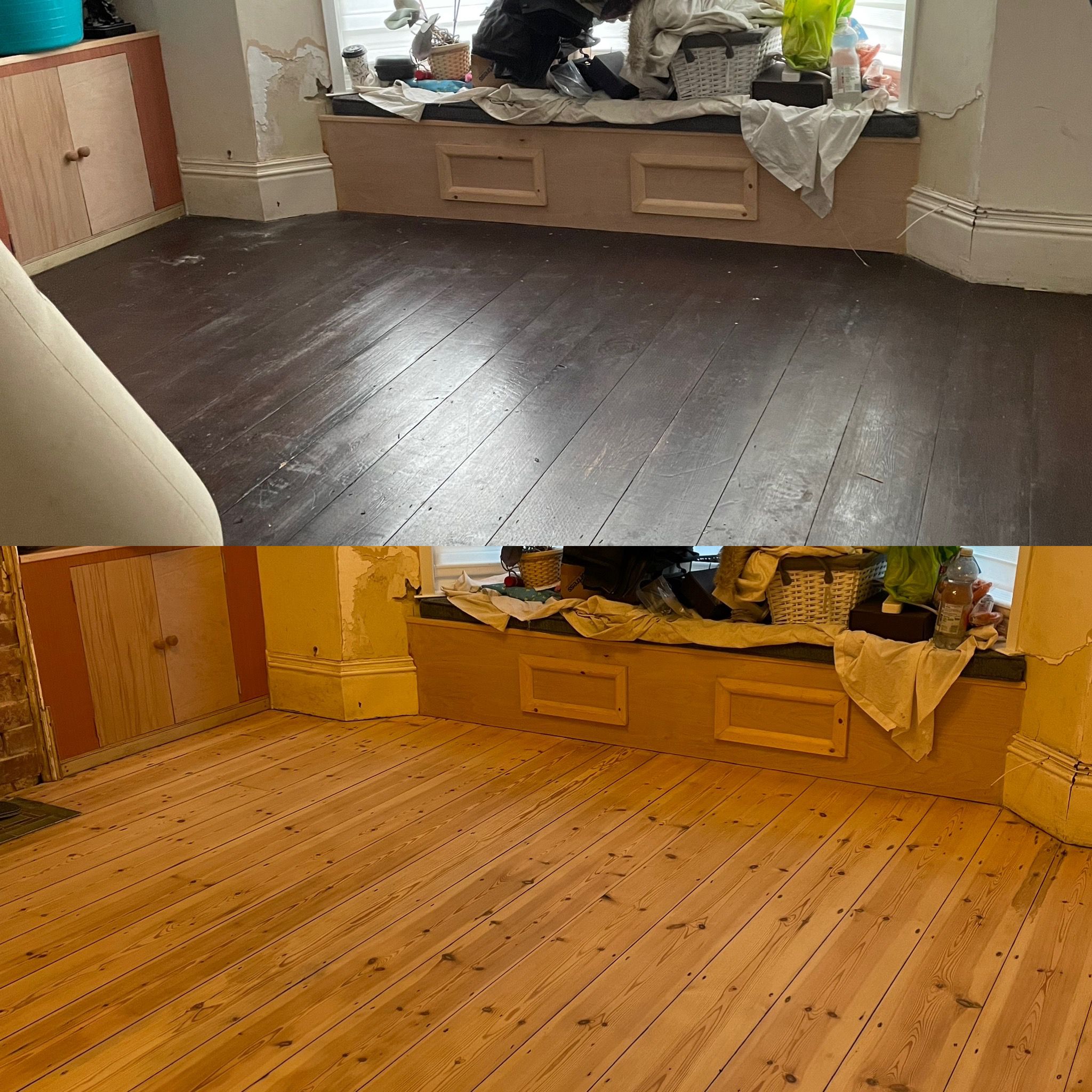
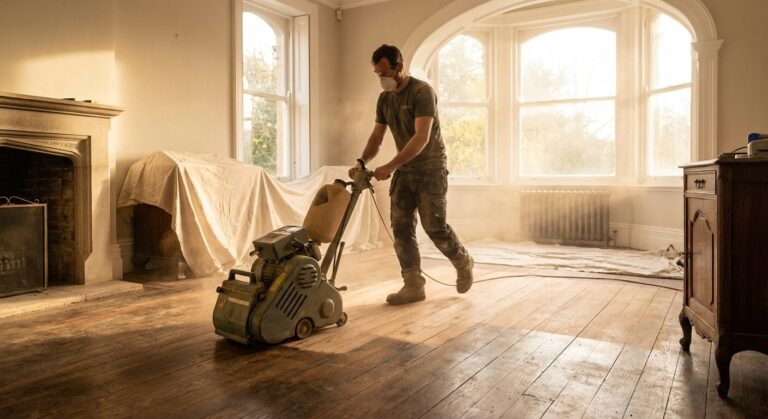
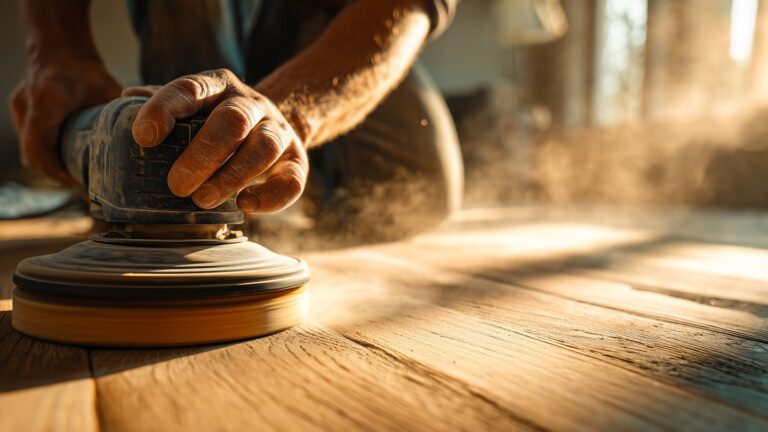
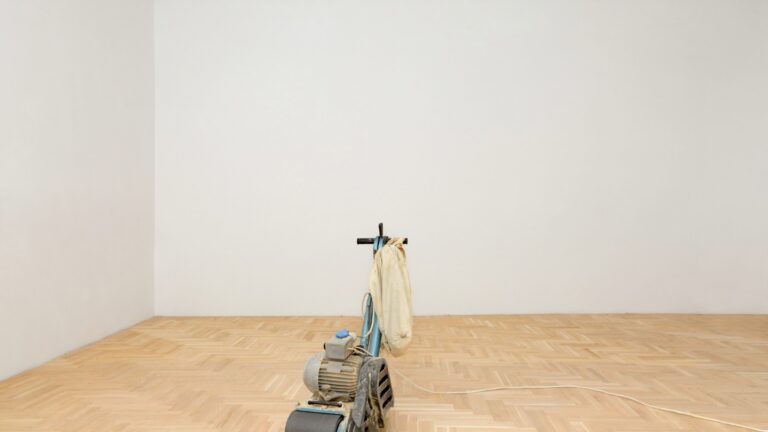
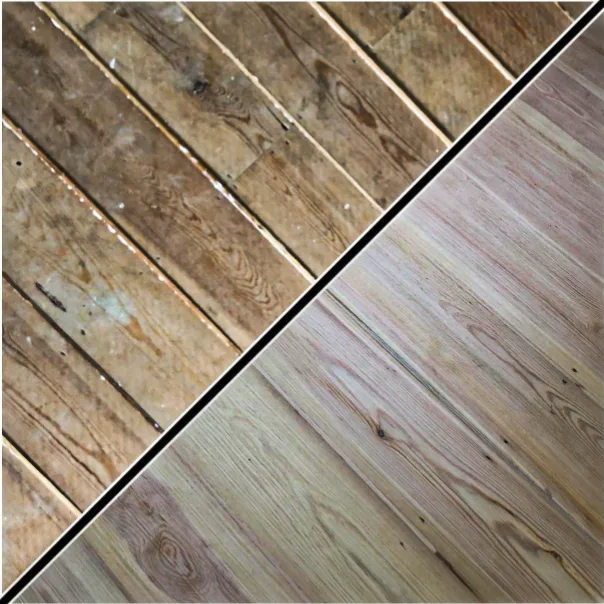
Floor sanding in Chudleigh follows the same mechanical sequence whatever the building. A heavy drum or belt machine takes the main area down through progressively finer grits; an edger works the strip along the walls; and a rotary or planetary machine passes over the whole surface at the end to remove the last scratches and blend the edges into the field. In a hall the passes are simply longer. Miss out a grit to save time and the leftover scratches reappear under the lacquer as soon as the evening lights go on.
Dust is handled at the machine. Our machines feed their dust down hoses into closed collection units, and that is what allows dust-free floor sanding in a hall whose kitchen cupboards, stage curtains and stacked playgroup toys have nowhere else to go. A small amount may still settle on a high ledge over a long job, so covering the piano and closing the kitchen hatch are worthwhile.
The general method is set out on our wood floor sanding page. For the rest of Devon, see the Devon floor sanding page. The sections below cover the three things Chudleigh enquiries most often turn on: how to treat a hall floor that is used for everything, what makes a good surface for dancing, and how to deal with gaps in old boards so they stay dealt with.