45 years’ experience  ·  Rated 4.9 on Google  ·  Family-run, from our workshop near Wellington

45 years’ experience · Rated 4.9 on Google · Family-run

Floor Sanding and Wood Floor Restoration in Clevedon

Wide pine boards, painted borders and old stains brought back to clean timber in Clevedon villas, terraces, flats and town-centre premises.

QUICK QUOTATION

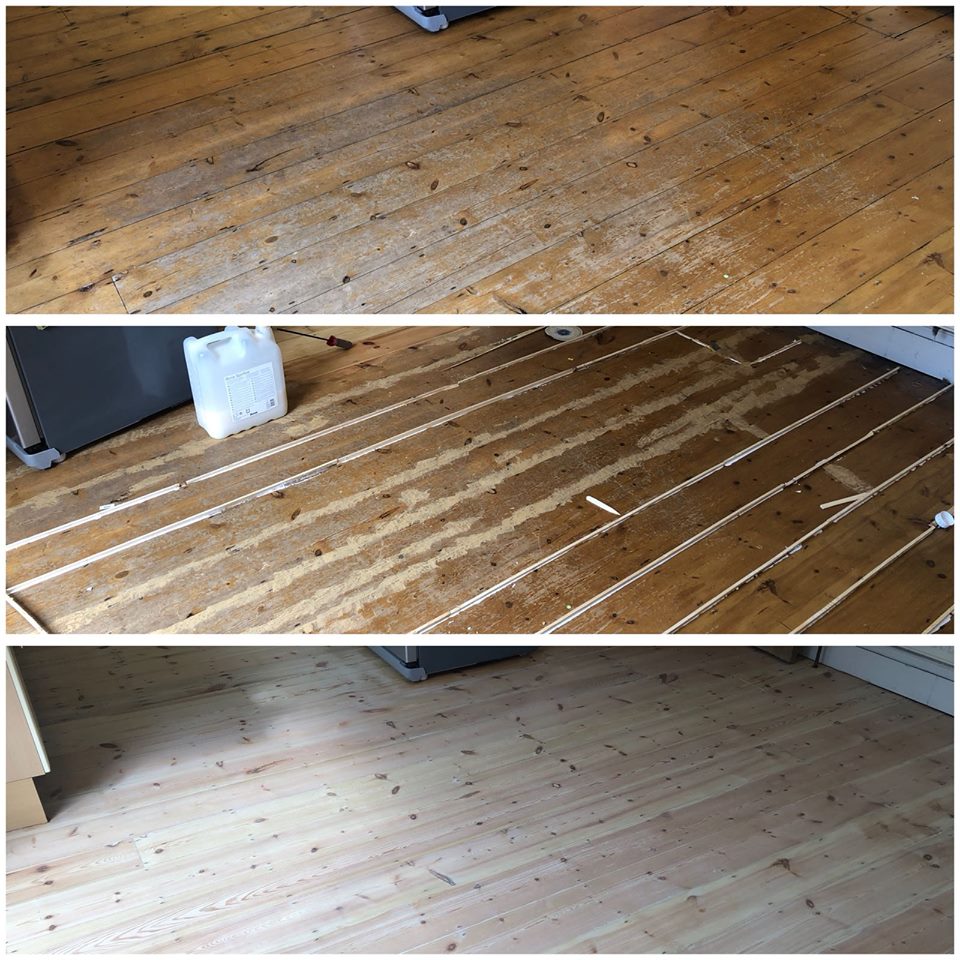
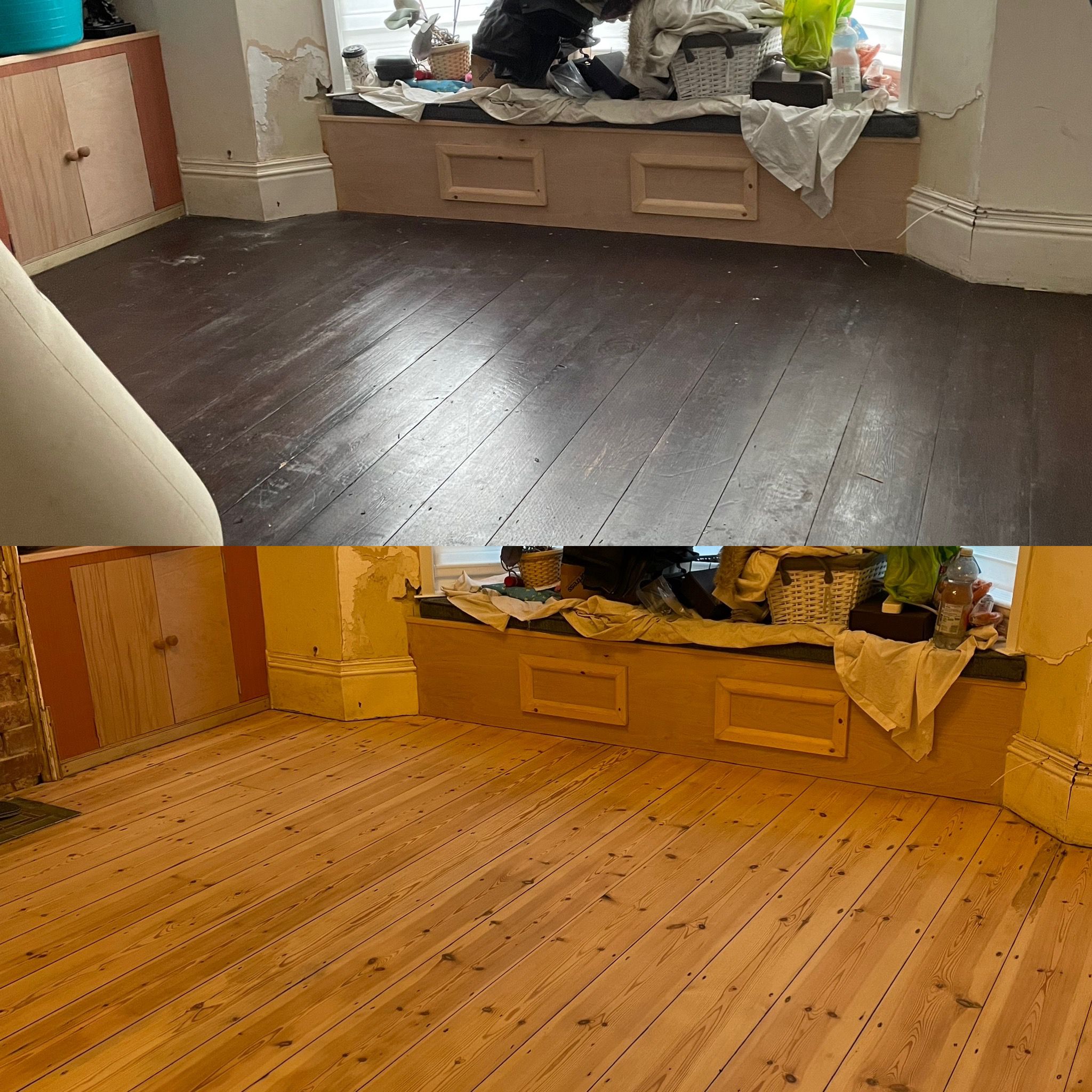
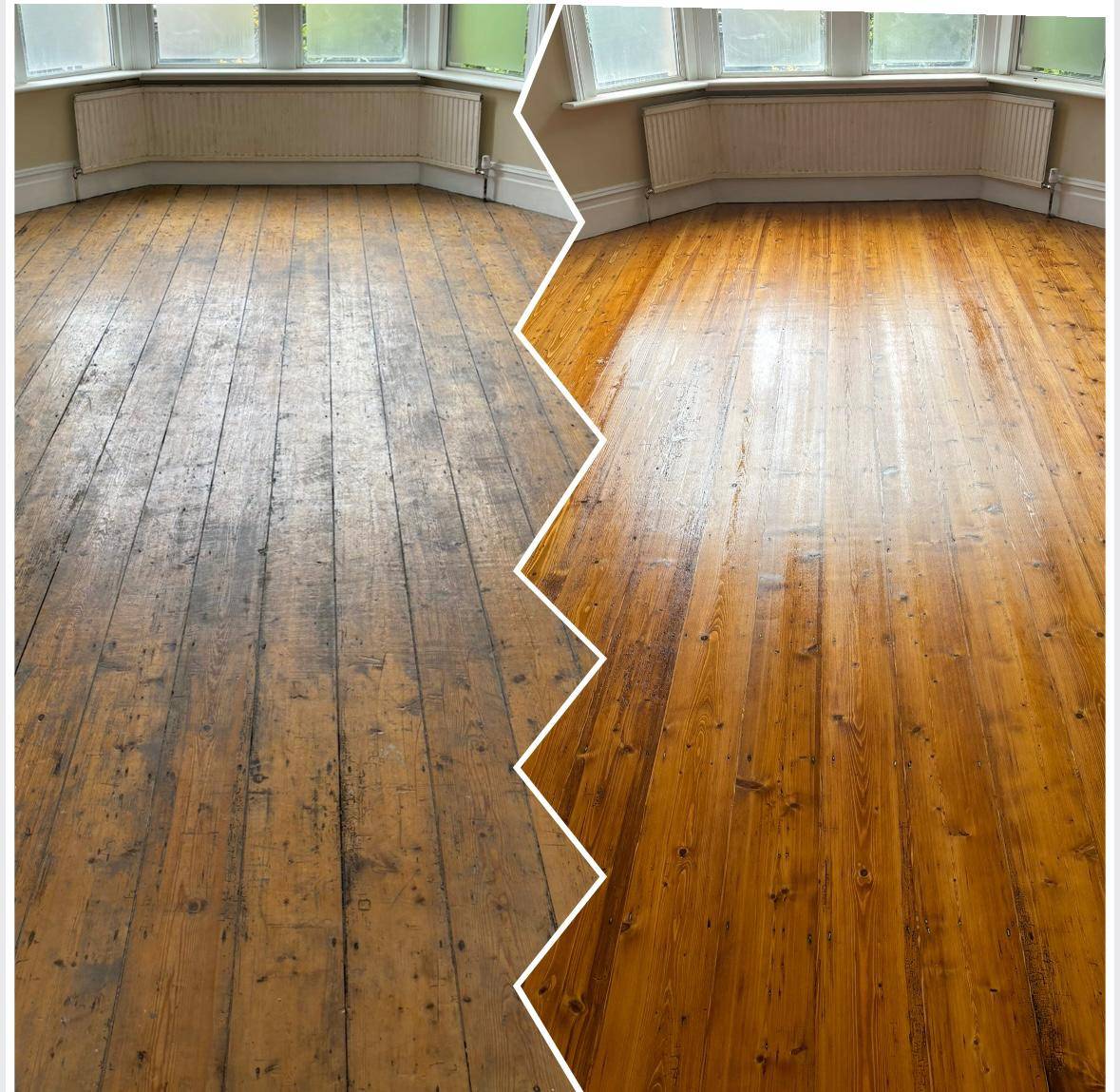
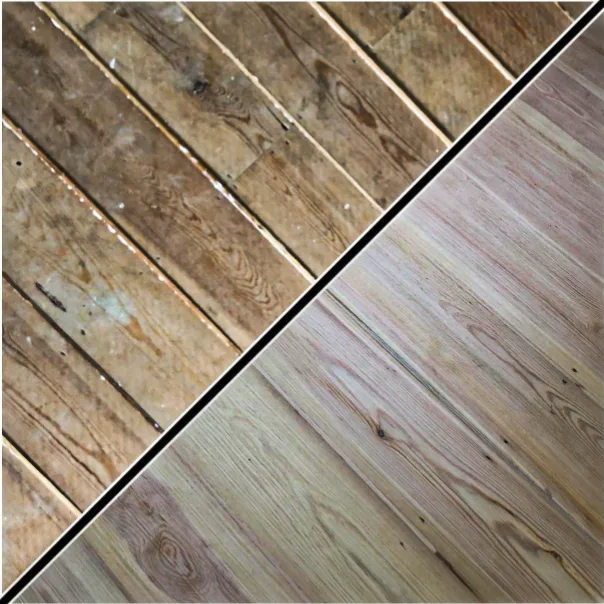
Floor sanding before and after

Floor Sanding in Clevedon's Victorian Villas and Terraces

A large part of Clevedon was built in a few busy decades of the nineteenth century, when the town grew from a village into a resort. Through the middle of that century speculative builders put up rows of terraces and the substantial Italianate villas that still line many of the roads running up from the seafront. Their floors share a family resemblance. Ground floors and bedrooms are almost always softwood boards laid straight onto joists, often wider than anything sold today, and in the better rooms the boards were never meant to be fully seen. A carpet or large rug covered the middle, and the exposed margin around it was painted or stained dark.

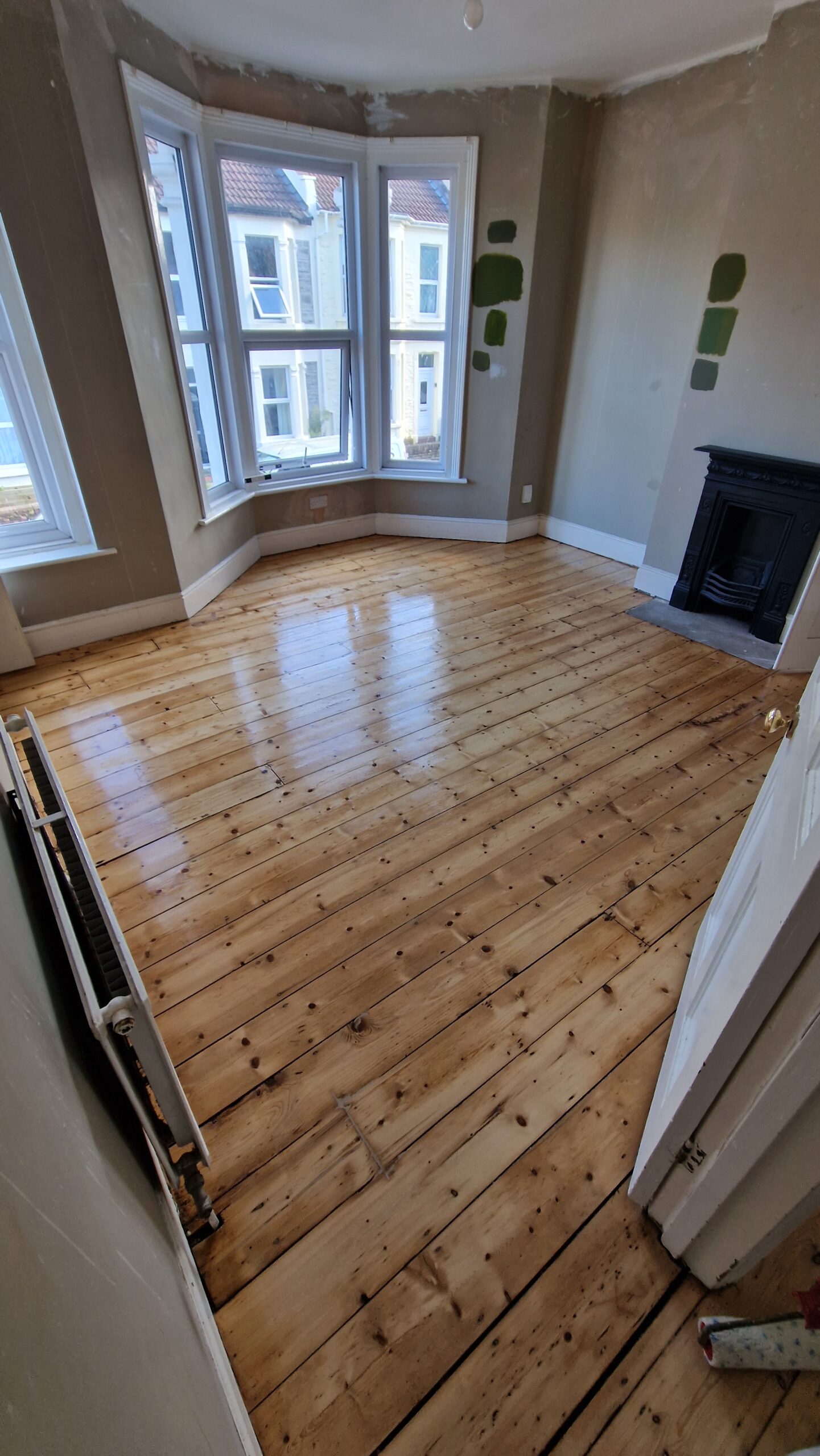
That is the floor most people find when they pull up a fitted carpet in a Clevedon villa: broad pine boards, pale and fresh in the centre, with a band of black, brown or oxblood colour running round the edge of the room. Sometimes there is a layer of lino adhesive or hardboard on top, sometimes a century of tacks, and sometimes a later owner’s attempt at varnish that has turned the whole thing the colour of marmalade.

All of it can usually be dealt with. Sanding a Victorian floor is less about brute force and more about judgement: how much timber the boards can spare, how flat they really are, what is in the old coatings at the edge, and what colour you want the room to finish. Our floor sanding service page sets out the process in general; this page is about the particular problems of the older Clevedon houses.

Floor sanding in Clevedon falls within the regular Somerset area we work from our family-run base near Wellington, and other towns nearby are listed on the floor sanding across Somerset page. A typical villa sitting room with a bay window, or a pair of bedrooms, is normally a job of one to three days once any repairs are factored in.

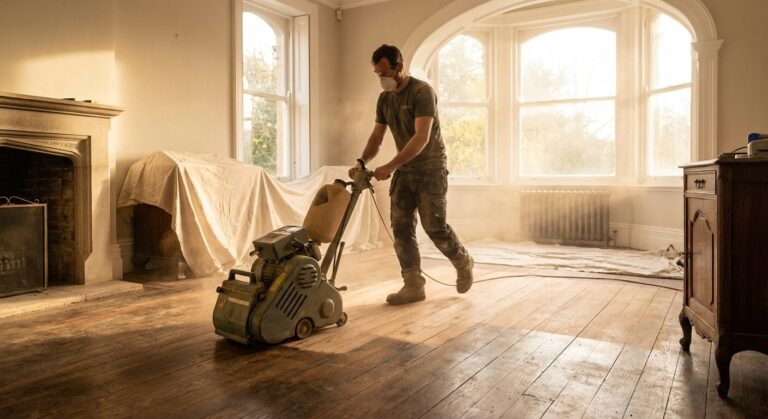
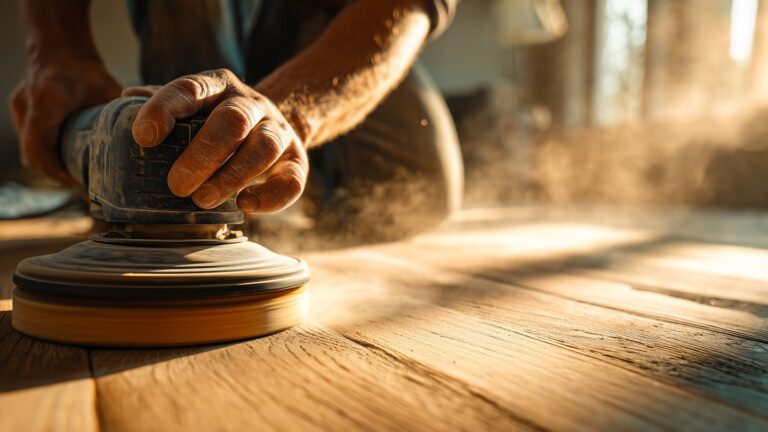
Victorian houses tend to have a lot of fabric worth protecting, from original cornices to fireplaces. The sanding machines run through sealed extraction units that draw dust away at the drum, which is why we can offer low-dust floor sanding in rooms like these. No method is entirely free of dust, but plaster mouldings and picture rails stay far cleaner than with an unextracted machine.
Painted Borders and Old Coatings at the Edge of the Room

The dark band round a Victorian room is often the most stubborn part of the whole job. Depending on the house, it might be a simple spirit stain, a varnish stain, several coats of oil paint, or a mix of all three laid down over a century. Bitumen-based paint, sometimes called Brunswick black, was also used for the purpose and behaves quite differently from ordinary gloss.

These layers do not sand off like a clear varnish. Thick paint melts under the heat of the abrasive and smears into a gummy film that clogs paper in seconds. Bitumen coatings do the same, only worse. So the border is often softened and scraped by hand first, or carefully worked with an edging machine at a slower pace and a coarse paper changed frequently, before the main sanding begins.

There is also a safety question. Paint applied before the 1960s may contain lead. Lead dust is harmful, especially to young children and during pregnancy, and dry-sanding old paint without the right controls is not something anyone should do lightly. If there is any chance a border or skirting finish contains lead, it should be tested before work starts, and the way the old coating is removed should be planned around the result. The extraction on our machines helps, but it does not replace proper assessment.

Once the colour is off, the boards underneath can look quite different from the centre of the room. The edges have been protected by paint, so they are often less worn but may carry a faint shadow of stain deep in the grain, especially where the colour soaked into soft spring growth. Getting the margins and the middle to finish as one floor sometimes takes a little more sanding at the edges, and sometimes a decision to embrace a slight frame effect rather than chase every last trace.

The same history applies to stairs. Many Clevedon staircases had a central runner held by brass rods, with the outer edges of each tread painted to match the hall. Sanding staircases in these houses means taking that paint off treads, risers and strings by hand and with small sanders, filling the rod-clip holes and repairing worn or split nosings before sealing.

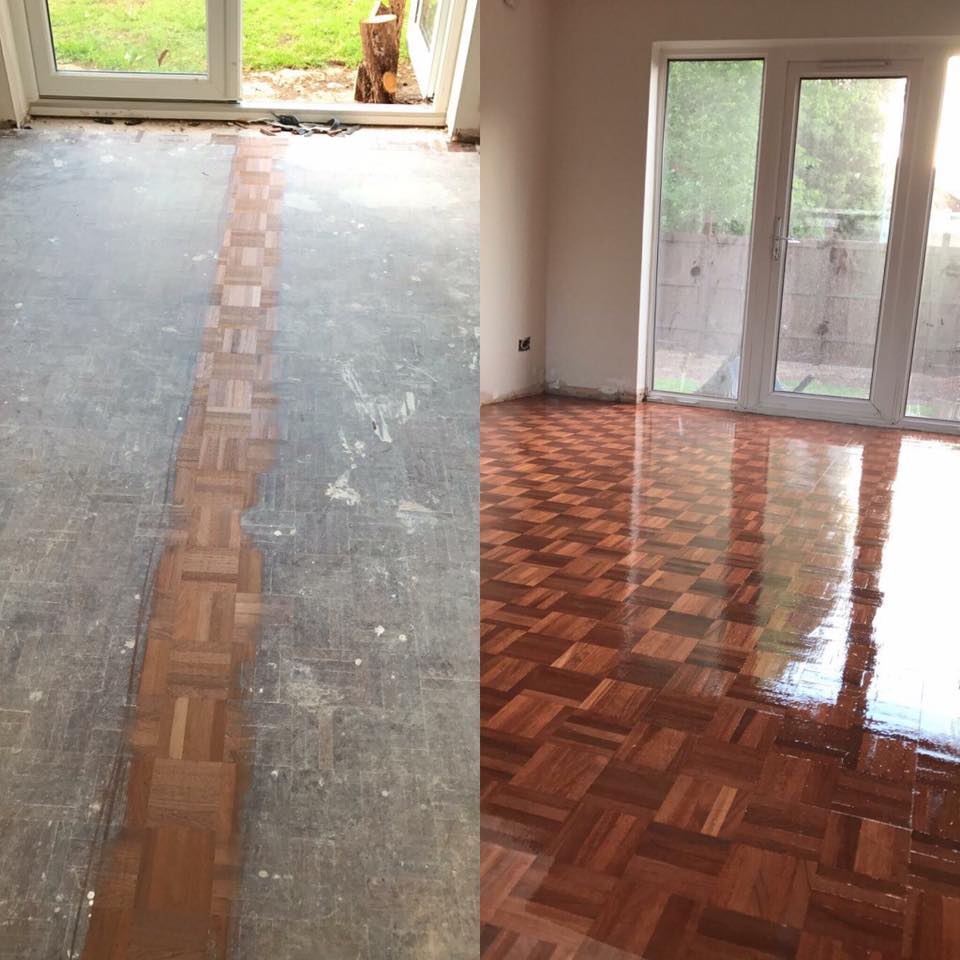
parquet wooden floor sanding
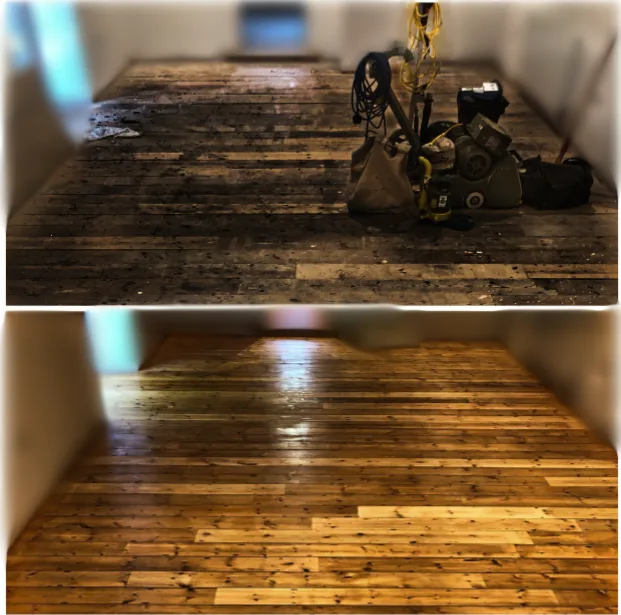
wooden floor sanding

Wood Floor Restoration in Clevedon: Wide Pine, Pitch Pine and Later Parquet

Victorian builders used softwood that was often slower grown and denser than modern plantation timber. Boards of six, seven or more inches wide are common in the principal rooms of older Clevedon houses. Wide boards are beautiful, but they move more with changes in humidity, and over a century they can cup slightly, with the edges standing higher than the middle. Sanding a cupped floor flat takes material off the high edges first, which is fine on a thick board but a real concern if the floor has been sanded once or twice before.

That is why careful wood floor restoration in Clevedon begins with measuring what is left. On a free survey, the visit runs to about half an hour and looks at board thickness and the depth above the tongue, moisture in the timber, the state of the airbricks and void ventilation, and evidence of past repairs. Afterwards you receive a line-by-line written quotation. It only changes if clearing the room exposes something new, such as a rotten joist end beneath the bay.

Pitch pine deserves a special mention. It was used in many better Victorian houses for its strength and rich resinous colour. It sands differently from ordinary pine: the resin can clog paper and the hard latewood bands stand proud of softer earlywood if the grit sequence is rushed. Done carefully, it gives a deep, glowing floor, and our pine floor restoration work takes that resin into account.

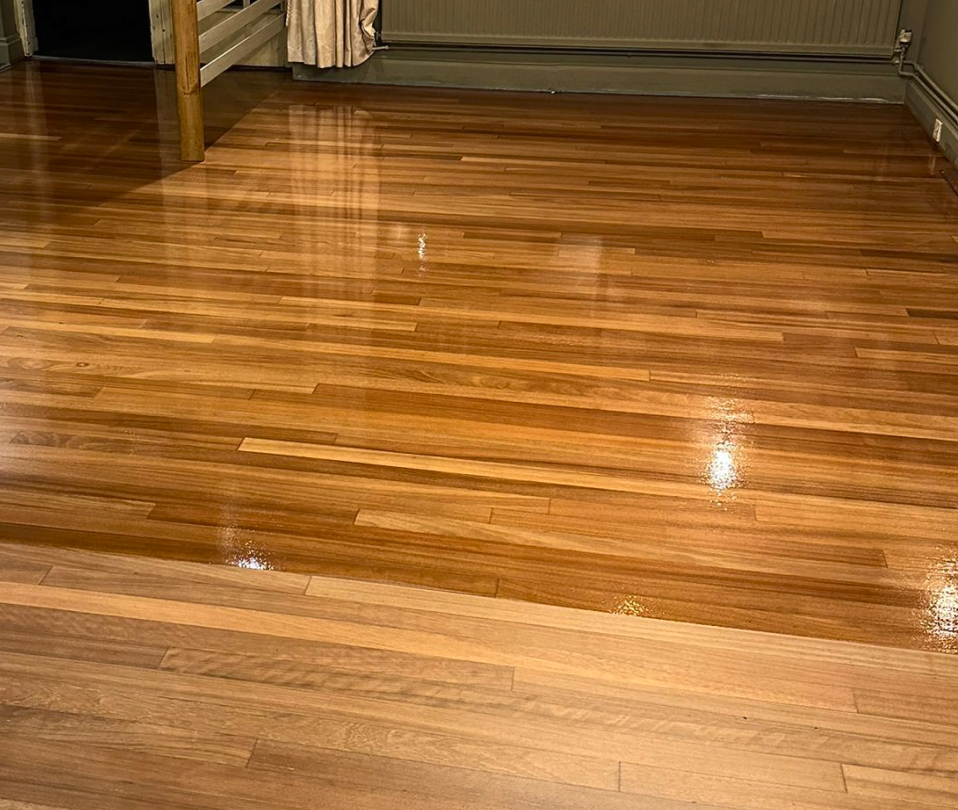
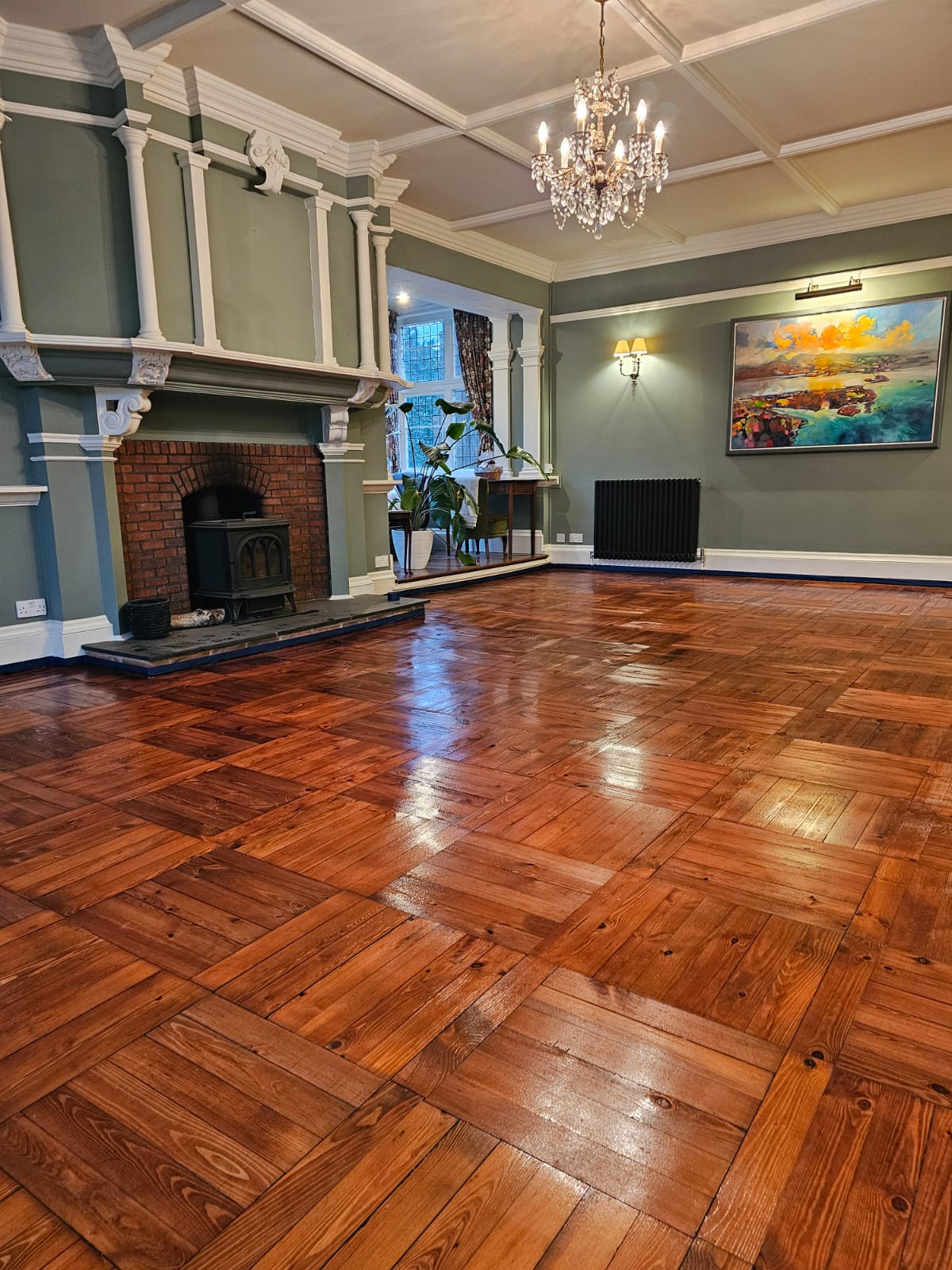
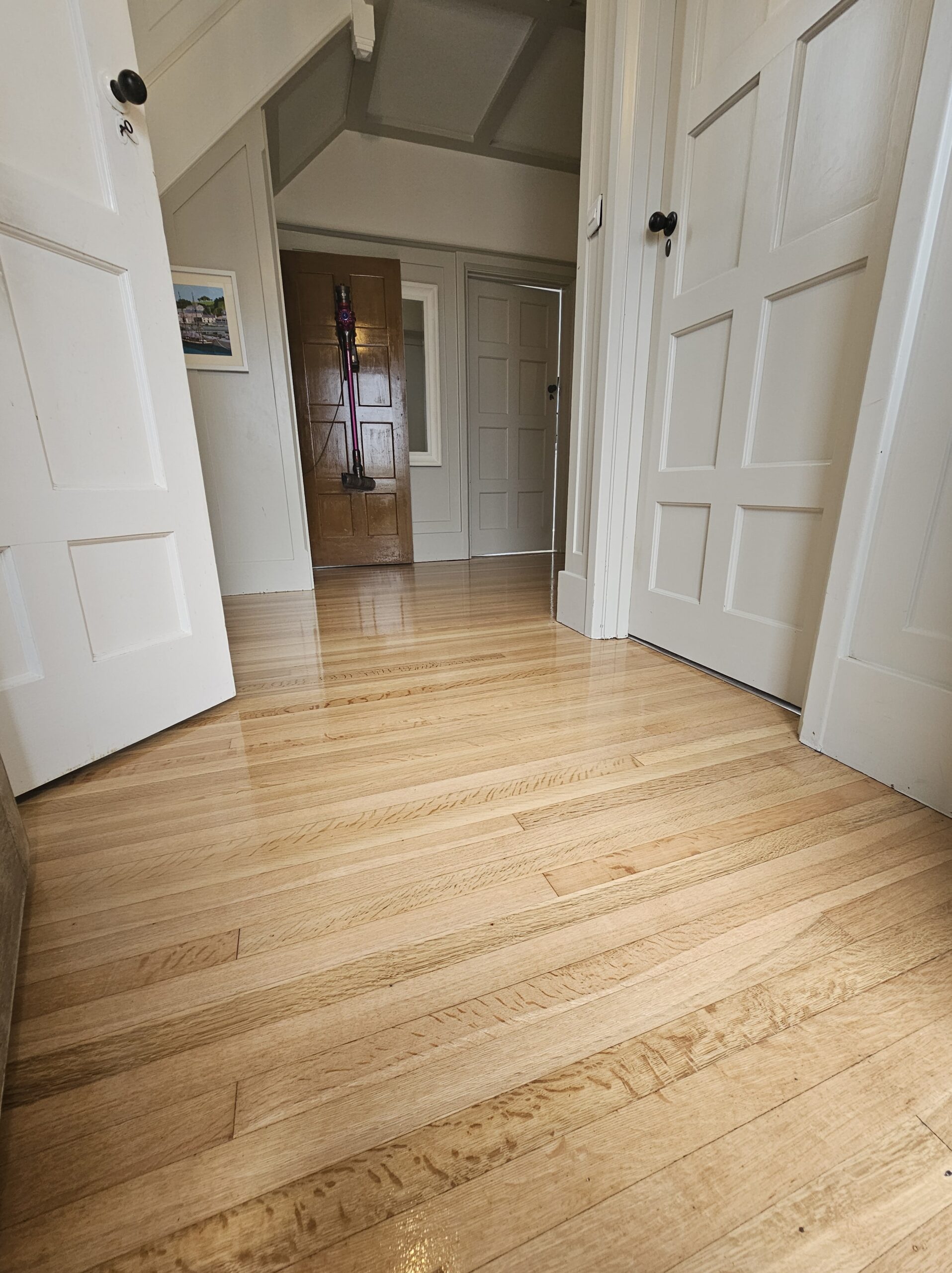
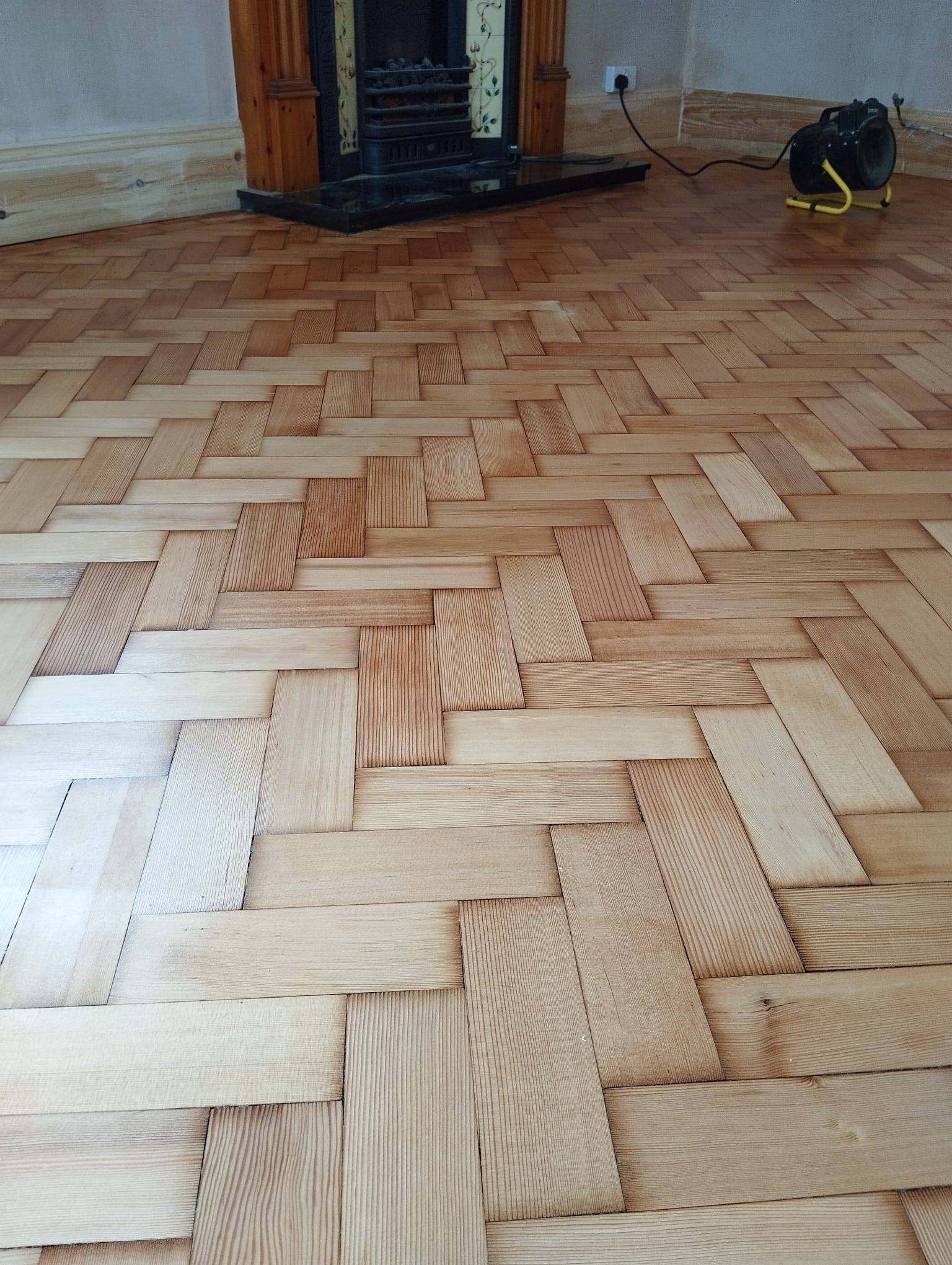
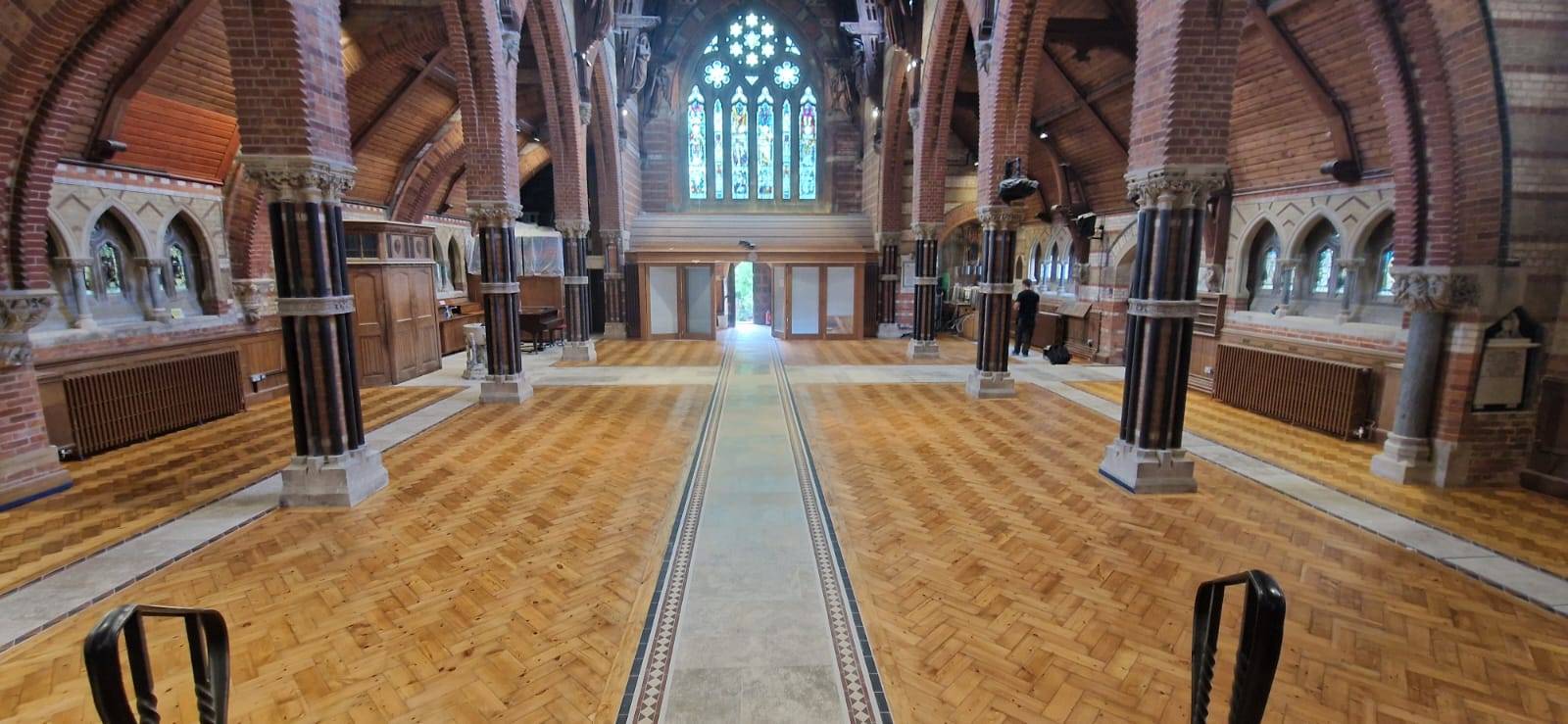
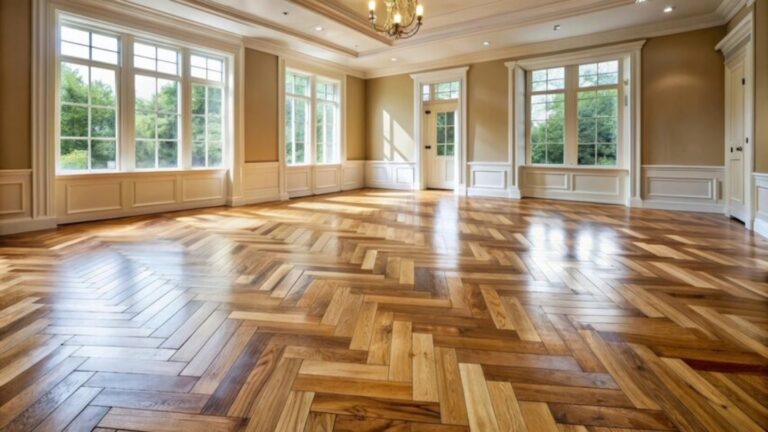
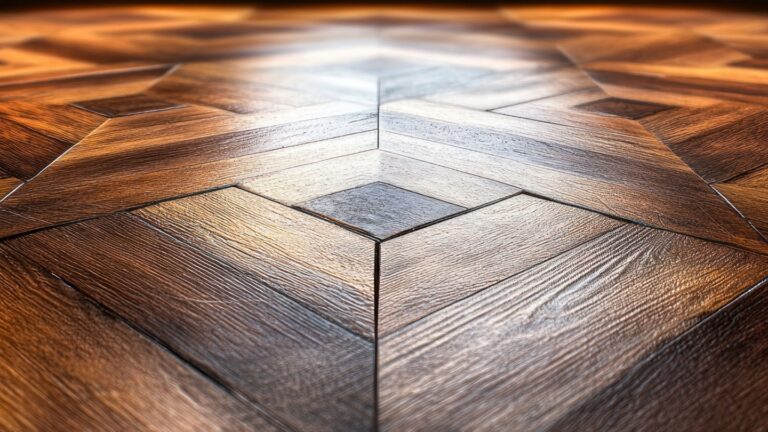
Some villas had their ground-floor reception rooms or halls relaid with oak blocks or strip in the early twentieth century. Parquet sanding and restoration in those rooms starts with making sure every block is firmly bonded, and herringbone patterns need diagonal and multi-directional sanding to stay flat. Where oak strip has been laid, oak floor restoration looks at the remaining wear layer before any machine goes on.

In a Victorian house the guiding idea behind restoring wooden floors is that every original board kept is a board that never has to be colour-matched later.

Shrinkage, Splits and Cupped Boards: Repair Work Before the Machines

A century of central heating, damp winters and dry summers leaves its mark on a pine floor. The usual repairs in Clevedon houses fall into a handful of types.

Gaps come first. Wide boards shrink by a proportionate amount, so the gaps between them can be generous, and a draught through them from the ventilated void beneath is common in a ground-floor room. Where the gaps are fairly constant across the seasons, slivers of pine planed to a wedge and glued to one side of the gap make a durable fill that sands flush and takes a finish like the board around it. Very fine cracks can take a resin filler mixed with sanding dust. More on the choices is on our gap filling page.

Splits and broken ends are next. Boards cut by plumbers and electricians, especially across the middle of a span, often split or sag. Lengths of reclaimed timber of the right imperial width and thickness are stocked for exactly this, so that a floorboard replacement does not look like a patch after sanding. Matching colour is easier with salvaged pine than new, which starts off much paler.

Creaks and movement follow. Old cut nails work loose as the timber shrinks and swells. Some boards rub against pipes or each other. Re-fixing the right boards, sometimes with screws into the joist and sometimes with support added underneath, is covered under squeaky floor repair.

Nail heads that stand proud have to be punched down before sanding, or they will tear the abrasive and leave score marks. Tacks, staples and carpet gripper are removed and the holes filled where they would show.

Surface damage completes the list. Burn marks near old fireplaces, water stains near radiators and bay windows, and deep scratches are treated as part of wood scratch repairs. Rot near an external wall or under a leaking window is a different matter and belongs under general wooden floor repairs, usually with a look at ventilation outside.

flooring sanding company
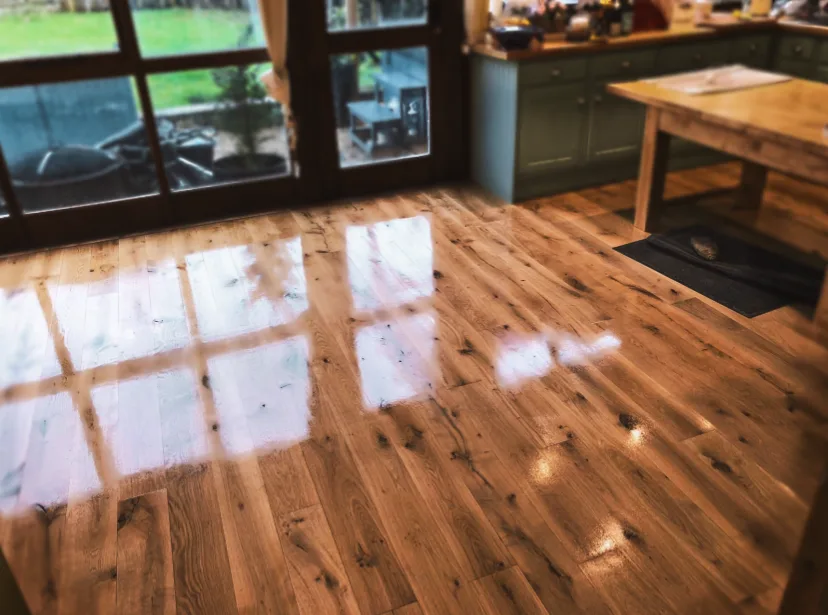
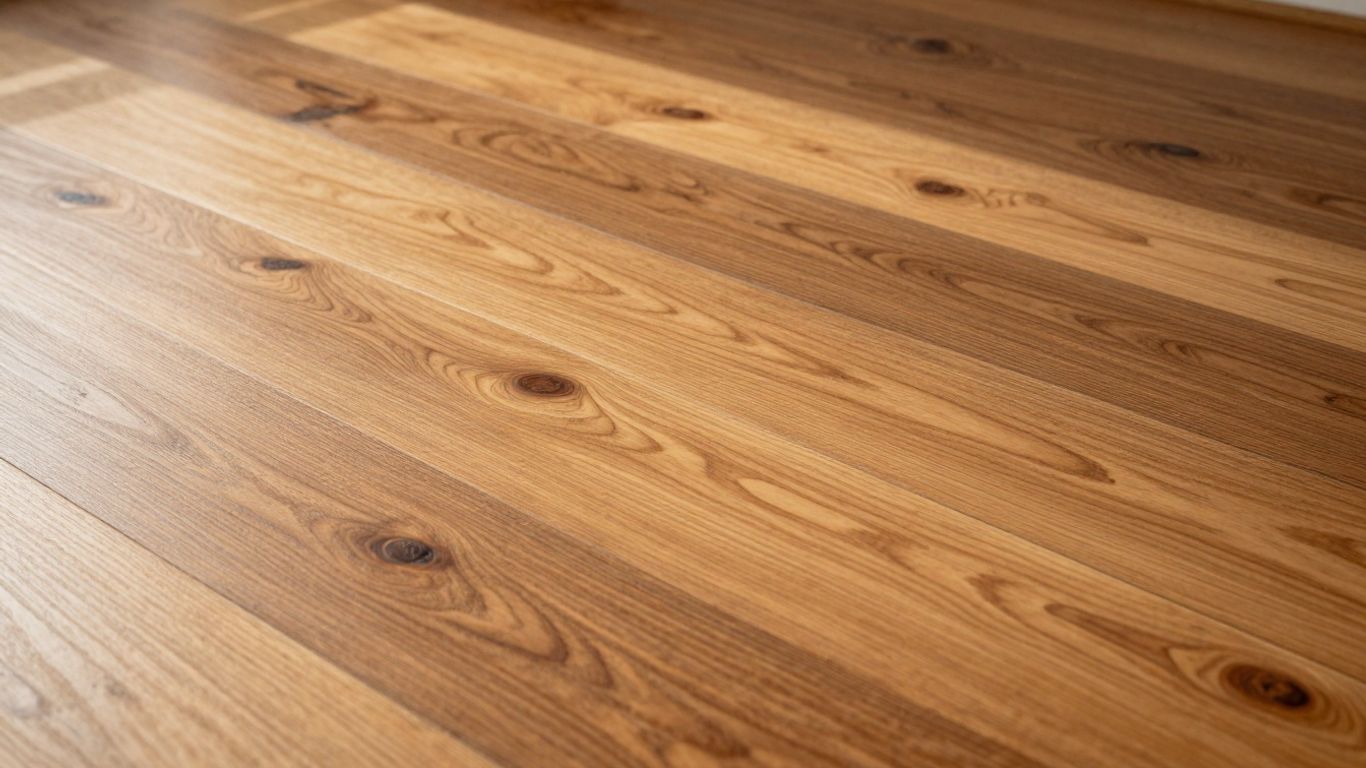
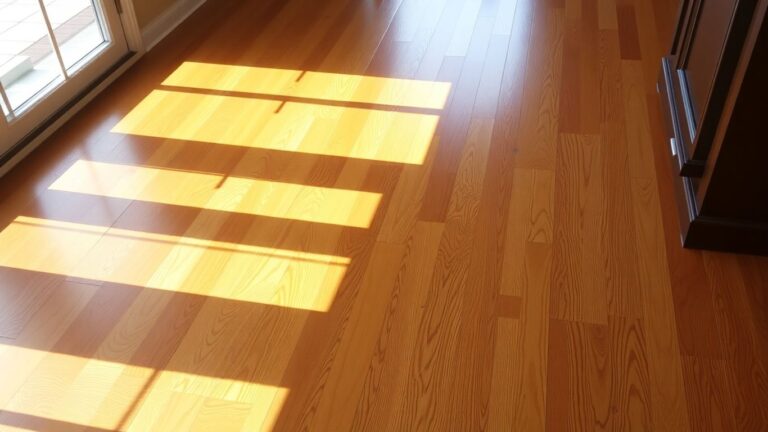
Sunlight across freshly lacquered wooden floorboards

Commercial Floor Sanding for Clevedon Shops, Cafés and Halls

Along Hill Road and around the town centre there are independent shops, cafés, restaurants and pubs, and halls across the town hosting groups most evenings. Many have older timber floors, and many of those floors work very hard.

Commercial floor sanding in Clevedon starts with your opening hours and works backwards from them. The work can be done overnight, on a weekly closing day or during a quieter week, using finishes that cure quickly enough to reopen on time. Our commercial wood floor sanding page explains the overall approach.

Cafés and restaurants need a finish that stands up to spills, chair legs and frequent mopping. That usually means a two-component lacquer, which is considerably harder than a domestic single-pack product. The area by the counter and the route to the kitchen are usually the first to wear and get special attention on restaurant floor sanding jobs.

Shops with original boards often have a visible track from the door to the till. Sanding a shop floor evens that out and allows the finish to be renewed before the timber itself is damaged.

Halls used for exercise classes, dancing and children’s activities need a surface that is not too slippery. If a hall needs badminton or netball courts repainting after sanding, sports and activity hall floors are lined by our own team to the measurements the sport’s governing body sets.

Most Clevedon café and shop floors we would expect to resand somewhere around year four or five, roughly twice as often as a family sitting room. Committees and landlords who want documents before signing off can have a method statement, insurance certificate and references from us.

How Stains Take on Old Pine and Oak

Colour is the subject that causes more disappointment than any other in floor restoration, and it is worth understanding why.

Pine is uneven by nature. Its growth rings alternate between soft, porous earlywood and harder, denser latewood. A stain soaks into the soft bands much more than the hard ones, so the pattern of the grain can be exaggerated rather than calmed. Knots and resin pockets resist stain altogether. On top of that, old pine boards from the same room may have come from different trees and absorb colour differently. The result can be blotchy if the stain is applied without preparation.

There are ways to manage this. Finishing the sanding at the right grit matters, since a very fine finish closes the surface and makes it harder for colour to penetrate. A conditioner or a thinned first coat can even out absorption. Water-popping, wetting the sanded surface to raise the grain, can deepen and even out a dark stain. Most importantly, any stain is applied to a test area on your own boards and allowed to dry with a coat of the chosen finish before you decide.

Oak takes stain more predictably, but it has its own quirks. Its tannins react with some products, and the open pores pick up dark pigment readily. Very dark stains on oak can look dramatic but show every speck of dust. More on colour is on our floor staining page.

Once the colour is settled, the finish goes on top. Water-based lacquers stay close to the colour you have chosen, while oil-based lacquers add warmth. Sealing wood floors with the right primer prevents some stains from bleeding. Natural oils and hard wax oil settle into the grain, with a gentler sheen, and a scuffed patch can be re-oiled on its own. Oil finishes for wooden floors are particularly good on wide pine. Traditional floor wax can suit a period bedroom that sees little traffic.

Wood floor sanding company
Floor sanding taunton

Living on Wide Boards Afterwards, New Floors and First Contact

A freshly coated Victorian floor needs a short quiet spell. Keep everyone off it for roughly a full day; after that, stockinged feet are fine. The bay-window sofa, the piano and the dining table should wait until day two or three, and they should be carried rather than shuffled across. A felt pad under each foot saves a lot of grief on a soft pine surface. Rugs are the last thing to go back down, because a fresh lacquer under a rubber-backed rug can mark while it is still curing.

Wide pine keeps breathing for the rest of its life. Expect the gaps between broad boards to widen a touch in January when the radiators are on, and tighten again by late summer; that is the timber behaving normally, not the filling failing. Grit is the main enemy indoors, so a brush-head vacuum used often does more good than any product. For washing, a mop wrung out until it is barely damp and a cleaner with a neutral pH are all a sealed pine floor needs. Steam mops force hot vapour down between wide boards and soften the finish at the edges, so leave them in the cupboard.

Traffic lanes, such as the path from the hall into the kitchen, lose their sheen first. Catch those lanes early. A buff and fresh top coat restores their sheen to match the edges, and an occasional maintenance polish in between keeps the surface looking uniform. Treated that way, a lived-in Clevedon sitting room can often go the better part of a decade before it needs the sanders again.

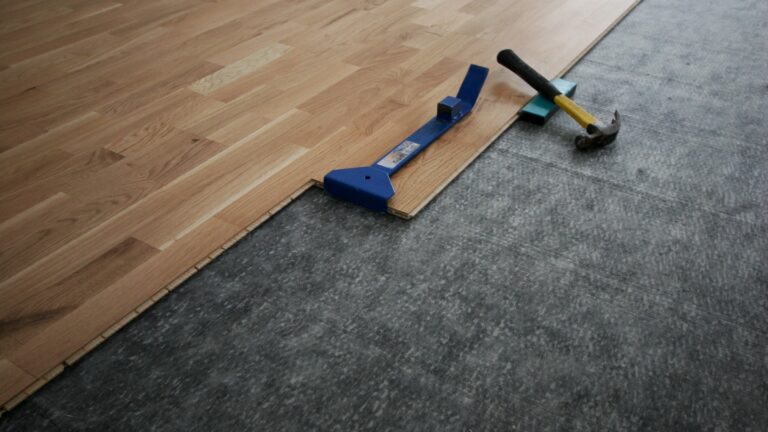
Some rooms have nothing left worth saving, or never had boards at all, like a modern kitchen extension on a slab. For a space like that, installing a new wooden floor is the route; boards from the Junkers or Bona collections, among others, can be fitted by our team, or dropped off for the builder doing the extension.

The quickest way in is a pair of phone pictures: stand at the door for one showing the full room including that painted border, then get close to the worst board for the second. Our address for those is info@ryansrestoration.co.uk. Phone calls come through on 01823 674562 during the working week, eight till six, and someone can visit on a Saturday by agreement. If you prefer, the online enquiry form reaches the same people. Neighbouring areas include floor sanding in Portishead.

Clevedon Floor Sanding and Restoration Questions

Usually, yes. Those borders were put down so a square carpet could sit in the middle with a tidy frame of colour round it. Thick paint and bitumen-based coatings melt and clog abrasive, so they are softened and scraped by hand, or worked slowly with an edging machine, before the main sand. Older paint may contain lead, so a test first lets us plan the removal properly.

Gentle cupping is very common in wide Victorian boards and normally sands out, provided enough timber remains above the tongue. That is measured at the survey before anything is promised. Pronounced cupping often means moisture is rising from below, so the meter goes on the boards and the outside walls get checked for buried vents before we commit to sanding.

Pine takes colour unevenly because its soft and hard growth bands absorb at very different rates, and knots barely take any at all. A conditioner, the right final grit and a proper trial on your own boards all help. Even then, very dark shades on pine show strong grain contrast, and some owners end up preferring a lighter tint or a clear finish.

It asks for more patience. Pitch pine is full of resin, which loads up abrasive quickly, and its hard summer growth stands proud of the softer bands if the grit sequence is rushed. Fresh paper, steady passes and not skipping grades give a flat surface with that deep amber glow pitch pine is known for once it is sealed.

Yes. Victorian boards were cut to imperial widths that modern timber yards no longer stock, which is why reclaimed boards are kept for matched repairs. Old salvaged pine starts out near enough the same tone and depth, and after the room is sanded and coated as one, visitors rarely pick out which board is new.

Most villa sitting rooms take between one and three days, including repairs and coats of finish. A painted border adds time because it is worked largely by hand. The floor can be crossed carefully in socks from the day after the last coat, with heavy furniture returning on the second or third day.

That is the normal way of working for Clevedon cafés and shops. The sanding and coating can run overnight or across your closing day, using fast-curing commercial finishes so the doors open on time. Once a slot is fixed it is held for you, and paperwork such as a method statement can be sent to a landlord in good time.

Pictures give us a first impression, but a firm figure needs the free survey, a visit of around half an hour. Board thickness above the tongue, damp readings, ventilation beneath the floor and the quality of earlier repairs are all checked on site. An itemised written quotation is sent after the visit.

Often, yes. Reclaimed boards fitted into the gap are sanded with the rest of the floor, and then a colour is mixed and tested on both old and new timber so the patch disappears as far as possible. A slight difference sometimes shows in the first months and softens as the new wood ages.