Floor Sanding Farnham

Floor Sanding and Wood Floor Restoration in Farnham

QUICK QUOTATION

Floor Sanding Taunton

Floor Sanding in Farnham

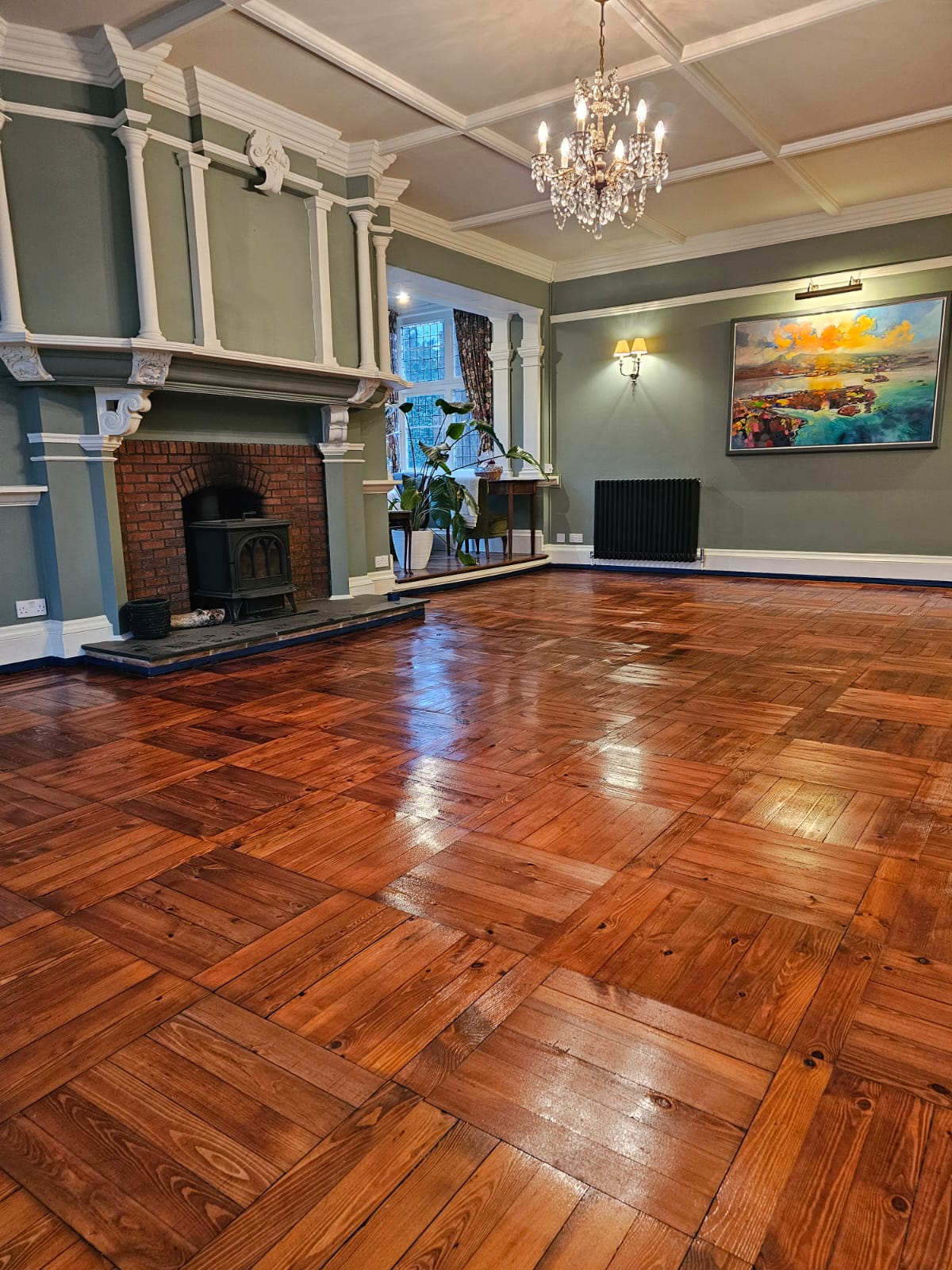
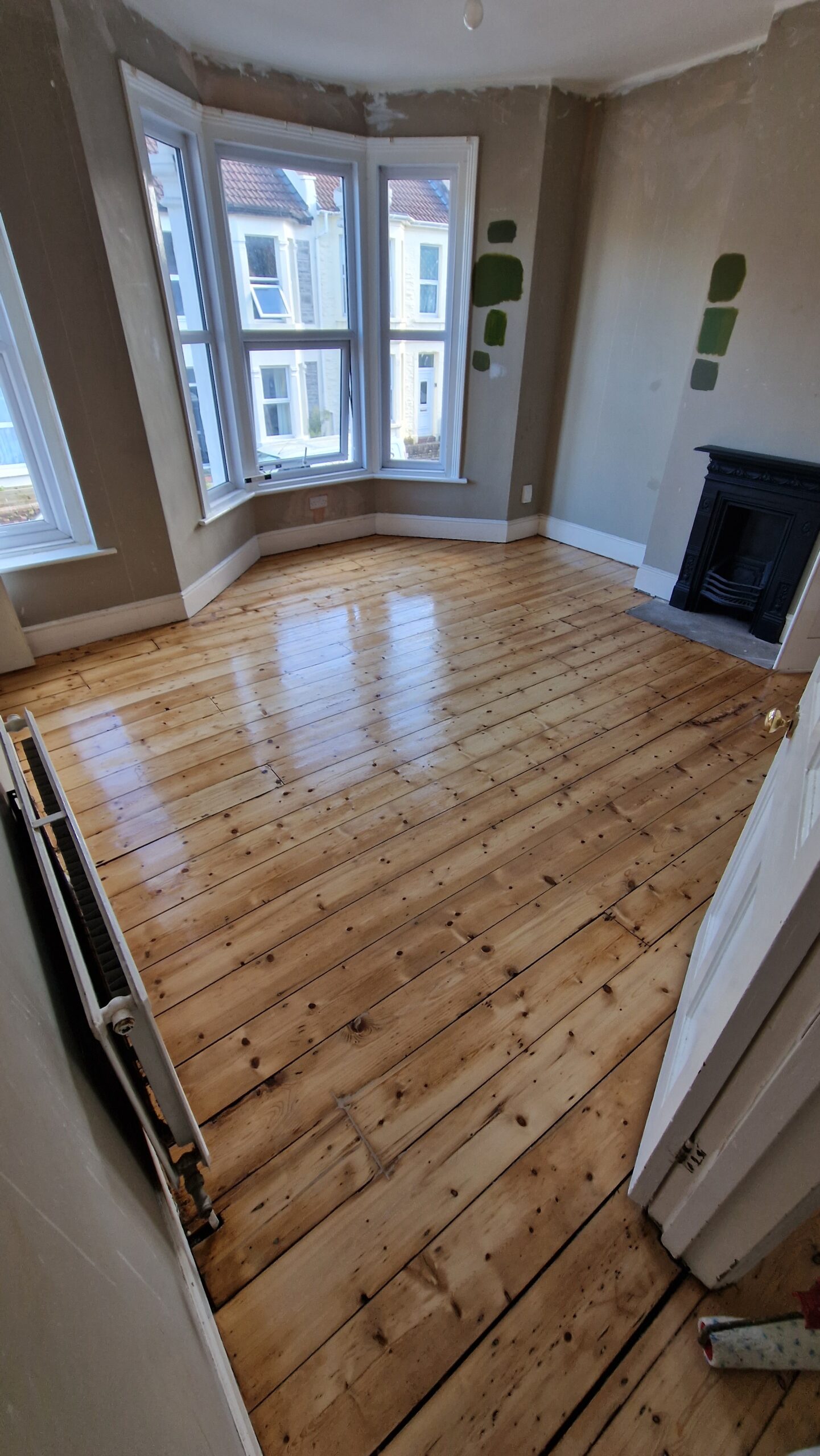
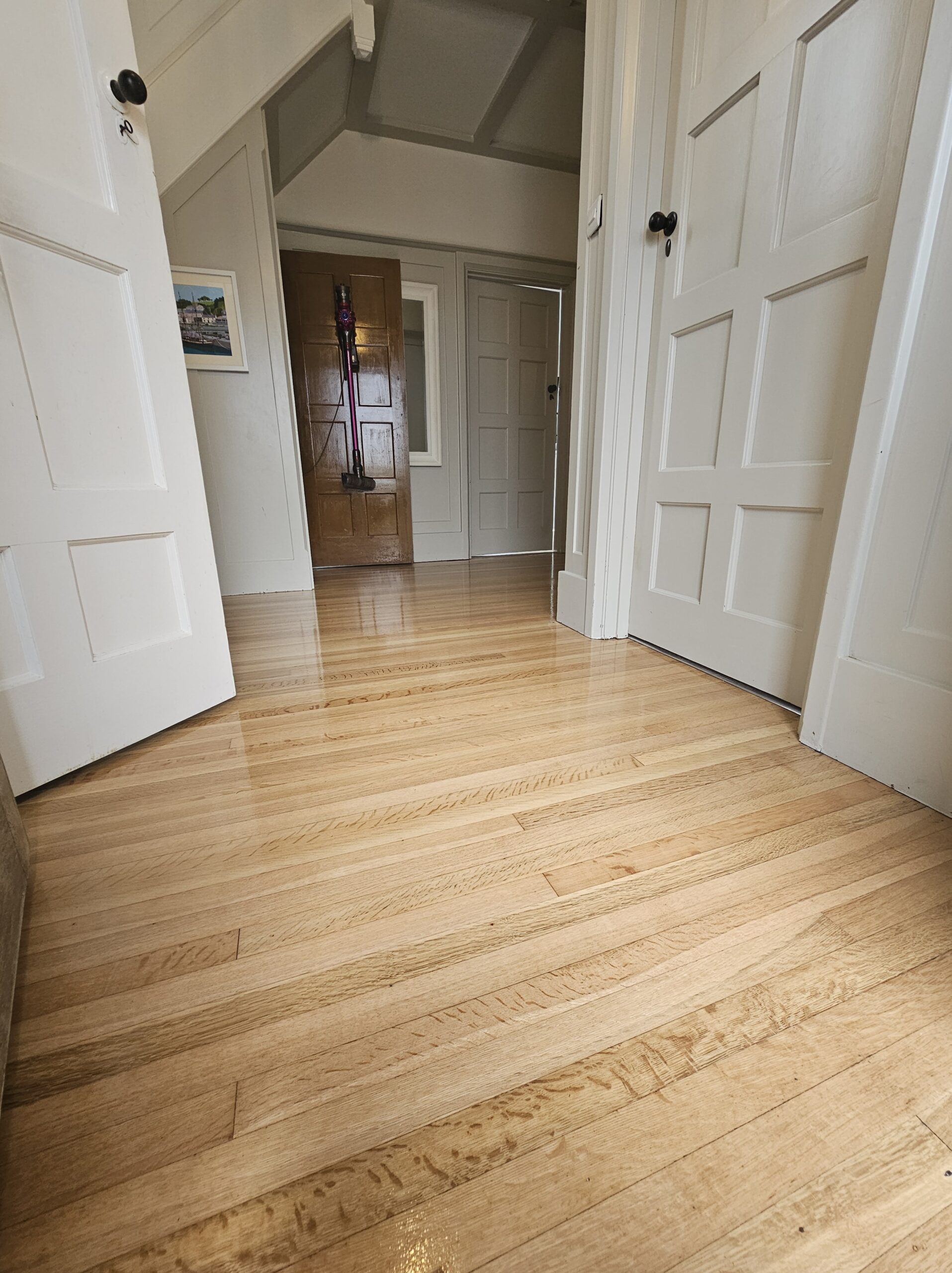
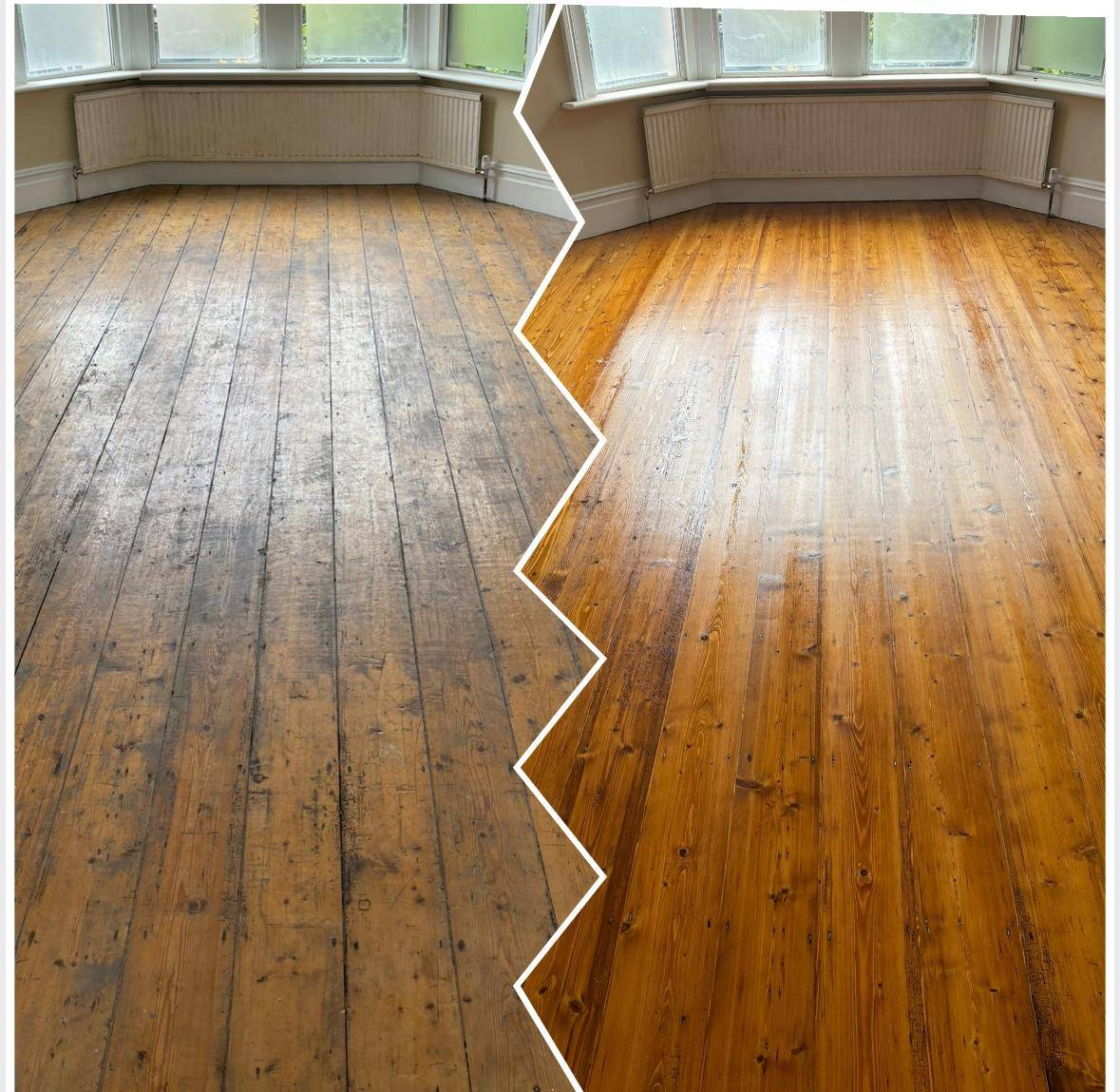
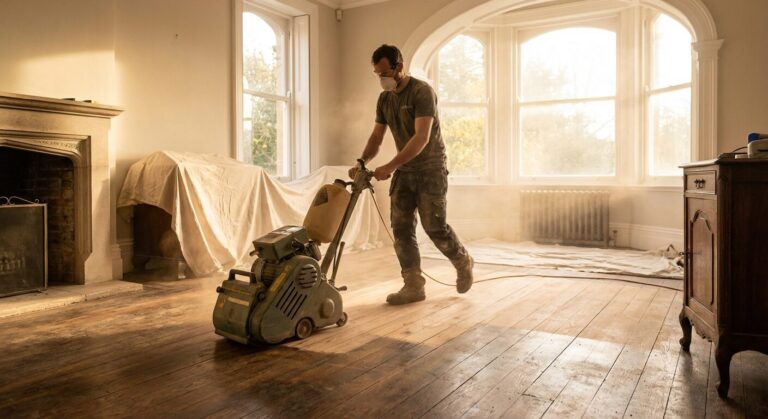
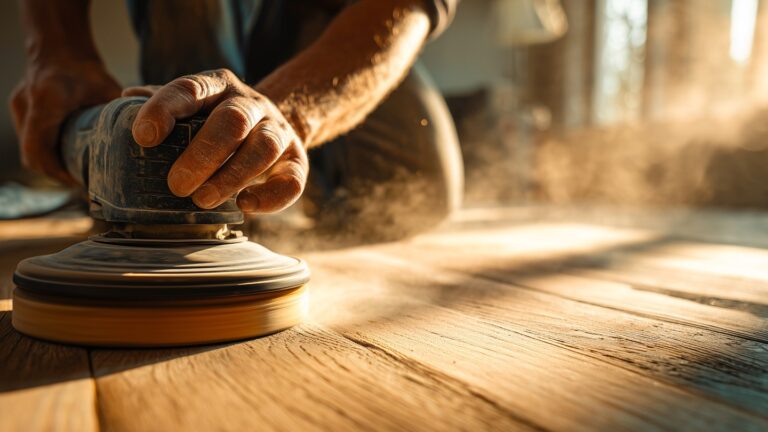
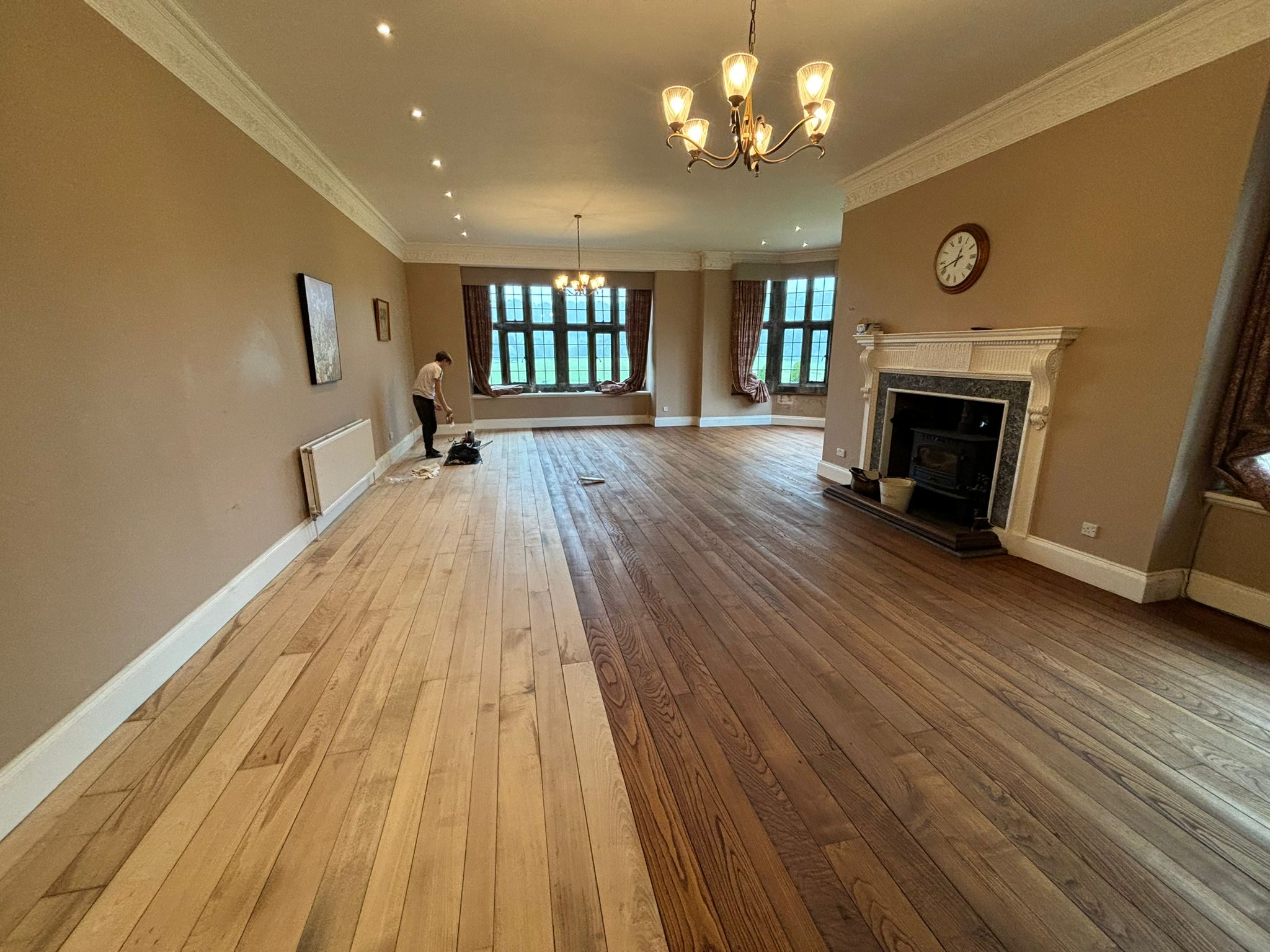
Farnham’s Georgian town centre and the Victorian and interwar streets around it hold a wonderful mix of timber floors, and our wood floor sanding service restores all of them — wide old pine, oak strip, even the occasional elm floor hiding behind an eighteenth-century frontage.

As a family firm with more than 45 years’ experience, much of it in period and listed property, we sand with restraint: remaining board depth is checked first, grits are chosen to remove finish rather than history, and every job comes with a fixed written quotation. We also cover the wider county — see floor sanding in Surrey.

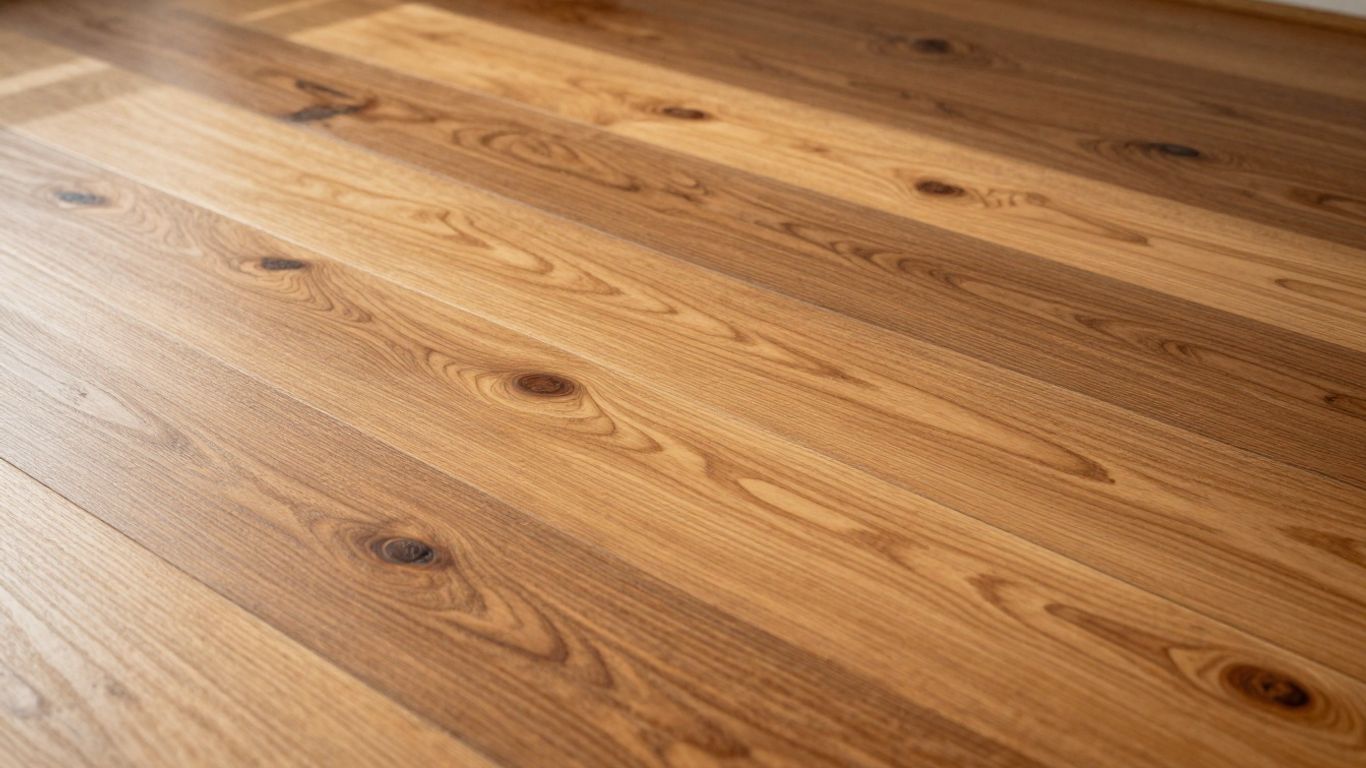
Elm is worth a word, because it behaves like no other board. Its grain swirls and doubles back on itself, so a belt run confidently along the board — exactly right on pine or oak — will pluck fibres out of an elm floor and leave rough patches that no later grit rescues. We take elm slowly with sharp, fine abrasives and finish it with orbital machines that cut in every direction at once, leaving the wild figure intact and smooth. It is slower work, and on boards this rare it should be.

In the oldest buildings we also downsize the kit where the building demands it: smaller machines upstairs where floors flex, hand work around hearthstones and thresholds, and no attempt to force a 250-year-old floor into false perfection.

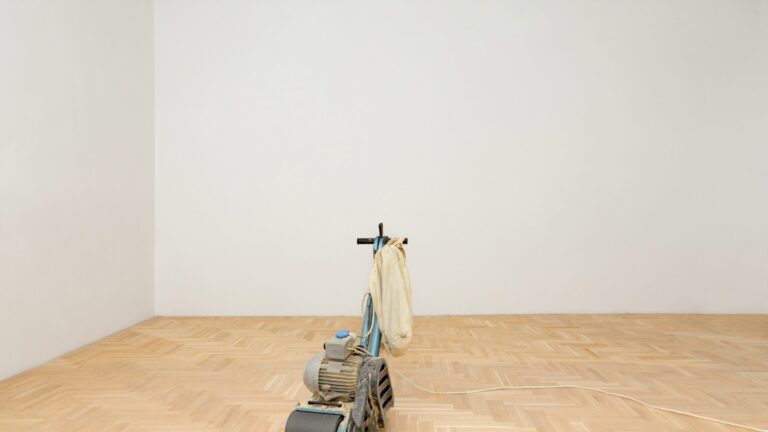
Whatever the timber, the routine between grits does not change: the floor is vacuumed clean so spent abrasive cannot scratch the next pass, edges are brought to the same stage as the field before anyone moves up a grit, and the final surface is checked in raking light — a torch held low across the boards shows up any stray mark that ceiling light hides.
Commercial Floor Sanding in Farnham

Cafe, shop, gallery and office floors around the town centre are refinished through our commercial floor sanding service without a single lost trading day — the work runs overnight or across a weekend, with method statements and insurance documentation supplied beforehand.

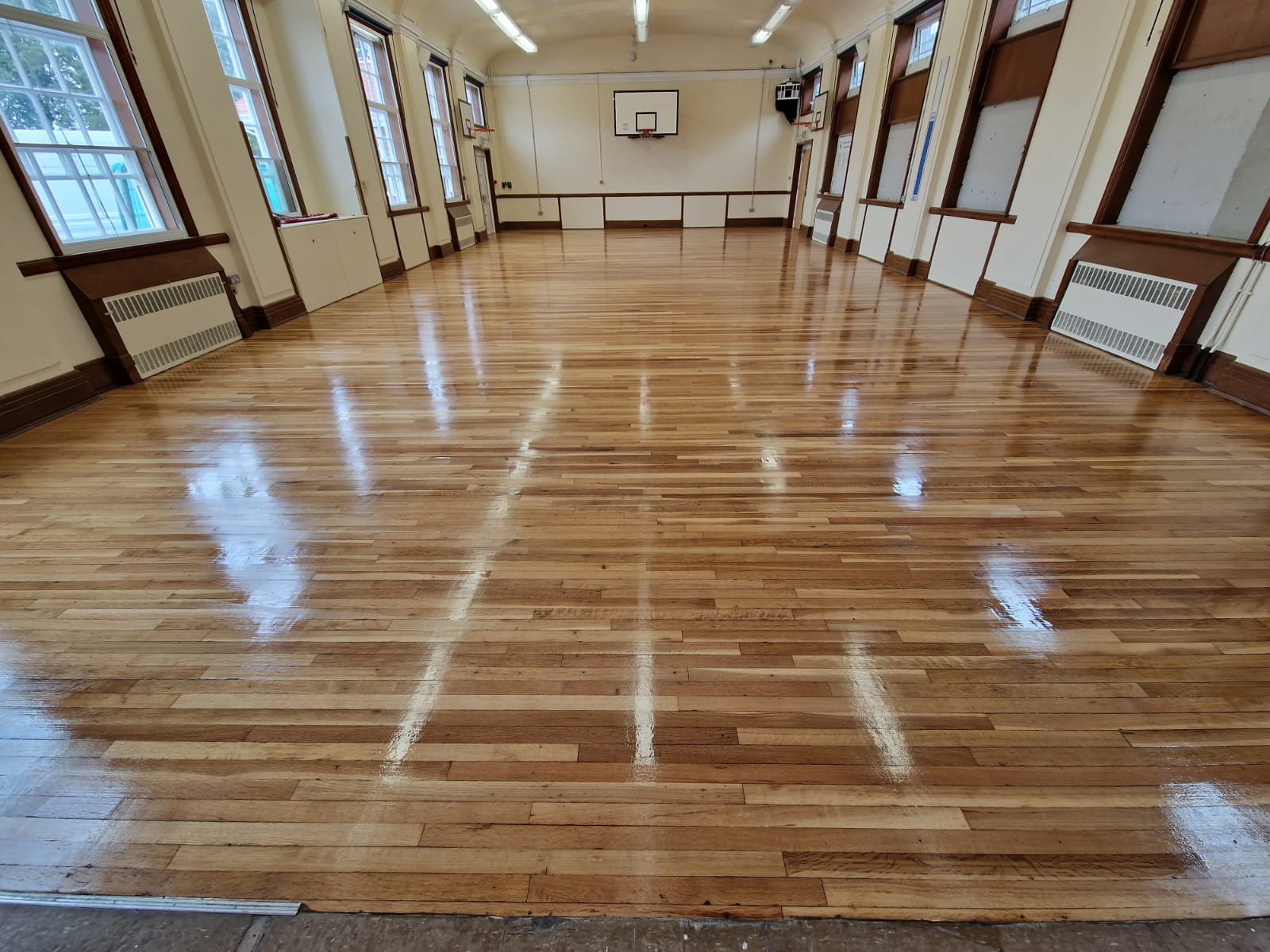
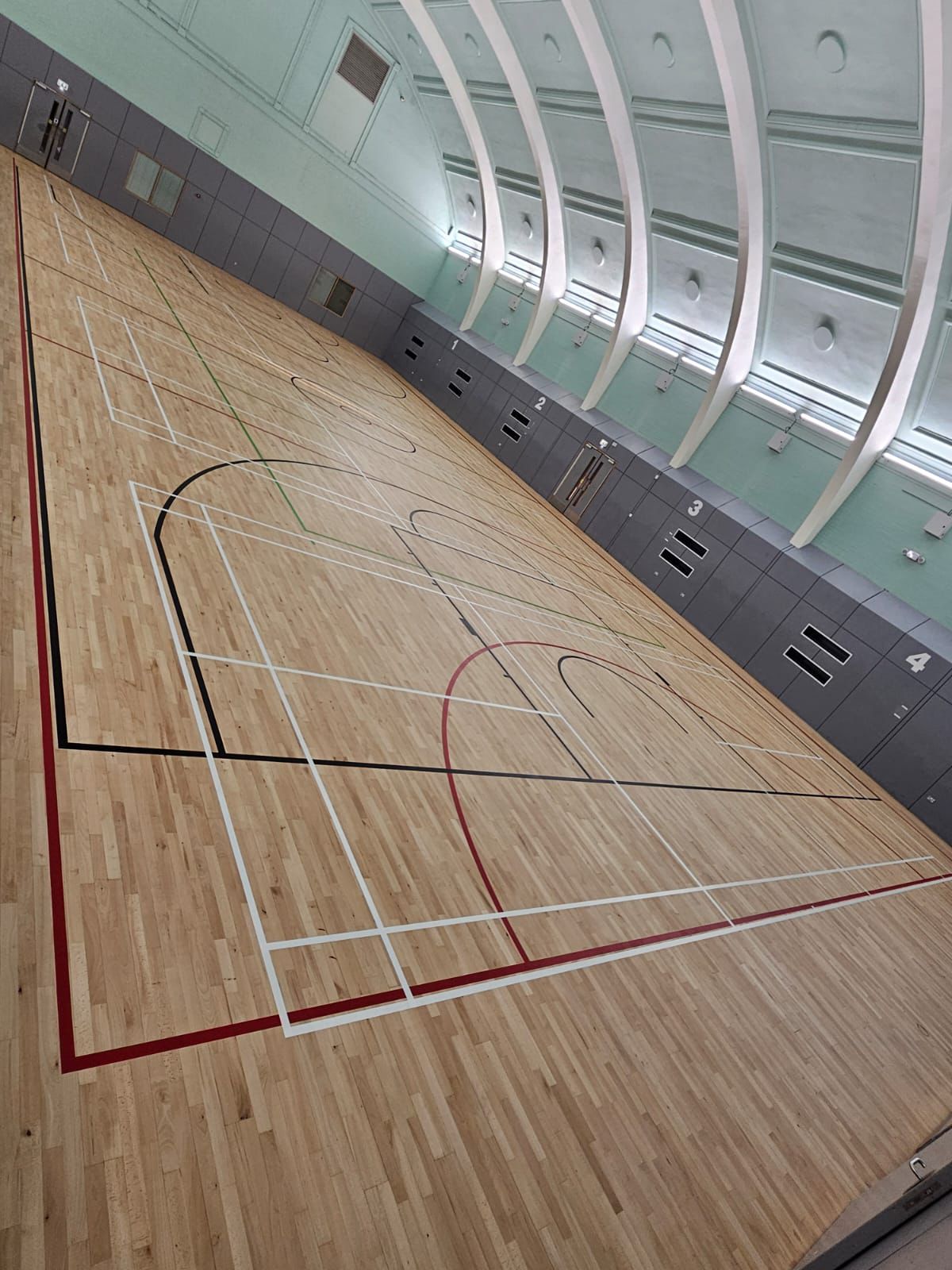
We also handle restaurants, hotels and schools, the latter with sports line marking to governing body specification where halls double as gyms.

Smaller premises often need only a single night. A compact shop or cafe floor can be sanded, vacuumed and sealed in one visit, with the second coat applied before dawn if the first has hardened — we check, rather than assume. Where shelving or fixed displays cannot be moved, they are wrapped and masked to shin height and the machines worked around them; the skirting line behind a fixed unit is finished by hand so nothing is left obviously undone. You lock up as normal in the evening and open onto a renewed floor.

Floor sanding south east London
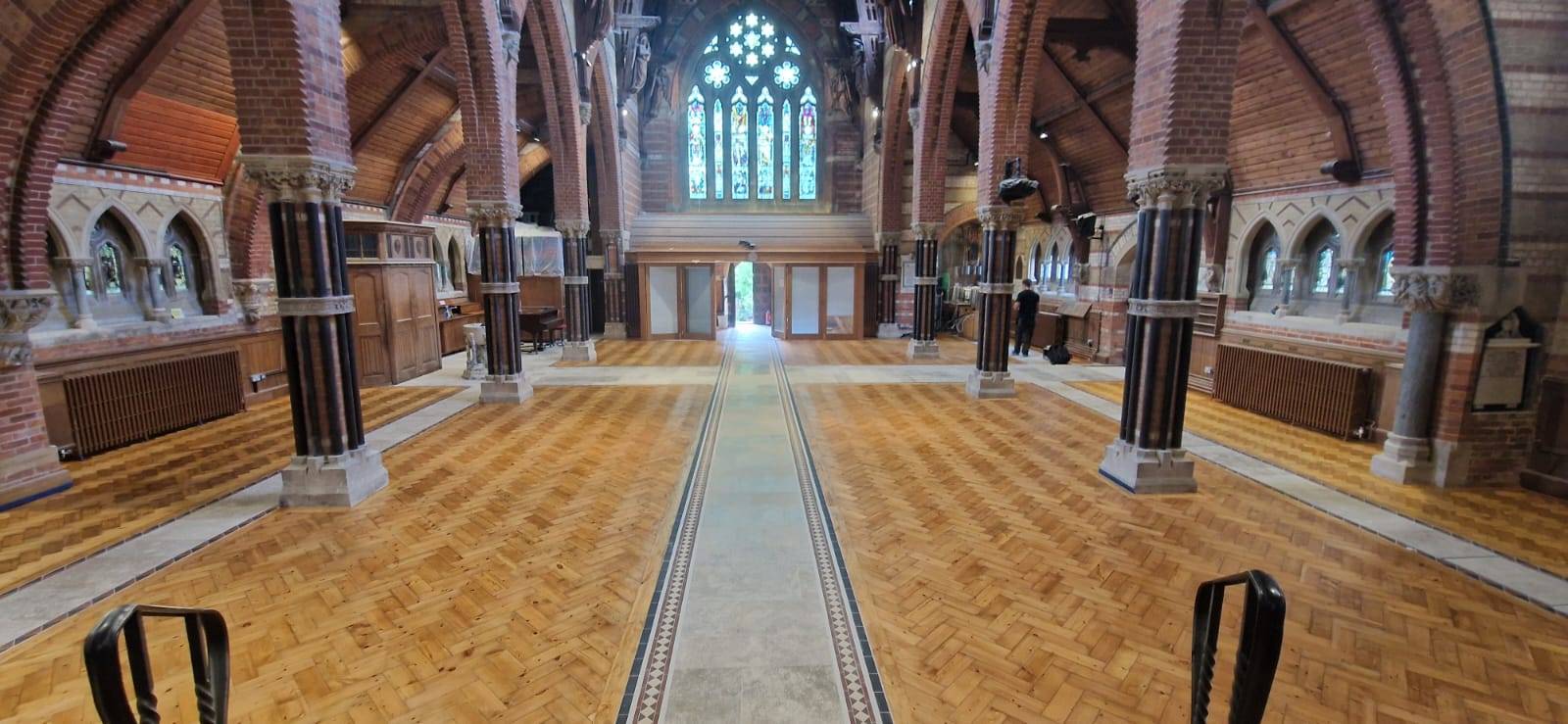
Commercial Hall Floor Refurbishment

Repairs, Board Replacement and Gap Filling

Older Farnham floors have usually been altered over the centuries — plumbing runs, patched hearths, the odd concrete repair — and our wooden floor repairs service tidies all of it before sanding. Floorboard replacement uses reclaimed timber from our own stock, which matters enormously in a period interior where new pine would glare.

We cure squeaks by refixing boards properly, remove scratches and dents, and close draughts with gap filling matched to the gap width.

Old hearth removals leave a particular scar: a rectangle of concrete or rough infill where the fireplace once stood, level with nothing. We cut the infill back, fix new bearers between the joists, and frame reclaimed boards into the opening so the run of the floor continues unbroken through where the hearth used to be. Done before sanding, the whole area finishes as one surface and the room reads as though the fireplace floor had always been timber.

Pipe notches are the other regular find: boards weakened where past plumbers cut deep channels across them. Where the board still has strength we bridge and reinforce from below; where it flexes underfoot we replace the run over the pipe with a screwed access board, so future trades can reach the pipework without crowbarring up a finished floor.

Parquet Floor Restoration

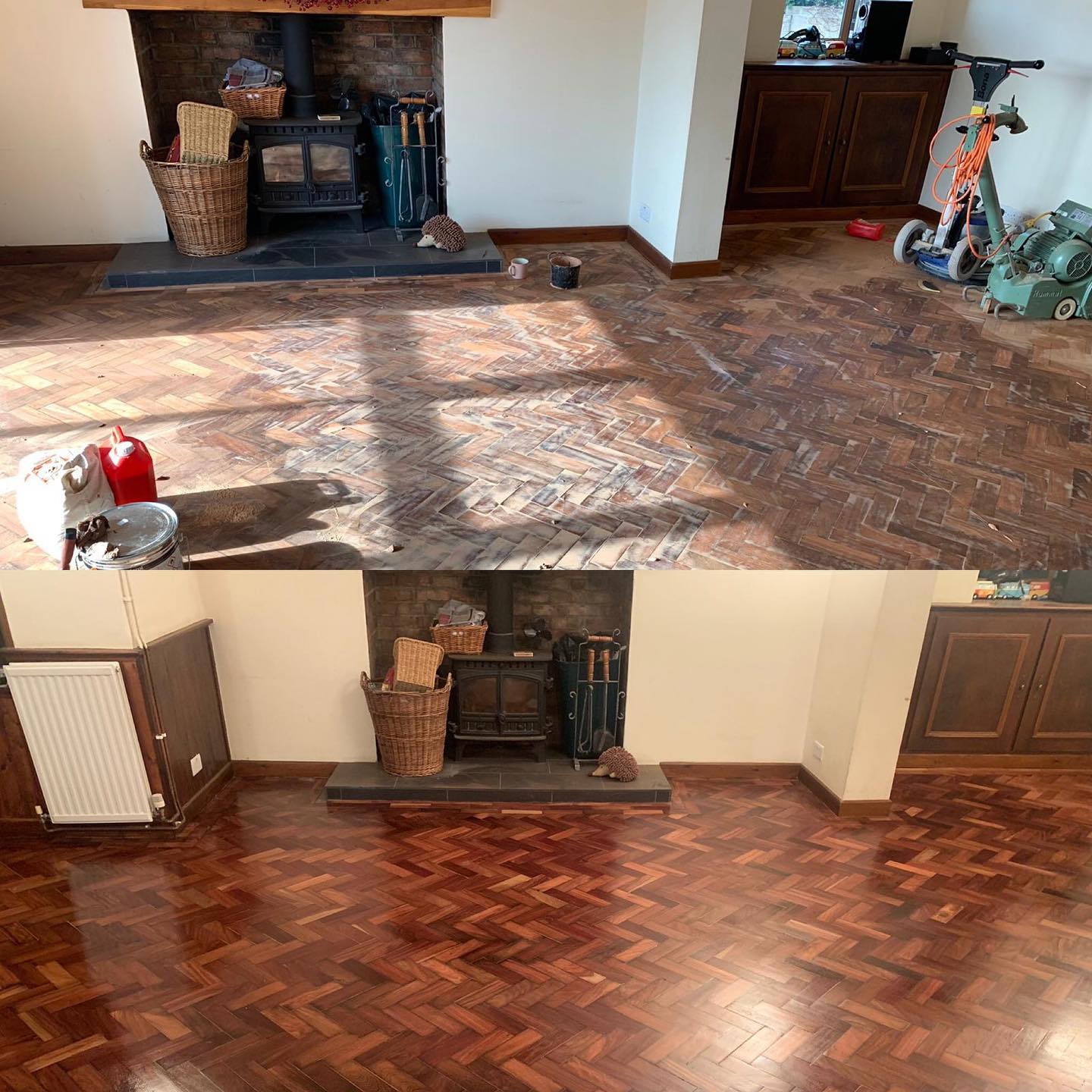
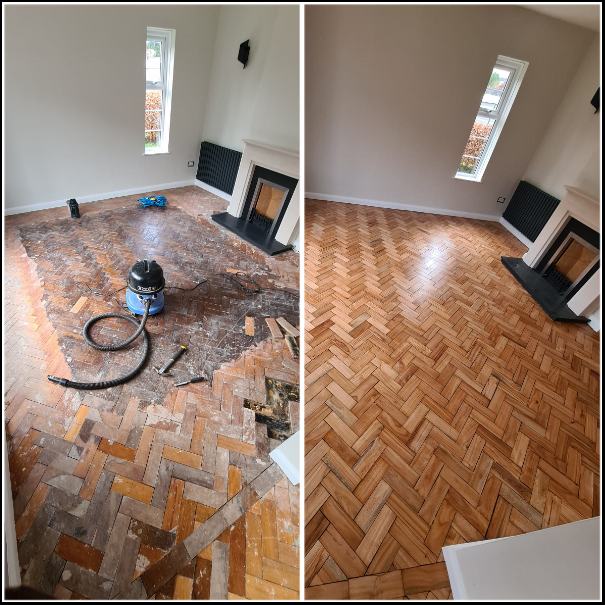
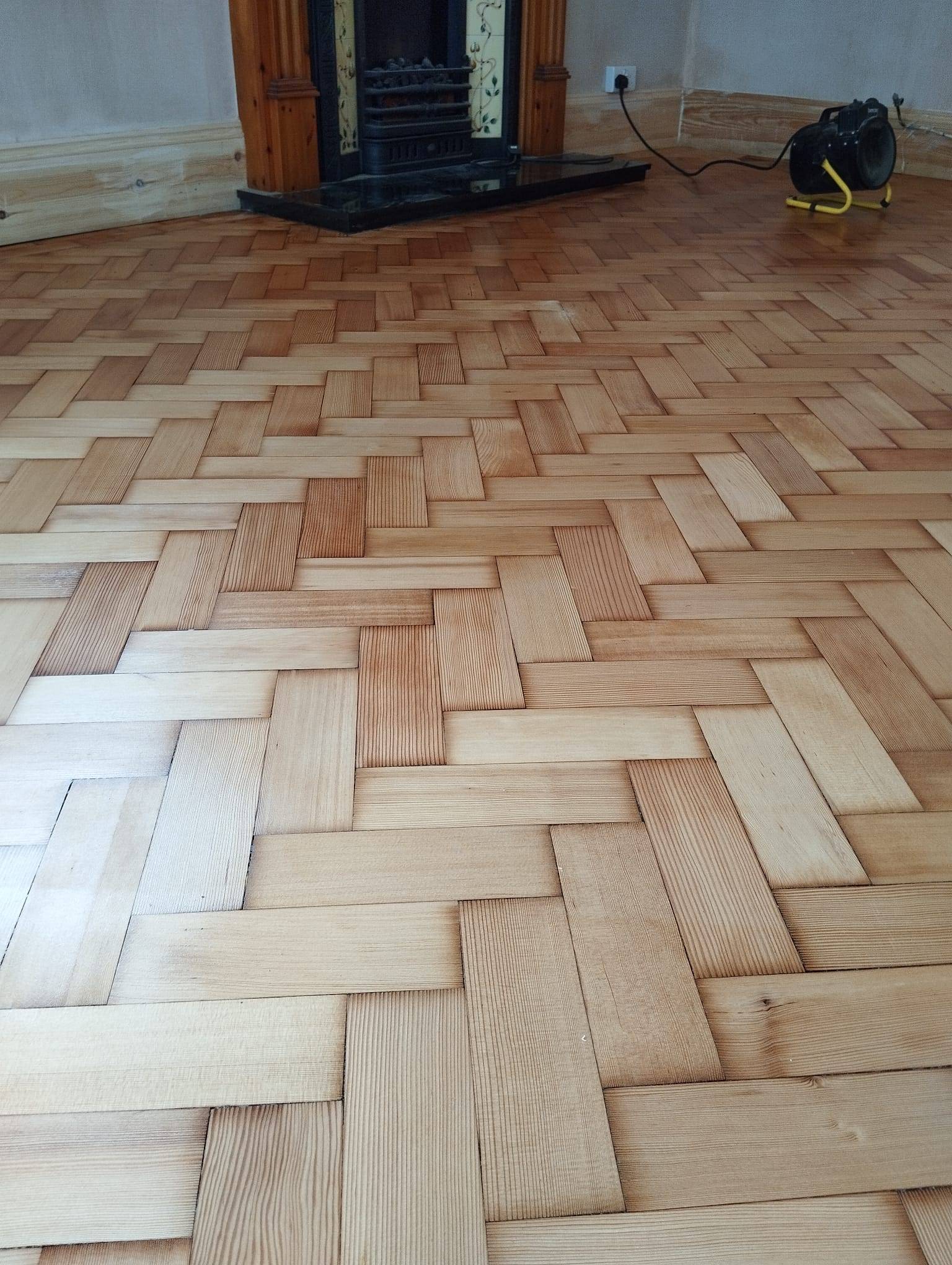
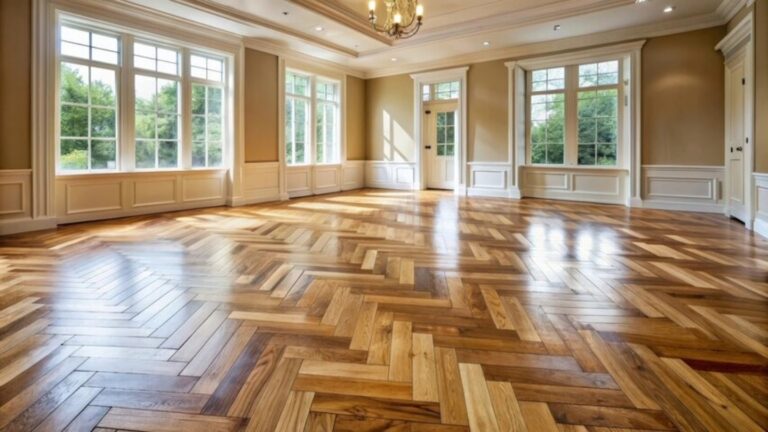
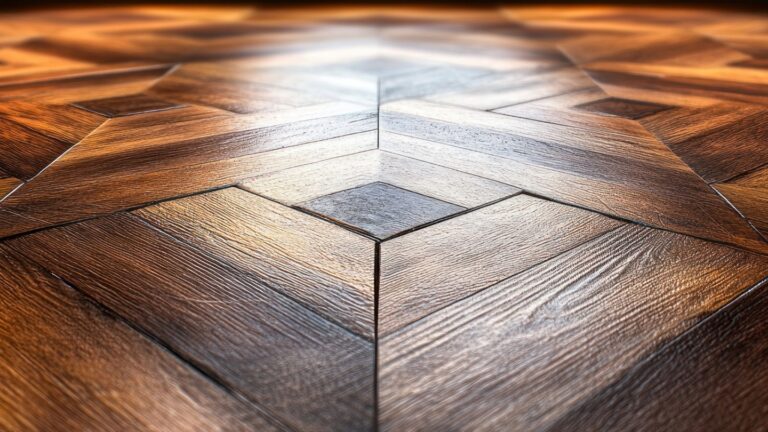
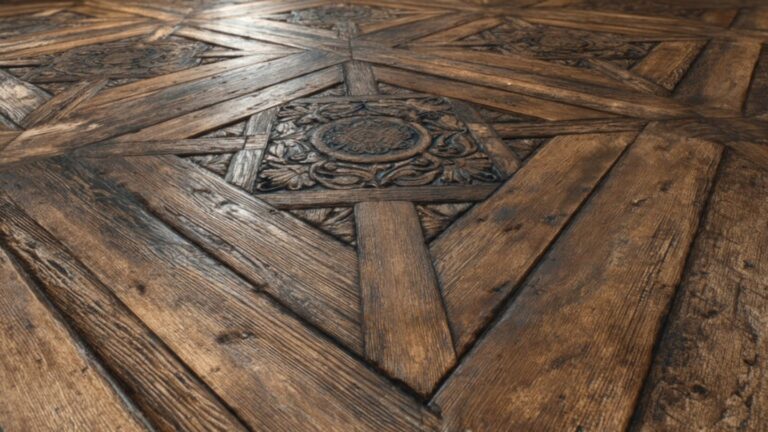
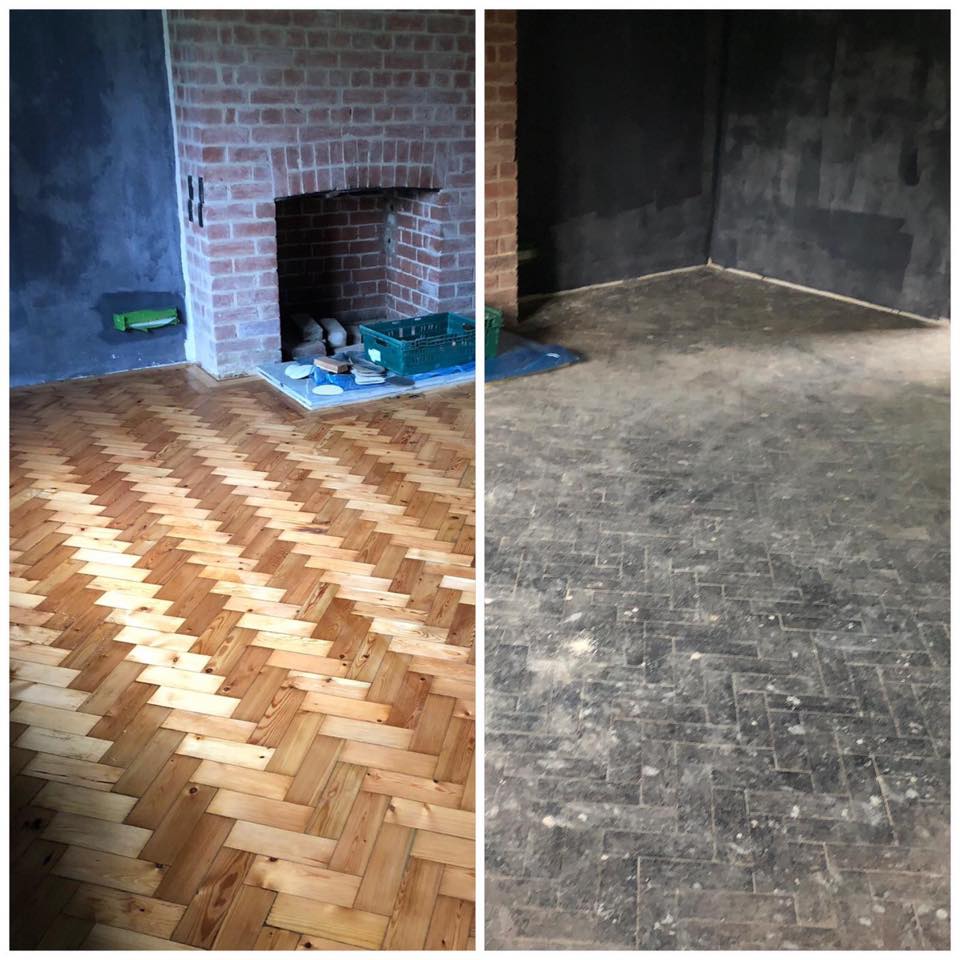
Interwar homes off the Frensham and Wrecclesham roads often keep oak herringbone in halls and living rooms, and our parquet floor sanding service brings it back fully: loose blocks re-bonded, gaps patched with blocks cut to match, and the pattern sanded flat before finishing.

Because Farnham’s free-draining greensand keeps subfloors dry, local parquet tends to survive in better condition than average — which usually means more of the original floor can be kept and less needs replacing.

Even over a dry subfloor we test before we glue. A screed that reads damp gets time and investigation rather than adhesive; a dusty or friable surface is primed so the new bond has something sound to grip. Border and margin strips around the edge of a parquet field are checked separately — they were often pinned rather than glued and work loose in their own way — and re-fixed before the field is machined so the border sands level with the pattern it frames.

Floor Sanding Essex
parquet floor restoration near me

Choosing the Right Finish

We finish floors with whichever system suits the room: staining where a colour change is wanted, robust lacquer sealing for kitchens and hallways, hardwax oils for a natural, repairable surface, and traditional wax where a Georgian or Victorian interior deserves it.

In listed buildings we prepare a written method statement describing exactly what will be removed and applied, which can go to the conservation officer if consent questions arise. Maintenance afterwards is a periodic buff and recoat — quick, clean and far short of a re-sand.

Wax deserves a proper description, since Farnham’s period interiors are where we use it most. Applied thinly over prepared timber and burnished coat by coat, it builds a soft, deep lustre that no lacquer imitates — the finish these houses would originally have carried. The honest trade-offs: it marks more readily than modern seals, water must be wiped rather than left, and it wants re-waxing in the walked areas from time to time. For a dining room or study that is a fair exchange; for a busy kitchen we will usually steer you towards a hardwax oil that gives some of the same character with far less upkeep.

Get a Floor Sanding Quote in Farnham

Send two photographs — the room from the doorway and a close-up of the worst area — and mention whether the building is listed, since that shapes what we propose. You will get an honest opinion and a fixed written quotation, and for period property we always recommend the free, no-obligation site survey.

Call 01823 674562, email info@ryansrestoration.co.uk, or use the form on this page.

All services available in Farnham: sanding, parquet, repairs, board replacement, gap filling, staining, oiling, waxing, stair sanding and installation.

Nearby areas we also cover: Guildford, Basingstoke, Horsham and Surrey. There is a page for each, and the full list of towns is on our areas we cover page.

If you are weighing up whether a floor is worth restoring at all, ask us that question directly — it is the one we answer most often. A short visit tells us whether the boards have the depth left for a full sand, whether a lighter refurbishment would serve, or whether the honest answer is a new floor, and you will get that answer plainly either way.

Parquet Flooring Restoration

FAQ: Floor Sanding in Farnham

Board and parquet sanding, restoration, repairs, floorboard replacement, gap filling, staining, sealing, oiling, waxing, stair sanding, buffing and new wooden floor installation.

Yes, that is standard practice — overnight or weekend working with fast-curing seals means you open on time with a finished floor.

Refinishing an existing floor rarely needs consent; structural changes can. We supply a written method statement so you and the conservation officer know exactly what is proposed.

Close to it. We splice in reclaimed timber of similar age and grain, so repairs weather in rather than standing proud of the original floor.

Not at all — it was the standard adhesive of the period. We re-bond with modern adhesive and sand the residue away as part of the restoration.

Yes — stains and tinted oils run from pale to near-black, and we sample them on your own boards during the free survey.

Very little. Sealed extraction collects the overwhelming majority at the machine, doorways are masked, and we leave rooms clean each day.

Two photographs and rough room sizes — that earns an honest opinion and a fixed written quotation. Or book the free survey: 01823 674562 or the form on this page.

Yes, but they need a different technique — sharp fine abrasives worked slowly and orbital machines for the final passes, because elm’s wild grain tears if it is sanded like pine or oak.

In lower-traffic rooms, absolutely — it gives the soft lustre period interiors were made for. For kitchens and hallways we usually suggest hardwax oil, which has similar character and much easier upkeep.