45 years’ experience  ·  Rated 4.9 on Google  ·  Family-run, from our workshop near Wellington

45 years’ experience · Rated 4.9 on Google · Family-run

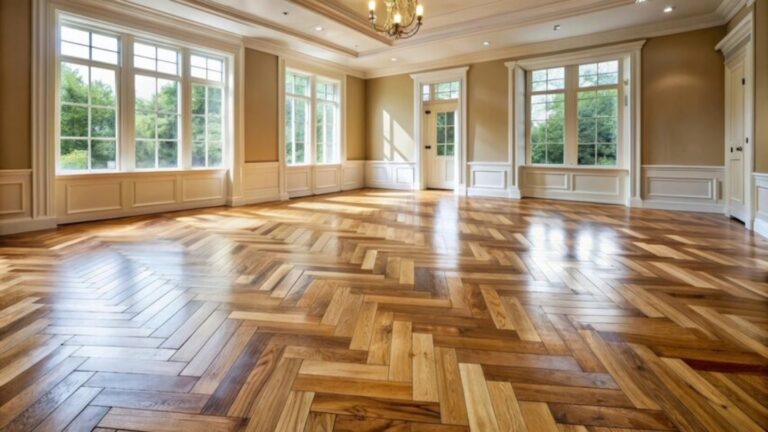
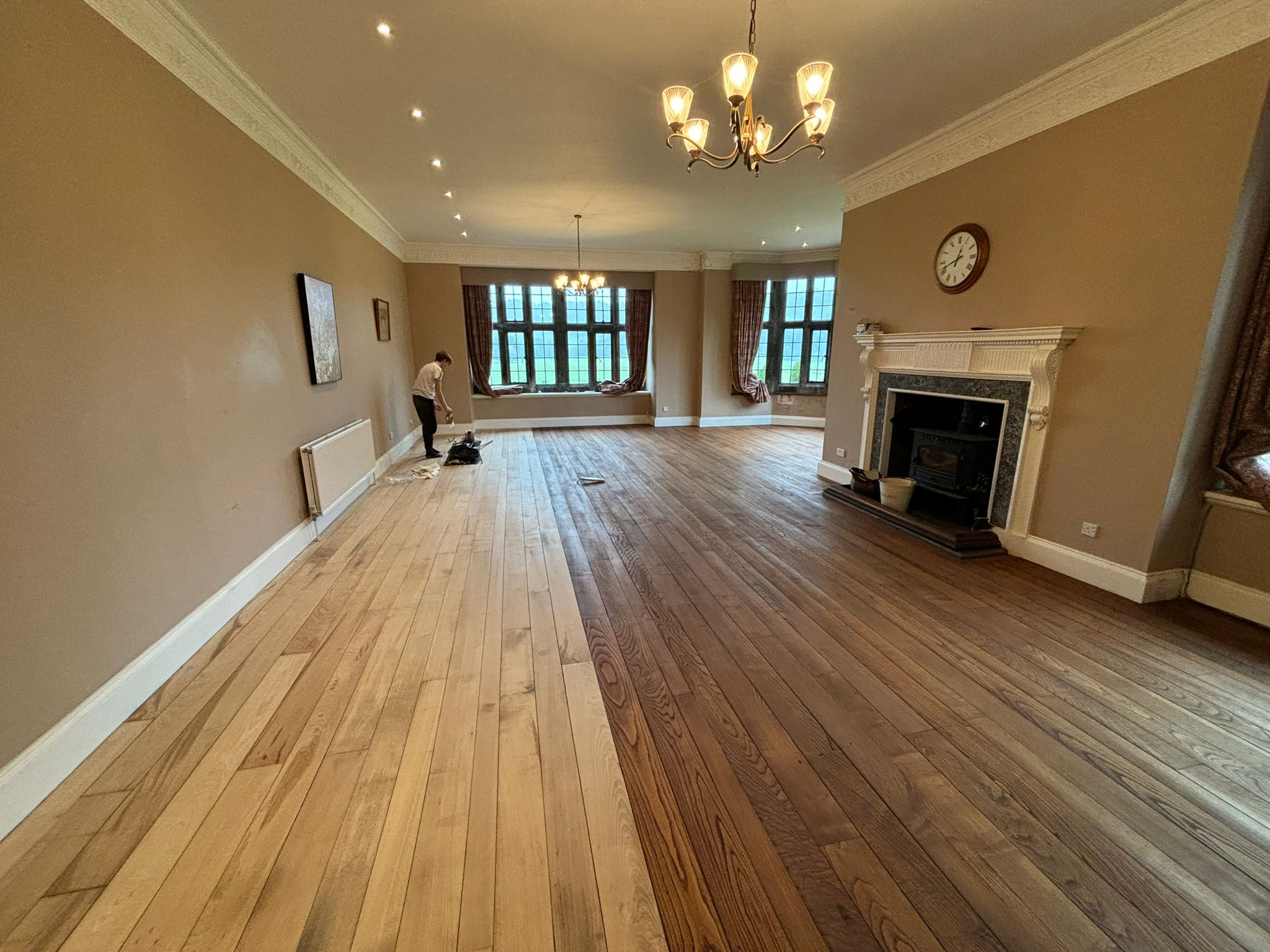
Floor Sanding and Wood Floor Restoration in Guildford

Guildford period boards and restaurant floors sanded, repaired and coloured, with stain tested on your own timber before a room is committed.

QUICK QUOTATION

Floor Sanding Taunton

Floor Sanding in Guildford's Period Houses

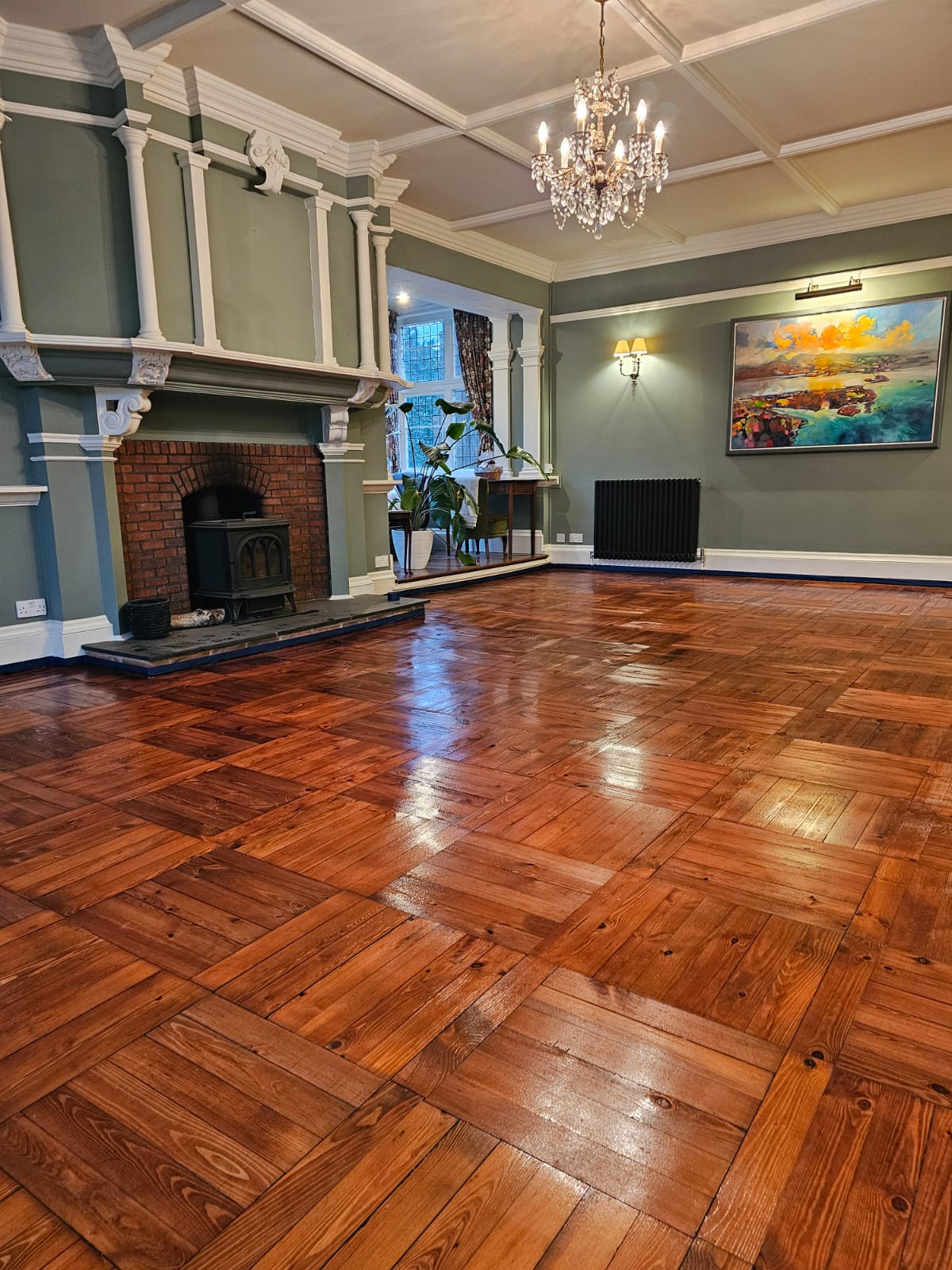
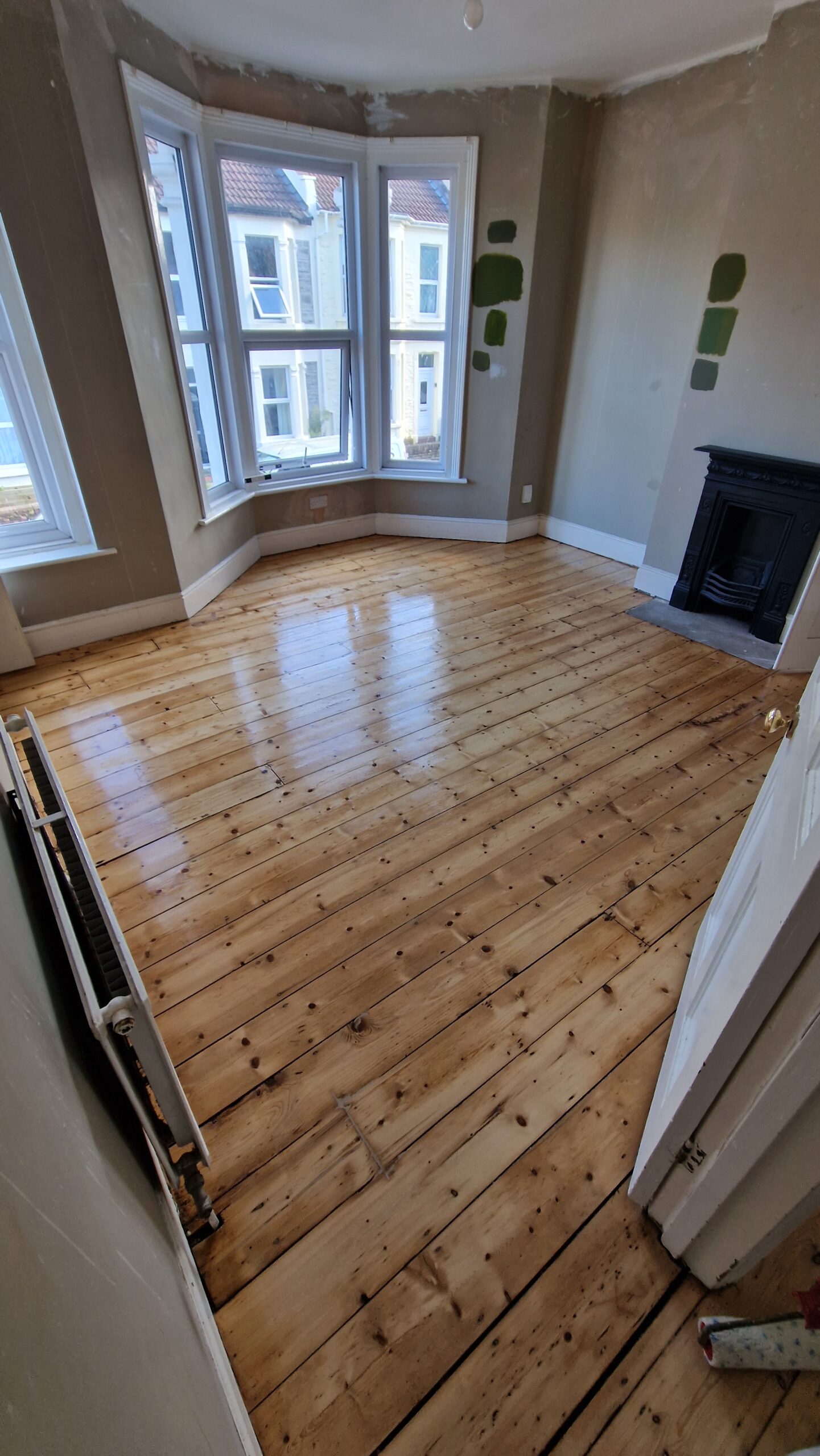
Guildford’s Victorian and Edwardian streets are full of houses that still have their original floors, usually softwood boards in the bedrooms and upstairs, sometimes oak or pitch pine in the hall and reception rooms, and quite often parquet tucked under a later carpet. Those boards have generally been through a lot: stained borders round a long-gone rug, a century of tacks and gripper strips, gas pipe runs cut in during the 1930s, rewiring in the 1970s, and patching with whatever timber came to hand. Floor sanding in Guildford homes of this age is as much about sorting out that history as about the sanding.

Some honesty about geography is due here. This family business operates from Higher Poole, a workshop just outside Wellington in Somerset. Surrey is a long drive from there and is not a county we cover routinely. We come to Guildford for work big enough to plan around: a period house with floors in most rooms, a renovation where the boards need sorting before the family moves in, or a restaurant, café or shop floor that has to be done outside opening hours. If your project is like that, we would be glad to hear about it.

The first job on an old floor is to look before cutting. Boards in houses of this age can be thinner than you expect, worn down by earlier sanding or just milled thin to begin with, and a heavy first pass can expose tongues or nail heads. Old softwood floors usually have cut nails sitting just below the surface, and they have to be punched down further before any machine goes over them, or they tear the abrasive and score the timber. Staining from dark Edwardian varnish borders can go surprisingly deep, and it pays to test-sand a corner to see how much wood has to come off before the border disappears.

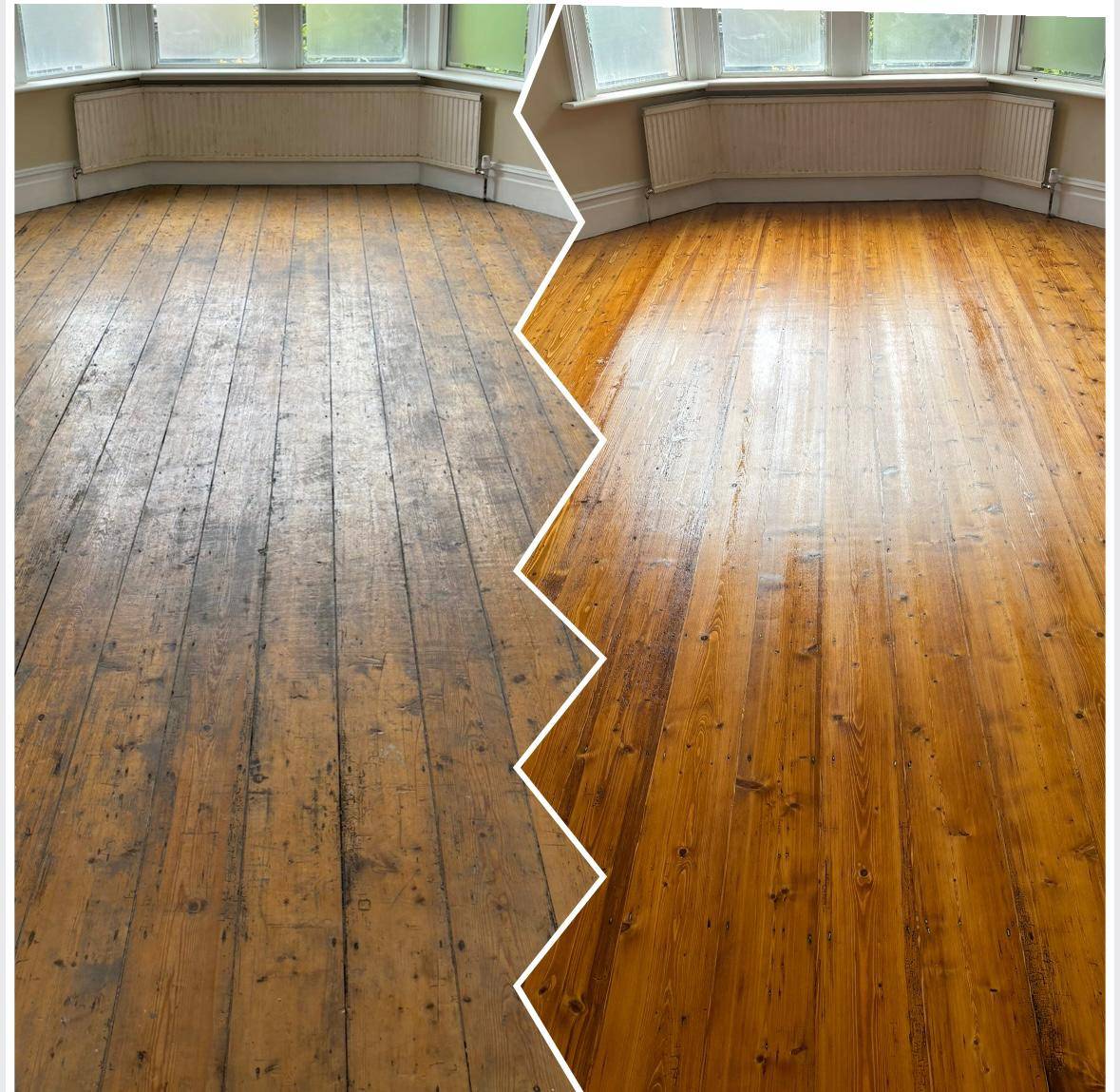
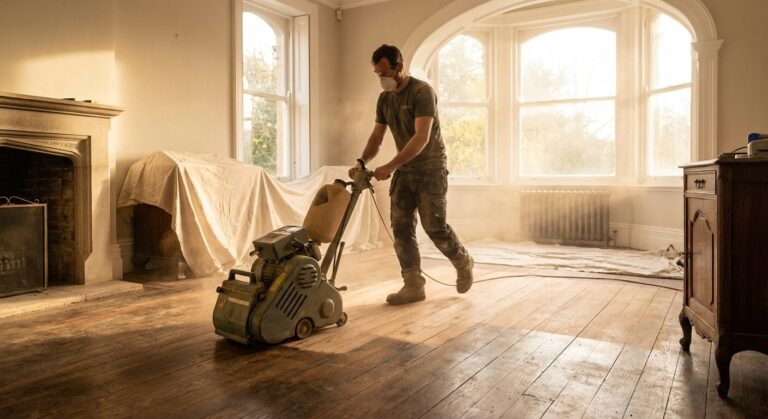
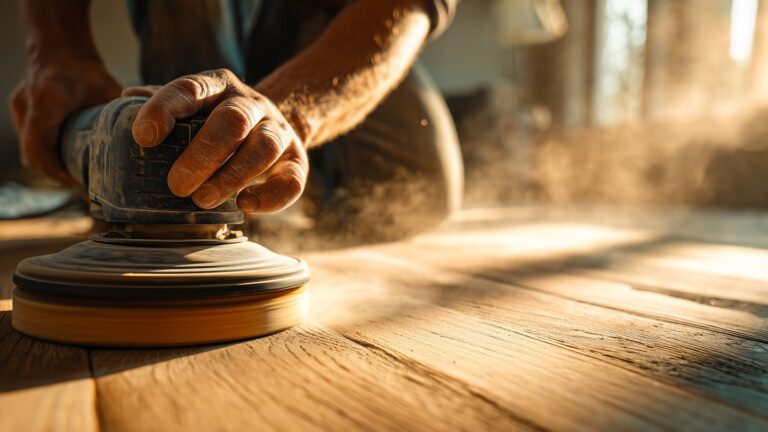
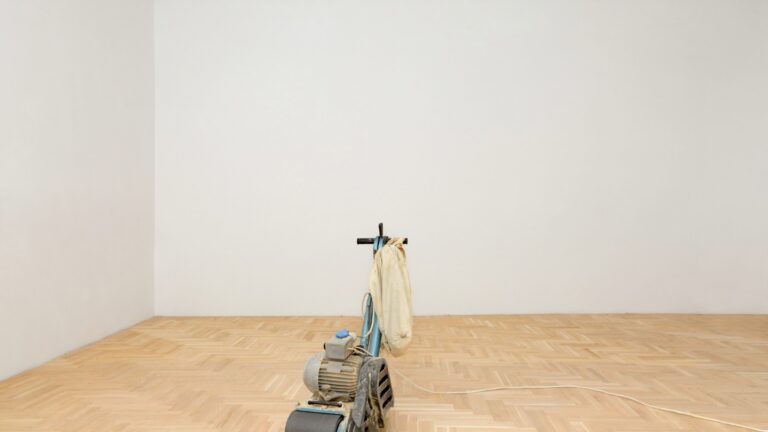
Once the boards are sound, the main sanding goes in stages, starting coarse enough to cut through old varnish and finishing fine enough to leave no visible scratches under the new finish. Edges and corners are done with smaller machines and hand scrapers. Our floor sanding service explains the process in more detail, and our Surrey page covers the other towns we travel to. Many period floors are pine, and restoring pine floorboards has its own page; harder floors are covered by oak floor restoration.
Commercial Floor Sanding in Guildford: Restaurants Overnight

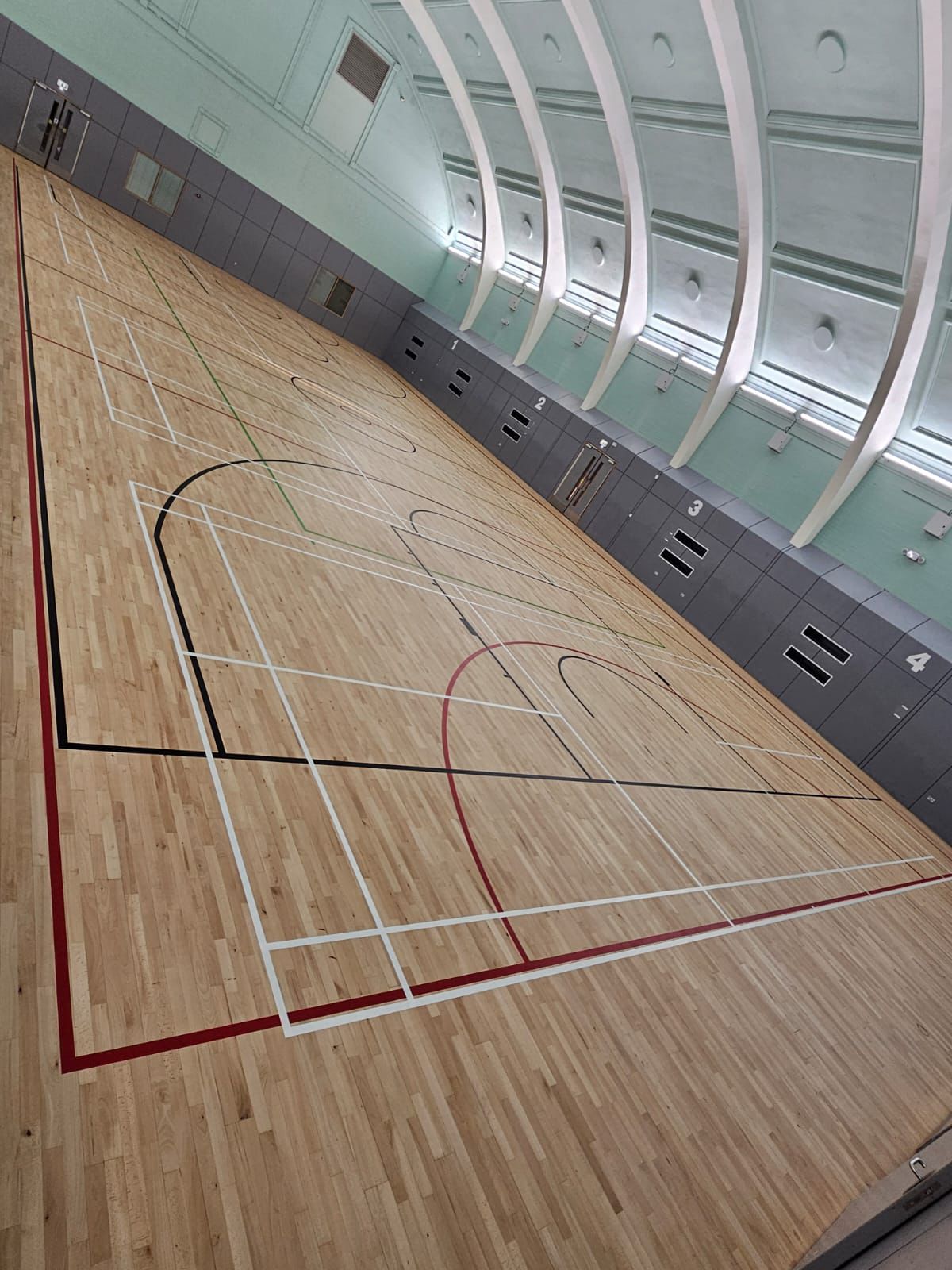
A restaurant floor in a busy town centre takes a battering that no house ever sees. Hundreds of chair legs scrape back from tables every evening, waiting staff take the same tight lines between the pass and the tables, and every spill, from red wine to cooking oil, lands on the timber and gets mopped up in a hurry. Commercial floor sanding in Guildford restaurants is therefore planned around two things: the floor has to come back properly, and the business cannot lose a service.

A typical overnight job runs something like this. The team arrives once the last diners have gone and the kitchen has closed down. Tables and chairs are cleared to one end or out to a storeroom. The boards just outside the kitchen swing door get attention first. Chefs and servers track a fine film of fryer oil out on their soles, it works down into the grain over the years, and a coating laid over oily timber will peel. That patch may need degreasing or sanding deeper than the rest. Then the main sanding begins, working away from the exit so nobody walks back over finished areas. Fast-curing lacquer goes down in the small hours, and by the time the morning team arrives the floor can take careful foot traffic. Furniture goes back on felt pads once the coating is hard enough.

Larger dining rooms are split into two or three sections, done on consecutive nights, with temporary screening so trade continues in the rest. Smell matters in a food business, and low-odour water-based products are the usual choice where the kitchen opens early. Dust is kept in check by sealed extraction on every machine, which matters in a room with open shelves and a bar full of glasses, though no sanding is completely dust-free; see our approach to dust.

Most dining rooms are best served by a two-pack lacquer, hardened on site, with a low sheen so the pale crescents around each table fade from view. More on the method under restaurant floor sanding, with the wider commercial picture on our commercial floor sanding page. Shops and boutiques follow the same overnight or closed-day pattern, see shop floor sanding, and hotels and guest houses are handled in phases around bookings under hotel floor sanding. If a landlord or operator wants paperwork before the first night, we can send a method statement, insurance details and references. A restaurant that seats full houses most nights should expect to sand back to timber around the fourth or fifth year, which is about twice as often as a domestic sitting room.

Floor sanding south east London
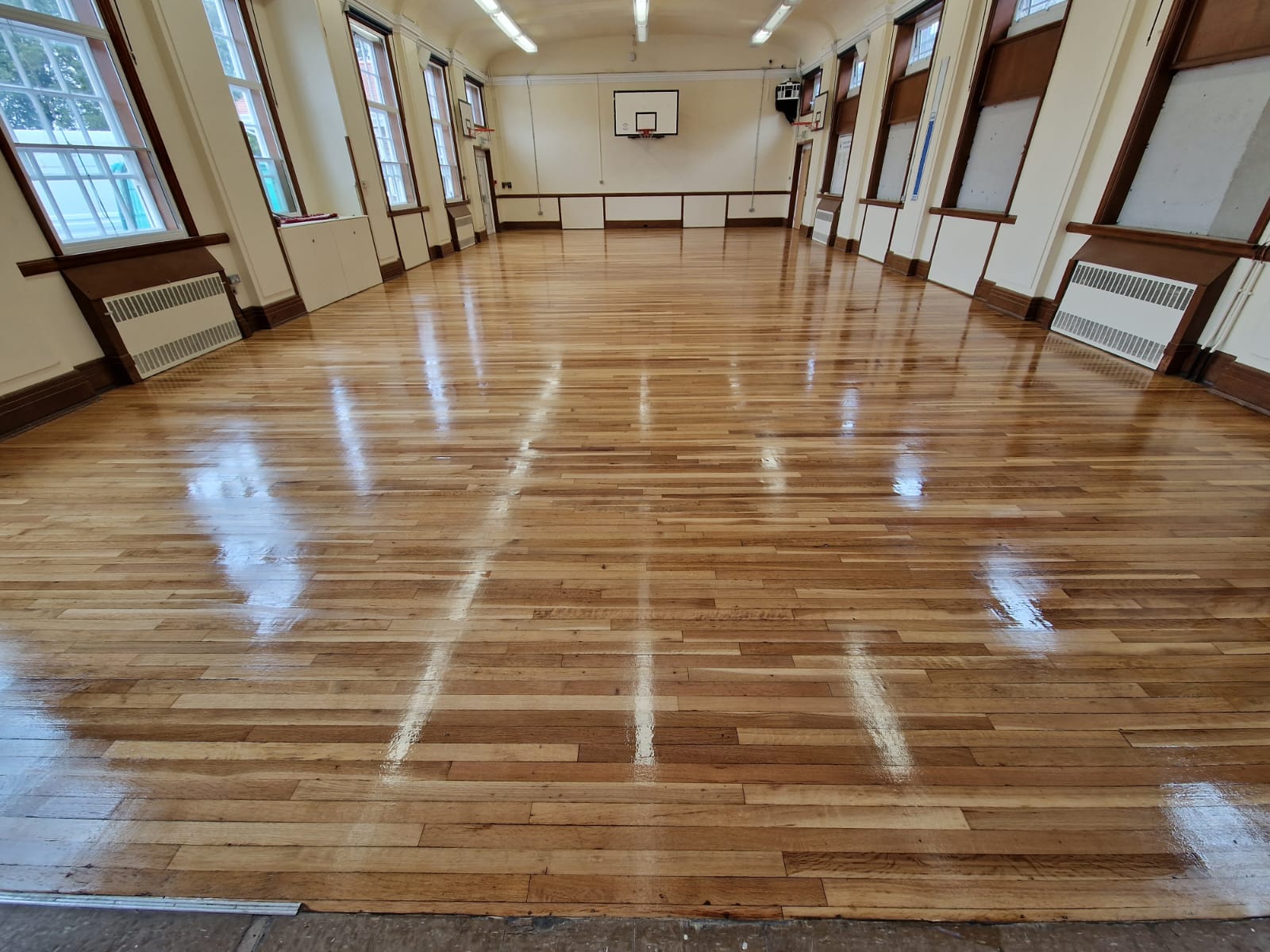
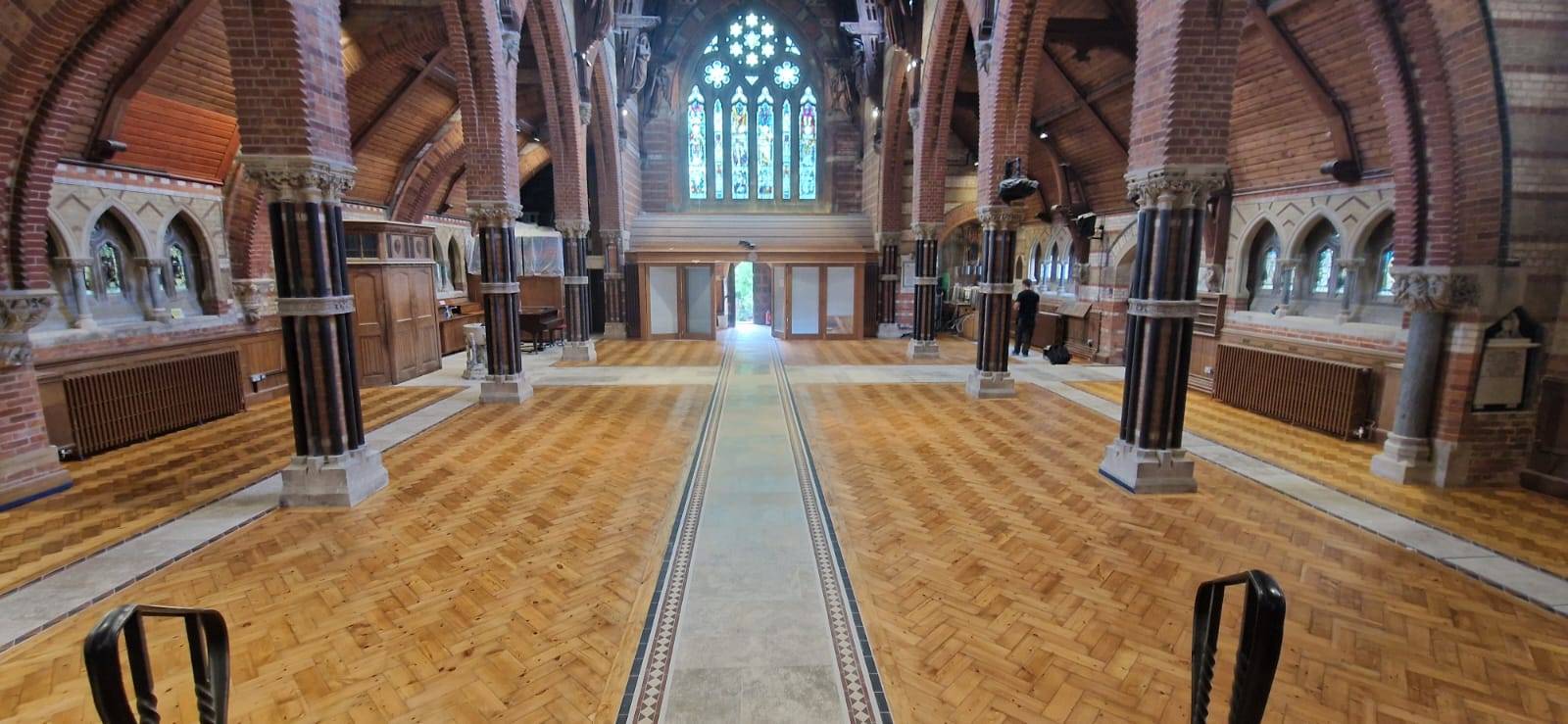
Commercial Hall Floor Refurbishment

Staining and Colour: Wood Floor Restoration in Guildford Homes

Colour is the subject that causes most regret on refinished floors, and almost always for the same reason: a stain was chosen from a small sample card or a showroom board and then applied to a whole room of different timber. Wood floor restoration in Guildford period homes often involves a colour change, so it is worth explaining how stains really behave.

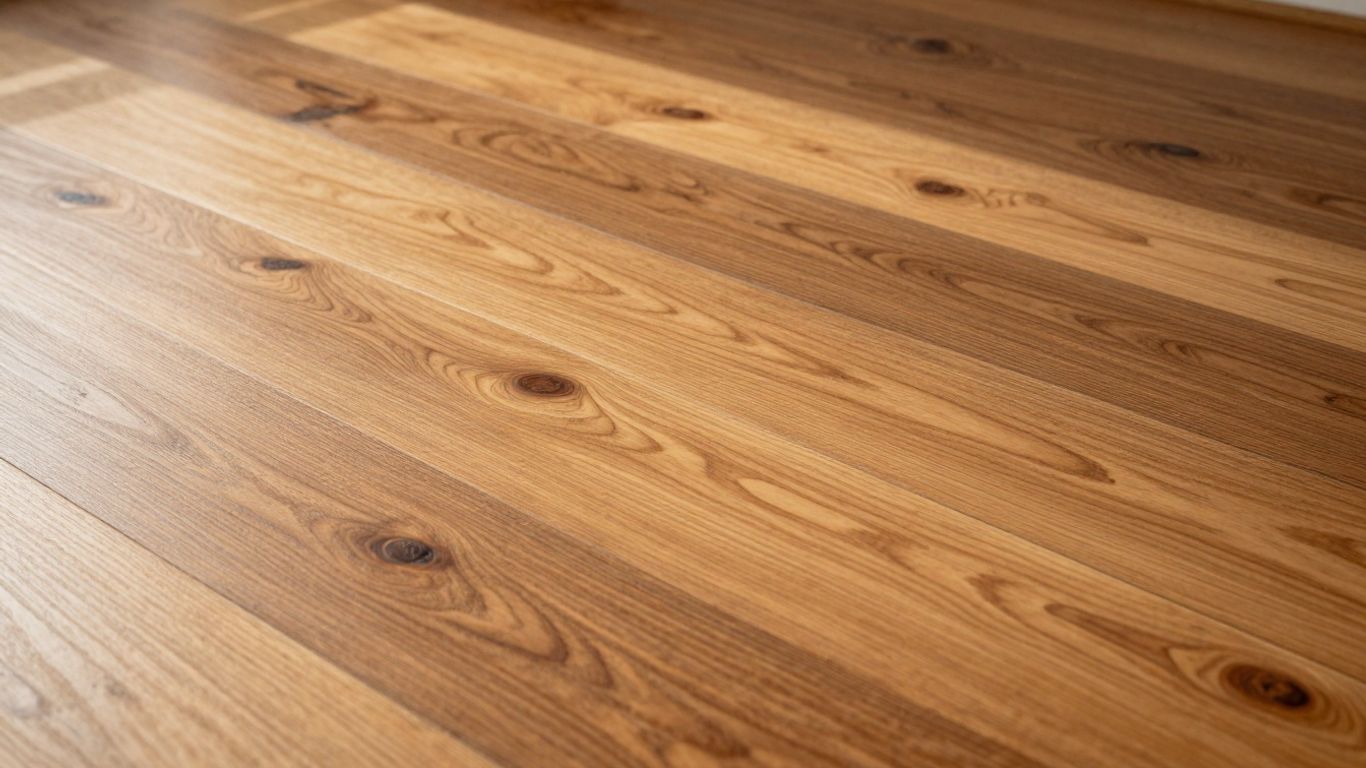
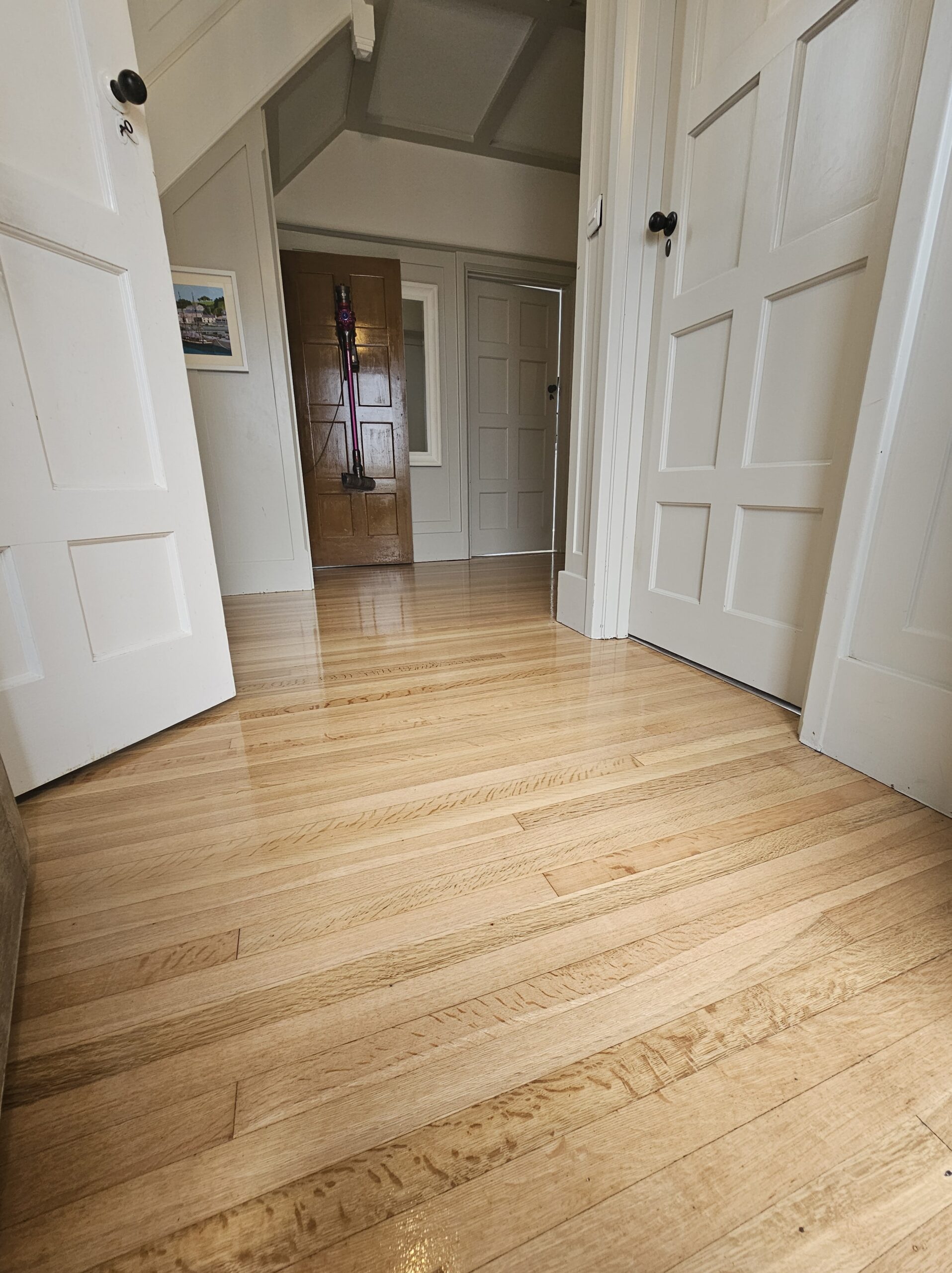
Oak and pine take stain in completely different ways. Oak has an open grain, so pigment settles into the pores and gives a fairly even result, though the large flecks of ray figure in quarter-sawn boards can stay lighter than the surrounding wood. Pine has bands of soft, absorbent earlywood next to harder latewood, so it drinks stain unevenly and can go blotchy, especially with dark colours. On pine, lighter tones or tinted oils are usually more forgiving than strong stains, and some finishers use a pre-stain conditioner to even out absorption.

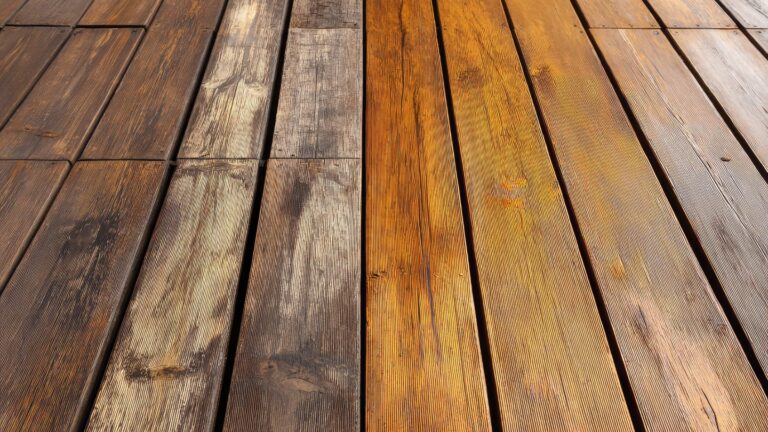
The same stain can look different on the same floor for several reasons. A coarser final sanding grit leaves more open scratches that soak up more pigment, so the colour comes out darker. Any patch sanded more finely, such as around the edges, can come out paler. End grain at cut board ends absorbs much more than the face. Replacement boards, even of the same species, rarely take colour exactly like boards that have aged for a century. And the topcoat changes things: an oil-based lacquer warms the colour, while some water-based lacquers keep it cooler. For that reason stains are tried on the customer’s own sanded boards, with the intended topcoat over them, and looked at in both daylight and lamplight before anything goes on the whole floor.

A common request is to make a floor lighter. Stain can only darken timber, so a paler look comes from other routes: careful choice of water-based lacquer, a white- or grey-tinted oil that softens the yellow in oak, or, on suitable timber, more specialist treatments. Very orange pine can be calmed with tinted finishes, though it will never look like pale oak. Old dark varnish has to be fully sanded off first; any remnant shows as a shadow under a light finish.

On oak there is a chemical point too. Oak contains tannins, which react with iron and some alkaline products, turning grey or black. Steel wool fibres or water left under metal furniture feet can leave dark spots, and finishers keep iron tools away from bare oak for that reason. More on choosing tones on our wood floor staining page, and on the broader wood floor restoration service.

Split Boards, Burns and Lifted Floors in Older Houses

Period floors in Guildford usually need some repair before they are ready to sand, and the repairs decide how the finished room looks as much as the sanding does. The commonest problems are boards cut short by plumbers and electricians and screwed back badly, split boards along the line of old nails, scorched patches in front of fireplaces where embers once fell, and a board or two that has gone soft near an outside wall.

Short, butchered pieces are usually replaced with full lengths that reach between joists, so the repair looks like a floor rather than a patchwork. We hold reclaimed boards in stock for this, which means old pine with the same weathered colour and a size that suits imperial boards rather than modern metric ones; see floorboard replacement. Burns that go deeper than a sensible sand can be cut out and let in with a matching piece. Marks left by builders dragging ladders and toolboxes usually vanish in the first passes, and anything deeper is handled by scratch repair.

A board that gives under the thumb beside the front wall tells you something about the house, not just the floor. In Victorian houses the culprit is often a path or patio raised above the airbricks, sometimes a slow plumbing leak, and new timber laid before that is cured will rot in turn. Moisture and ventilation are checked at survey for that reason.

Creaks in old houses come from boards moving on loose nails, from joists that have dried and shrunk, or from boards rubbing along their edges. Fixing into the joist, and occasionally packing a gap above a joist, normally silences them; squeaky floor repair explains how. The gaps between boards are a judgement call for each room. A bedroom with draughts whistling up from the void may want timber strips glued into the widest joints; a sunny front room with hairline joints might take a dust-and-resin filler; a heated hall may be happier left as it is. See gap filling. Anything else, from lifted blocks to loose thresholds, comes under wooden floor repairs.

Floor Sanding Essex
parquet floor restoration near me

Parquet Hallways, Stairs and Finishes for Guildford Floors

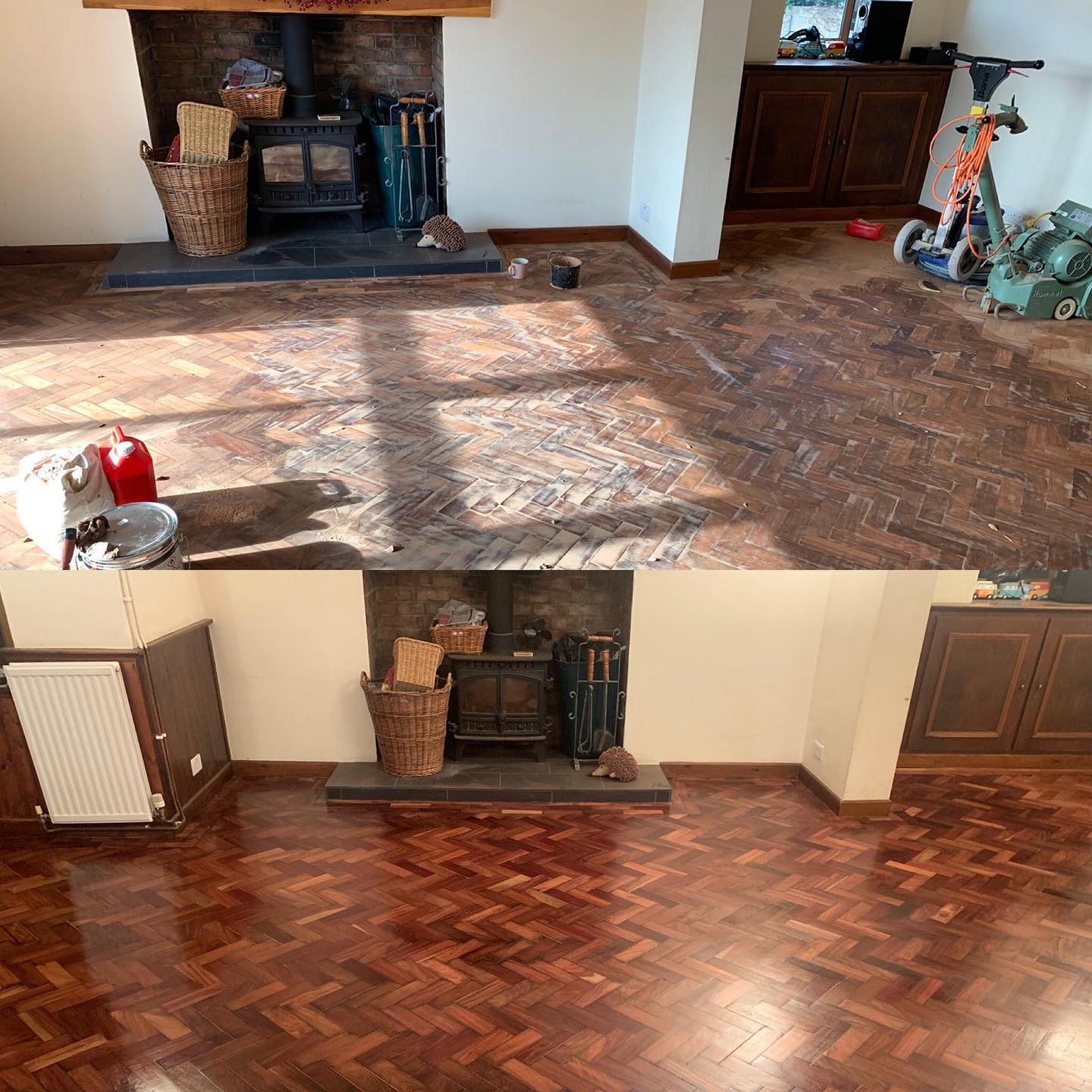
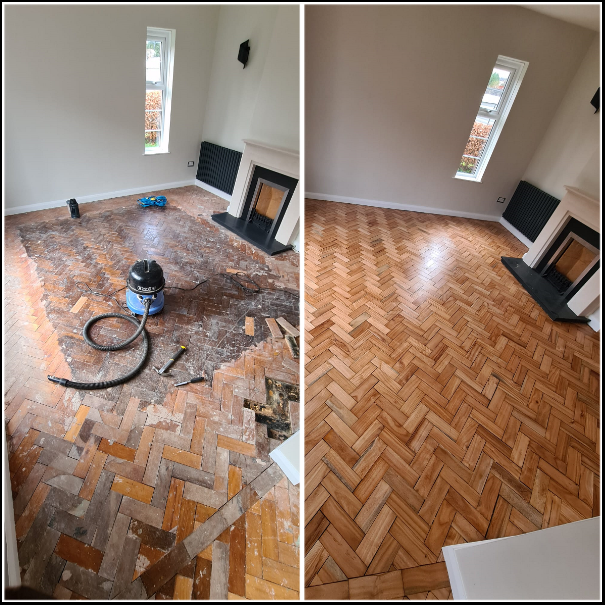
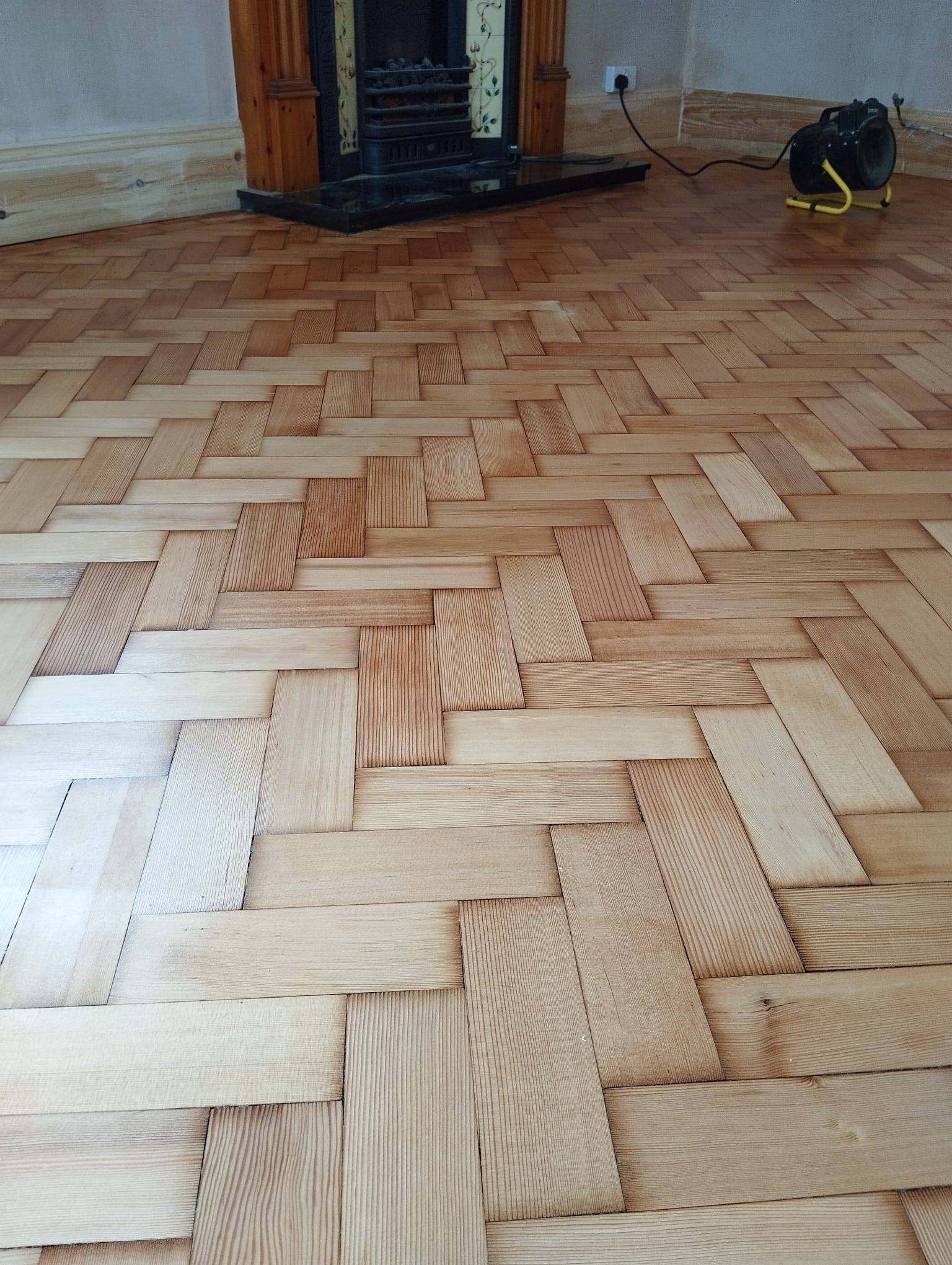
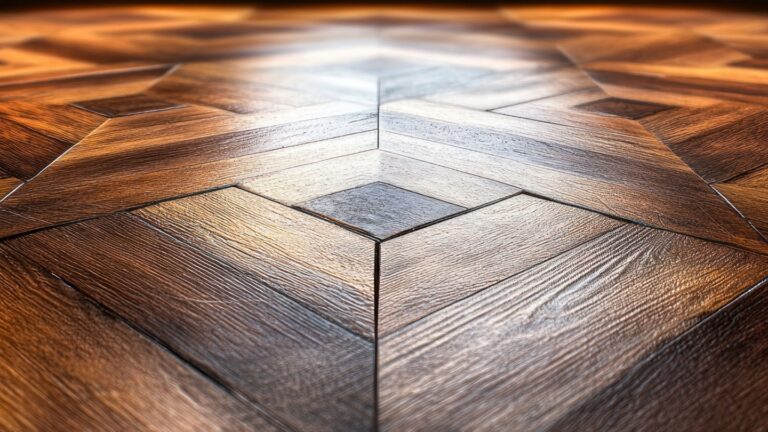
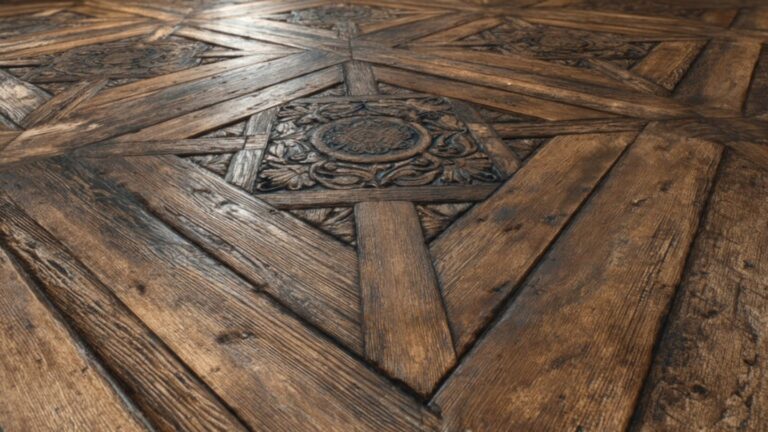
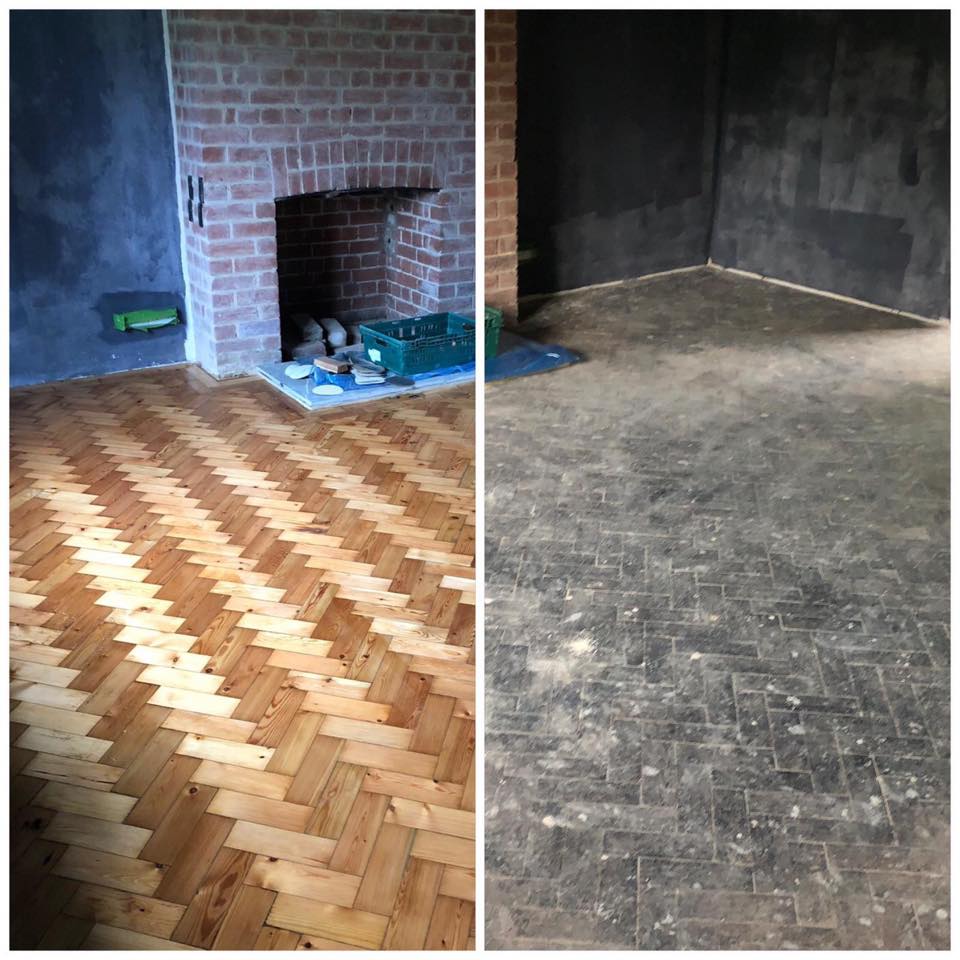
Many houses built between the wars and after have parquet in the hall or main reception room, often hidden for decades under carpet. Herringbone and basket-weave patterns laid on bitumen are generally hard-wearing, but blocks near doors and radiators tend to lose their grip as the adhesive dries out. A block that clicks underfoot will rock under a sander too, so every loose one is prised up, scraped clean beneath and set back down in new adhesive. Gaps where blocks have vanished, often where a wall or fireplace once stood, are filled from our stock of salvaged parquet. Very old black adhesive is worth having identified before it is scraped, since some contained asbestos. Sanding parquet is slower than sanding boards, with the machine run at an angle across the pattern and the final passes at a fine grit. See parquet floor sanding.

Staircases in period houses are often worth uncovering, especially where the hall floor is being done at the same time. Pine treads under old carpet usually carry paint borders, gripper holes and staples, and nosings that have been worn round by a century of feet. Work on stairs is largely by hand, tread by tread, with nosings kept rounded rather than flattened. The finish needs some grip, as a slippery stair is a real hazard. More on stair sanding.

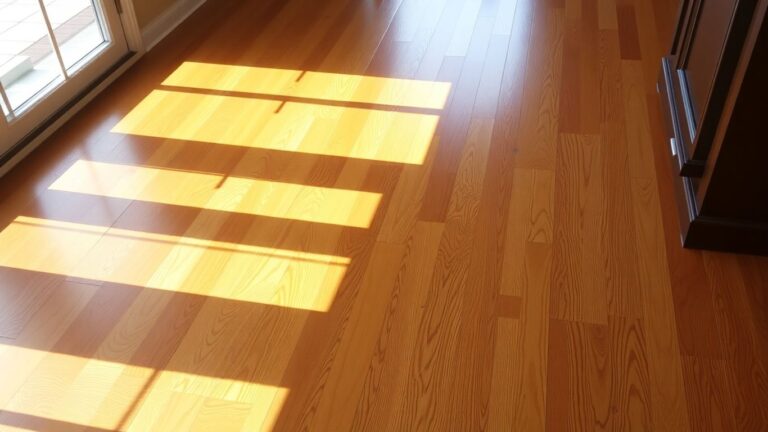
The finish is the last decision and matters most day to day. In a Guildford family house the usual pick is a water-borne lacquer, which leaves boards close to their sanded colour. An oil-borne one adds amber warmth, and a two-pack product earns its place in a kitchen or a hall that sees school bags and football boots. Sealing is the base coat of any lacquer system, and wood floor sealing explains why it matters. Hard wax oil and plain oil soak into the fibres instead of coating them, so a scuffed doorway can be touched up on its own; read more under wood floor oiling. Wax remains a traditional option for older floors in quieter rooms, as covered under wood floor waxing, and a buffed shine for formal rooms under wood floor polishing. Choosing among these is the heart of good wood floor refinishing, and it is easier with your own boards and your own light in front of you.

After the Sanders Leave: Upkeep, New Floors and Getting a Quotation

Most Guildford houses are finished within three working days, often sooner, with the number of rooms and the amount of repair deciding which. Keep shoes off for the first day after the last coat, though stockinged feet are fine. Furniture should wait two to three days, and rugs a little longer still.

Looking after the finish is simple. Sweep or vacuum grit away regularly, because grit is what scratches floors. For washing, a microfibre pad that is only just moist and a gentle timber-floor detergent do the job. Bleach, ammonia sprays and steam all shorten the life of the coating. Put felt under chair legs and a good mat at each outside door. In restaurants and shops, a periodic buff and maintenance coat keeps the surface intact for longer between full sands; see wood floor buffing.

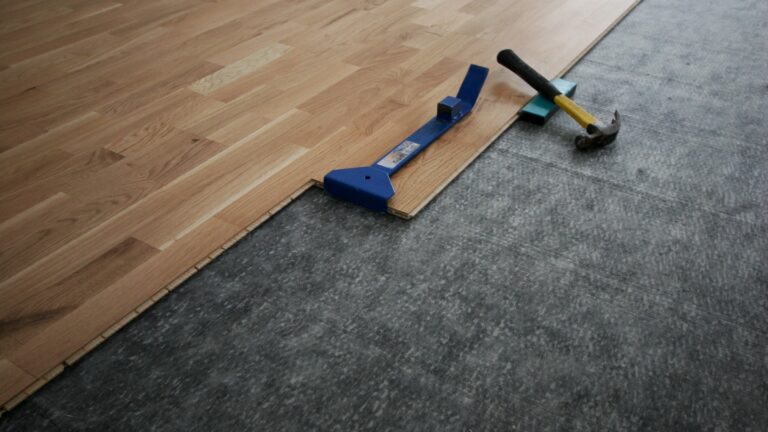
Where a floor cannot be saved, or a new extension needs timber to match the old rooms, we supply and lay new floors, or supply them for your own fitter, from ranges including Junkers and Bona. See wooden floor installation.

To begin, we need two pictures from you. Frame one so the whole floor is visible, and take the other low and close over the trouble spot, perhaps a charred board in front of a Victorian grate or a worn path past the tables. Our inbox is info@ryansrestoration.co.uk. If you prefer the telephone, 01823 674562 is manned on weekdays between eight and six, and a Saturday chat can be pencilled in. From the photographs we can tell you whether the floor looks workable and whether it is the sort of job we travel to Surrey for. If it is, we book a survey that is free and takes roughly thirty minutes, measuring board depth, testing moisture, checking airbricks and damp, and looking at any old patching. A quotation then follows in writing, with every task itemised, and it will not move unless you alter what is being done. You can also contact us online, and we make similar journeys for floor sanding in Farnham.

Parquet Flooring Restoration

Guildford Floor Sanding FAQs

Not routinely. We are a Somerset business based near Wellington, so Surrey is outside our regular area. We travel to Guildford for substantial work, such as most of the floors in a period house or a restaurant, café or shop that needs an overnight job. Two photographs are enough for us to tell you whether your project fits.

Usually. We start once the dining room empties, sand while the street is quiet and lay a rapid-curing coat that will bear the breakfast shift walking on it. Larger rooms are split across several nights. Greasy areas near the kitchen door are checked first, because grease left in the timber stops new lacquer from bonding properly.

No, stain can only darken timber. A lighter look comes from careful choice of finish, such as a water-based lacquer or a white- or grey-tinted oil that softens oak’s yellow tone. Old dark varnish must be fully removed first, otherwise it shows through as a shadow under any pale finish.

Pine has soft, absorbent bands next to harder ones, so it soaks up stain unevenly, particularly with dark colours. Lighter tones and tinted oils are usually more forgiving, and some finishers use a conditioner first to even out absorption. A trial patch on your own boards shows you the outcome before the whole room is touched.

It might take colour slightly differently, even if the species matches, because aged timber and fresh timber absorb finish differently. Reclaimed boards of a similar age help a great deal, and testing the stain on both old and replacement boards before the whole floor is done shows how close the match will be.

In most cases, yes. Wobbly blocks get stuck back down, gaps are made good with salvaged parquet, and only then does sanding start. Old black adhesive should be identified before it is disturbed, as some very old adhesives contained asbestos. A photograph of a lifted carpet corner is enough for a first view.

Shallow dents often sand out, and on solid timber some can be lifted by careful steaming with a damp cloth and iron before sanding, though results with that old trick vary from one board to the next. Deep dents and gouges may need a filler or a small timber insert, and occasionally replacing the board is the neater answer.

Socks are fine after about a day. Heavy furniture goes back from day three, while rugs stay rolled up for a few more days to let the coat harden. Restaurants and shops use faster-curing finishes so they can reopen the next morning.

Email a doorway view of each room, a close shot of the worst damage and approximate measurements. If it looks like a job we travel for, we arrange a free survey and then send a written, itemised quotation that stays the same unless the scope of work changes.