45 years’ experience  ·  Rated 4.9 on Google  ·  Family-run, from our workshop near Wellington

45 years’ experience · Rated 4.9 on Google · Family-run

Floor Sanding and Wood Floor Restoration in Holsworthy

Floor sanding and restoration for Holsworthy farmhouses, cottages and village halls, with creaking boards, loose cut nails and tired joists put right before sanding.

QUICK QUOTATION

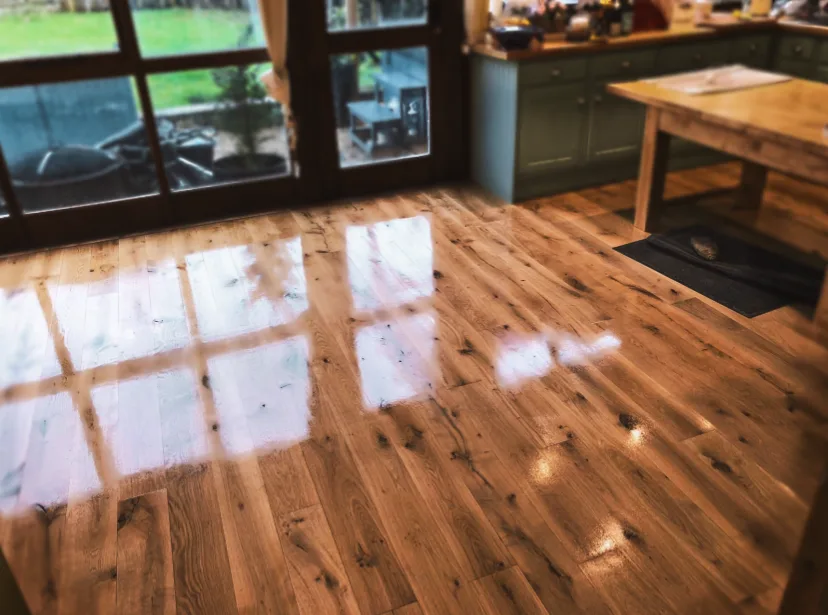
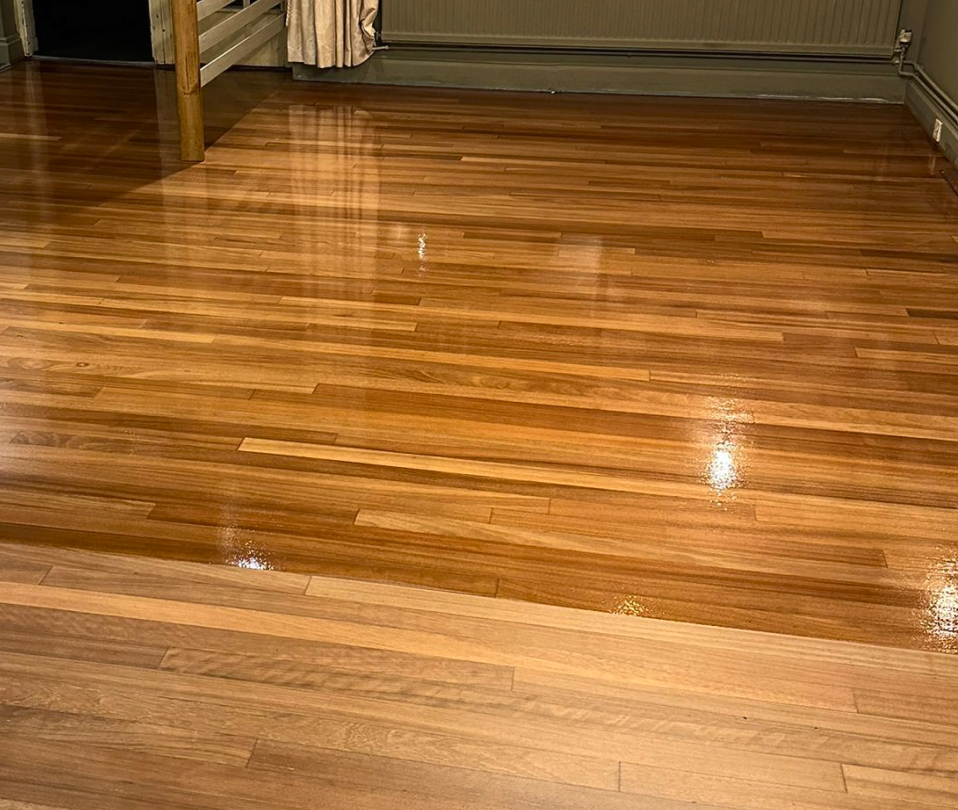
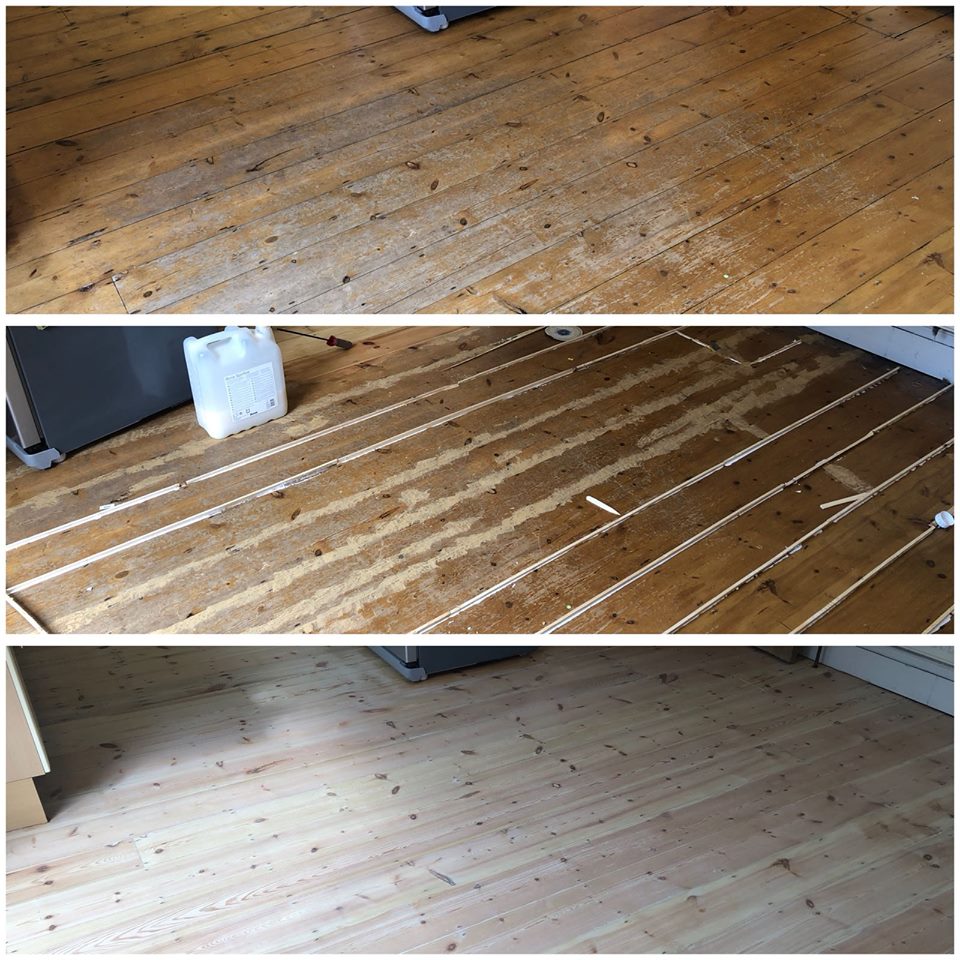
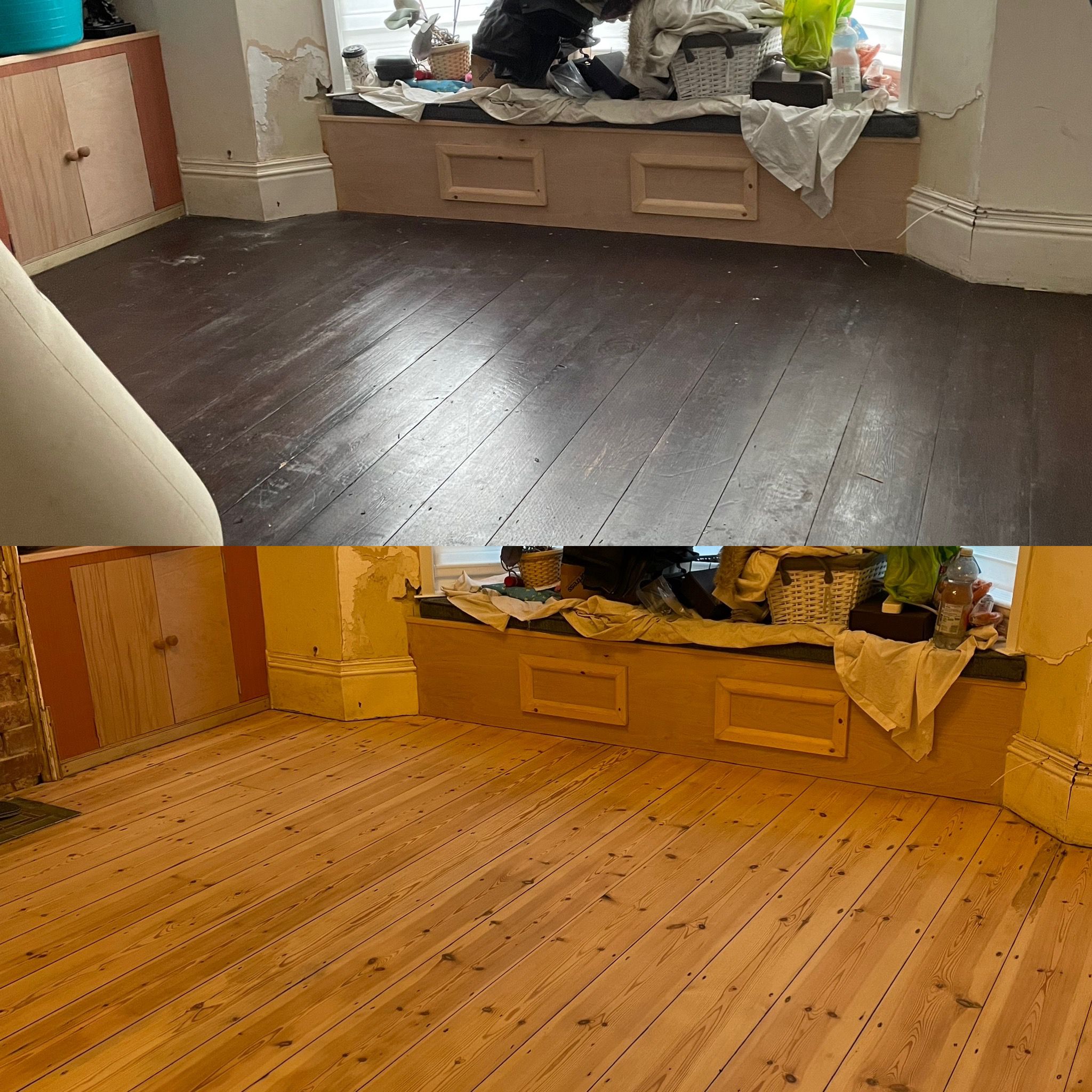
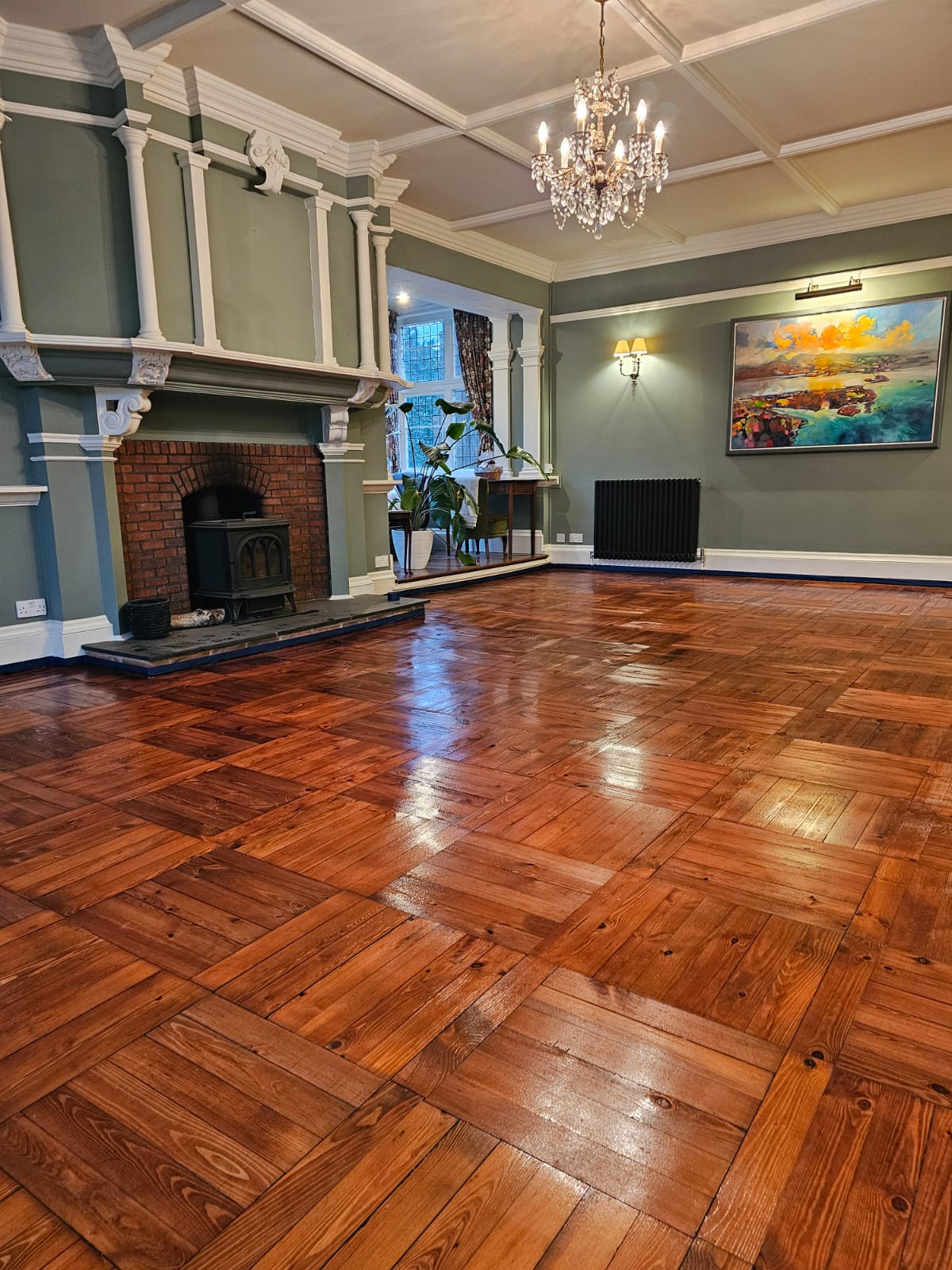
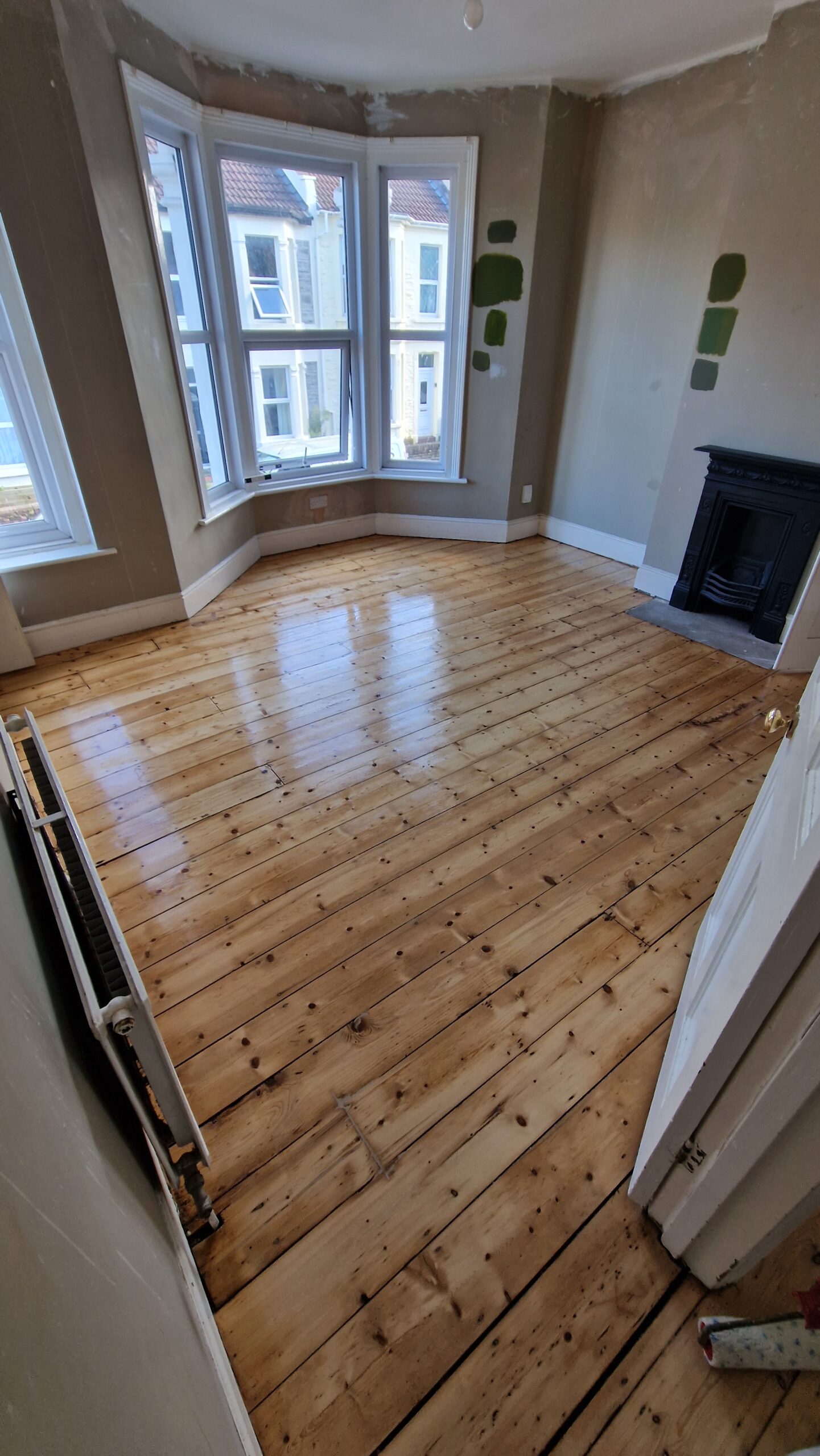
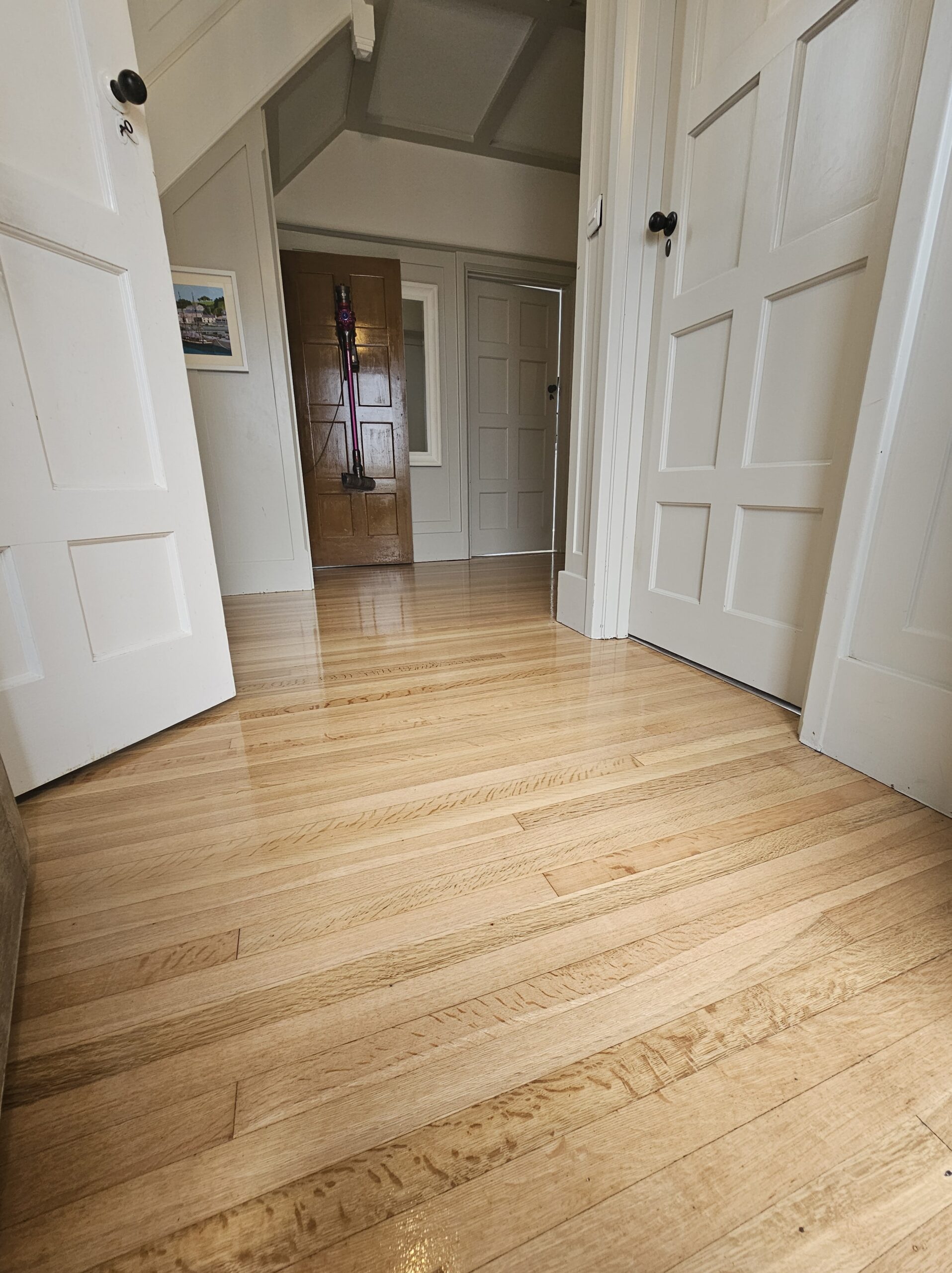
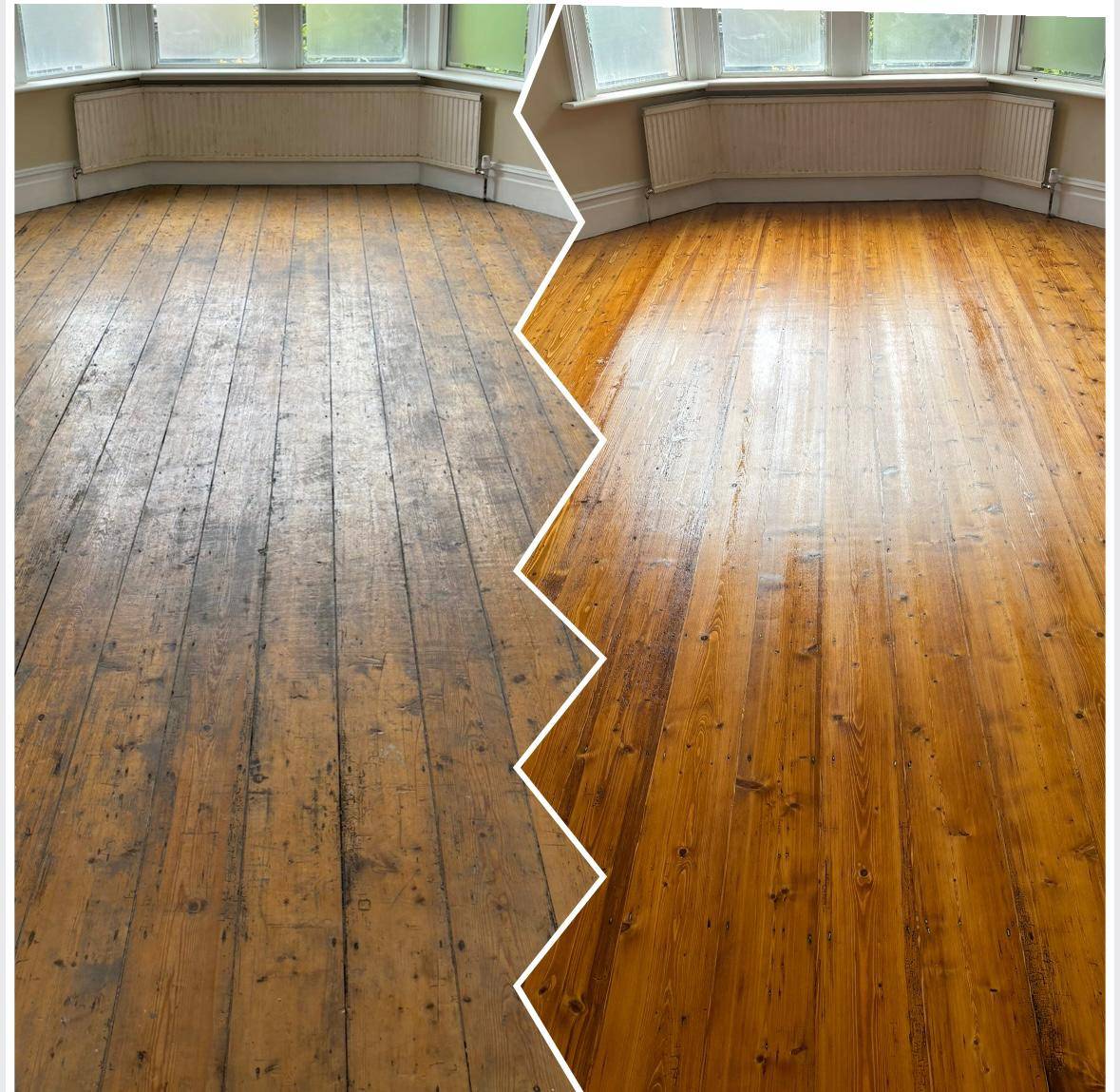
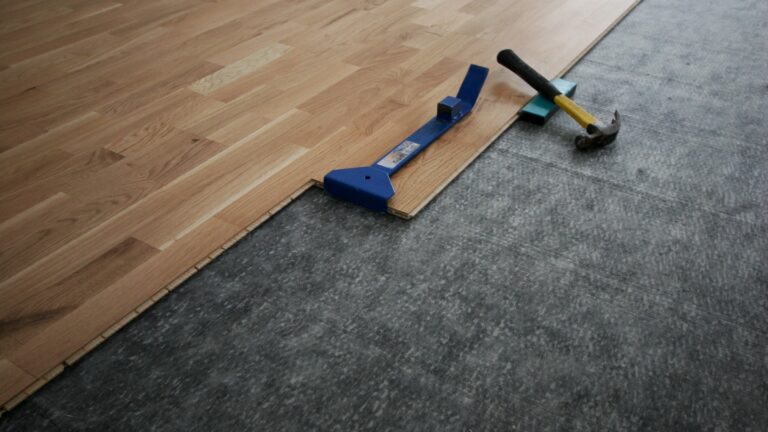
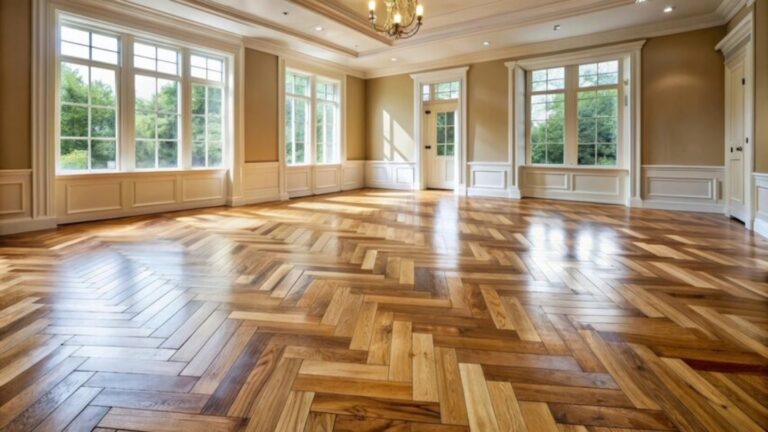
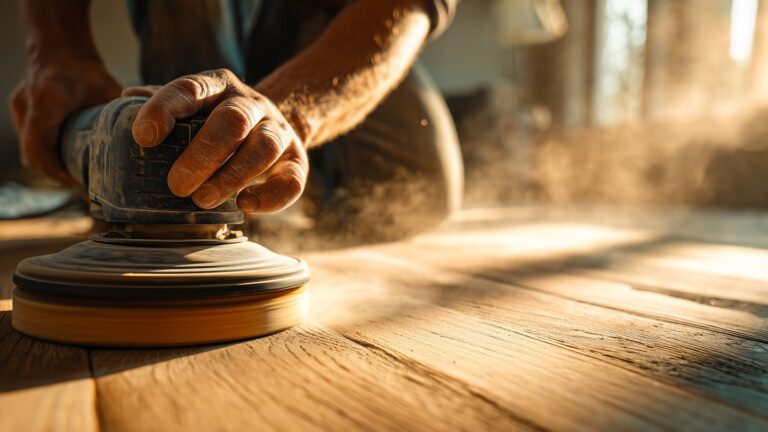
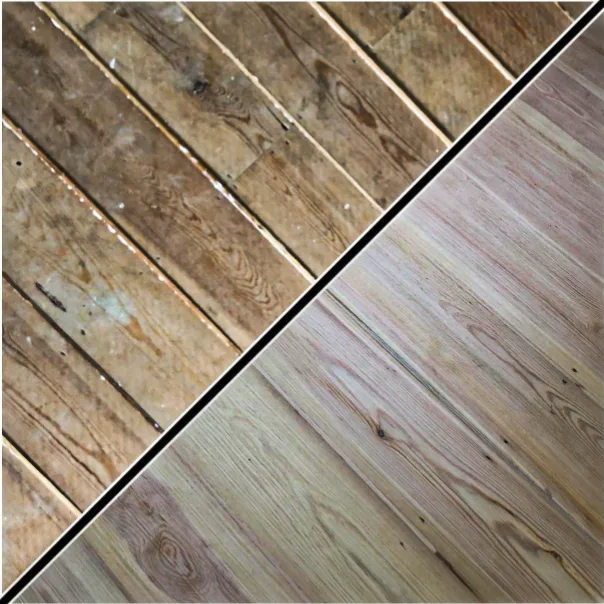
Floor sanding before and after

Floor Sanding in Holsworthy and the Farms Around It

Holsworthy is a working market town a few miles from the Cornish border, surrounded by farmland, hamlets and scattered farmhouses, and the floors we are asked about reflect that. A good share sit in farmhouses whose boards went down in Victoria’s reign or earlier, fixed to rough-sawn joists, mended by three or four generations of the same family and hidden for most of their life under lino and rag rugs. Others are in barn conversions with wide new boards, or in bungalows and estate houses built around the town since the war. A proportion of our floor sanding in Holsworthy also comes from village and parish halls, which carry their own challenges and are covered further down.

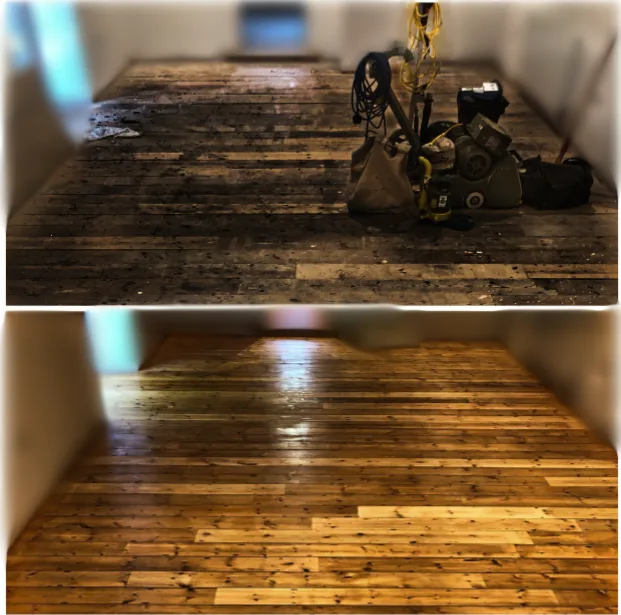
In an old farmhouse the sanding has to start slowly. The first job is rarely the machine at all; it is walking the floor, listening, and pressing on each board with a foot to find the ones that move. Old cut nails, the flat, tapered nails used before modern round wire nails, often stand slightly proud as the boards shrink around them, and they will rip an abrasive belt to pieces if they are not punched down. Old tacks, staples and lino adhesive have to come off. Boards that rock or spring are secured. Only then does the wood floor sanding proper begin, with a coarse grade to clear old finishes and level the surface, then finer grades until the scratches from each pass are gone, edges done with a smaller machine and a final blend with a buffer.

Wide old boards are often uneven in thickness, and some have worn into shallow hollows along the main walking routes, by the range or the back door. Sanding those flat completely would take far too much timber, so the sanding follows the floor to a degree, keeping some gentle undulation rather than grinding everything down to the lowest point. That is a judgement made on site.

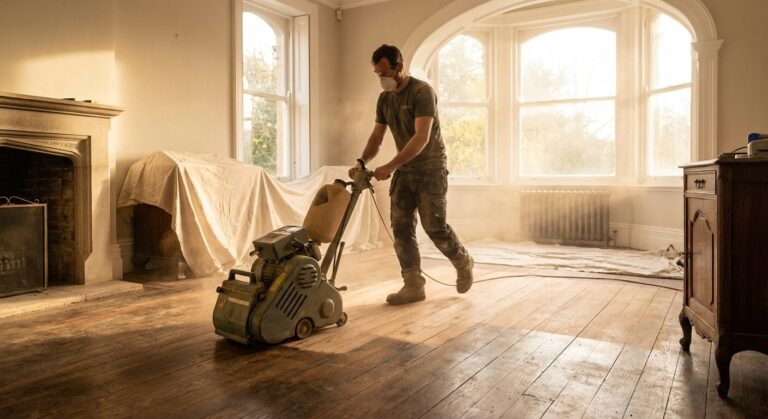
Dust is a concern in any lived-in house. Our machines run through sealed extraction, which keeps the air remarkably clear and is the reason we offer dust-free floor sanding in occupied homes. Fine dust can still find its way onto high ledges, so moving ornaments and closing doors to other rooms is sensible.

Most single rooms are done inside three working days, often fewer. Larger farmhouse kitchens with repairs to do may take a little longer.
Creaks, Cut Nails and Tired Joists

This is the first of the two deep dives for Holsworthy, because creaking floors are one of the most common things people ask us about in the older houses around the town.

A creak almost always comes from movement. Something is rubbing against something else when weight goes on the board: a board against a loose nail, a board against the board beside it, or a board against a joist that has shrunk away from it. In old rural houses the fixings are often the original cut nails. These were made by cutting tapered strips from a sheet of iron, and they hold well when first driven, but over a century of seasonal swelling and shrinking the timber around them compresses and the grip slackens. The board then lifts slightly with every step and drops back with a click or a squeak.

The cure is to fix the board firmly to the joist again. Before doing that, the line of the joist has to be found, usually from the existing nail positions, and the area checked for water pipes and electric cables, which are often run in notches across the joists close to the surface. The board is then secured with screws, countersunk below the surface so the sander will not catch them, or with new nails driven at an angle where the look of the floor matters. Our squeaky wood floor repair service follows that sequence. Doing it before the floor is sanded is far better than afterwards, because the screw heads can be filled and finished with the rest of the floor.

Sometimes the problem lies deeper. Old joists can sag in the middle of a long span, twist, or have their ends softened where they sit in a damp wall. A floor that dips noticeably, or bounces when someone walks across it, may have a joist problem rather than a board problem. Packing a joist with a timber shim, or adding noggins between joists to stiffen them, can help in modest cases. Where a joist end has rotted, the cause of the damp needs addressing and specialist structural advice may be needed before any floor finishing.

Woodworm is the other common find in old farmhouses. Small round exit holes in the boards are usually old and inactive, but fresh holes with pale, powdery dust around them suggest the beetle is still active. Any sign of active infestation should be treated before restoration, and badly weakened boards replaced. Our wooden floor repairs cover these issues as part of preparing the floor.

parquet wooden floor sanding
wooden floor sanding

Wood Floor Restoration in Holsworthy Farmhouses and Cottages

The second deep dive is matching. Old farmhouse floors are rarely uniform. Boards can vary from four inches wide to well over ten in a single room, because the original carpenter used whatever the sawyer produced. They might be pine, deal, elm or occasionally oak. Some have been replaced over the years with newer softwood, some have been turned over to use the underside, and some patched with plywood where a range or stove once stood. So wood floor restoration in Holsworthy farmhouses is largely a series of decisions, board by board, about what stays, what is mended and what gives way to salvaged timber, with the sanding coming last.

Where boards have to come out, matching them is the hardest part. Modern softwood is metric, typically narrower and thinner, and paler in colour, with wider growth rings than slow-grown old timber. Set into a floor of wide, aged boards, a new board stands out immediately and keeps standing out for years. That is why we keep a stock of reclaimed timber at our workshop near Wellington. For floorboard replacement in a farmhouse, boards are chosen from that stock for width, depth and grain, then trimmed to fit the space and packed or planed to sit level with the neighbouring boards. Once sanded and finished, a good reclaimed repair becomes almost invisible.

Elm deserves a special mention. It was widely used in rural houses before Dutch elm disease, and it makes beautiful floorboards: wide, with wild, interlocking grain and warm colour. Elm can be tricky to sand, because the grain changes direction and can tear, so finer grades and slower work are needed. Replacement elm is hard to find, so worn elm boards are repaired rather than replaced wherever possible. Pine floor restoration and oak floor restoration follow similar principles in older houses, with care taken over depth and colour.

Every wood floor restoration job out in the parishes starts with a free half-hour visit to the farmhouse itself. On that visit the depth of each doubtful board is gauged, a damp meter goes over the floor near the outside walls, the airbricks and old patches are looked at, and the boards that will have to go are marked on a sketch. The quotation that follows lists each element separately, so the repairs, sanding and finish are clear.

Gaps between wide old boards can be considerable. Gap filling in those floors is best done with slivers of reclaimed timber, glued and planed flush, which move with the boards and blend in colour.

Commercial Floor Sanding in Holsworthy Village Halls and Shops

Holsworthy serves a large rural area, and much of the commercial work we are asked about is not in the town centre at all but in the parish halls, chapels and community buildings dotted around the surrounding villages. Commercial floor sanding in Holsworthy also includes shops and cafes in the town, pubs, and offices. Our commercial floor sanding for all of these is planned around when the building is in use, with work carried out at night, at weekends or during quiet periods, and finishes chosen to cure quickly so the space can reopen soon afterwards.

Village halls are the main deep dive here. A typical hall floor is softwood or woodblock, laid decades ago, and used for everything from toddler groups and keep-fit to whist drives, harvest suppers, wedding receptions and dances. Many have been polished and waxed for years, sometimes with products containing silicone, which leaves a residue that new lacquer will not bond to. Before sanding, that build-up needs removing thoroughly. Sanding then takes the floor back to clean timber, any loose blocks or boards are refixed, and the floor is finished with a hard-wearing lacquer.

Sheen and grip matter a great deal in a hall. A high-gloss floor might look smart, but it can be slippery for dancers and exercise classes. A satin or matt lacquer offers better grip, and the products used for cleaning afterwards matter too, as some leave a slippery film. Plenty of parish halls host short-mat bowls or badminton; whatever lines the floor carried can be set out again afterwards by our own team, measured to the sport’s official layout. Dance floor sanding considerations come into play for halls used for regular dancing.

Hall committees usually work to a calendar of bookings, so dates are agreed well in advance and the work fitted into a quiet spell. Trustees who must report back to a parish council can have our method statement, insurance cover and references in writing for their minutes. On market days a Holsworthy shop floor takes a pounding from the door to the till, so shop floor sanding is booked for after closing or a quiet midweek day. Pubs and cafes, with spills, chairs and boots, benefit from the toughest finishes, and restaurant floor sanding covers how that work is scheduled.

flooring sanding company
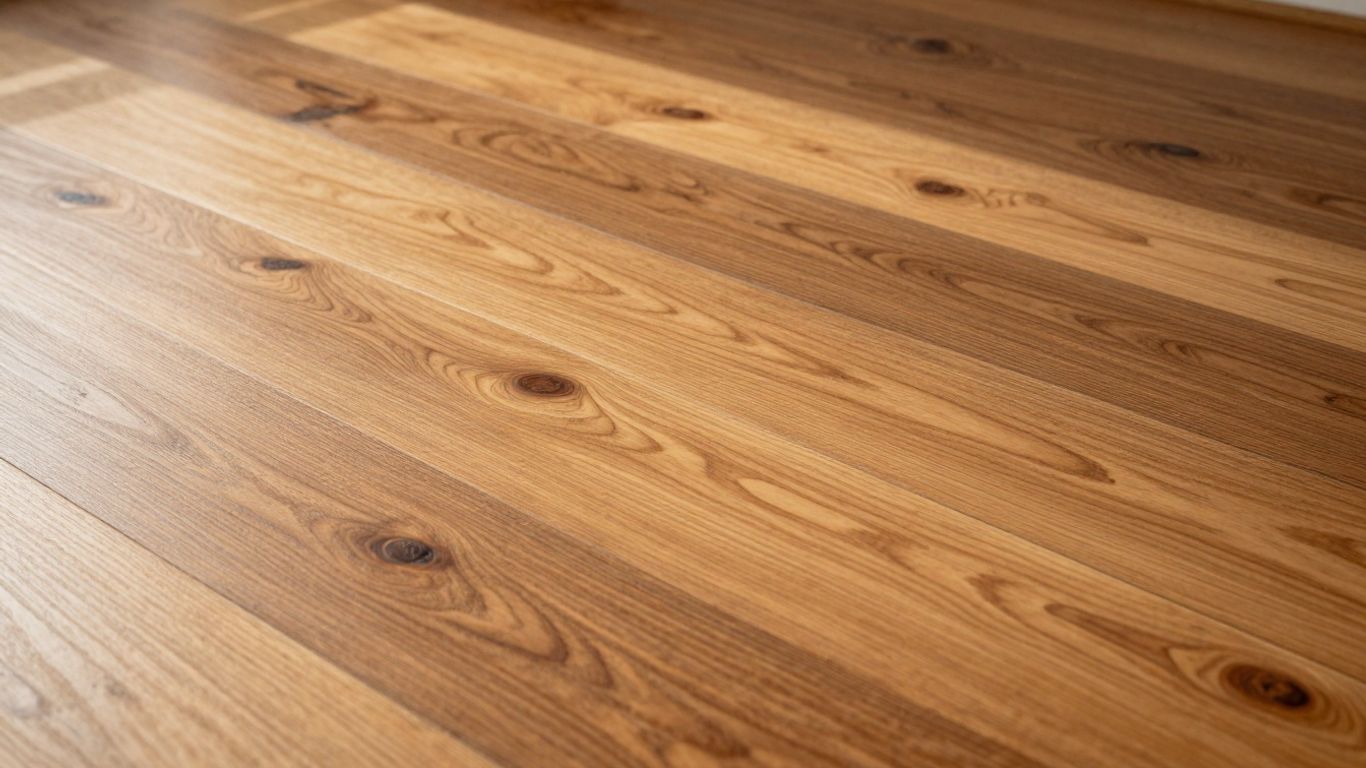
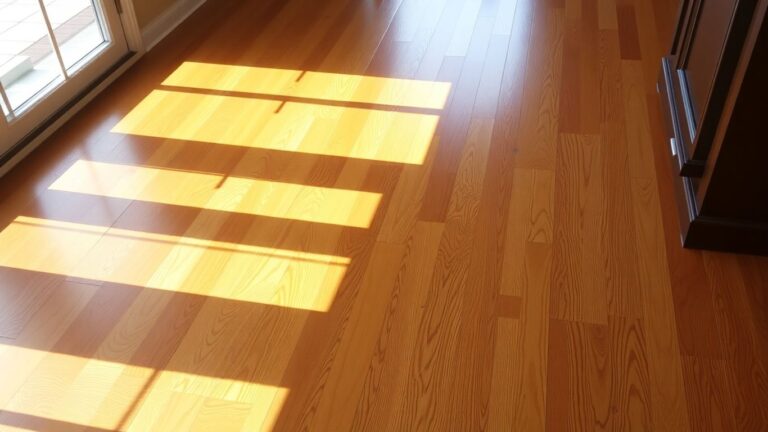
Sunlight across freshly lacquered wooden floorboards

Parquet Blocks and Cottage Staircases

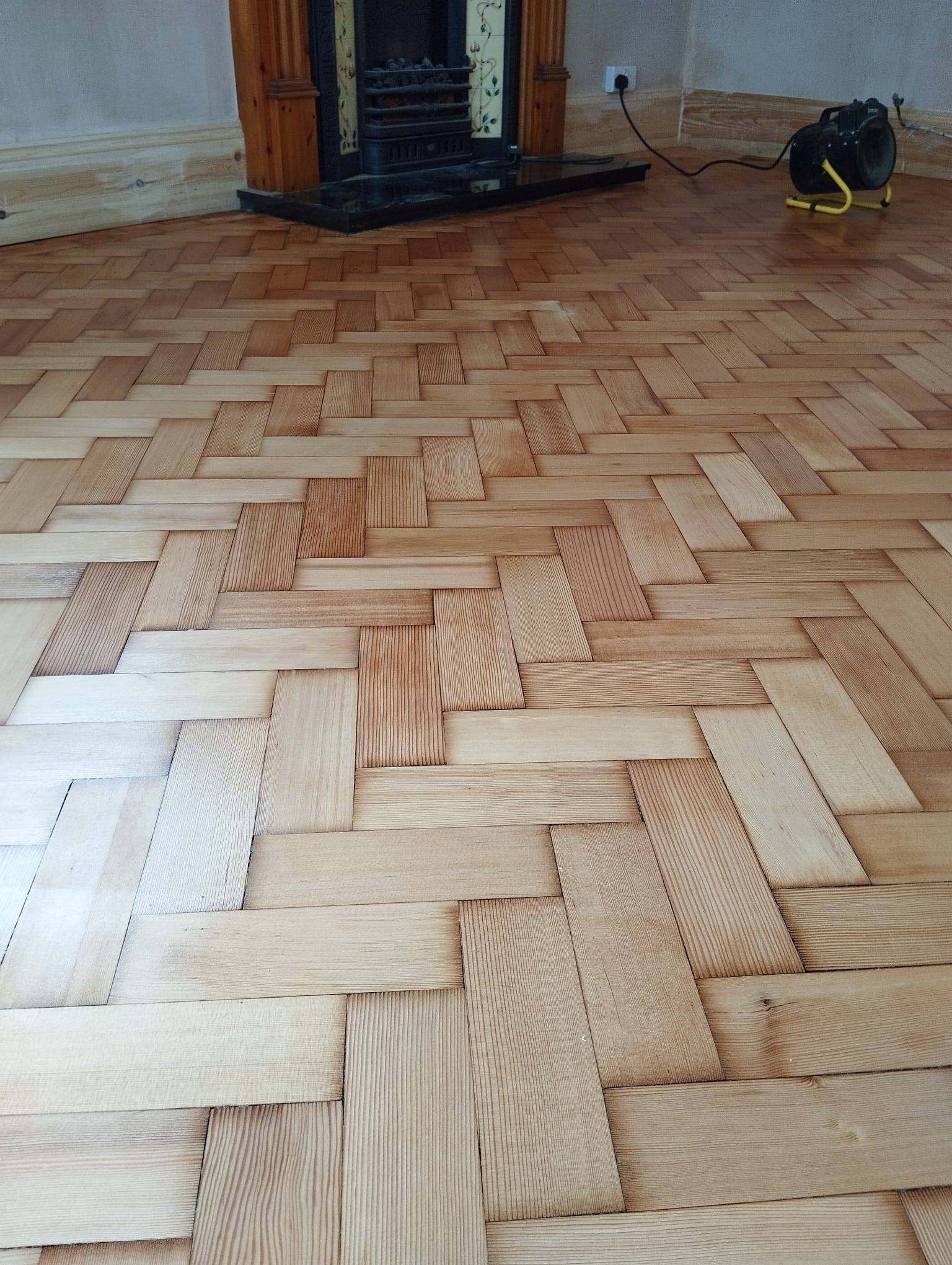
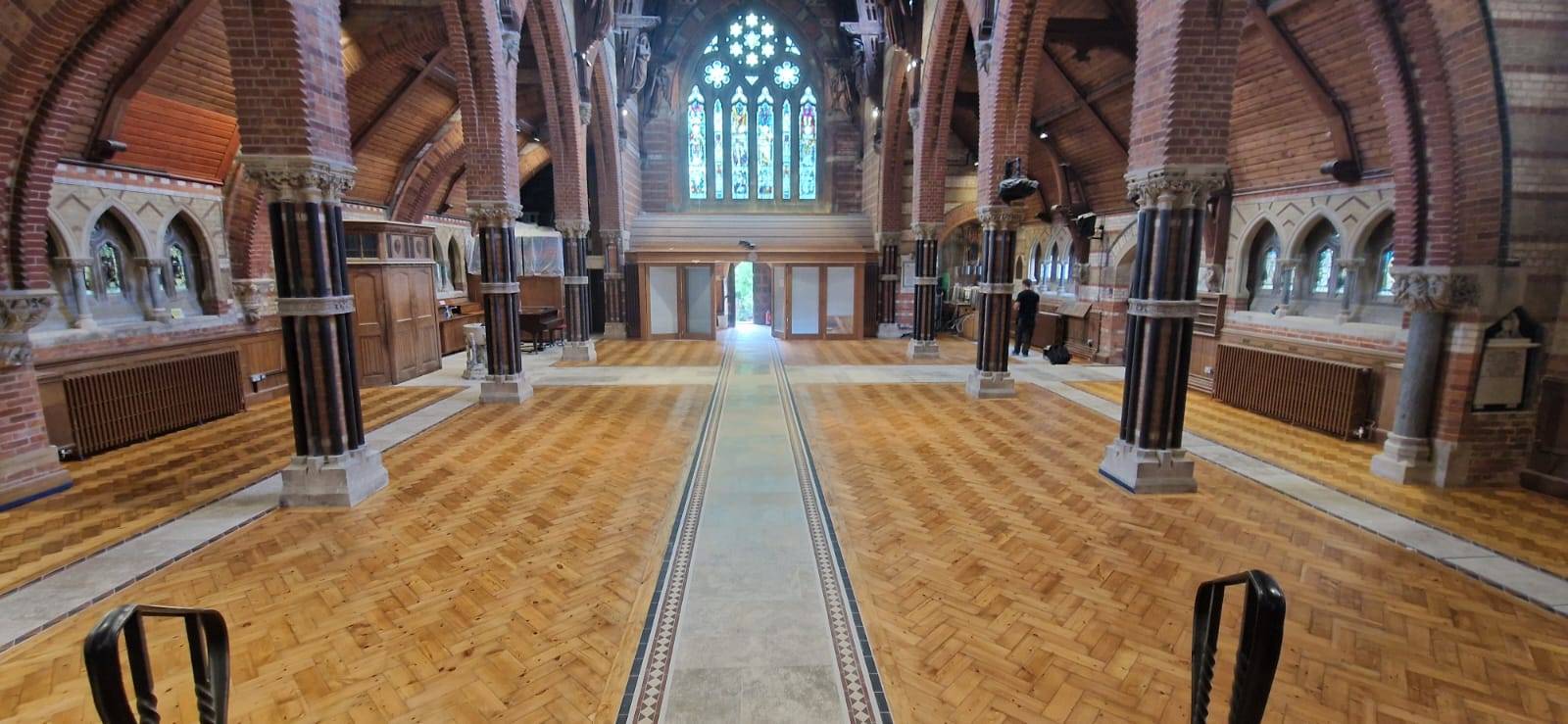
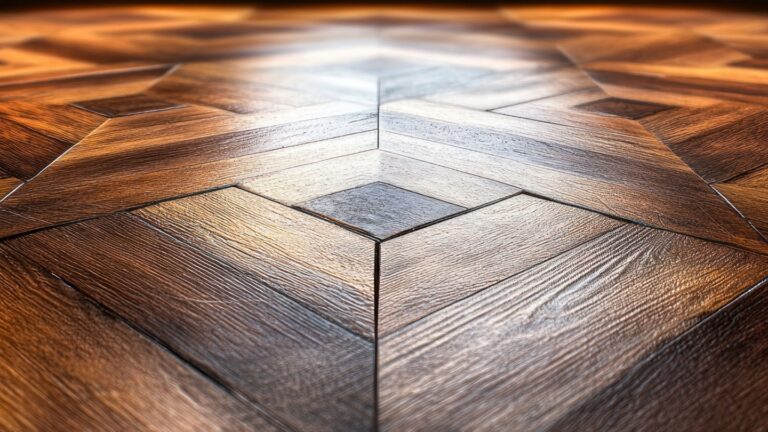
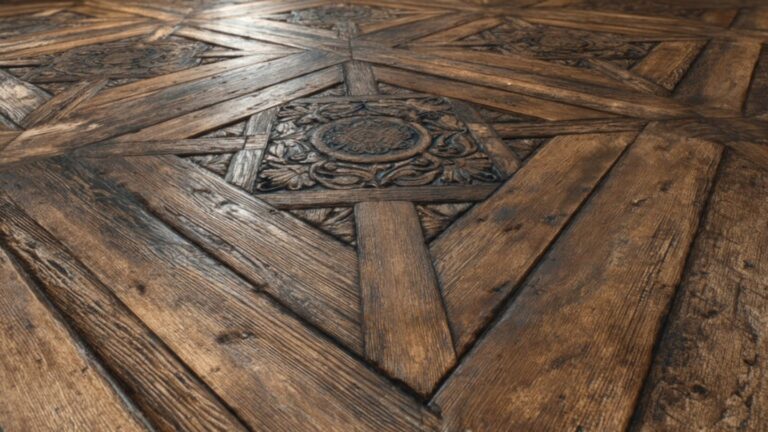
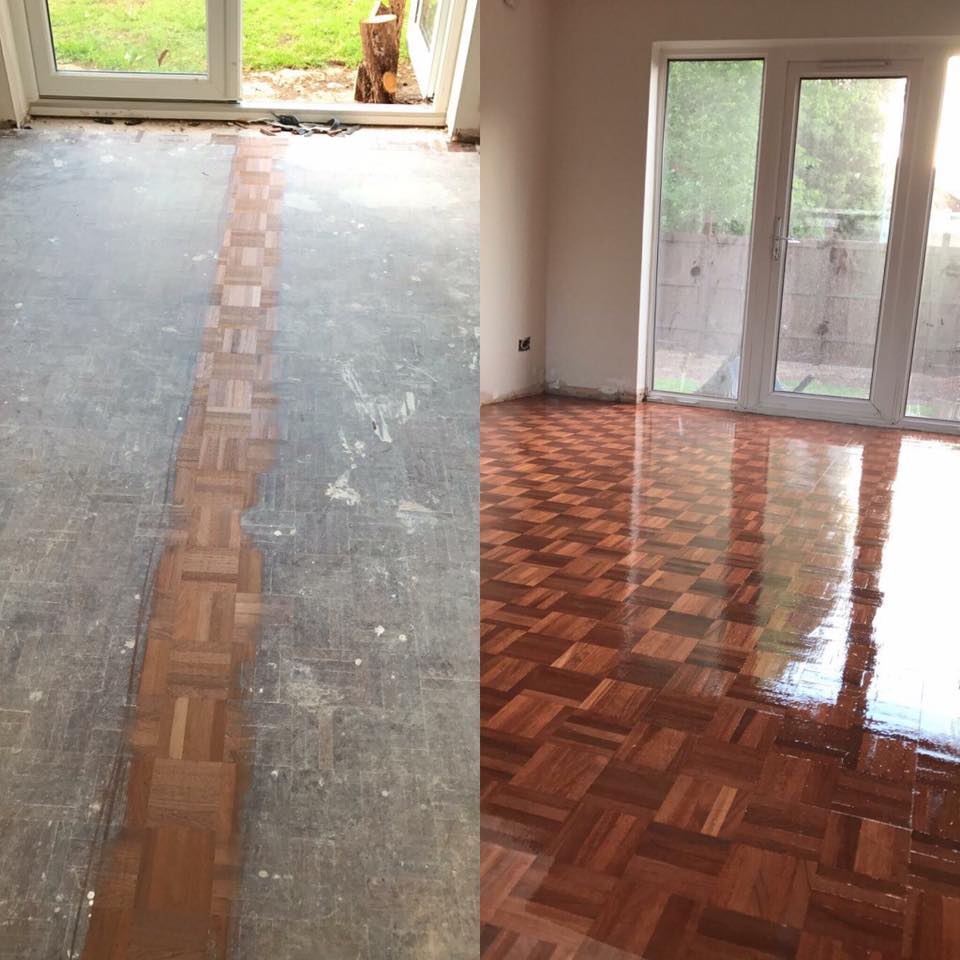
Parquet turns up in Holsworthy in a few places: some of the larger older houses, a number of public buildings, and occasional reclaimed floors laid during renovations. In a chapel vestry or an old doctor’s house the blocks zigzag, and parquet floor sanding on that sort of floor is planned around fibres pointing two ways at once. So the big machine travels corner to corner rather than wall to wall, and a rotary finisher with several discs leaves the surface free of tramlines. Loose blocks, often caused by old bitumen adhesive drying out or damp getting underneath, are taken up and stuck back down with modern flexible adhesive before sanding begins. Missing blocks are replaced from reclaimed stock. Our Paignton parquet restoration shows what can be achieved with a Devon block floor.

Staircases in old farmhouses and cottages can be very steep, narrow and boxed in, often winding up beside a chimney breast. Under the stair carpet there is often brown gloss paint, and the middle of every tread can be dished where boots have landed for two hundred years. Stair sanding in these houses is careful hand work. Detail sanders and scrapers are used on the treads and risers, the nosings get extra attention because they take the most wear, and paint is removed from around any spindles and the balustrade. Where treads are badly hollowed, there is a choice between keeping the character of the wear and sanding it back; in many old houses the owners prefer to keep it.

Old painted stairs often have lead paint, so care is needed. Sealed extraction and, where necessary, a chemical stripper to lift the paint before sanding keep the risks under control.

For safety on steep stairs, a matt finish gives better grip than gloss, and a runner up the centre is often a good idea in a family home.

Choosing a Finish for Farmhouse Kitchens and Halls

The finish has to suit the room. In a farmhouse kitchen with a range, boots coming in from the yard and dogs underfoot, durability counts for most. In a sitting room or bedroom, the look and feel of the floor may matter more.

Lacquer is the most durable option. For floor sealing in a farmhouse, water-borne lacquer leaves elm or pine close to how it looks freshly sanded, whereas a solvent lacquer warms it towards honey. The two-pack versions are the ones to pick for a hall that hosts dances or a kitchen that sees the yard every hour.

Oils give a more natural, matt finish. Floor oiling soaks into the timber, and hard wax oil adds a tougher surface while still allowing worn patches to be repaired locally. In an old farmhouse, oil can suit uneven, characterful boards better than a lacquer film, which tends to highlight every dip and ripple under a light.

Wax is the most traditional finish of all, and many old farmhouse floors were waxed for generations. Floor waxing still looks right in a farmhouse parlour or best bedroom, glowing softly on wide old boards, though a wet dog or dropped tea leaves white rings, so the kitchen and back passage are poor candidates.

Colour changes are possible too. Floor staining can darken pale replacement boards to blend with old ones, deepen a whole floor, or soften the orange tone of old lacquered pine. Every timber takes stain differently, and elm and pine in particular can absorb it unevenly, so tests on the actual floor are always carried out before committing to a colour.

Barn conversions around Holsworthy frequently have pipes in the screed, which narrows the choice of filler and coating to products that tolerate heat cycling.

Wood floor sanding company
Floor sanding taunton

Looking After the Floor, New Boards and Requesting a Holsworthy Survey

Once the final coat is on, the floor can be walked on in socks after about twenty-four hours. Give the kitchen table a couple of days, ideally three, before it is lifted back in; the rag rug by the range can return after seven. Wellies and work boots belong in the porch for the first few days, and a deep mat by every outside door is worth buying before we finish. Day to day, brush up the straw and grit, then mop lightly with whatever cleaner the finish calls for. Steam mops should be avoided altogether.

Over time, even the best finish dulls. For a lacquered floor, floor buffing and a fresh coat can bring it back before the wear reaches the timber. Oiled floors can be cleaned and re-oiled in worn areas, and waxed floors refreshed with floor polish. Most farmhouse floors will go eight to ten years before bare-wood sanding is needed again, while a hall in constant use is nearer four or five.

For a barn conversion with bare screed, or a floor past rescue, our wooden floor installation covers laying new boards ourselves or supplying them to your builder. Junkers and Bona are among the ranges available, and both offer boards suited to underfloor heating.

Holsworthy and its surrounding parishes are ground we cover routinely. We drive over from the Somerset workshop near Wellington, and our county page for Devon lists the other towns on the round. If you are nearer the edge of the moor, our page on floor sanding in Okehampton may also be relevant. For a farmhouse floor, the most useful first message is a wide shot of the room with the range or hearth in it and a near shot of the noisiest or most patched boards, sent to info@ryansrestoration.co.uk. Phone 01823 674562 if you would rather describe it. You can also use our contact form. We then visit free of charge for about half an hour and post out a line-by-line written quote.

Holsworthy Floor Sanding Questions

Nearly always the board is shifting slightly on a slack fixing or chafing its neighbour. Square-shanked cut nails slowly lose their bite after generations of damp winters and dry summers. Tracing services, then screwing those boards down tight, cures most of it. If the floor bounces or dips noticeably, the joists themselves may need attention.

Yes. Old farmhouse floors often have boards of many widths in the same room. We take salvaged boards a fraction wider than each gap, rip them down to size and plane or pack them until the faces line up. After sanding and finishing, reclaimed boards blend in far better than new timber, which tends to look pale and narrow beside old boards.

Old, inactive woodworm holes are common and usually only cosmetic. Many owners leave the little holes alone; others prefer them stopped with a tinted filler. Fresh holes with pale powder around them suggest active infestation, which should be treated before restoration. Boards seriously weakened by woodworm should be replaced before sanding, as they may break under the machine.

Most committees pick a fortnight in August or a slack week after Christmas and book it with us months ahead. Quick-hardening lacquers mean the hall is back in use within days. Old wax and polish, including any silicone-based products, have to be removed completely before sanding so that the new finish bonds properly.

That depends on the owner. Dished treads tell the story of the house, and plenty of owners like them that way. Sanding them flat would take a lot of timber and may weaken the tread. The usual approach is to clean back and refinish the treads while preserving their shape, and to repair any damaged nosings.

Yes. Elm makes beautiful floors and is common in older rural houses. Its interlocking grain can tear if sanded aggressively, so finer grades and slower work are needed. Replacement elm is hard to find, so worn elm boards are repaired rather than replaced where possible. Oils and hard wax oils bring out its colour and figure especially well.

A matt two-pack lacquer is the hardest-wearing answer to a farmhouse kitchen’s mix of boots, collies and spilt milk. Hard wax oil is an alternative that looks more natural and can be repaired locally when worn areas appear. Wax is beautiful but marks easily with water, so it is better suited to rooms that see less traffic.

Sometimes. If the underside of a board is in good condition and it has no tongue or groove damage, it may be possible to turn it over and refix it. That keeps the original timber in the house. It depends on the board, the fixings and whether the underside has been notched for pipes, which is checked at the survey.