45 years’ experience  ·  Rated 4.9 on Google  ·  Family-run, from our workshop near Wellington

45 years’ experience · Rated 4.9 on Google · Family-run

Floor Sanding and Wood Floor Restoration in Okehampton

Floor sanding and restoration for Okehampton houses on the edge of Dartmoor, where damp subfloors, blocked airbricks and walking boots shape every job.

QUICK QUOTATION

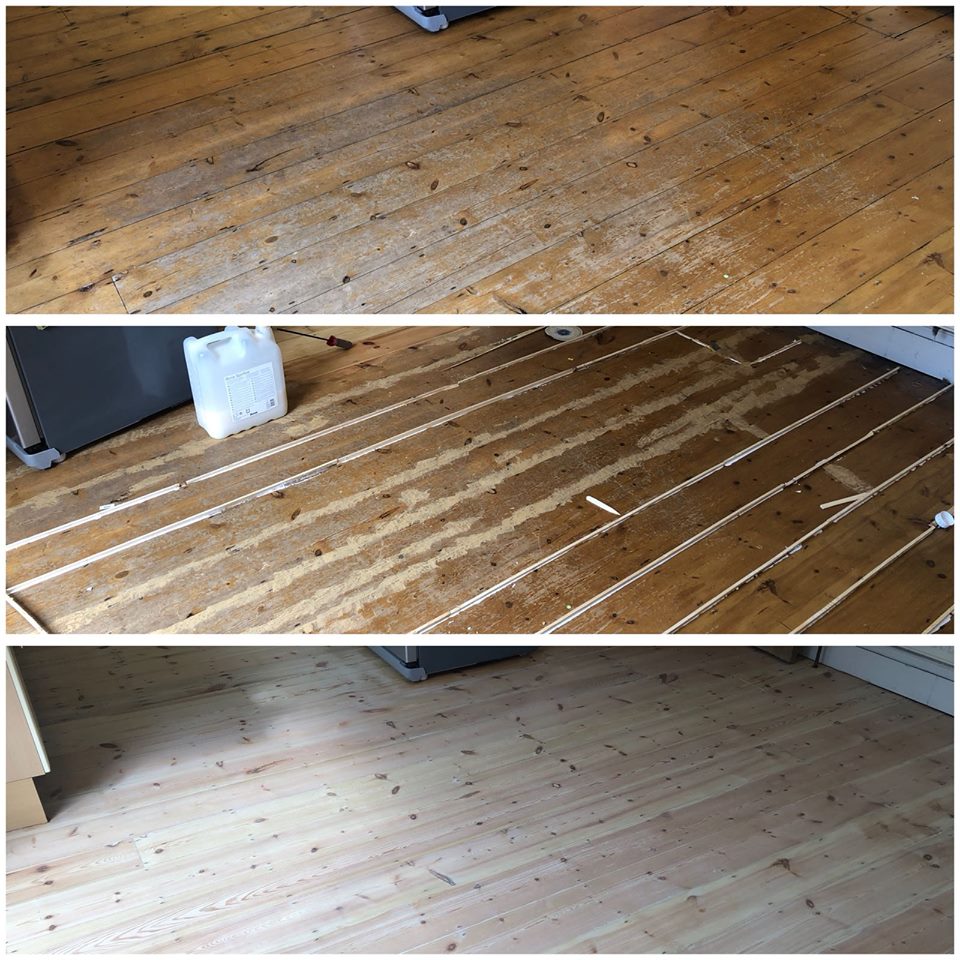
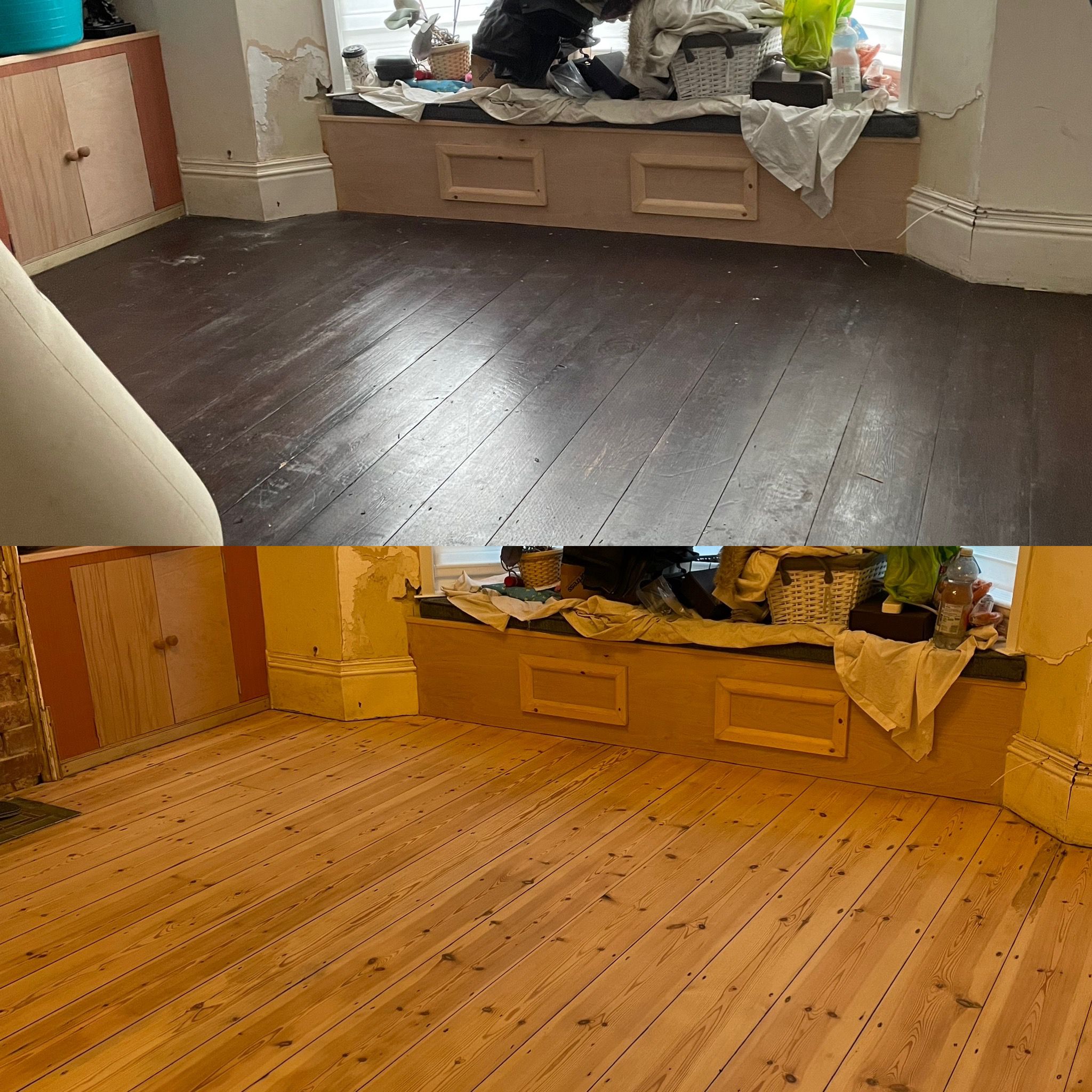
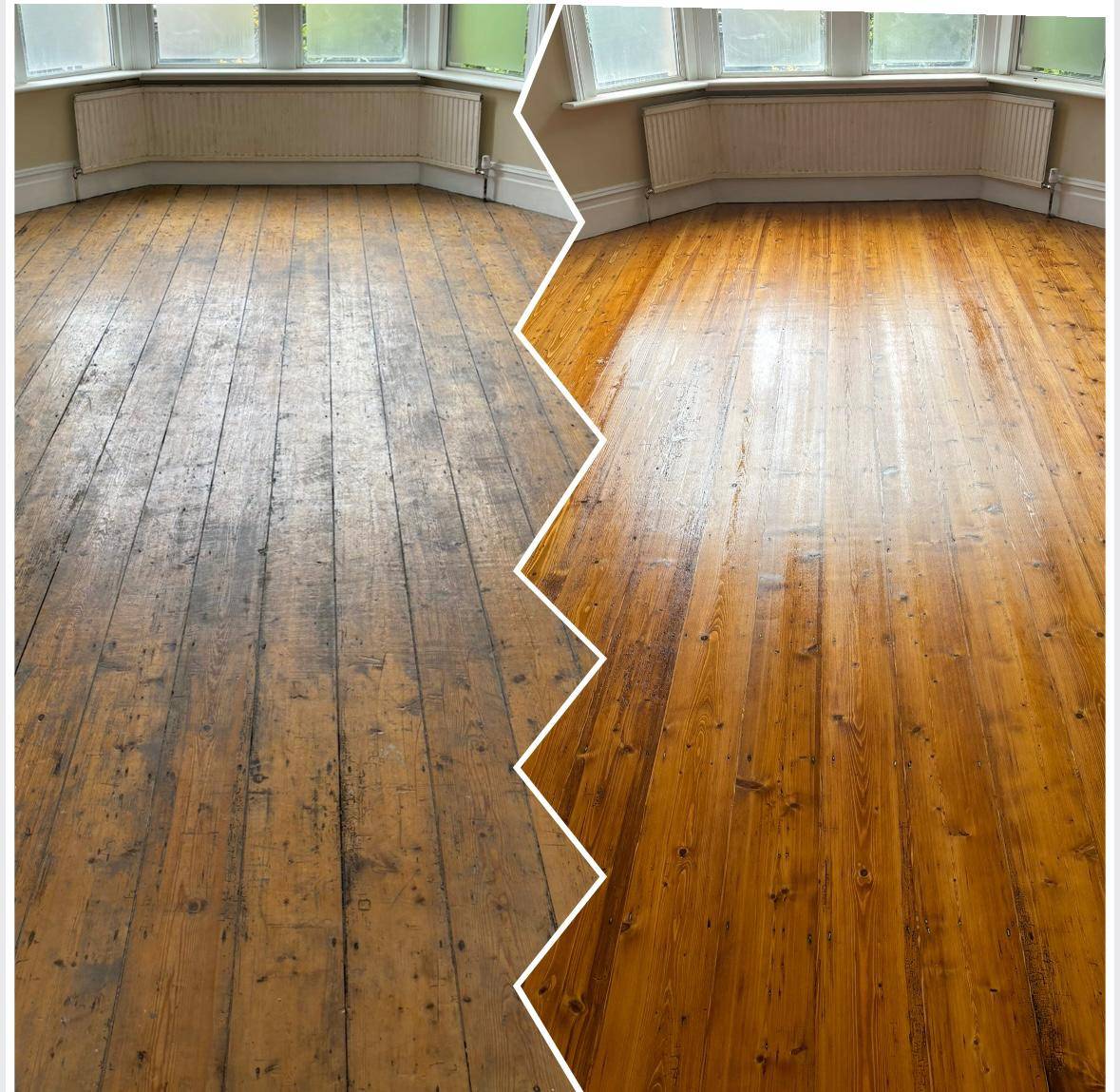
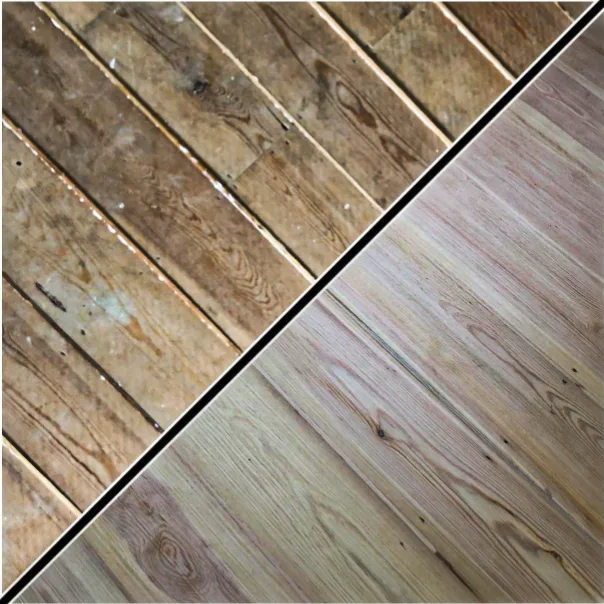
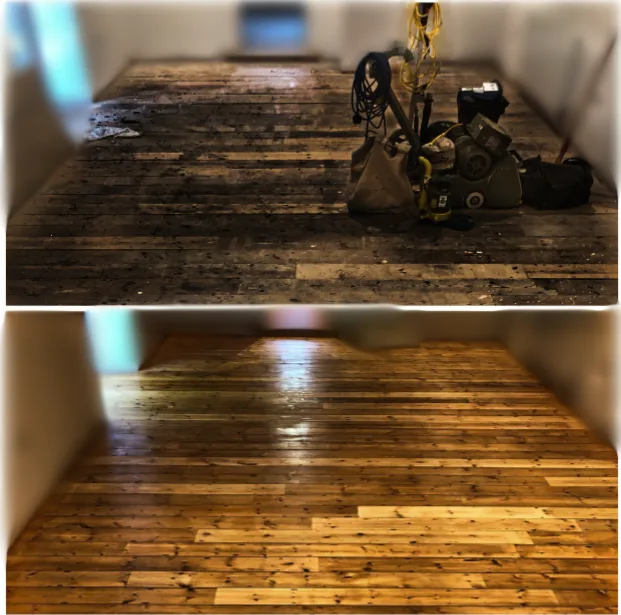
Floor sanding before and after

Floor Sanding in Okehampton, Where the Moor Meets the Floorboards

Okehampton sits on the northern edge of Dartmoor, and the moor has more influence on its wooden floors than most people would guess. Rainfall up here is much higher than on the coast or in the Exe valley, the air is often damp from autumn to spring, and many of the older houses are built of solid stone with suspended timber floors over a shallow void. Add a household of walkers, dog owners and people who work outdoors, and you have floors that face two separate problems: moisture coming up from below and grit coming in from above. Good floor sanding in Okehampton plans for the wet below and the mud above in equal measure.

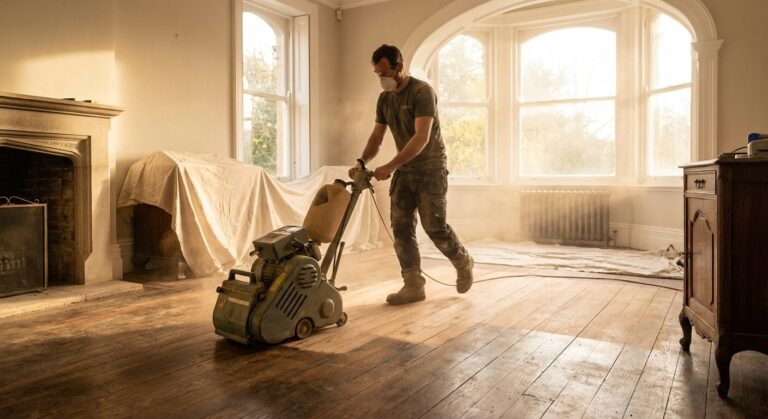
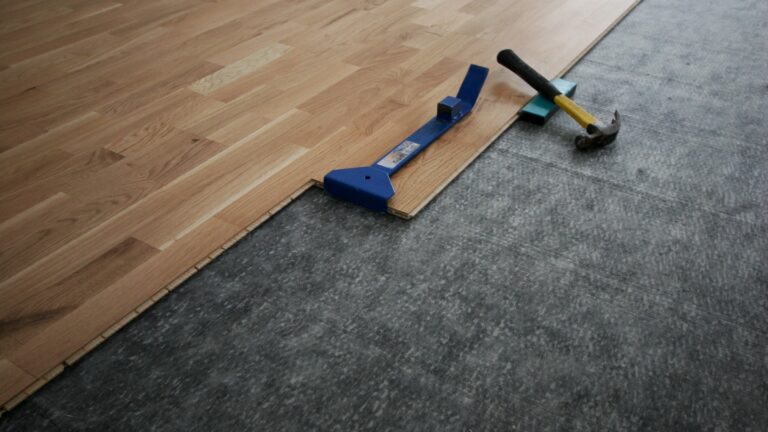
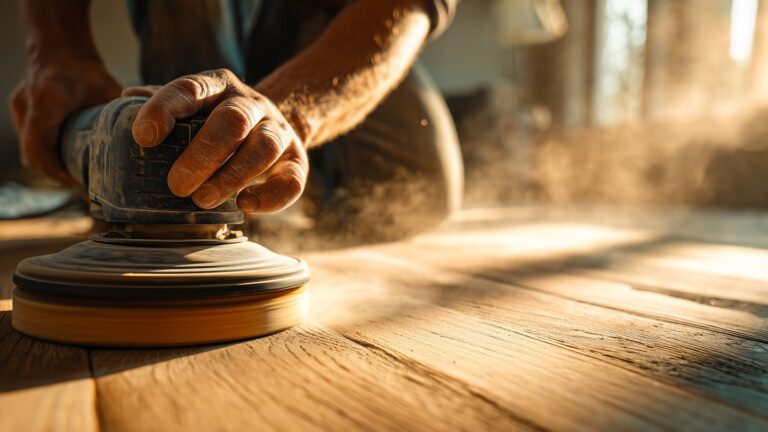
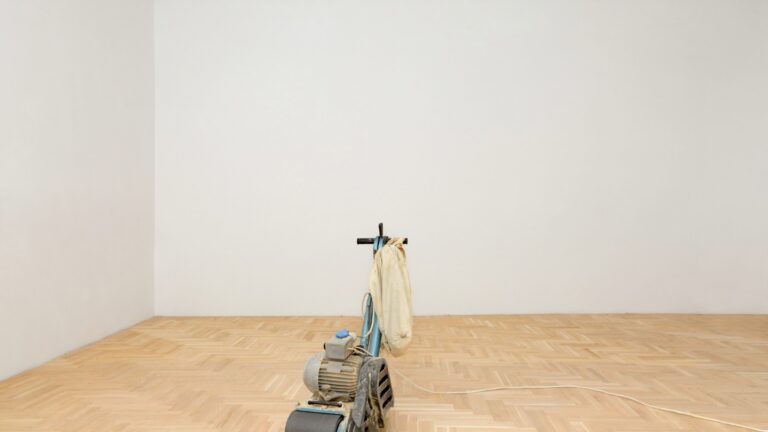
The sanding itself is familiar work. Floors are prepared by punching nail heads below the surface, pulling up old carpet gripper and staples, and fixing down any loose board. The main area is then sanded in stages from a coarse grade to a fine one, the edges brought level with a smaller machine and the whole floor blended with a buffer. Our wood floor sanding service follows that pattern in every house. What changes in a moorland town is what happens before and after: checking the floor is dry enough to sand and finish, and choosing a finish that copes with what will be walked across it.

Moisture is the critical one. Timber that is damp when it is sanded can look perfectly flat on the day and then cup or shrink as it dries, leaving ridges and gaps. Finishes applied to damp boards may not cure properly and can turn cloudy or peel. So at the survey we take moisture readings across the floor, especially near outside walls, and look at where the damp might be coming from before agreeing any dates.

The extraction on our sanders keeps the job clean in a lived-in house. Our drum and edger are hosed into a closed extractor, which is what lets us offer dust-free floor sanding in a cottage where the family stays put; it is not perfection, so shut the kitchen door and lift the china off the dresser before we start.

A single room typically takes one to three days. In winter, cold and damp can slow drying times between coats, and it helps to keep the house gently heated before and during the work.
Damp, Airbricks and Subfloor Ventilation in Older Okehampton Houses

This is the deep dive that matters most for older houses in the town. A suspended timber floor rests on joists, which in turn sit on low walls or on the main walls of the house, with an open void beneath. That void has to be ventilated. Airbricks in the outside walls, usually just above ground level, let air pass under the floor and carry moisture away. With a clear through-draught, damp never gets the chance to settle in the timbers. When it does not, moisture builds up and the timber suffers.

Over the decades, airbricks often get blocked. Paths and patios are raised against walls until they cover them. Flower beds are banked up. Extensions are added with no provision for cross-ventilation, cutting off the air path. Some owners block airbricks deliberately to stop draughts. On the edge of Dartmoor, where the ground is wet for much of the year, a poorly ventilated void can stay damp for months. The signs inside are fairly consistent: a musty smell, boards near an outside wall that feel soft or springy, cupping where the board edges rise above the centre, and in the worst cases fungal growth or rot in the joists.

Sanding a floor in that state without dealing with the cause rarely ends well. Cupped boards sanded flat while damp will crown, rising in the middle, once they dry out. A new finish over damp timber may blister. So the survey includes moisture readings, a look at how many airbricks there are, whether they are clear, and where possible a look into the void through a lifted board or hatch. If the readings are high or the ventilation is poor, the first recommendation is to clear or add airbricks and let the floor dry before any sanding is booked. That might mean waiting a few weeks, but it saves the finished floor.

Rot is the next step on. Wet rot causes soft, darkened timber, usually in localised areas where water has been getting in; dry rot is less common but more serious, spreading through masonry and timber alike. Where we find signs of rot, we will say so plainly and recommend specialist investigation before floor work goes ahead. Damaged boards can then be cut out and replaced as part of wooden floor repairs, once the cause is fixed.

Not every Okehampton ground floor is suspended; some later cottages and extensions have boards fixed over concrete, with or without a membrane between. Moisture readings matter there too, because rising damp through an old screed can affect the boards above.

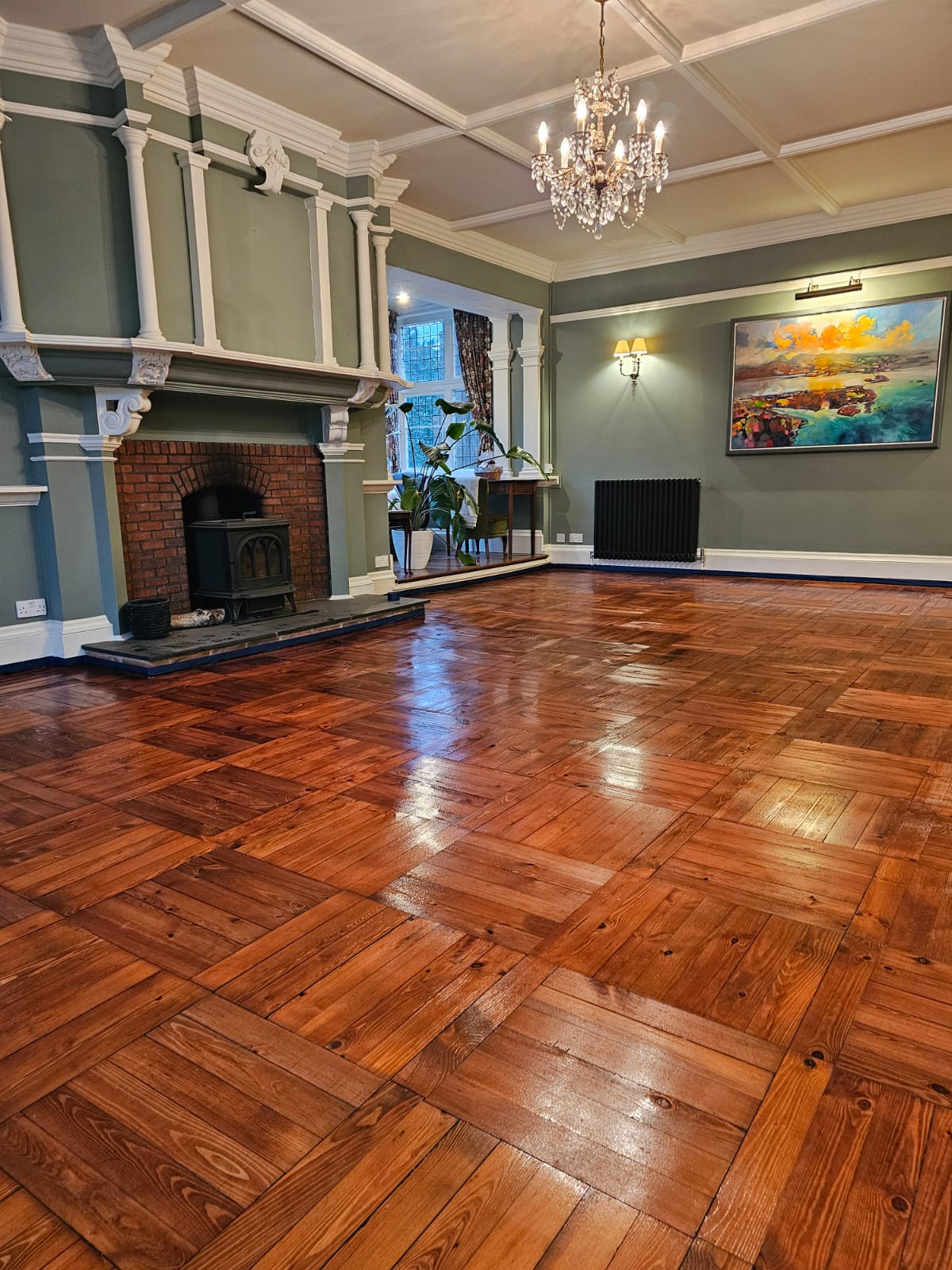
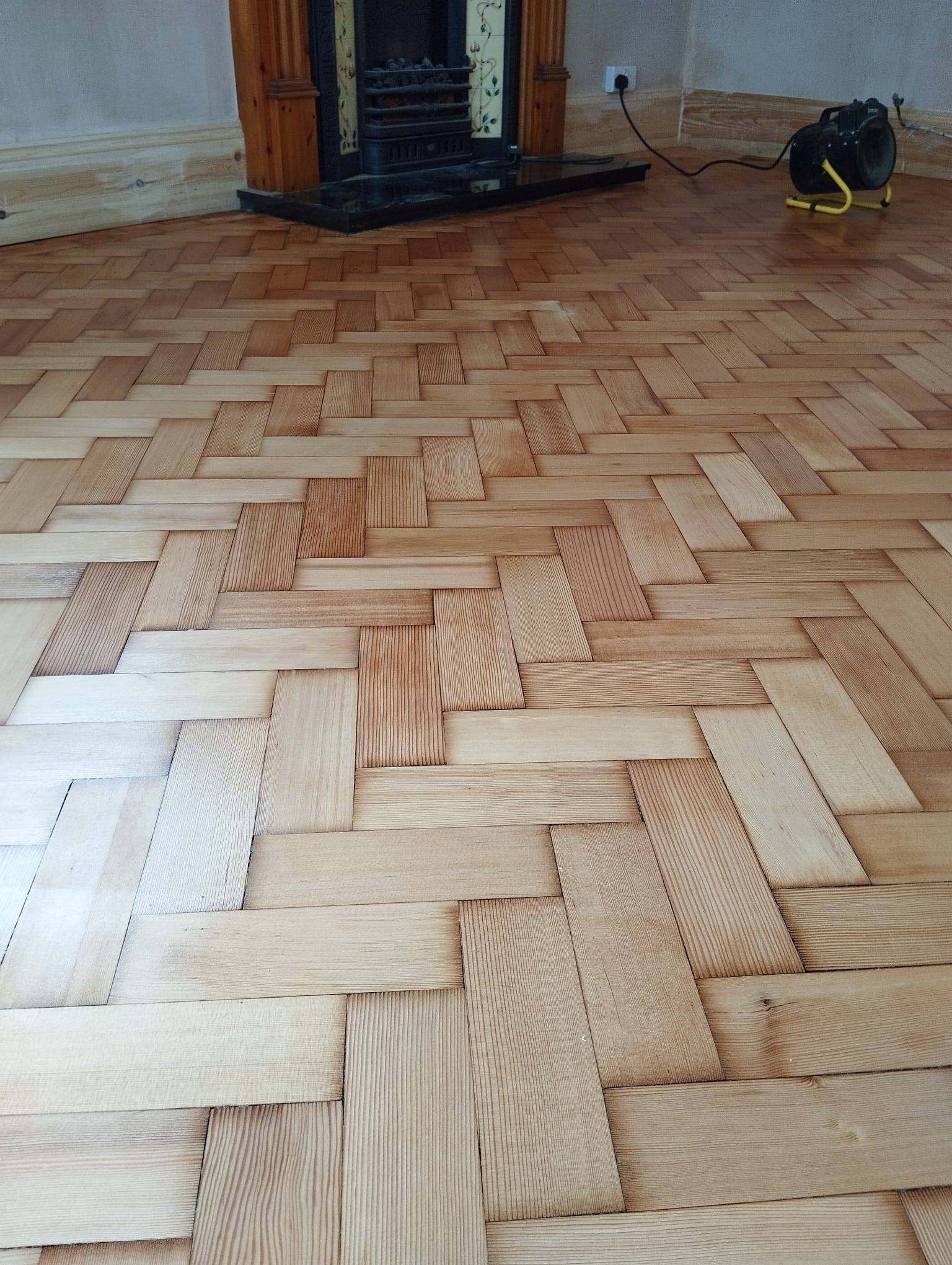
parquet wooden floor sanding
wooden floor sanding

Wood Floor Restoration in Okehampton for Granite Cottages and Later Homes

Okehampton’s housing is a real mixture: older stone and rendered houses around the centre, Victorian and Edwardian terraces, and a good deal of later development. The floors vary to match. Wood floor restoration in Okehampton might mean anything from wide, worn deal boards in an old cottage, to oak strip in a 1960s bungalow, to engineered boards in a recent extension. Our wood floor restoration work starts with identifying which, because each needs a different approach.

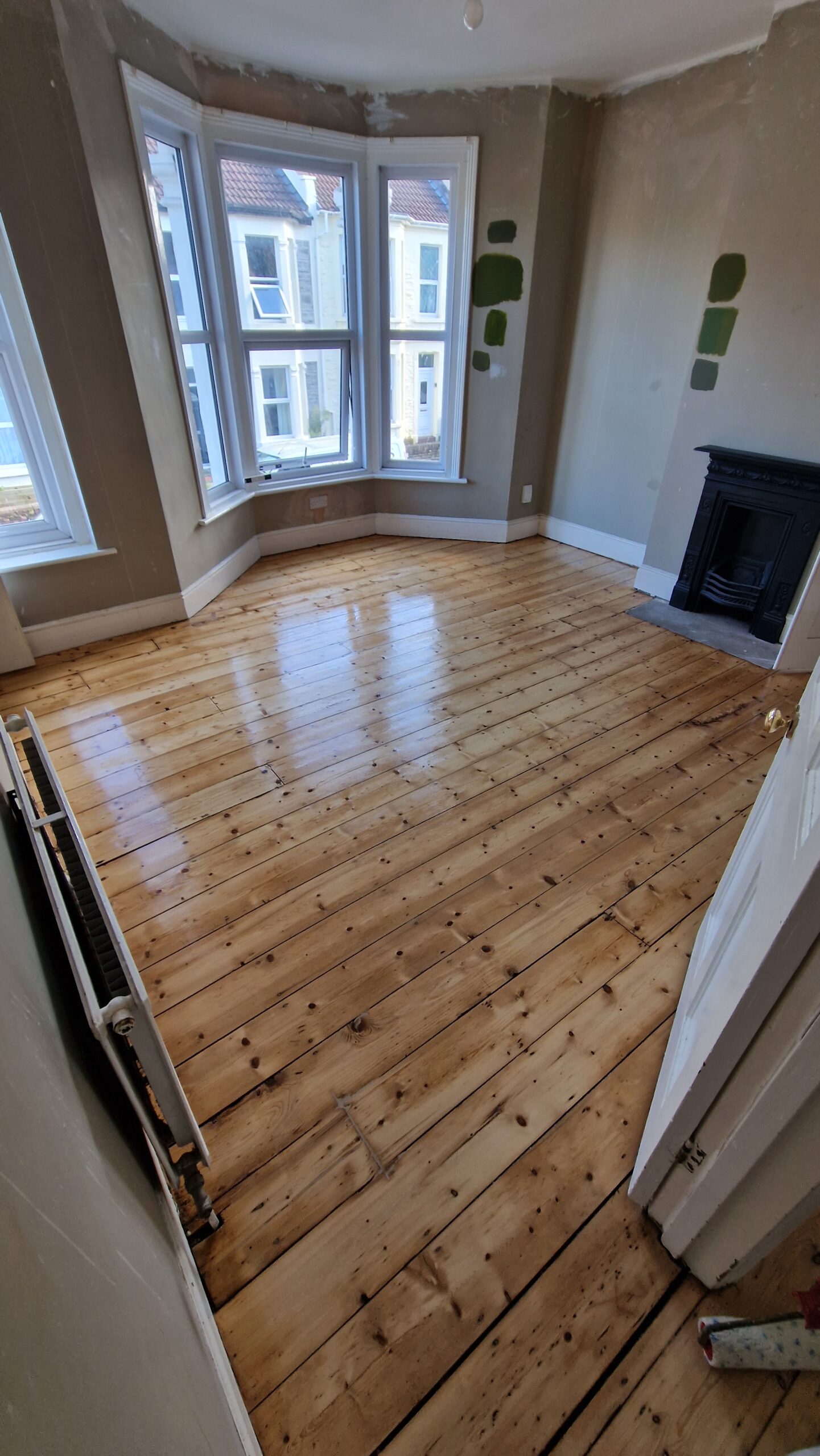
Older softwood floors are the most common restoration jobs. Pine floor restoration in a cottage often means dealing with years of wear, old stain and varnish, paint splashes and patched areas where boards have been lifted for pipework. Softwood takes careful sanding, as aggressive work leaves ridges between the hard and soft growth rings. It also darkens with age and with oil-based finishes to a warm honey or orange colour, which some owners love and others want to calm down.

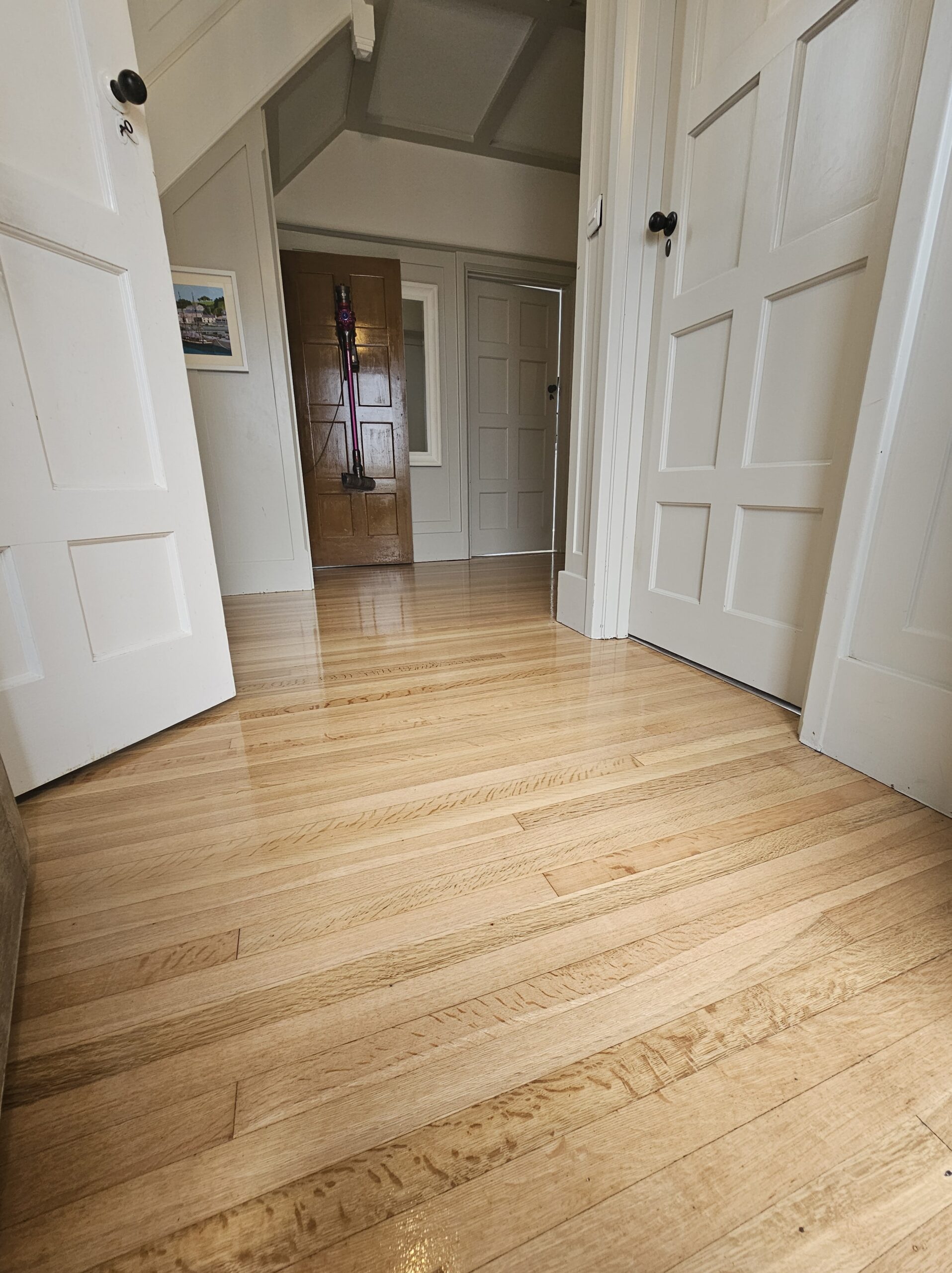
Oak and other hardwoods in later homes are tougher to sand but more sensitive to water. Oak contains tannin, which reacts with water and with iron, so old leaks, plant pots and even steel wool used in the past can leave dark stains. Oak floor restoration includes assessing those stains and deciding whether to sand them out, treat them or replace the affected boards.

Where floors were laid in elm, which turns up occasionally in older rural houses in the area, the timber is distinctive: wide, with wild, interlocking grain. It sands well but can tear out in places where the grain changes direction, and it rewards slow, careful work with a beautiful finish.

Engineered boards need a measurement before anything else. The real wood layer on top may be thick enough for several sandings or only one, and the survey checks that thickness at a vent, threshold or exposed edge.

Commercial Floor Sanding in Okehampton Pubs, Shops and Village Halls

As a market town and a gateway to the northern moor, Okehampton has a commercial mix that reflects both its residents and its visitors: pubs and cafes, outdoor and walking shops, guest houses and hotels, offices and surgeries, and the village and community halls that serve the surrounding parishes. Commercial floor sanding in Okehampton therefore covers a wide spread of buildings with very different diaries. Our commercial floor sanding is planned for times when the premises are closed or quiet: overnight, on a closed day, over a weekend or during a holiday period. Fast-curing finishes are used so that the floor is ready for use as soon as possible afterwards.

Pubs and cafes on a walking route have a particular kind of wear. Walkers come in wet and muddy, often in heavy boots with deep lugs that carry grit and small stones. Dogs follow. The floor by the door and the bar takes the brunt of it, and the finish wears through to bare wood far faster than in a town-centre shop. Two-component lacquers offer the strongest film protection for those areas, and generous mats inside the door help a great deal. Restaurant and pub floor sanding covers the overnight scheduling and finish choices for food and drink premises.

Village halls are a different case. They host everything from toddler groups and keep-fit classes to dances, wedding receptions and parish meetings, and many have old softwood or woodblock floors that have been polished for decades. Before sanding, old wax and polish need removing fully, as new lacquer will not bond over them. Grip matters for the classes held there, so a lower sheen is usually preferred. Where the hall doubles as a badminton venue, the lines go back on afterwards, painted by us to the dimensions the sport requires.

Guest houses and small hotels near the moor face similar wear to pubs: boots, bags, dogs and wet coats. Work in those buildings is phased room by room so that the business can keep taking bookings, and hotel floor sanding explains how that is arranged. Shops, especially outdoor equipment retailers, see heavy traffic concentrated by the door and the till, and shop floor sanding is planned around trading hours. Hall committees and landlords often want paperwork; our method statement, insurance certificate and a few referees can be sent ahead of any booking.

flooring sanding company
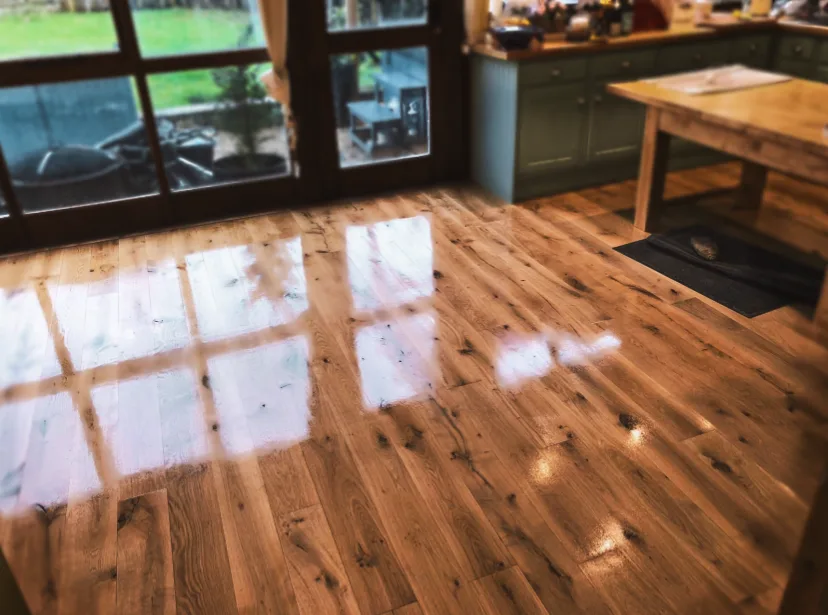
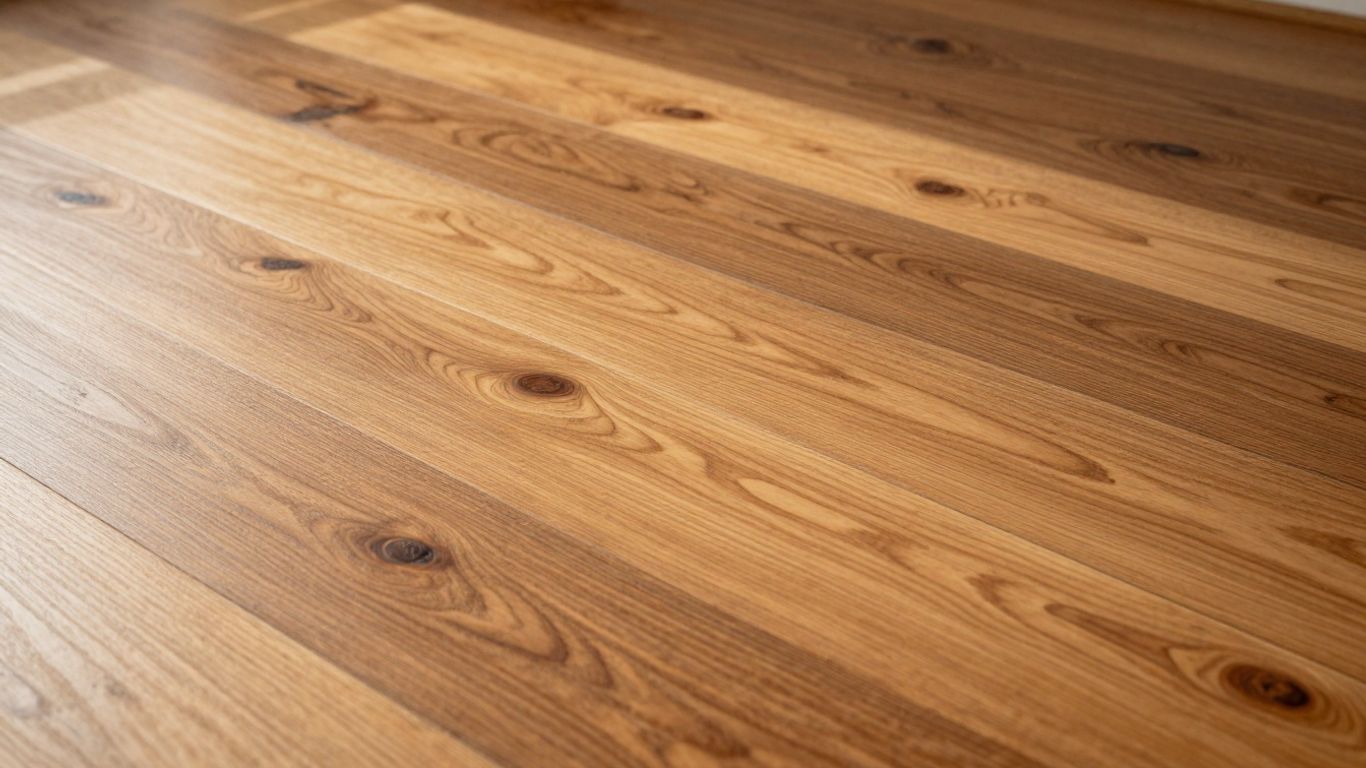
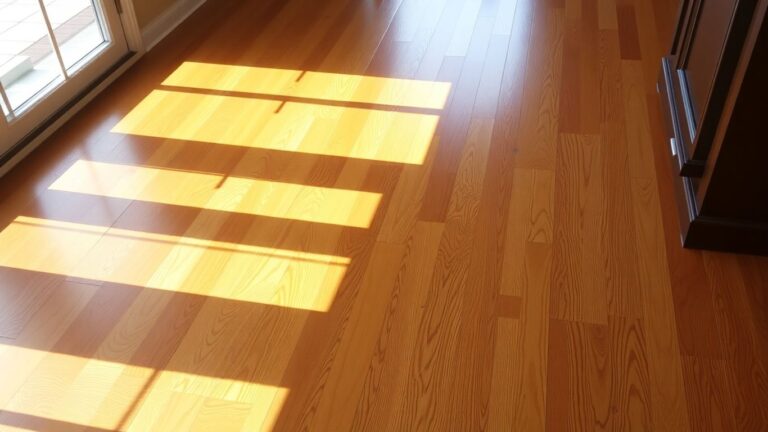
Sunlight across freshly lacquered wooden floorboards

Boots, Grit and Why Hard Wax Oil Suits Moorland Homes

The second deep dive for Okehampton is about the surface itself: what goes on the floor after sanding, and how it copes with the way a moorland house is used.

Walking boots are hard on wooden floors. The rubber soles are designed to grip, and the deep lugs trap small stones and coarse grit that grind into any finish. Even after boots are taken off at the door, grit carried in on socks and dog paws spreads further. A hard lacquer resists that wear well for a time, but once it is scratched through, the bare wood beneath goes grey and the only full repair is a resand. That is fine in many homes, but in a house where the hallway takes a beating every day, there is an alternative worth considering.

Think of hard wax oil as a penetrating finish: plant oils carry hard waxes into the top of the wood, where they cure into a tough, breathable layer. Unlike lacquer, it does not create a separate film on top. That matters for a moorland home in two ways. First, scratches show less, because they are in the wood rather than in a clear coating; a fine scratch looks like a slightly paler line rather than a white scuff. Second, and more usefully, worn areas can be repaired locally. After a wet winter of boots, the strip inside the porch may look parched; give it a wash, a rub with a fine pad and a thin coat of the same oil, and the rest of the room never needs touching. That makes floor oiling with hard wax oil a very practical choice for halls, boot rooms and kitchens.

There are trade-offs. Oiled floors need a little more attention, and spills should be wiped up rather than left to soak in. They are also slightly more porous than lacquer, so muddy water left standing for hours can mark them. For rooms where those risks are a concern, floor sealing with a two-component lacquer gives stronger protection, and many households choose lacquer in the kitchen and hard wax oil in the living areas.

Traditional floor waxing gives a soft and lovely sheen and suits old floors, but it marks with water and wears quickly under boots. In a moorland house it is usually best kept for bedrooms or rooms that see little outdoor traffic.

Colour is a separate decision. Mid-brown tones are popular in moorland homes because they disguise peaty footprints, and floor staining can give pale pine or oak that depth; trial squares go down on your sanded boards first so you choose from real results.

Creaks, Gaps, Parquet and Stairs

Creaking floors are common in older houses, and in damp areas they are often linked to movement in the timber. As boards swell in wet months and shrink in dry, heated ones, the old nails loosen and the boards start to move against them and against each other. For squeaky floor repair in a house like this, the noisy board is located by walking the room, a detector run over it for hidden services, and a countersunk screw sent down into solid joist; now and then a sagging joist needs a timber packer first.

That seasonal movement also opens gaps. Gap filling in a floor that moves a lot calls for a method that will move with it. On a moorland floor that swells every winter, tapered wooden strips glued into the open joints flex along with the boards, where a rigid filler would crack loose by spring. Hairline joints in a stable room can take a resin paste made up with dust from the floor itself. Filling should always come after any damp issue is solved, because gaps filled while the floor is swollen will be too tight once it dries out.

Where boards are damaged beyond repair, through rot, splits, old pipe cuts or wear, floorboard replacement is carried out with timber matched as closely as possible to the existing floor, often from the reclaimed stock kept at our workshop near Wellington. Older boards are usually imperial in size and will not match new timber from a merchant, which is why reclaimed boards are so useful. Surface damage such as deep scratches or dents is dealt with by scratch repair or local replacement.

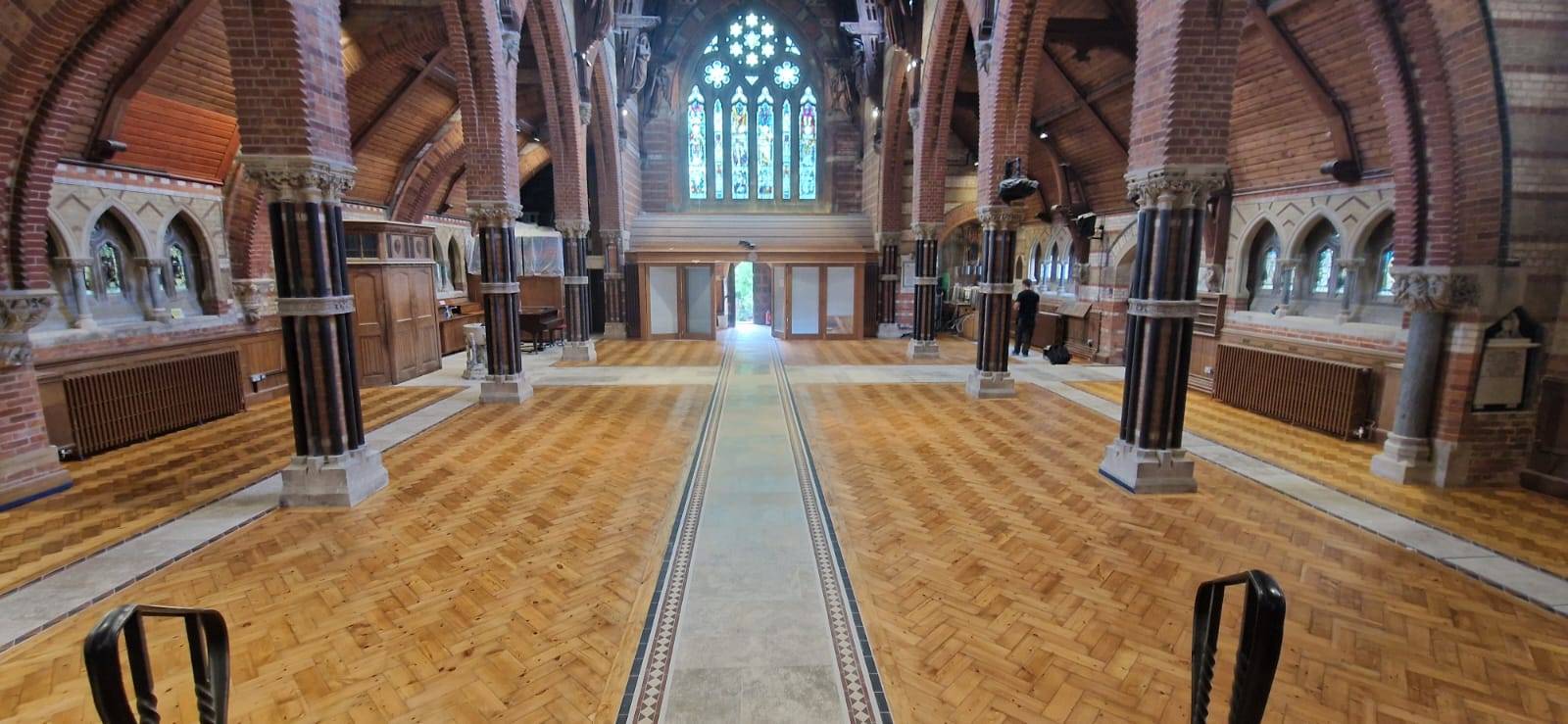
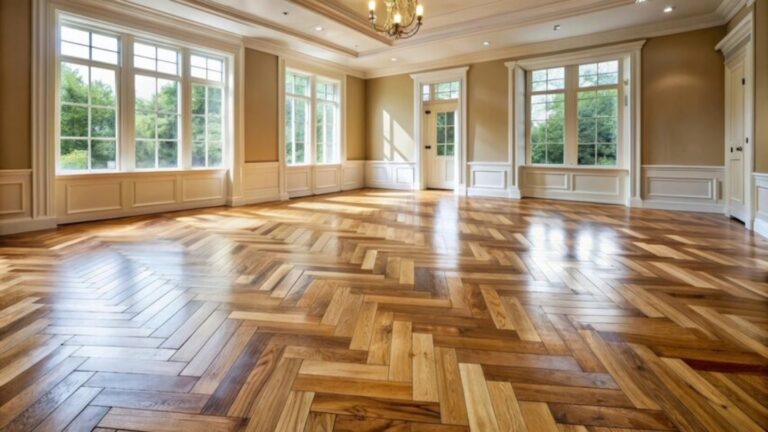
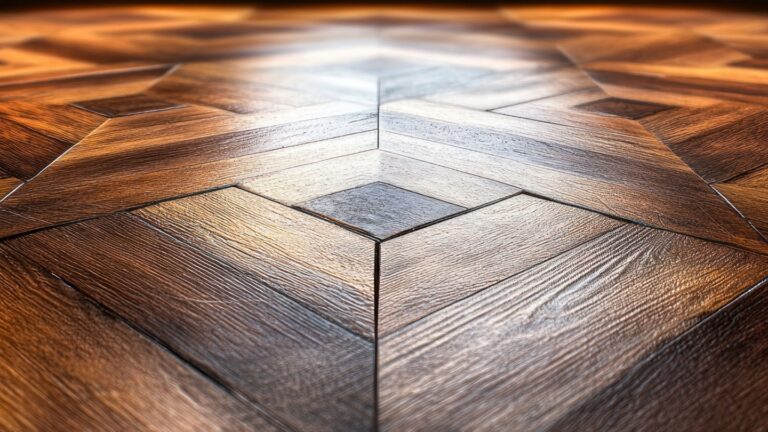
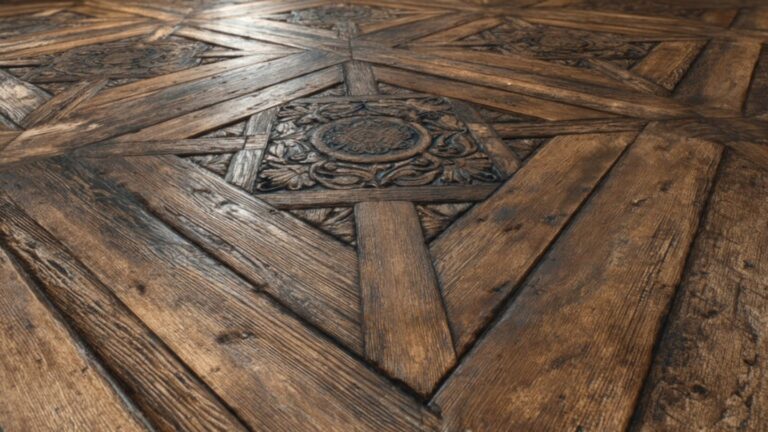
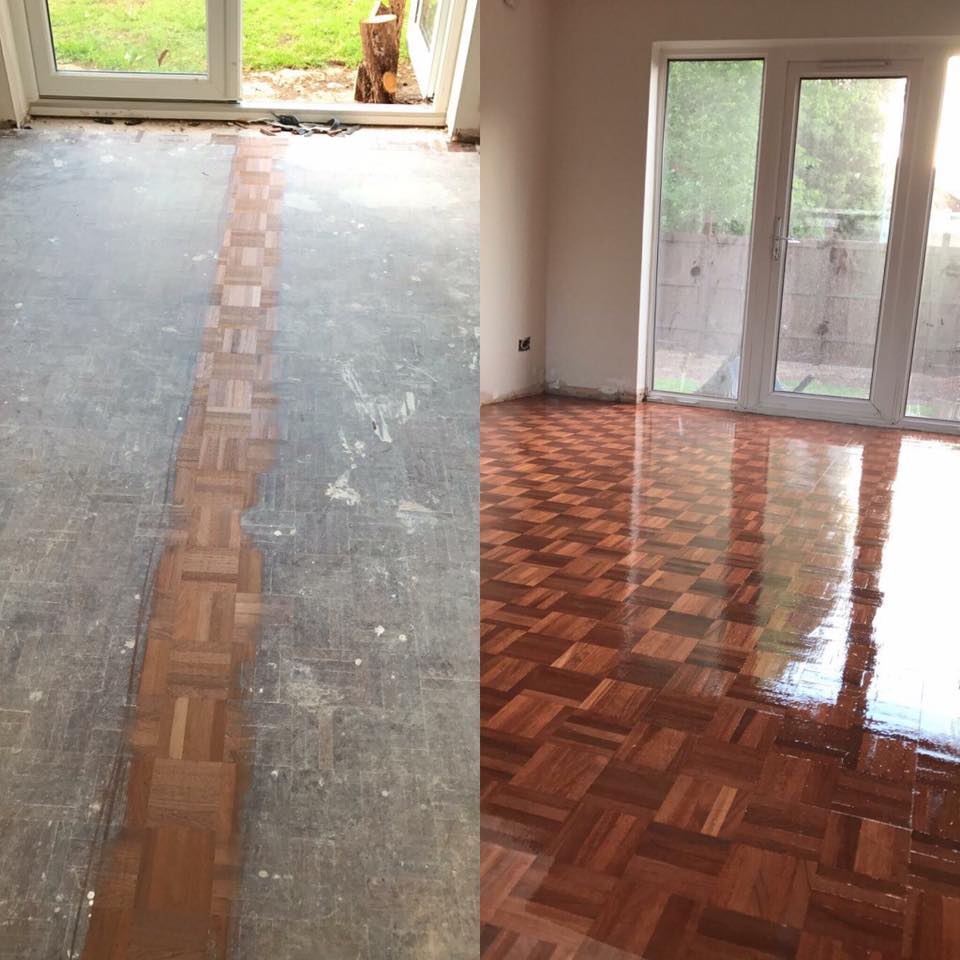
Parquet floors appear in some of the larger houses and many public buildings. Because block grain runs two ways, parquet floor sanding starts at forty-five degrees to the room and finishes under a planetary machine with several spinning heads. In a damp climate, blocks laid in bitumen can lift if moisture gets under them, and any loose blocks are lifted and re-bonded before sanding. For a finished Devon example, see our block floor case study from Paignton.

Staircases take boots and dogs too. Stair sanding is hand work, focusing on treads, risers and the worn nosings at the front of each step, and in a busy house a tough, matt finish on the treads gives better grip and hides wear.

Wood floor sanding company
Floor sanding taunton

Buffing, New Floors and Arranging an Okehampton Survey

Socks can cross the new surface the morning after. Chairs and the settle come back on day two or three; the hearthrug waits a full week. Keep boots off the floor for the first few days if possible, and get a good, washable mat in place inside the door from the start. Moorland grit is sharp, so lift it with a soft broom before any mop goes down; lacquer then wants a mild neutral cleaner, while an oiled floor is happier with the soap its maker recommends. Steam mops should never be used on wood.

For lacquered floors, floor buffing and recoating can refresh a dull, scuffed surface without a full sanding, as long as the wear has not reached bare wood. Oiled floors are maintained by cleaning and re-oiling worn areas as they appear. Bare-wood resanding comes round roughly once a decade in a house, but a pub bar or village hall usually needs it after four or five years of boots and dancing. Between visits, a floor polish suited to the finish can keep the surface looking fresh.

Where rot has gone too far, or a new boot room needs flooring from scratch, wooden floor installation is available: we can lay it, or deliver the boards to your builder. Junkers and Bona feature among the makes we supply, and an engineered board is often the steadier choice over a ground floor that has had moisture trouble.

We come to Okehampton regularly, taking the A30 across from the Wellington workshop. The floor sanding in Devon hub shows the wider county coverage, and anyone a little further west on the Cornish border may find floor sanding in Holsworthy relevant. A quick way in is to email info@ryansrestoration.co.uk with a doorway view of the room, a close shot of the boards that worry you most and, if there is one, a picture of the airbrick on that wall outside. You can also call 01823 674562 during office hours or use our contact form. Next comes a free visit of roughly thirty minutes with the moisture meter and a look at the void, then a written quotation set out item by item.

Okehampton Floor Sanding Questions

When board edges curl up and the middles dip, the underside is wetter than the top. In an older house the most common cause is poor ventilation under a suspended floor, often because airbricks have been blocked by paths, beds or extensions. The cause needs solving and the timber needs time to dry before the floor is sanded flat.

Not until it has dried. Sanding damp boards flat leaves them prone to crowning or shrinking afterwards, and finishes may not cure properly. A meter reading taken in several spots tells us whether the boards are dry enough yet. If it is not, the first step is to improve ventilation or deal with the source of damp, then let the floor dry before booking the work.

Often it is. Scratches from grit sit in the wood instead of in a clear skin, so they show less, and a tired stretch by the boot rack can be revived on its own. It needs a little more routine care and prompt wiping of spills. A kitchen floor that sees spills daily may still be better off under a two-pack lacquer.

Usually the work is planned for a quieter period, such as a summer break or a run of weeks with fewer bookings, and the dates are agreed well in advance with the hall committee. Fast-curing finishes keep the closure as short as possible. Old wax and polish are removed fully before sanding, so the new finish bonds properly.

Creaks usually come from boards moving against loosened nails or rubbing on neighbouring boards. In a damp climate the timber swells and shrinks with the seasons, which loosens fixings over time. Once services are traced, screwing the restless boards tight to the joists usually silences them. It is best done before sanding rather than afterwards.

Yes, and it is the strongest argument for oil on a moorland floor. The tired patch is washed, keyed with a fine abrasive pad and given fresh oil, which merges into the surrounding boards within a few days. Lacquered floors cannot be patched in the same way, because the edges of a repaired area tend to show.

We look for signs of rot, such as soft, darkened or crumbling timber, a musty smell, or boards that give underfoot, and we check moisture levels and ventilation. If there are signs of rot, we will recommend specialist investigation before floor work goes ahead, so the cause can be properly diagnosed and treated.

Count on one to three days per room, with repairs, board condition and the number of coats deciding where in that range you land. In cold, damp weather drying times between coats can stretch, so keeping the house gently heated before and during the work helps the finish cure properly and keeps the job on schedule.