45 years’ experience  ·  Rated 4.9 on Google  ·  Family-run, from our workshop near Wellington

45 years’ experience · Rated 4.9 on Google · Family-run

Floor Sanding and Wood Floor Restoration in Keynsham

Sanding, repairs and refinishing for Keynsham homes and businesses, from 1930s woodblock hallways and pine bedrooms to busy shop and café floors.

QUICK QUOTATION

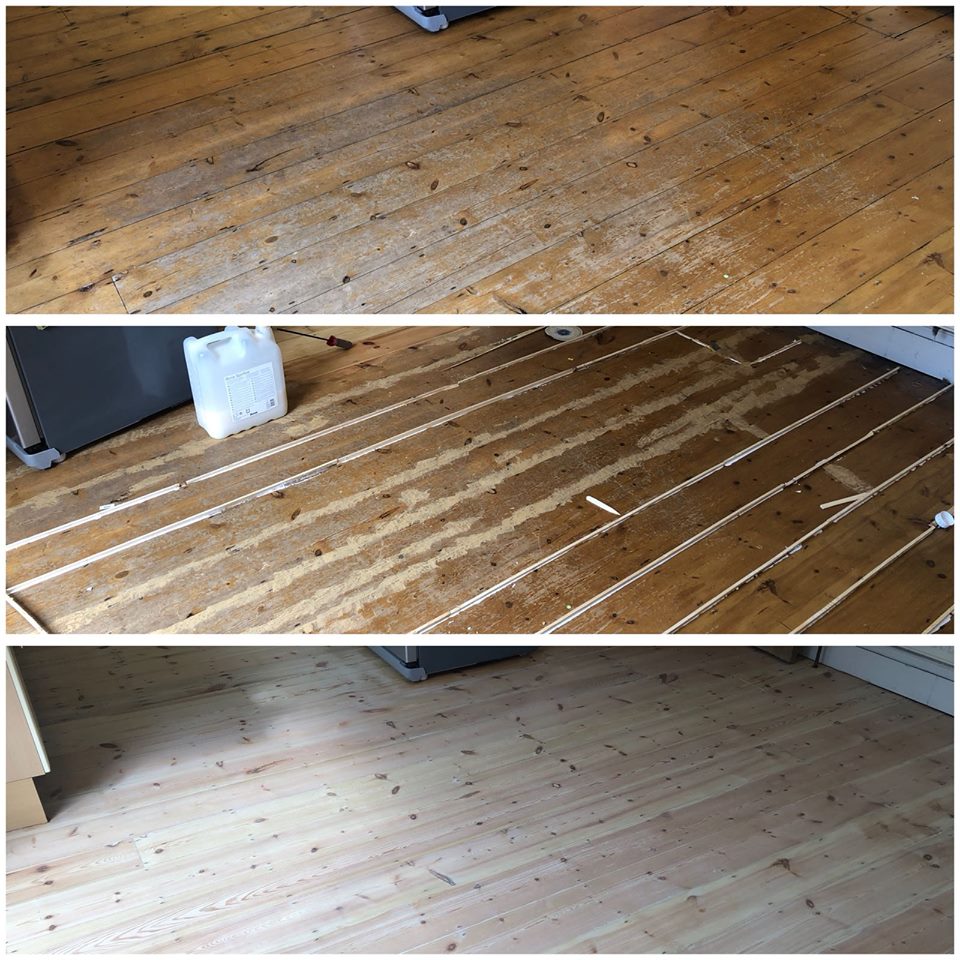
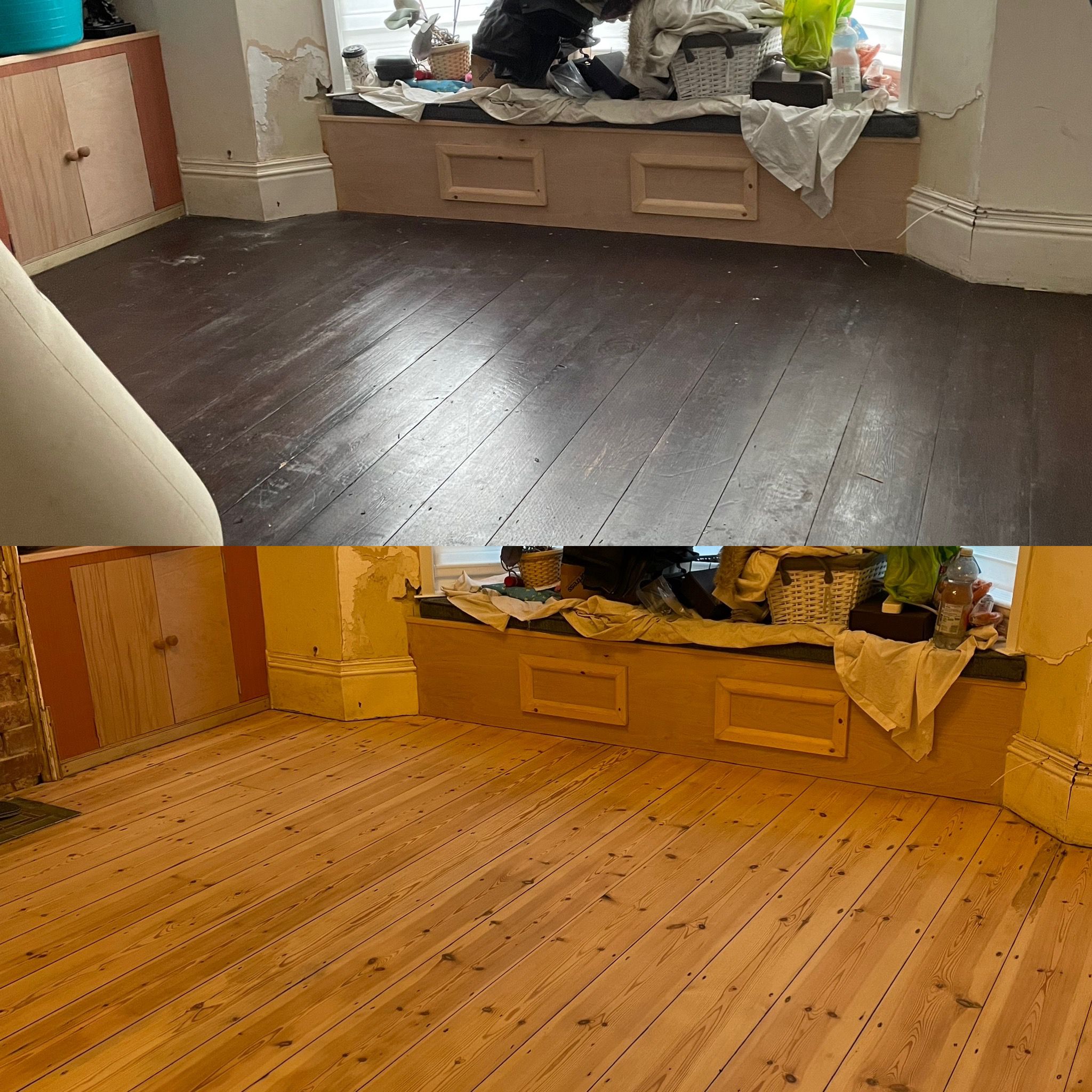
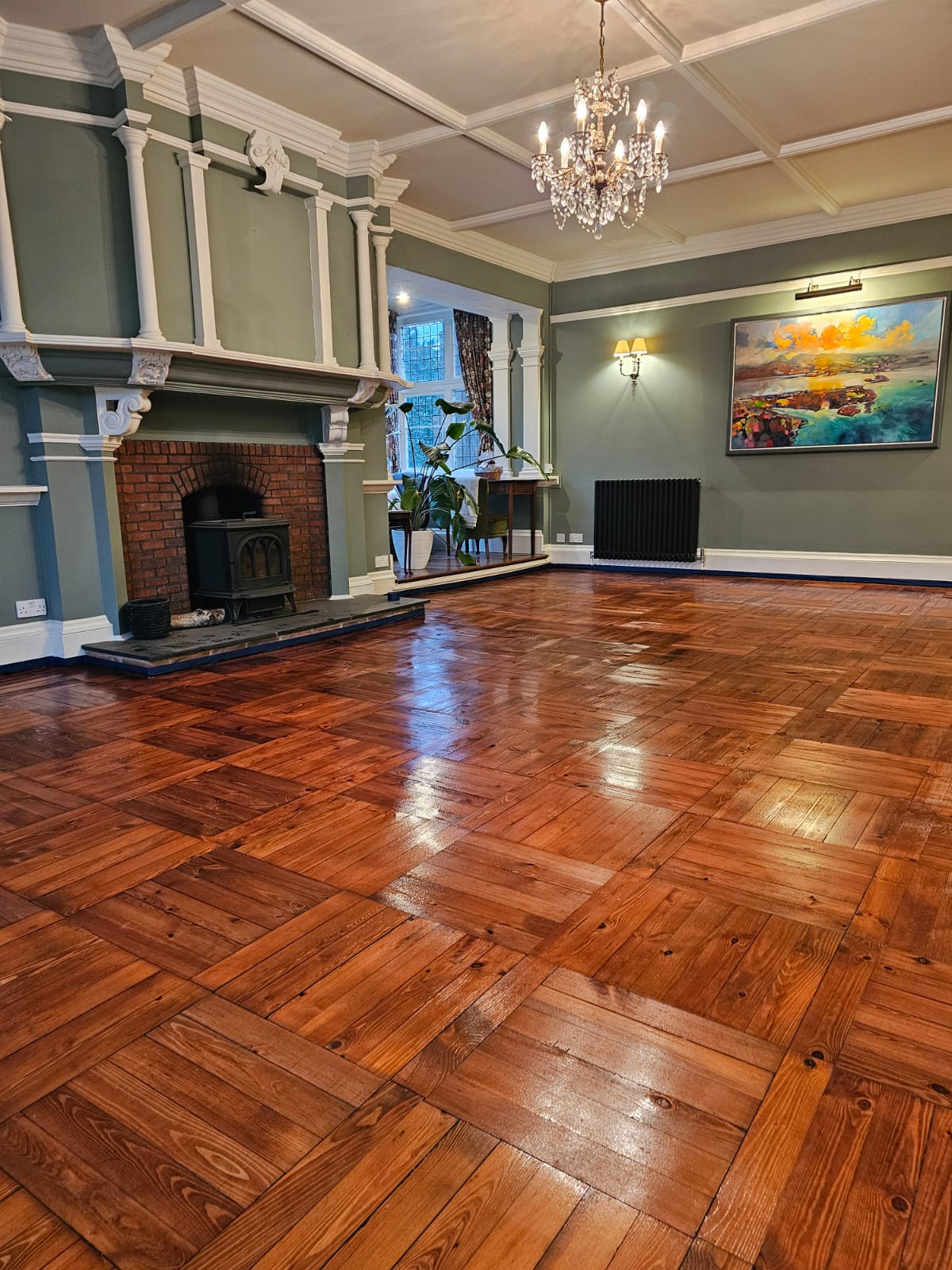
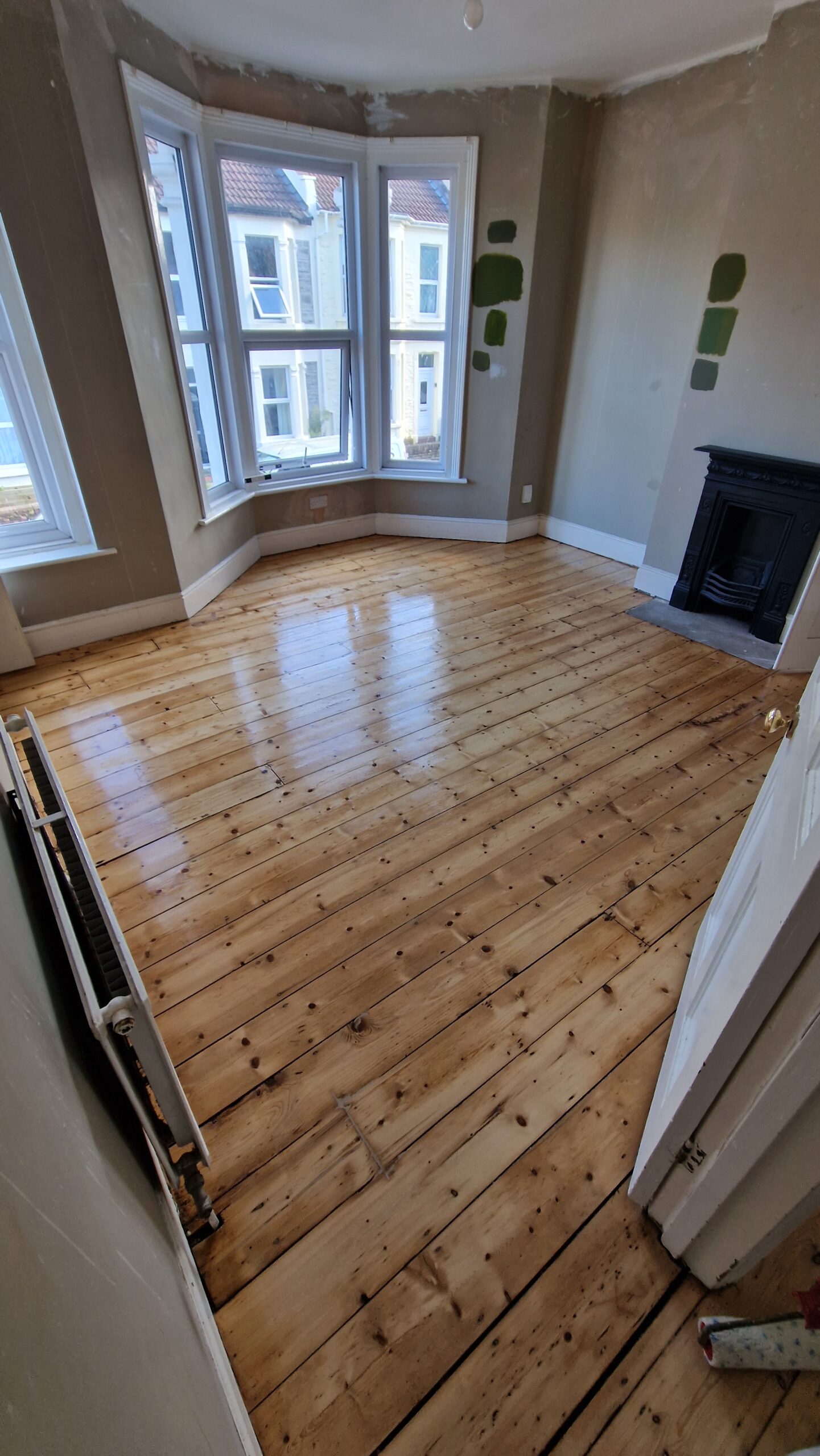
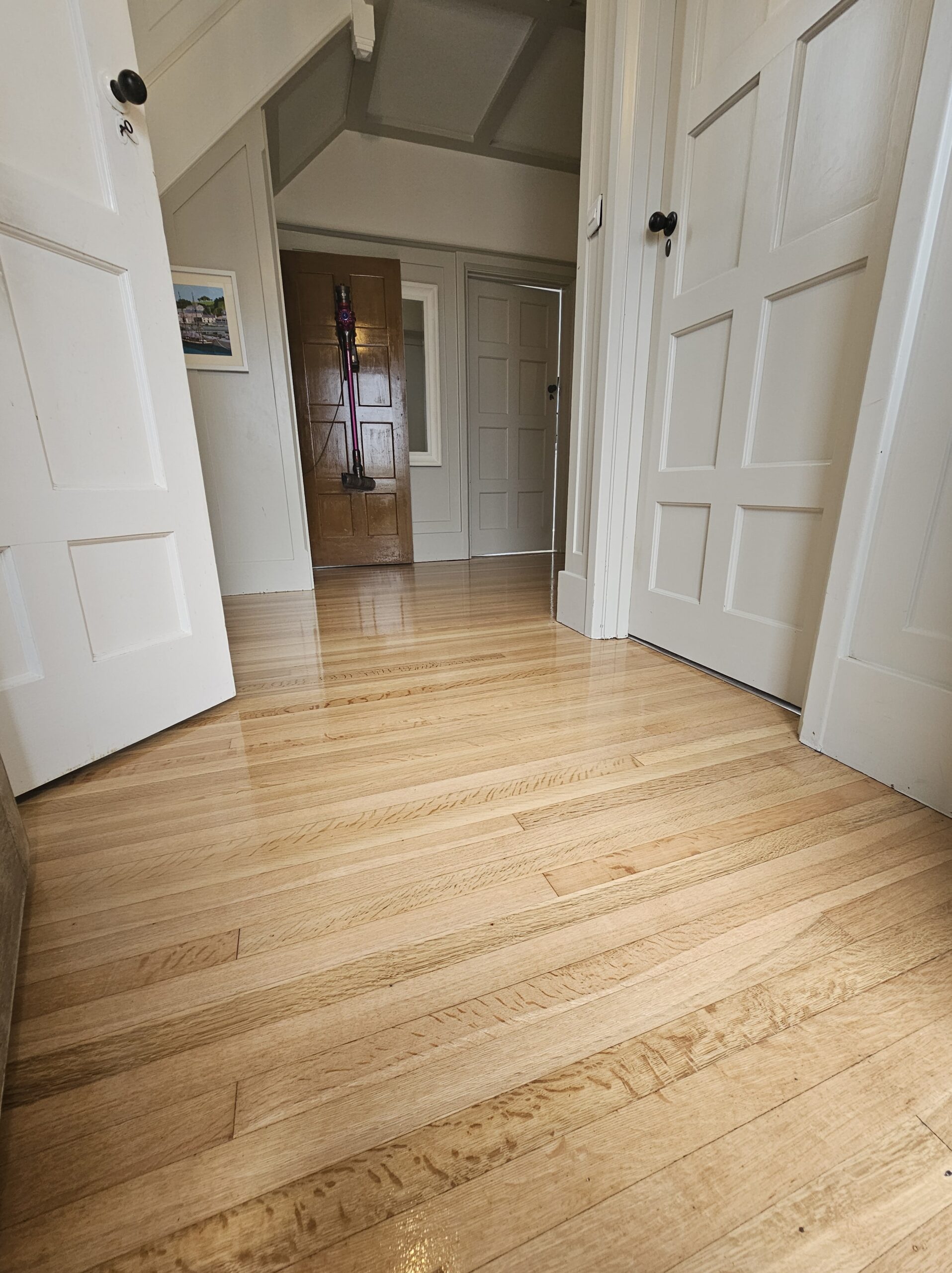
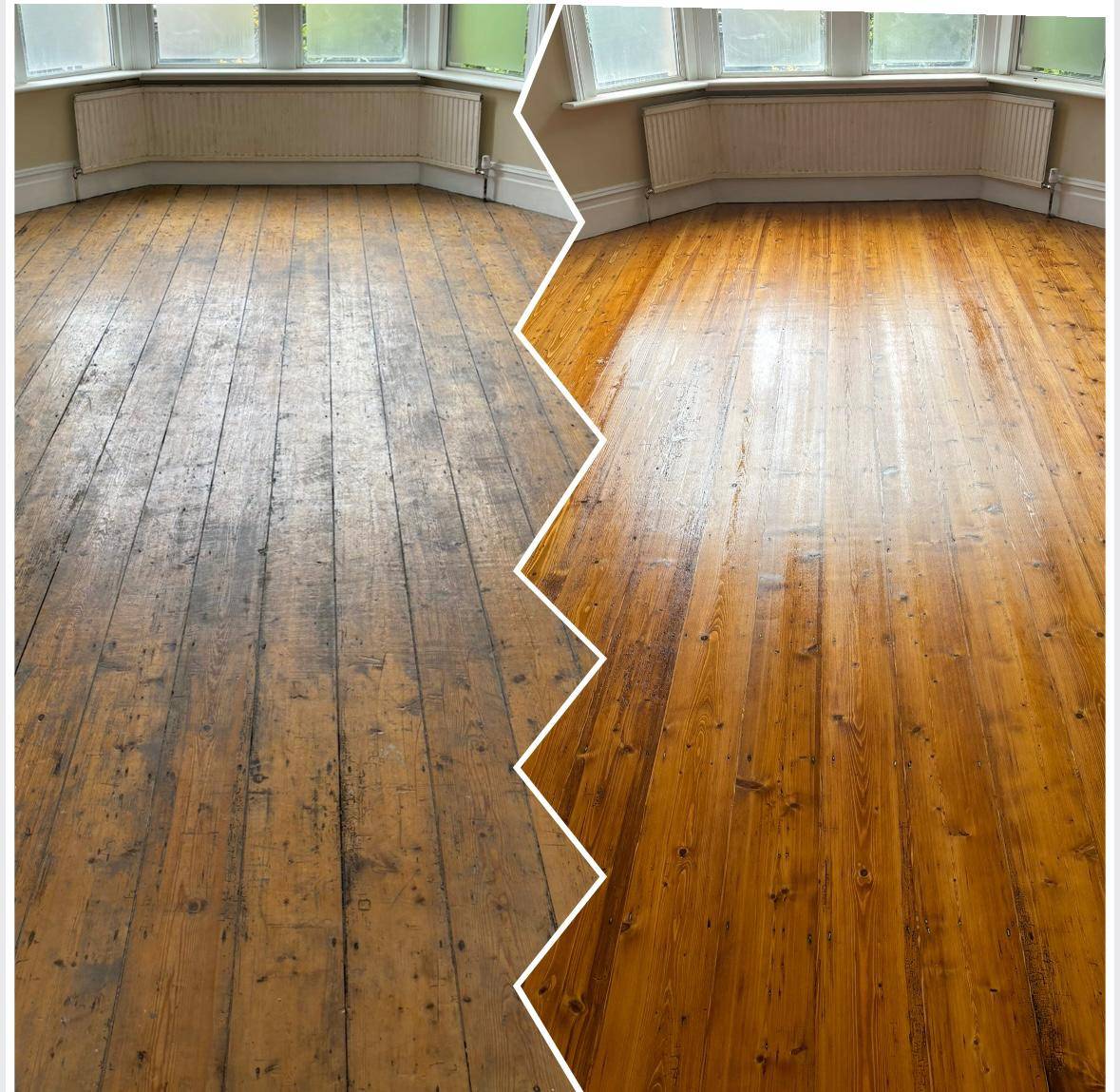
Floor sanding before and after

Floor Sanding in Keynsham Starts With Knowing What Is Underfoot

Most of the wooden floors we look at in Keynsham fall into three rough groups, and each one asks for a different approach. First come the interwar and early post-war semis, where the entrance hall is often laid in hardwood woodblock and the bedrooms have softwood boards that spent decades under carpet. Then there are the houses from the town’s big post-war growth, when Keynsham became a commuter base for Bristol and Bath and its population almost doubled during the 1950s. Floors in those homes tend to be narrower pine boards, sometimes chipboard upstairs, with a strip floor laid over the top at some later date. Finally there is the newer housing of the last decade or so, where engineered boards are far more common than solid timber.

Good wood floor sanding depends on knowing which of those you are standing on. Woodblock needs a different sanding pattern from boards. A thin engineered wear layer allows one careful pass at most, and sometimes none at all. Pine that has been carpeted since the 1970s usually has gripper strip nailed round the edges, staples every few inches and a dark band where an old stain stopped short of the rug line, and every one of those has to come out before abrasive touches the timber.

We carry out floor sanding in Keynsham as a regular part of the Somerset work that comes out of our family workshop at Higher Poole, and the Somerset floor sanding hub lists the neighbouring towns. On a typical semi, the hall, a through-lounge and a bedroom or two add up to somewhere between one and three days.

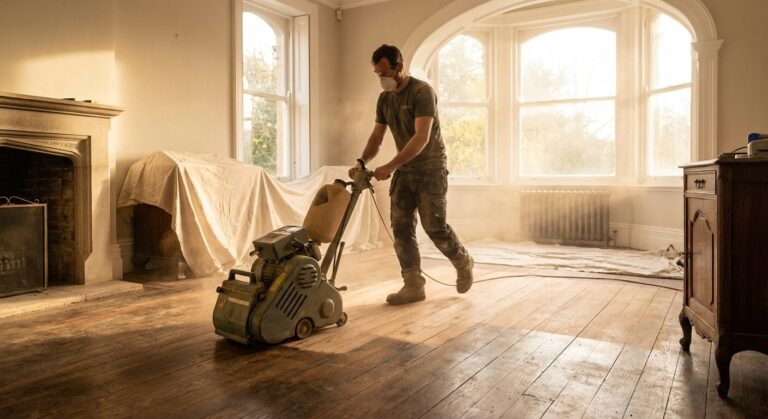
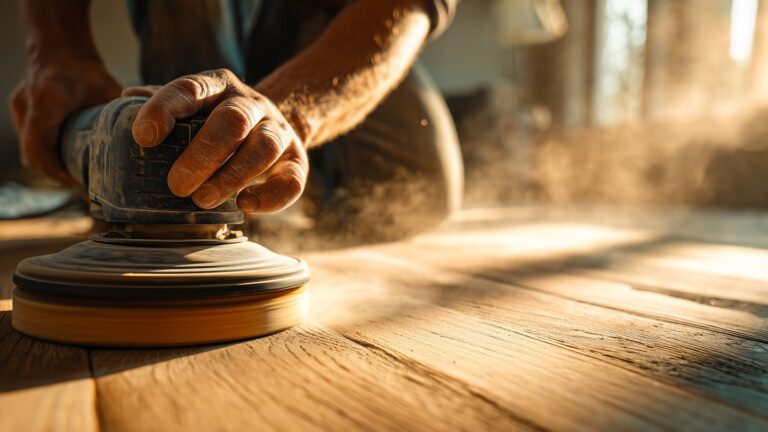
Dust is usually the first worry, especially with children at home or a laptop set up in the box room. The machines are connected to sealed extraction that pulls dust from the drum straight into collection, so the air stays far cleaner than people remember from hire-shop sanders. A child’s bedroom can usually be slept in that same evening, which is the reason the service goes by the name dust-free floor sanding, although a wipe along the picture rail and window ledge afterwards is still wise.
Woodblock Hallways and the Staircase Above Them

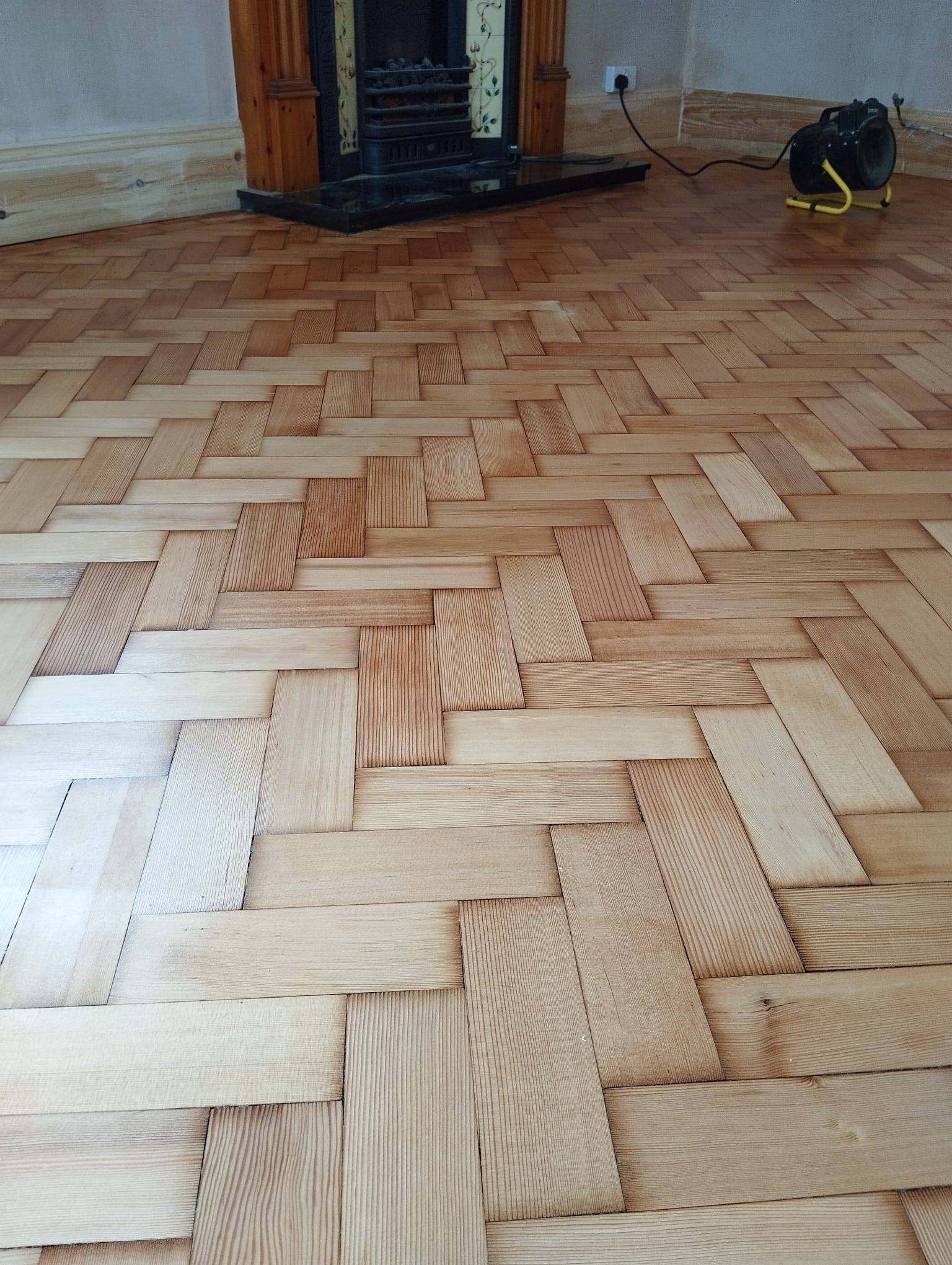
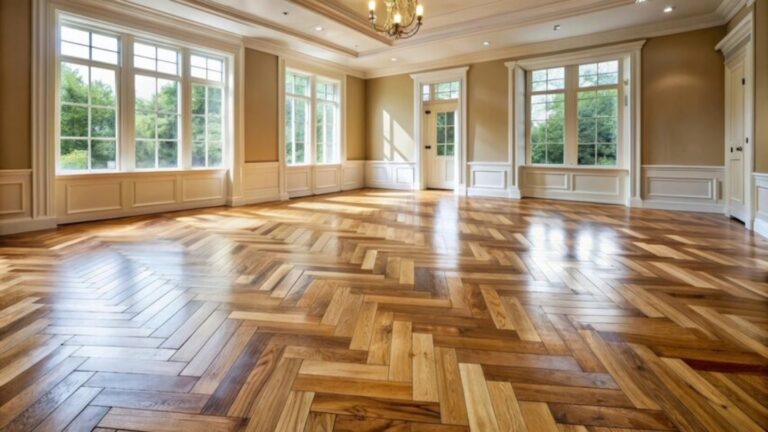
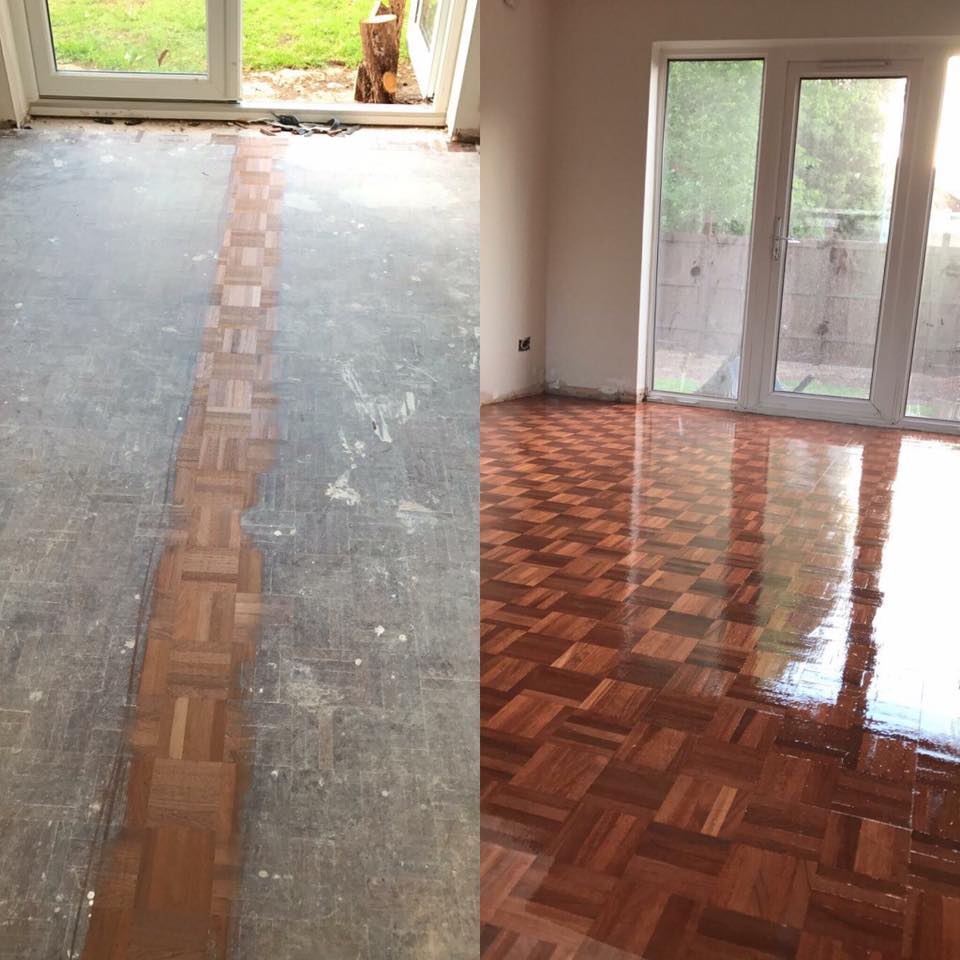
A woodblock hall from the 1930s is usually laid in herringbone or a simple basket pattern of short oak or hardwood blocks, bedded into hot bitumen over a screed. Ninety-odd years later the same three faults keep turning up. Blocks just inside the front door have worn thin from grit and shoes. Some have come loose because the bitumen has dried out and lost its grip, so they rock or tick when stepped on. And at some point a radiator pipe or gas supply has been run through the floor, leaving a patch of blocks cut short and bedded back in filler.

Loose blocks have to be lifted, the dried bitumen scraped off both the block and the screed beneath, and the blocks bonded back down with a modern flooring adhesive. Any missing ones are made up from reclaimed stock, which is covered further down this page. Nothing gets sanded until every block is firm, because a loose block under a drum sander chips, splits or gets thrown out of the floor.

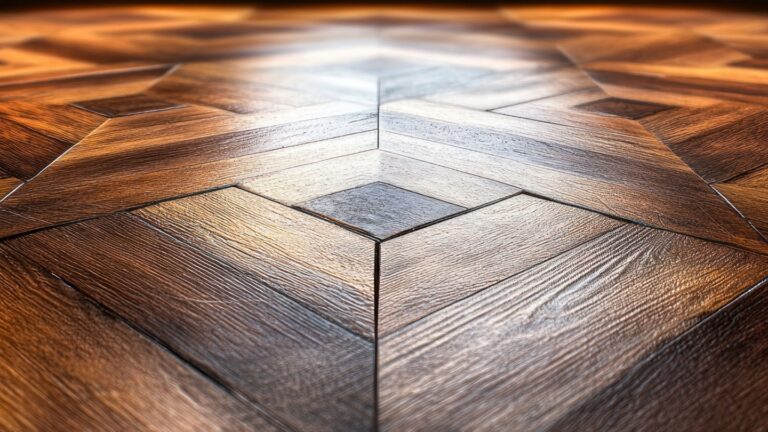
Proper parquet floor sanding never just follows one direction, since the grain changes every few inches. The first cuts usually run diagonally across the pattern to bring it level, the finer grits follow, and a multi-disc machine then takes out the cross-grain scratches a belt sander leaves on alternate blocks. Bitumen that has squeezed up between blocks clogs abrasive in seconds, so it is picked out by hand first rather than sanded through.

Herringbone parquet in a hall rarely sits on its own. In most Keynsham semis the stairs rise straight out of it, and the treads are often in better shape than people expect, having been protected by a runner down the middle with painted or varnished margins either side. Stair sanding is mostly hand and detail work: treads, risers, rounded nosings, and the strings where old gloss crept over the edge. Spindles and handrail can be stripped and finished at the same time so the stair matches the hall instead of looking like an afterthought, and the house only loses its route upstairs once.

parquet wooden floor sanding
wooden floor sanding

Wood Floor Restoration in Keynsham: Deciding What Can Be Saved

Some floors do not need the full treatment at all. Some only want a deep clean, a few repairs and a fresh coat; others have gone past the point where a light approach will hold. A large part of wood floor restoration is deciding which is which and saying so plainly, and that decision is made on site rather than guessed from a phone call.

For wood floor restoration in Keynsham, the first step is a free survey of roughly thirty minutes. On a Keynsham semi that means lifting a corner of carpet or a block near the door to see how deep the wear goes, putting a moisture meter on the hall floor by the front step, walking round outside to see whether the airbricks have vanished behind a later patio or driveway, and judging how well the heating engineer’s old repairs were done. An itemised quotation in writing follows. It is only revised if the floor itself turns out different, for instance if rot shows up under a fitted carpet that could not be lifted during the visit.

Original oak is nearly always worth keeping. Even a well-worn block has years left in it if it is sanded with restraint, and the honey colour oak develops over decades cannot be bought new. Oak floor restoration is about taking off as little as possible to reach a flat, clean surface.

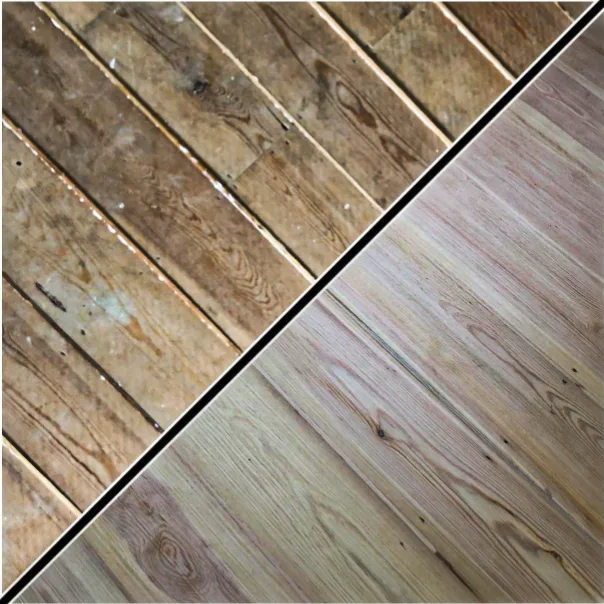
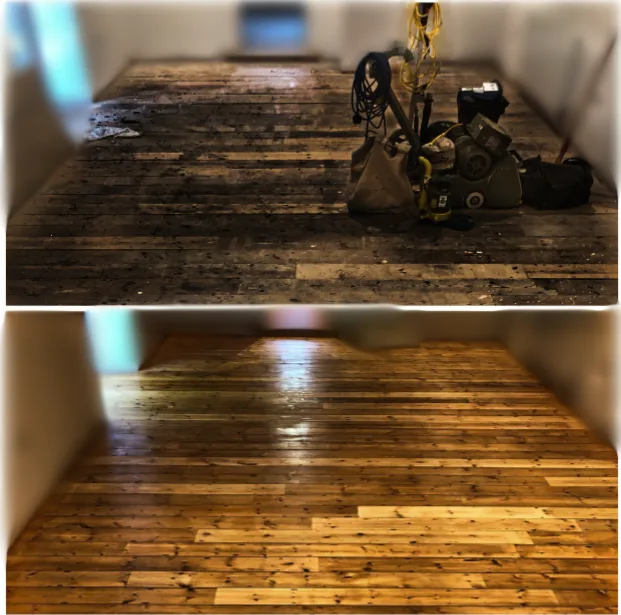
Pine is a different conversation. Upstairs in a 1930s Keynsham semi you will nearly always find softwood boards, put down by builders who expected lino or carpet to hide them. Expect nail holes, splashes of emulsion, the outline of an old lino square and a few gaps. Sanded and sealed, though, they make a warm and honest floor, and pine floor restoration often turns a bedroom that was booked in for new carpet into the nicest room upstairs.

Where wear is patchy rather than deep, a full sand may not be needed at all. A careful polish and recoat can bring back the sheen on a floor that has simply gone dull.

Matching Reclaimed Timber to Older Keynsham Floors

The repairs that are hardest to hide are the ones made with new wood. A fresh pine board beside ninety-year-old pine looks pale and pinkish for years, and a new oak block next to aged oak stands out the moment the finish goes on. That is the reason the workshop keeps a stock of reclaimed timber specifically for matched repairs.

Matching goes well beyond picking the right species. Older boards were cut to imperial sizes, so a floor of five-and-a-half inch boards does not line up with anything sold new today. Thickness counts just as much as width, because a replacement standing a millimetre proud has to be sanded harder than its neighbours, which thins the boards around it. Woodblock brings its own quirks: blocks from different mills vary slightly in length and in the shape of the tongue, so a block that looks right can still refuse to lock into the pattern.

The commonest floorboard replacement we see in Keynsham semis traces back to central heating. When radiators went in, many installers cut boards across the middle instead of over a joist and screwed them down with nothing underneath. Those short ends bounce, split and creak. The cure is to cut back to the nearest joists, add noggins where support is missing and fit matched lengths.

Creaks are not always the board’s fault. Old cut nails loosen as timber shrinks and swells through the seasons, and boards rub against each other or against a pipe clip. Fixing a squeaky floor means tracking down the actual source rather than driving screws in at random.

Gaps get dealt with before sanding as well. Keynsham bedroom floors often have the odd gap you could post a coin through. Those get a tapered pine sliver, glued to one board only, so the pair keep their freedom to shift through the year. Hairline gaps between oak blocks are a different job, filled with a resin binder mixed with dust collected from that same floor. How far the gaps open and close between summer and winter decides which method lasts, so gap filling is never one product for every floor. Scratches, dents and old burn marks are tackled at the same stage through scratch and dent repair, and anything structural sits under general wooden floor repairs.

flooring sanding company
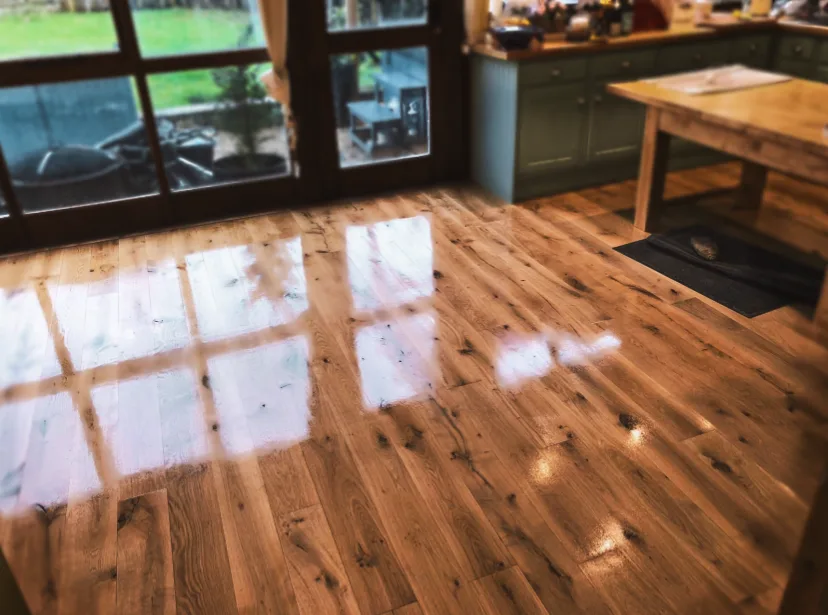
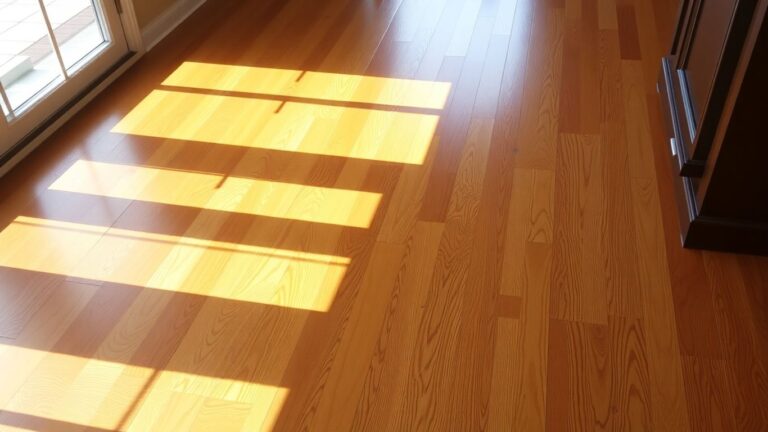
Sunlight across freshly lacquered wooden floorboards

Commercial Floor Sanding for Keynsham Shops, Cafés and Halls

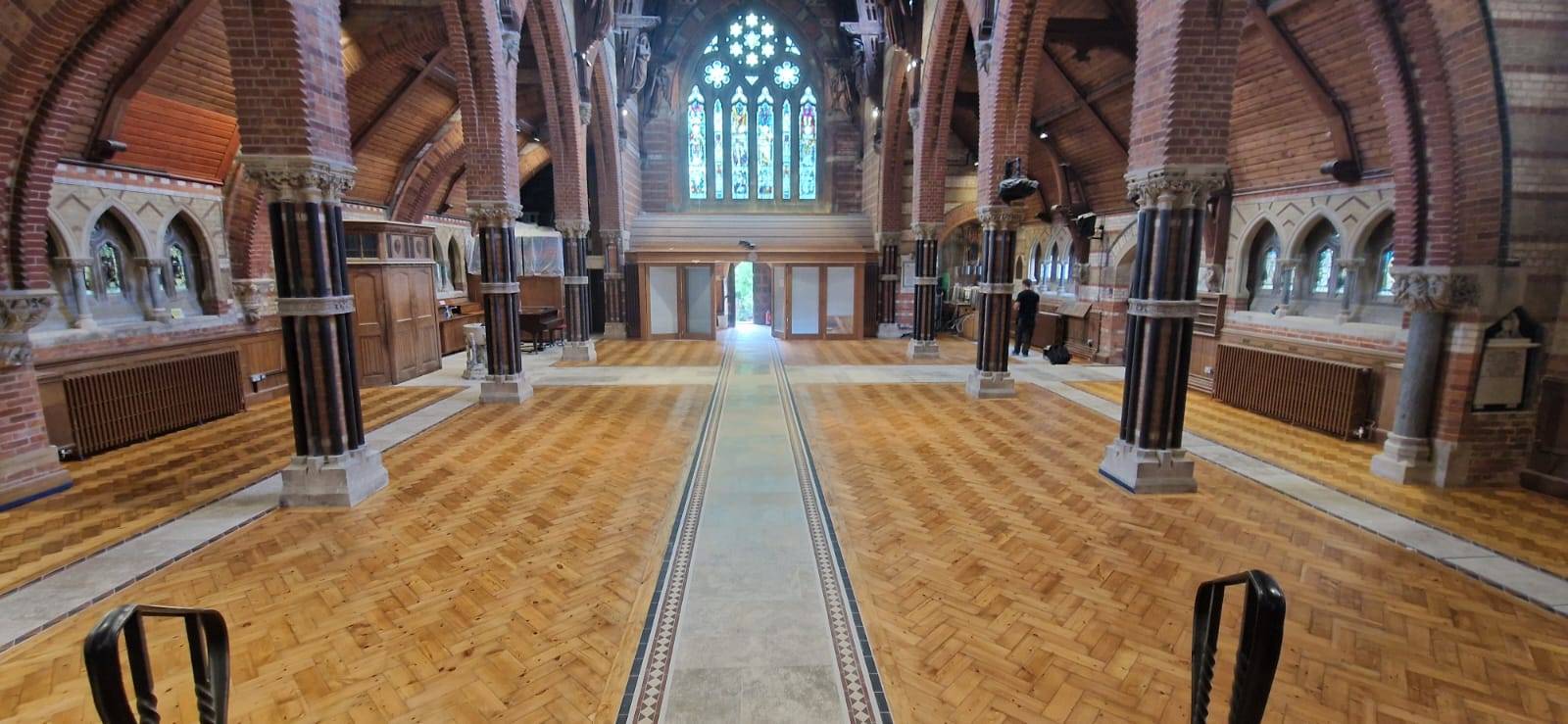
Keynsham’s town centre has cafés, independent shops, pubs, offices and community buildings, and the town has schools and church halls spread across it. A good number of them have wooden floors, and the damage follows the use: scraped chair legs around café tables, pavement grit carried in on wet days and a pale track worn between the entrance and the counter.

We plan commercial floor sanding in Keynsham around keeping the business running. That might mean sanding after the last customer leaves and coating in the small hours, working through a Sunday or Monday closure, or taking a hall during the summer break; commercial finishes harden quickly enough for doors to open again on schedule. Once a slot is agreed it is kept, so a café owner can warn suppliers and staff about the closure weeks ahead. Offices, halls and other trade premises beyond the examples here are covered by our commercial floor sanding service.

Each type of premises has its own weak spots. In a café or bar, restaurant and bar floor sanding focuses on the zone around the counter and the kitchen door, where spilt drinks and strong cleaning products break a finish down fastest. In retail, shop floor sanding concentrates on the entrance and the main aisle, where footfall wears a visible track. A hall used for assemblies, clubs or PE needs slip resistance and sometimes court lines, which falls under school hall floor sanding.

Two-component lacquer is the normal choice for heavy use. It cures much harder than a single-pack domestic finish and stands up to constant traffic and cleaning. Expect a busy café or shop to need a fresh sand after four or five years of trading, against roughly twice that in most homes; a maintenance coat applied before the walkway wears through stretches the gap.

Landlords and facilities teams often ask for documents first. A method statement and proof of insurance can be provided, along with references from previous commercial jobs.

Finishes for a Hall That Takes Muddy Boots and Pushchairs

A hallway is the hardest-working floor in most houses. Wet shoes, pushchair wheels, grit and a dog fresh from the garden all land on the same few square metres. In the hall, choose the finish for wear first and looks second; a front room or bedroom can be finished mainly for appearance.

Lacquer is the tough option. A water-based lacquer keeps oak close to its natural colour and dries without the heavy smell of older solvent products, while an oil-based lacquer deepens the colour and brings out more of the amber in pine and the figure in old oak blocks. Where a pushchair and a dog share the hall, a two-component lacquer earns its place because it cures harder than any single-pack product. These finishes form a film on top of the wood, and floor sealing with the right primer underneath matters on woodblock, because the tannins in oak and the natural oils in some tropical hardwoods can react badly with water-based coats.

Oil works differently, soaking into the fibres instead of forming a skin. A natural oil, or a hard wax oil, gives a softer, lower-sheen look and, more usefully in a hall, can be patched where they wear. Only the scuffed strip between front door and kitchen gets cleaned and topped up, and the rest is left alone. Oiling a wood floor suits families who would rather do a little maintenance often than face a full sand later.

Traditional wax suits some older floors, particularly where the owners want the look the house had originally, but it needs regular attention and marks if water sits on it. Waxed finishes are best kept for rooms that see gentle use.

Colour comes last. Many owners want to calm down the orange that old pine turns under yellowed varnish, or to darken a woodblock floor so that repairs disappear into it. Any stain is tried on a patch of your own floor before the room is coloured, because one stain looks quite different on pine, oak and the assorted hardwoods used for blocks. Staining a herringbone floor takes extra care, since the alternating grain drinks colour unevenly.

Wood floor sanding company
Floor sanding taunton

Living on the Finished Floor, New Wood and How to Get Started

The last coat needs time to harden before the hall goes back to normal. Give it around twenty-four hours before anyone crosses it, and then only in socks. The hall table, shoe rack and lounge furniture can come back between day two and day three; carry them in, and stick felt under their feet before they touch the floor. Rugs are best kept off for a week or two while the finish hardens fully.

Weekly, run the vacuum’s brush head along the hall to pick up road grit off school shoes, then go over it with a mop wrung nearly dry and dipped in a neutral cleaner. Steam mops and harsh detergents do lacquered and oiled floors no favours. A decent mat just inside the front door will protect a woodblock hall more than anything else you can buy for it.

A lacquered floor loses its sheen along the walkways long before it wears through. Catching it at that stage with a buff and maintenance coat can put off a full sand for years. Looked after like that, most domestic floors go eight to ten years between sands, and wood floor refinishing at the right moment keeps the timber thick enough for many more.

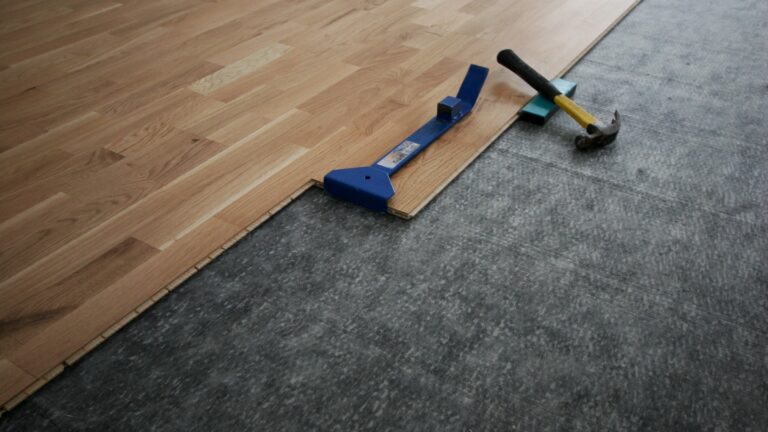
There are also Keynsham rooms with a concrete slab or chipboard underneath and no original timber left to restore. Those homes can still have real timber underfoot. Through wooden floor installation we lay solid or engineered boards ourselves or hand them over for a builder already on the extension, and the Junkers and Bona collections are two of the options.

To start things off, stand in the hall doorway and photograph the whole floor, then crouch down and take a second shot of the most worn or loose blocks. Those two pictures, attached to a short note at info@ryansrestoration.co.uk, tell us most of what we need. Anyone who prefers talking can dial 01823 674562 from Monday to Friday, eight till six, and a Saturday visit can be fixed up if work makes weekdays tricky. That is usually enough to give a first view and set up the free survey. If you prefer, use the form on our contact page. We also cover nearby towns, including floor sanding in Midsomer Norton.

Keynsham Floor Sanding Questions Answered

In most cases, yes. Any block that rocks is prised out. Its back and the patch of screed it sat on are scraped free of brittle black bitumen, and it is then glued down again with a modern adhesive. Empty spaces are filled with salvaged blocks picked to suit the length, depth and tone of their neighbours. That work happens before sanding starts, because a loose block under the machine tends to chip or break, and a missing one leaves an edge that the drum catches.

New pine beside ninety-year-old pine looks pale for a long time, which is why repairs are made from salvaged boards of the right width and thickness wherever possible. Sanding and finishing the whole room together then evens out the surface. Occasionally a board stays a shade lighter for a while, and if that is likely on your floor it should be clear from the survey.

Usually it makes sense. In most Keynsham semis the stairs rise straight out of the hall, so freshly sanded blocks beside worn, carpet-marked treads look odd. Doing both together gives one colour and one finish and means the stairs are out of use only once. If the tread edges have old gloss paint, its condition is checked before any sanding starts.

For a semi with a woodblock hall and a through-lounge, allow one to three days of work depending on how many repairs are needed and which finish you choose. You can usually cross the floor in socks the following day and bring furniture back in after two or three days, with rugs kept off a little longer.

If there is enough timber left above the tongue, restoring the original is nearly always the better option. Old oak and pine have a colour and character that new boards take decades to develop. Replacement only makes sense where boards are rotten, split beyond repair or worn too thin, and even then it can often be limited to a few boards rather than the whole room.

Yes. Commercial floor sanding is often scheduled for hours when your doors are shut anyway, such as overnight or a weekly closing day, and quick-curing coatings mean customers can walk on it when you reopen. Dates are agreed well ahead so staff rotas and deliveries can be planned around them, and a method statement and insurance details are available if your landlord asks.

Much less than a hire-shop experience might suggest. The sanders are linked to sealed extraction, so most of the dust goes straight from the drum into collection rather than into the room. With the doors closed, other rooms stay largely clean. No sanding is ever completely dust-free, though, so a quick wipe of skirting boards and sills afterwards is sensible.

Photographs give a useful first view, but a firm quotation needs a visit. The free survey takes around half an hour and covers timber thickness, moisture, ventilation and any earlier repairs. A written quotation, set out line by line, comes afterwards. It is only revised if lifting carpet or blocks exposes something the visit could not reveal, such as hidden rot.