Floor Sanding Lostwithiel

Floor Sanding and Wood Floor Restoration in Lostwithiel, Cornwall

QUICK QUOTATION

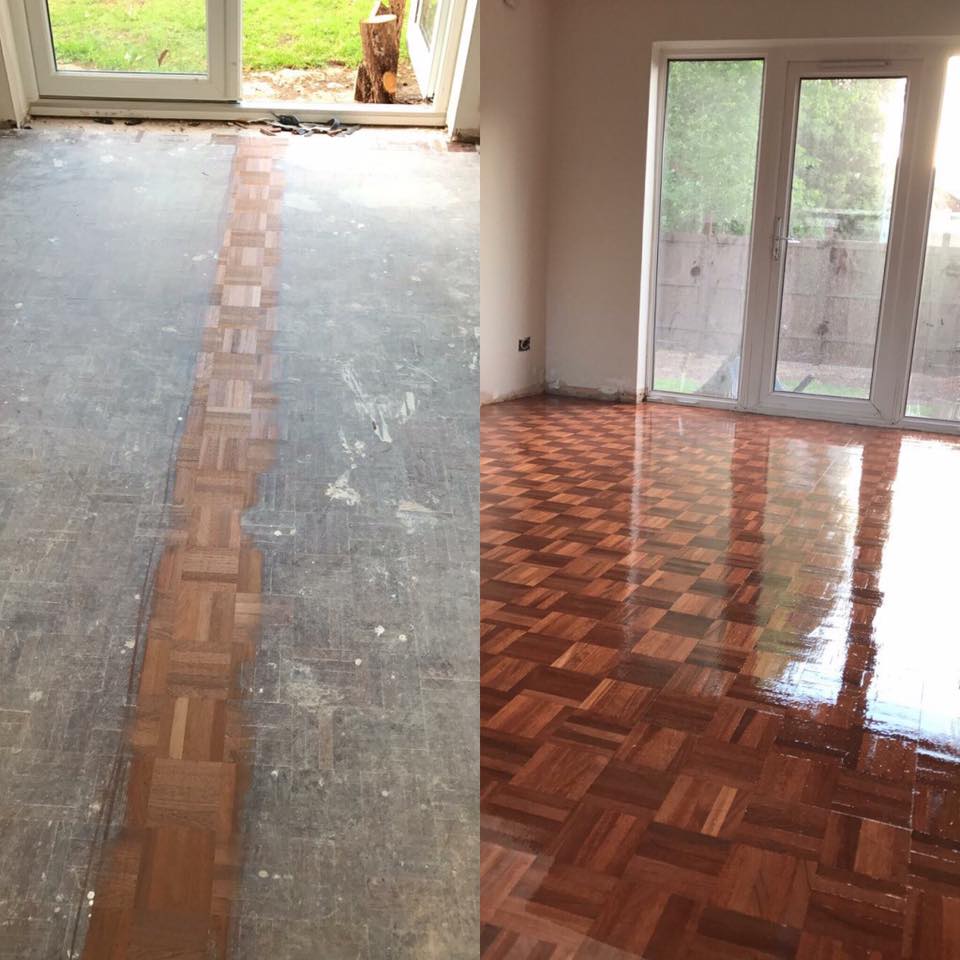
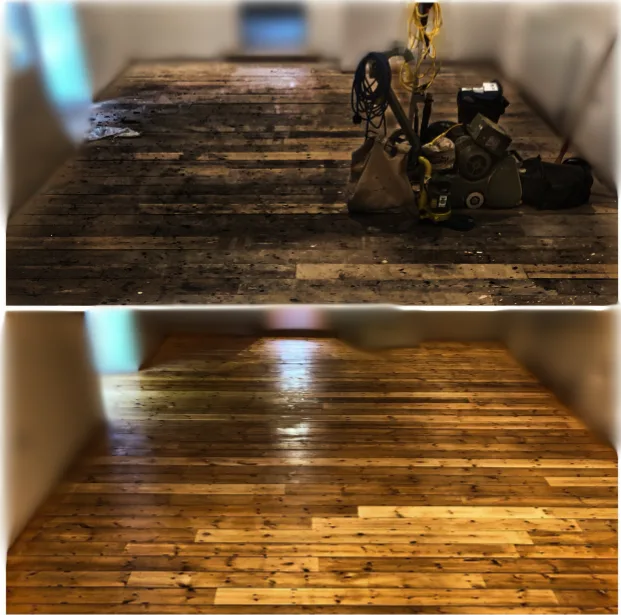
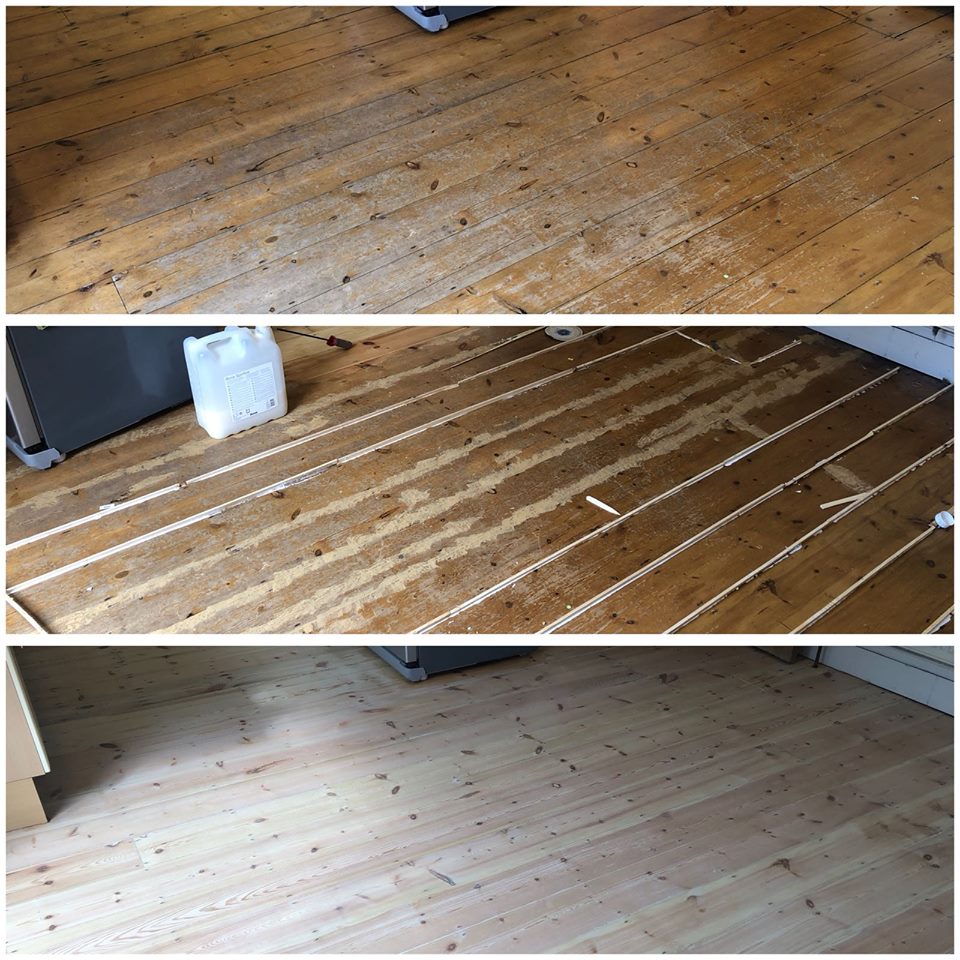
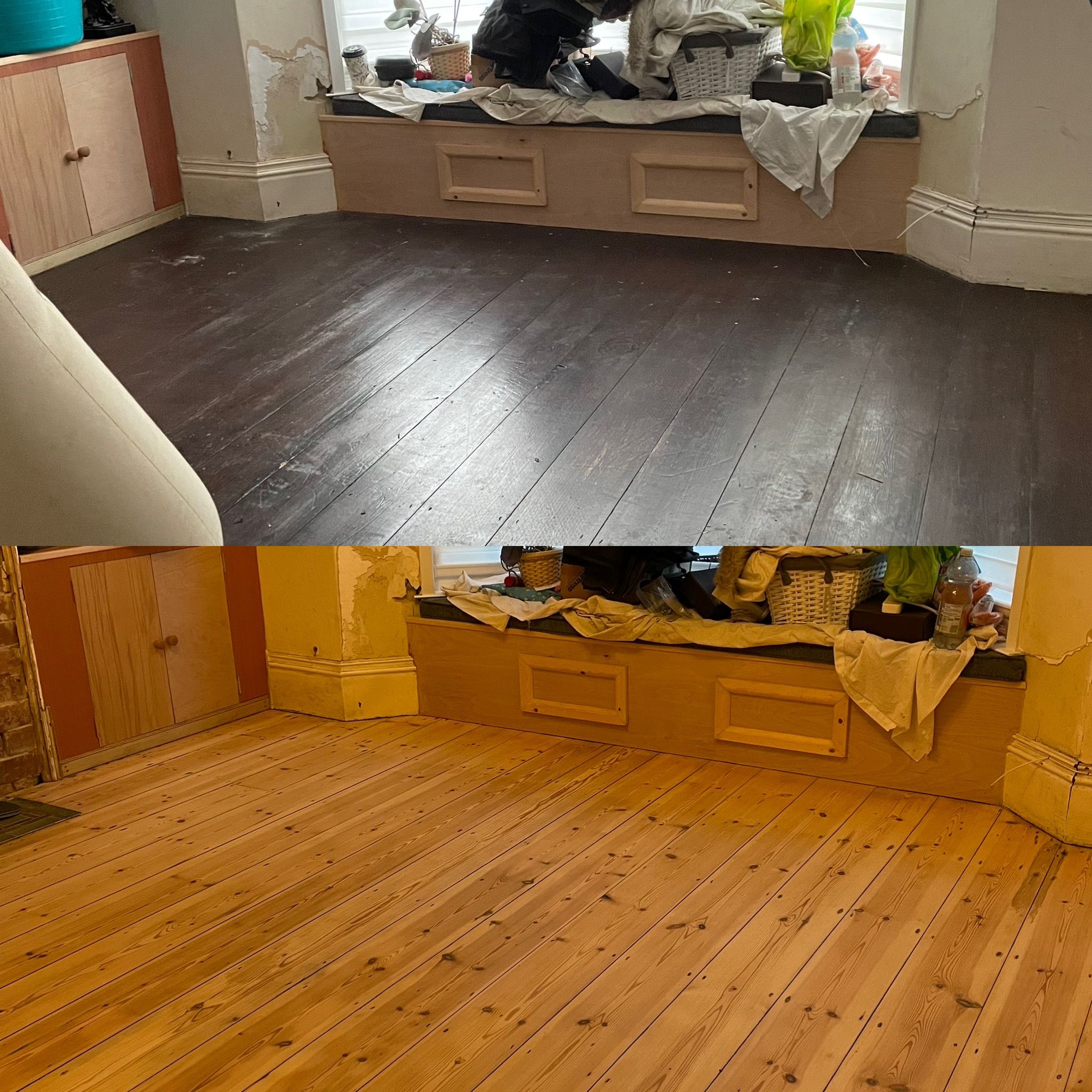
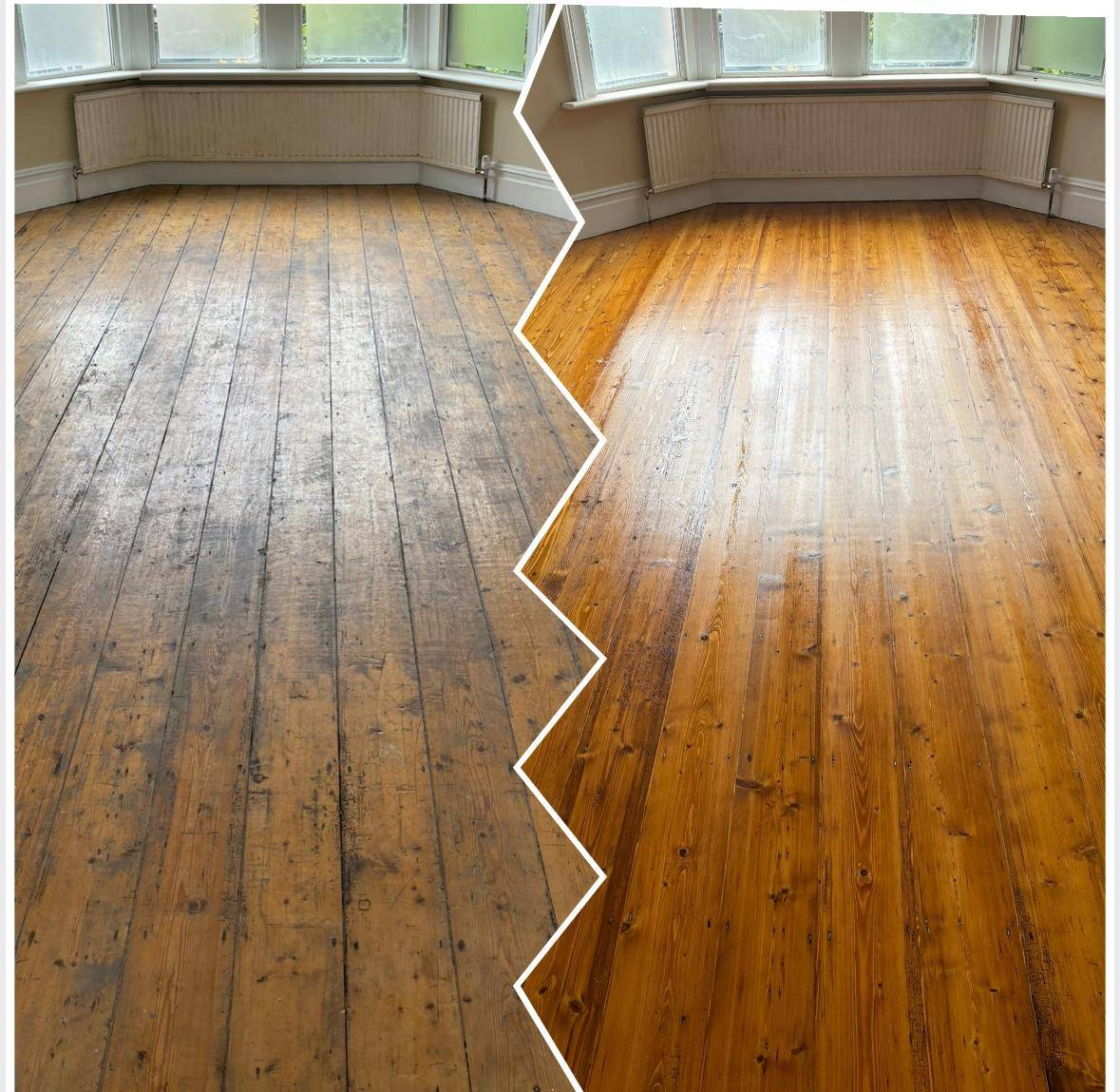
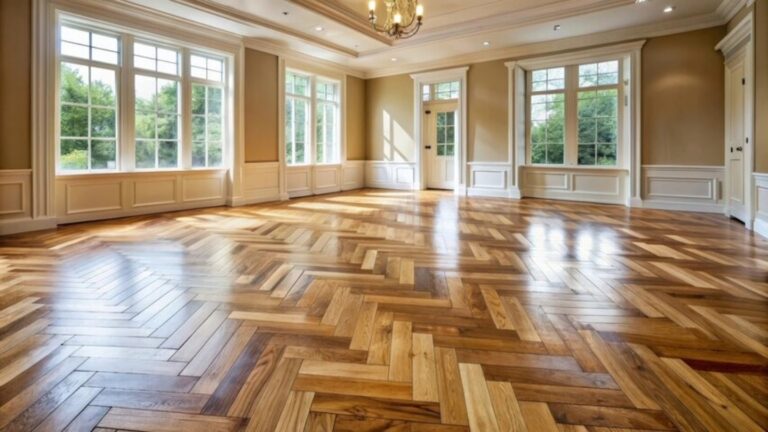
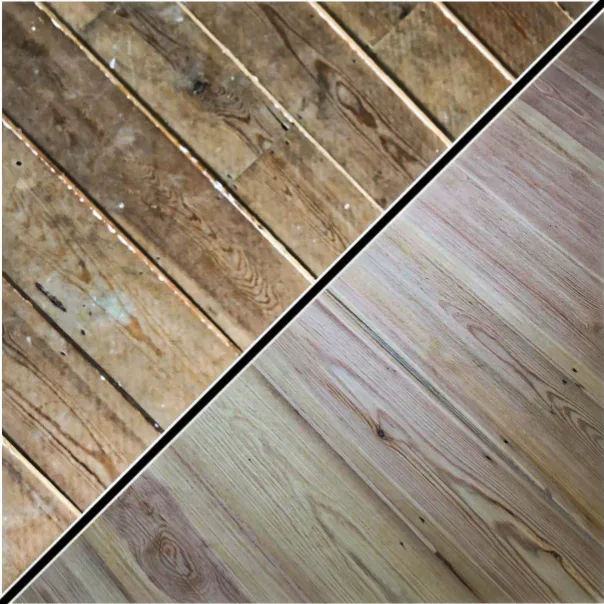
Floor sanding before and after

Floor Sanding in Lostwithiel and the Fowey Valley

Lostwithiel was once the capital of Cornwall and the stannary town for the tin trade, and for a place of its size it has an extraordinary concentration of old buildings. The medieval bridge, the Duchy Palace, the church with its unusual spire, and streets of Georgian frontages grafted onto much older frames.

The town has become known for antiques, which suits it, and there is a good deal of period property in and around it, plus the Fowey valley villages and the country around Restormel and Lanhydrock.

We cover Lostwithiel, Lerryn, St Winnow, Bodmin, Sweetshouse, Boconnoc, Couch’s Mill, Bocaddon, Luxulyan and Lanlivery, plus Fowey, St Austell and Liskeard.

Listed Buildings and Historic Floors

A very high proportion of central Lostwithiel is listed or sits in the conservation area. Refinishing an existing floor is generally acceptable, but lifting boards, replacing timber, altering levels or changing the character of a historic surface can need listed building consent from Cornwall Council.

With buildings of this age it is worth a call before anything starts, and we are happy to speak to your conservation officer.

Our default on historic timber is minimum removal. Finer grits, more passes, and no attempt to flatten out centuries of settlement. Wear in an old floor is character rather than damage, and once it is sanded away there is no putting it back.

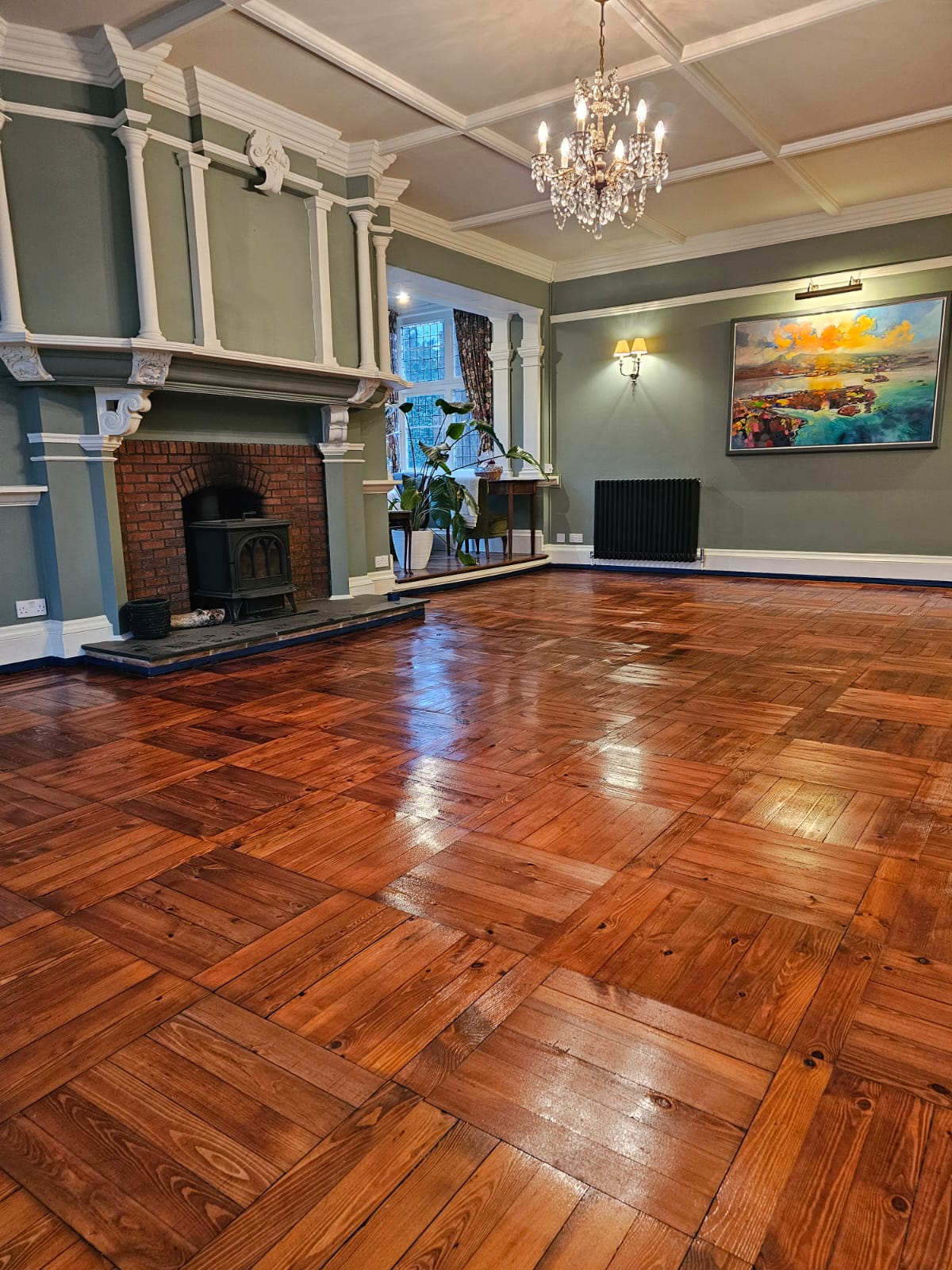
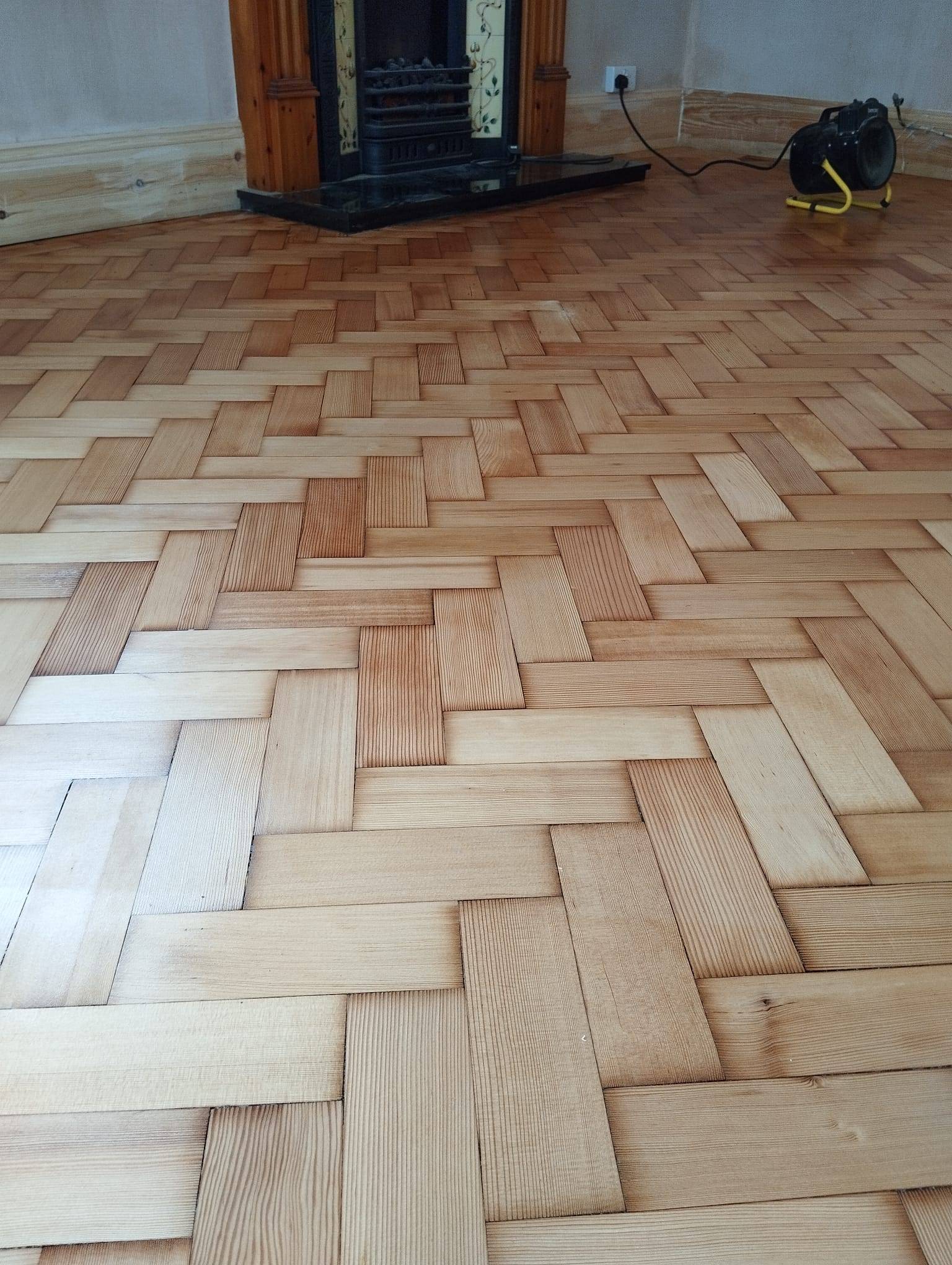
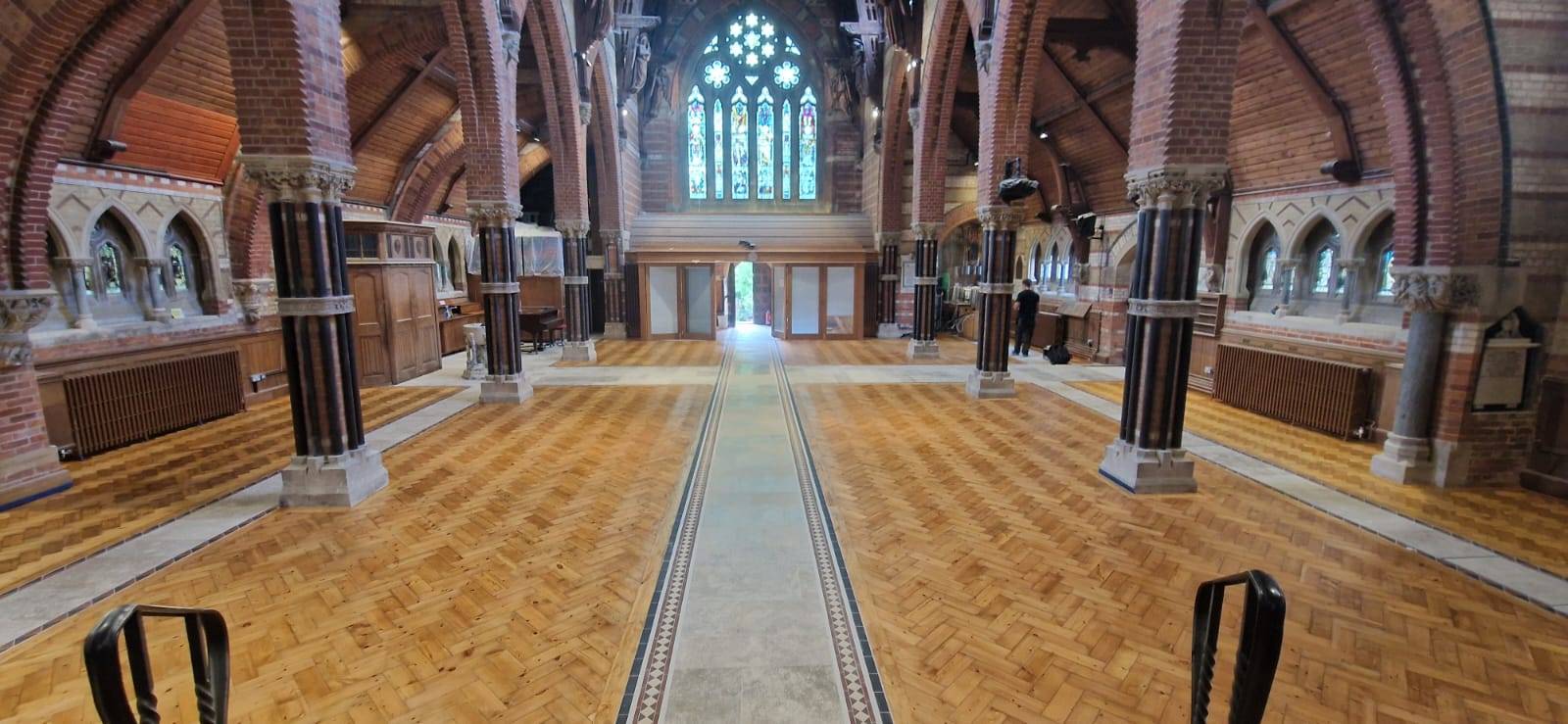
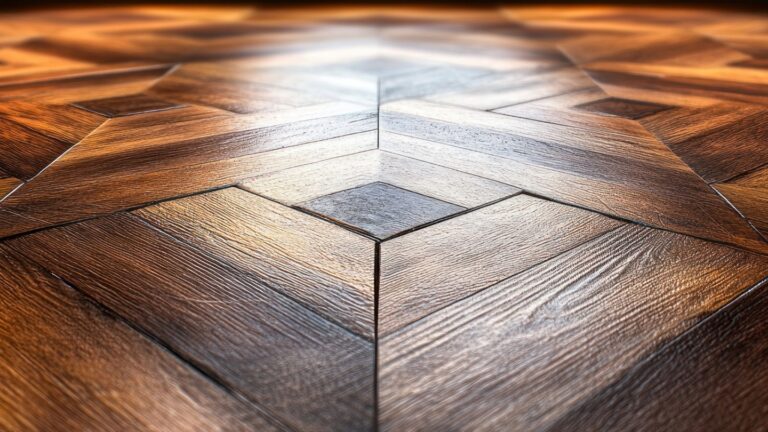
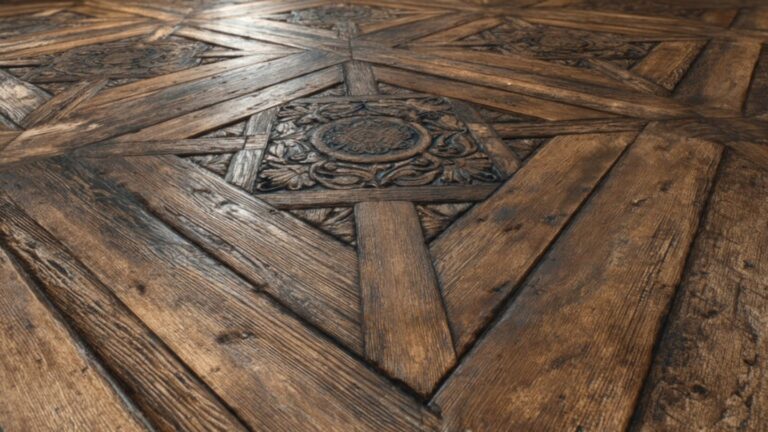
parquet wooden floor sanding
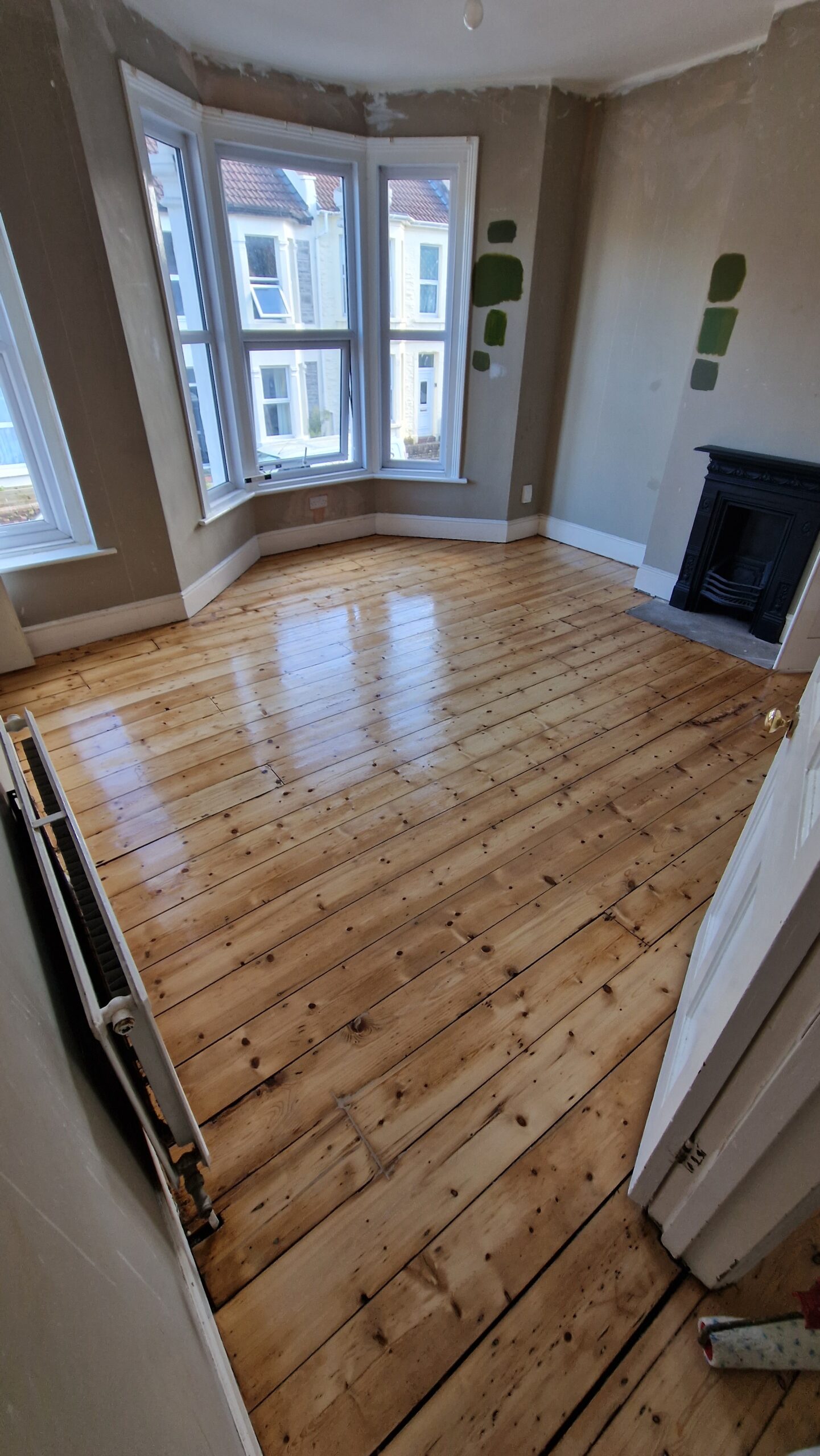
wooden floor sanding

River Valley Damp and Ventilation

Lostwithiel sits at the tidal limit of the Fowey on low ground, and the town has flooded more than once. Humidity stays high and sub-floor damp is a regular finding in the older property near the river and the bridge.

The symptoms are consistent: cupped boards near external walls, blown or milky finishes in the same band, and occasionally soft timber where a joist end bears into damp masonry.

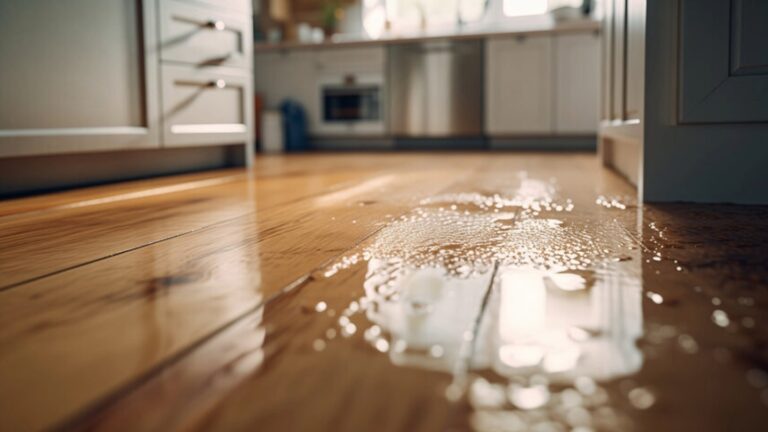
The cause is usually ventilation rather than a leak, but in properties that have actually flooded it is different and needs a different conversation. A floor that has been submerged needs proper drying and often replacement rather than sanding, and we will tell you honestly which you are dealing with. We take moisture readings before quoting either way.

Dust-Free Sanding in an Old Building

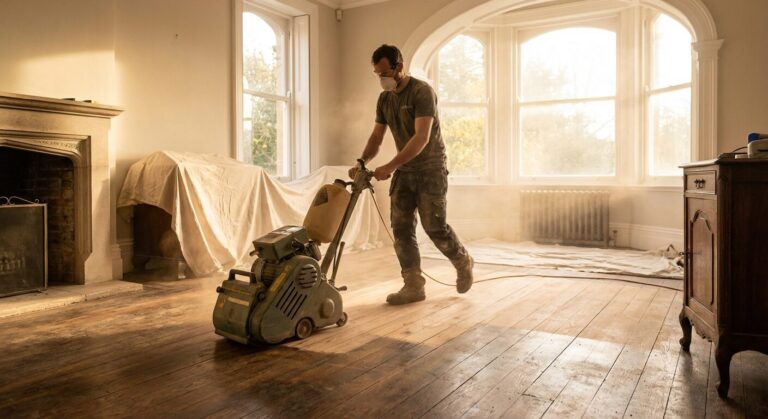
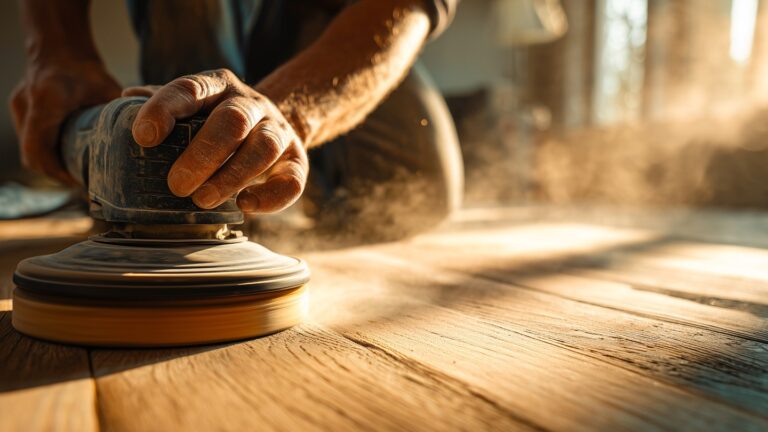
Our machines run to industrial extraction rather than the cloth bags fitted to hire equipment, capturing the great majority of dust as it is created.

In a medieval or Georgian building with lime plaster, exposed beams and a tight stair that is not optional. Fine dust settles into every joint and lime plaster does not take kindly to being scrubbed.

We sheet doorways, protect what stays in the room and clean as we go. Access in the old streets can be awkward, so tell us at survey where we can park and unload and we will plan the day around it.

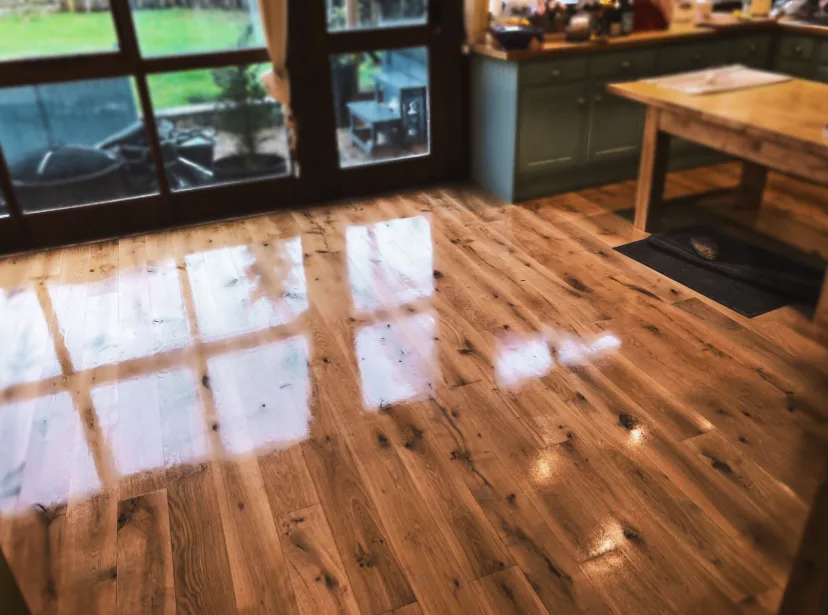
flooring sanding company

Commercial and Antiques Trade Floors

Lostwithiel has an unusually strong independent retail and antiques scene for its size, and shop floors take a hammering from footfall and furniture being moved.

We work for shops, galleries, antique centres, pubs, restaurants, cafes and hotels in the town, plus church and village halls, schools, nurseries, gyms, dance studios and sports halls across mid Cornwall.

Retail and hospitality work is done overnight, on closed days or during quiet weeks with fast-cure sealers so you lose one session rather than several. Village halls we normally complete inside a single closed week, and school floors go into holiday windows booked a term or more ahead.

Finishes and Colour

Hardwax oil is almost always our recommendation in old Lostwithiel property. It penetrates the timber rather than forming a plastic film, which is right in a building where everything else breathes, and it can be repaired locally rather than by redoing a whole room.

For shops, galleries and rentals a two-pack water-based lacquer is harder and cures faster, and it does not amber with age.

Very old oak and elm take colour unpredictably, especially where generations of wax and polish have soaked in. We lay trial patches on your own floor and leave them a full day. Finding blotching on a test patch is far better than finding it across a whole room.

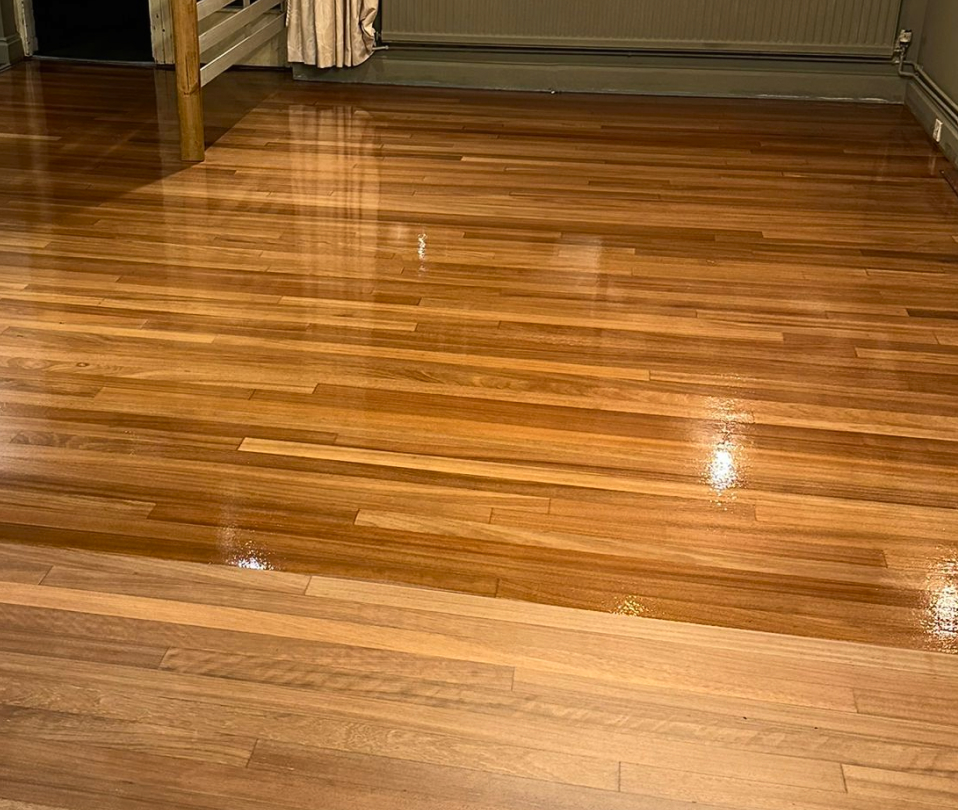
Wood floor sanding company
Floor sanding taunton

Costs, Timings and Booking

Sanding and sealing in Lostwithiel generally runs twenty-five to forty pounds a square metre. Parquet is higher. Stairs are priced per tread, and gap filling, board replacement and repairs are quoted line by line.

The survey is free and takes about half an hour. We measure the remaining timber, take moisture readings, look at ventilation and access and tell you what the floor genuinely needs, including when the answer is to leave it alone.

Ring 01823 674562 or use the contact form. A wide photograph of the room and a close one of the worst area will usually get you a realistic range before anyone travels.

Nearby areas we also cover: Bodmin, Fowey, Liskeard and St Austell. There is a page for each, and the full list of towns is on our areas we cover page.

FAQ: Floor Sanding in Lostwithiel

Lostwithiel, Lerryn, St Winnow, Bodmin, Sweetshouse, Boconnoc, Couch’s Mill, Bocaddon, Luxulyan and Lanlivery, plus Fowey, St Austell and Liskeard.

Refinishing an existing floor is normally acceptable, but lifting, replacing or altering historic timber can need listed building consent from Cornwall Council. With Lostwithiel buildings, always ask first.

It depends. A floor that has been submerged needs proper drying and often replacement rather than sanding. We take readings and tell you honestly which situation you are in.

Generally twenty-five to forty pounds a square metre for sanding and sealing, higher for parquet. Stairs are per tread and repairs quoted separately. Survey and quote are free.

Not if it is done carefully. We measure the remaining timber, use finer grits and more passes, and take off the minimum needed to get a sound surface.

We use industrial extraction which captures the great majority of dust at the machine. In a lime-plastered building with exposed beams that makes an enormous difference.

A single room is about two days and a full downstairs three to four. Oil wants a day before light use and a week before rugs. Lacquer is quicker.

Yes. We work overnight, on closed days or in quiet trading weeks and use fast-cure sealers, so you generally lose one session rather than several days.

Yes, and in historic property we strongly prefer timber slivers to resin, because these boards still move a good deal seasonally and slivers move with them.

Yes. Shops, galleries, antique centres, pubs, restaurants, cafes, hotels, halls, churches, schools, nurseries, gyms, dance studios and sports halls including line marking.

Ryan's Restoration
4.9
Based on 114 reviews
×
js_loader