45 years’ experience  ·  Rated 4.9 on Google  ·  Family-run, from our workshop near Wellington

45 years’ experience · Rated 4.9 on Google · Family-run

Floor Sanding and Wood Floor Restoration in Perranporth

Perranporth floors scoured by surf-beach sand, sanded and refinished between bookings so holiday lets, apartments and beach businesses lose as few nights as possible.

QUICK QUOTATION

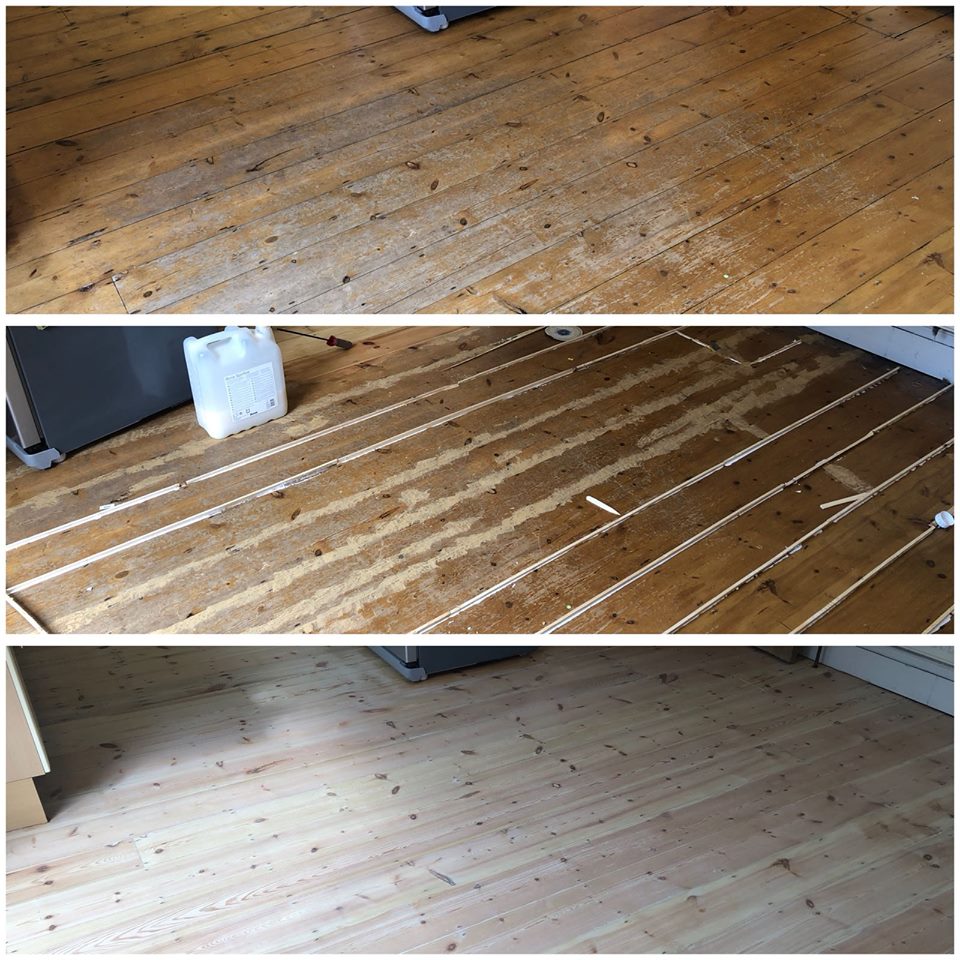
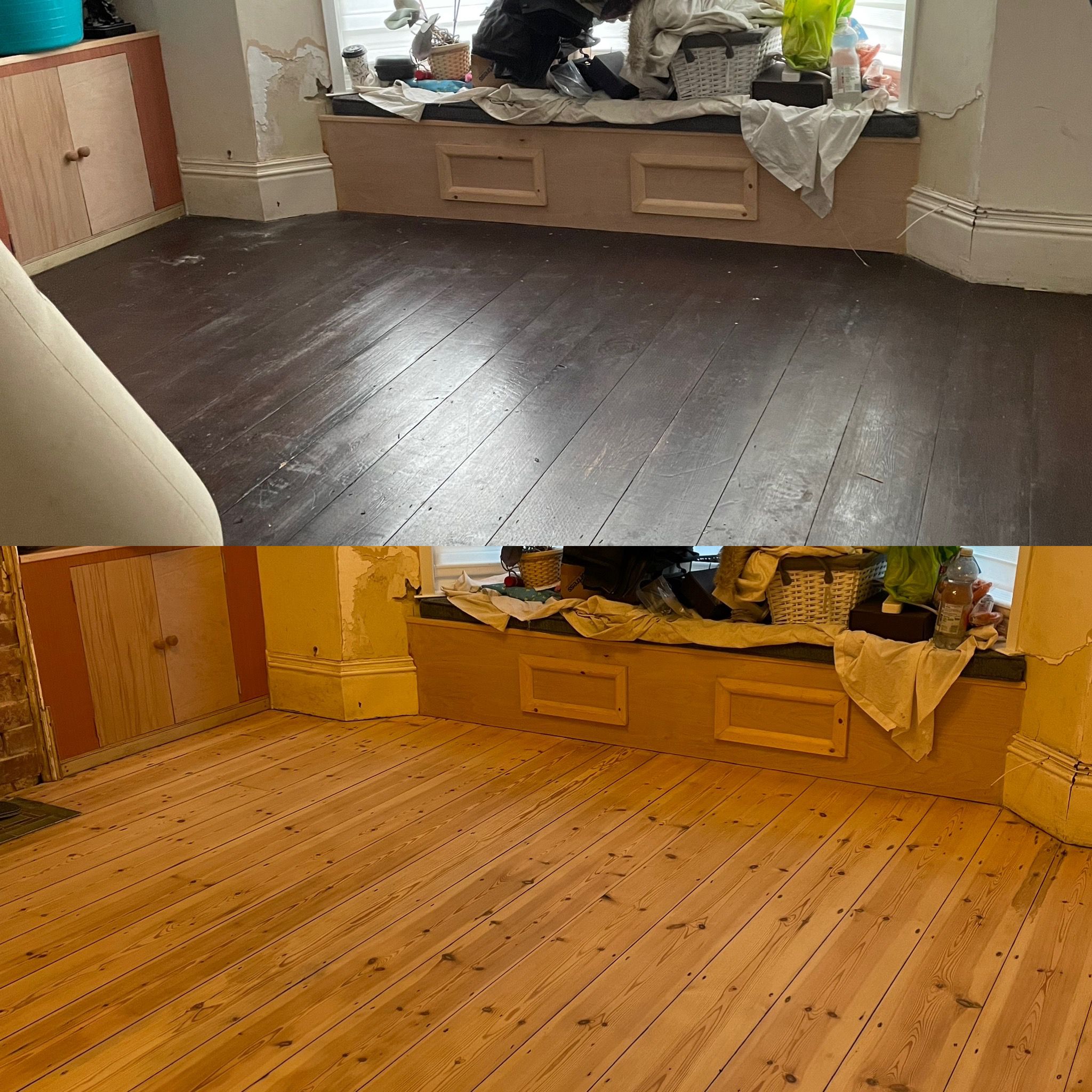
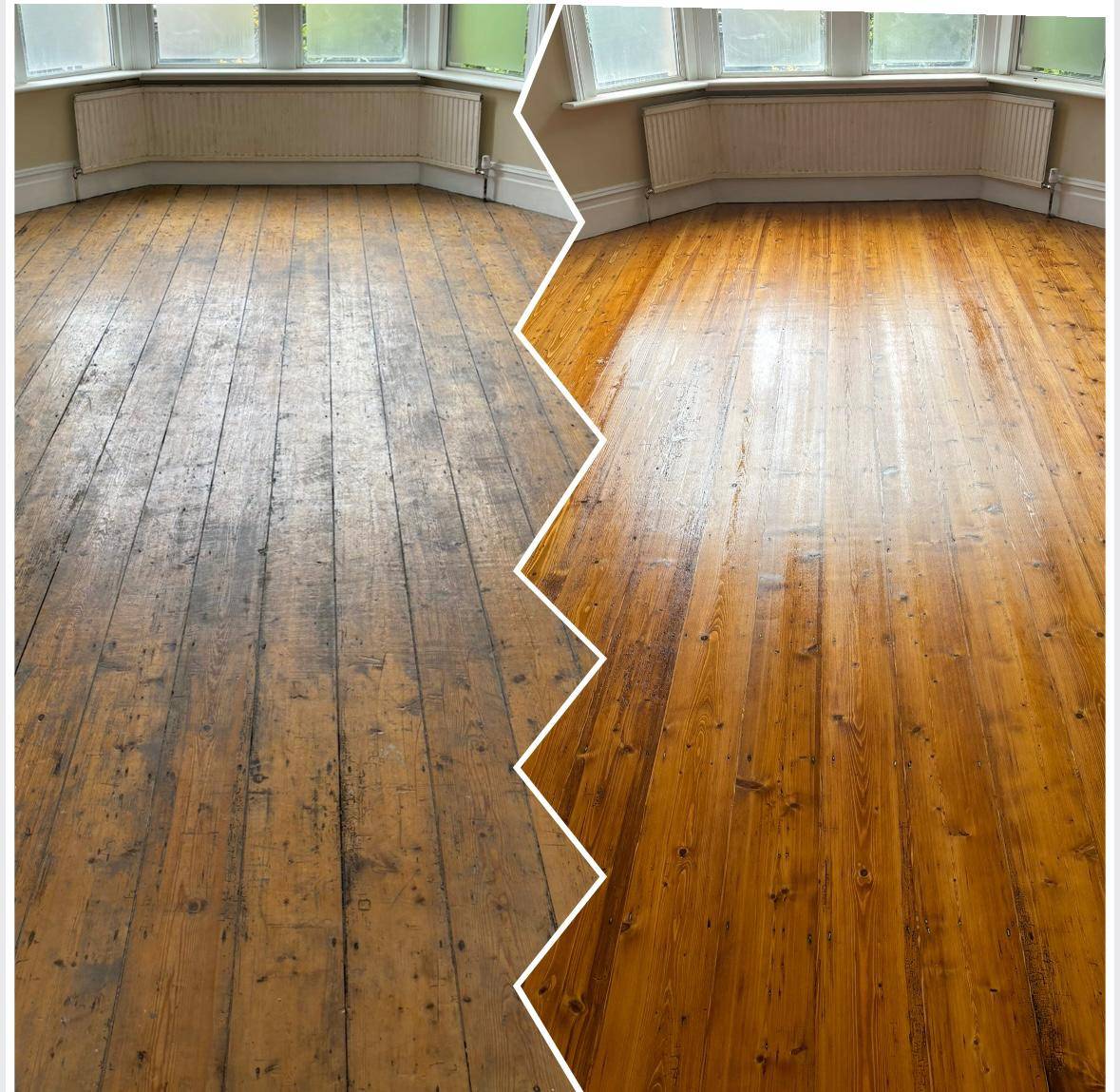
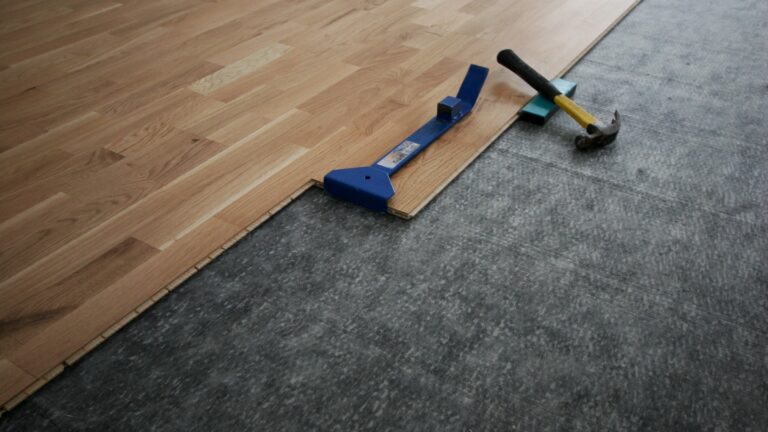
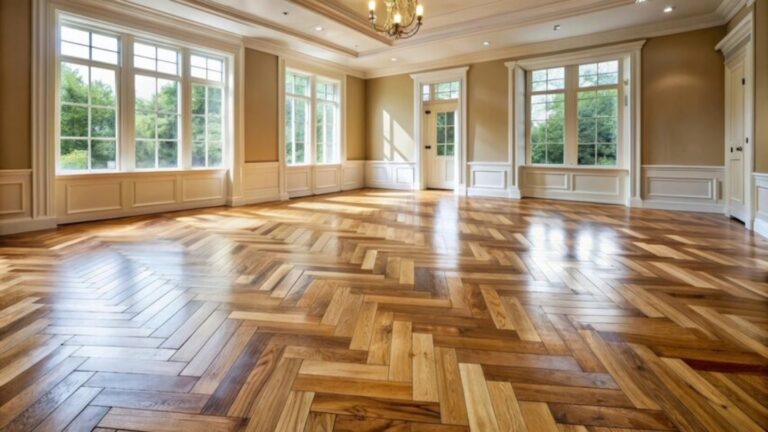
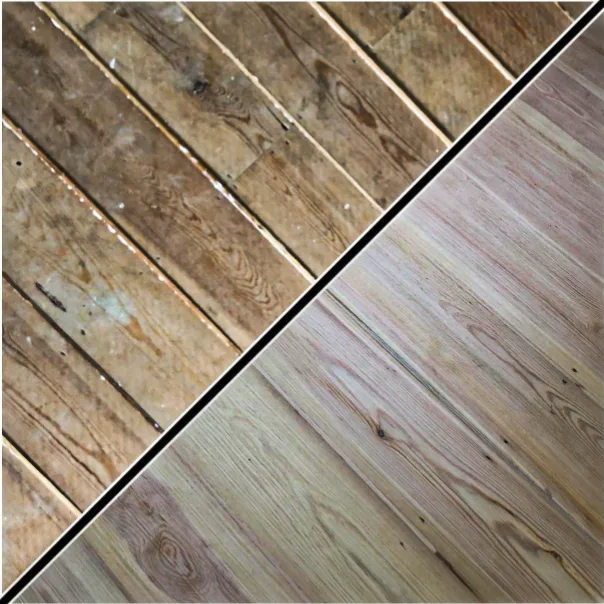
Floor sanding before and after

Floor Sanding in Perranporth Starts With the Booking Calendar

In most towns, the first question about a floor is what state it is in. In Perranporth, the first question is usually when it can be done. Many of the floors behind the dunes belong to cottages, flats and second homes let out week by week from Easter into the autumn half-term, and every unbooked night matters to the owner. The floor might be badly worn, but if the next family arrives on Saturday afternoon, the work has to fit around that arrival or wait for a longer gap.

So floor sanding in Perranporth often starts with the owner or the letting agent and a list of dates. From there, the job is planned backwards. How many rooms? Which floors are pine boards, which are engineered oak, and which are something else entirely? How long will the chosen finish need before beds, sofas and luggage can go back in? Is there a cleaner booked for the morning of arrival, and do they need the floor to be walkable by then?

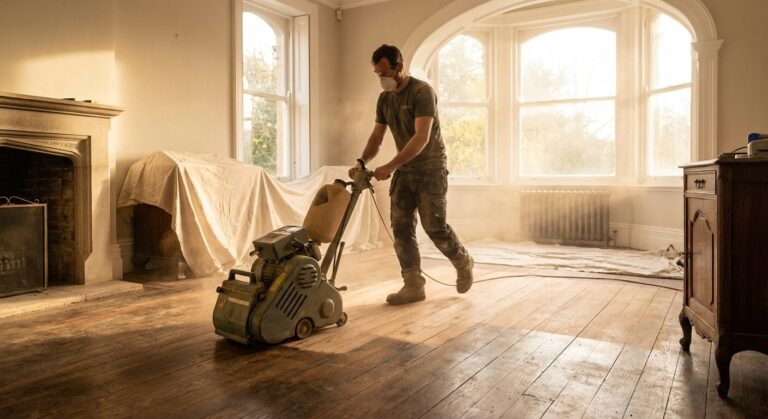
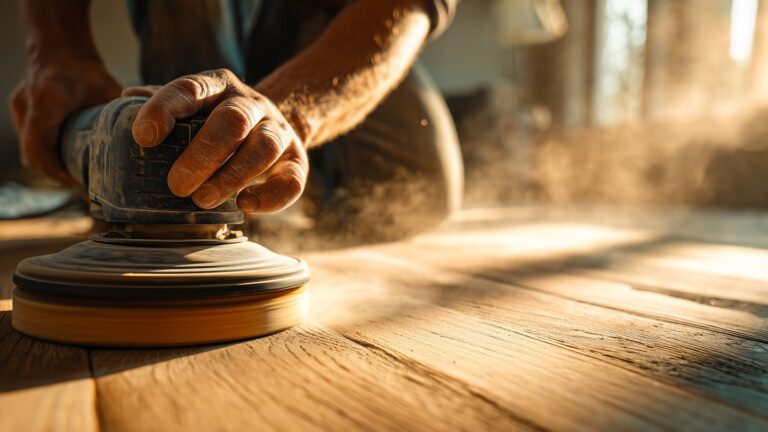
The practical side of sanding is the same as anywhere. Rugs and furniture come out, old carpet tacks and staples are pulled, any proud nails are punched down, and the drum sander works through its grits from coarse to fine, with an edging machine and hand scrapers following round skirtings and into corners. The details of that sequence are on our wood floor sanding page. Dust is drawn off by sealed extraction as the machines work, which matters in a rental where soft furnishings, mattresses and curtains all stay in the building; the dust-extracted sanding page says plainly how much that system catches and what is worth covering anyway.

The survey visit is where the timetable is tested against reality. We measure what we can of the boards, check moisture near the outside walls and around any outdoor shower or boot room, and look at the damage. A floor that only needs a light refresh can be done in a short changeover. One that needs repairs, gap filling, a stain trial or a full sanding back to bare wood needs a longer window, and it is much better to know that months ahead than on the Friday before a booking.
Wood Floor Restoration in Perranporth: A Changeover Week, Day by Day

It helps to see how a job like this might run. Picture a two-storey holiday house with a pine-boarded living room, an engineered oak kitchen and an open-tread staircase, all looking tired after a summer of guests. The owner has blocked out a week in early spring, the survey has been done, and the repairs have been agreed. Here is one realistic shape for wood floor restoration in Perranporth across that week, though no two houses run to exactly the same timetable.

The first morning starts with empty rooms: rugs, lamps, beds and sofas out of the way before the machines come in. Loose boards in the living room are screwed down, the creak at the foot of the stairs is traced to a nail rubbing in a joist and silenced, and the board that a plumber sawed through years ago is swapped for a length of old pine from our reclaimed stock. By lunchtime the drum is running on the coarse grit, and by the end of the day the living room has gone through its full sequence, with the edges scraped and sanded by hand.

Day two belongs to the kitchen and the stairs. The engineered oak was measured at the survey and has a sensible depth of hardwood, so it gets a careful, light-handed sanding that takes no more than it must. The stairs are slower: every tread done by hand and with small sanders, nosings eased round with a block. Gaps in the pine are filled once the room is clean. If the owner has asked for a darker tone, a stain sample goes down on a hidden board and is left to dry overnight before anyone commits to it.

On day three the floors are vacuumed, wiped and coated, with further coats following as each one dries. In most houses that is the end of our time on site, which is why a typical home falls inside one to three working days.

Then the house is left alone. Around a day after the last coat, the floors will take socks. The bunk beds, the corner sofa and the dining table go back after a further day or two. Rugs and the doormat are best left out for about a week. In this example the owner has the floors ready for a cleaner on day six and guests on day seven, with nothing rushed.

A single living room in fair condition can sit inside a much shorter changeover. A whole house with repairs usually wants the longer gap. Beyond holiday lets, wood floor restoration sets out the whole service, and older deal and pine boards get their own page under pine floor restoration.

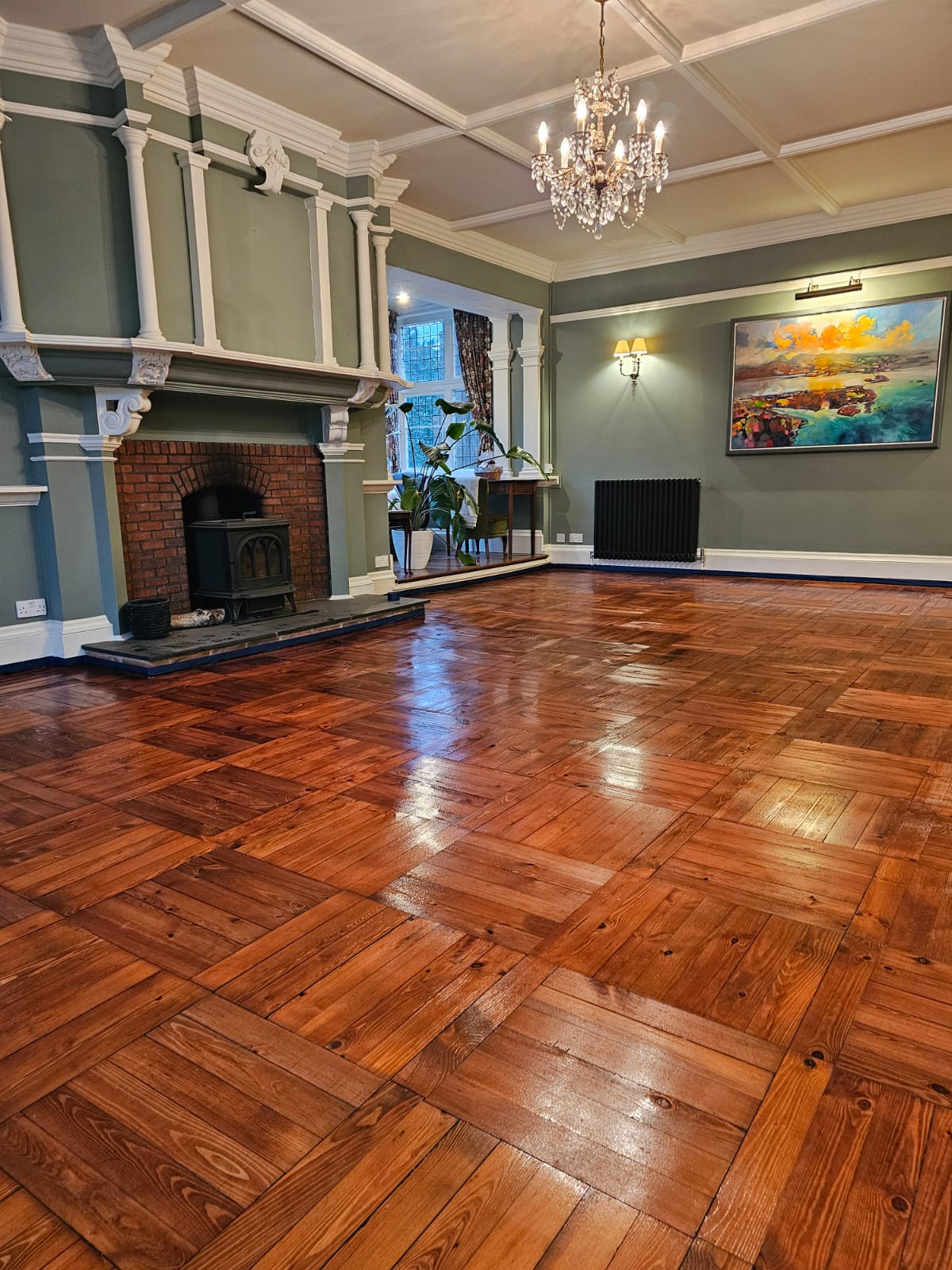
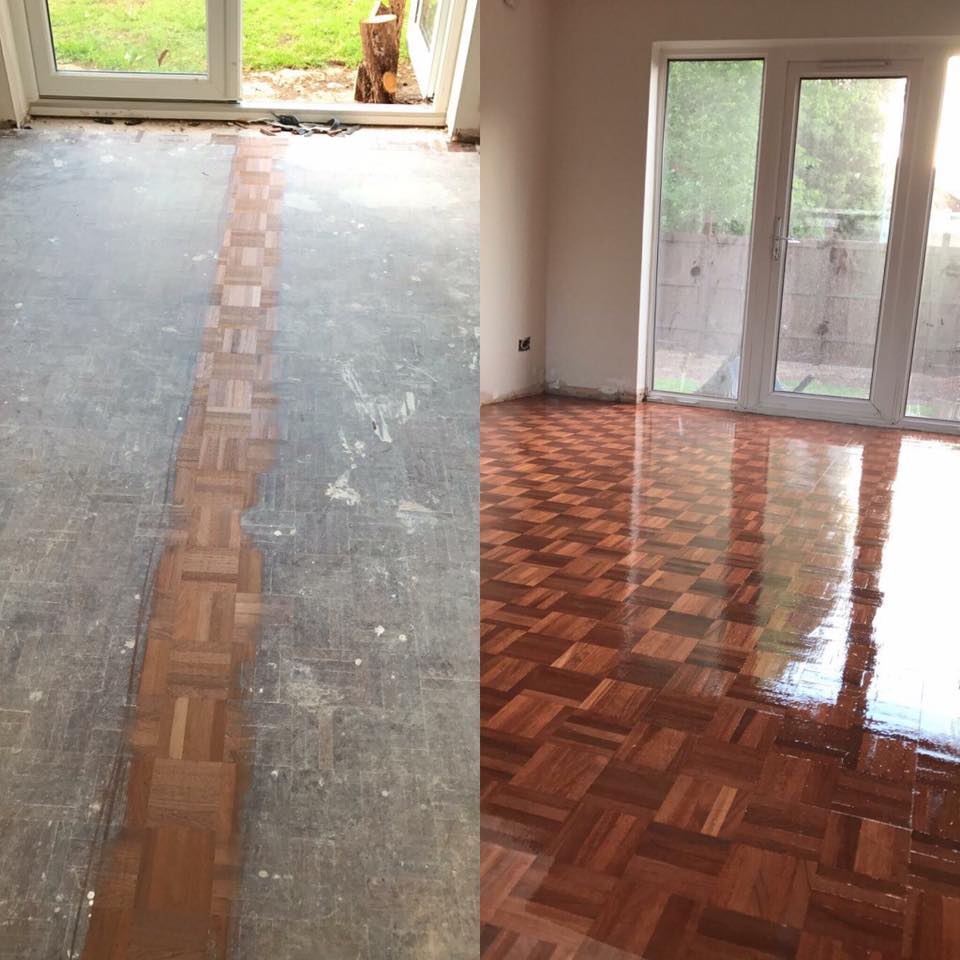
parquet wooden floor sanding
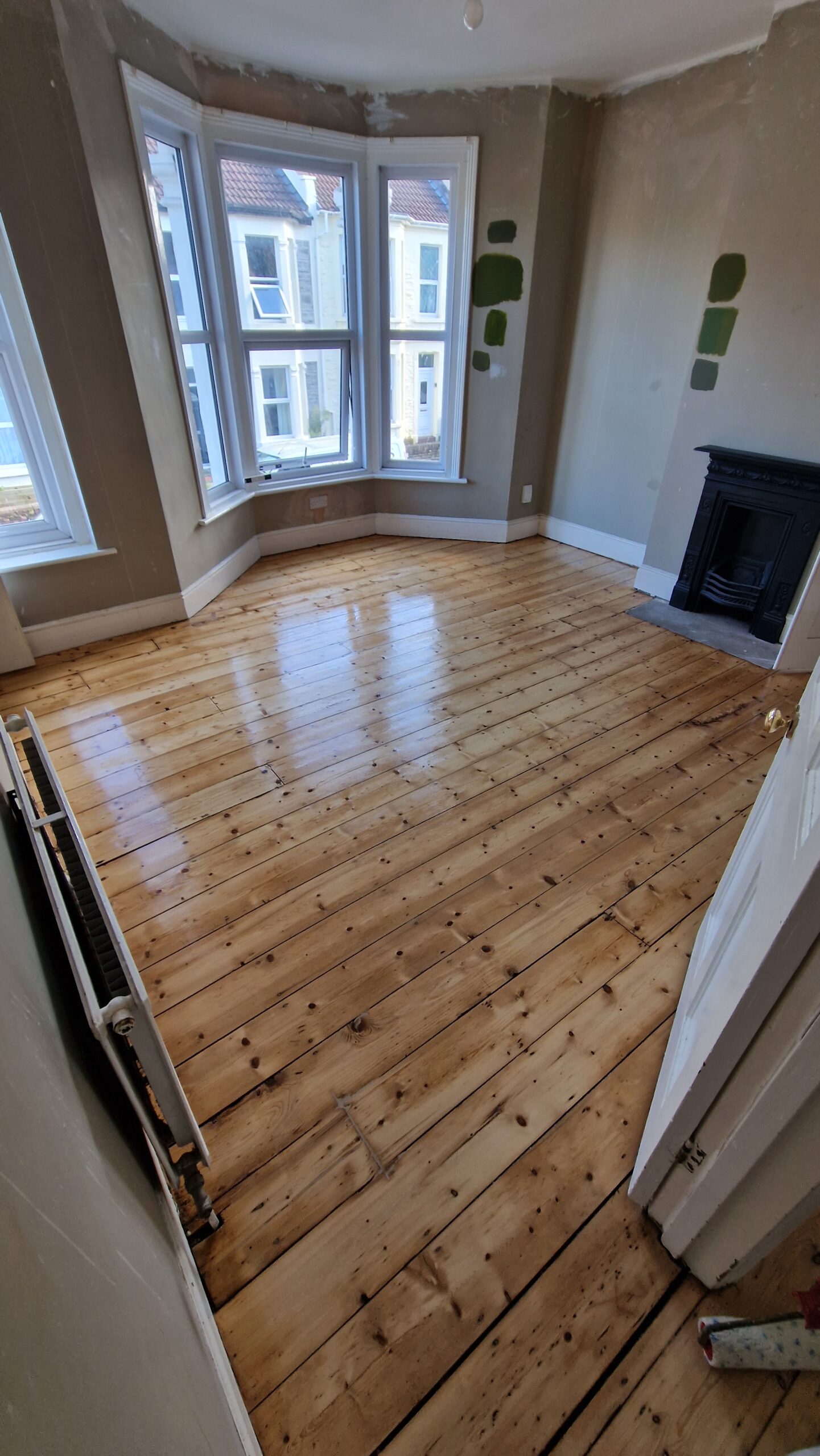
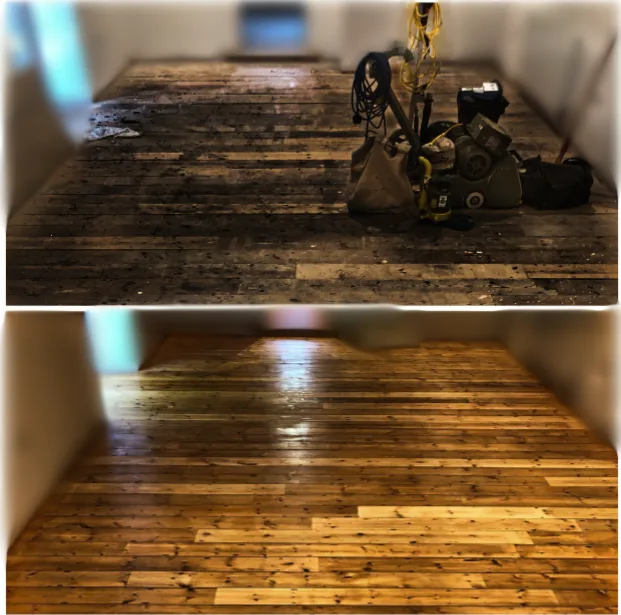
wooden floor sanding

What Surf-Beach Sand Does to a Finish, and How to Stop It

Perranporth sits at the end of a sandy beach about two miles long, backed by dunes, and a fair amount of it comes home with everyone who uses it. Sand is the reason most seaside floors wear out early. Each grain is a small piece of hard mineral, and when it gets between a shoe or a bare heel and a lacquered surface, it acts like abrasive paper. Over a busy season, the finish along the hall, around the kitchen sink and in front of the sofa loses its sheen, then turns grey, then wears through to bare timber.

The damage follows people. It is heaviest where guests walk in from the beach, where they stand to rinse off and where they sit to take off their shoes. A floor that looks fine under the dining table can be worn through two metres away by the back door. That uneven wear is useful to read at a survey, because it shows whether the whole floor needs sanding or only some areas need attention.

The defence is partly in the finish and partly in the house. A harder finish lasts longer: a two-component lacquer is far more resistant to abrasion than a single-pack product, and it is the usual specification for holiday lets where the floor takes heavy use. A matt sheen hides fine scratching better than satin or gloss, so the floor keeps looking presentable for longer between maintenance visits. Wood floor sealing compares the lacquers.

The house side is just as important. A properly sized entrance mat, inside and outside each door used to reach the beach, catches a large share of the sand before it reaches the boards. A spot to rinse feet outside, a boot tray, and a brush for the vacuum near the door all help. Owners who ask cleaners to vacuum rather than sweep, and to vacuum before mopping, save a lot of finish. Sweeping can push sand around, and mopping over grit drags it across the floor.

Sand also gets into the gaps between boards and into old filler. Before any sanding, those gaps are vacuumed out thoroughly, because a grain caught under the drum can scratch a long curved line across freshly sanded wood. On older floors, that is also the time to decide whether to fill the gaps or leave them open, which our page on gap filling explains.

Commercial Floor Sanding in Perranporth: Beach Cafés, Bars and Guest Houses

The commercial floors in Perranporth are shaped by the season. Cafés and bars near the beach, shops selling surf gear and beachwear, guest houses and holiday accommodation all see enormous foot traffic in the summer and much less in the winter. That rhythm makes planning easier in one way: there is a natural window for the work. Commercial floor sanding in Perranporth is often booked into the quieter months, when a business can close for a few days or reduce its hours without losing much trade.

When the work cannot wait, it can still be fitted around opening times. A bar can close at night with old, grey boards and open next lunchtime on fresh lacquer, because rapid-curing coatings let us lay several coats in one shift. A two-component lacquer is normally specified for anywhere with spilled drinks, chair legs and frequent mopping. The restaurant floor sanding page describes how an overnight job is organised.

Shops near the beach take the worst sand damage of all, because people come straight off the sand in wet shoes and bare feet. A recoat before the timber is exposed is the best way to keep a shop floor going; once it is through to bare wood, it needs full sanding. Shop floor sanding covers both routes.

In a guest house we usually take two or three rooms out of the booking system at once and leave the rest trading. The breakfast room is sanded after the last tray is cleared and coated before the first guests come down. Hotel floor sanding explains how that is usually managed.

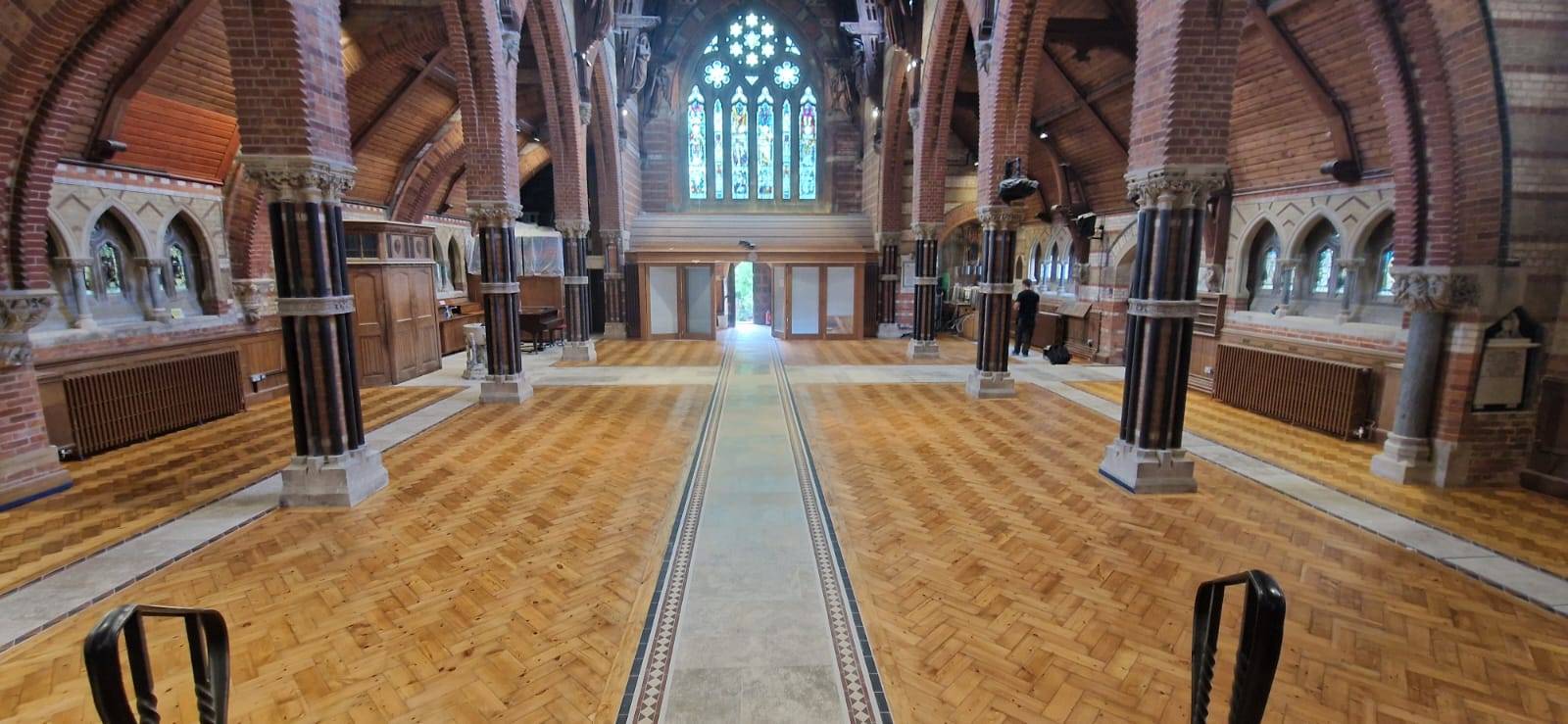
Community halls and school buildings in the area are scheduled around their bookings and the school holidays, with sports lines marked to governing body specification by our own team where needed; school floor sanding covers that work. A surf school, café owner or hall committee that wants paperwork first can have our method statement, insurance documents and references. Commercial floors generally need a full sanding every four or five years, with maintenance coats in between, and more detail is on the main commercial floor sanding page.

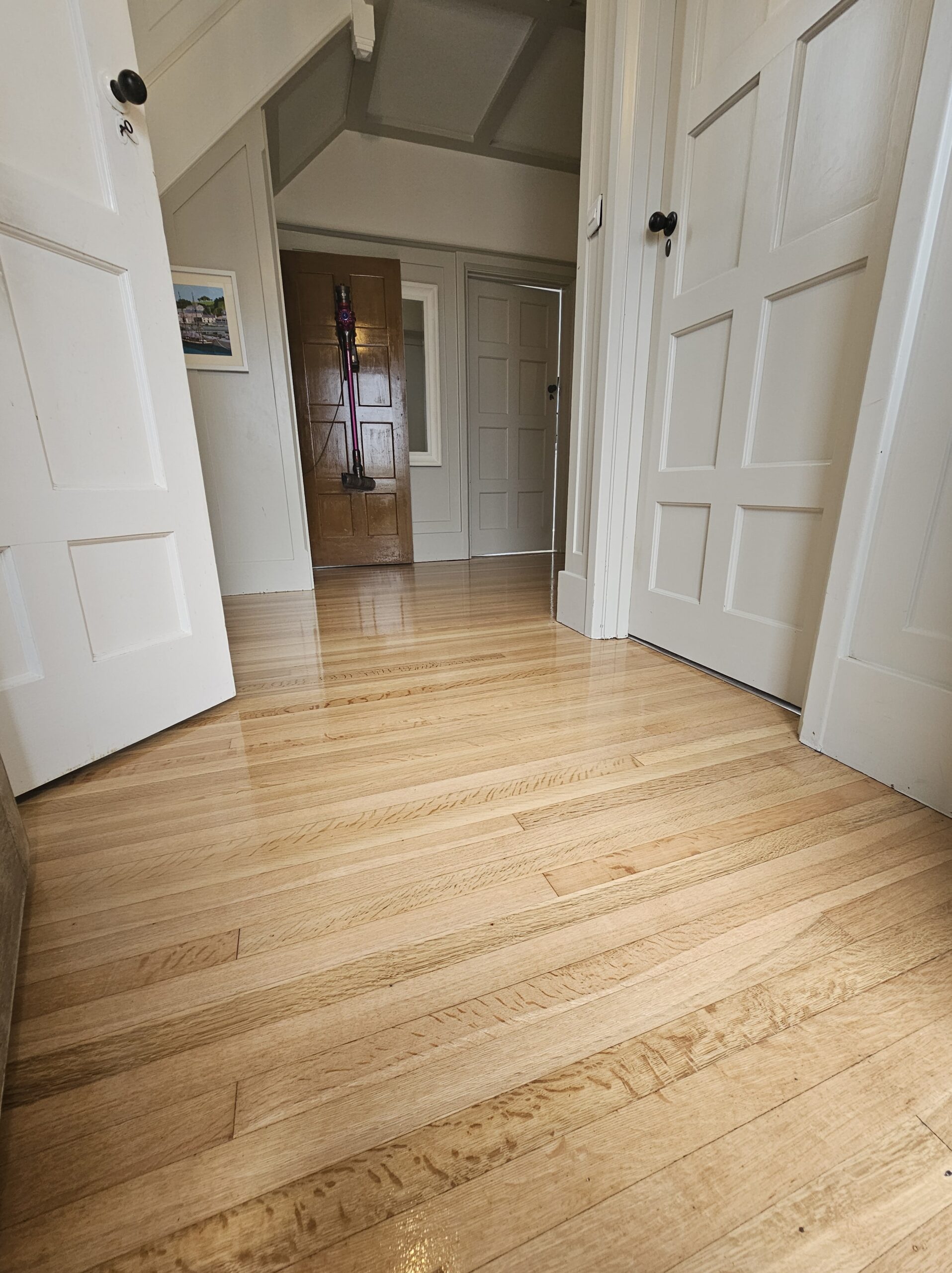
flooring sanding company
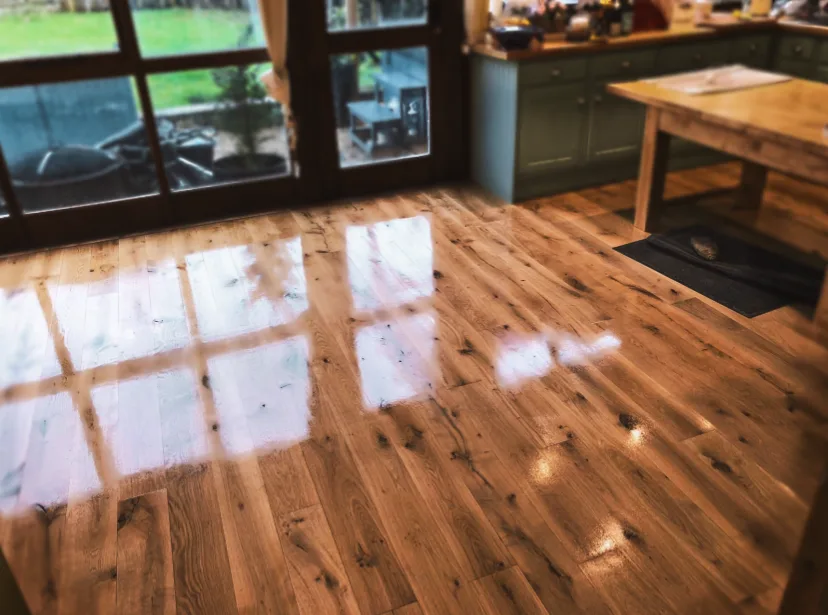
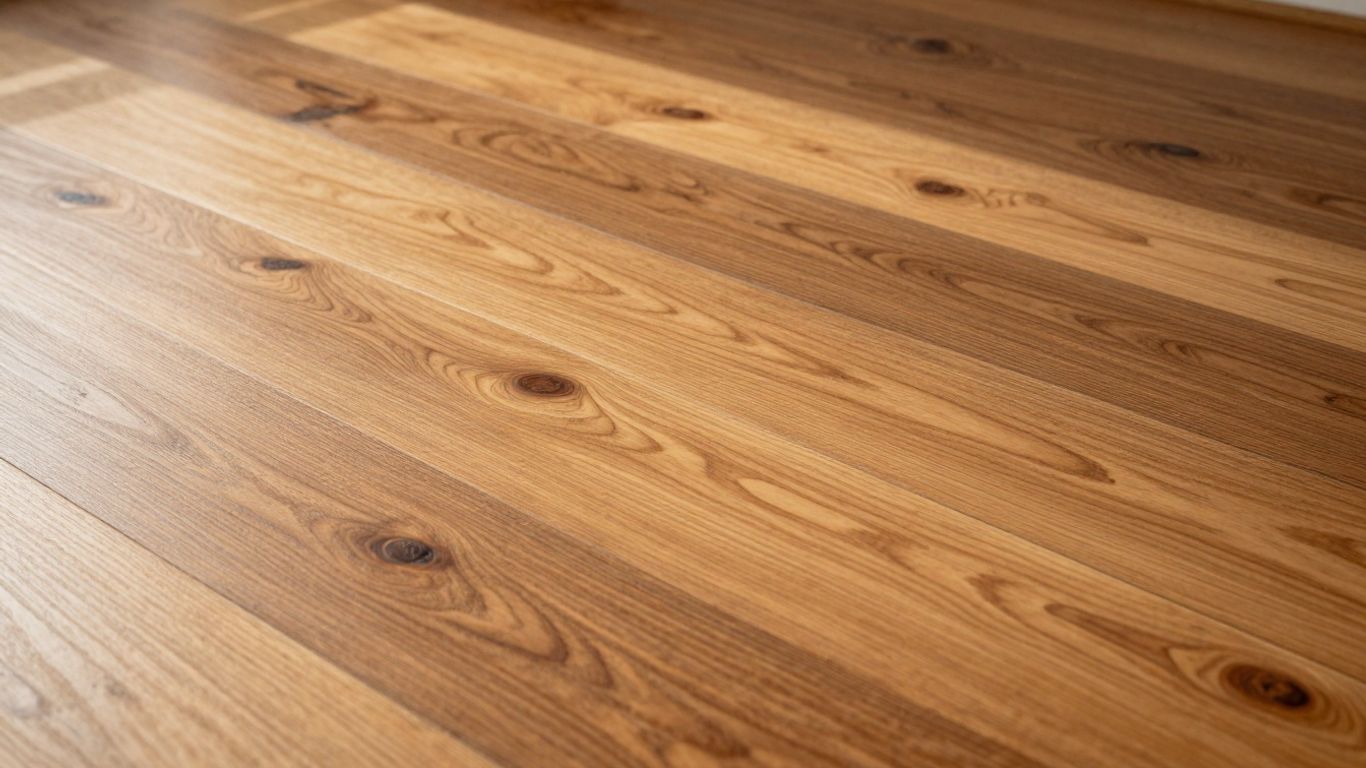
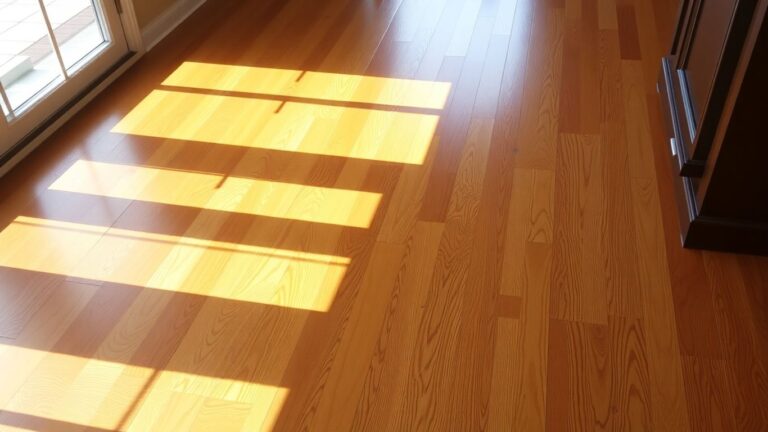
Sunlight across freshly lacquered wooden floorboards

Boards That Swell and Shrink by the Sea, and How They Are Repaired

Air near the sea carries more moisture than air inland, and holiday homes add their own swings: shut up and unheated for weeks in winter, then full of people, showers and cooking in summer. Timber responds to those changes. Boards take up moisture and swell, then release it and shrink. Over years of that cycle, gaps open and close, boards cup and cracks appear in old filler.

That movement affects how repairs are done. Gaps between boards are filled when the boards are at a sensible average moisture level, not at the wettest or driest point of the year. A joint that is about as wide in August as in February takes a tapered timber strip, glued to just one neighbour and planed down level. Hairline joints take a flexible resin bound with dust saved from sanding that very floor. Gaps that open and close a lot through the seasons are sometimes better left open and vacuumed regularly, rather than filled with something that will crack.

Cupped boards, where the edges stand higher than the middle, usually mean the boards are damper below than above. In a seaside house, that can come from poor underfloor ventilation, a blocked airbrick, or a leak from an outside shower or a bathroom above. Sanding a cupped board flat before the cause is fixed can leave it crowned once it dries out. For seaside houses, the meter readings decide the timing more than the diary does.

Other repairs follow the usual pattern. Loose and creaking boards are screwed down or have their joists packed, as squeaky floor repair describes. Next to an outside shower, the board that has gone soft and dark comes out and an old length of pine from our store goes in its place; floorboard replacement has the method. Scratches and dents from suitcases being dragged up the hall usually disappear in the sanding, and anything deeper can be handled under wood floor scratch repair. All of it falls under wooden floor repairs and is done before sanding so the finished floor is consistent.

Parquet, Engineered Oak and the Stairs Guests Use Most

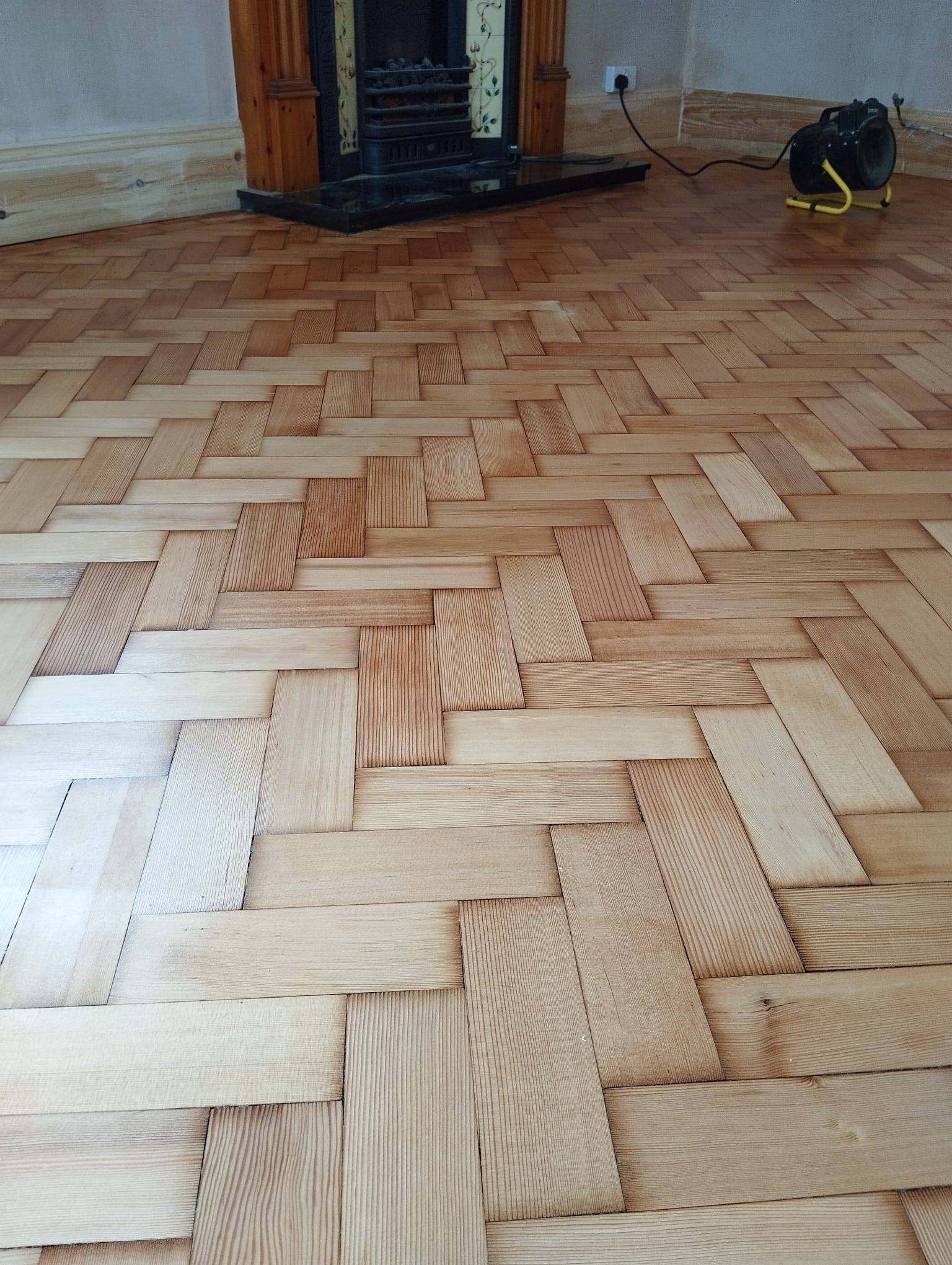
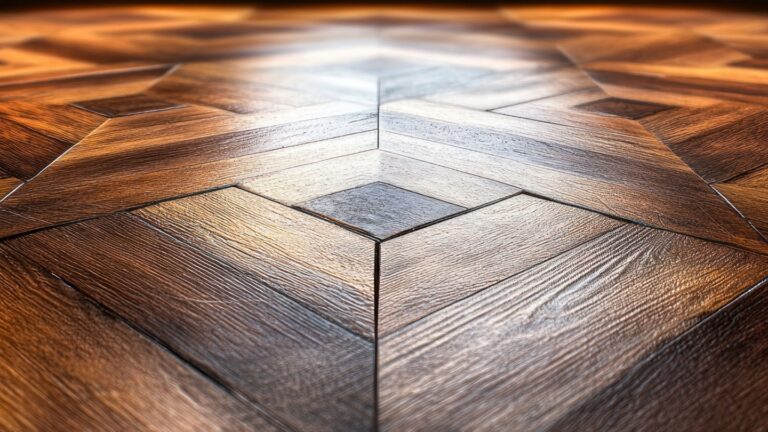
Not every floor in Perranporth is pine. Some older houses and bungalows hide woodblock under carpet, often laid in herringbone on bitumen adhesive. Those floors usually need loose blocks lifting, cleaning and re-bonding before sanding, and missing blocks replaced with reclaimed timber of the same size and species. Parquet floor sanding covers that process in detail. A well-restored herringbone parquet floor is one of the hardest-wearing surfaces you can put in a holiday let.

Newer apartments and holiday homes more often have engineered oak. Whether it can be sanded depends on the thickness of the real oak on top, which has to be measured at a cut edge before anything else is decided. Thick wear layers can take several sandings; thin ones one or none. Where the factory finish is only dulled, a deep clean and recoat is often the better choice because it takes nothing from the wear layer. Oak floor restoration explains what to expect from oak, solid or engineered.

The staircase in a holiday house takes more traffic than almost any other surface, because every guest goes up and down it several times a day carrying bags, towels and children. Stair sanding is mainly hand work: small sanders and scrapers on each tread, with the rounded nosings shaped by hand. On stairs, a matt finish is a good idea for grip as well as appearance.

Finish choice is the last decision. Lacquer suits most holiday lets because it is tough and easy to clean. Hard wax oil is lovely to look at and easy to patch, but an absent owner relying on a cleaner may not keep up the topping-up it wants; oiled floor finishes go through the trade-off. Wax is rarely right for a busy rental. If you want a colour change, stain is always tested on the floor first, as wood floor staining explains.

Wood floor sanding company
Floor sanding taunton

Between Seasons in Perranporth: Recoats, New Floors and How to Book

The best way to keep a holiday-let floor in good order is to recoat it before it wears through. A light abrasion and a fresh coat of lacquer at the end of a busy season, while the original finish is still intact, can keep a floor looking good for years without a full sanding. That is described under buffing and recoating. Brief the changeover cleaners: vacuum first, then a lightly damp mop with a wood floor cleaner, and leave the steam mop for the bathroom tiles. Our wood floor polish page covers products for maintenance.

Timings after a full job matter for changeovers. Pencil in one day before anyone walks on fresh lacquer, two or three before furniture returns, and about seven before the rugs. Those timings should be built into the booking calendar, not discovered afterwards.

Some floors cannot be saved, and some properties are being refitted anyway. We supply and lay new wooden floors, or supply them for others to fit, from ranges including Junkers and Bona; wooden floor installation has more.

Two pictures on a phone will do: stand in the doorway for the first and crouch by the grey patch at the beach door for the second. Send both to info@ryansrestoration.co.uk whenever suits. Add the dates of your next unbooked week. After a free survey you get an itemised quotation in writing; it changes only if the job does. We work along this stretch of the north coast regularly. The family behind the business is based at Higher Poole, by Wellington in Somerset, and has done this since the 1980s. Up-country owners can phone 01823 674562 in weekday office hours, ask for a Saturday slot, or fill in the enquiry page from wherever they live. Our Cornish floor sanding hub lists other towns, including floor sanding in St Ives for owners with a second property further west.

Perranporth Floor Sanding Questions

Frequently. Our time on site in an ordinary house is one to three days; after that the lacquer wants a day before feet and a couple more before beds and sofas. A whole house with repairs and stairs is easier to fit into a week-long gap than a weekend. The survey shows what the floor needs, and the work is then planned around your calendar so the property is ready for the next arrival.

For a sandy house, matt two-pack lacquer is the toughest coating in our range. It resists abrasion far better than single-pack lacquers, and the low sheen hides fine scratching. Good entrance mats, vacuuming rather than sweeping and a recoat before the finish wears through will make much more difference than the product alone.

Not always. If the finish is worn through to bare timber in one area, that area needs sanding, but on a continuous floor it is usually best to sand the whole room so the finish matches. If the finish is dulled but intact, a light abrasion and recoat across the room may be enough and takes much less time.

Only if the oak layer over the core is thick enough. Some engineered floors have enough for several sandings, others only one or none. We measure that at a cut edge during the survey. If the finish is only dulled, a deep clean and recoat may be better because it does not use up any of the wear layer.

Extraction on the sanders pulls most dust straight into sealed bags. A small amount can still escape, so it is wise to close bedroom doors, cover or remove soft furnishings near the work and plan a normal clean before guests arrive. The difference compared with hire-shop machines is very large.

In most cases, yes. We tend to work after closing, on a shut day or in the off-season, using quick-curing coatings so tables can go back out promptly. Larger spaces can be phased. Paperwork for the owner or landlord, meaning a method statement, insurance and references, is available on request.

Timber takes on moisture and swells in damp conditions, then shrinks as it dries. Near the sea, and in holiday homes that are heated only when occupied, those changes are larger than usual. Gaps that move a lot are sometimes best left open, while steady gaps can be filled with timber slivers or a flexible filler.

It depends on how busy the property is and how well the sand is kept at the door. The sensible approach is to look closely at the walkways at the end of each season and recoat as soon as the sheen has gone, before the existing finish wears through to bare timber. Once it does, a full sanding is needed, which takes longer and removes more of the floor.

Yes. Perranporth and the surrounding north coast are part of our regular working area, so holiday lets, homes and businesses can all be surveyed and booked. The survey is free. If you live away from Cornwall, tell us who holds the keys, whether that is a letting agent, a caretaker or a neighbour, and the visit can be arranged around them.