Floor Sanding Plymouth

Floor Sanding and Wood Floor Restoration in Plymouth

QUICK QUOTATION

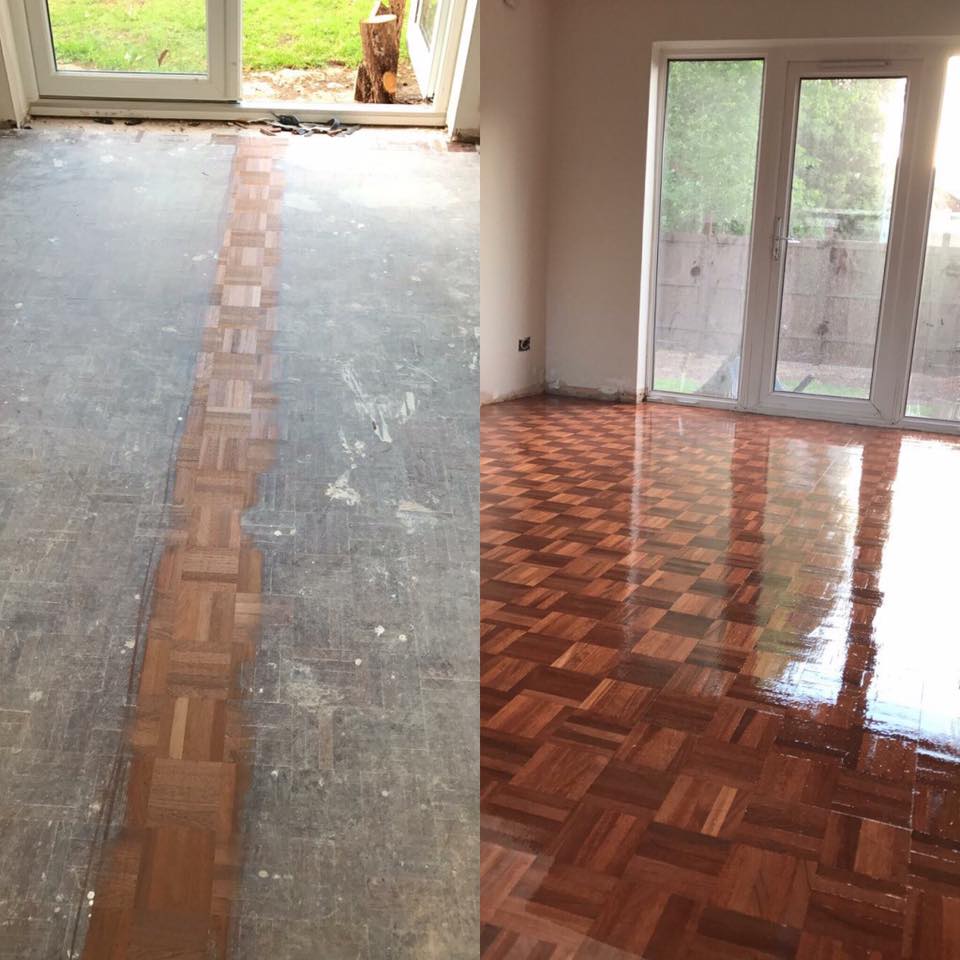
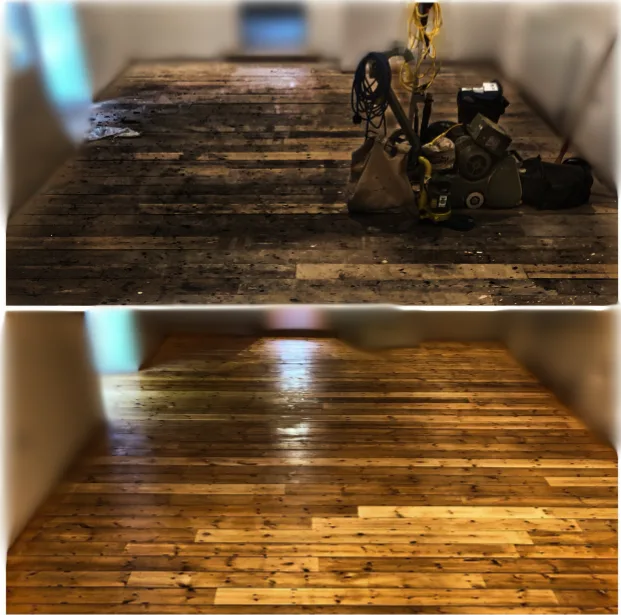
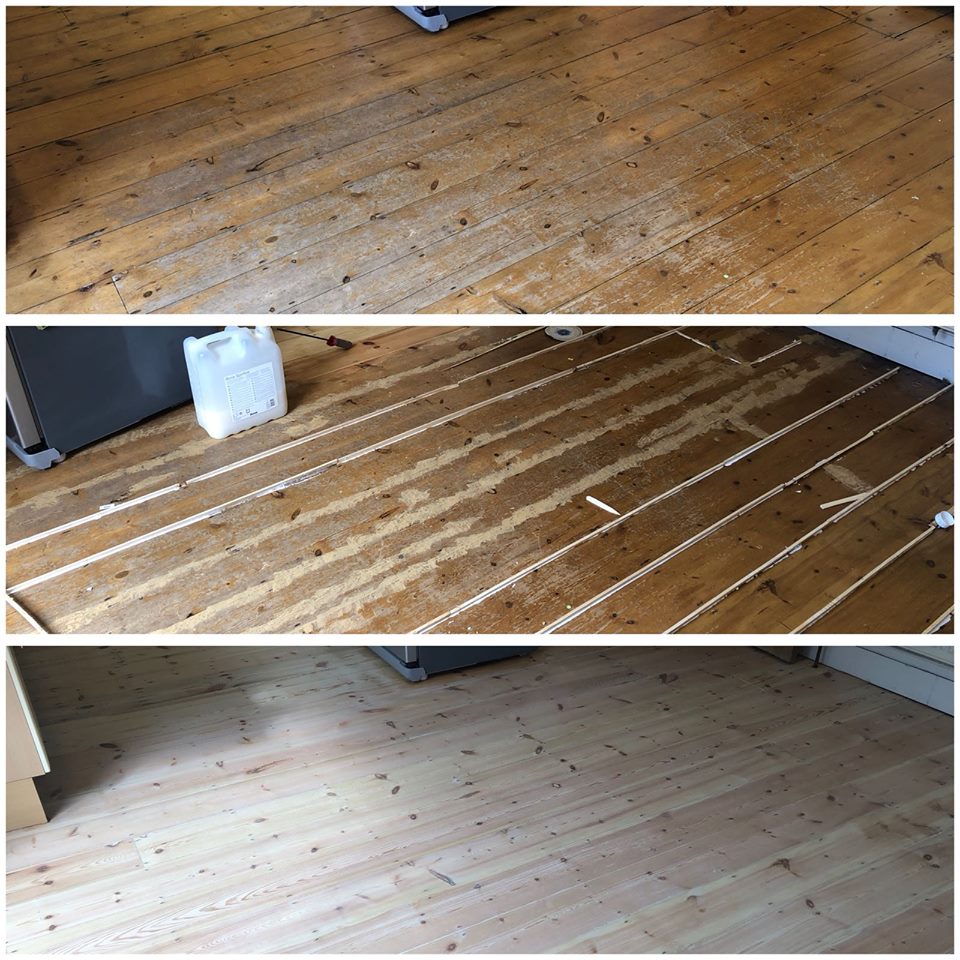
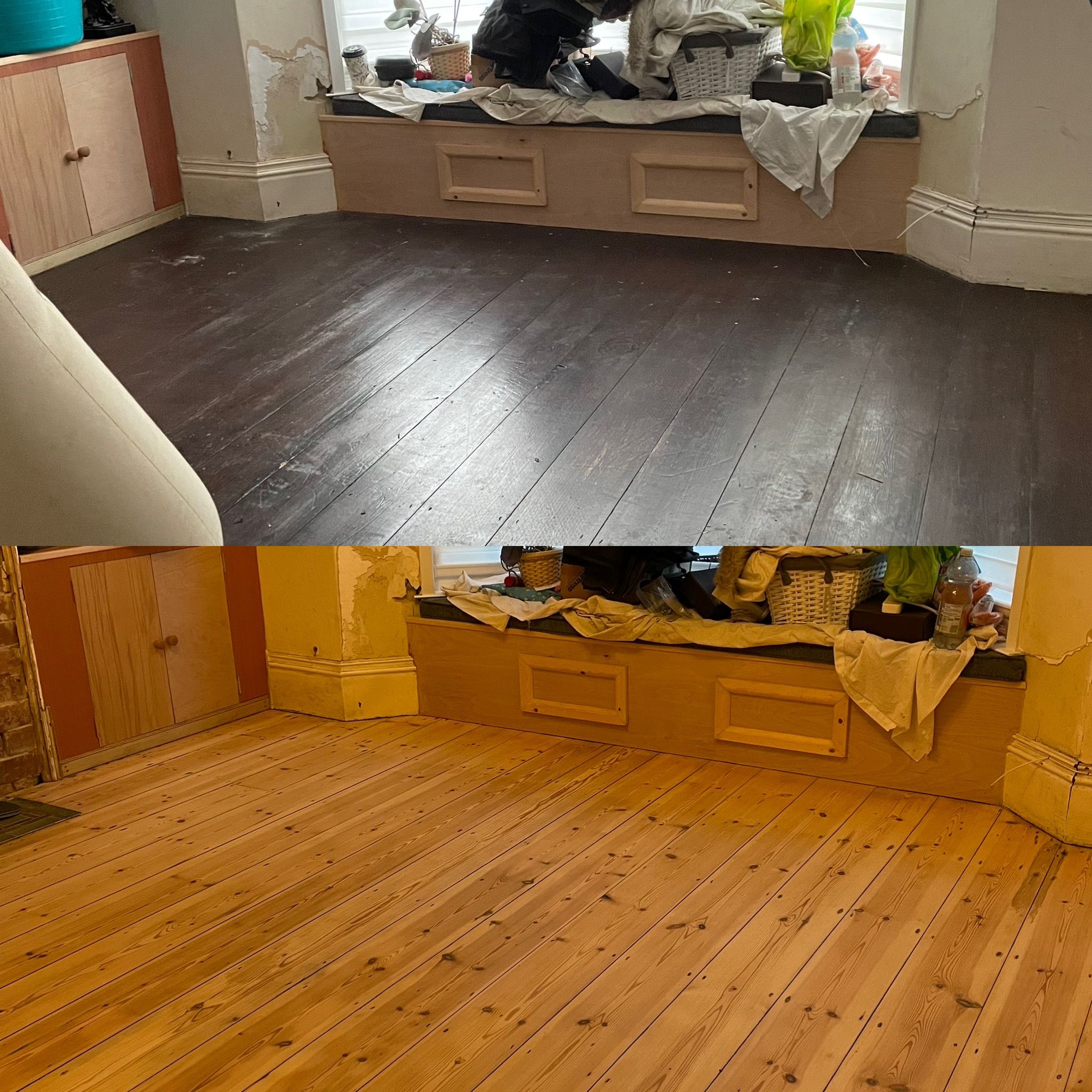
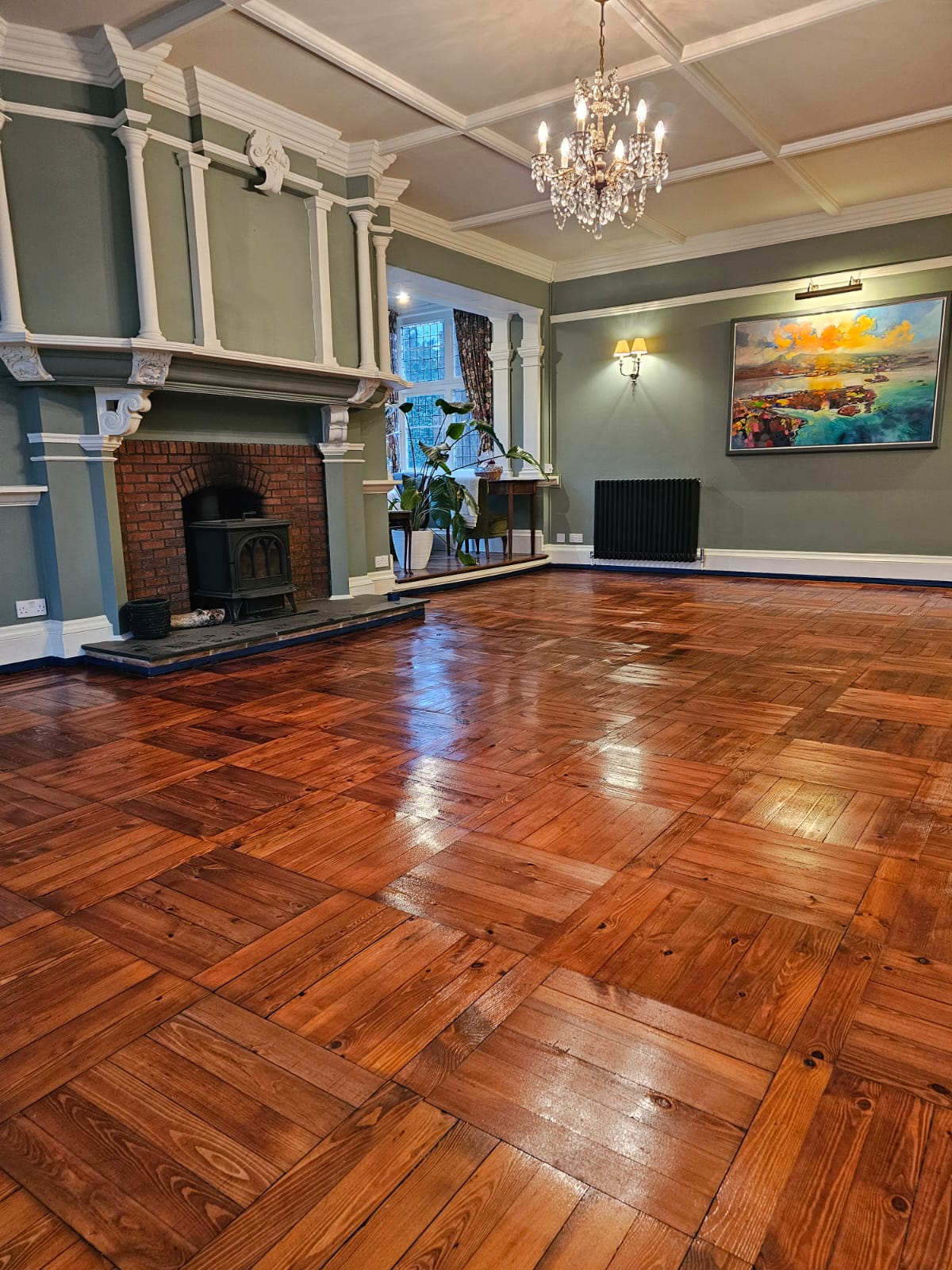
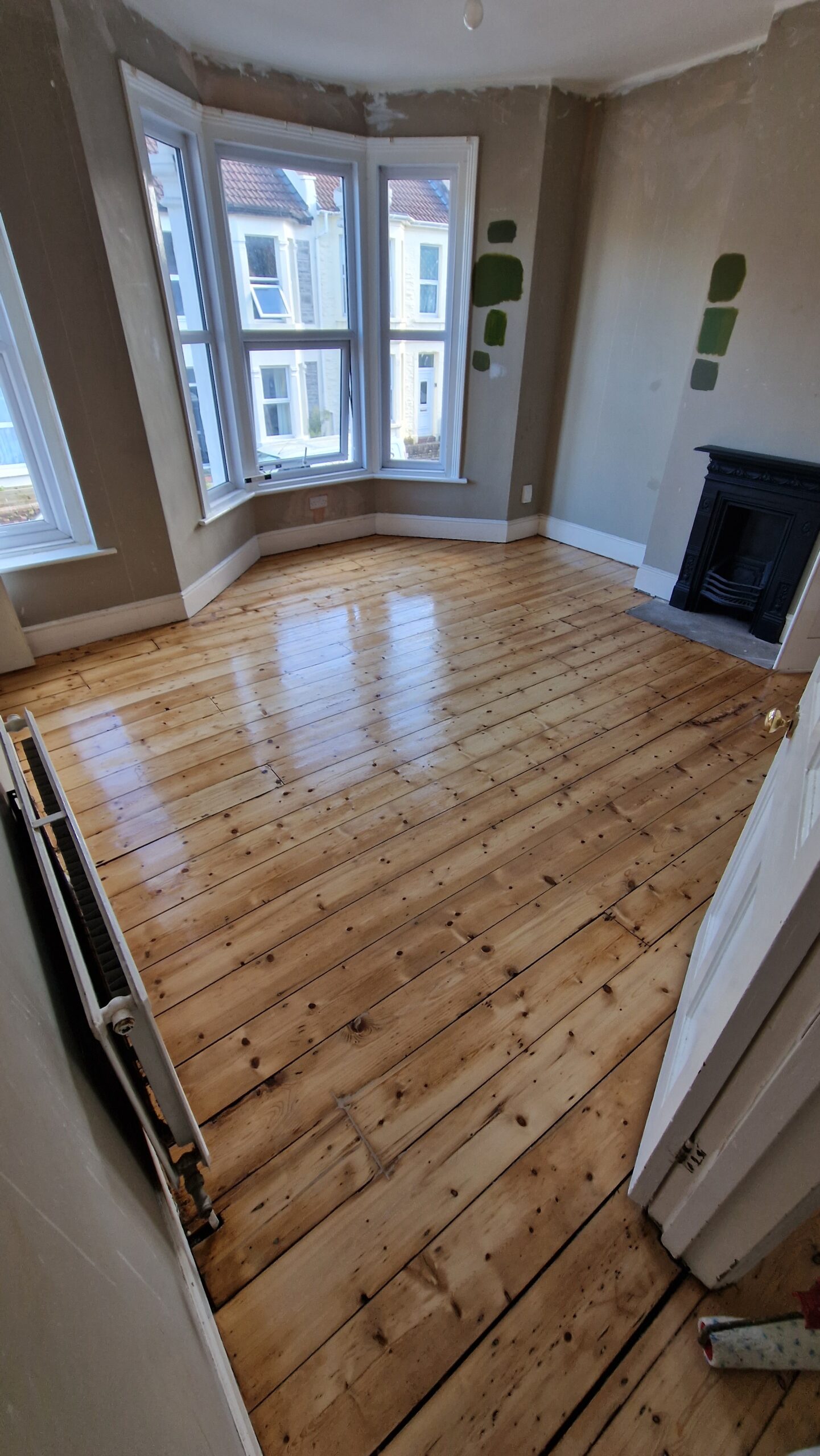
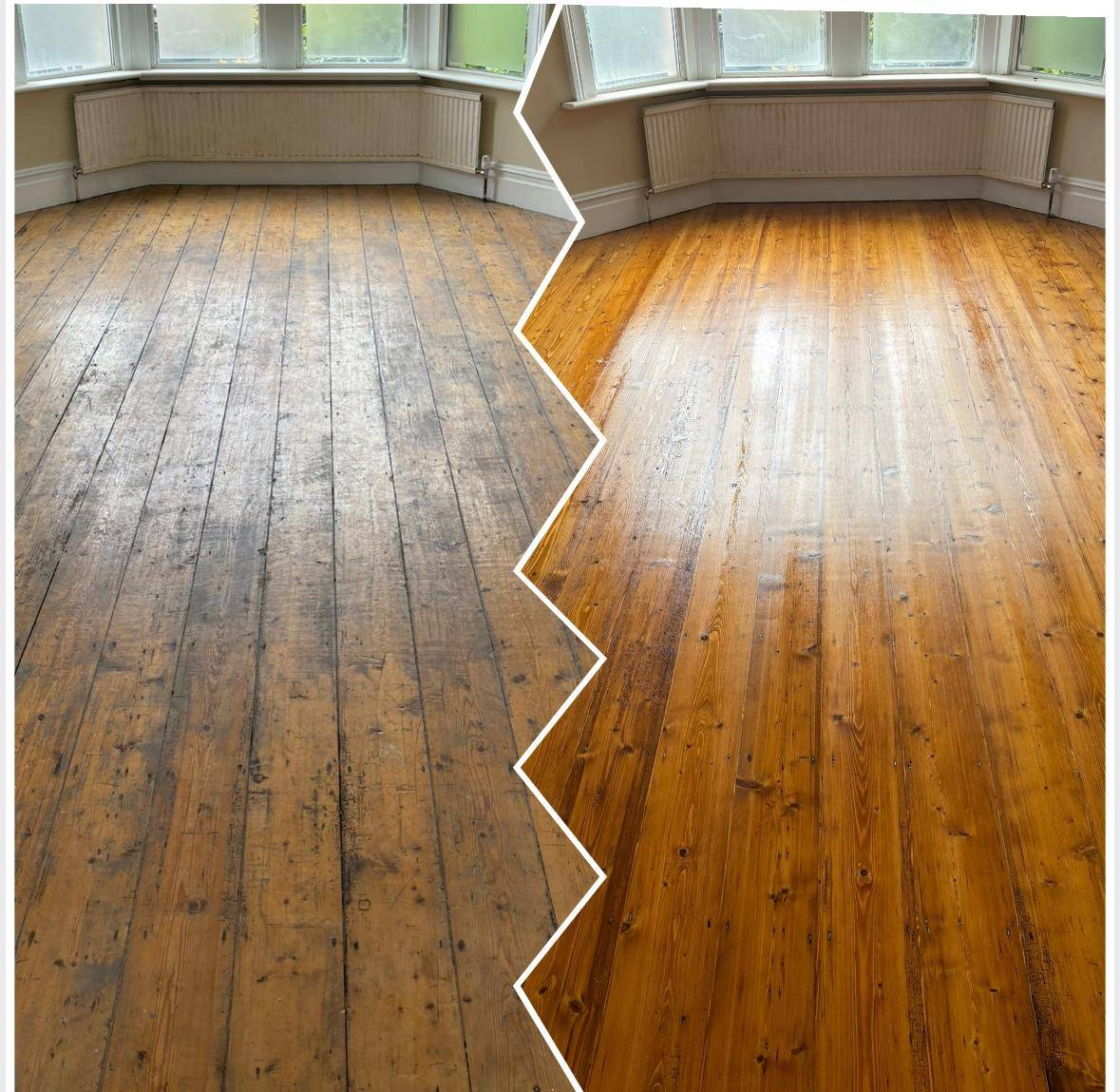
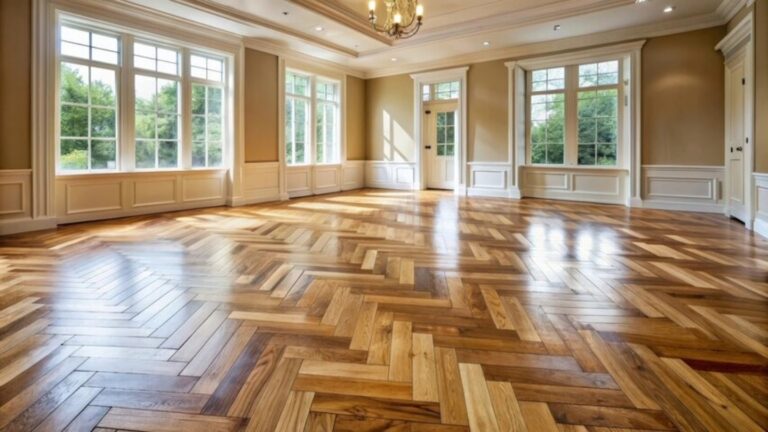
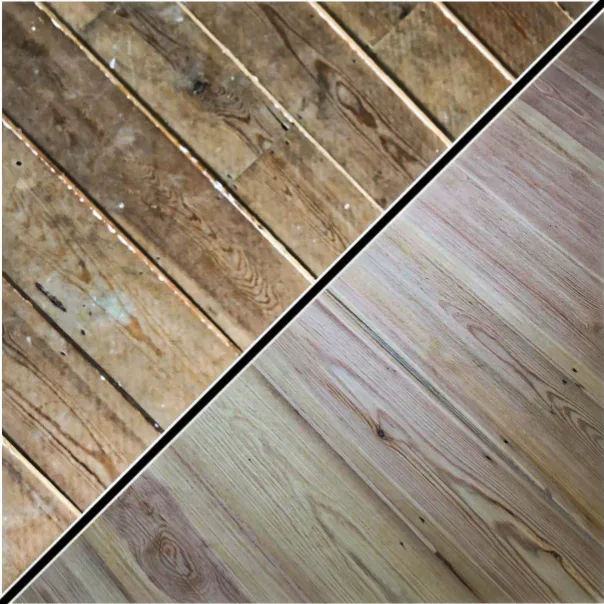
Floor sanding before and after

Floor Sanding Across Plymouth

Plymouth is an unusual city for floors because so much of the centre was rebuilt after 1941. What survived, and the Victorian suburbs that ring the rebuilt core, hold the floors worth restoring.

We cover the whole city: Peverell, Mutley, Mannamead, Stoke, Devonport, Plympton, Plymstock, Hartley, Compton, the Barbican and Hoe, plus Ivybridge, Saltash, Tavistock and Yelverton.

Quotes are free. We would rather come and look than price from a description, because in Plymouth what is under the carpet depends almost entirely on which side of the bombing your street sat.

Victorian Suburbs and Post-War Rebuild

The Victorian and Edwardian terraces of Peverell, Mutley, Mannamead and Stoke are where the good floors are. Baltic redwood and pitch pine over ventilated voids, generously sized in the larger Mannamead villas, and usually sound once the carpet, the tack holes and the gripper damage around the perimeter have been dealt with.

Pitch pine is common here and worth knowing about. It is dense and resinous, which means it clogs abrasives, takes longer and costs more in consumables than softwood — but it finishes beautifully and it is a floor worth spending on.

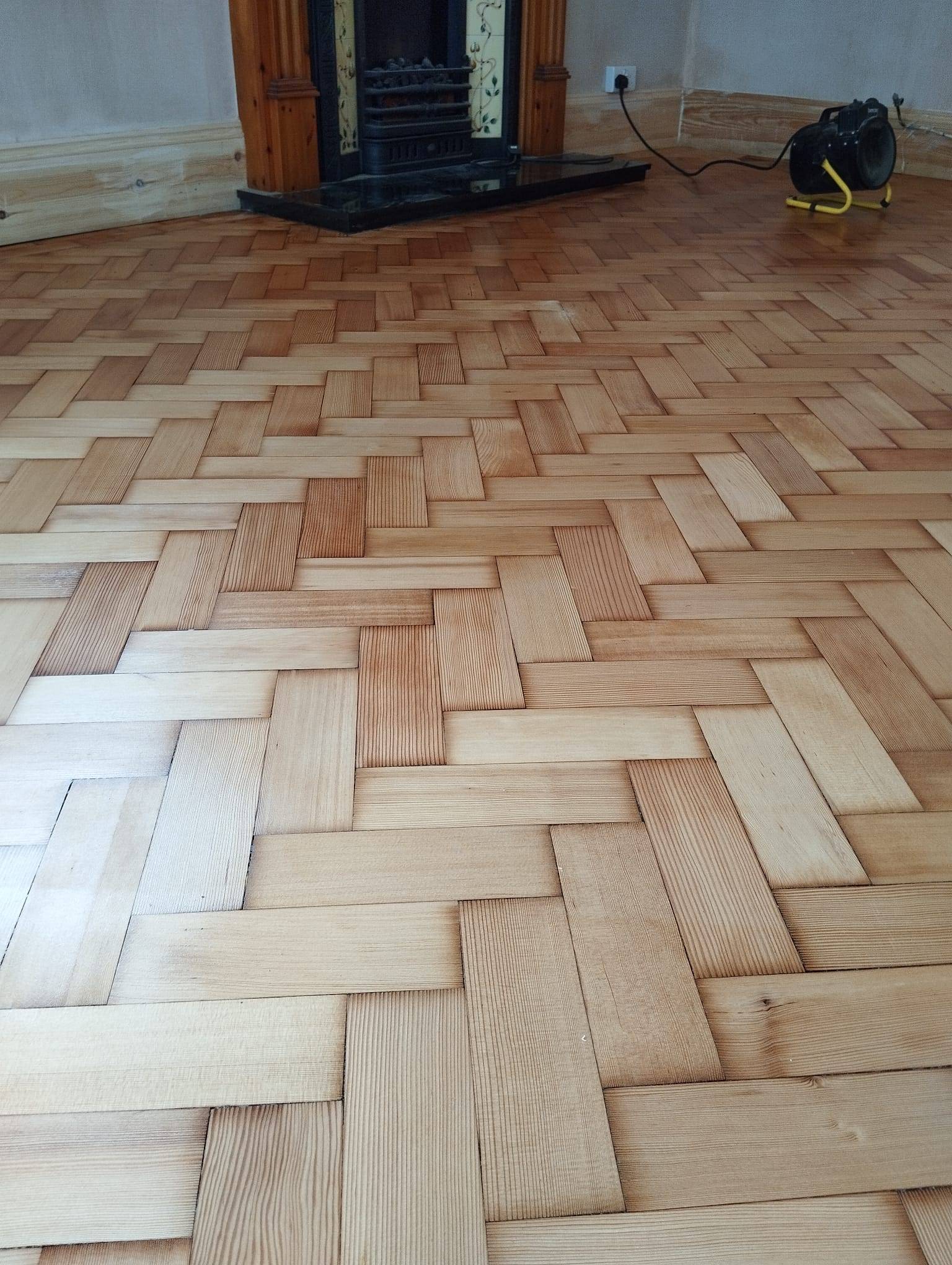
The post-war rebuild housing is more variable. Some has parquet under later coverings, some has boards not worth the effort. Lift a corner before you assume either way, and send us a photograph if you are unsure.

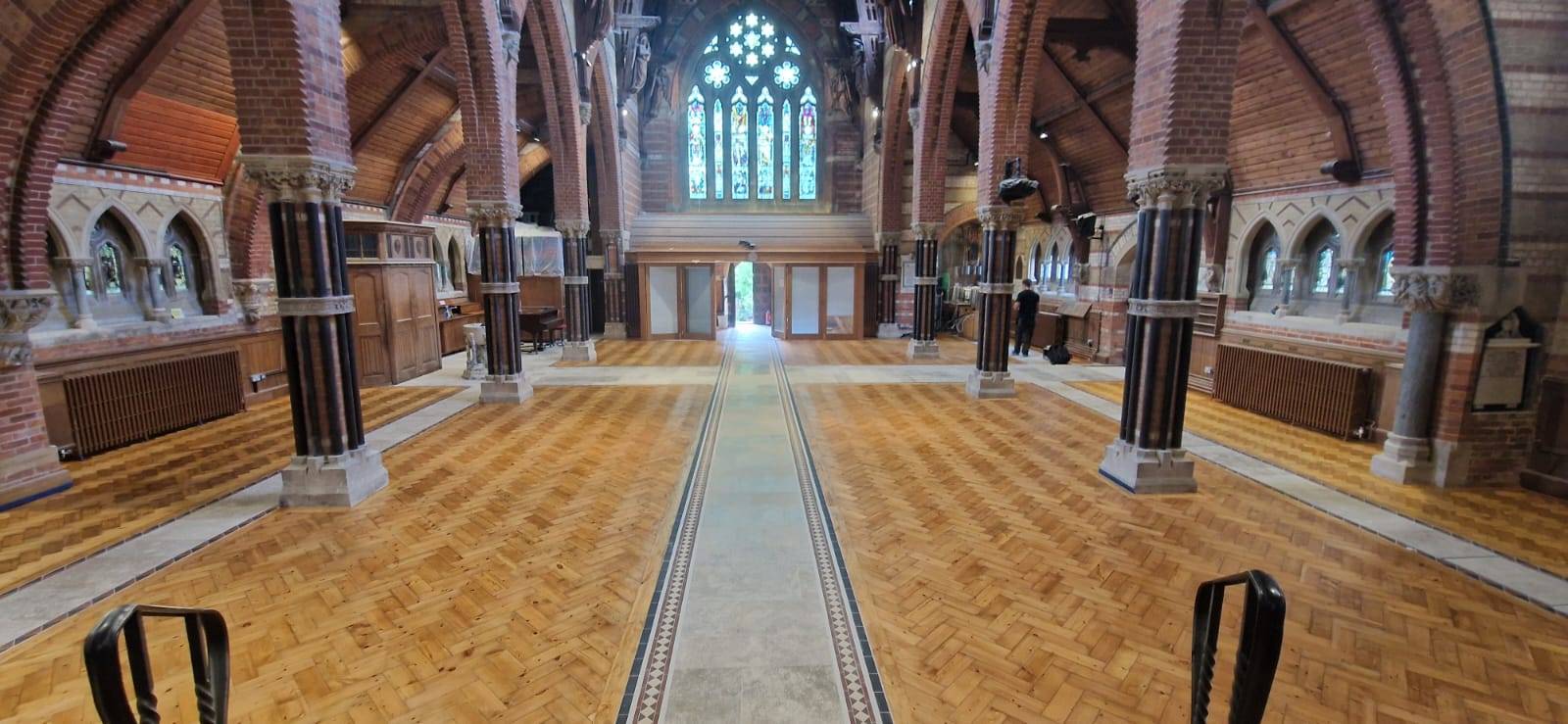
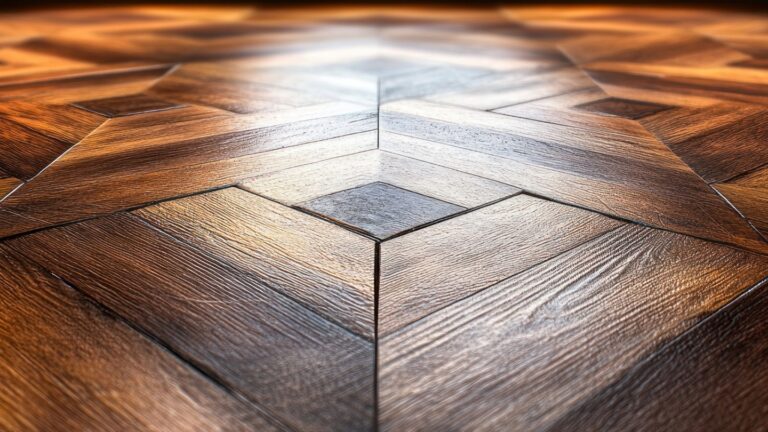
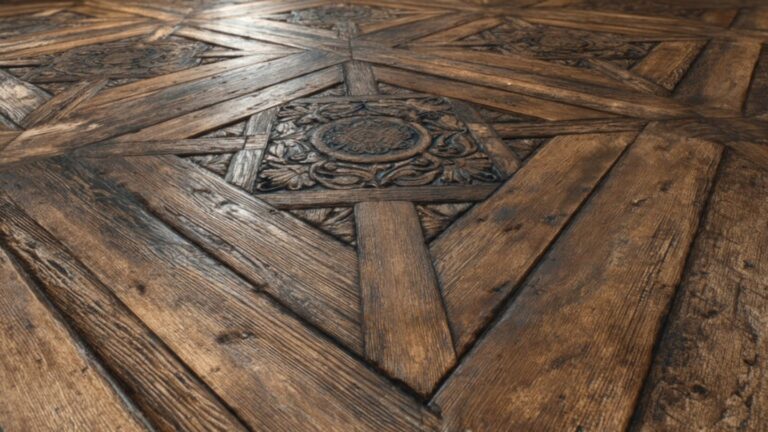
parquet wooden floor sanding
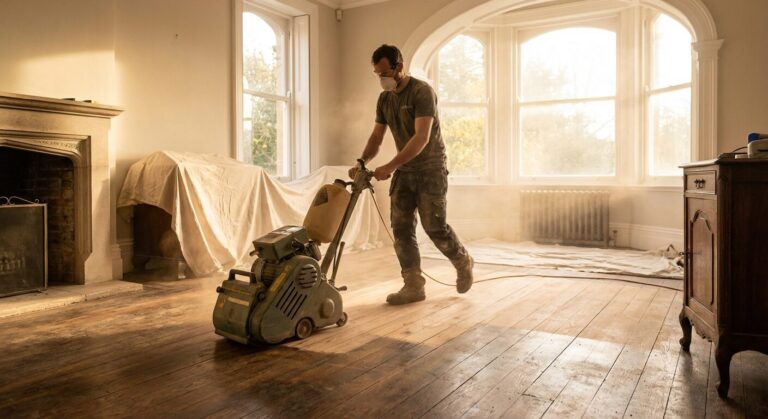
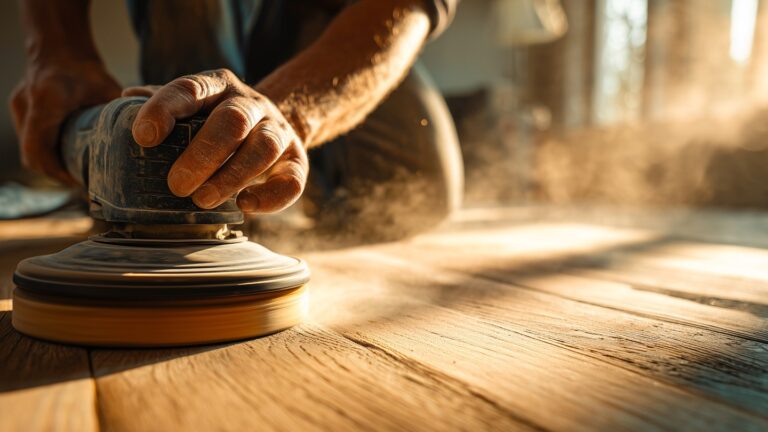
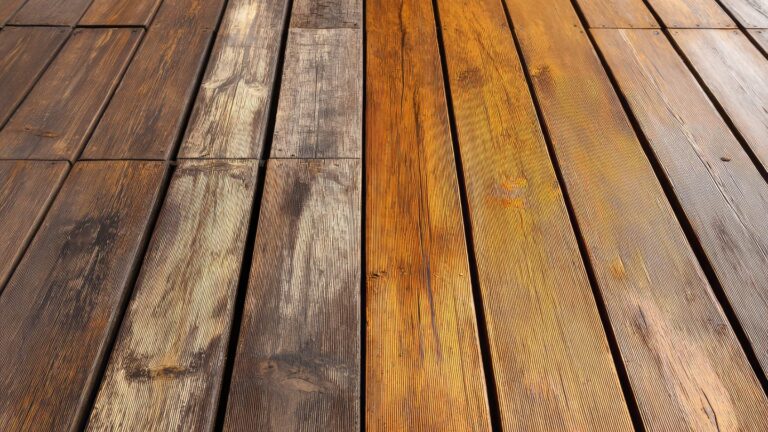
wooden floor sanding

Salt Air, Sea Fret and Naval-City Damp

Plymouth sits between two estuaries with the sea in front, and the humidity here is relentless. Salt carried inland is hygroscopic, meaning it holds moisture against surfaces rather than letting it evaporate, and sea fret keeps the air damp even when it is not raining.

Timber notices. Boards cup, gaps that would close in a Somerset summer stay open, and rigid film finishes crack at the joints as the floor moves beneath them.

Two practical consequences. First, we take moisture readings before sanding rather than assuming a floor is ready — sanding a cupped floor flat while it is still wet leaves the boards thin down the middle once they dry, and that cannot be undone. Second, we lean towards hard wax oil rather than lacquer in coastal Plymouth property, because it breathes with the timber and can be patched locally rather than stripped and redone.

Listed Property, the Barbican and Conservation Areas

The Barbican and the older streets around it hold some genuinely old buildings, many listed, with floors to match — wide oak and elm over hand-cut joists, thin from centuries of wear and repaired many times over.

These get minimum intervention: the finest grit that will lift the damage, hand work where a machine would be heavy, and a deliberate acceptance of unevenness rather than sanding through boards to chase a flat surface.

Sanding and refinishing an existing floor rarely needs listed building consent. Replacing boards or altering the structure generally does, and unauthorised work to a listed building is a criminal matter. Where there is doubt we write out our method for your conservation officer before we start.

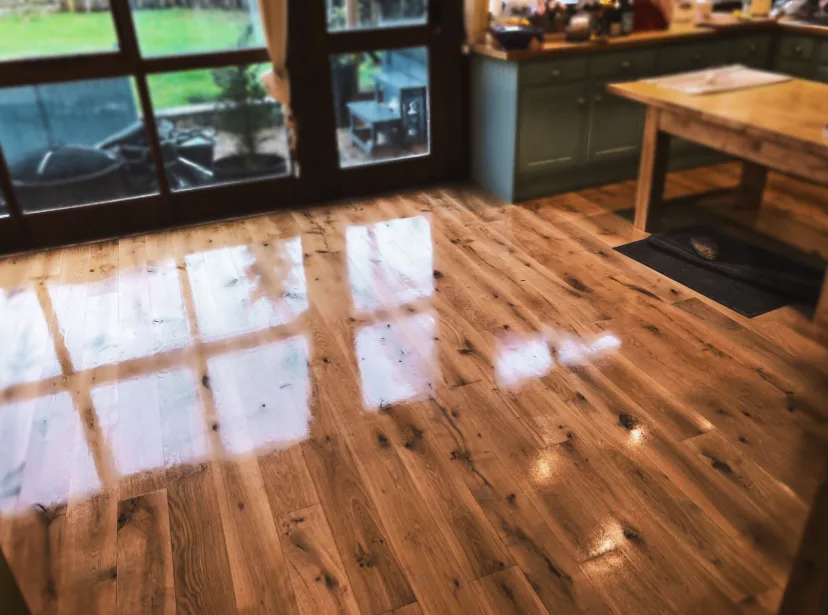
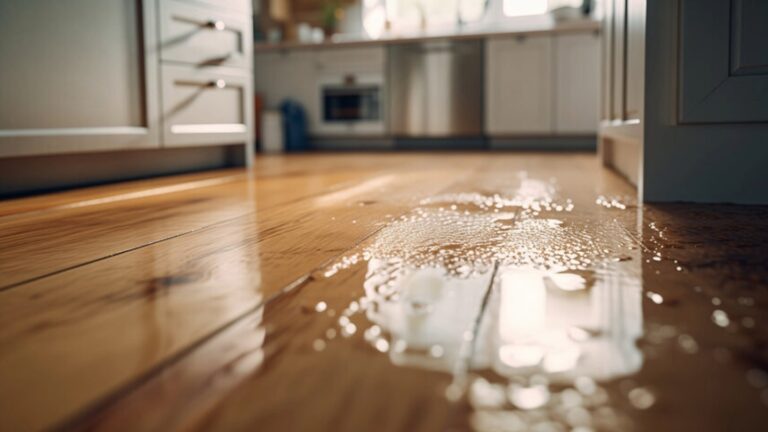
flooring sanding company

Why Plymouth Customers Choose Us

Forty-five years of restoring wood floors, a good part of it in coastal property where the honest answer is often about what will still look right in five years rather than what looks best on the day.

Sealed dust extraction on every job as standard. Fixed written prices agreed before we start. Furniture moved by us, the property protected, all waste taken away with us.

Fully insured, comfortable with listed property, 4.9 stars from 114 Google reviews. We group Plymouth jobs by area where we can, which keeps travel out of your price.

Stairs, Landings and Communal Areas

A great deal of Plymouth housing is flats and converted terraces, which means communal stairs and landings that take far more traffic than anything in a private house.

Stairs are priced per tread rather than by area because almost all of the work is done by hand. A machine cannot safely reach a tread nosing, or the angle where a string meets a riser, so treads, risers, strings, newel posts and banisters are worked individually. It takes longer than people expect and the result changes a hallway more than any other single job we do.

For communal areas in a block there are practical points worth raising early. The finish needs to be tough enough for constant use — a commercial-grade lacquer rather than an oil in most cases. Access has to be maintained while we work, so we phase the flights rather than closing the whole staircase. And the freeholder or managing agent usually needs to approve the specification before anything starts.

We are used to working with managing agents and can provide written specifications for a block. Tell us at quoting stage if the stairs are communal and we will plan around residents rather than around ourselves.

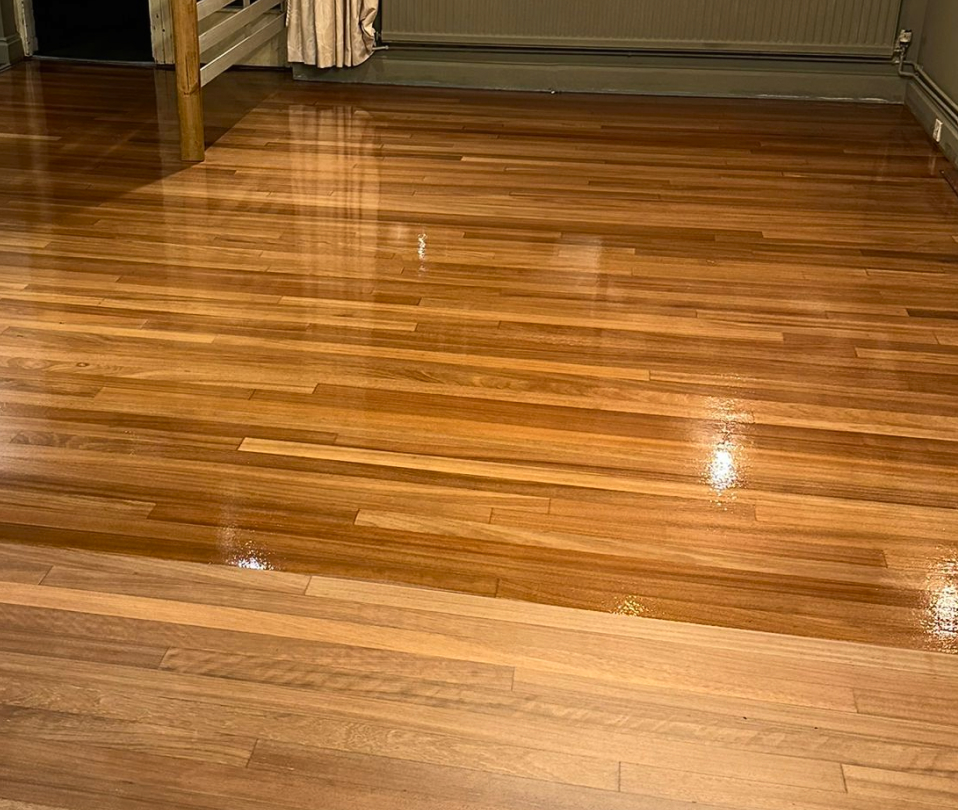
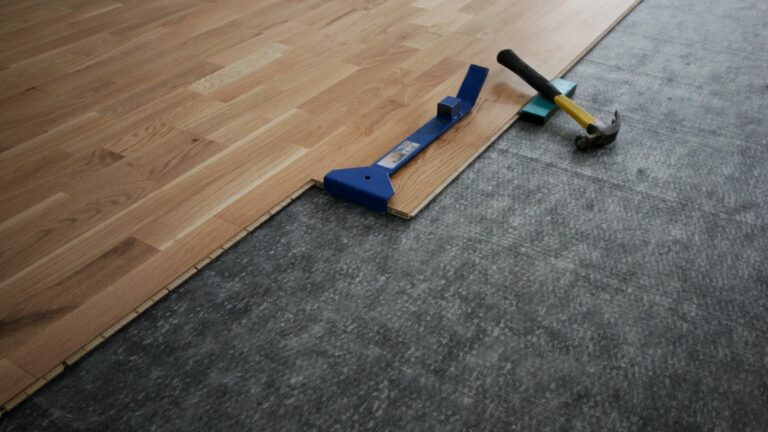
Floor sanding taunton

Book a Free Plymouth Floor Survey

Send photographs of the room from the doorway and close-ups of the worst areas with rough measurements. If the floor feels ridged underfoot, mention it — that is cupping and it changes the advice entirely.

Surveys are free and carry no obligation, and we will tell you honestly if a buff and recoat would serve you better than a full sand.

Call 01823 674562, email info@ryansrestoration.co.uk, or use the form on this page.

FAQ: Floor Sanding in Plymouth

Peverell, Mutley, Mannamead, Stoke, Devonport, Plympton, Plymstock, Hartley, Compton, the Barbican and Hoe, plus Ivybridge, Saltash, Tavistock and Yelverton.

Yes, more than most people expect. Salt carried inland holds moisture against surfaces rather than letting it evaporate, and sea fret keeps humidity high. Boards cup, gaps stay open and rigid finishes crack at the joints.

Usually a hard wax oil in coastal property. It breathes with the timber, flexes as the boards move and can be repaired in patches rather than stripping a whole room. Lacquers can trap moisture and lift.

Not until they have dried and flattened. Sanding a wet cupped floor leaves every board thin down the middle once it settles, and that cannot be reversed. We take moisture readings before quoting.

Yes, and Plymouth has plenty in the Victorian suburbs. It is dense and resinous so it clogs abrasives and takes longer, which we factor into the quote rather than discovering halfway through.

Regularly. Original boards are usually part of what the listing protects, so we work to minimum intervention and provide a written method statement for the conservation officer where consent is needed.

Sometimes in the post-war rebuild housing, under later carpet or laminate. It is worth lifting a corner in the hall before assuming there is nothing there.

It depends on size, condition, timber and finish — pitch pine costs more than softwood because of the extra time and consumables. We give a fixed written price after surveying.

We group Plymouth jobs by area into the same week where we can, which keeps travel out of your price. Any travel element is shown in the quote rather than added afterwards.

On every job as standard and at no extra charge. Sealed extraction captures the dust at the machine so you can stay in the property while we work.

Ryan's Restoration
4.9
Based on 114 reviews
×
js_loader