Floor Sanding Truro

Floor Sanding and Wood Floor Restoration in Truro

QUICK QUOTATION

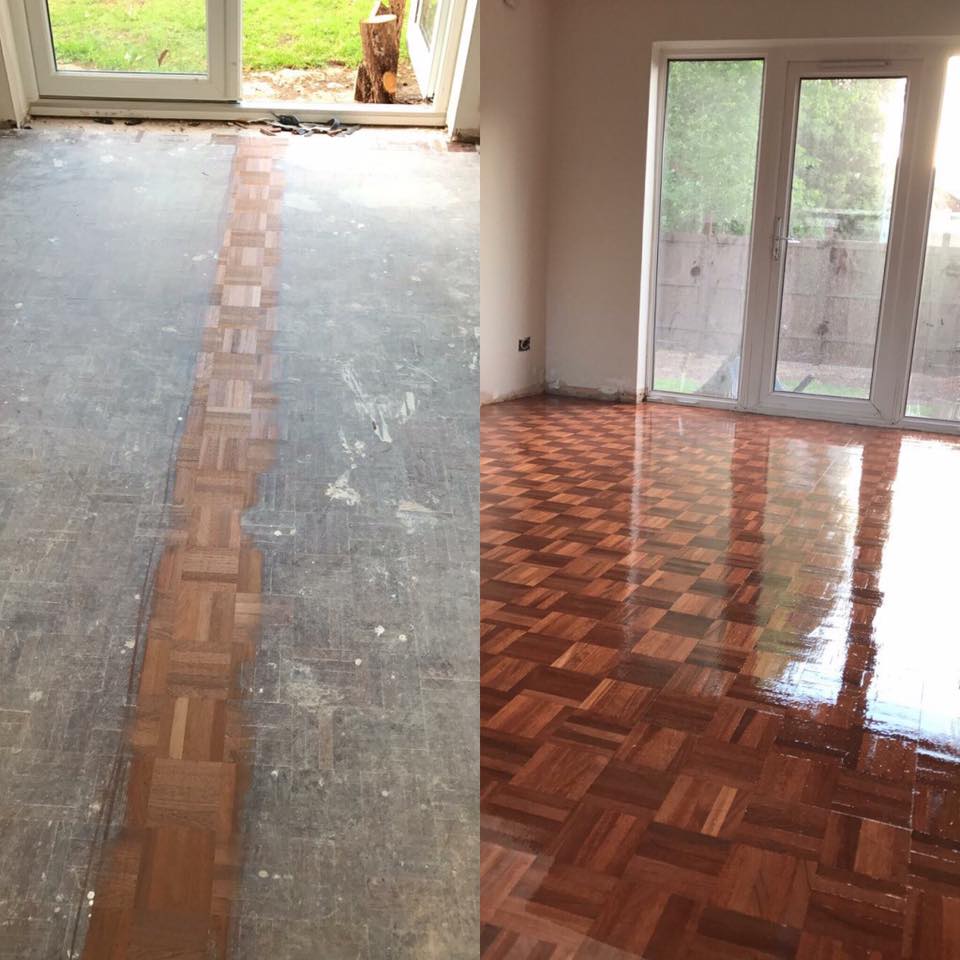
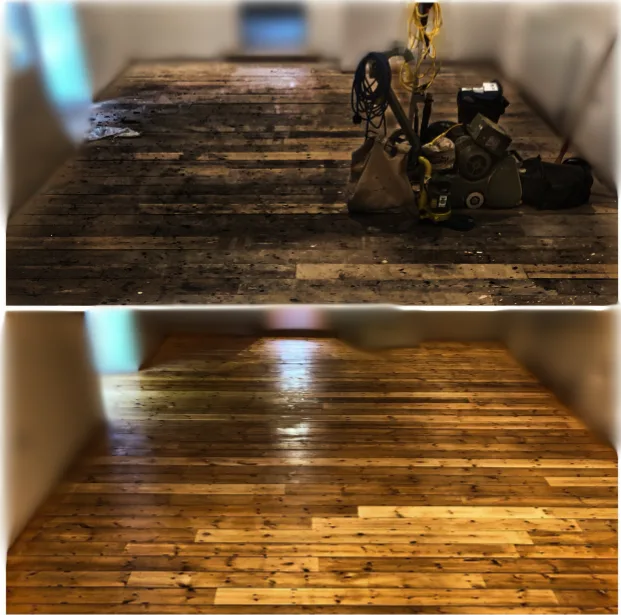
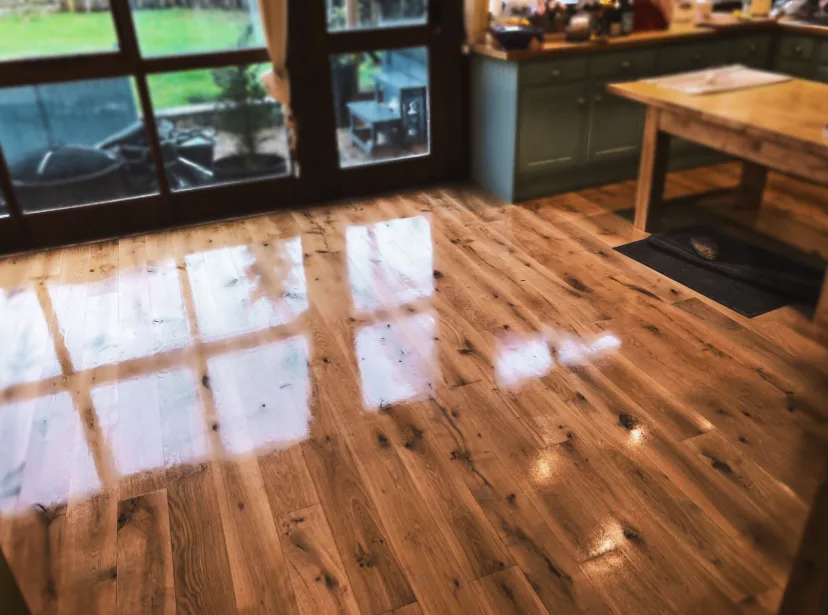
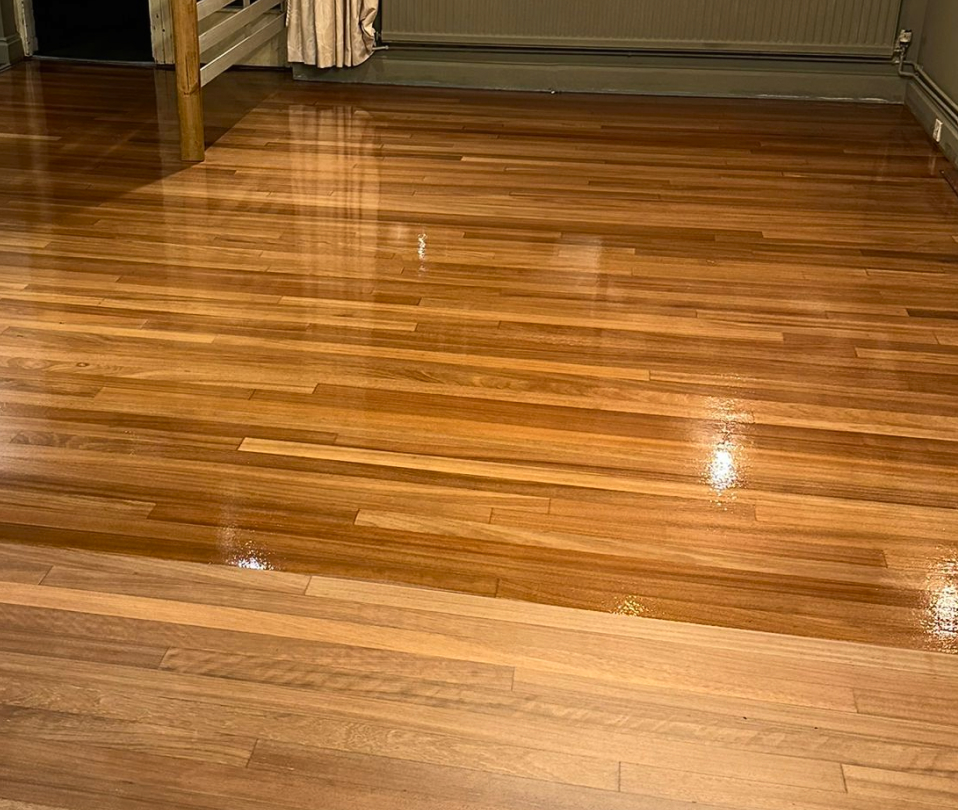
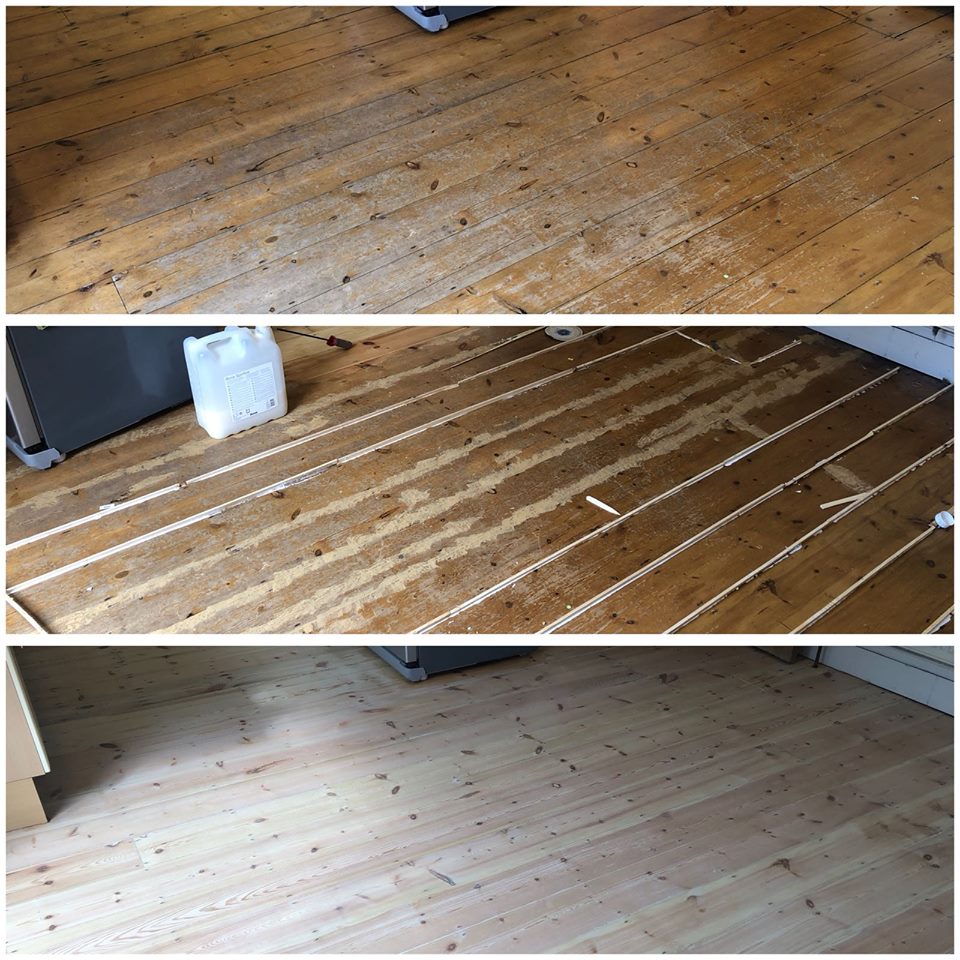
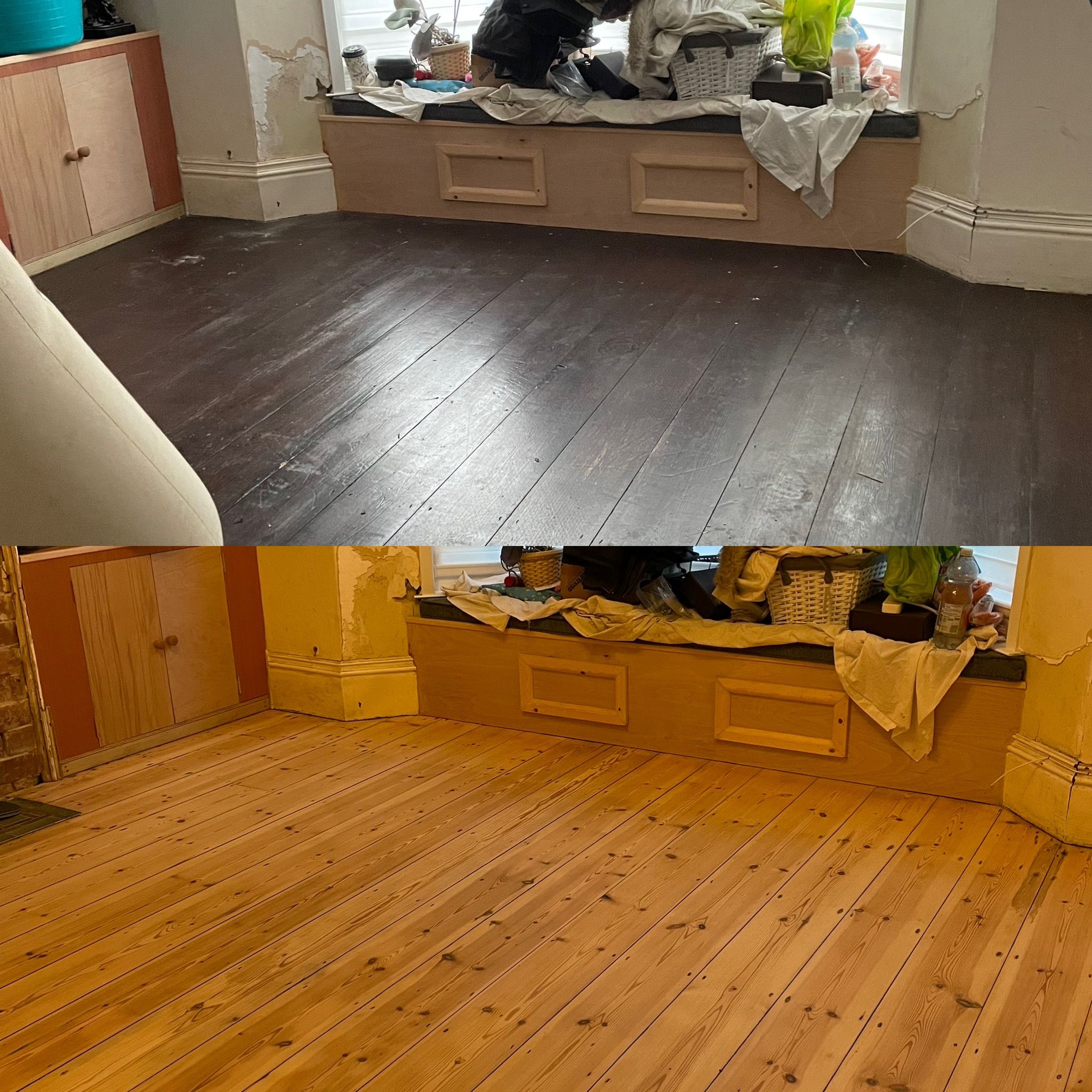
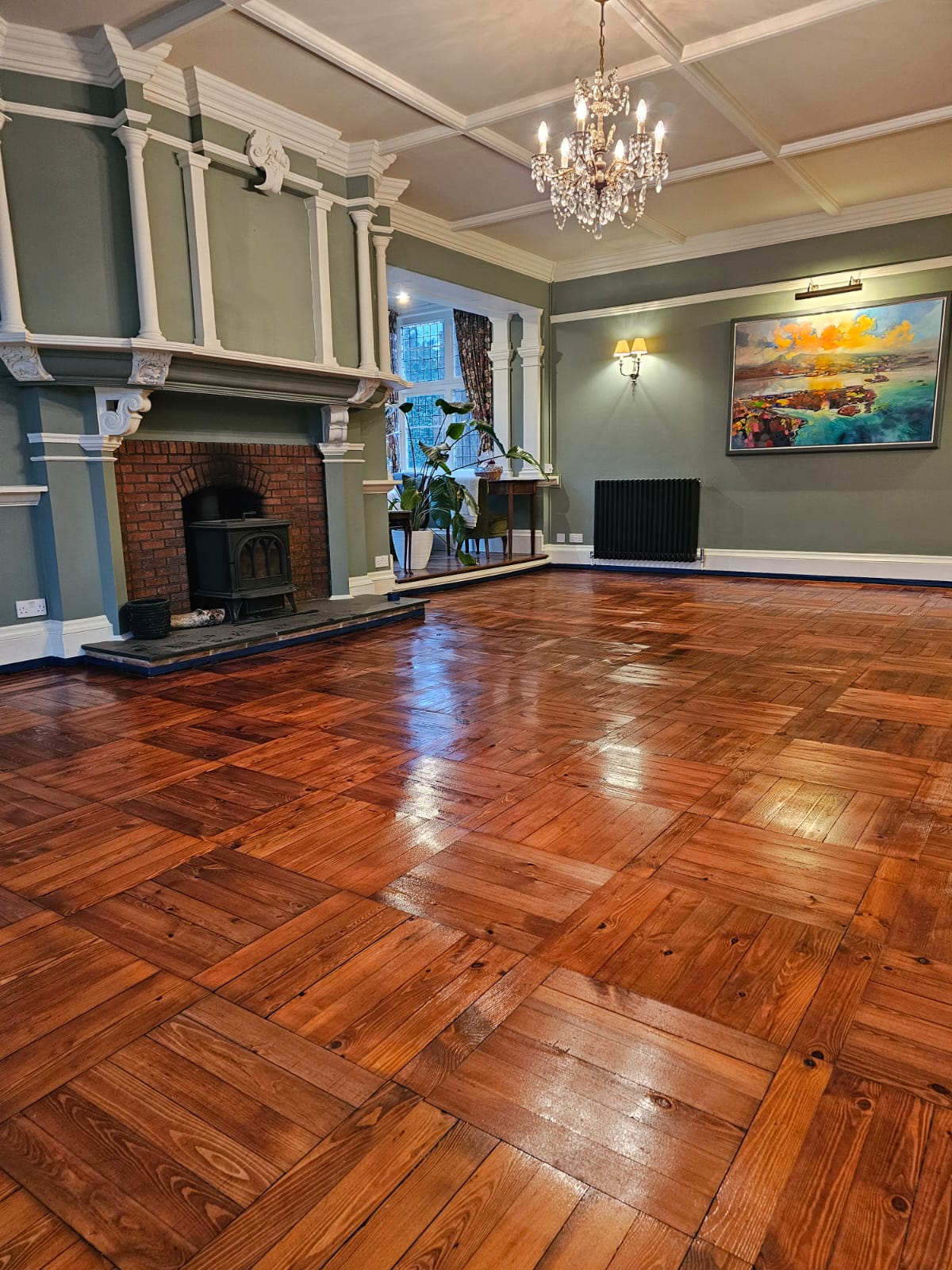
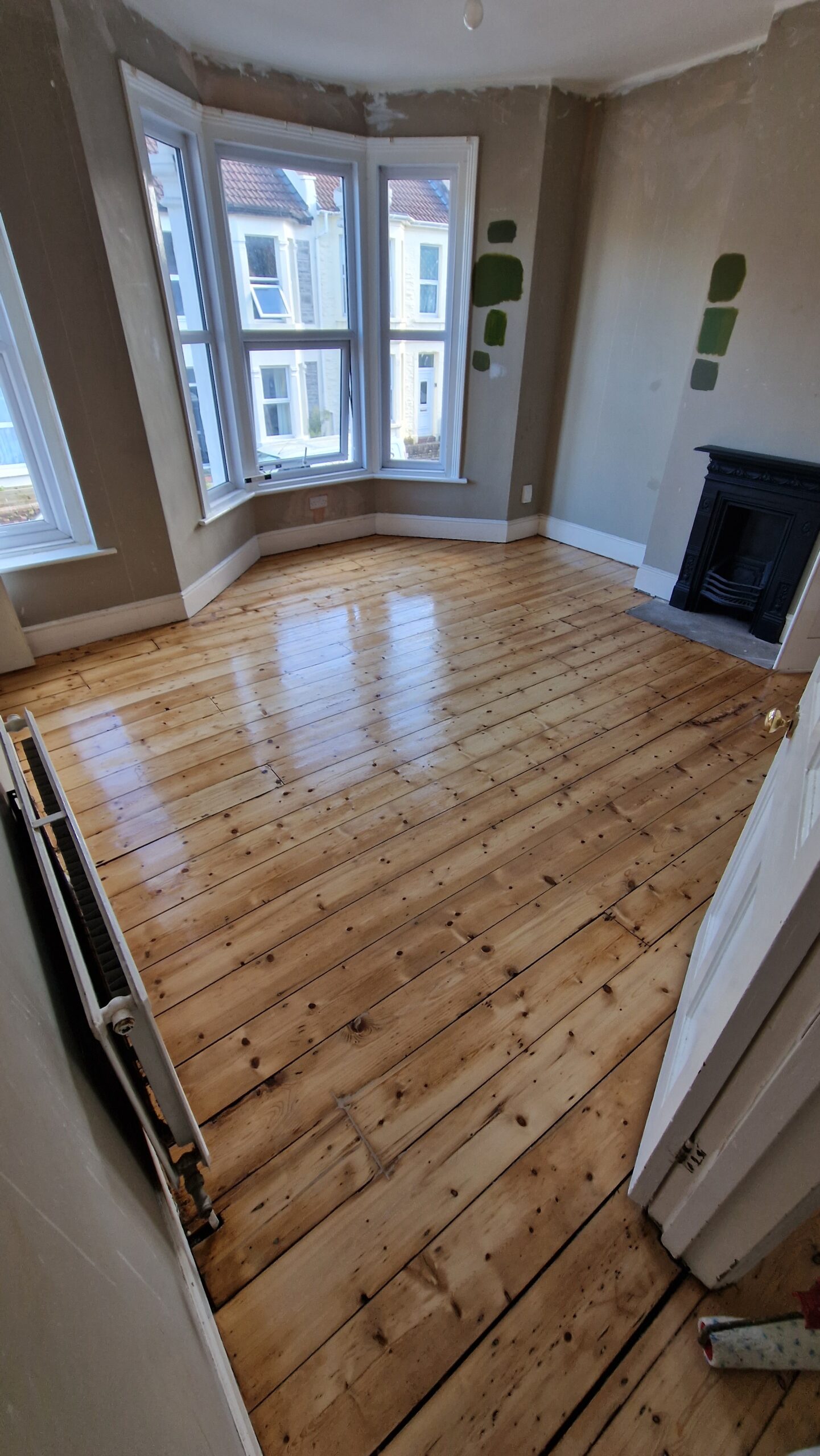
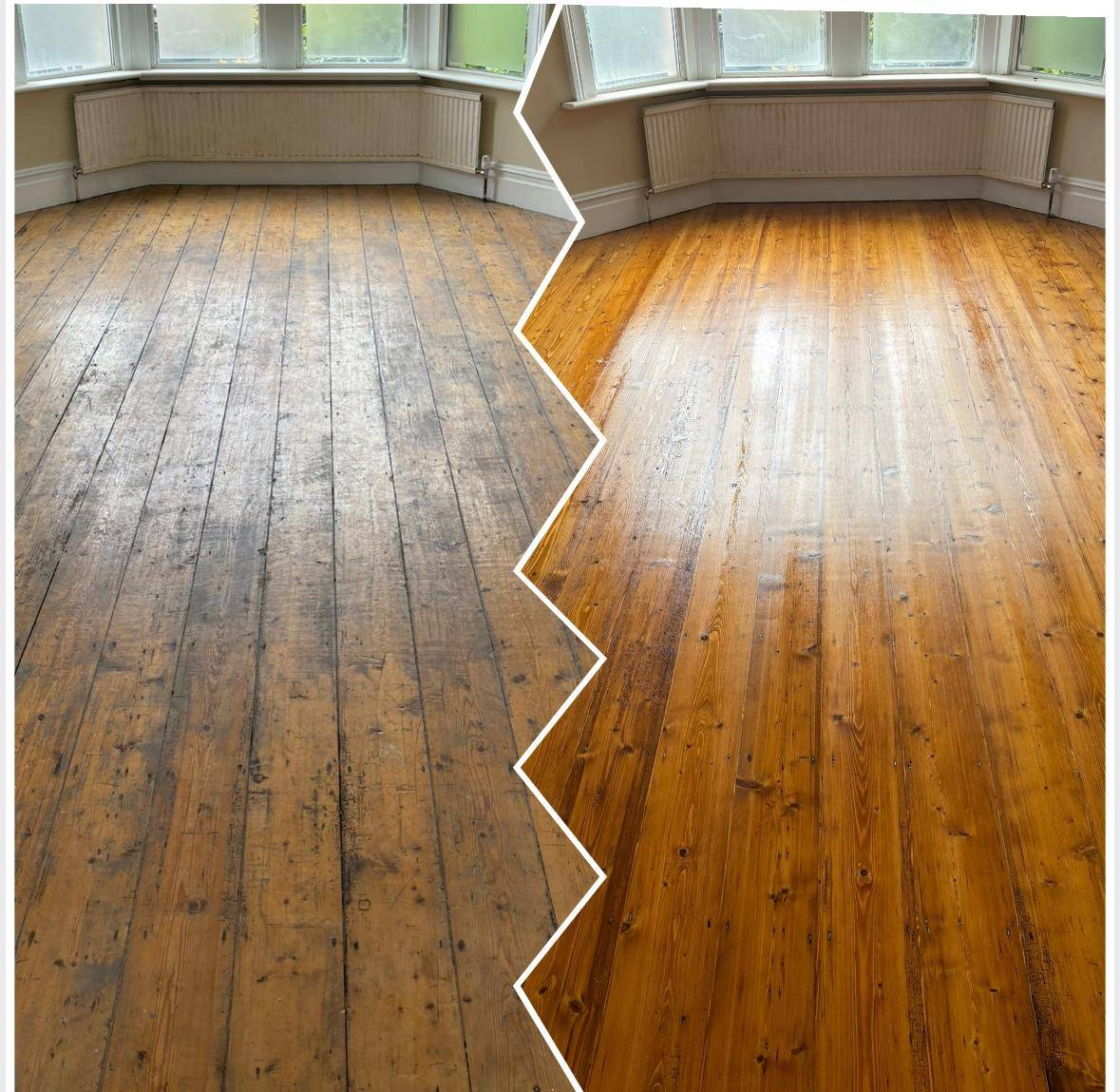
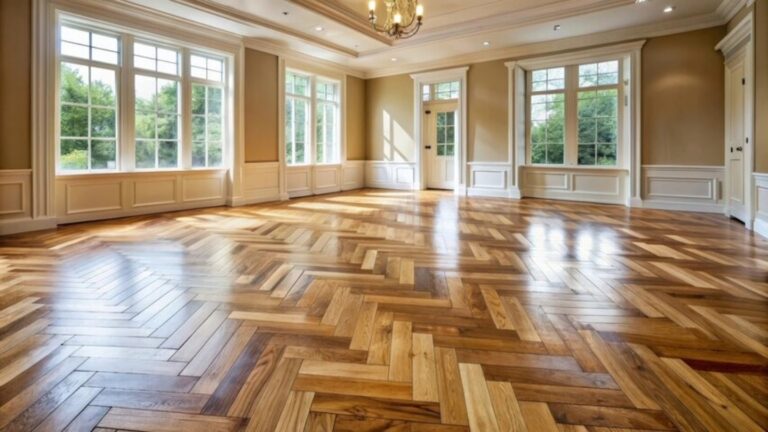
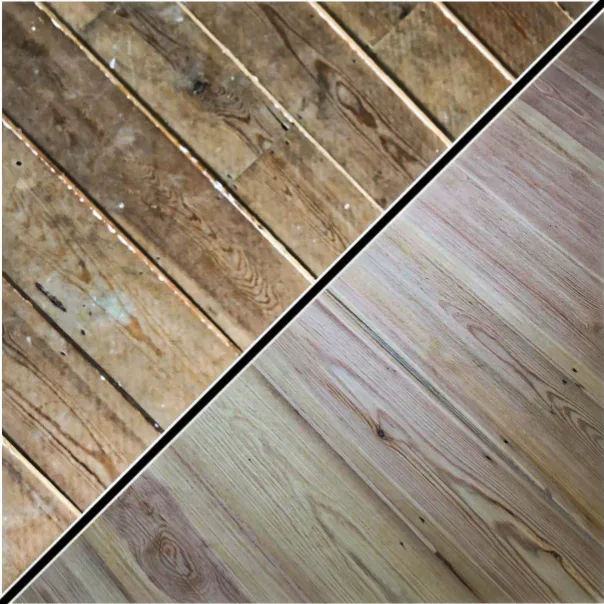
Floor sanding before and after

Floor Sanding Across Truro and Mid Cornwall

Truro is Cornwall’s only city and its Georgian core was built on tin and copper money. Lemon Street and Walsingham Place are among the finest Georgian streets west of Bath, and the floors behind those frontages are usually worth every penny of restoring.

We cover Truro, Kenwyn, Highertown, Threemilestone, Malabar, Chacewater, Shortlanesend, Probus and Tresillian, plus Falmouth, Newquay, St Austell, Redruth and Camborne.

Quotes are free. Cornwall is a long county so we group jobs by area into the same week where we can, which keeps travel out of your price — worth asking when we are next down.

Georgian Wealth and Mining-Era Terraces

Two quite different kinds of floor sit within a mile of each other in Truro.

The Georgian merchant houses on Lemon Street and around Strangways Terrace have wide, well-cut pine over deep joists, laid when the mining boom was paying for good timber. Most are listed or in the conservation area, and most have had a sanding or two across two centuries, so we measure remaining thickness before committing.

The Victorian terraces built for mine workers and railway men are narrower and thinner, and frequently pitch pine. Pitch pine is dense and resinous — it clogs abrasives faster than any other timber we work with, so it takes more time and more consumables than the square meterage suggests. We build that into the quote rather than discovering it halfway through, and the finish is worth the extra.

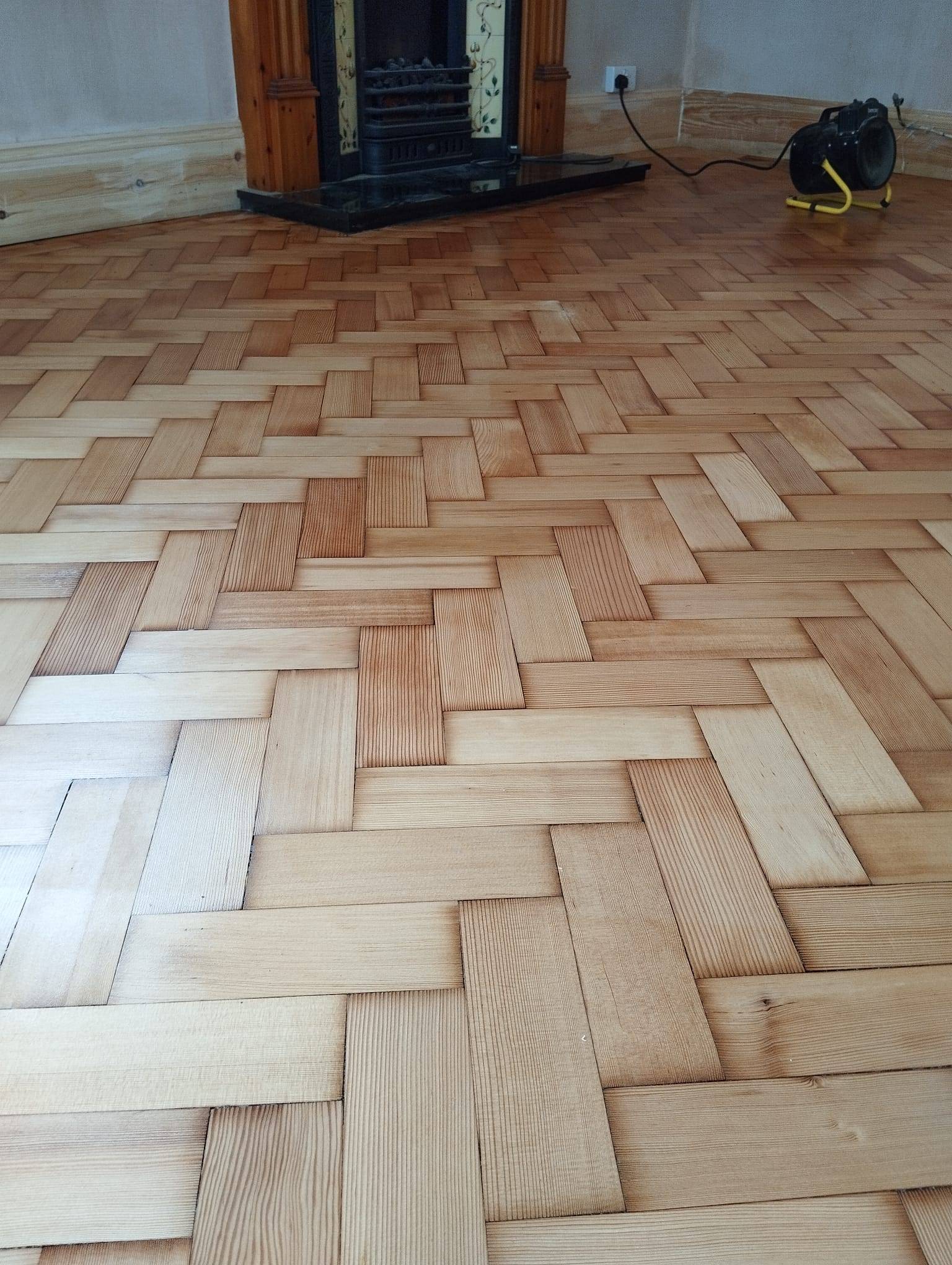
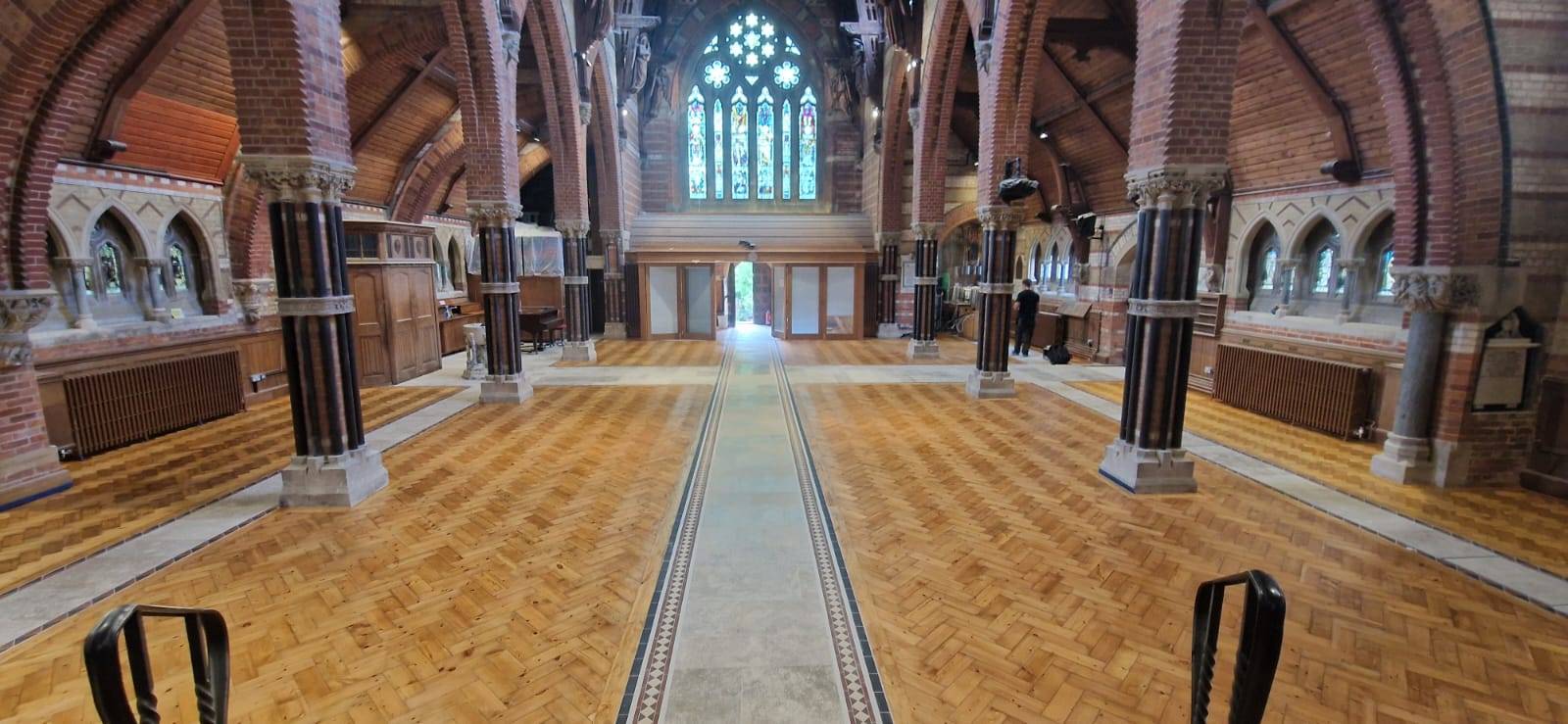
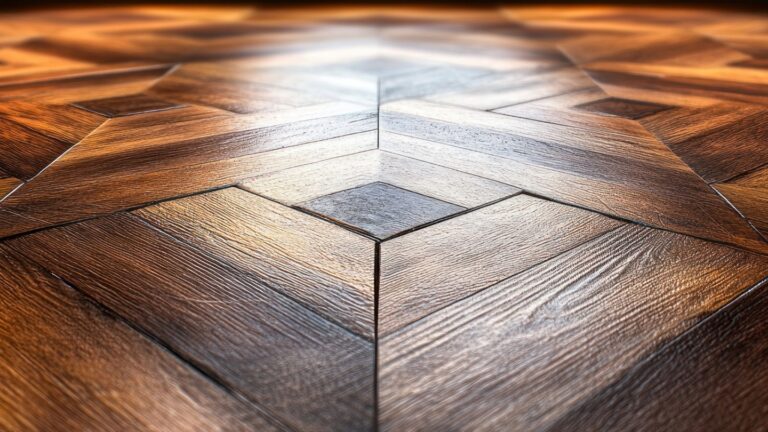
parquet wooden floor sanding
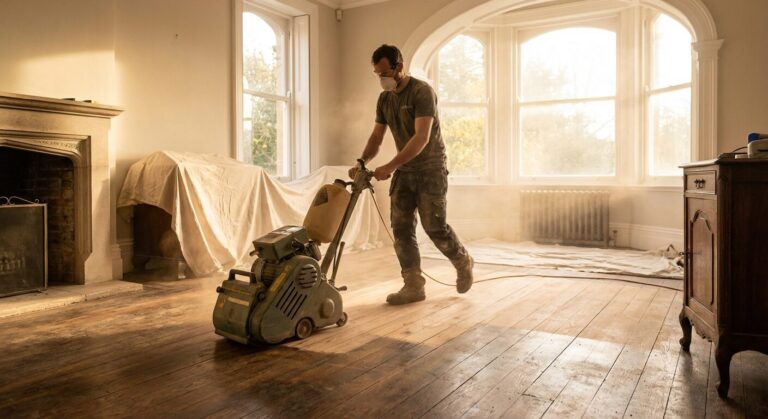
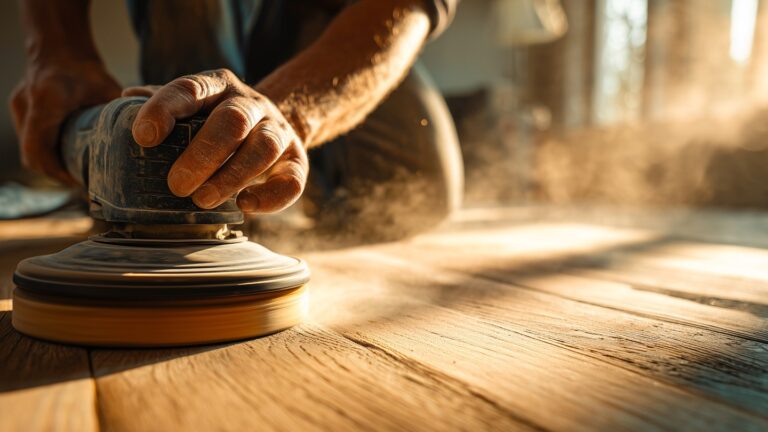
wooden floor sanding

Cornish Damp and the Tidal Truro River

Cornwall is harder on timber floors than anywhere else we work. The county rarely gets a properly dry spell, humidity stays high year-round, and Truro sits at the head of a tidal river with low-lying streets around the quay and Lemon Quay.

Add a housing stock that largely predates damp proof courses, often built of granite or killas slate which hold moisture against the timber, and cupping becomes the most common problem we see — boards curving upward at the edges so the floor reads as shallow ridges underfoot.

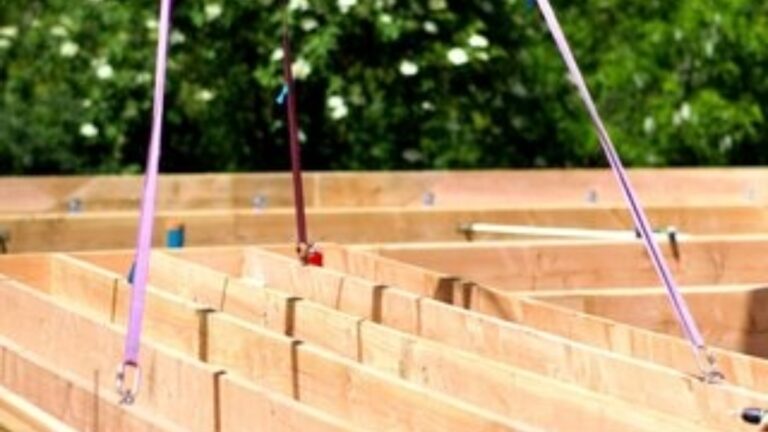
Sanding a cupped floor flat while it is still holding moisture ruins it. The boards flatten as they dry and every one is left thin down the middle. We take moisture readings before quoting and check the joist bearings while we are at it, because rot there is common in Cornish property. If the readings are high the honest advice is ventilation first, sanding later.

Finishes That Last in a Wet County

Finish choice matters more in Cornwall than almost anywhere. A rigid film lacquer sits on top of the timber and seals it; when the boards move seasonally — and here they move a lot — the film cracks at the joints and moisture gets underneath it.

For most Truro property we recommend a hard wax oil instead. It penetrates rather than sealing, lets the timber breathe, flexes as the floor moves, and can be repaired in patches rather than stripping and redoing a whole room when one area gives up.

The exception is heavy commercial traffic and holiday lets on tight turnarounds, where a water-based lacquer makes more practical sense because it takes foot traffic within a day. We will talk you through which suits your property rather than defaulting to whichever is quicker for us.

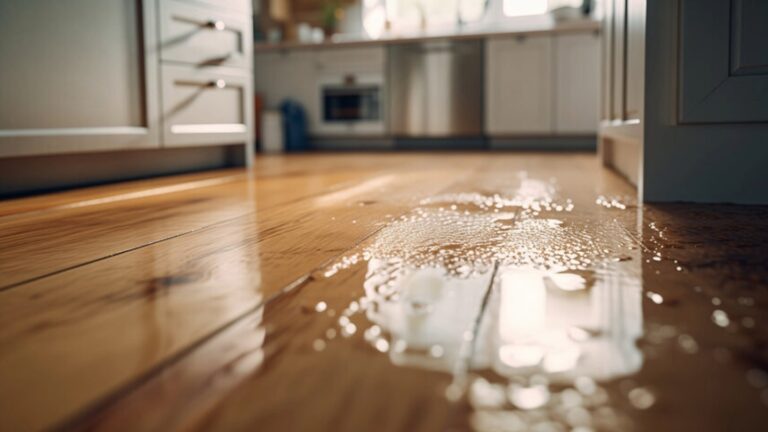
flooring sanding company

Listed Property and the Conservation Area

Central Truro is a conservation area and Lemon Street alone holds a remarkable run of listed Georgian buildings. In a listed property the original floorboards are usually part of what is protected.

Sanding and refinishing an existing floor rarely needs listed building consent. Replacing boards, altering the structure or changing the material generally does, and unauthorised work to a listed building is a criminal matter rather than a paperwork one.

Where there is any doubt we put our proposed method in writing — grits, finishes and precisely what will and will not be removed — so you can hand it to the conservation officer before we start.

Why Truro Customers Choose Us

Forty-five years of restoring wood floors, and enough experience of Cornwall to know that a floor here needs different decisions to the same floor in Hertfordshire. That mostly shows up as honesty about what will still look right in five years.

Sealed dust extraction on every job as standard. Fixed written prices agreed before we start. Furniture moved by us, the property protected, all waste taken away with us.

Fully insured, comfortable with listed property, 4.9 stars from 114 Google reviews.

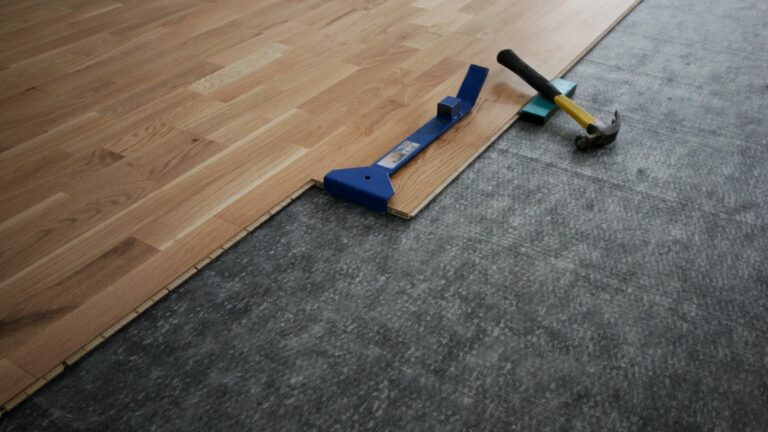
Floor sanding taunton

Get a Free Truro Floor Quote

Photographs are especially useful this far west because they save a long drive. One shot of the room from the doorway, a couple of close-ups of the worst areas and rough measurements will usually get you a realistic range the same day.

If the floor feels ridged underfoot, say so — that is cupping and it changes the advice entirely.

Call 01823 674562, email info@ryansrestoration.co.uk, or use the form on this page.

FAQ: Floor Sanding in Truro

Truro, Kenwyn, Highertown, Threemilestone, Malabar, Chacewater, Shortlanesend, Probus and Tresillian, plus Falmouth, Newquay, St Austell, Redruth and Camborne.

We group jobs in the same area into the same week where we can, which keeps travel out of your price. It is worth asking when we are next down — waiting a fortnight can save you money.

The county rarely gets a dry spell, humidity stays high year-round, and much of the housing predates damp proof courses. Granite and killas hold moisture against the timber, so boards cup and finishes fail sooner than inland.

Usually a hard wax oil. It penetrates rather than sealing, lets the timber breathe, flexes as boards move and can be repaired in patches. Rigid lacquers crack at the joints when a floor moves as much as they do here.

Not until it has dried and flattened. That ridging is cupping, caused by moisture from beneath. Sanding it flat while wet leaves every board thin down the middle once it settles, and that cannot be reversed.

Yes, and the mining-era terraces have plenty. It is dense and resinous so it clogs abrasives and takes longer, which we build into the quote rather than discovering halfway through. It finishes beautifully.

Regularly — Lemon Street and the conservation area hold a great deal of it. Original boards are usually part of what the listing protects, so we work to minimum intervention and provide written method statements where consent is needed.

A solid board typically has five or six full sands in its whole life, and these have already had two centuries of wear plus probably one or two sandings. We measure remaining thickness before committing.

It depends on size, condition, timber and finish. Pitch pine costs more than plain softwood because of the extra time and consumables. Send photographs for a same-day indication.

On every job as standard and at no extra charge. Sealed extraction captures the dust at the machine so you can stay in the property while we work.

Ryan's Restoration
4.9
Based on 114 reviews
×
js_loader