45 years’ experience  ·  Rated 4.9 on Google  ·  Family-run, from our workshop near Wellington

45 years’ experience · Rated 4.9 on Google · Family-run

Floor Sanding and Wood Floor Restoration in Worcester Park

Parquet halls, knocked-through lounges and carpeted stairs in Worcester Park’s interwar semis, brought back to clean, matching timber.

QUICK QUOTATION

Floor Sanding Taunton

Floor Sanding in Worcester Park's 1930s Semis

Most of Worcester Park was built up with housing in the 1920s and 1930s, and that one fact explains a lot about the floors we are asked about here. The typical house is a semi or short terrace with a narrow hall, a front and back reception room that have often been knocked into one, a kitchen at the rear and a staircase rising straight from the hall. Underneath decades of carpet, the hall is frequently parquet, the reception rooms have softwood boards and the stairs are pine treads with a painted string. Floor sanding in Worcester Park houses usually means dealing with all three at once and making them look as if they belong together.

We should be straight about the travelling. Ryan’s Restoration is a family business with its home workshop at Higher Poole, by Wellington in Somerset, which is the best part of a day’s drive from the Surrey and London border. Worcester Park is not somewhere we work routinely. The trips we do make are for meaty jobs. Think of a semi where the hall, the through-lounge and the staircase all need doing, a house gutted for refurbishment before new owners arrive, or a unit on one of the parades that can only be sanded when the shutters are down.

The interwar layout shapes how a job runs. In a semi, the hall is the only way from the front door to the stairs, so sanding and coating it cuts the house in two for a time. Some families go away for a night or two; others use the back door and keep upstairs sealed off, coming down only once the hall coat has hardened enough. The staircase is often done first, working from the top down, so that the hall can follow without anyone needing to cross it. Getting that order right matters more than in a house with two staircases or an open-plan ground floor.

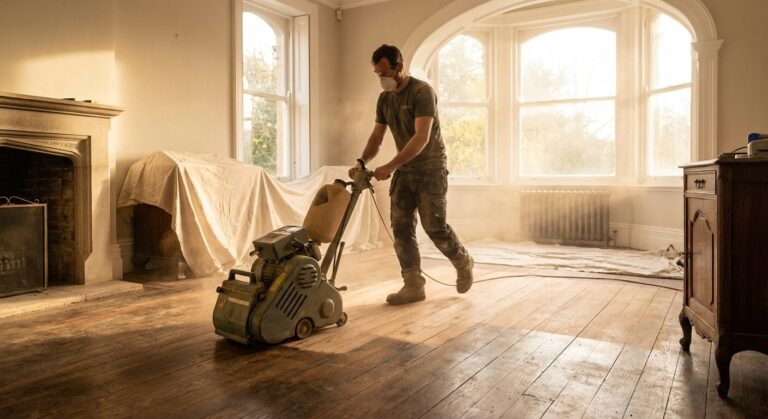
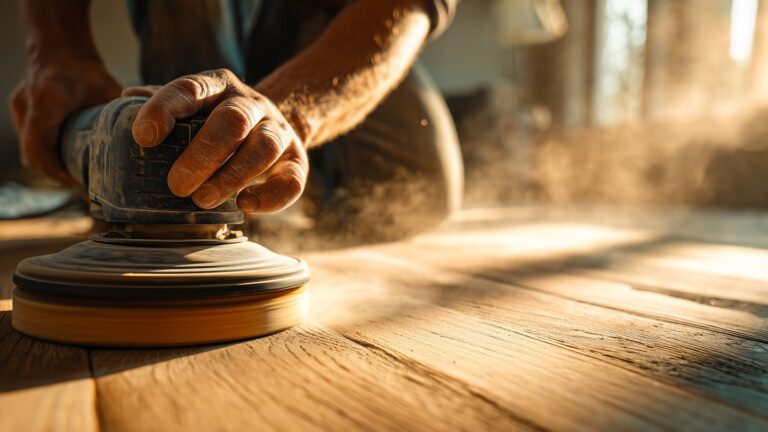
The sanding itself starts with the condition of each floor rather than a set routine. Parquet blocks have to be secure, softwood boards have to have their nails punched below the surface, and old stair carpet fixings have to come out before any machine touches the timber. The grit-by-grit process is described under floor sanding; for other Surrey towns on our occasional list, see floor sanding across Surrey. Machines are linked to sealed extraction units throughout, which keeps the great majority of the dust out of the hall, lounge and bedrooms above, although no sanding is entirely free of it; dust-free floor sanding explains what that means in a lived-in house.
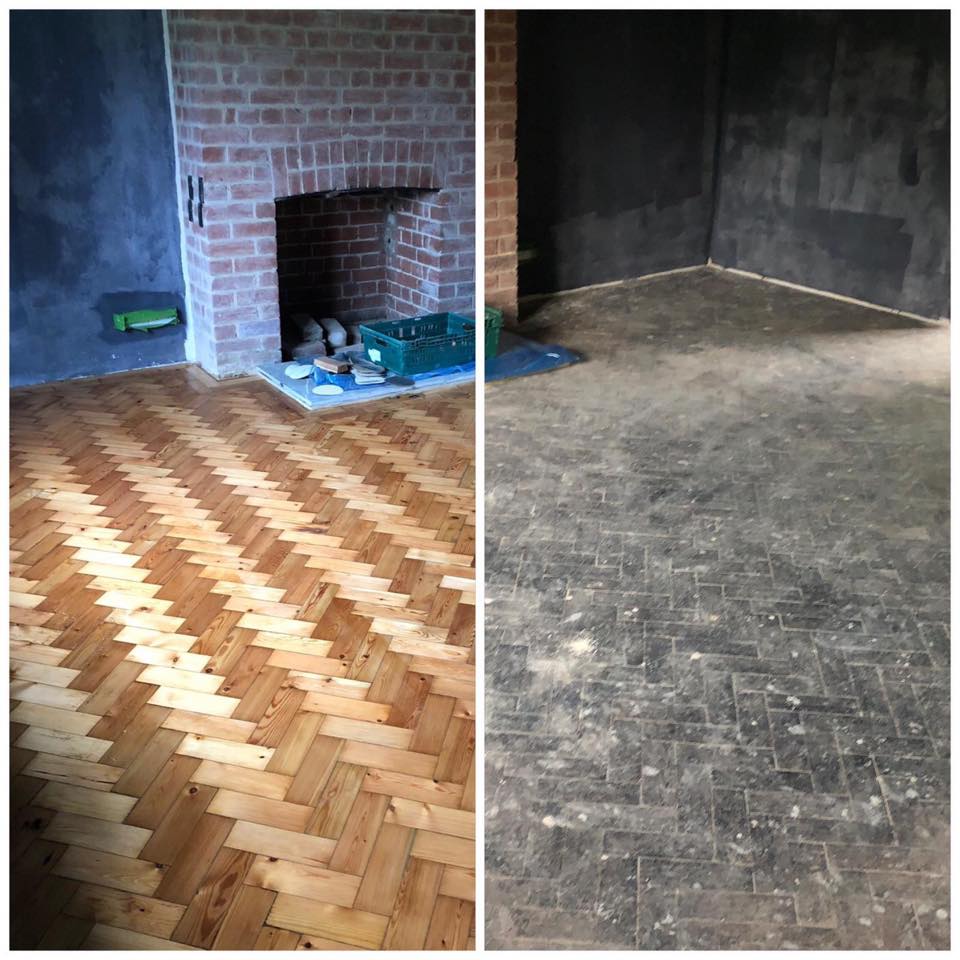
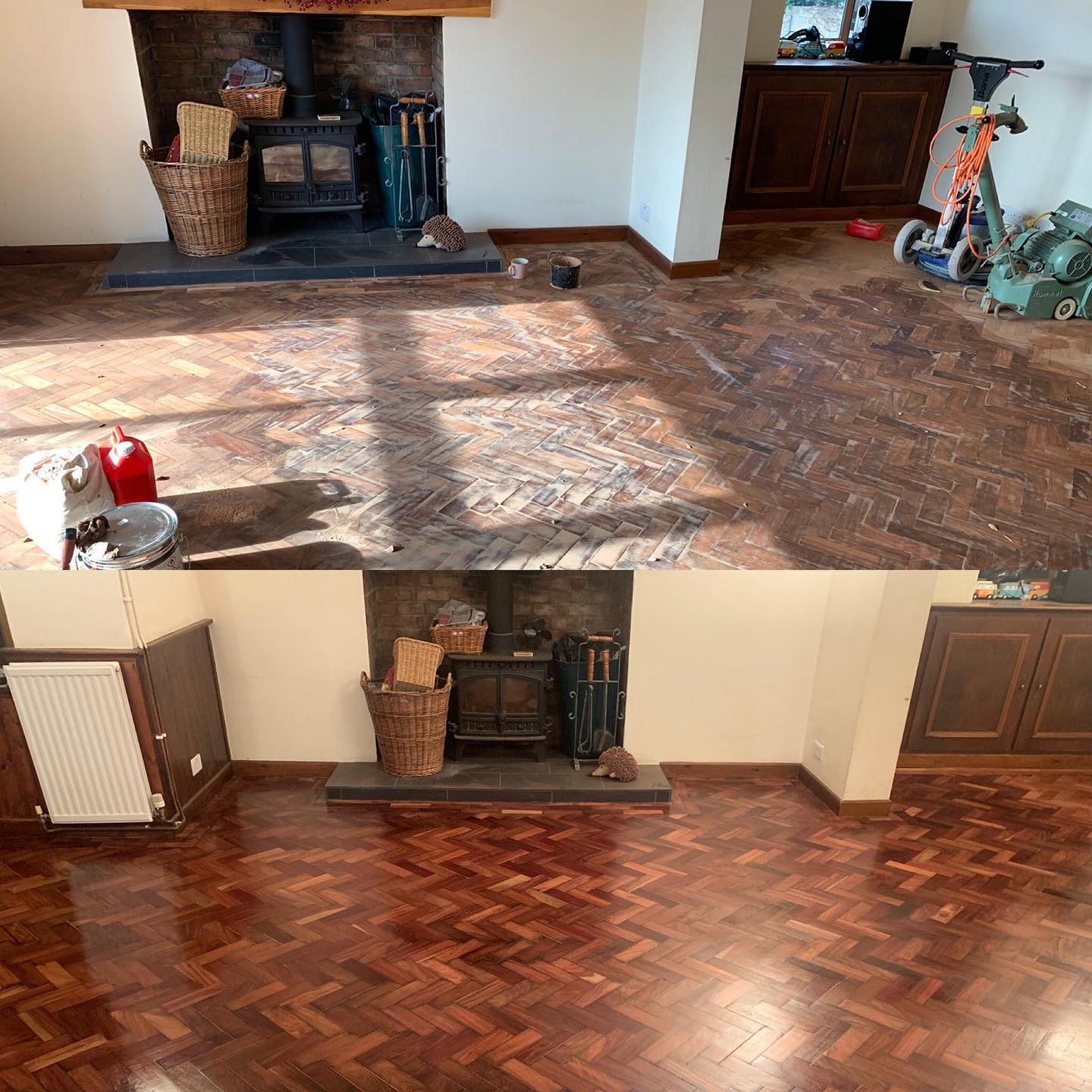
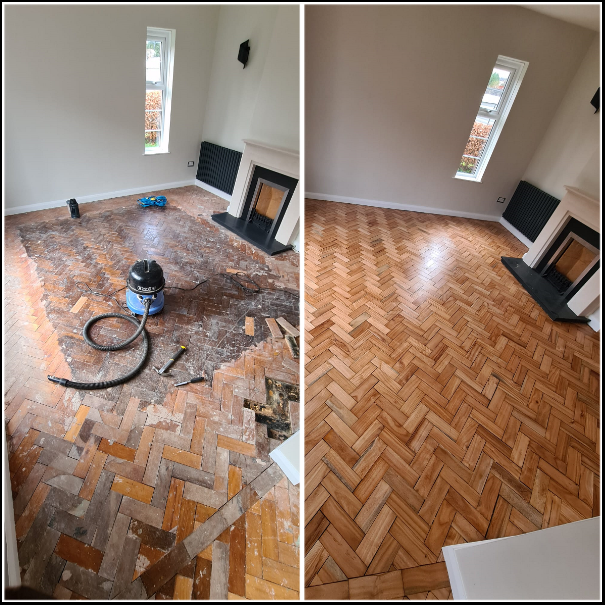
Parquet Hallways: Wood Floor Restoration in Worcester Park Block by Block

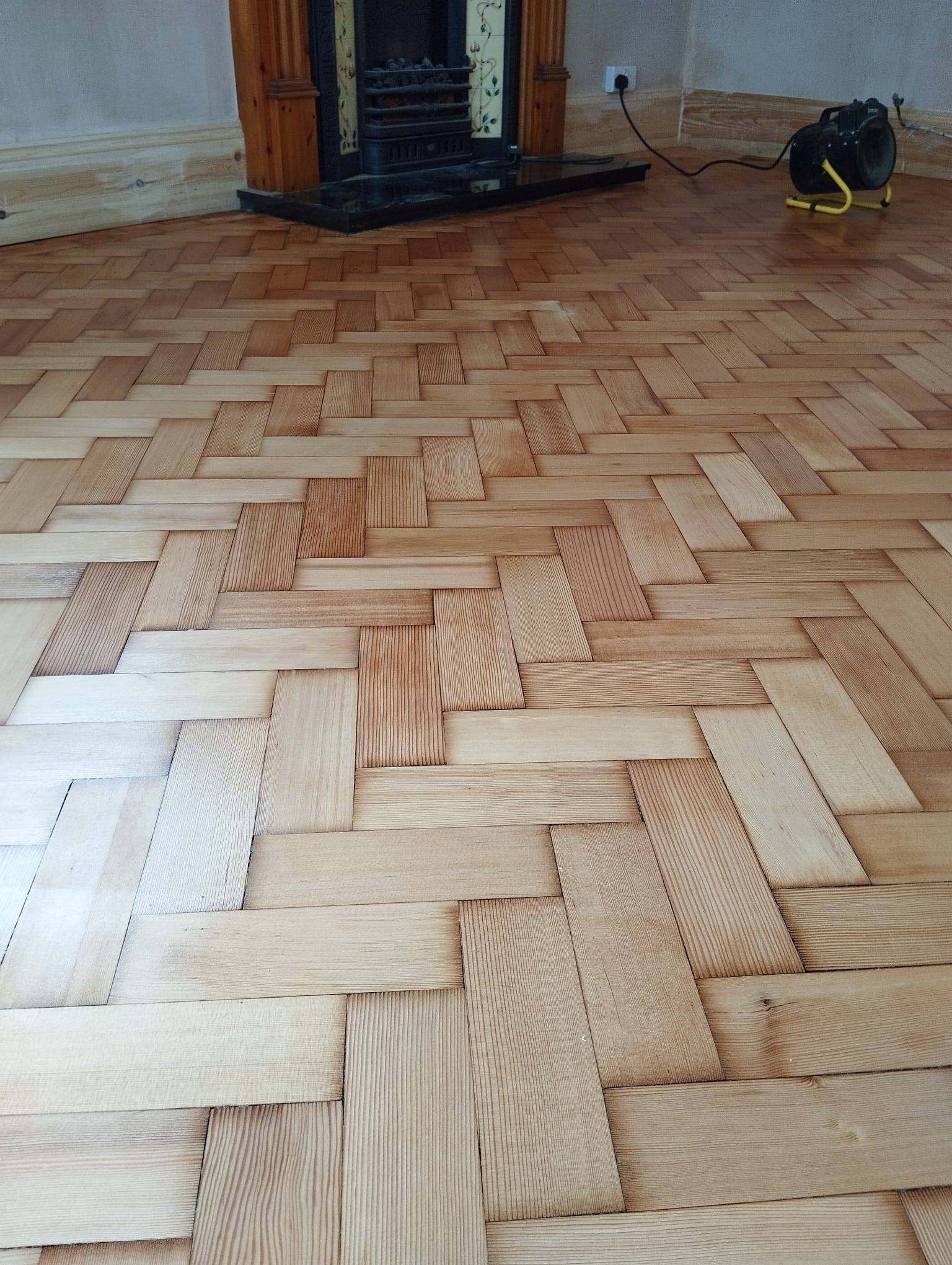
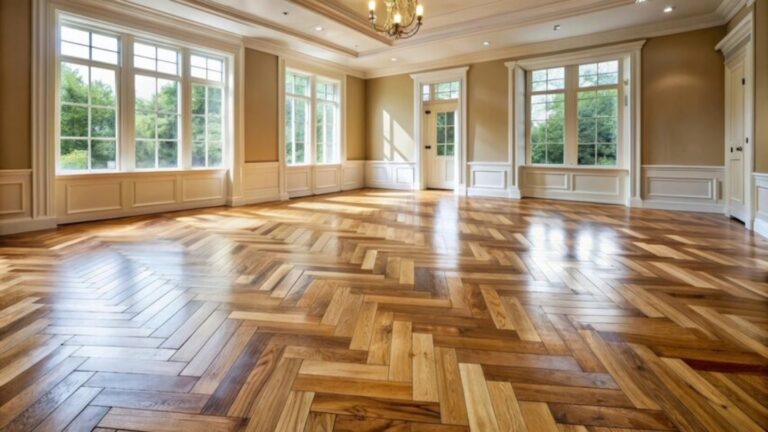
Hallway parquet in interwar houses is often in better shape than owners fear when they pull back a corner of carpet. The blocks were usually solid hardwood, quite often oak, laid in herringbone or basket weave with a border of straight blocks running round the walls, and stuck down in hot bitumen. That bitumen also served as a moisture barrier where blocks were laid directly on concrete. Wood floor restoration in Worcester Park halls is mostly a matter of finding out which blocks have let go and why.

Loose blocks tend to cluster in predictable places. By the front door, decades of wet shoes and leaking mats soften the adhesive. Around radiator pipes, a weeping valve can keep a patch damp for years. Along the edges of a hall where a wall or cupboard was moved, blocks may have been lifted and put back badly or replaced with odd timber. Where the bitumen has failed across a wide area, it is sometimes a sign that the concrete beneath is damp, and that is worth understanding before the blocks are fixed down again.

Each loose block is lifted, its underside and tongue cleaned of old adhesive, and the base scraped back before it is set down in fresh adhesive. Gaps in the pattern are filled with salvaged blocks rather than new ones. Modern parquet is often cut to a fractionally different size, and a fresh pale block among ninety-year-old oak sticks out like a missing tooth. Before the tar-black layer is scraped in any quantity, have a sample tested, because some adhesives from that era had asbestos mixed in.

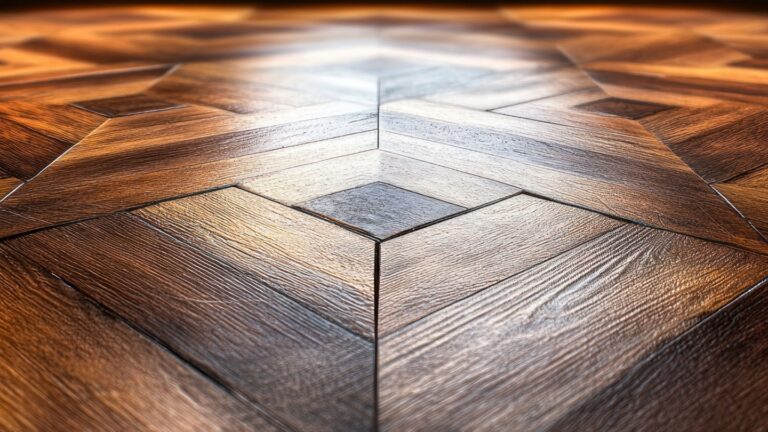
Sanding a herringbone hall is slow work. The blocks point in two directions, so whichever way the machine travels it is cutting across the grain of half of them. The first cuts run at forty-five degrees to the hall; each later pass uses a finer paper, and the job is checked by shining a torch low across the blocks to find any scratch still catching the light. Edges and the border blocks are done with smaller sanders and hand scrapers, because a narrow hall leaves little room to manoeuvre. There is more about block floors on our parquet floor sanding page, while oak floor restoration deals with the colour and character of oak once it is exposed. The wider service is set out on wood floor restoration.

Floor sanding south east London
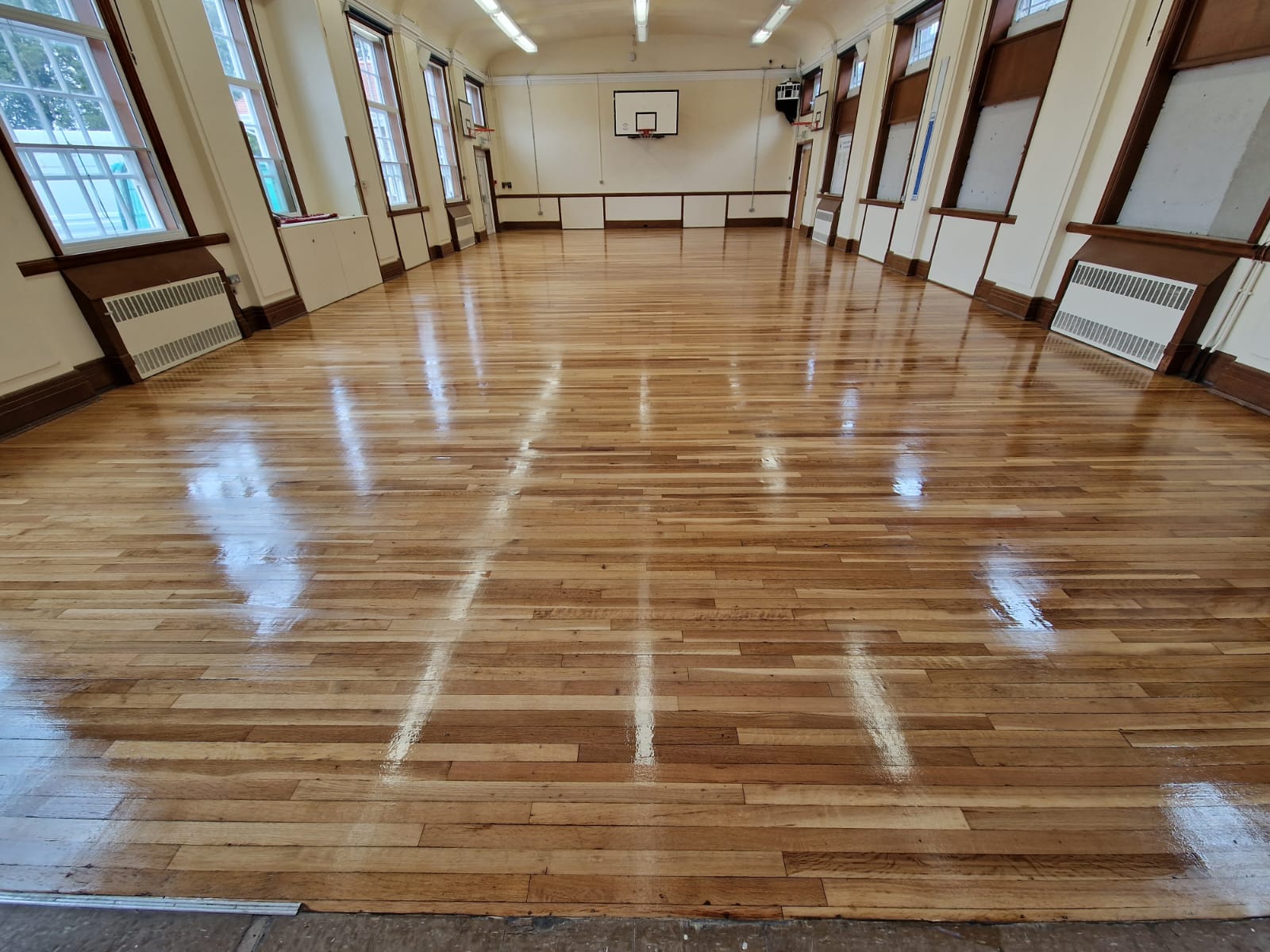
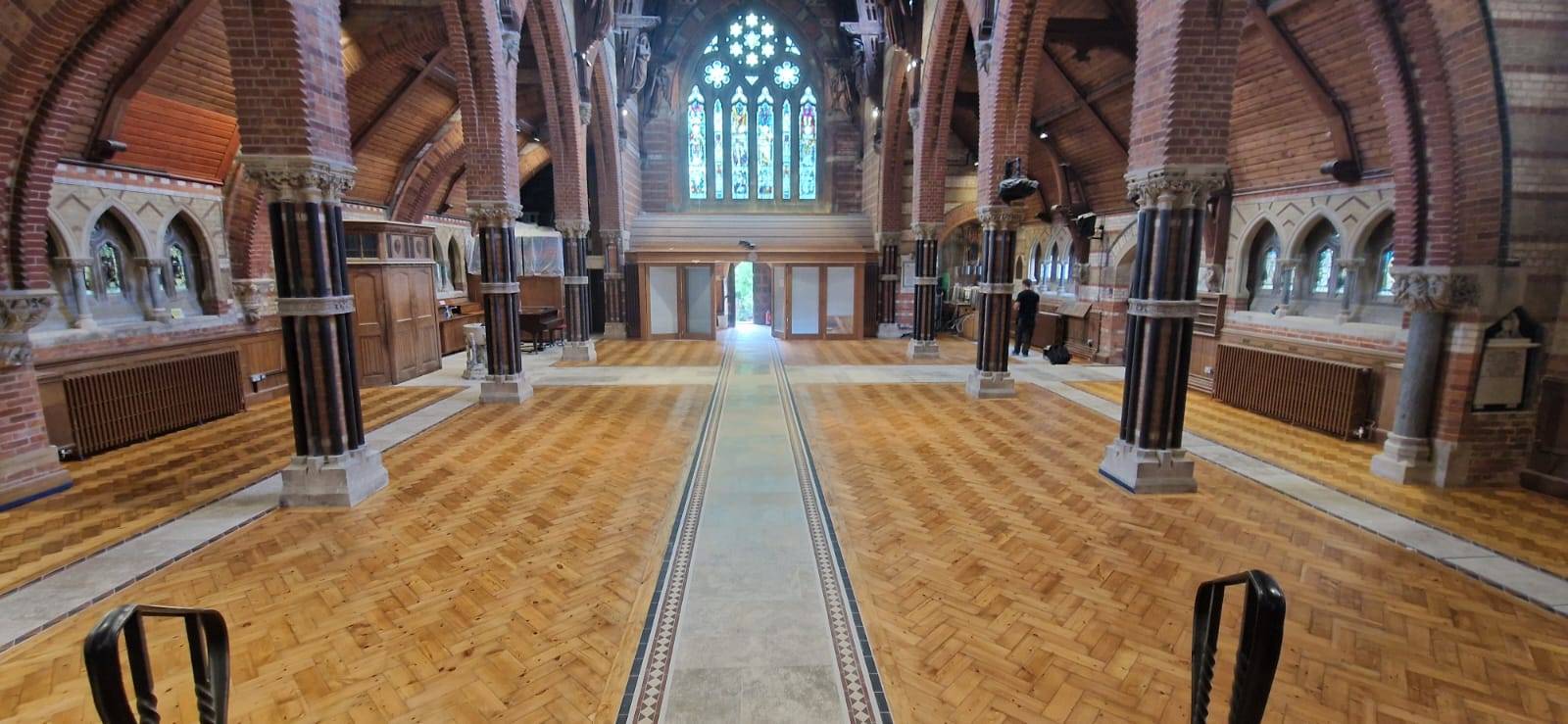
Commercial Hall Floor Refurbishment

Through-Lounges, Old Hearths and Creaking Boards

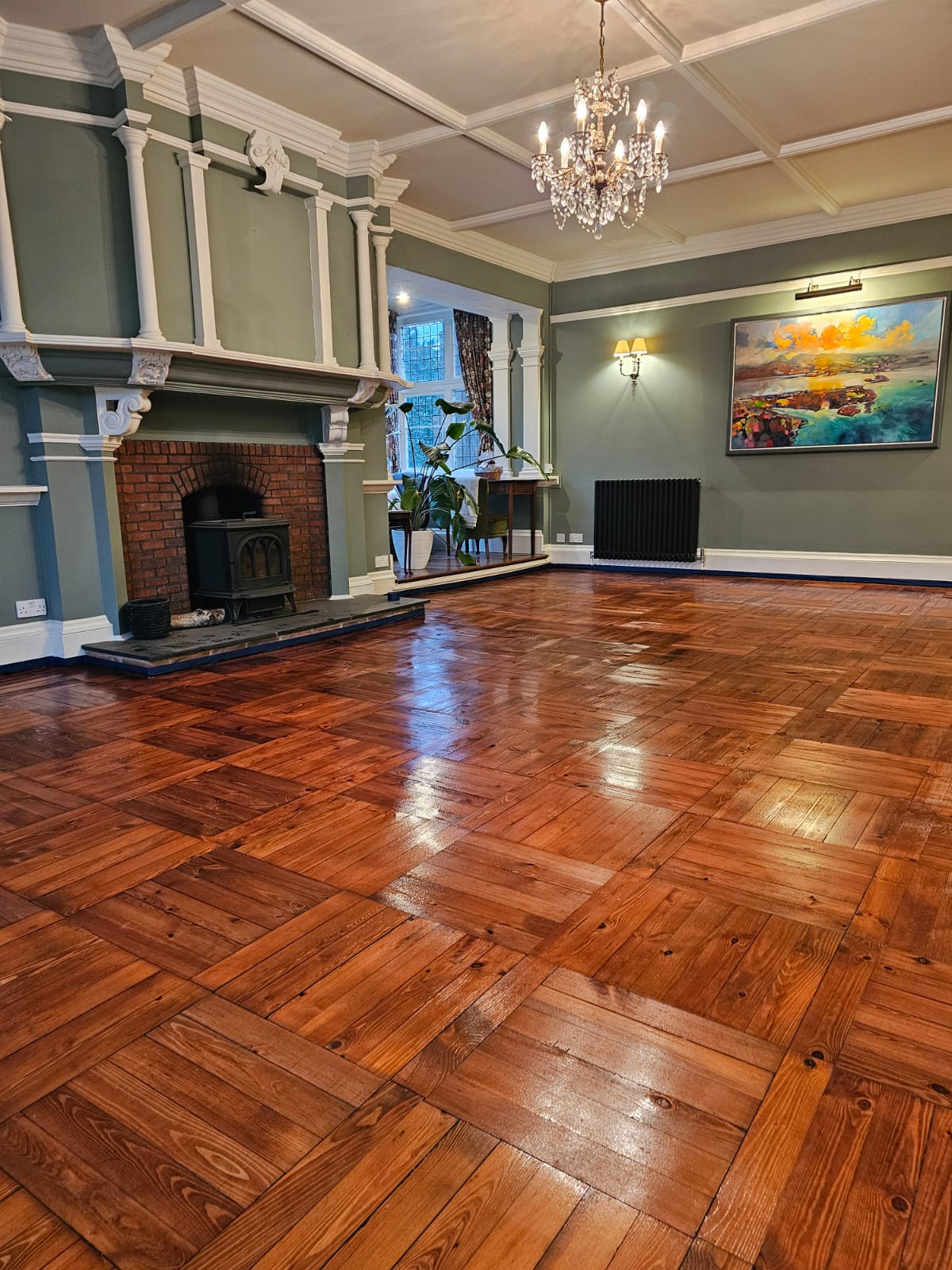
The knocked-through lounge is one of the commonest features of an interwar semi, and it leaves a mark on the floor. Where the wall between front and back rooms came out, there is usually a strip of boards that do not quite belong: shorter lengths, a different width, sometimes a band of chipboard or concrete where the wall sat on its own footing. The chimney breasts, if they have been removed, leave hearth patches of concrete or tile at the side of each room. Once the carpet is up and the floor bare, those infills are glaring.

There are several ways to deal with them. Where the infill is timber of the wrong size, it can be replaced with reclaimed softwood boards matched for width and thickness, staggered into the existing floor so there is no straight line where the wall once ran. Concrete hearth patches can be built up with timber to the level of the surrounding boards and floored over, again with reclaimed stock. Our floorboard replacement service handles these, and the reclaimed boards we hold include the older imperial sizes that match interwar floors better than modern timber. Pine in these houses has usually been under carpet since the 1950s, so it is often in good order once the repairs are done; see pine floor restoration.

Creaks are the other common complaint. Boards in a 1930s house are fixed with nails into joists, and as the timbers dry and settle over the decades, the nails loosen and the boards move against them. Screwing the board firmly back to its joist usually stops the noise. In a semi that has had central heating fitted and been rewired, though, copper pipe and cable often run in notches right under the boards, so each fixing point is checked before anything goes in. More on squeaky floorboard repair.

Gaps between softwood boards can be draughty in houses with a ventilated void below. Narrow, stable gaps can take resin mixed with the floor’s own sanding dust; wider ones, or gaps that move with the seasons, are better with timber slivers glued to one edge. The airbricks below must stay clear either way, since a ground floor needs that ventilation. See gap filling. Burns, deep scratches and dents from furniture are handled through scratch repair or as part of general wooden floor repairs.

Commercial Floor Sanding in Worcester Park: Shops, Cafés and Studios

The shopping parades in Worcester Park include independent shops, cafés and restaurants, and some of them have timber floors that take a beating from steady daily footfall. Commercial floor sanding in Worcester Park is fitted around the shutters. A shop is tackled on its closed day or through the night, a café after the tables are wiped down, and the last coat is a rapid-curing product that staff can walk on when they open up. Dates go in the diary well ahead so staff and suppliers can be told. Our commercial floor sanding page describes night and weekend scheduling in general.

Shop floors wear in a familiar shape. The entrance takes grit from the pavement, there is a grey track to the till, and fittings that are moved for each season leave scratches. Café floors add chair legs and spilt coffee, and the area in front of the counter wears fastest. Small restaurants add grease from the kitchen door, which has to be cleaned out of the timber before any new finish will bond. Retail units are covered in more detail on shop floor sanding, and food premises on restaurant floor sanding.

Dance, yoga and fitness studios sometimes occupy upstairs rooms or units on parades, and their floors need a different balance. A yoga class wants a floor that holds a bare foot steady; a tap or ballroom class wants one that lets a shoe turn. Somewhere between the two is a finish that survives being mopped after every session. Dance floor sanding covers those floors.

Shopfronts that open straight off a busy pavement suit a two-pack lacquer, which shrugs off tracked-in grit, finished matt. Leaseholders often need their landlord’s say-so before a contractor works overnight; our method statement, insurance paperwork and references can be sent to the landlord directly. A parade floor with customers in and out all day will be ready for its next full sand sooner than a home: think every four or five years, where a semi’s lounge might manage eight to ten. Buffing and a fresh maintenance coat in between help a busy floor last.

Floor Sanding Essex
parquet floor restoration near me

Staircases, Landings and Matching Finishes

The staircase in an interwar semi is almost always softwood: pine treads and risers housed into strings, with a painted balustrade and square spindles. Most were carpeted from the start or soon after, and the treads often still show the history. There may be a painted or dark-stained margin either side of where a runner lay, with holes from stair rods or later carpet gripper, staples along every nosing and, on some stairs, hardboard nailed over the treads to level them for carpet. Stripping all that back is patient work with scrapers and small sanders, one step at a time.

Creaks on stairs come from different causes than on floors. Treads and risers are held together by small wedges and glue blocks underneath, and those dry out and come loose. In many semis the underside of the stair is accessible from the understairs cupboard, which makes re-gluing and re-wedging from below possible. Where the underside is plastered, fixings have to go in from above and be hidden. Split treads can be replaced with matched reclaimed pine. Stair sanding covers the work in more detail.

Once the stair is bare, its finish has to be chosen with the hall parquet in mind, because the two meet at the bottom step and are seen together. Pine and oak take colour differently, and the pine will usually look yellower than the oak blocks next to it. A tinted oil or a carefully tested stain can bring them closer; stains are always tried on the actual timber first, and wood floor staining explains why. Grip matters on stairs above everything else. A matt lacquer or hard wax oil gives better footing than a glossy surface, and some lacquer ranges offer slip-resistant versions for treads. A two-coat sealing base under a water-based lacquer suits most halls and stairs; wood floor oiling is an option where the owners will keep up the maintenance; wood floor waxing is better kept to bedrooms and quieter rooms than to stairs. For a deeper sheen in a front room that is used mainly for best, wood floor polishing is worth discussing. Getting the hall, stairs and lounge to sit together is what wood floor refinishing in a semi really comes down to.

Moving Back In, Looking After the Floor and Getting a Quotation

Most Worcester Park houses with a hall, through-lounge and stairs take two to three days, a little longer where there is a lot of parquet repair. After the last coat, it is fine to walk carefully in socks from the following day. Leave the sofa, sideboard and dining table out until the third day, and keep rugs off for a little longer while the finish hardens all the way through.

Looking after the floor is simple. Grit is the main enemy, so a doormat outside and a second one inside the front door do more to protect a parquet hall than anything else. Run the vacuum over the hall a couple of times a week. When it needs washing, use a flat mop that is barely damp with a timber-floor cleaner; keep steam cleaners and bleach well away. Put felt pads under the legs of dining chairs and the sofa. In a few years, when the hall starts to look dull, a buff and a fresh topcoat can bring it back without sanding; see wood floor buffing.

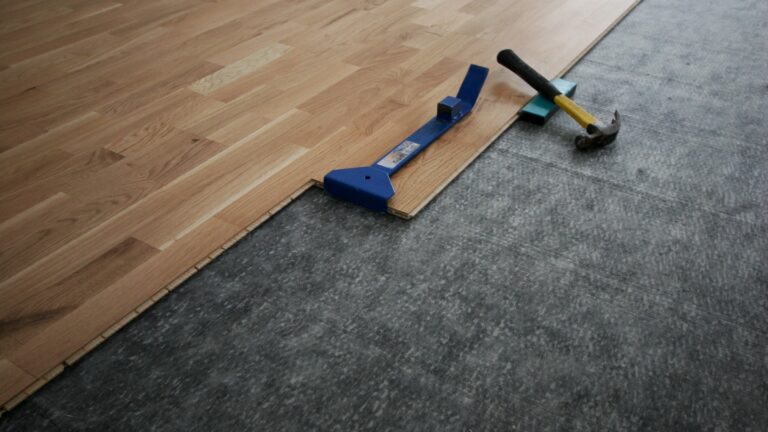
Rear kitchen extensions are common on these streets, and owners often want timber there to run on from the lounge. New boards from makers such as Junkers or Bona can be fitted by us, or dropped off for whoever is building the extension. See wooden floor installation.

The quickest start is two photos. Stand on the doorstep and shoot down the hall towards the bottom step; then get close to whatever troubles you most, a cluster of rattling blocks, say, or the seam where the old dividing wall stood. Email them over to info@ryansrestoration.co.uk. Phone 01823 674562 if you would rather talk; the office is open eight till six on weekdays, with Saturdays by prior agreement. From the pictures we can tell whether it looks like a job we travel to Worcester Park for. Where it does, we visit for a survey that is free and takes around thirty minutes, measuring the remaining depth of blocks and boards, taking moisture readings, looking at airbricks and damp and checking what earlier builders patched. Our quotation then comes in writing, item by item, and holds unless you change the job. The website enquiry form is another route in. Further into Surrey, our trips include floor sanding in Guildford.

Parquet Flooring Restoration

Worcester Park Floor Questions Answered

No. Home for us is Somerset, close to Wellington, and the edge of south-west London is a long way outside our normal patch. We travel there for larger domestic jobs, such as a hall, through-lounge and staircase together, and for commercial floors in shops, cafés, restaurants and studios. A hall photo and a close-up usually settle the question fast.

Almost always. Interwar parquet was usually solid hardwood laid on bitumen, and even after decades under carpet it tends to come back well. The loose blocks are stuck back, gaps are made up with salvaged parquet, and sanding follows once everything is firm. Peel back the carpet by the front door, take a picture and we can give an opinion.

Usually because of moisture over many years from wet shoes, leaking mats or a damp threshold, which softens the old adhesive. Weeping radiator valves cause the same thing in other spots. Those blocks are lifted, cleaned and stuck down again, and if the concrete beneath turns out to be damp, that needs understanding first.

Infill boards of the wrong size are replaced with reclaimed softwood matched for width and thickness, and staggered into the existing floor so there is no straight seam. Concrete where the wall stood, or old hearth patches, can be built up with timber to the right level and floored over to match the rest.

Yes, provided the treads are sound. Carpet fixings, staples and any hardboard come off, old paint margins are removed and each tread is sanded largely by hand. Footing matters most here: choose a matt lacquer or hard wax oil over anything shiny, and ask about anti-slip lacquers for the treads.

The stairs are often done first, from the top down, so the hall can follow without anyone crossing it. Some families stay away for a night or two, while others use the back door and keep to upstairs once the hall is coated. The order is planned at survey so everyone knows what to expect.

Not exactly, as they are different timbers that take colour differently, and pine usually looks yellower than oak. A tinted oil or a tested stain can bring them closer together. Trials on both timbers before the main finish goes on show how near the match will be.

In most cases. We arrive after the last customer, sand into the night and lay a coating that cures quickly enough for the morning opening. Larger floors are split into sections over more than one night. Greasy areas near a kitchen are cleaned thoroughly first so the new finish bonds properly.

Send a shot looking along the hall, a close-up of the most damaged patch and rough sizes for each room. If the photographs show a job worth the journey from Somerset, a free survey is booked, after which you receive a written quotation, task by task.