Floor Sanding Cambridge

Wooden Floor Restoration Cambridge Company Ryan’s Restoration Have Been Floor Sanding in Cambridge for Over 45 Years

QUICK QUOTATION

Parquet Flooring Restoration

Floor Sanding in Cambridge

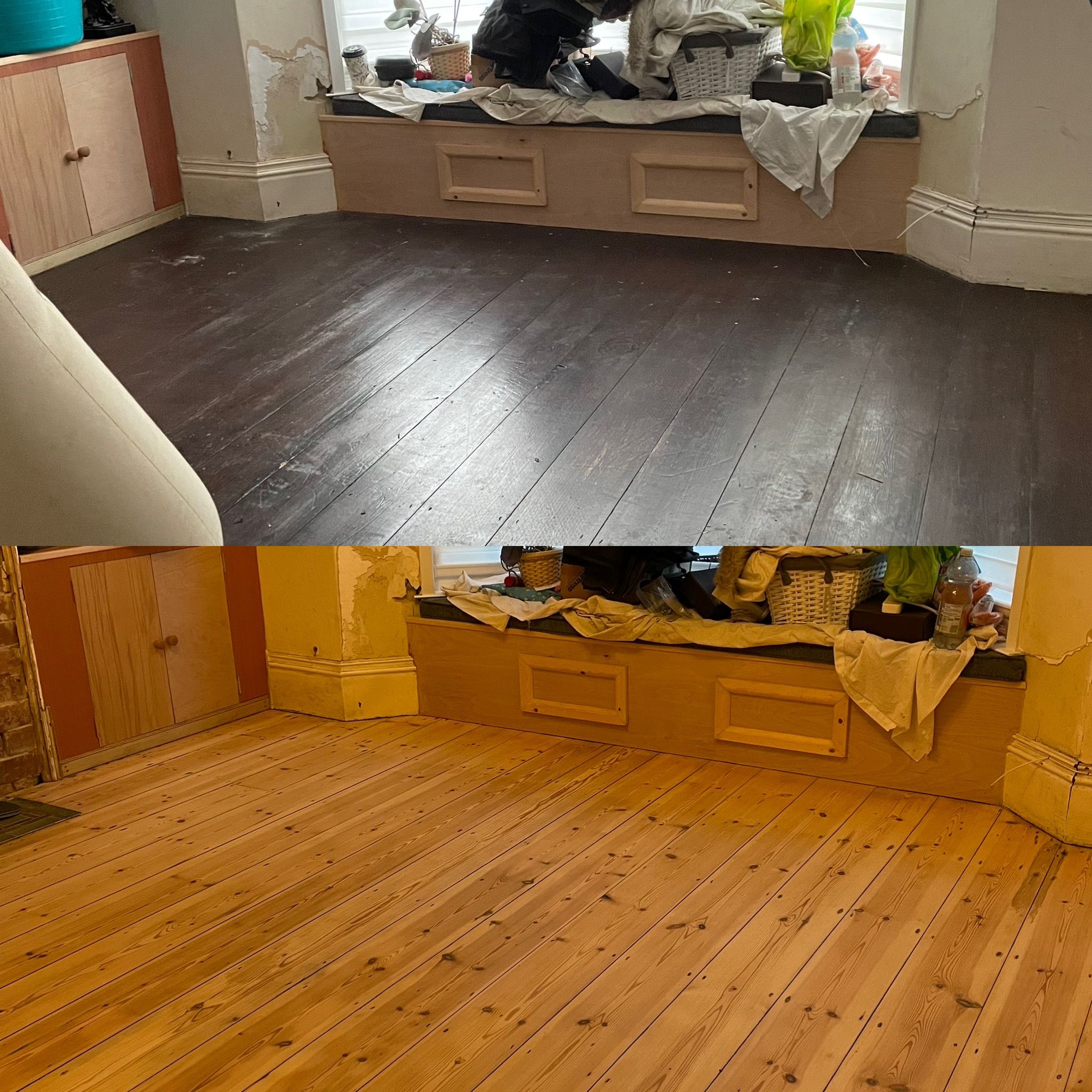
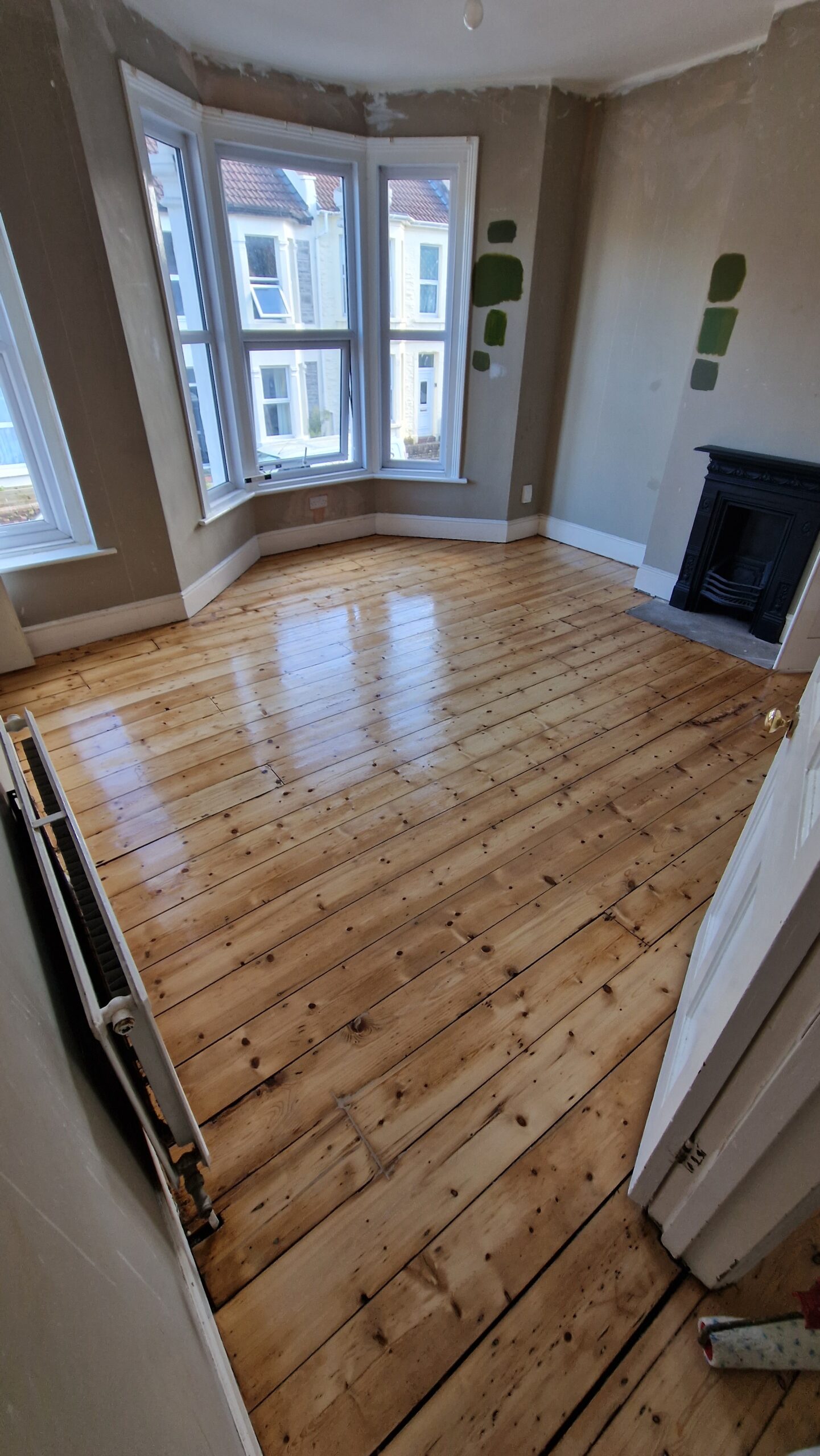
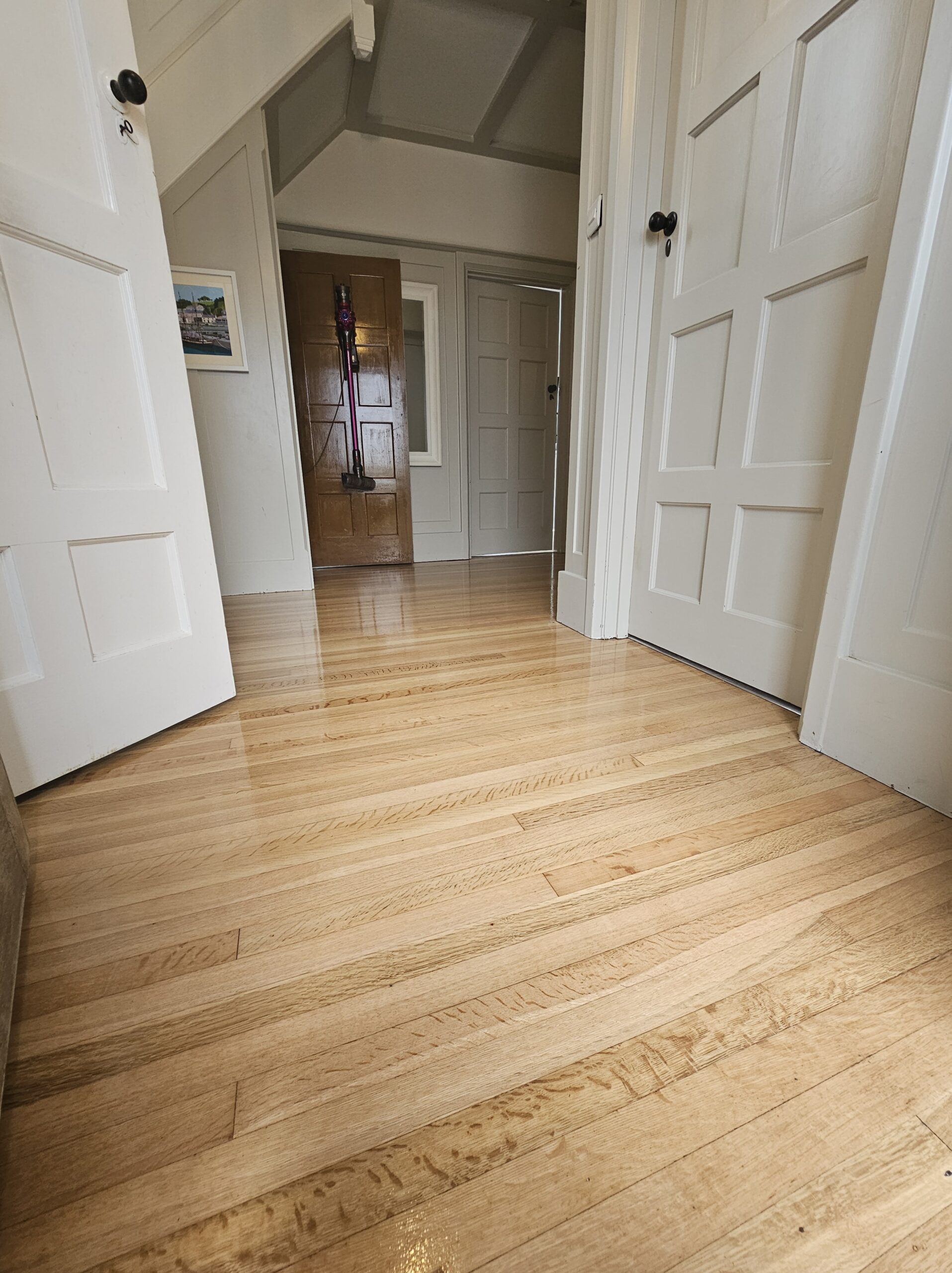
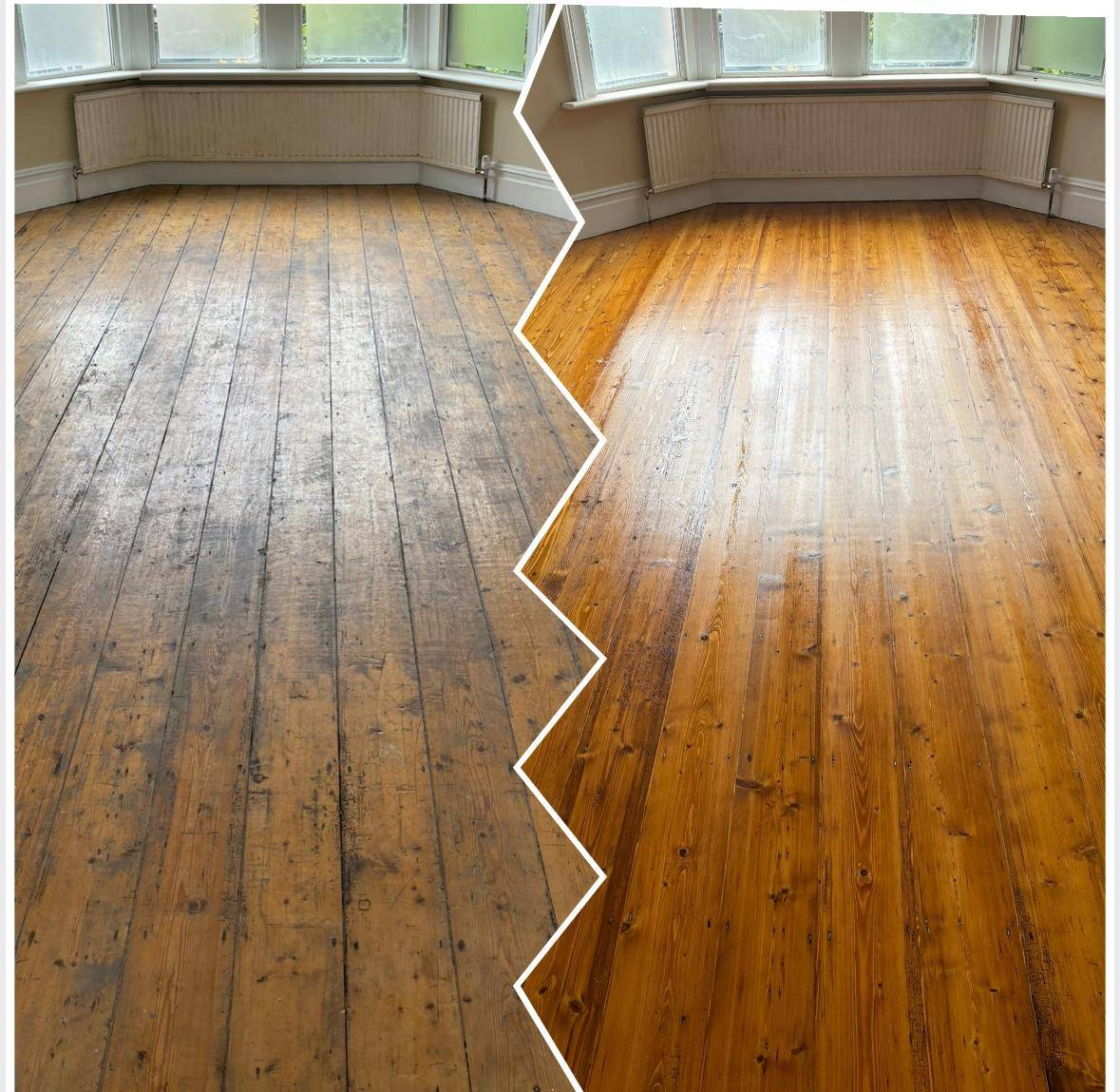
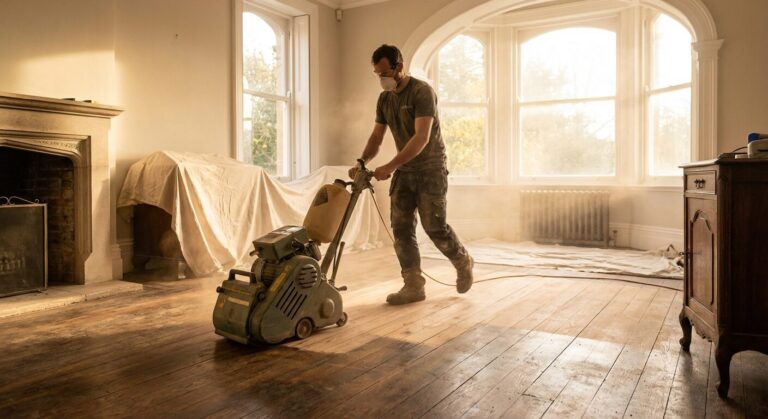
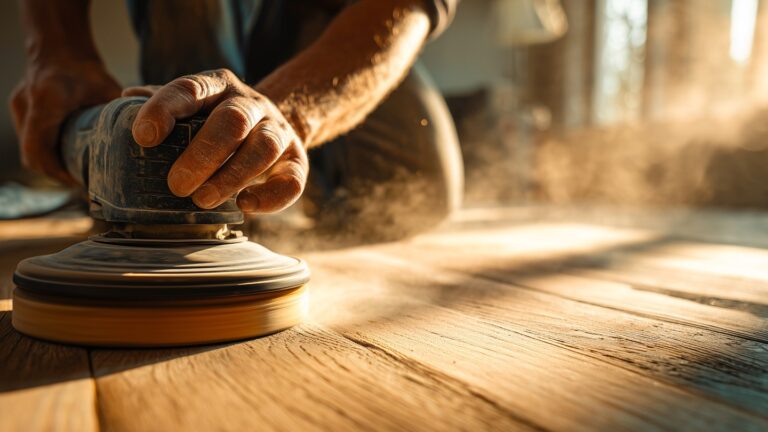
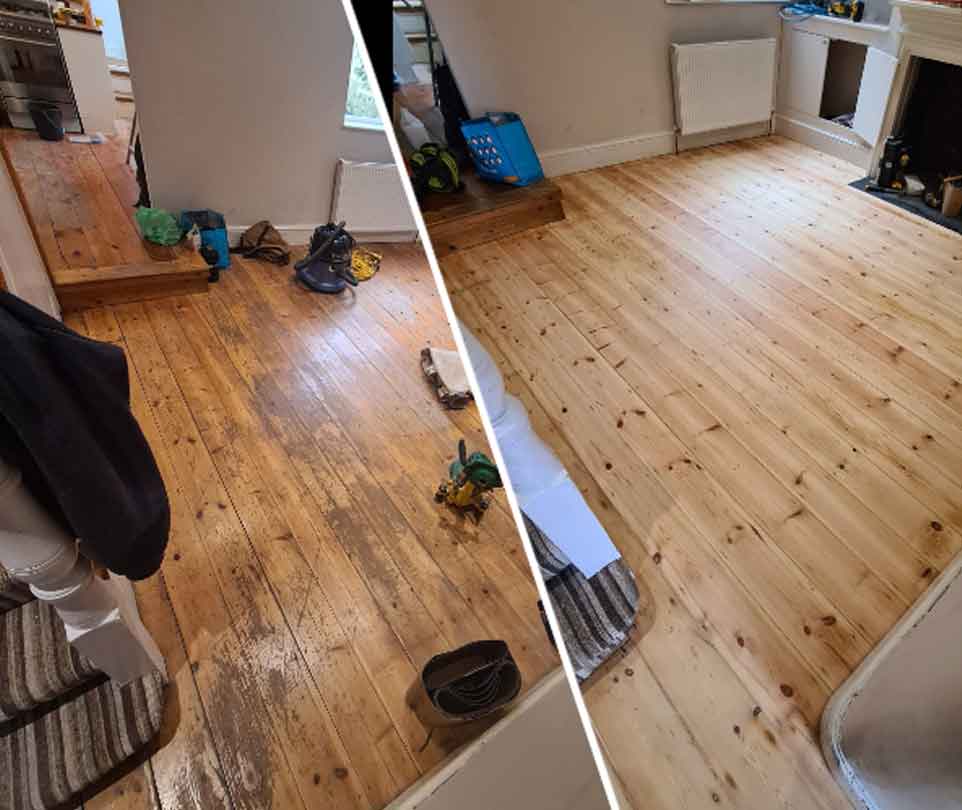
Ryan’s Restoration is a family-run firm with more than 45 years’ experience in wood floor sanding. In Cambridge much of our diary is filled by college accommodation, rental properties between tenancies and Victorian terraces where original pine boards deserve a second life. We machine-sand the main field of the floor, edge right up to the skirting, then work through progressively finer grits until the timber is smooth enough to take a finish evenly. Every job starts with an inspection and an honest view on whether sanding is the right route; where a floor only needs freshening, we will suggest a buff and recoat instead.

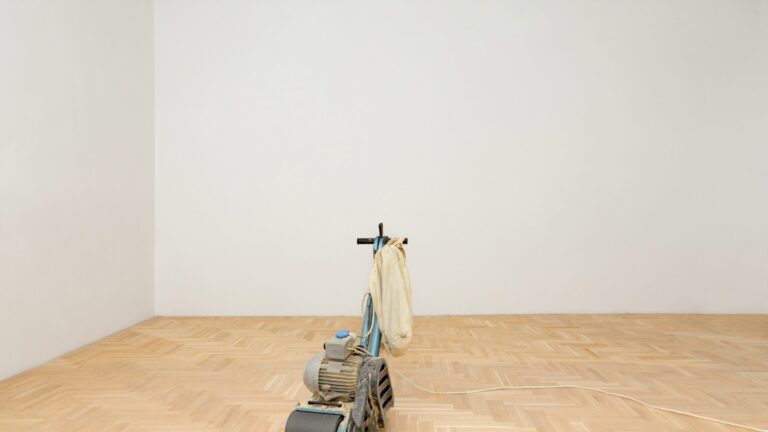
A full re-sand follows a set sequence. We begin with a coarse abrasive, typically 36 or 40 grit, to strip old lacquer and level cupped boards, then step through 60 and 80 grit before finishing at 100 or 120, because skipping a grade leaves scratches the previous pass was meant to remove. The belt machine handles the open field of the room, a rotary edger takes the perimeter, and corners, thresholds and under-radiator spots are finished by hand so nothing is left ringed or shadowed. Before any of this, every nail head is punched below the surface and protruding staples are pulled; a single missed nail can tear an abrasive belt in seconds.

Most single rooms are sanded and given their first coat in a day, with further coats the following morning. Larger houses run over two or three days, and because Cambridge sits a fair distance from our Somerset workshop we group visits into consecutive-day runs, arriving with every machine, abrasive grade and finish the job could need so nothing waits on a return trip. For student lets and college-owned housing we can time work around the summer changeover weeks, sealing floors with a hard-wearing lacquer that stands up to the traffic of a nine-month academic year and is fully cured before the next intake arrives.
Commercial Floor Sanding in Cambridge

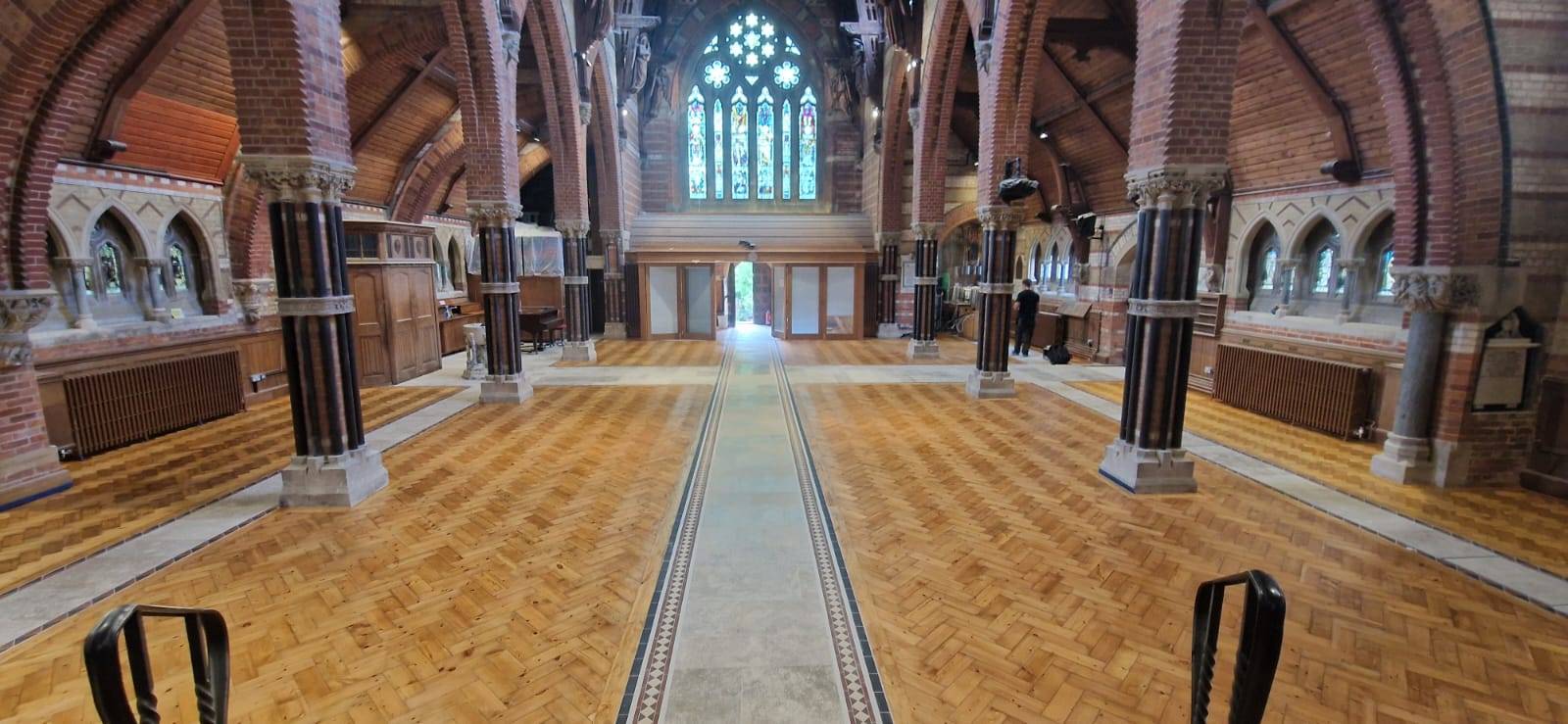
Our commercial floor sanding service covers offices, pubs, cafés and public buildings across the city. Because trade cannot simply stop, we routinely sand overnight and at weekends so premises reopen on time with a fully cured floor. Method statements and insurance documentation are supplied before work begins.

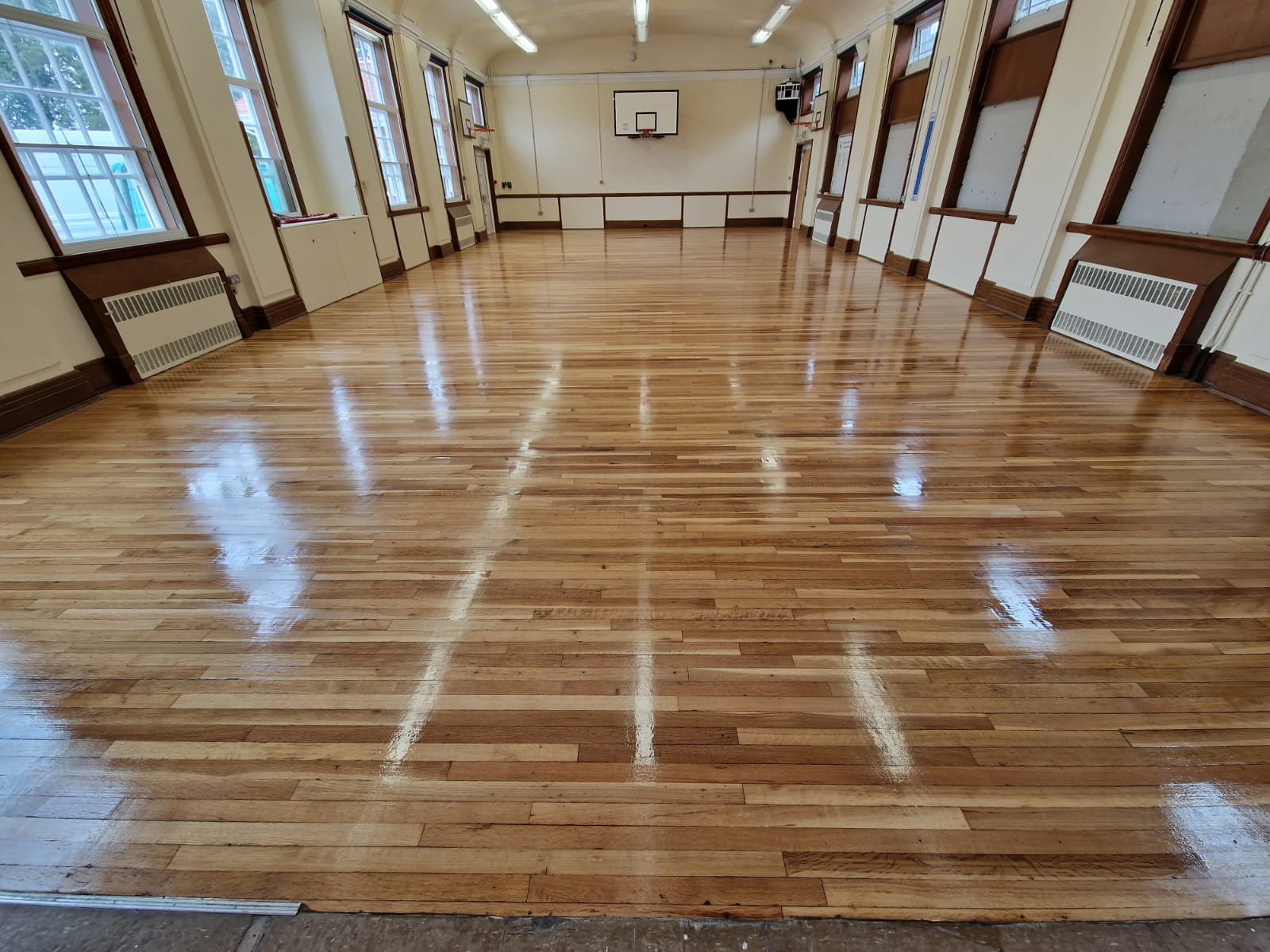
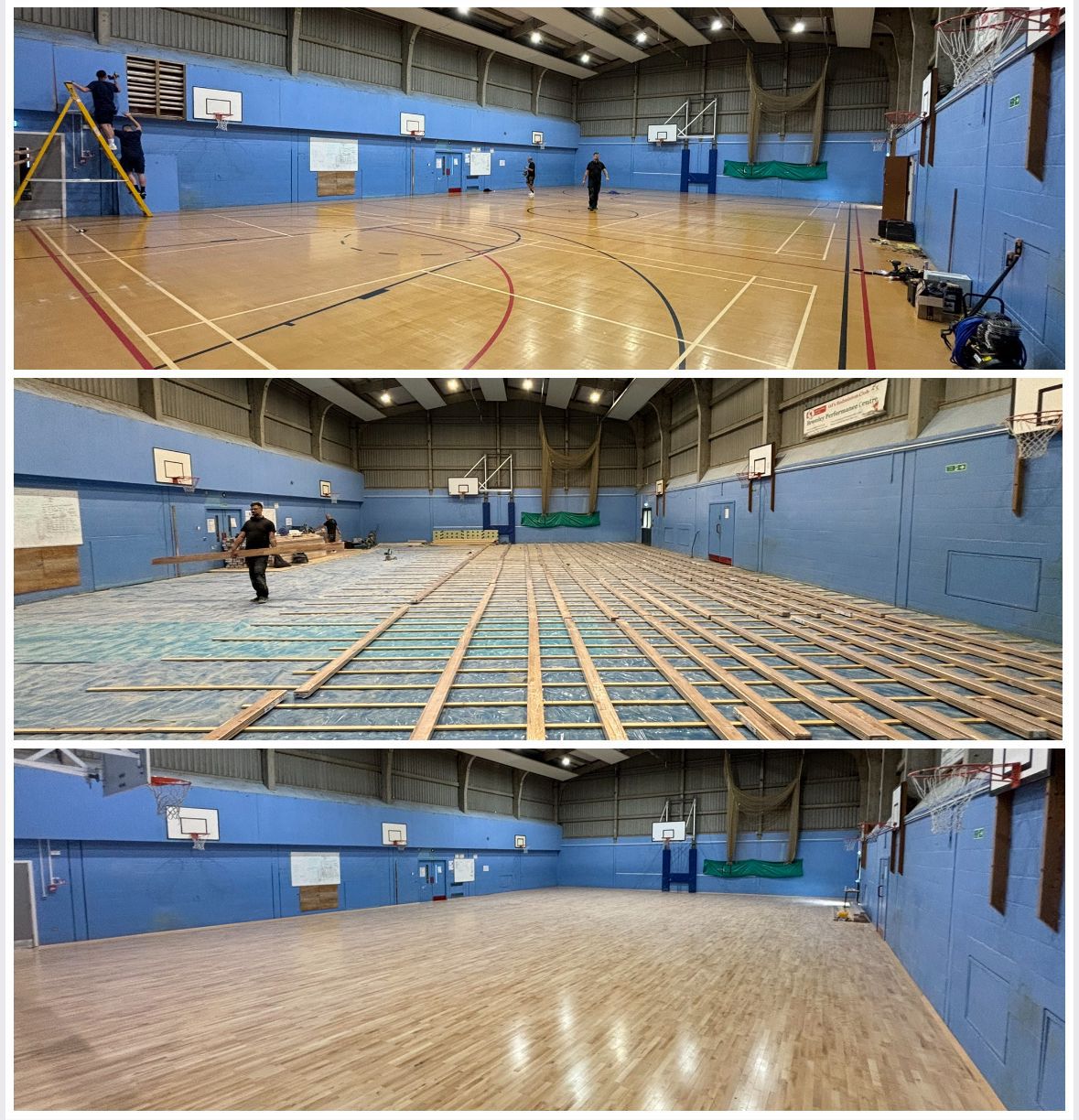
We also carry out school and sports hall work, including line marking to governing body specification, alongside restaurant, shop and hotel floors.

Larger commercial floors are usually phased, sanded and sealed in zones so part of the premises can keep operating while the rest is worked on. The seal chosen dictates when traffic returns: some water-based lacquers accept careful foot traffic within hours yet need several days to reach full hardness, so we agree in advance when furniture goes back and when protective coverings come up. Where a floor serves the public we can specify finishes with appropriate slip resistance, and for offices a Friday-evening start routinely delivers a sanded and sealed floor that is ready for desks and chairs by Monday morning.

If your parquet floors are looking worn, scratched, or dull, professional restoration could be the perfect solution. At Ryan's Restoration, we specialise in restoring the natural beauty of parquet floors, using the latest techniques and high-quality finishes to achieve stunning results. Whether you need restoration for a single room or an entire property, our team has the skills and expertise to get the job done right. Contact us today to learn more about our parquet flooring restoration services and to schedule a consultation. We look forward to helping you transform your floors and enhance the beauty of your home.
Wood floor waxing

Wood Floor Repairs and Floorboard Replacement

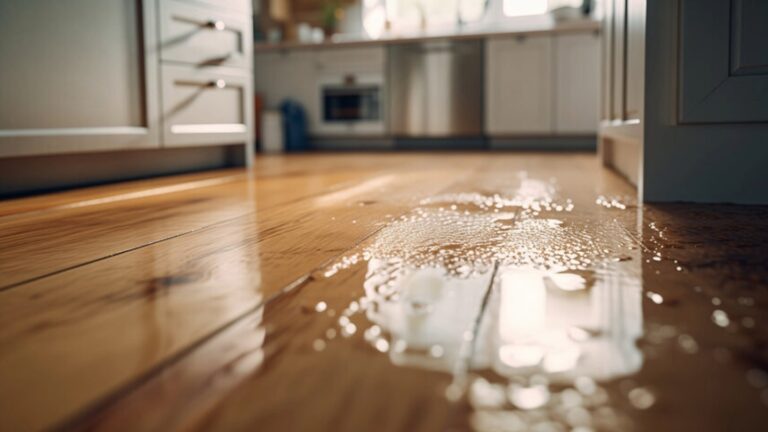
Sanding alone will not fix a broken board. Our wood floor repairs service deals with split, burnt, water-stained or woodworm-affected timber before any machine touches the floor. Where boards are beyond saving, we carry out floorboard replacement using our own stock of reclaimed timber, so a repaired section blends with hundred-year-old boards rather than shouting for attention. We also cure movement noise with squeaky floor repairs and handle localised marks through scratch repair.

Matching replacement boards is a trade in itself. Species comes first, since pine and spruce colour and wear quite differently, then board width and thickness, which varied between builders and eras, and finally surface patina, which is why we hold reclaimed timber rather than fitting bright new boards into an old floor. Where damage is confined to part of a board we will often piece in a short section rather than lift the full length, cutting back to a joist so the new joint sits on solid bearing. We are equally honest about limits: timber hollowed by deep woodworm, or boards sanded thin by previous restorations, are safer replaced than patched.

Gap Filling Between Floorboards

Draughty gaps between boards are common in older Cambridge housing stock. Our gap filling service uses either resin mixed with fine dust from your own floor, giving an exact colour match, or solid pine slivers glued into wider gaps and planed flush. Filling gaps cuts draughts, stops debris collecting between boards and gives the finished floor a tidier, more continuous appearance.

Which method suits your floor depends on gap width and movement. Resin mixed with sanding dust works well up to a few millimetres and disappears visually because the filler is made from your own floor; wider or irregular gaps take glued pine slivers, driven in, left to set and planed flush before final sanding. Floors that move with the seasons need a realistic conversation first, because a rigid filler in boards that swell and shrink through the heating cycle can work loose. We advise on that at survey rather than filling regardless.

Floor Sanding Essex
Wood floor waxing

Parquet Floor Restoration

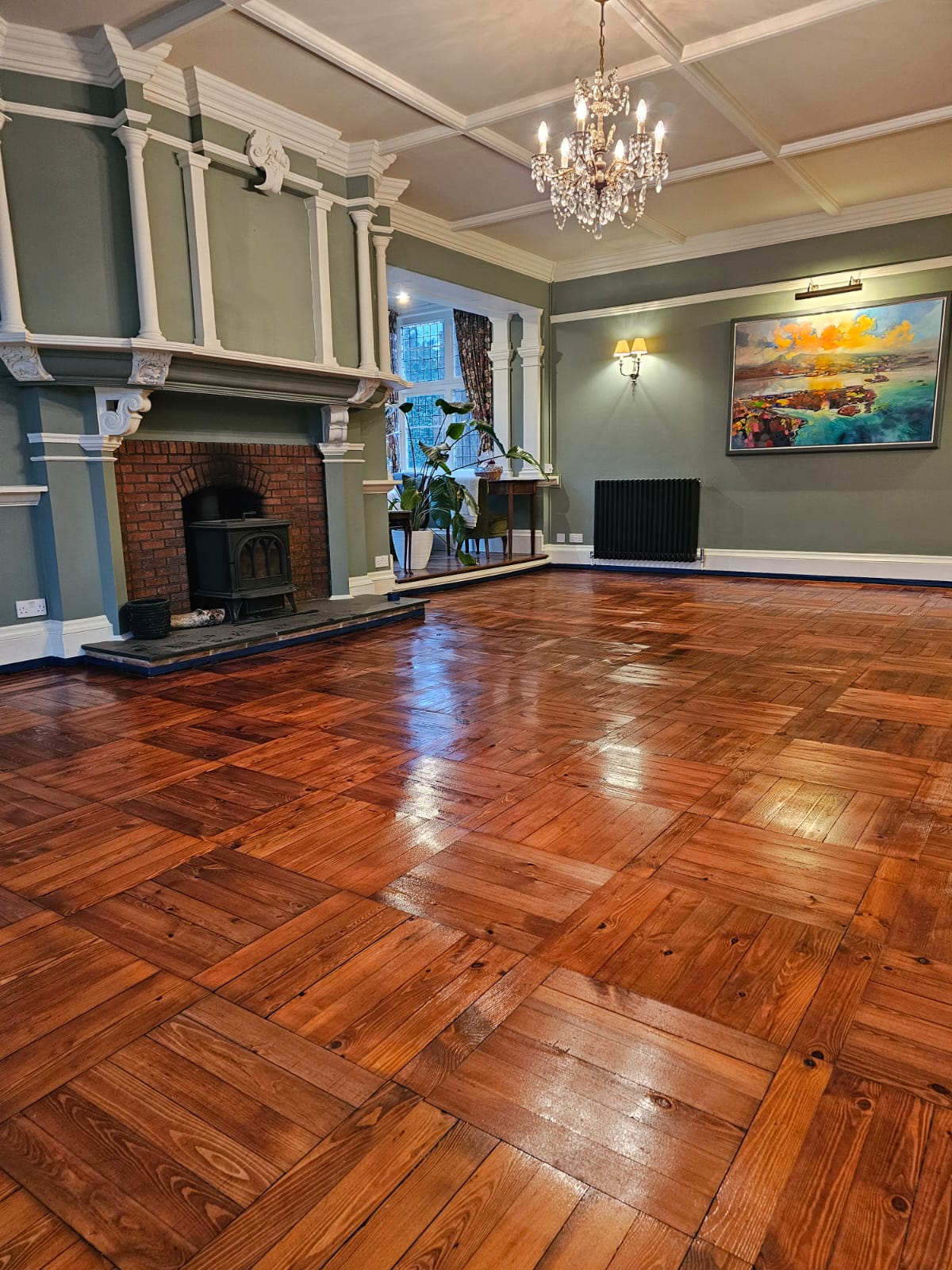
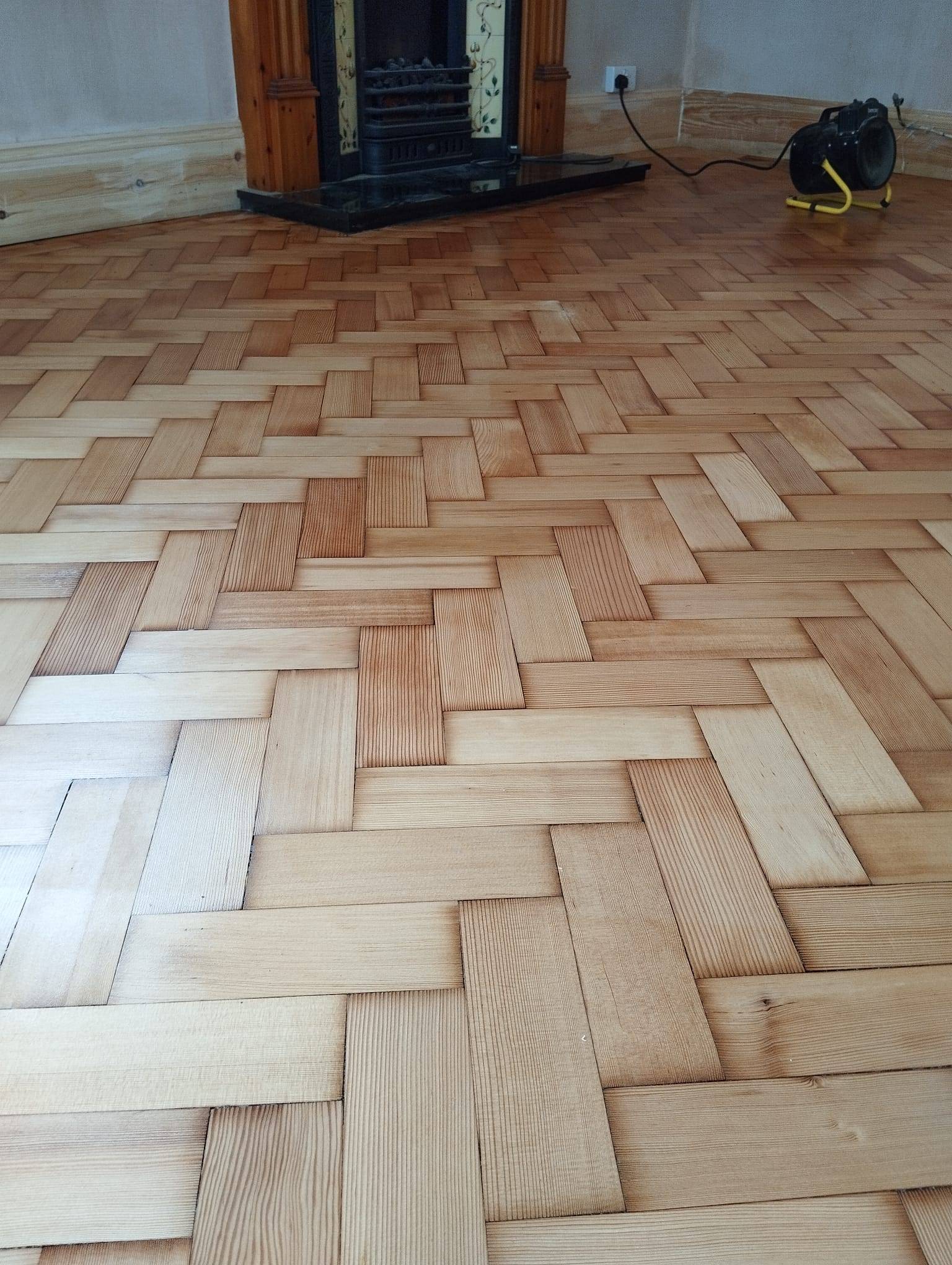
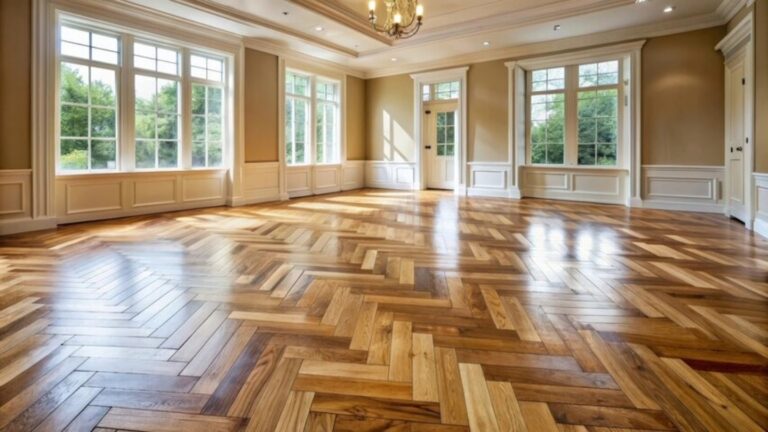
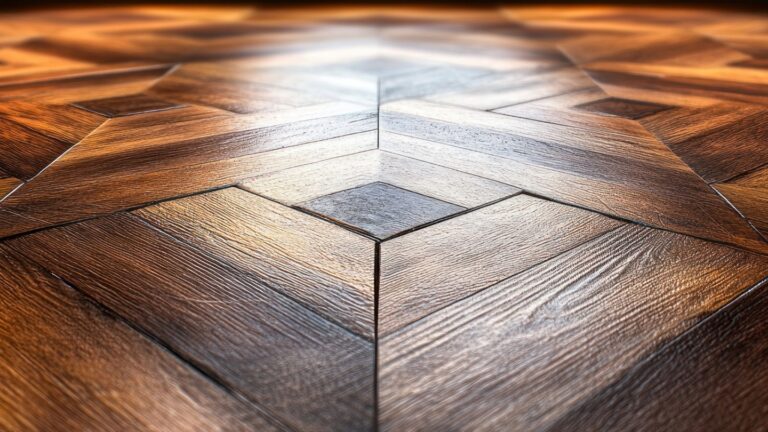
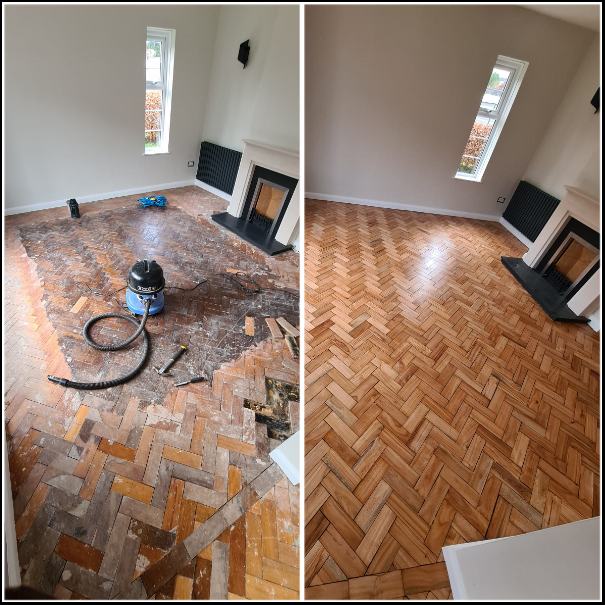
Herringbone and block floors respond beautifully to careful restoration. Our parquet floor sanding work begins with re-bonding loose blocks and replacing missing ones, often from reclaimed stock, before sanding at an angle to the pattern to keep every block level. Old bitumen adhesive is dealt with during the process, and the finished surface can be sealed, oiled or waxed to suit the room.

Older blocks were commonly bedded in bitumen, which clogs abrasives and has to be scraped from the backs of lifted blocks before they are re-bonded in modern adhesive. Sanding then runs at an angle across the herringbone rather than following any single row, so no block is worked entirely against its grain, and the many small joints are filled with a resin-and-dust mix before the fine grits go on. The aim is a level, continuous surface where the pattern catches the light, not a patchwork of steps and ledges.

Staining, Sealing, Oiling and Waxing

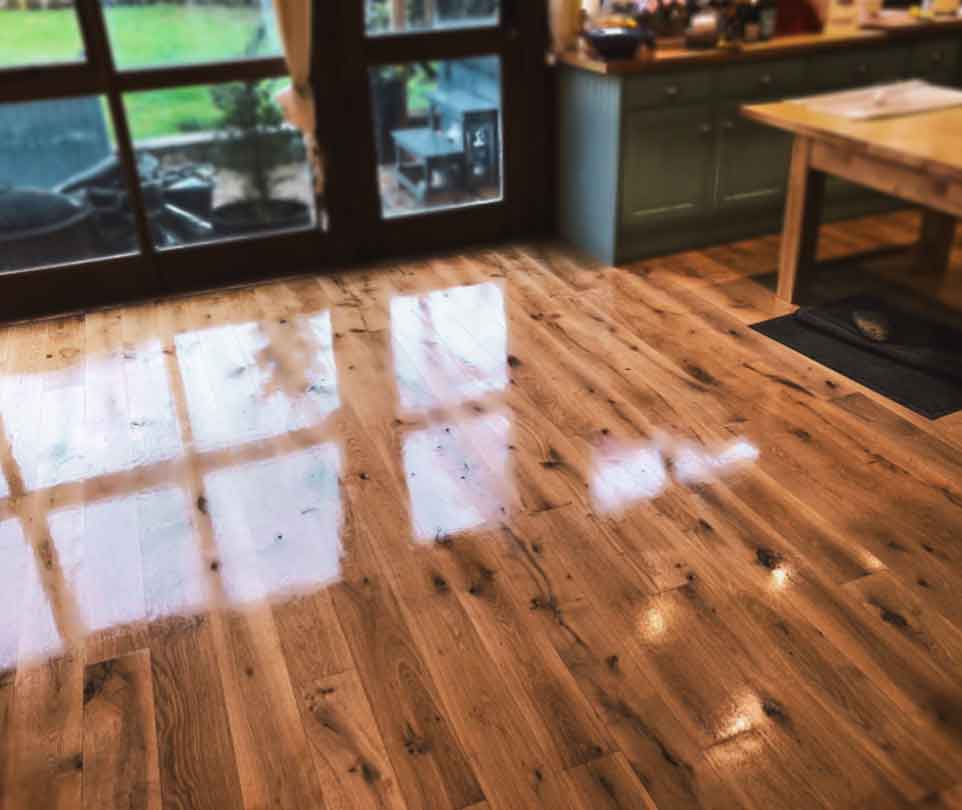
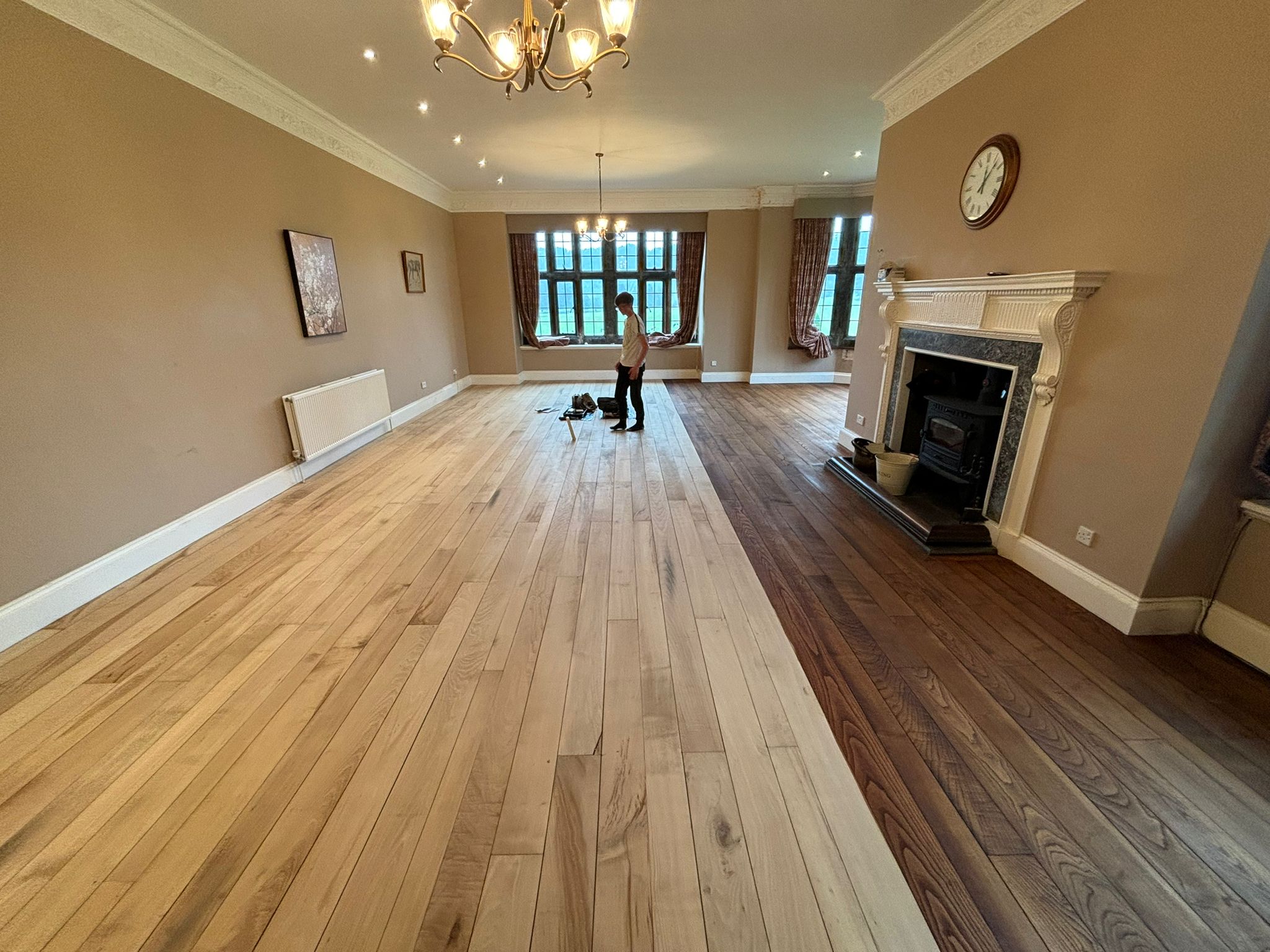
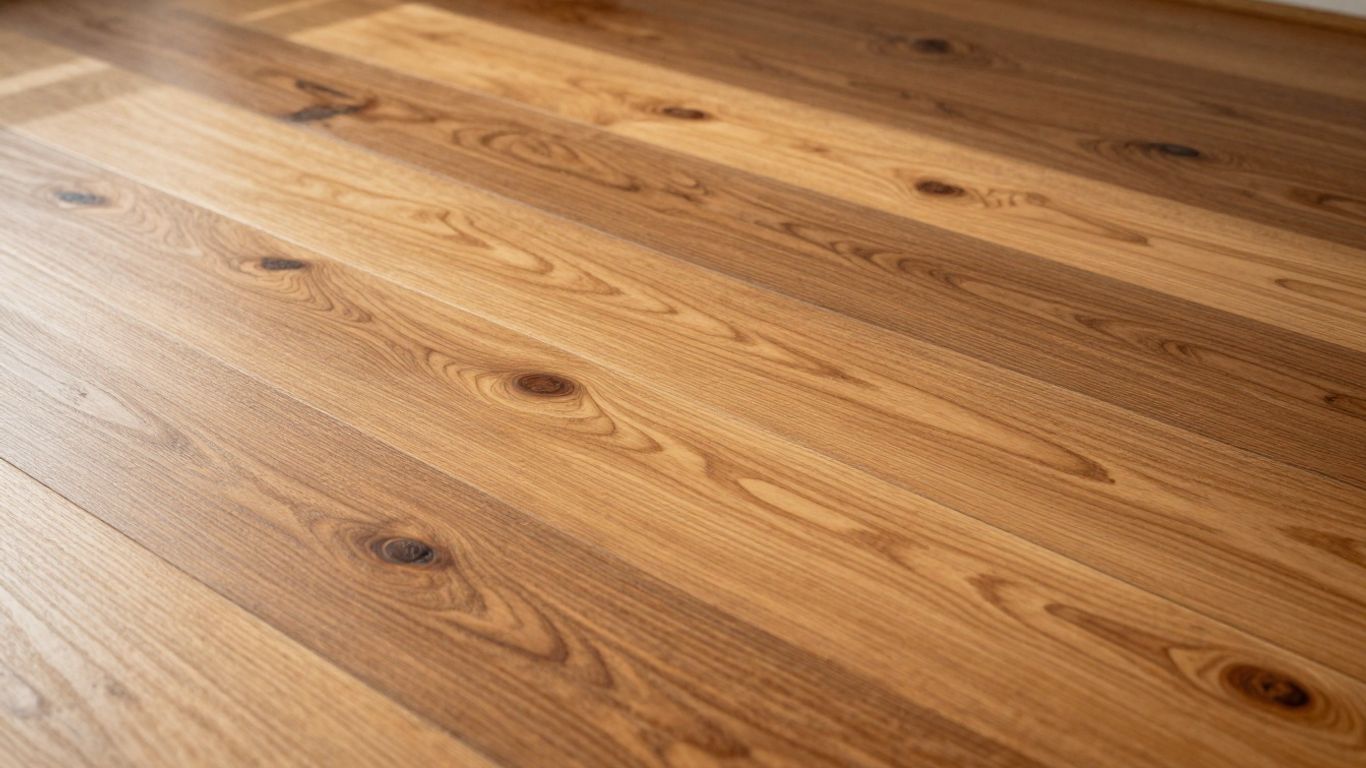
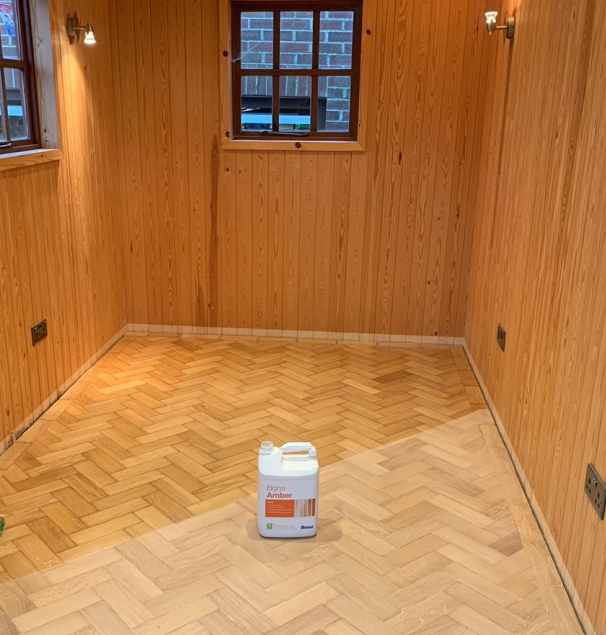
The finish decides how a floor looks and how it wears. We offer floor staining for a colour change, hard-wearing lacquers through our floor sealing service, natural-looking hardwood oils that can be spot-repaired, and traditional waxed finishes for period interiors. We apply sample patches on your own boards so you choose from real examples, not a brochure.

Water-based lacquers dry quickly, keep the timber close to its natural colour and stay clear as they age; oil-based versions bring a warmer amber tone, and each has its place depending on the look you want and how soon the room must be back in use. Hard wax oil behaves differently again: it penetrates rather than coats, feels closer to bare wood underfoot, and can be refreshed area by area, so a maintenance coat every year or two in busy rooms keeps it protective without ever needing a full re-sand. Sheen level is a separate decision, from matt through satin to gloss, and worth discussing because higher sheens show scratches sooner. Drying and curing are also different things: a floor may take stockinged feet the next day yet want a week or more before rugs go back down.

Floor Sanding Experts
Commercial Floor Sanding London

Dust-Free Floor Sanding

Our machines run on sealed extraction units that capture the overwhelming majority of dust at source, which matters in occupied homes, furnished rental flats and food premises alike. If your floor only needs its finish renewed rather than a re-sand, ask about restoring wood floors without sanding.

Extraction does more than keep the house clean. Between each grit we vacuum the whole floor and wipe it over with a tack cloth, because coarse grit left behind gets dragged under the next abrasive and scores the surface, and any dust sitting on the boards when the seal is applied ends up locked into the finish as rough specks. Clean sanding is the difference between a floor that feels like glass and one that feels like fine sandpaper underfoot.

Get a Floor Sanding Quote in Cambridge

Send us two photographs of your floor for an honest opinion and a fixed written quotation, with no surprises later. A free, no-obligation site survey is also available if you would rather we looked in person.

Call 01823 674562, email info@ryansrestoration.co.uk, or use the form on this page.

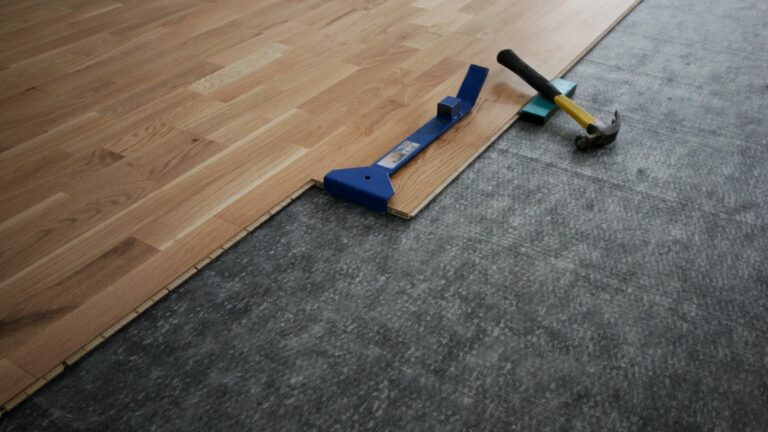
All services available in Cambridge: floor sanding, commercial sanding, repairs, board replacement, gap filling, parquet restoration, staining, oiling, stair sanding and new floor installation.

Nearby areas we also cover: Hitchin, Bishop’s Stortford, Ipswich and Norwich. There is a page for each, and the full list of towns is on our areas we cover page.

Floor sanding taunton

FAQ: Floor Sanding in Cambridge

Everything from a straightforward sand and seal to full restoration: repairs, board replacement, gap filling, parquet work, staining, oiling, waxing, stair sanding and new floor installation.

In most cases, yes. We plan commercial work around your trading hours, sanding overnight or across a weekend so the floor is cured before you reopen. Method statements and insurance documentation are provided in advance.

Always. Split, rotten or badly stained boards are repaired or replaced first, drawing on our reclaimed timber stock so new sections match the age and tone of the originals.

Yes. Loose blocks are lifted and re-bonded, missing blocks replaced, and the whole pattern sanded flat before finishing. Even parquet hidden under carpet for decades usually comes back remarkably well.

Certainly. After sanding, the bare timber can be stained anywhere from pale Scandinavian tones to deep walnut shades. We test samples on your actual boards so you see the true result before committing.

Engineered boards with a decent wear layer can normally be sanded once or twice; we measure the veneer before advising. Laminate cannot be sanded, but we will confirm what you have and set out your options honestly.

Far less than people expect. Our sanders run on sealed extraction that captures the overwhelming majority of dust at source, so adjoining rooms stay clean and the finish goes onto a properly clean surface.

Send two photos of the floor for an honest opinion and a fixed written quotation, or book a free no-obligation survey. Call 01823 674562, email info@ryansrestoration.co.uk, or use the form on this page.

A single room is usually sanded and first-coated in a day, with remaining coats applied the next morning. Whole houses generally take two to three days, and we schedule Cambridge work in consecutive-day runs so the job finishes in one visit.

Use a pH-neutral wood floor cleaner rather than steam or soaking wet mops, fit felt pads under furniture legs and place mats at external doors. Lacquered floors benefit from a screen and recoat every few years before wear reaches bare wood, while oiled floors take periodic maintenance coats.