Floor Sanding Norwich

Floor Sanding and Wood Floor Restoration in Norwich

QUICK QUOTATION

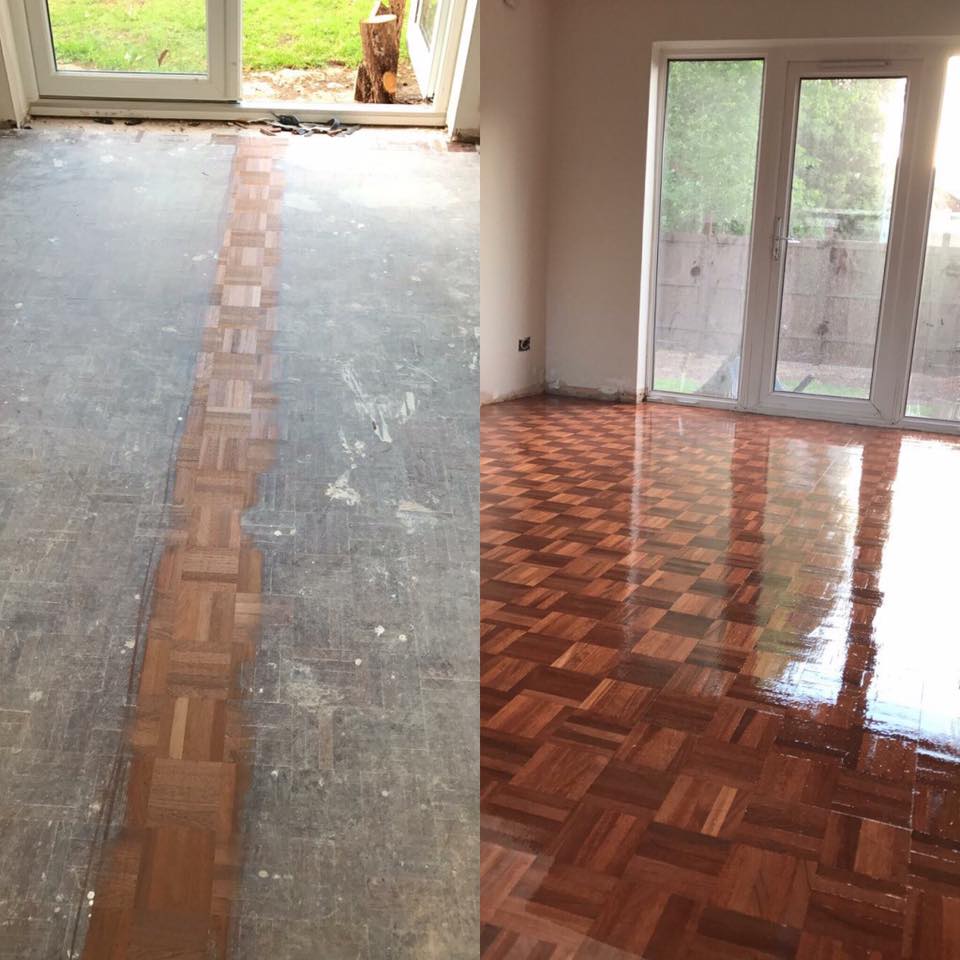
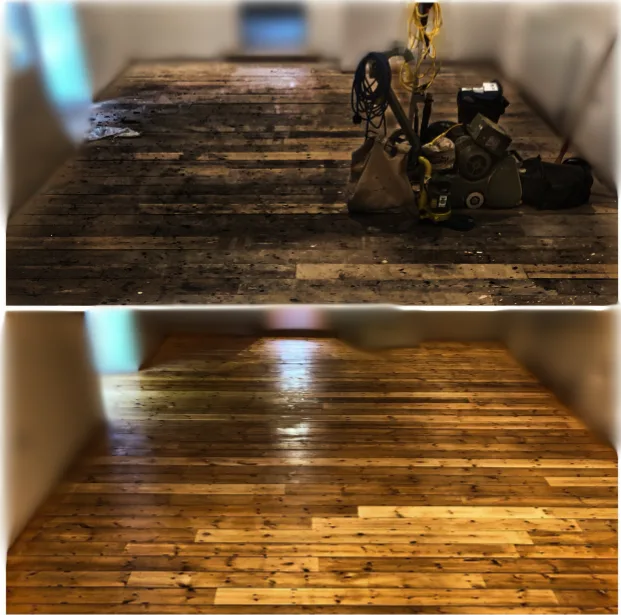
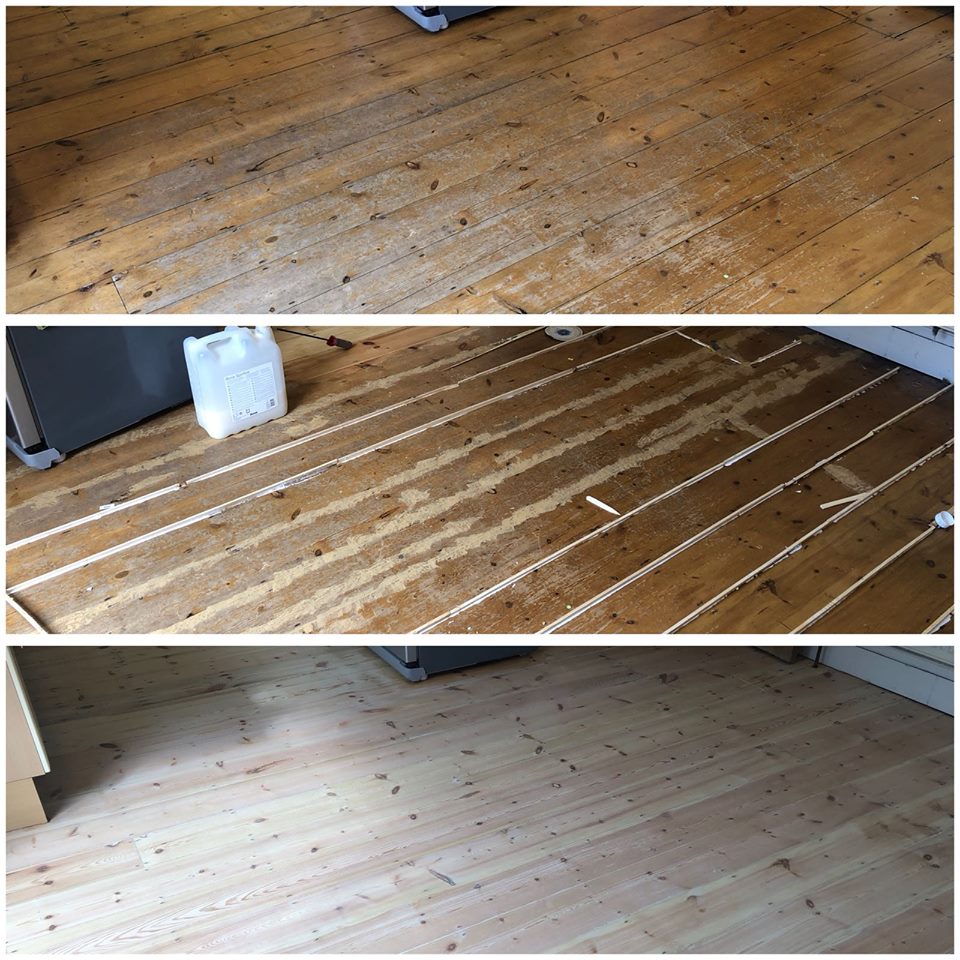
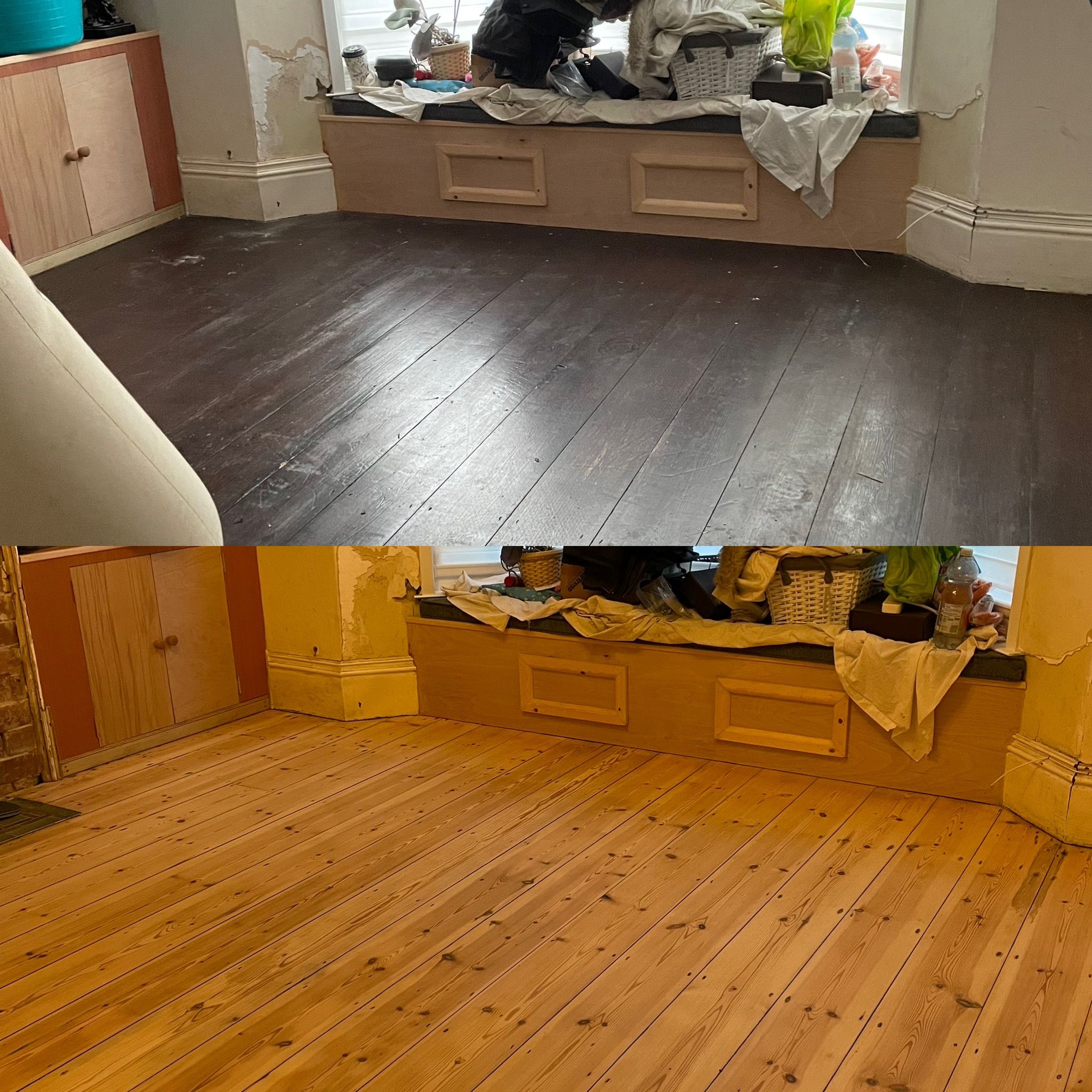
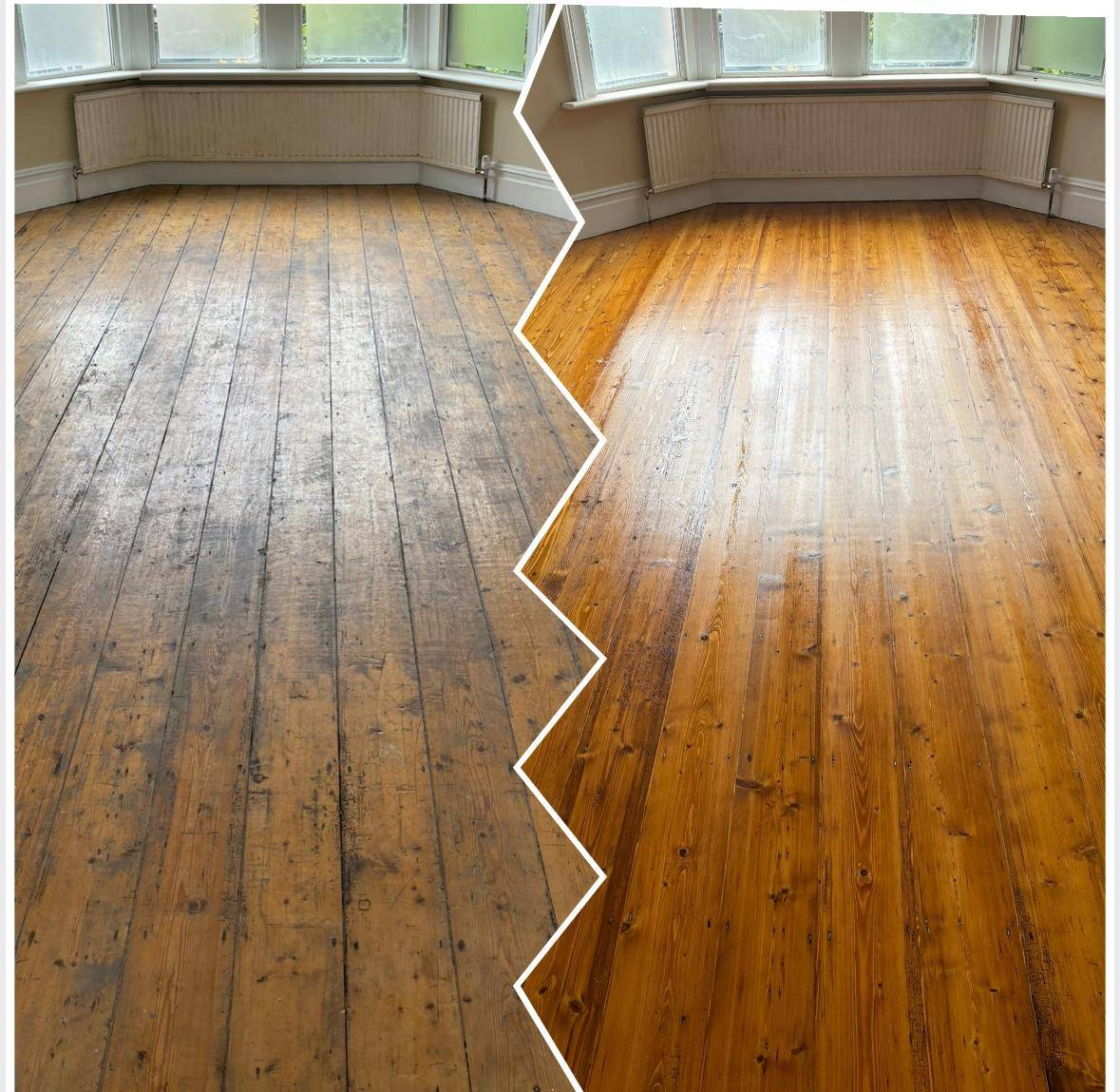
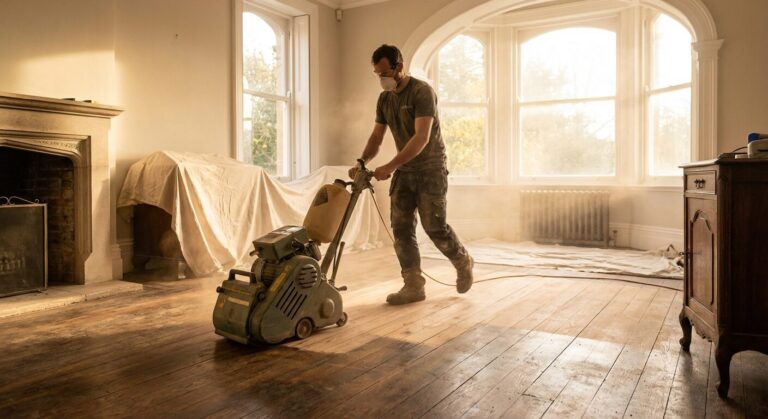
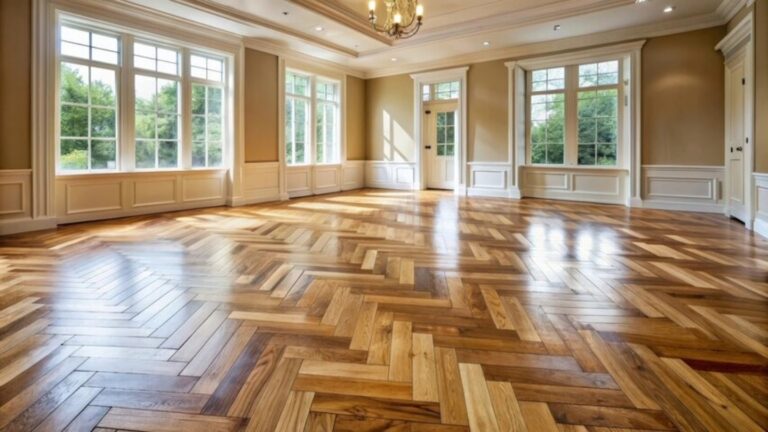
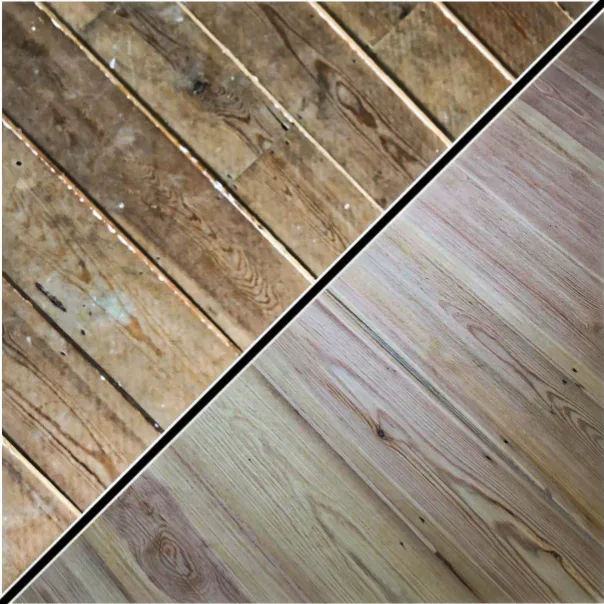
Floor sanding before and after

Floor Sanding Across Norwich

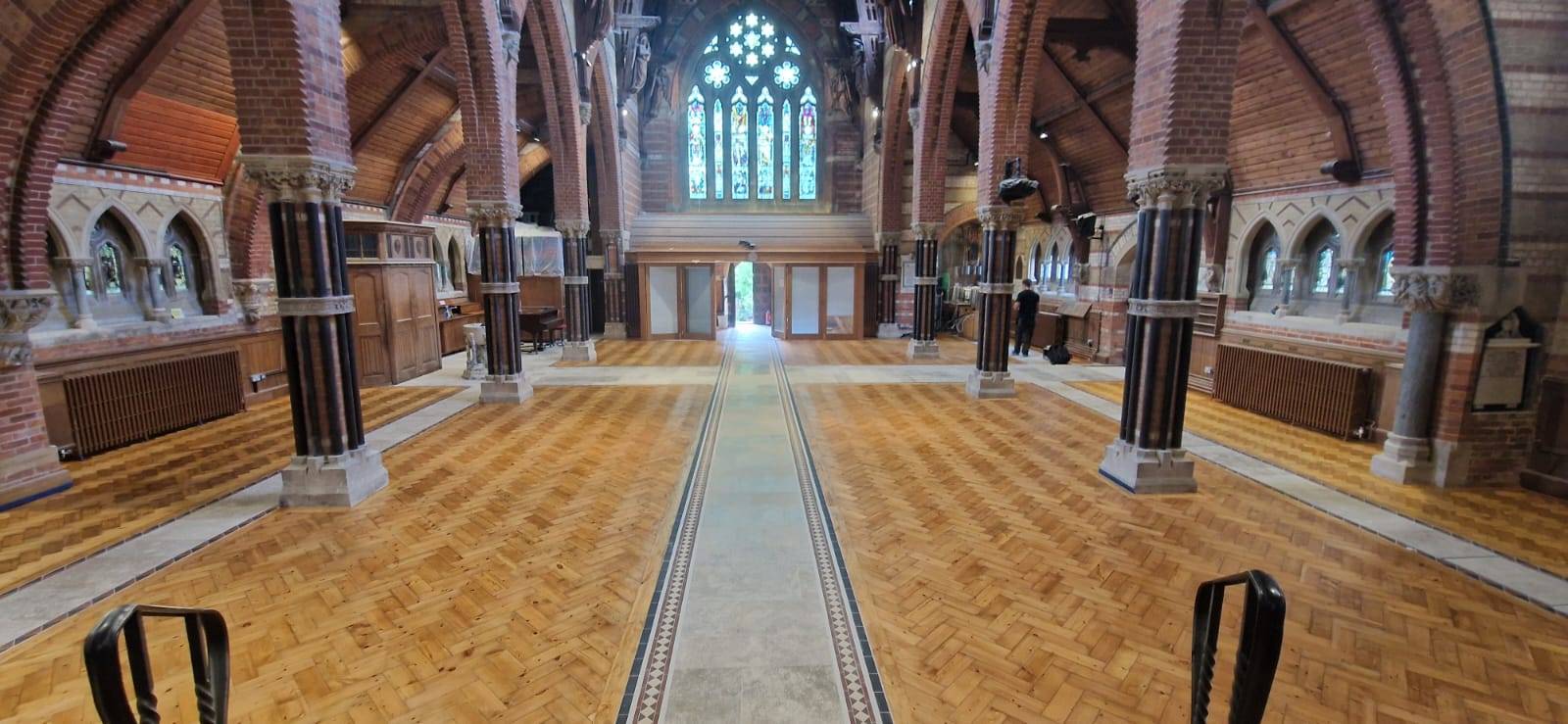
Norwich kept more of its old fabric than almost any English city of its size. The medieval street plan survives, there are more surviving medieval churches here than in any city north of the Alps, and behind a great many later frontages sit floors considerably older than the buildings appear.

We cover the whole city: the Golden Triangle, Thorpe Hamlet, Eaton, Heigham, Lakenham, Mousehold, Catton, Sprowston, Costessey and Hellesdon, plus Wymondham, Aylsham, Diss and the surrounding villages.

Quotes are free. On the older Norwich property we would far rather come and look than price from a photograph, because how much timber is left in a board decides everything and no image will show it.

Golden Triangle Terraces and Medieval Cores

The Golden Triangle streets off Unthank and Newmarket Road are where most of our Norwich work happens. Victorian and Edwardian terraces built for the boot, mustard and brewing trades, with baltic redwood boards over ventilated voids, six to eight inches wide in the larger houses.

Most have been carpeted for decades, which protects timber better than people expect. What comes up is tack holes down every board, gripper rod damage round the perimeter and a dark border where the carpet stopped short. All of that sands out.

The city centre is a different matter. Behind Georgian and Victorian shopfronts you find genuinely medieval structures with wide oak and elm over hand-cut joists, thin from centuries of wear. Those get the lightest treatment we can manage — finest workable grit, hand work at the edges, and no chasing a flat finish on a floor that earned its undulations.

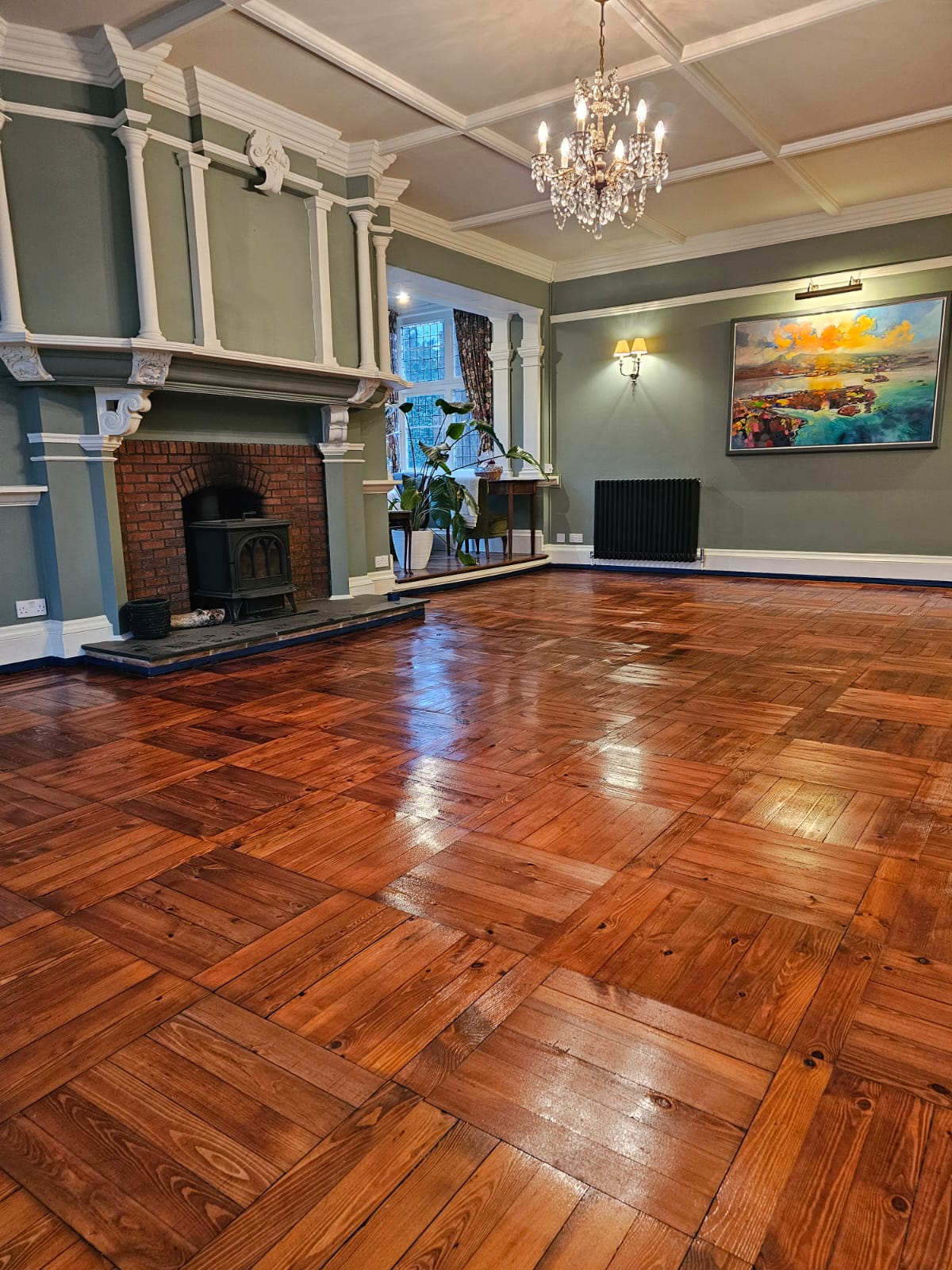
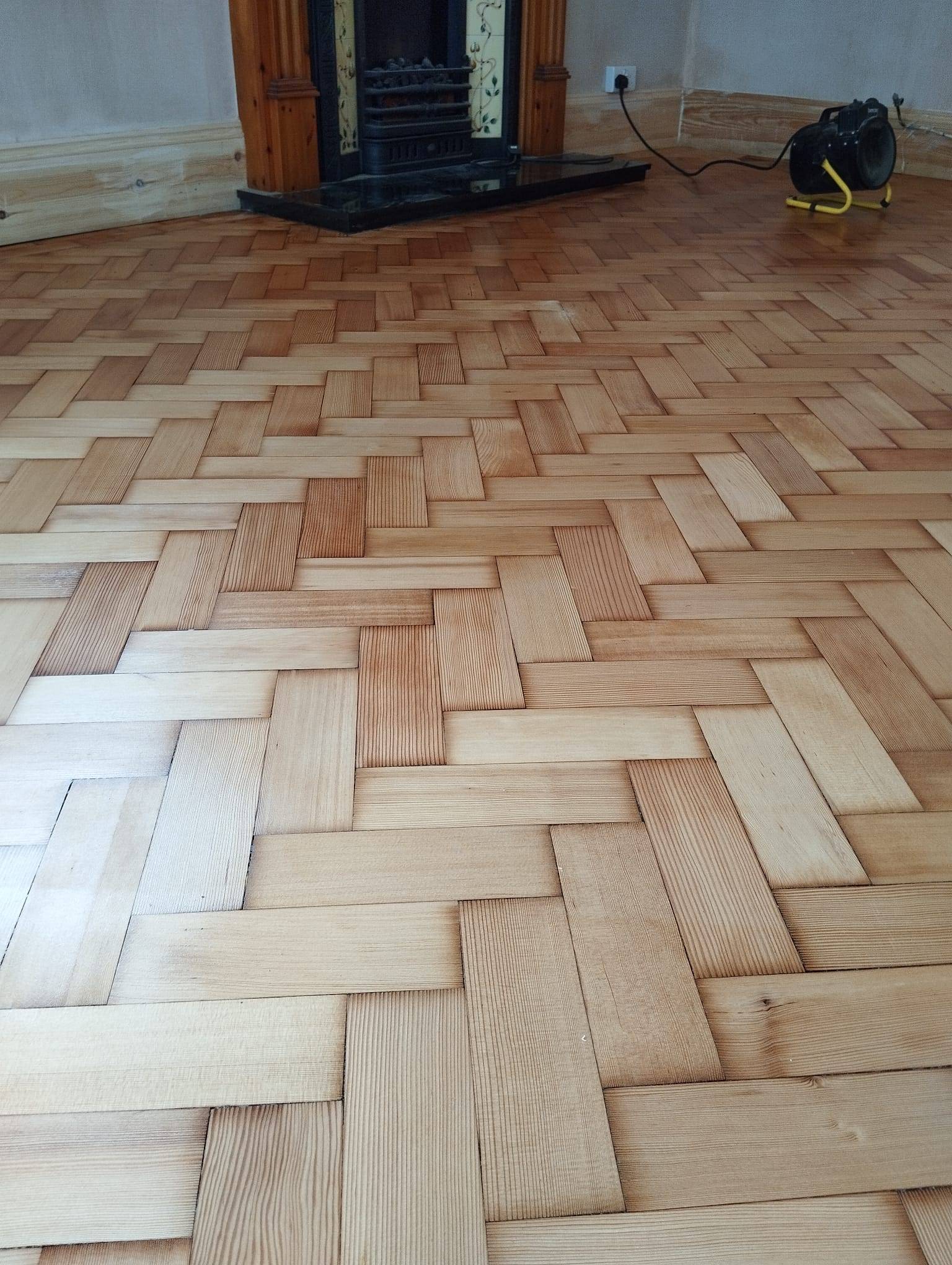
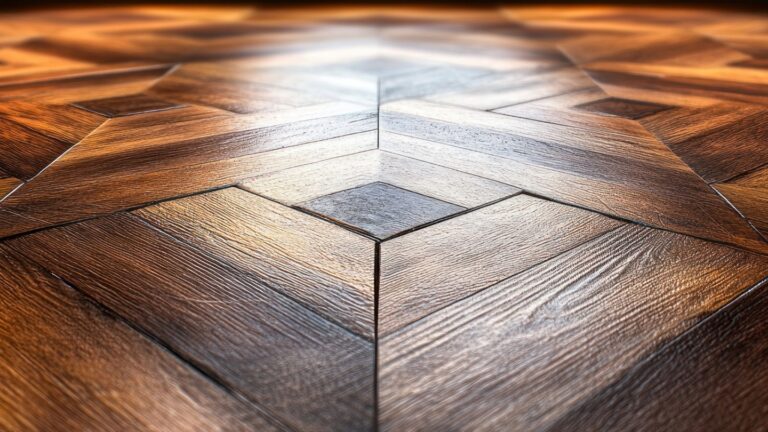
parquet wooden floor sanding
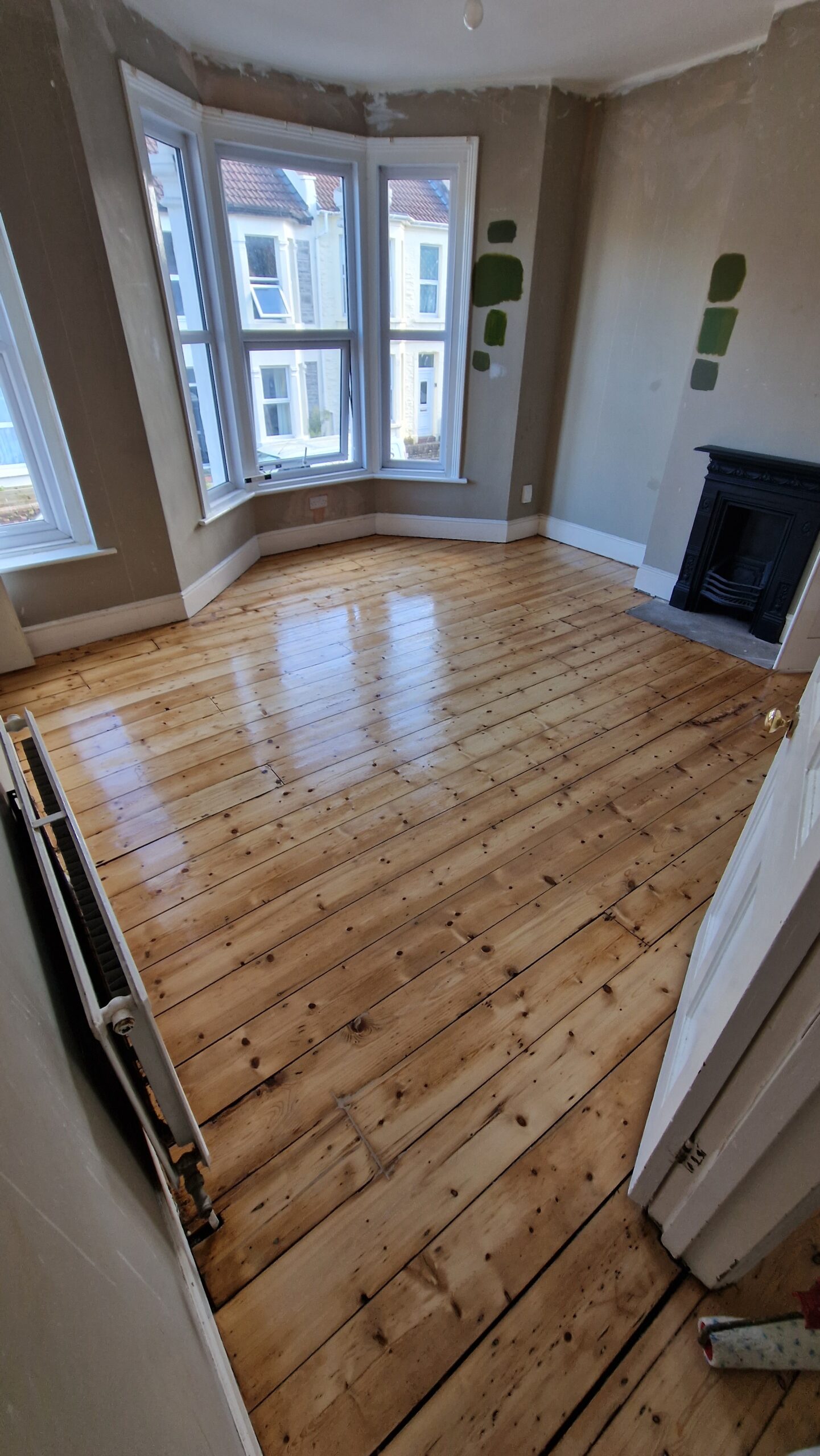
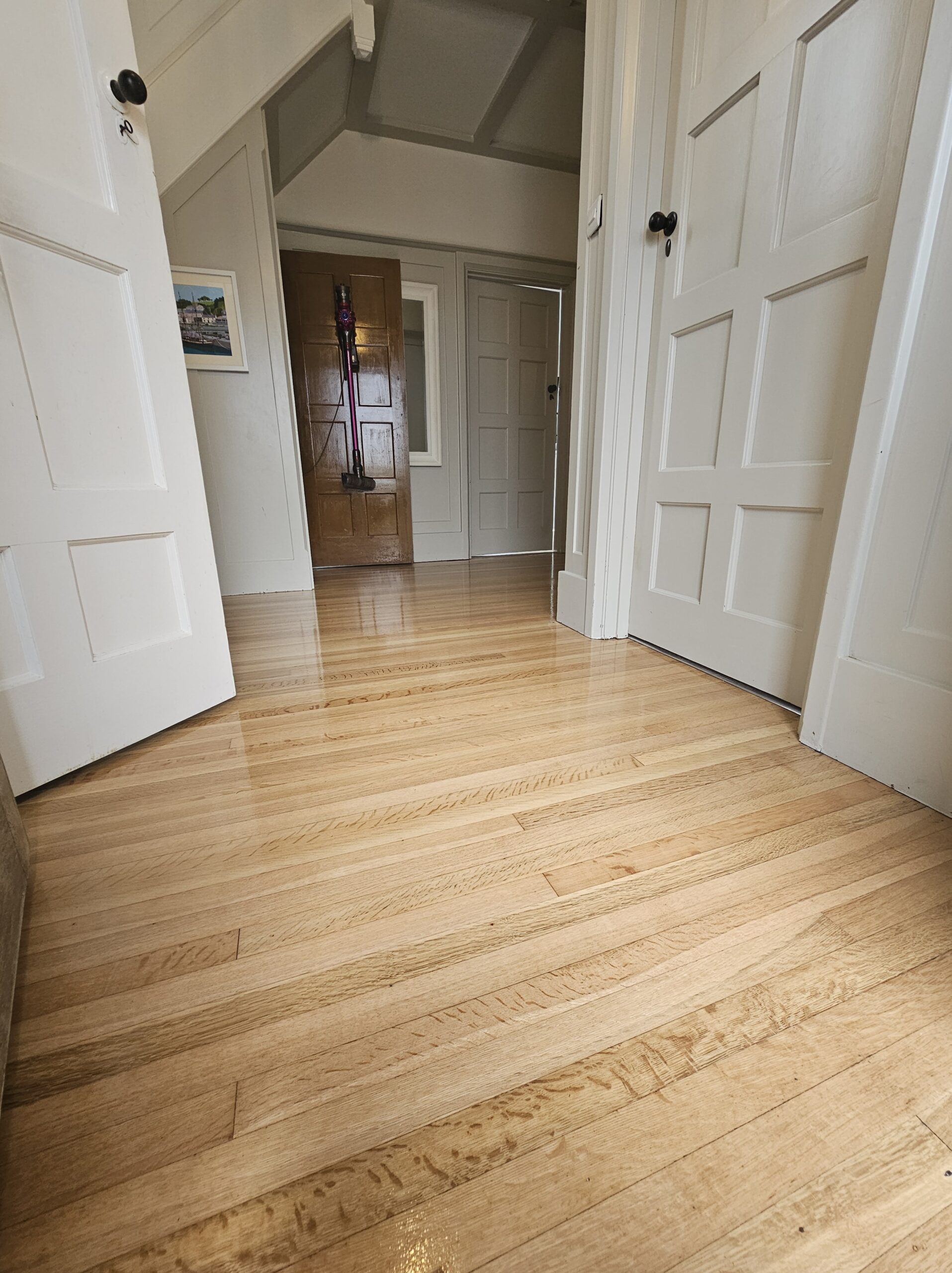
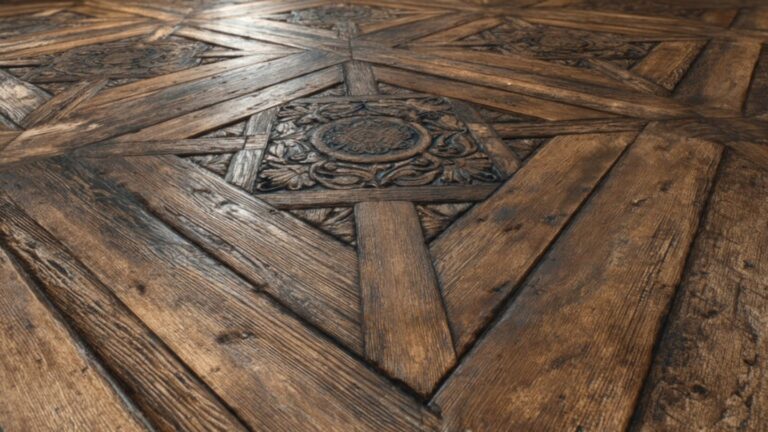
wooden floor sanding

The Wensum, Flint Walls and Subfloor Damp

Norwich sits in a river valley and the low ground either side of the Wensum — around Heigham, Coslany, Riverside and parts of Thorpe — carries noticeably more subfloor moisture than the housing up the hill towards Mousehold and Eaton.

Flint and brick walls behave differently to solid stone too: they move damp laterally into joist ends rather than up through the middle of a room, so rot at the bearings is more common here than elsewhere.

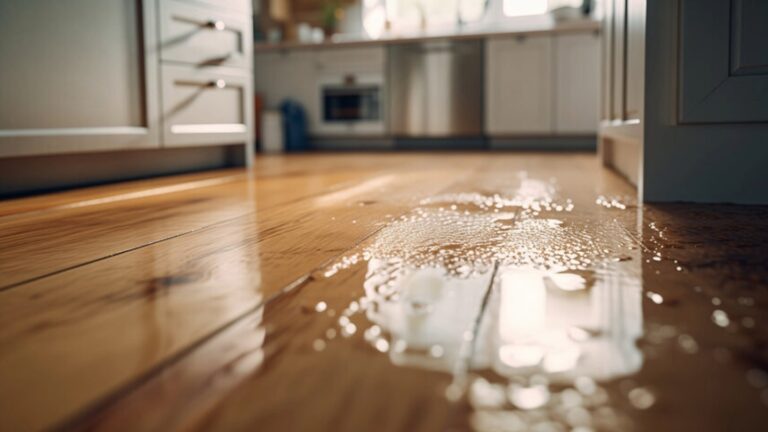
The visible symptom is cupping — boards curving upward at the edges so the floor reads as shallow ridges underfoot. It is nearly always ventilation: airbricks rendered over, ground levels raised by a patio, or a rear extension sealing off airflow. Sanding a cupped floor flat while it still holds moisture leaves every board thin down the middle once it dries, so we take readings before quoting and check the joist bearings while we are at it.

Listed Buildings and Conservation Areas

Norwich has an unusually high concentration of listed buildings and several conservation areas, and in a listed property the original floorboards are usually part of what is protected.

Sanding and refinishing an existing floor rarely needs listed building consent. Replacing boards, altering the structure or changing the material generally does, and unauthorised work to a listed building is a criminal matter rather than a paperwork one.

Where there is any doubt we put our method in writing — grits, finishes and precisely what comes off — so you can hand it to the conservation officer before we start. It costs a fortnight at the front of a job and saves considerable trouble later.

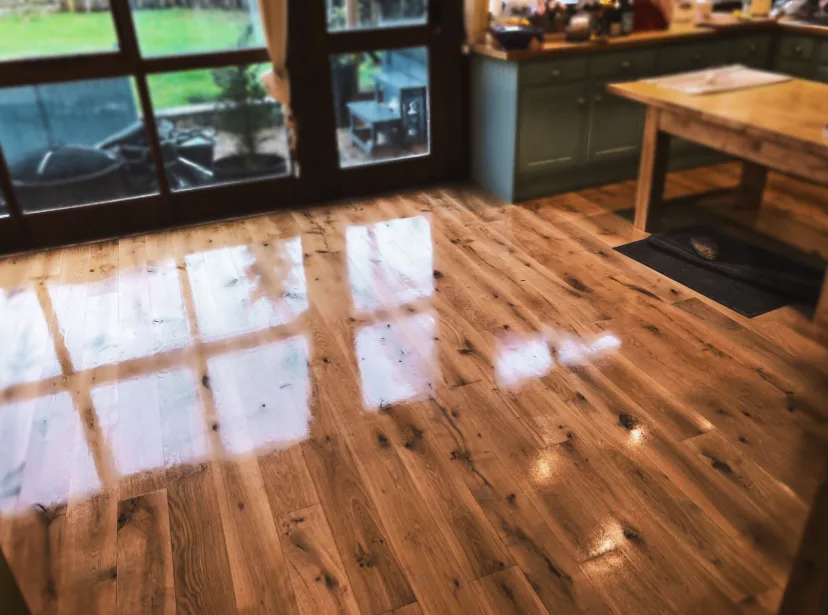
flooring sanding company

Student Housing and Landlord Work

Between UEA and the city colleges Norwich has a large rented sector, particularly around Golden Triangle, Heigham and Unthank Road, and landlord work has different priorities to a family home.

Durability and turnaround matter more than a showroom finish. For heavy-traffic student houses we generally recommend a commercial-grade lacquer rather than an oil — it takes more punishment, recoats quickly between tenancies and needs far less maintenance.

If you are licensing an HMO, Part E of the Building Regulations sets sound insulation standards between dwellings and floor treatment forms part of meeting them. We provide written specifications for licensing applications and work to changeover windows.

Why Norwich Customers Choose Us

Forty-five years of restoring wood floors, including a great deal of period and listed property where the skill is knowing how little to take off rather than how much.

Sealed dust extraction on every job as standard, included rather than added on, so you can stay in the house while we work. Fixed written prices agreed before we start. Furniture moved by us, the property protected, all waste taken away.

Fully insured, comfortable working alongside conservation officers, 4.9 stars from 114 Google reviews.

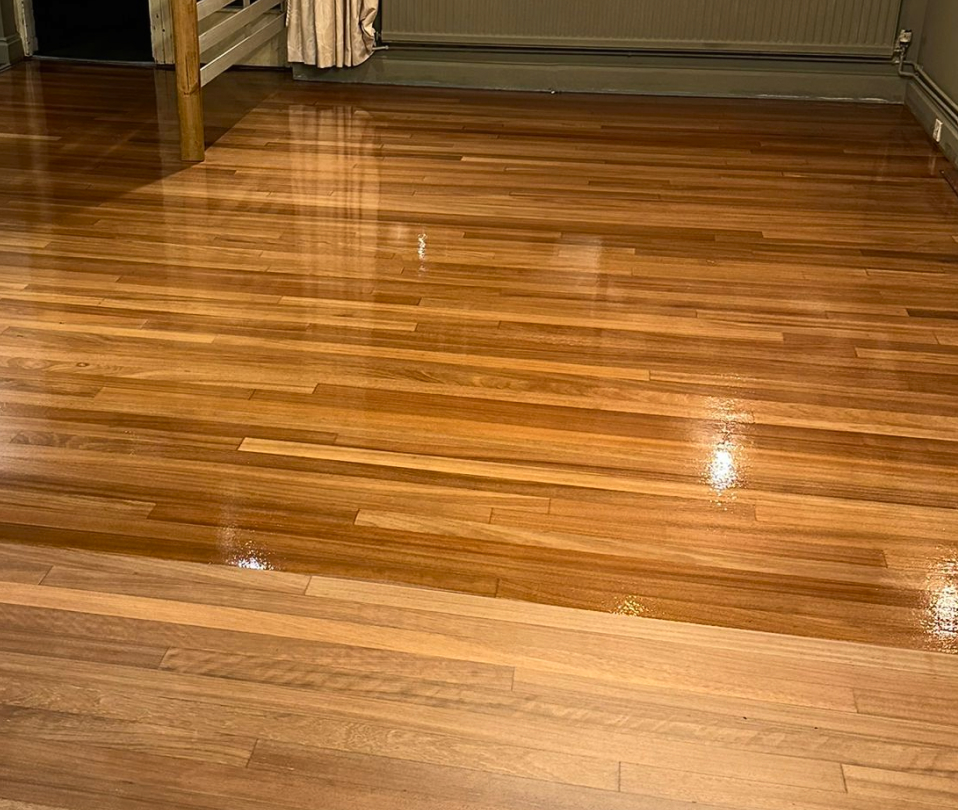
Floor sanding taunton

Get a Free Norwich Floor Quote

Photographs save a long drive. One shot of the room from the doorway, a couple of the worst areas and rough measurements will usually get you a realistic range the same day.

If the floor feels ridged underfoot, or the building is listed, mention it — both change what we would recommend. For larger properties and landlord portfolios we will come and survey at no charge.

Call 01823 674562, email info@ryansrestoration.co.uk, or use the form on this page.

FAQ: Floor Sanding in Norwich

The Golden Triangle, Thorpe Hamlet, Eaton, Heigham, Lakenham, Mousehold, Catton, Sprowston, Costessey and Hellesdon, plus Wymondham, Aylsham, Diss and the surrounding villages.

Usually very much so. Those houses have generous baltic redwood boards over ventilated voids, and most have been protected under carpet for decades. Tack holes, gripper damage and the dark carpet border all sand out.

Regularly. Norwich has an unusual amount of it. Original boards are usually part of what the listing protects, so we work to minimum intervention and can put our method in writing for your conservation officer.

Subfloor moisture, common on the low ground near the Wensum. Usually the airbricks have been rendered over or blocked by a patio or extension. The floor must dry and flatten before sanding, otherwise the boards end up thin down the middle.

Flint and brick walls move damp sideways into the joist bearings rather than up through the room, so rot there is more common here. It is far cheaper to find before we sand than after.

A commercial-grade lacquer rather than an oil. It takes more abuse, recoats quickly between tenancies and needs less maintenance. We work to changeover windows so the property is ready for the new intake.

Yes. Part E sets sound insulation standards between dwellings and floor treatment forms part of meeting them. We provide written specifications for licensing applications.

On every job as standard and at no extra charge. Sealed extraction captures the dust at the machine, which matters especially in old properties where dust travels through gaps you cannot see.

It depends on size, condition, timber and finish. Listed and period work takes longer because of the lighter approach needed. We give a fixed written price after surveying.

Yes, with no obligation, and we will tell you honestly if a buff and recoat would serve you better than a full sand.

Ryan's Restoration
4.9
Based on 114 reviews
×
js_loader