45 years’ experience  ·  Rated 4.9 on Google  ·  Family-run, from our workshop near Wellington

45 years’ experience · Rated 4.9 on Google · Family-run

Floor Sanding and Wood Floor Restoration in Somerton

Getting the colour right as well as the surface: floor sanding, staining and repairs for Somerton houses, cottages, shops and community buildings.

QUICK QUOTATION

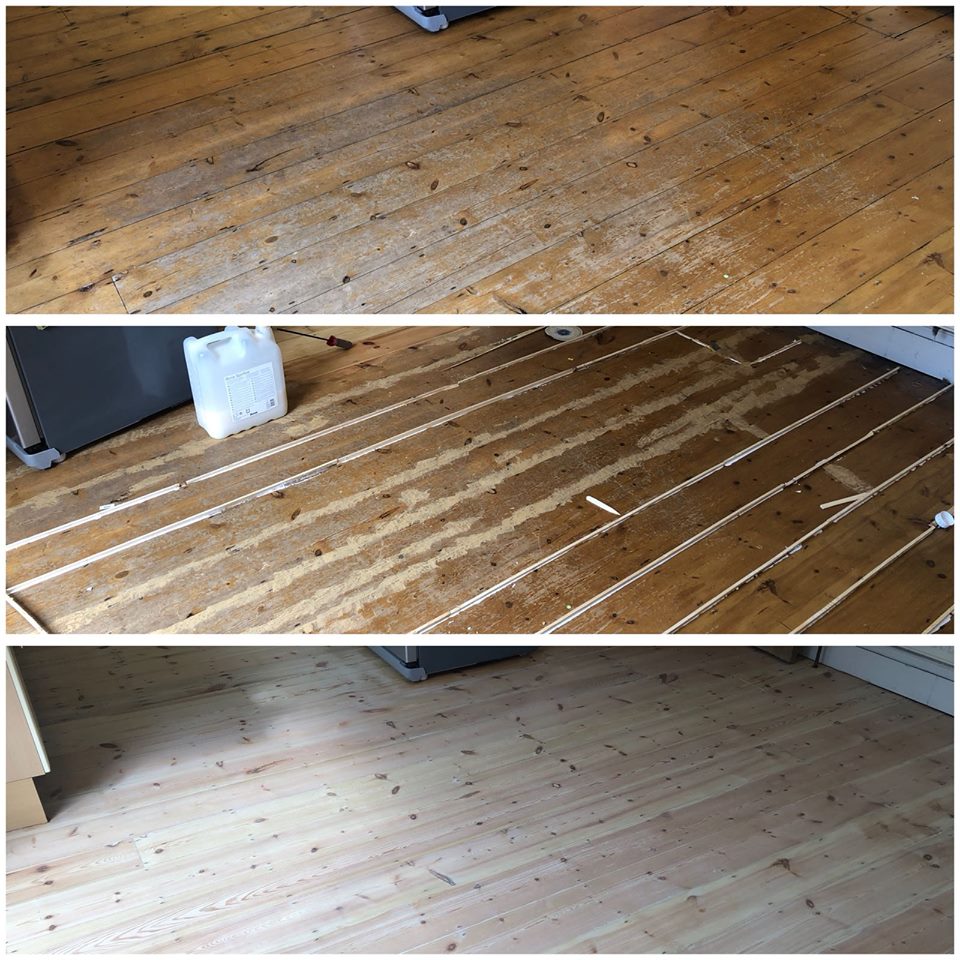
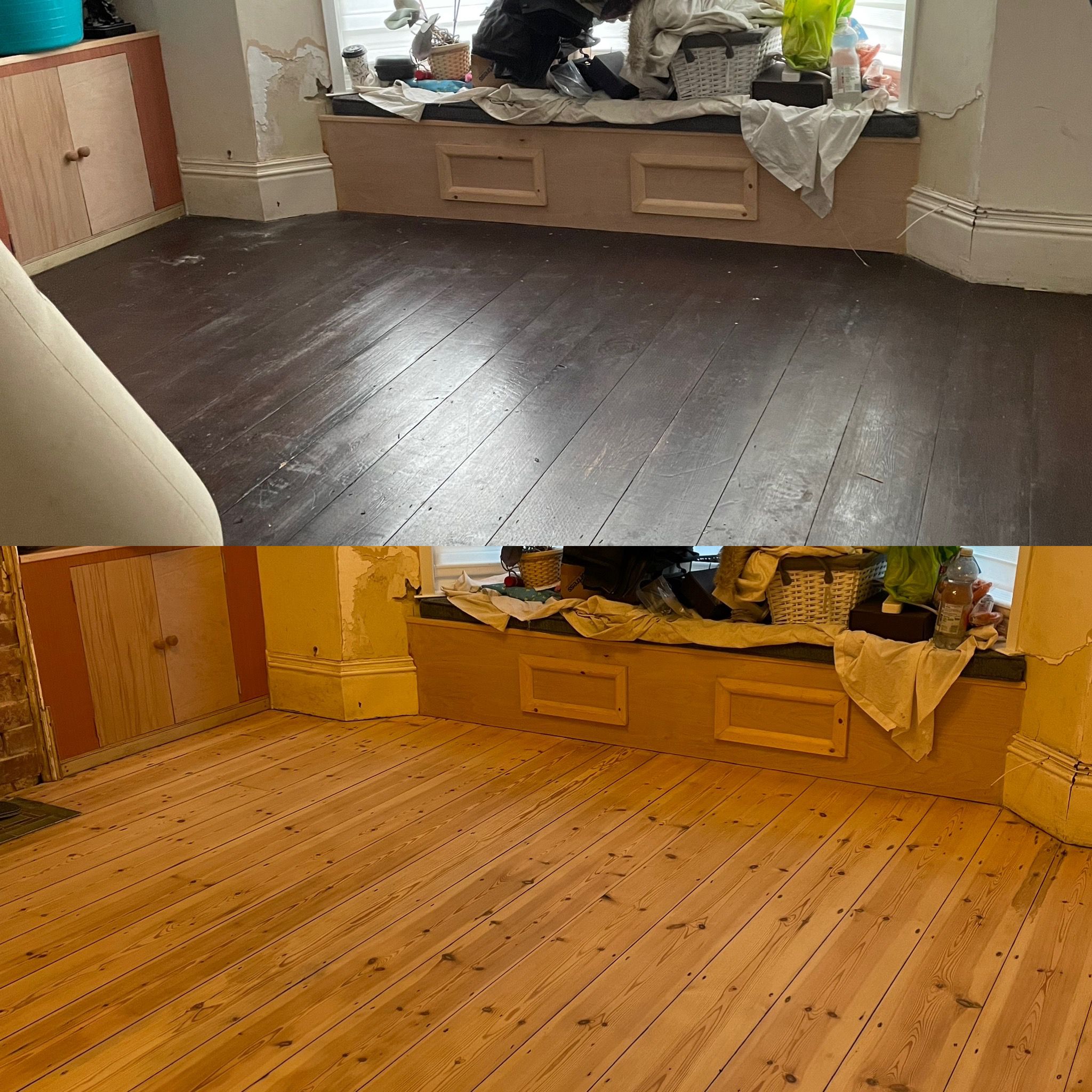
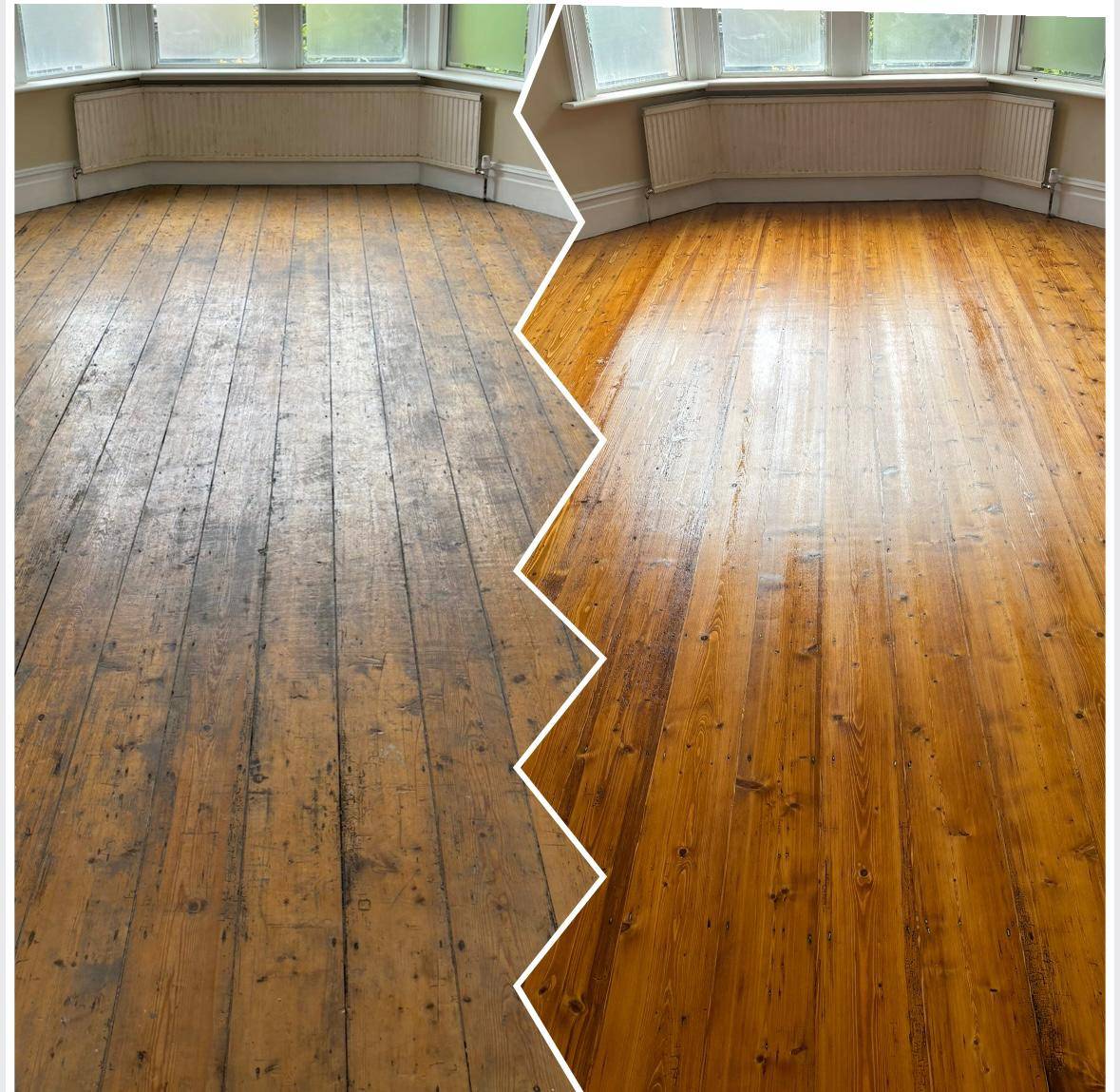
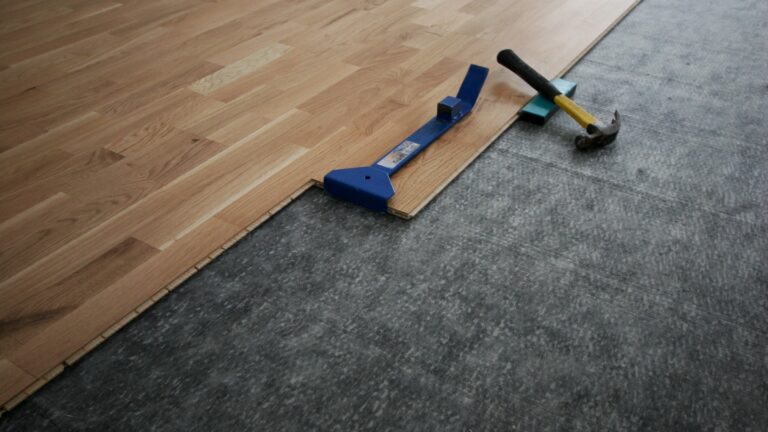
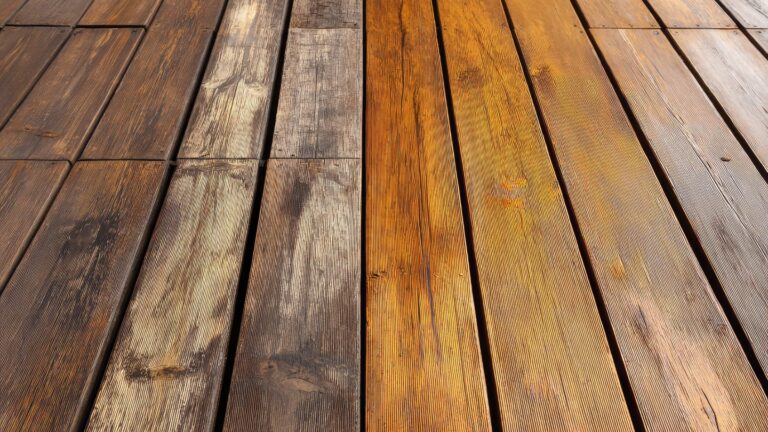
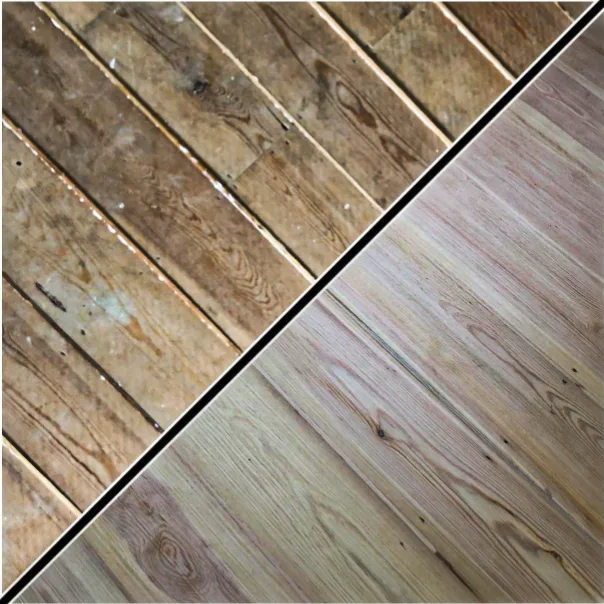
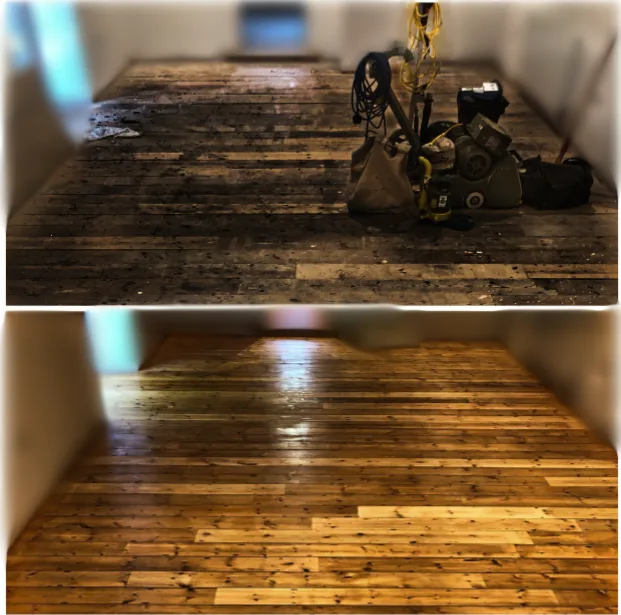
Floor sanding before and after

Floor Sanding in Somerton, With Colour Decided Early

A freshly sanded floor is the palest it will ever be. Bare oak looks almost biscuit-coloured, bare pine nearly white, and both change the moment any finish touches them. That surprises people, and it is why floor sanding in Somerton, done the way we like to do it, includes a proper decision about colour before the last coat is anywhere near the floor.

The sanding itself comes first. Our survey gauges the wood left to work with, how it is nailed or screwed, and whether damp is creeping in at the skirting. Older houses in the town are built of local stone, often with suspended timber ground floors, so we look at the airbricks and the void too. A floor that cannot breathe will not hold a finish for long.

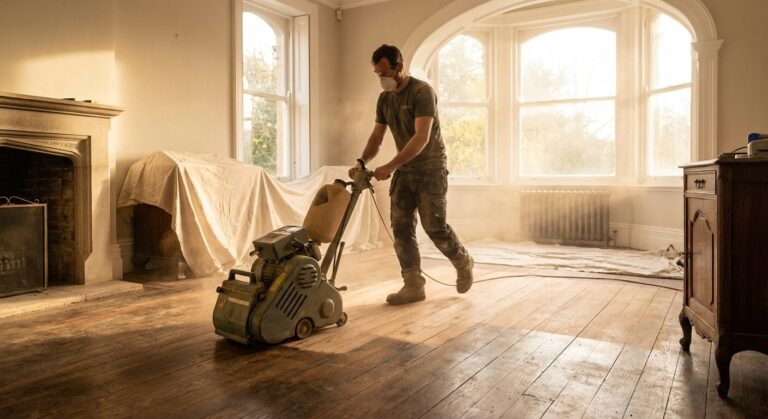
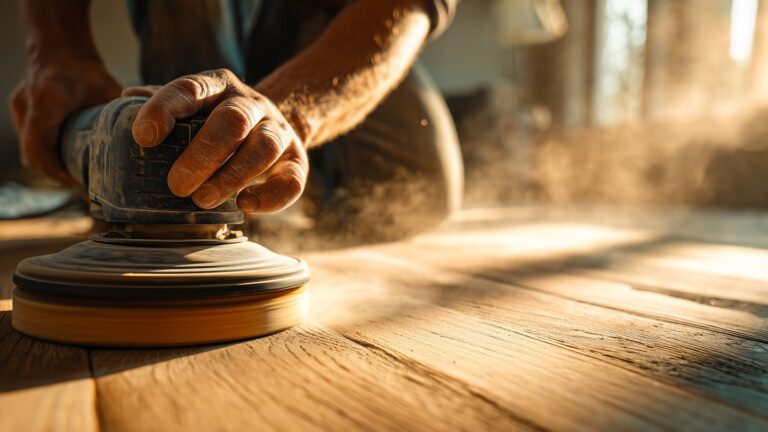
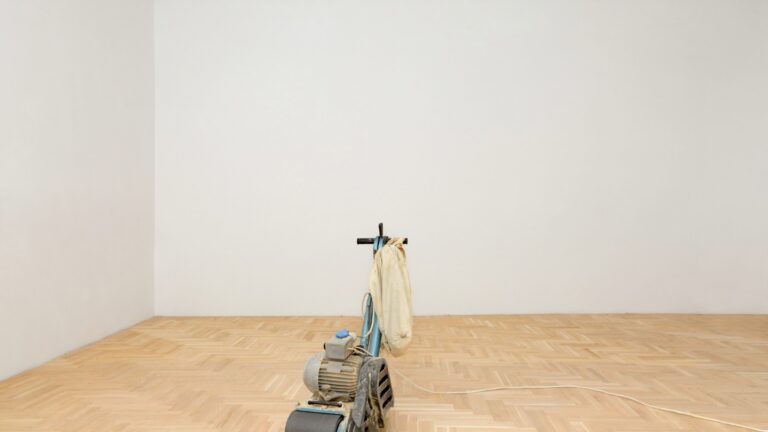
On the day, the belt sander works through its grades in order, each one removing the scratches of the one before, while an edger handles the margins and corners are scraped by hand. For staining, the final grade matters a great deal: too coarse and the stain gathers in the scratches and looks streaky; too fine and the grain closes up and refuses to take colour evenly. We set the last pass to suit the finish you have chosen.

Stain shows every speck of grit trapped under it, so clean air matters here more than most. Our wood floor sanding kit is plumbed into sealed extraction from the first pass to the last, the arrangement behind our dust-free floor sanding. Expect one to three days for most houses.
Wood Floor Staining in Somerton: How Colour Really Behaves

Stain is a pigment or dye carried into the surface of the wood, and every timber accepts it differently. Oak has open pores that drink colour readily and evenly, which is why it stains so well. Pine is the opposite. Its soft, pale earlywood soaks up stain greedily while the harder latewood resists, so an untreated pine floor can turn blotchy and stripy if the wrong product goes straight on. Reclaimed boards fitted as repairs behave differently again, because their surfaces have aged.

That is why wood floor staining always starts with test patches on your own floor. We lay out a few options on an inconspicuous area or a spare board, let them dry and look at them in daylight with you. Colour charts and online photos are a poor guide: the same stain can read warm and honeyed on oak and flat and muddy on pine.

There are a few common requests. Many people want to take the orange out of old pine, which can be done with a cool-toned stain or a tinted finish. Others want a darker, richer floor to sit with antique furniture, or a pale, limed or grey Scandinavian look, which is achieved with white-pigmented oils rather than paint. Repairs sometimes need staining to blend new or reclaimed boards with the original floor, and that is often a matter of careful mixing rather than a single tin.

Stain is not a finish on its own. It needs a protective coat on top, and the two are chosen together so they are compatible.

It is also worth thinking about light. A dark stain makes a room feel smaller and shows dust and pet hair, while a pale floor brightens a north-facing room but reveals grit and muddy paw prints. Mid tones forgive the most. We often suggest looking at the test patches at different times of day, because a colour that glows in afternoon sun can turn cold and flat on a grey winter morning.

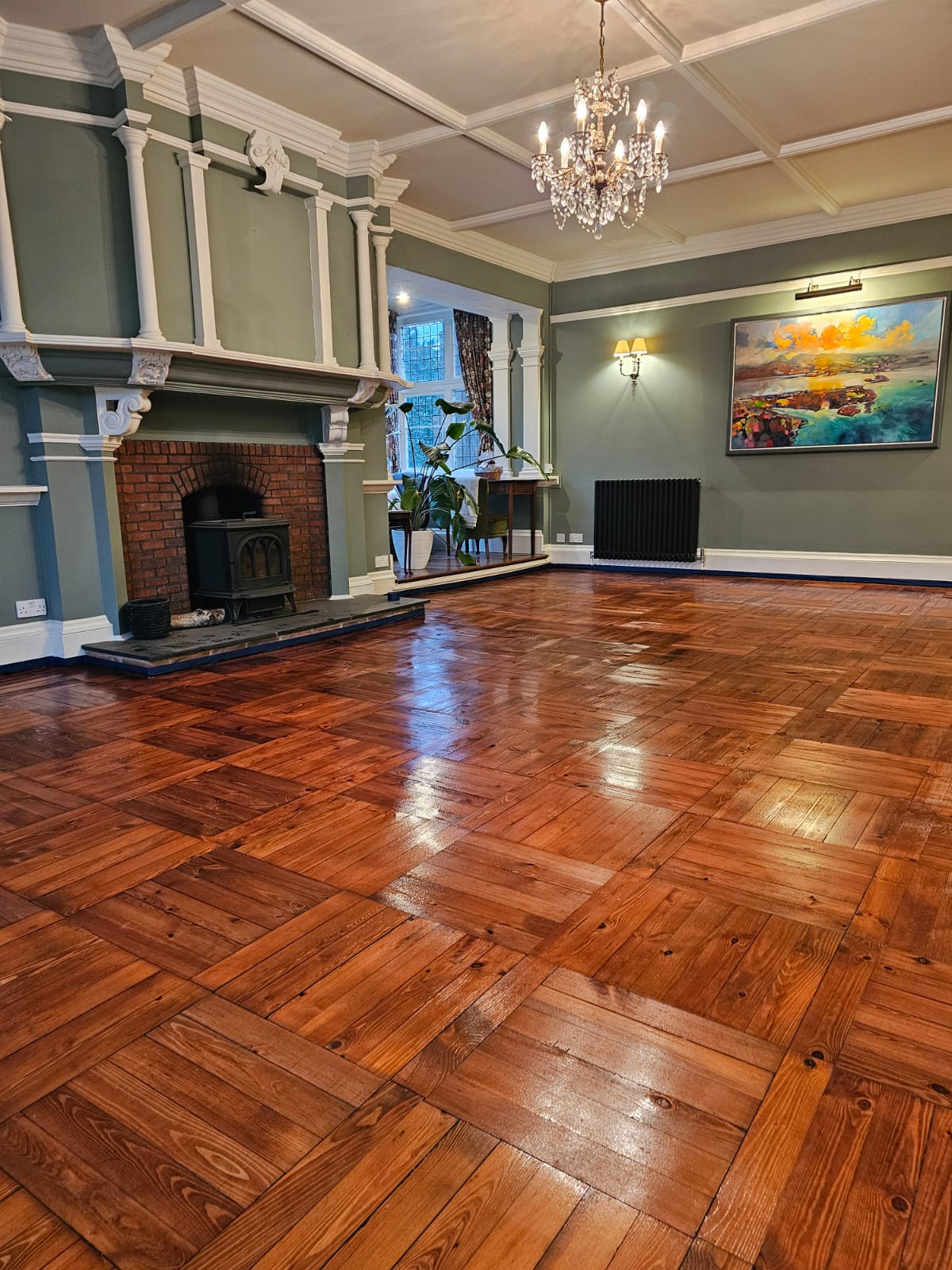
parquet wooden floor sanding
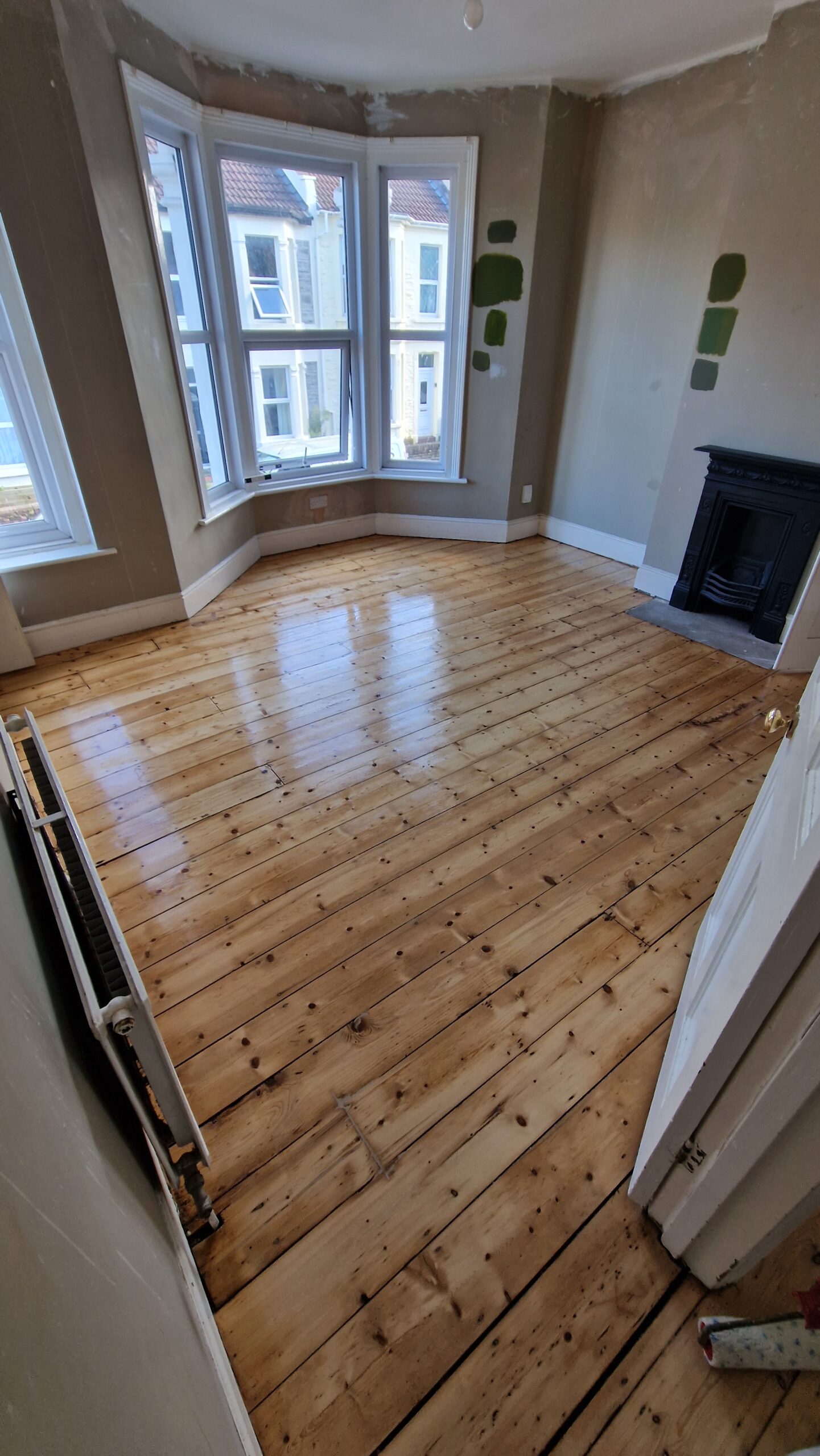
wooden floor sanding

Wood Floor Restoration in Somerton's Older Homes

Wood floor restoration in Somerton covers the town’s older stone houses and cottages, its Victorian and Edwardian homes and many later properties. In the older buildings, floors have usually been patched and altered over generations, and the aim is to unify them without wiping out their history.

Oak, where we find it, is the most rewarding timber to restore. It is dense, sands cleanly and responds to almost any finish. Oak floor restoration can lift decades of dark wax to reveal the colour and grain underneath, often with only a light sand, so the boards keep their thickness for future generations.

Pine is more delicate. It dents easily, the nail heads usually need punching down before the sander goes near them, and old dark stains can run deep into the grain around the edges of a room. Pine floor restoration takes a slower, gentler approach, and colour work is often part of it, either to warm a pale floor or calm an orange one.

Our wood floor restoration page sets out the whole sequence, from repairs and gap filling through sanding to the final protective coat.

Commercial Floor Sanding in Somerton

Commercial floor sanding in Somerton is as likely to mean a gallery wanting a darker floor behind its paintings as a pub needing its bar front rescued. Customer-facing businesses often care about colour as much as durability, because the floor is part of the look of the premises, and a refurbishment is the ideal time to change it.

Night shifts, weekends and closed days are all possible, and quick-curing products keep the shutters down for as short a time as we can manage. Shop floor sanding can be phased so part of the floor stays open, and restaurant floor sanding is planned around service times in cafes and pubs.

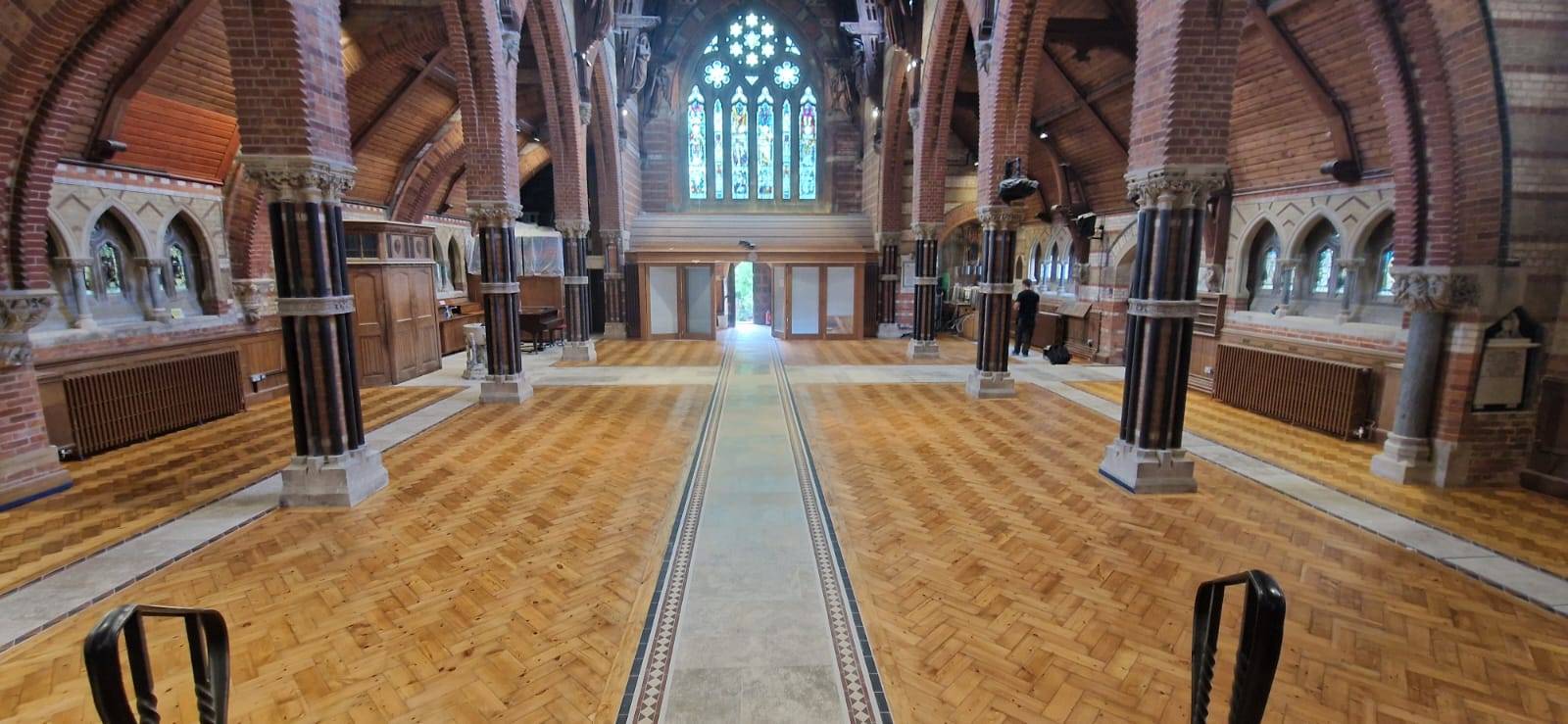
Schools and halls are usually booked into holidays or quiet periods. Our school floor sanding fits into the summer break, and a games hall gets its markings repainted by us afterwards to the sport’s official layout, which is covered under sports hall floor sanding. A hall that hosts circuit training needs boards that grip trainers without burning knees, the balance we aim for in gym floor sanding.

For bigger projects, the commercial floor sanding page explains how surveys, schedules and handover work. Method statements, insurance details and references are available on request.

flooring sanding company
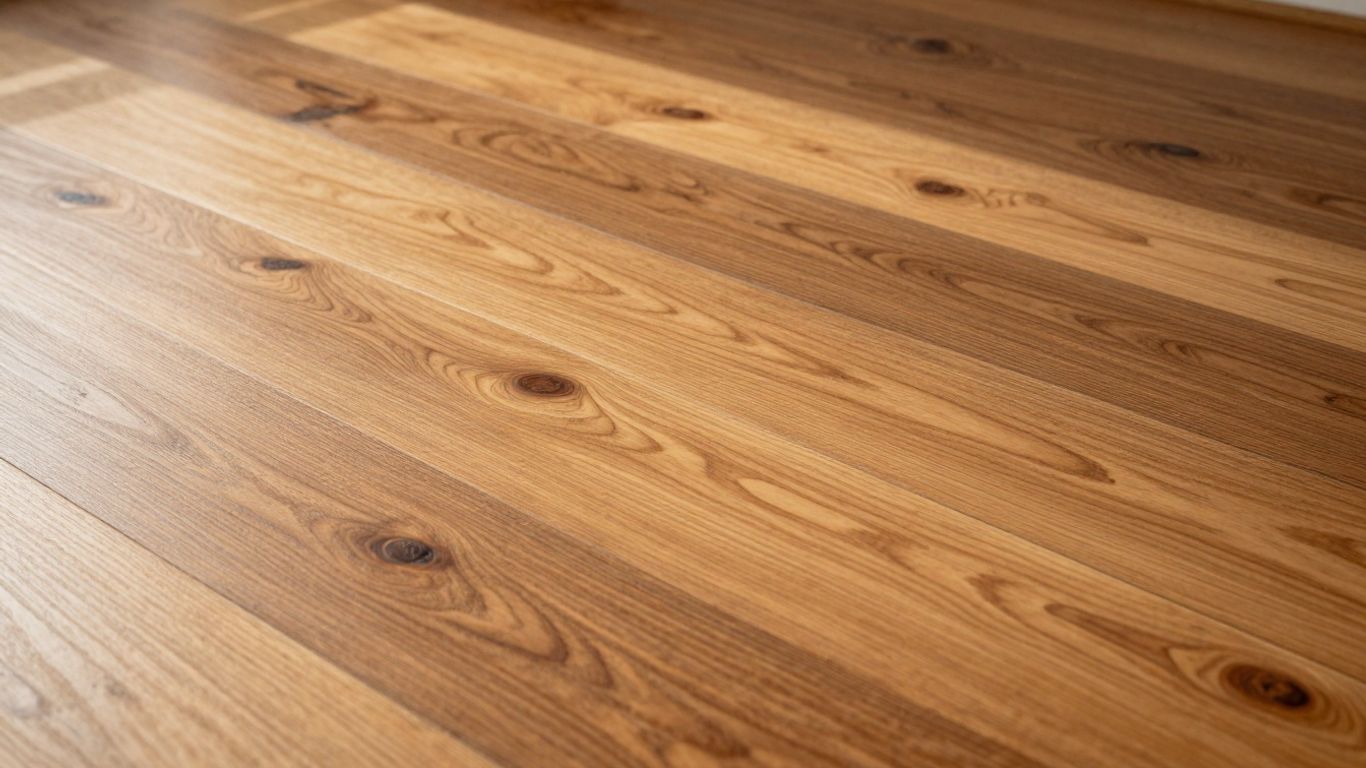
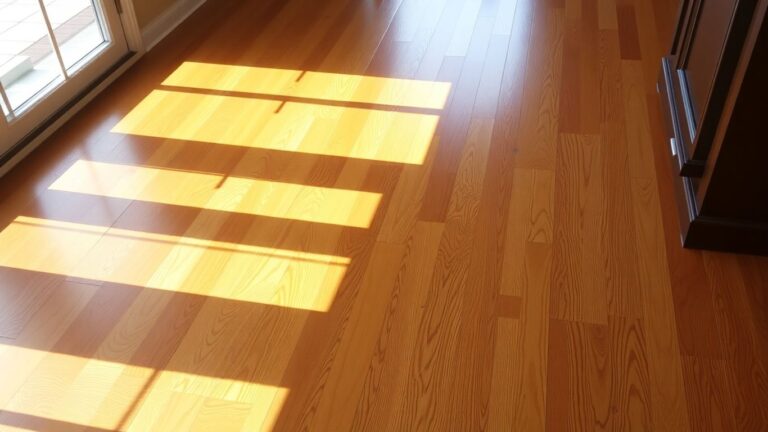
Sunlight across freshly lacquered wooden floorboards

Repairs, Gaps and Parquet

Colour only looks right on a floor that is sound and even. Wooden floor repairs come first: loose and springy boards fixed down, broken tongues and edges rebuilt, and the patched-up access holes from old plumbing and wiring made neat. Boards that have rotted or split are swapped through floorboard replacement, using salvaged stock of the right timber and size. A reclaimed board also takes stain far more like its neighbours than a new one would.

Gaps between boards are filled before the final pass, either with a resin and sawdust filler that takes the same colour as the floor, or with slim timber slivers for wider joints. Our gap filling page explains when each is used. Creaking boards are quietened by squeaky wood floor repair, and isolated scratches may only need wood floor scratch repair.

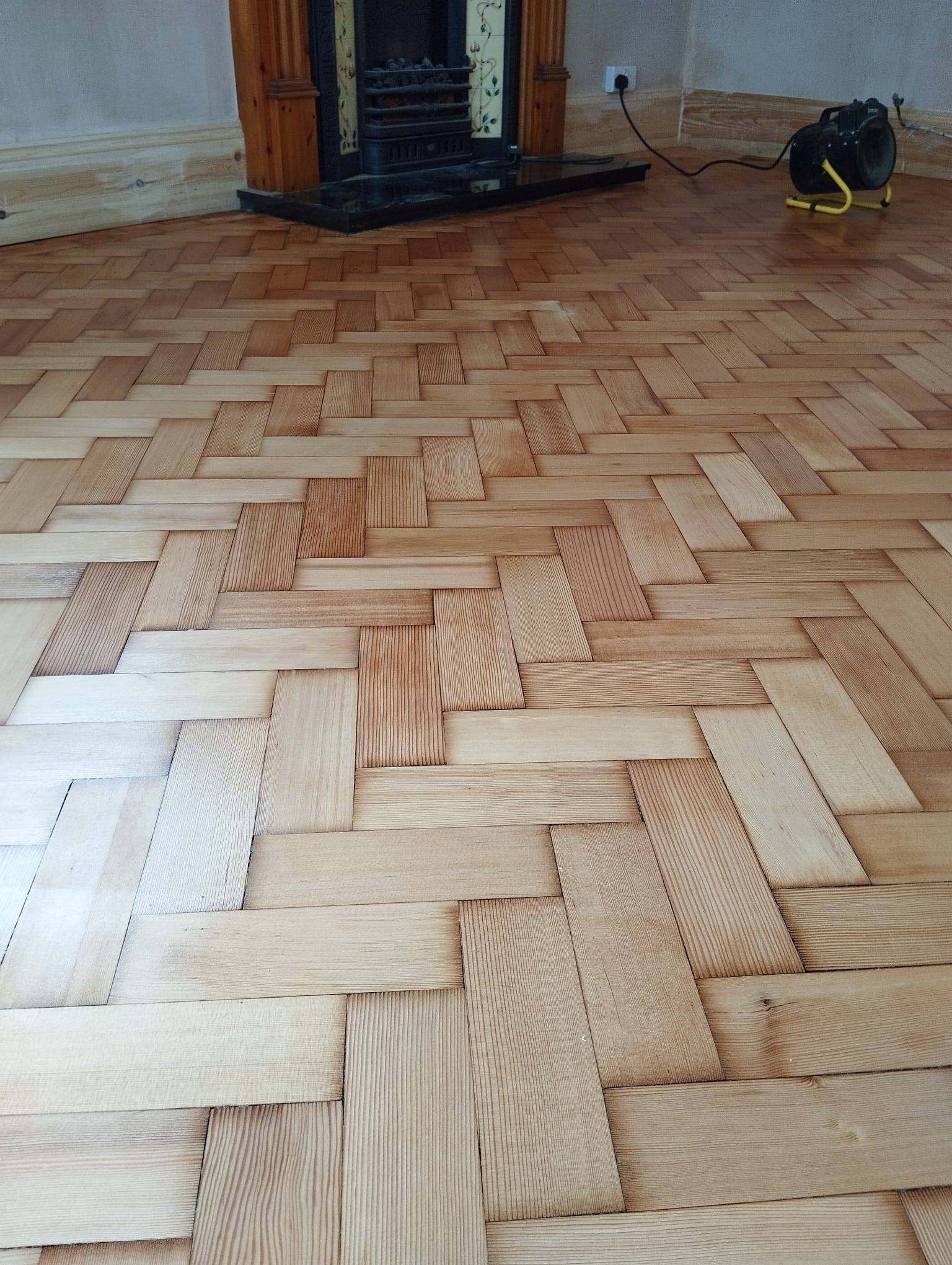
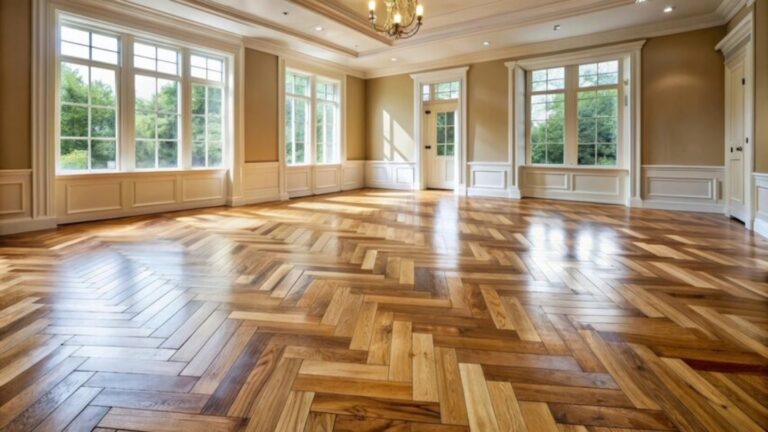
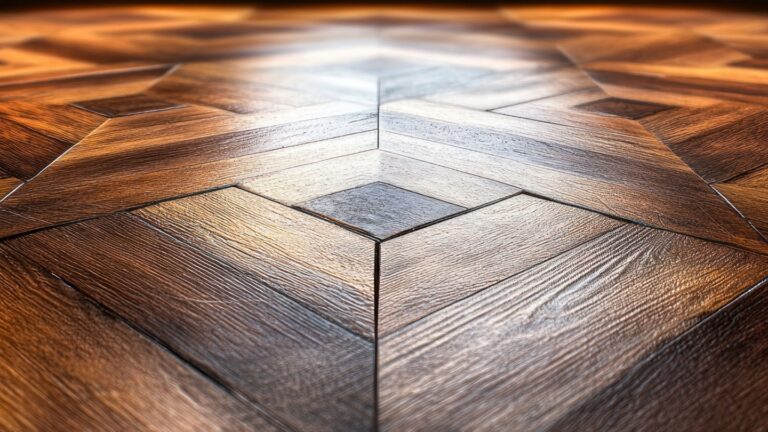
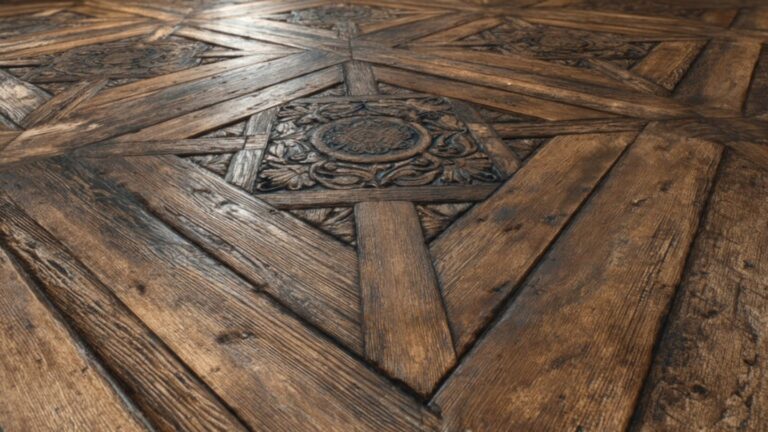
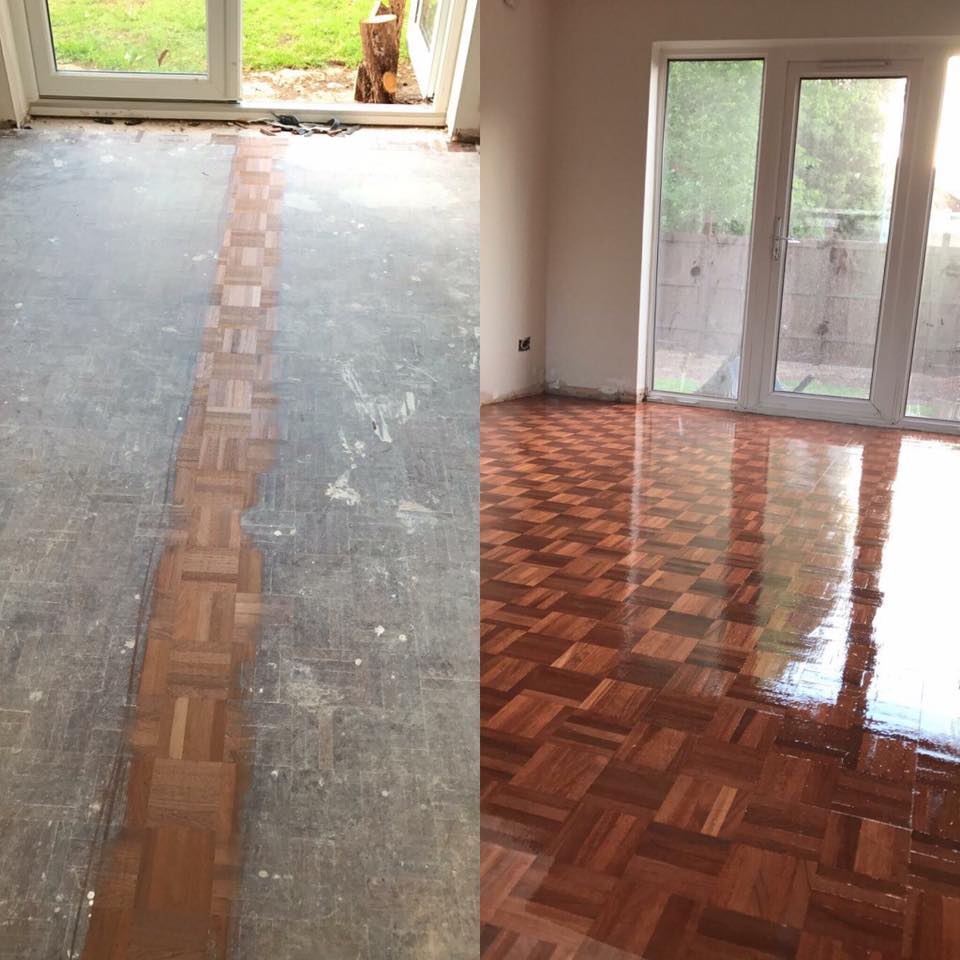
Parquet is a good candidate for colour work, because stain or tinted oil can emphasise the pattern. Loose blocks are re-bonded first and missing ones replaced with salvaged blocks, then the floor is sanded with a grit plan suited to its changing grain direction. See parquet floor sanding for more. Stairs are sanded mostly by hand, and stair sanding is best done alongside the hall so the colour matches all the way up.

Protecting the Colour: Lacquer, Oil and Wax

Once the colour is right, it has to be protected. A water-based lacquer gives the toughest, most easily cleaned surface and keeps the stain looking exactly as it did on the day. Our wood floor sealing goes on over the dry stain in thin layers, each one lightly keyed before the next. Matt keeps stained floors looking most natural.

Oil is the alternative, and tinted oils combine colour and protection in one product. Wood floor oiling gives a softer, more natural look and allows worn areas to be refreshed locally, which helps keep the colour consistent over the years. On period floors, wood floor waxing can carry a little tone of its own, and builds a gentle sheen as it is buffed.

Periodic wood floor polishing, using a product made for your finish, guards the colour beneath. Using the wrong cleaner can lift or dull a stained finish, so ask us what suits your floor. Socks only for the first day, and furniture back after two or three.

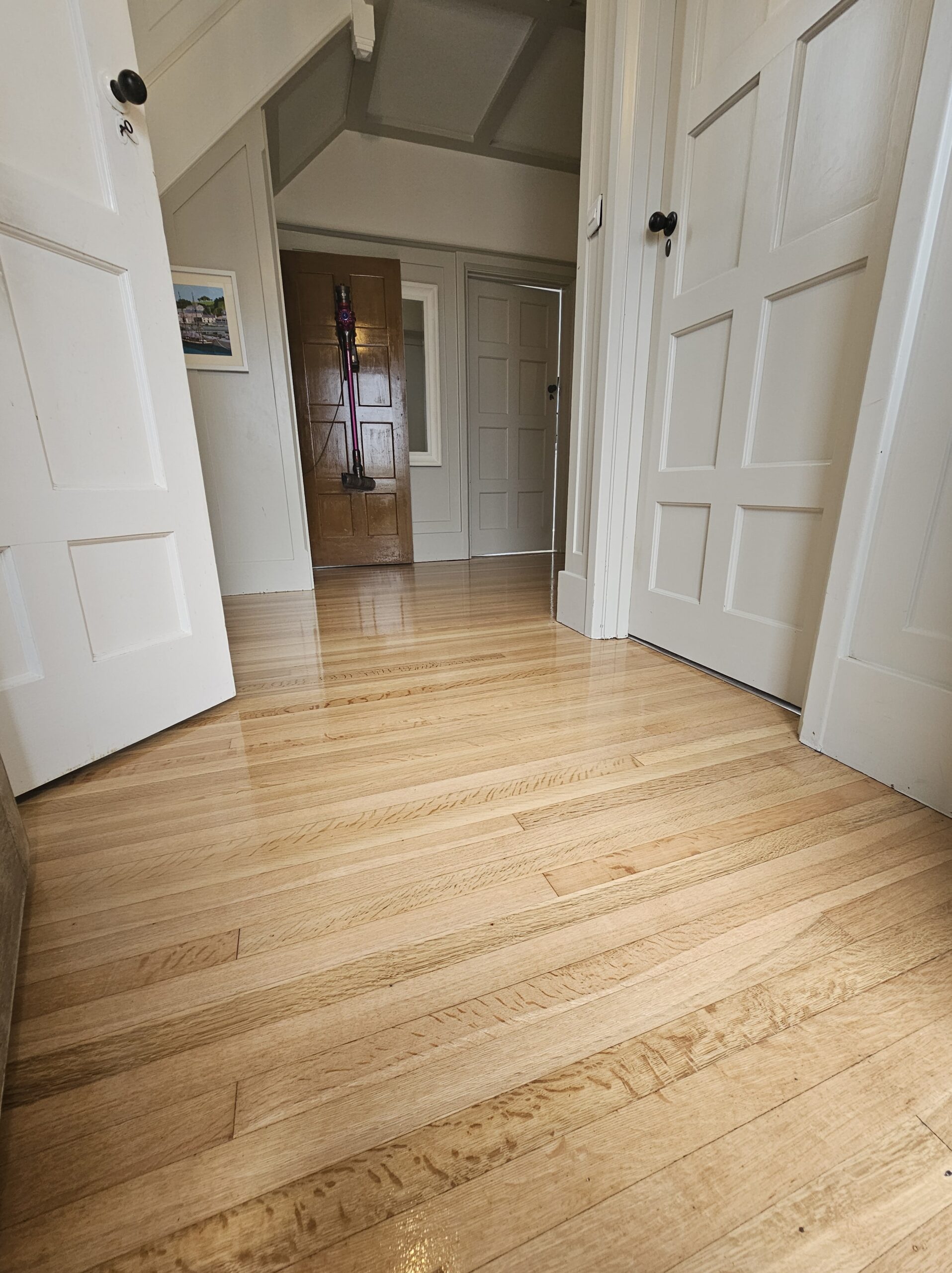
Wood floor sanding company
Floor sanding taunton

Choosing Your Colour and Booking the Work

If colour is part of your plans, it helps to tell us early. Send two photographs, the room as a whole and a close view of the boards, and mention any furniture, doors or existing floors you want the new colour to sit alongside. From our base near Wellington, Somerton is an easy run across the Levels.

If a visit is needed, it is free. We measure, check for damp and talk through colour options, then send an itemised quotation in writing, with the figure fixed unless the scope changes. Test patches on your own boards can be arranged as part of the job before the full floor is stained.

To keep a stained floor looking its best, book wood floor buffing when the walkways first start to dull. The worn top coat is abraded and replaced without touching the coloured timber beneath, so the stain is preserved and the next full sand is put off for years.

And if the old boards are past it, wooden floor installation gives you a fresh start: solid or engineered timber, with Junkers and Bona among the ranges, fitted by us or supplied to your own fitter. Nearby pages include Martock and Street; for the wider county see Somerset, and contact us to begin.

Somerton Floor Sanding and Staining Questions

Usually, yes. A cool-toned stain, a tinted oil or a lacquer that keeps pine paler can all reduce the orange look. We test the options on your own boards so you can choose the result you prefer before the whole floor is done.

Pine’s soft and hard growth rings absorb colour at different rates. Without the right preparation and product choice, the soft areas soak up more stain and the floor looks uneven. Careful sanding and testing avoids this.

Yes. Reclaimed boards are used for repairs because they already have aged colour, and where needed we blend them in with stain once the whole floor is sanded. The aim is for the repair to disappear into the floor.

Yes. White or grey pigmented oils and stains give that pale, limed look on oak in particular. Results vary with the timber, so we always try it on a test area first and look at it in daylight with you.

Not directly. The stain colours the timber and the lacquer or oil on top protects it. As long as the top coat is maintained, with a screen and recoat when it wears, the colour underneath stays protected for years.

Often, yes. Retail floors can be done in sections, overnight or on closed days, using quick-curing products, so the change of colour happens around your customers rather than in front of them. The reopening time for each section is written into the plan before we start, and we stick to it.

A typical room takes one to three days, as the stain needs time to dry before the protective coats go on. Light use in socks is usually fine a day after the last coat, and furniture can follow two or three days later, once the finish has had time to harden.

Send two photos by email or through the form, with a note of the colour you have in mind. You will hear our thoughts on colour straight away, and if we need to see the floor the visit is free, after which an itemised quotation follows in writing.

Yes, very dark and very pale floors both show dust, hair and grit more than mid tones do, and scratches through a dark stain can reveal lighter timber underneath. A matt finish and good doormats help a great deal. We can talk through the trade-offs when you choose a colour.