Floor Sanding Totnes

Floor Sanding and Wood Floor Restoration in Totnes, Devon

QUICK QUOTATION

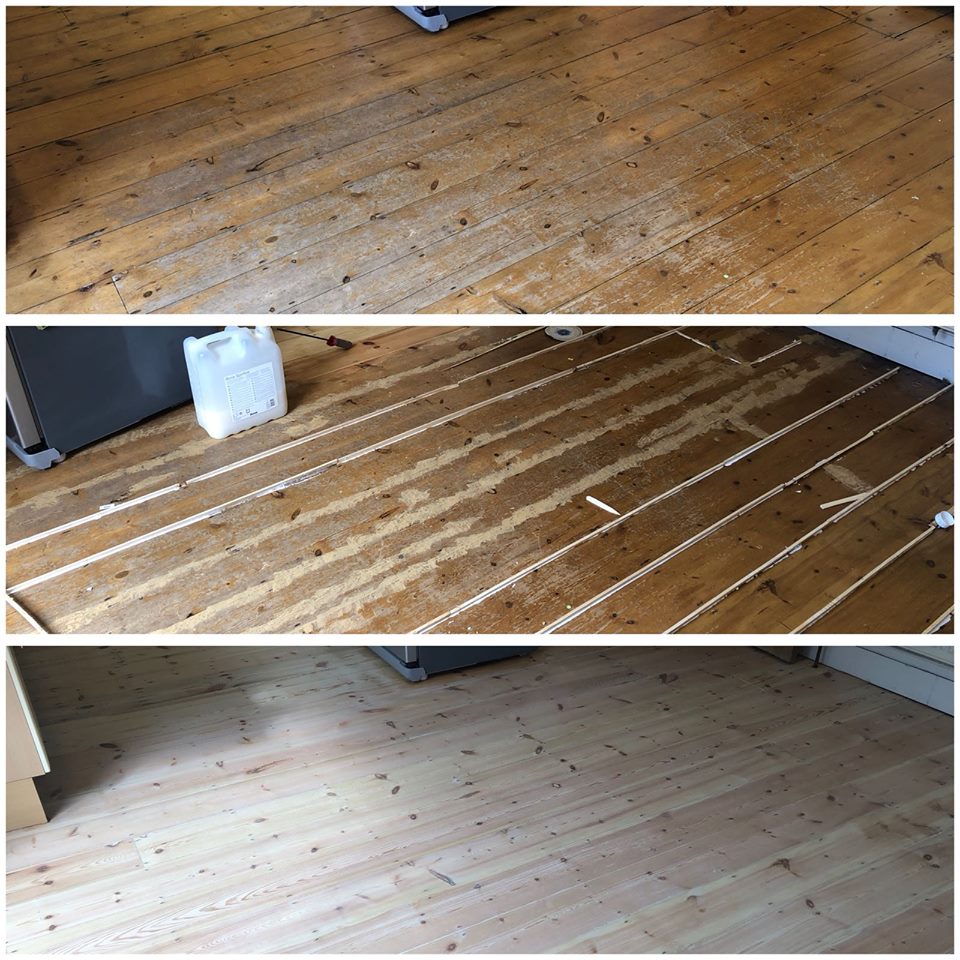
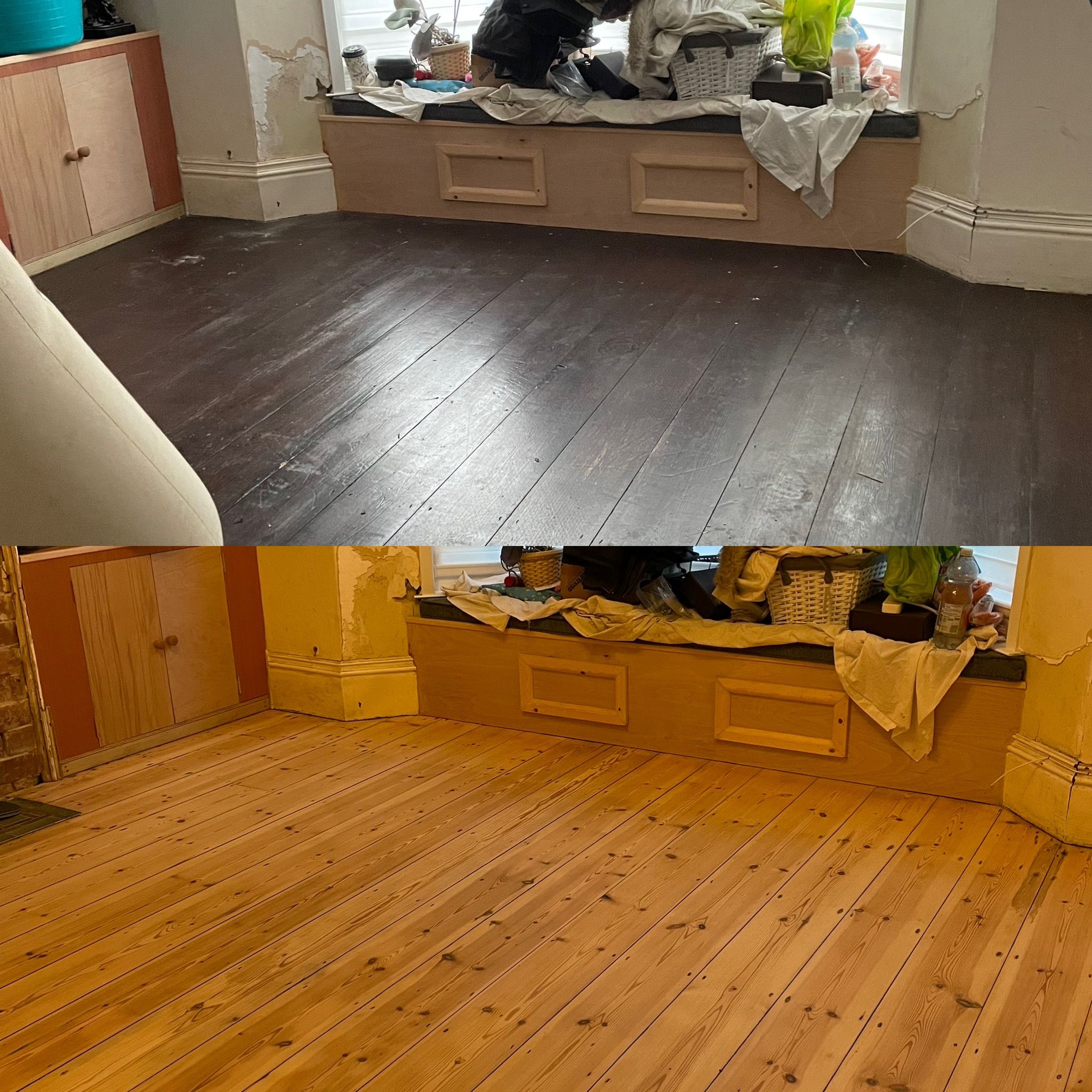
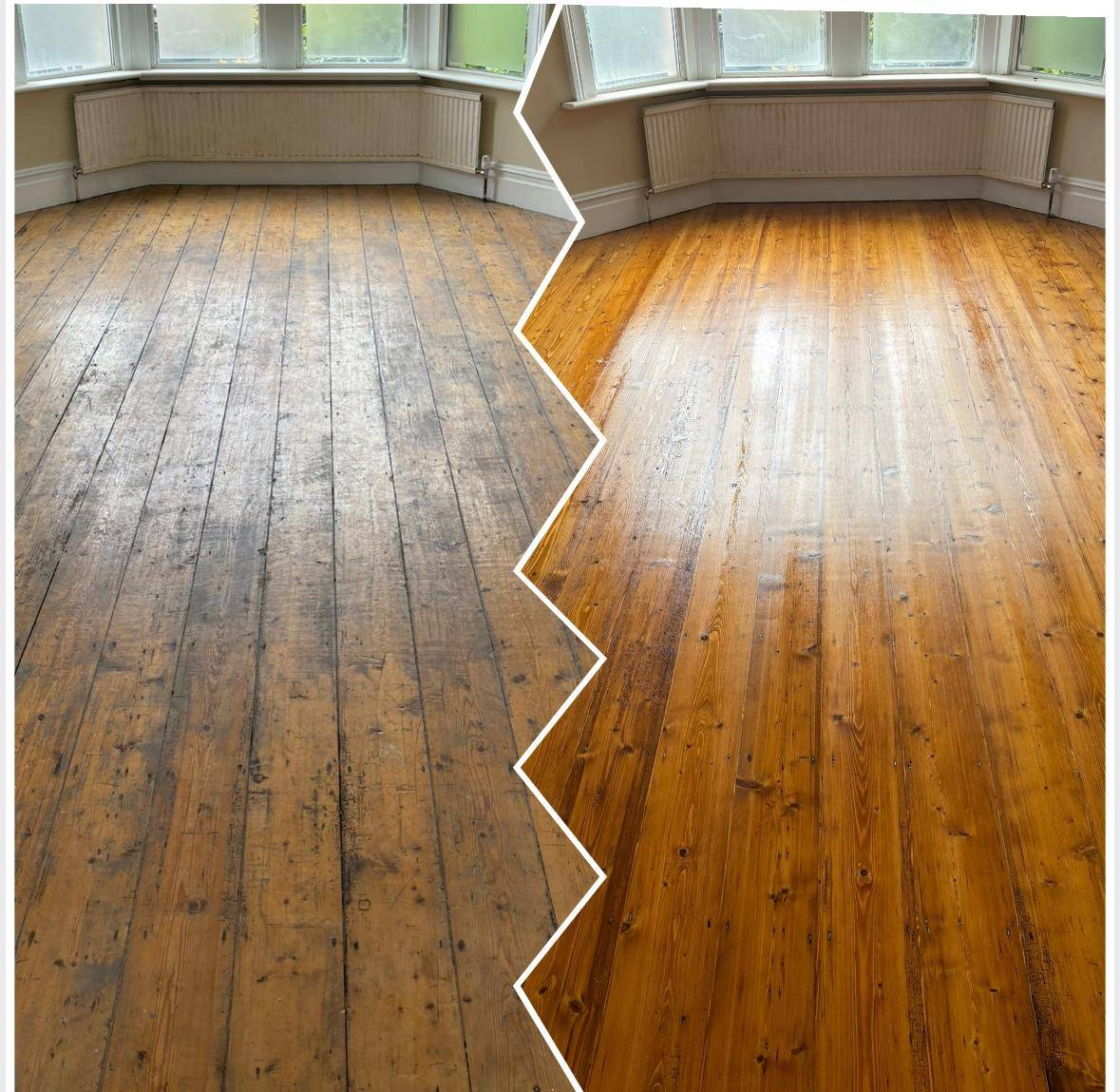
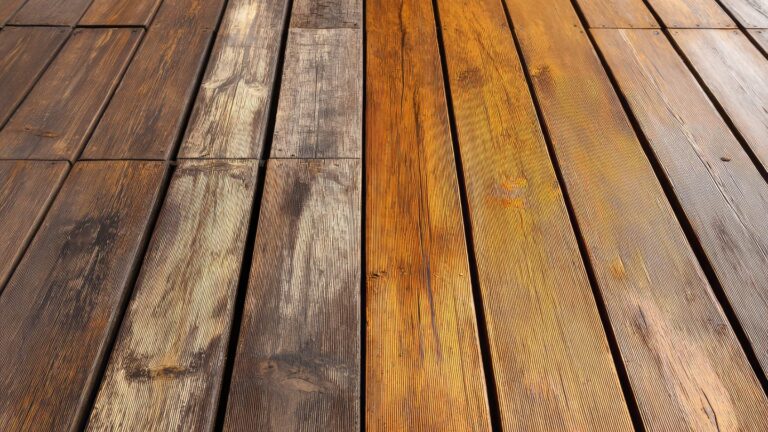
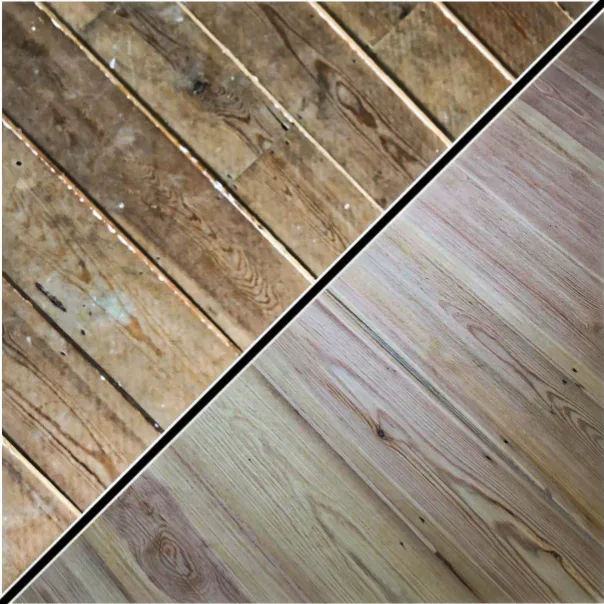
Floor sanding before and after

Floor Sanding in Totnes

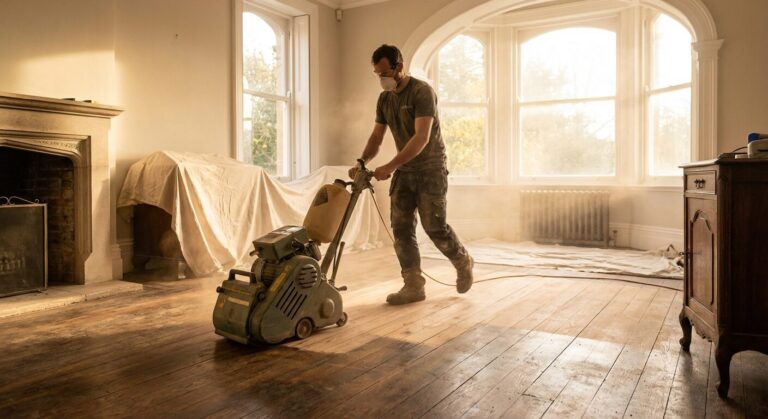
Few towns ask more of a floor sander than Totnes: wide oak and elm in the Tudor merchants’ houses, Georgian pine above and behind, Victorian boards in Bridgetown and Follaton. Our wood floor sanding service treats each on its merits — minimum removal on ancient timber, finer grits and extra passes, and no attempt to flatten four centuries of honest settlement.

Sealed extraction takes the overwhelming majority of dust at source, which lime plaster and exposed beams demand, and where a floor merely needs waking up we offer restoration without sanding or a light buff and recoat.

Rooms that mix timber from different eras — a Georgian repair in a Tudor floor, Victorian boards patched in after a hearth came out — need a decision before the machines start: sand everything to one uniform surface, or let each era keep its own character within a clean, level whole. There is no single right answer. A uniform sand suits a room being redecorated top to bottom; the lighter touch suits a floor whose patchwork is part of the building’s story. We talk it through at survey, show you what each approach means on your actual boards, and quote for the one you choose.

However the question is answered, the mechanics stay careful: nails set below the surface, the gentlest abrasive sequence the floor allows, edges brought along by hand where machines would bite, and the surface vacuumed and coated the same day it is bared.
Commercial Floor Sanding in Totnes

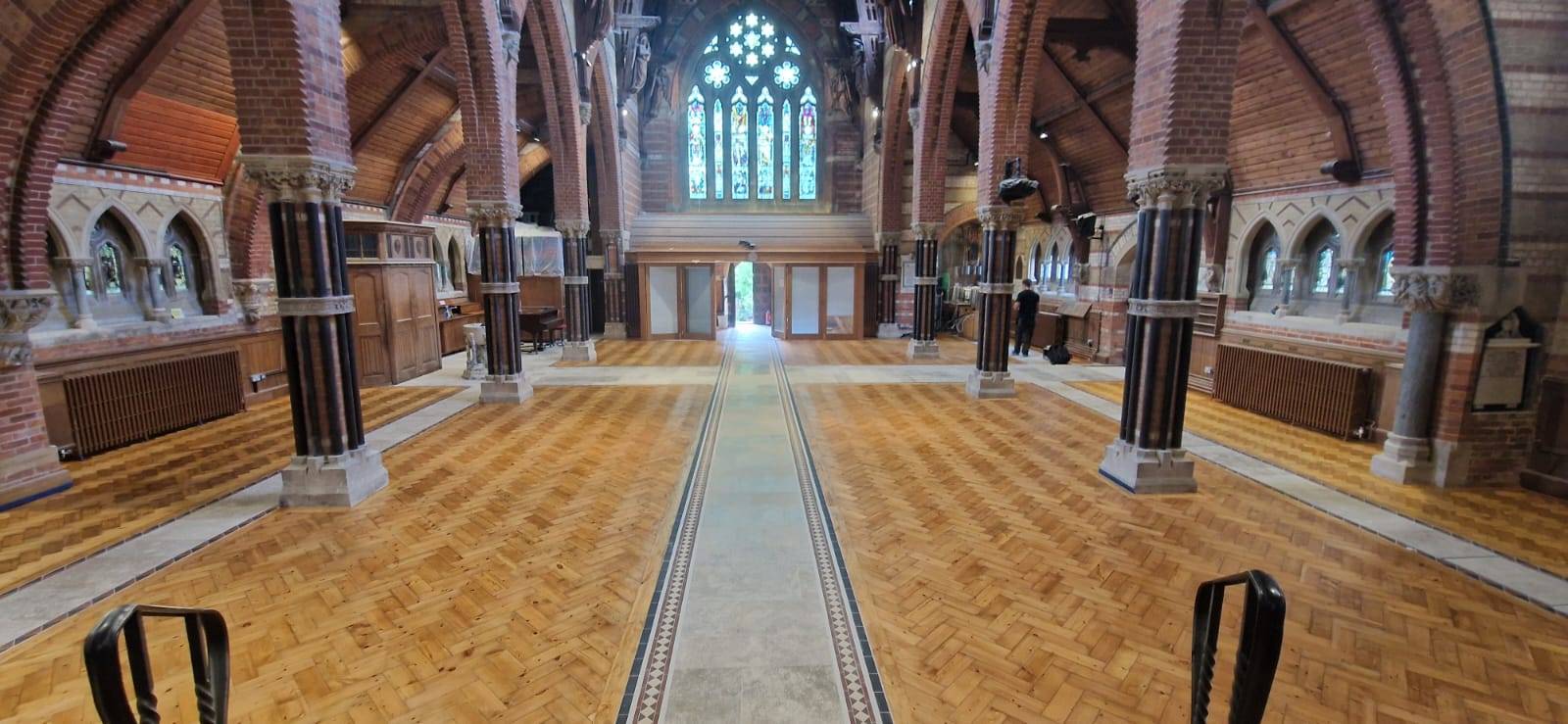
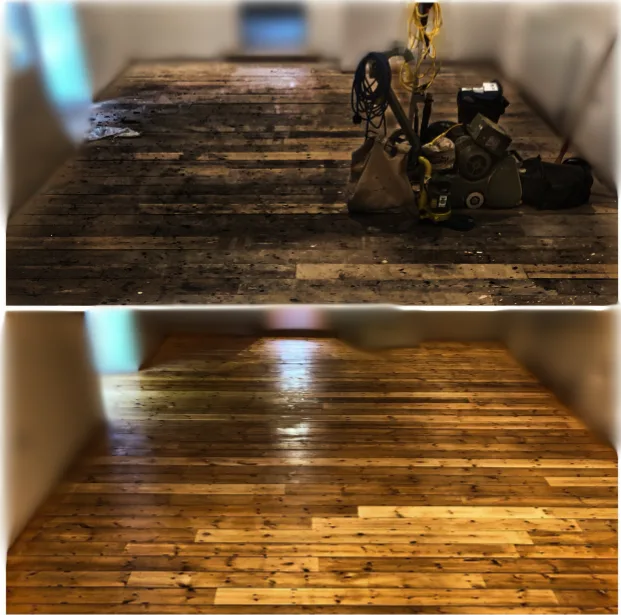
Totnes’s independent shops and food scene bring our commercial floor sanding team into town regularly — shops and galleries, cafes, pubs and restaurants, hotels, and across the South Hams schools, village halls and gyms, dance studios and sports halls. Work runs overnight, on closed days or in quiet weeks with fast-curing sealers, so most premises lose a single session. Method statements and insurance documentation are provided, and sports floors are line marked to governing body specification.

In cafes and restaurants the single biggest source of wear is not footfall but furniture — hundreds of chair movements a day, each one dragging a hard edge across the seal. So the specification leans matt, where scuffing shows least, in a heavy-duty lacquer with real abrasion reserve, and we advise on glides for the chairs themselves because they repay their fitting within a season. For galleries and shops with heavy display units we plan the coating schedule so full hardness arrives before the weight goes back, protecting the finish from permanent imprinting.

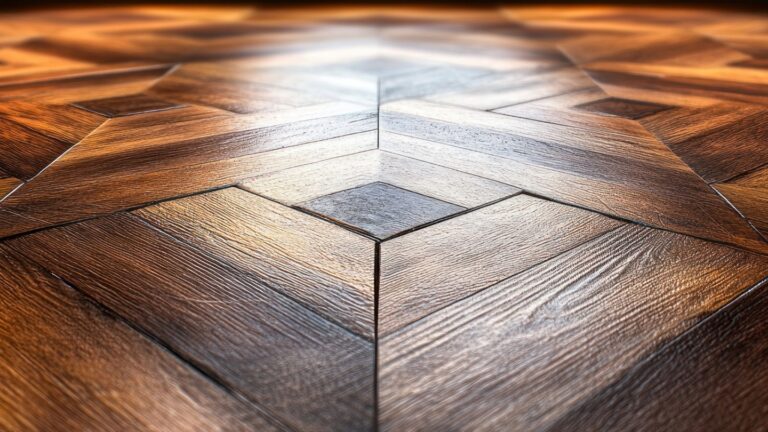
parquet wooden floor sanding
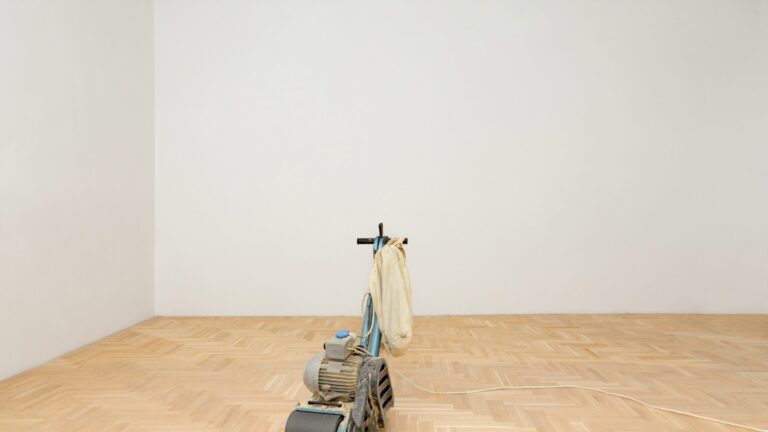
wooden floor sanding

Repairs and Sympathetic Board Replacement

Totnes floors carry centuries of previous repair — hearth patches, pipe runs, boards from three eras in one room — and our wooden floor repairs service works with that history rather than erasing it. Loose boards are secured, squeaks fixed at the joist, and scratches blended out.

Where replacement is genuinely needed, floorboard replacement draws on our reclaimed oak, elm and pine stock, matched for age and section so a new board settles into a four-hundred-year-old floor without announcing itself.

The oldest Totnes boards were sawn or split by hand, and no two are quite the same width — many taper visibly along their length. A modern machined board dropped into that company looks wrong from the doorway, which is why sympathetic replacement means more than matching the species: reclaimed boards are selected for comparable age and figure, then scribed and hand-fitted to the irregular edges of their neighbours. It is slower than squaring everything off, and it is the difference between a repair and a scar.

Gap Filling in Historic Floors

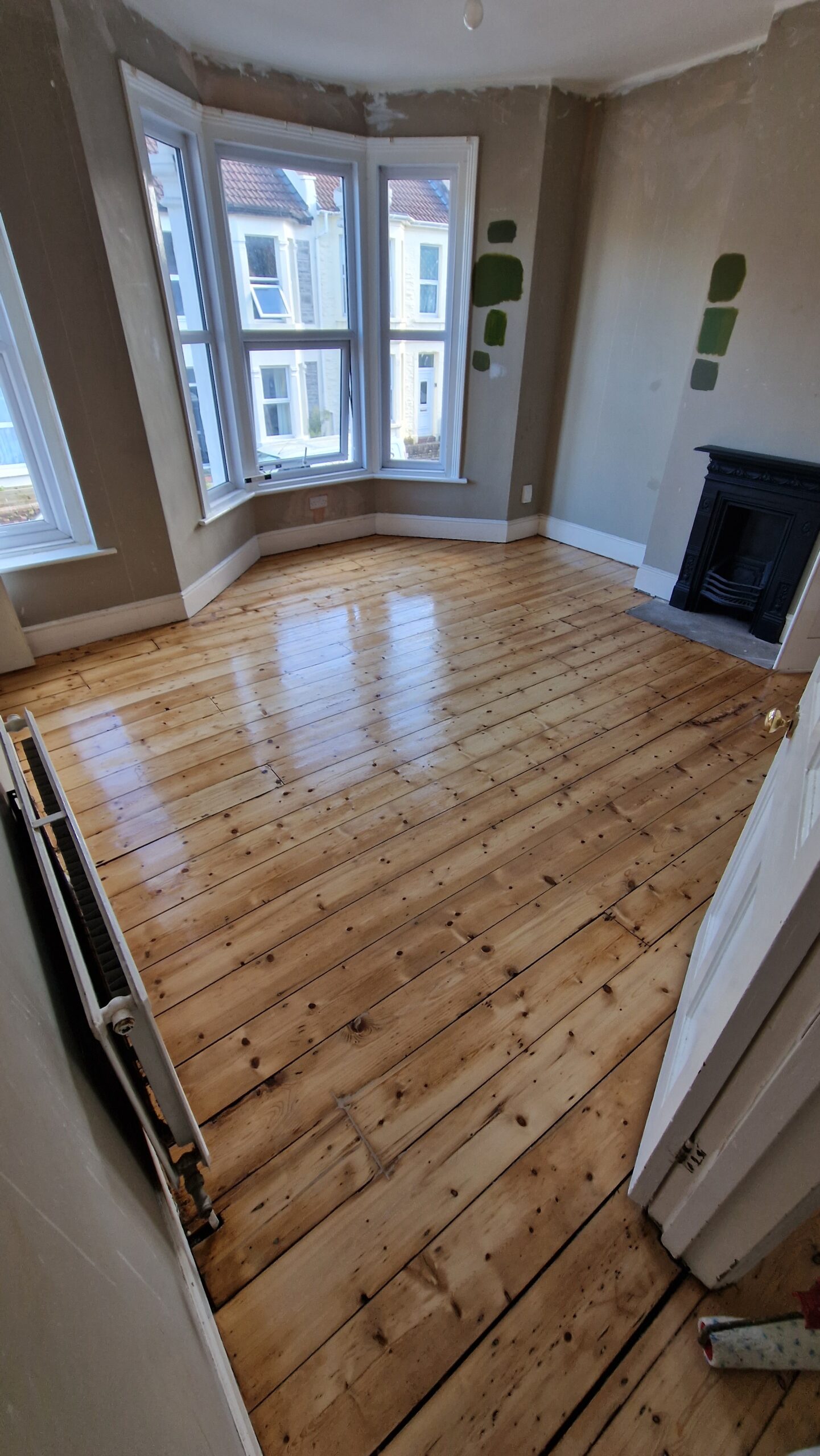
Boards that have opened and closed for centuries will keep doing so, which decides the method. Our gap filling service fits tapered timber slivers in historic Totnes floors — glued, planed and sanded flush, they move with the boards instead of cracking out the way resin does on lively timber. On flatter, younger floors resin bound with sanding dust remains a tidy option. Either way the draughts stop and the floor keeps its character.

Sliver work on a historic floor is done gap by gap rather than by formula — each strip is cut to the taper of its own gap, glued to one board edge only so movement is never locked, and planed back until a hand passed over the joint feels nothing. On a floor of irregular hand-sawn boards that individual fitting is the only method that both looks right and lasts.

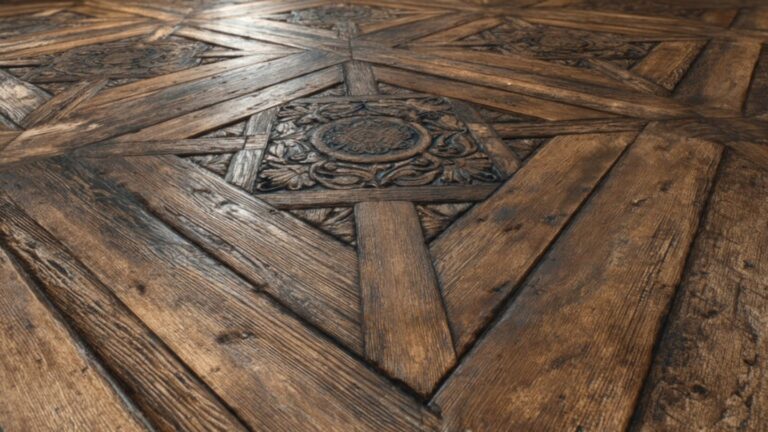
flooring sanding company
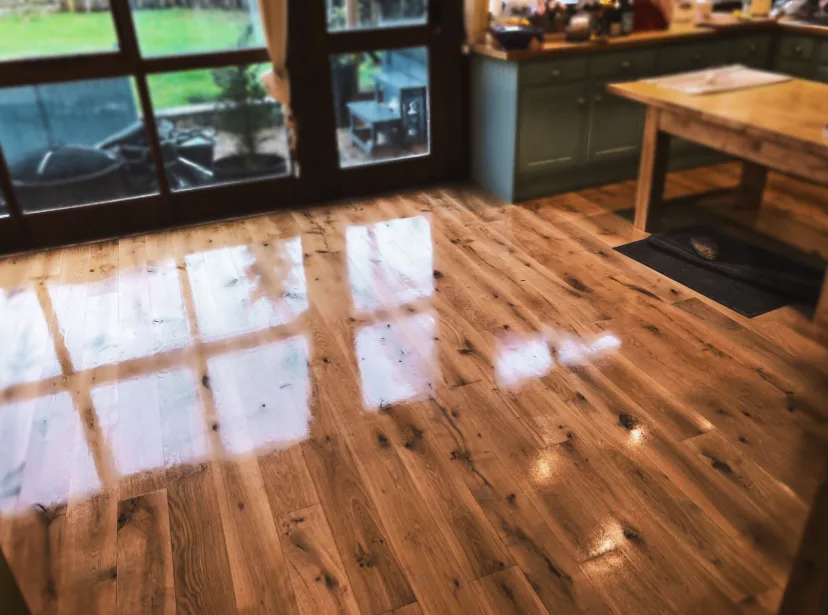
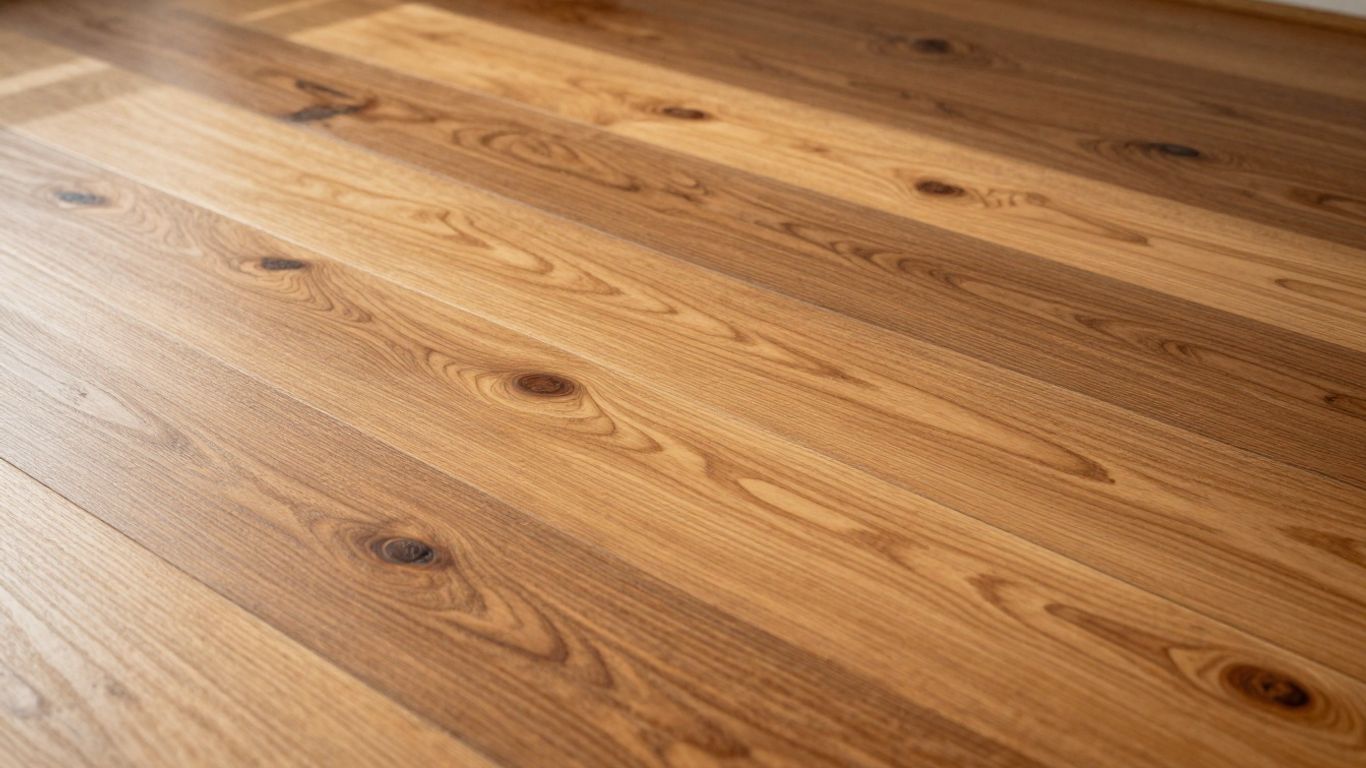
Sunlight across freshly lacquered wooden floorboards

Parquet Restoration

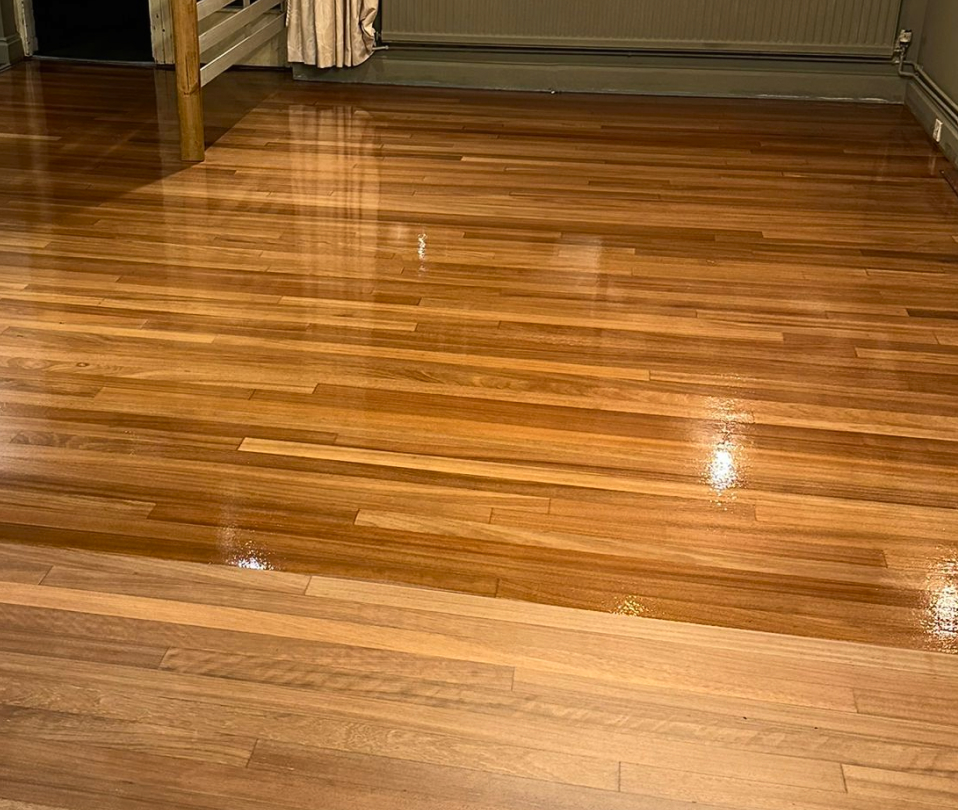
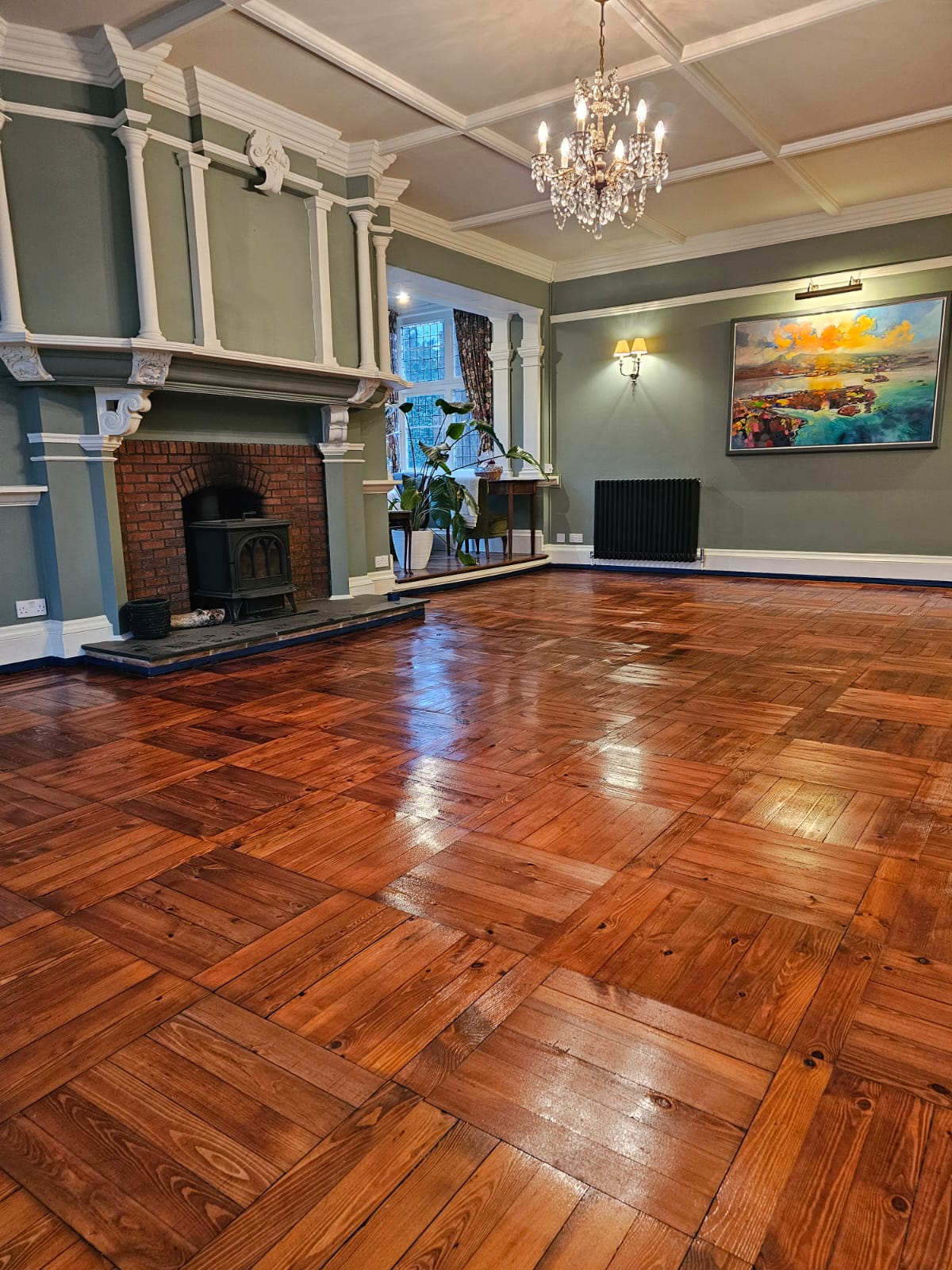
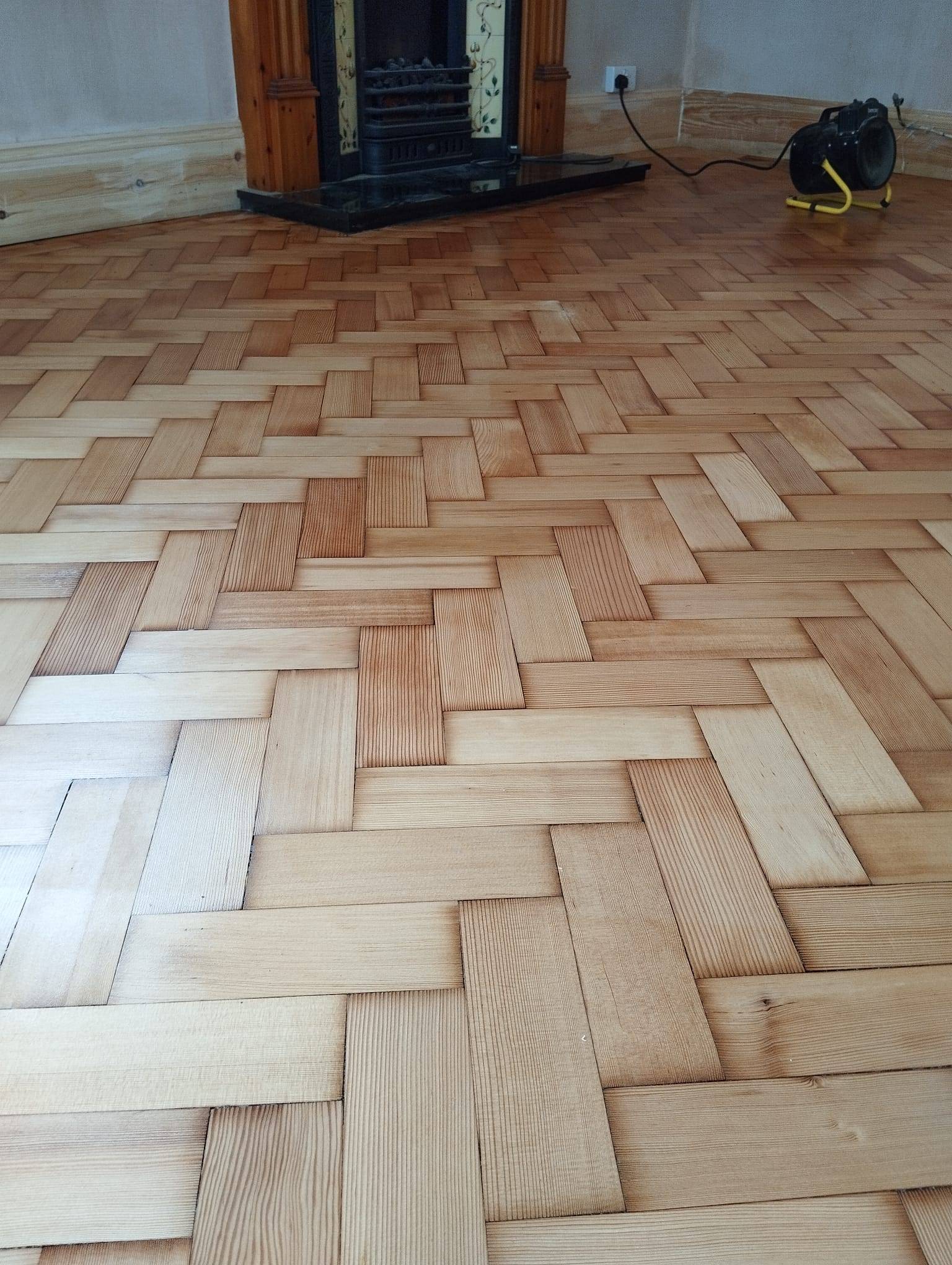
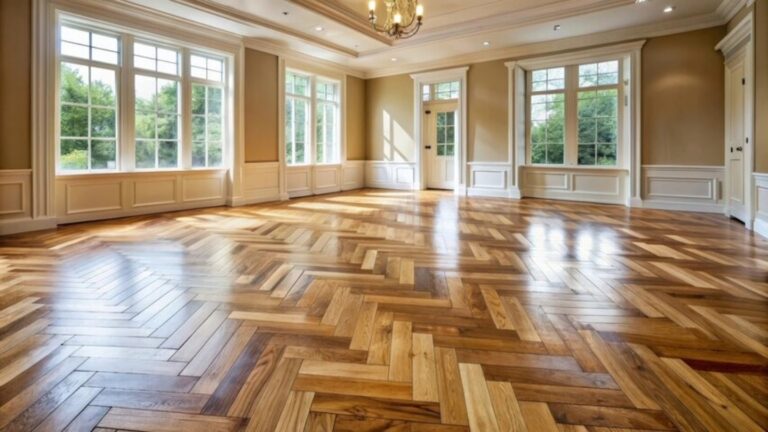
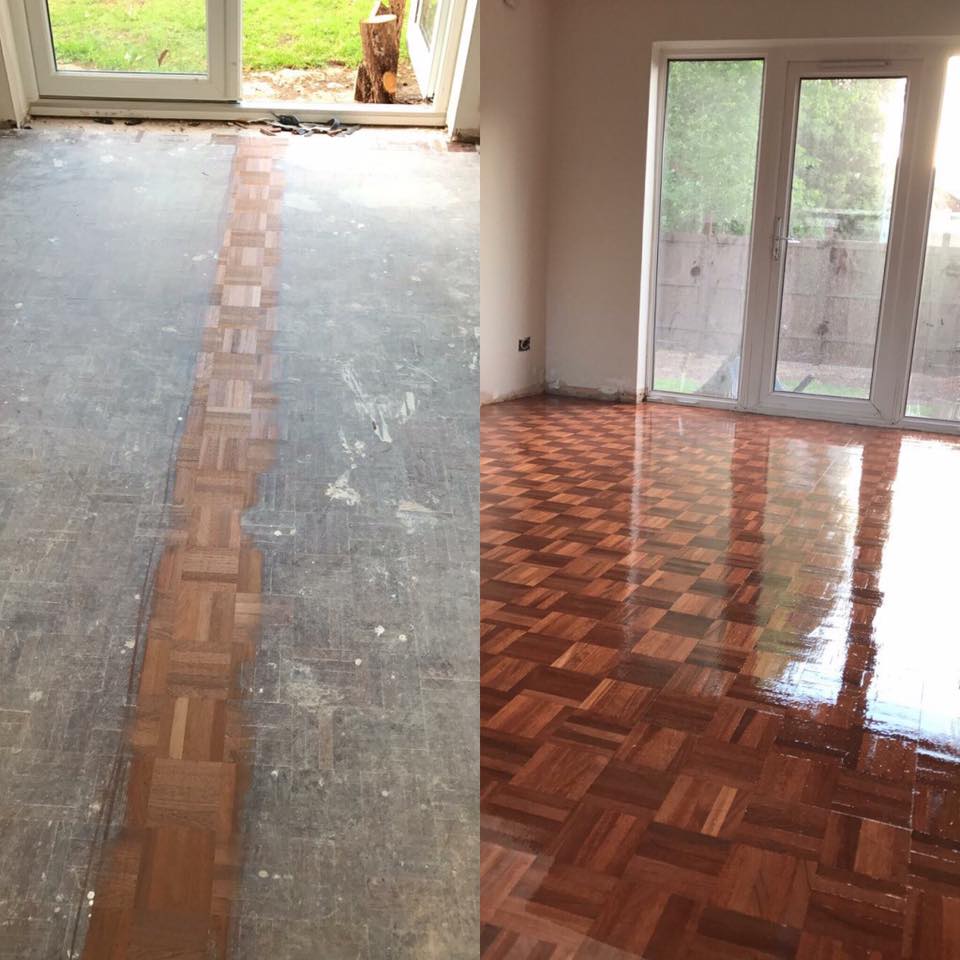
Away from the Tudor centre, Totnes’s schools, halls and twentieth-century houses hold parquet worth saving. Our parquet floor sanding service secures the pattern first — loose blocks lifted, cleaned of old bitumen and re-bonded, missing blocks matched from reclaimed stock — then sands across the design in several directions and seals it as one surface. Herringbone and basketweave floors dulled by decades of polish come back to full colour.

We are honest about the tipping point. When the odd block has lifted, spot re-bonding is quick and reliable; when tapping reveals that a third of the floor has parted from its bed, re-sticking blocks piecemeal just chases failures around the room. At that stage the better course is lifting the affected field, preparing the base properly and re-laying — more upheaval once, instead of small disappointments every year — and the survey will tell us which side of the line your floor sits.

Finishes for Old Buildings

In a town where everything breathes, the finish should too. Hard-wax oiling is our usual Totnes recommendation — it penetrates rather than filming over and repairs locally. Shops, cafes and rentals do better with tough, fast-curing lacquers from our floor sealing service. Very old oak and elm take colour unpredictably, so any staining is trialled on your own floor for a full day first, and waxing keeps the traditional surface where that suits. Stair sanding, polishing and new wooden floor installation complete the list.

Breathability is not a slogan; it is how old buildings stay dry. Solid walls and lime construction manage moisture by letting it pass, and a floor sealed under an impermeable film can push that moisture to find other routes — or trap it beneath the boards. Vapour-open finishes like hard-wax oil let the floor take part in the building’s natural moisture cycle, which is why we reach for them first in the old town, and reserve full film lacquers for the buildings and uses that genuinely need their toughness.

Wood floor sanding company
Floor sanding taunton

Get a Floor Sanding Quote in Totnes

Send two photographs — the whole room and a close-up of the worst area — for an honest opinion and a fixed written quotation. A free, no-obligation site survey covers Totnes and the Dart valley villages; we measure remaining timber, take moisture readings and will say plainly when a floor is best left alone. Old-town access is never a problem if we know where to unload.

Call 01823 674562, email info@ryansrestoration.co.uk, or use the form on this page.

All services available in Totnes: floor sanding, commercial sanding, shop floors, repairs, board replacement, gap filling, parquet restoration, oiling, staining, waxing and stair sanding.

Nearby areas we also cover: Dartmouth, Newton Abbot, Paignton and Axminster. There is a page for each, and the full list of towns is on our areas we cover page.

FAQ: Floor Sanding in Totnes

Sanding and restoration, commercial and shop work, repairs, board replacement, gap filling, parquet restoration, oiling, sealing, staining, waxing, stair sanding, buffing, polishing and new installation.

Yes — overnight, closed-day and quiet-week scheduling with fast-curing sealers means most Totnes retailers never lose a trading day.

Repaired, wherever possible. We secure, patch and blend before considering replacement, and any new board comes from reclaimed stock matched for age and section.

Yes. Blocks are re-bonded or replaced from reclaimed stock, then the pattern is sanded flat in several directions and sealed as one floor.

It can, cautiously. Ancient oak and elm absorb colour unpredictably where wax has soaked in, so we always trial patches on your own floor for a day first.

Once or twice, depending on the wear layer we measure at survey. Laminate has no real timber surface and cannot be sanded.

Sealed extraction captures the overwhelming majority at the machine, doorways are sheeted and we clean continuously, so fine dust never settles into joints and plaster.

Two photographs by email brings an honest opinion and a fixed written quotation, or call 01823 674562 to arrange a free no-obligation survey.

No — and in Totnes they usually should not. We can sand for a uniform fresh surface or take a lighter approach that levels and cleans while keeping the patina and old repairs visible. The choice is yours, made at survey with the options shown on your own boards.

Because solid-wall buildings manage moisture by breathing, and a vapour-open finish like hard-wax oil lets the floor join that cycle instead of trapping damp beneath a film. Lacquers still have their place where sheer toughness matters most.