Floor Sanding Glasgow and Wooden Floor Restoration Glasgow

A Glasgow floor sanding company with over 45 years experience in commercial and domestic wooden floor restoration.

QUICK QUOTATION

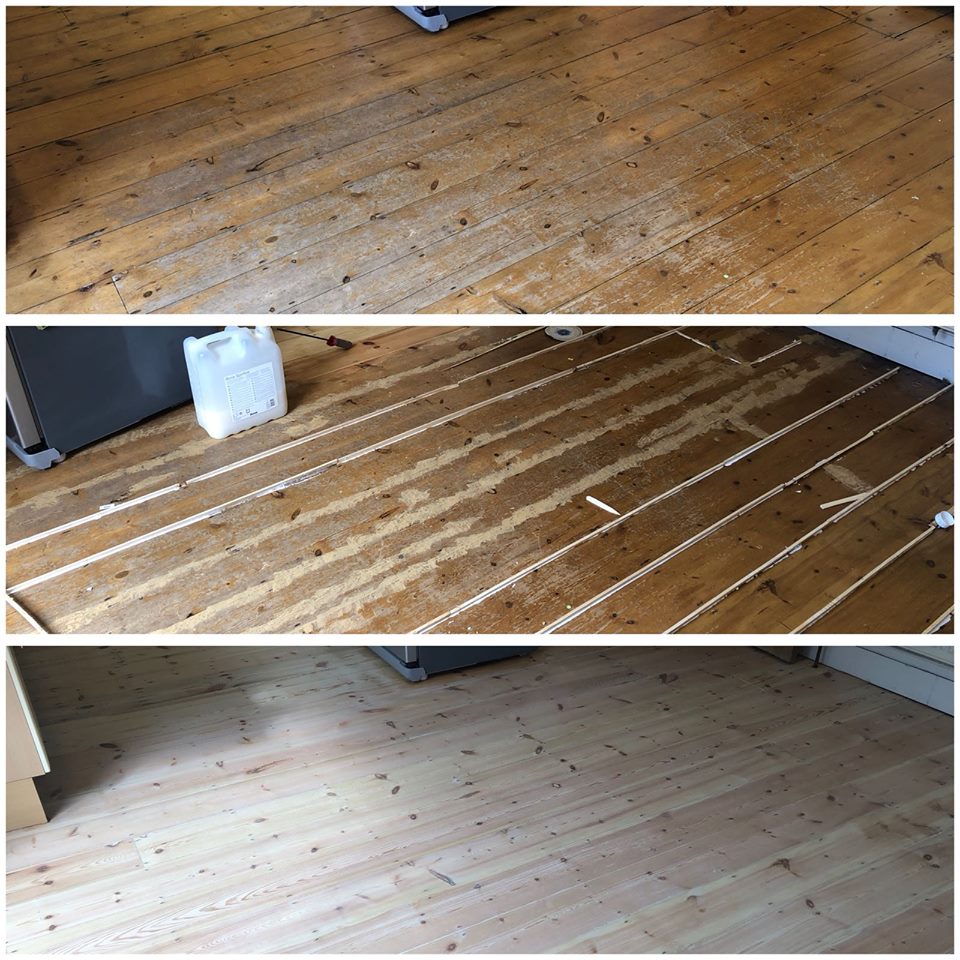
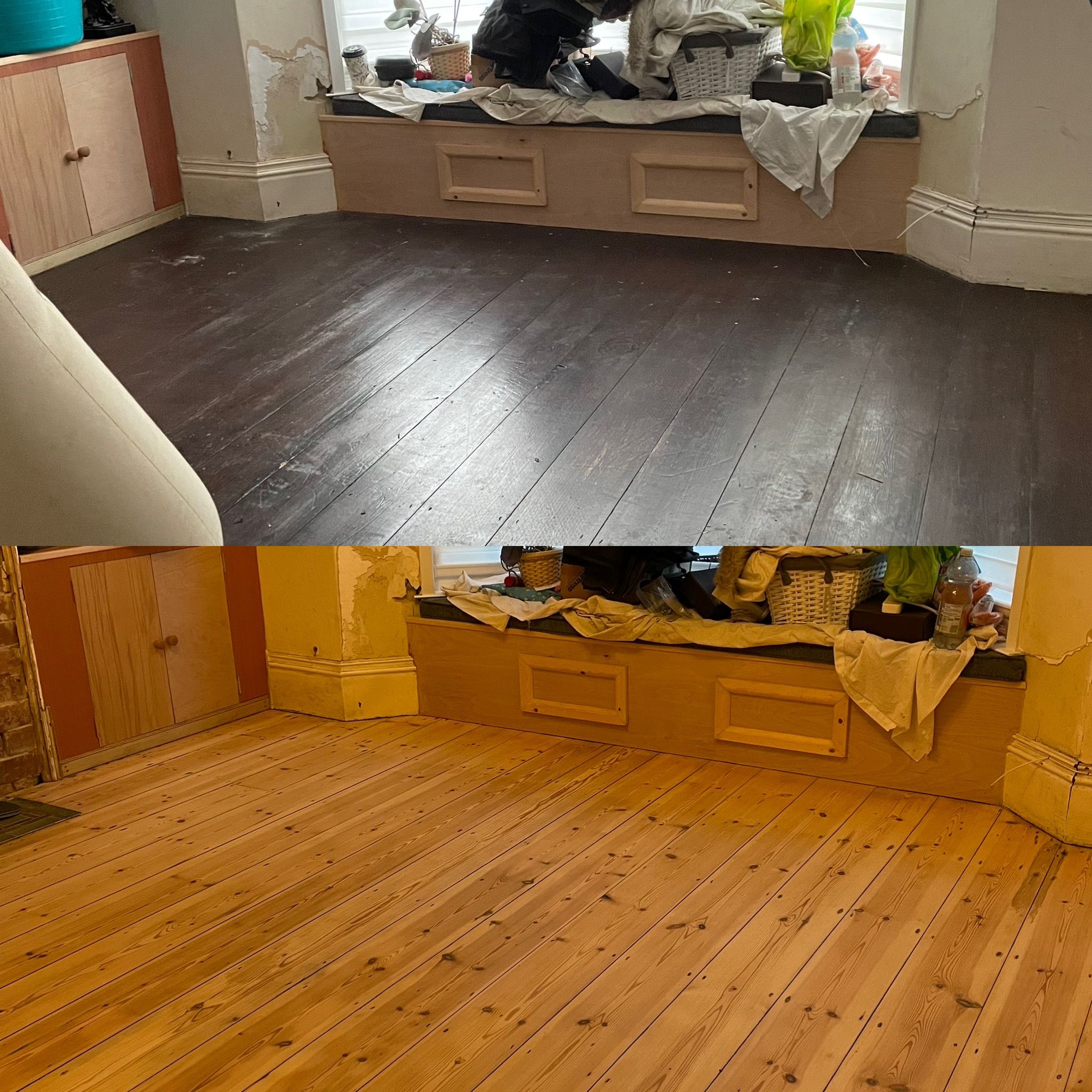
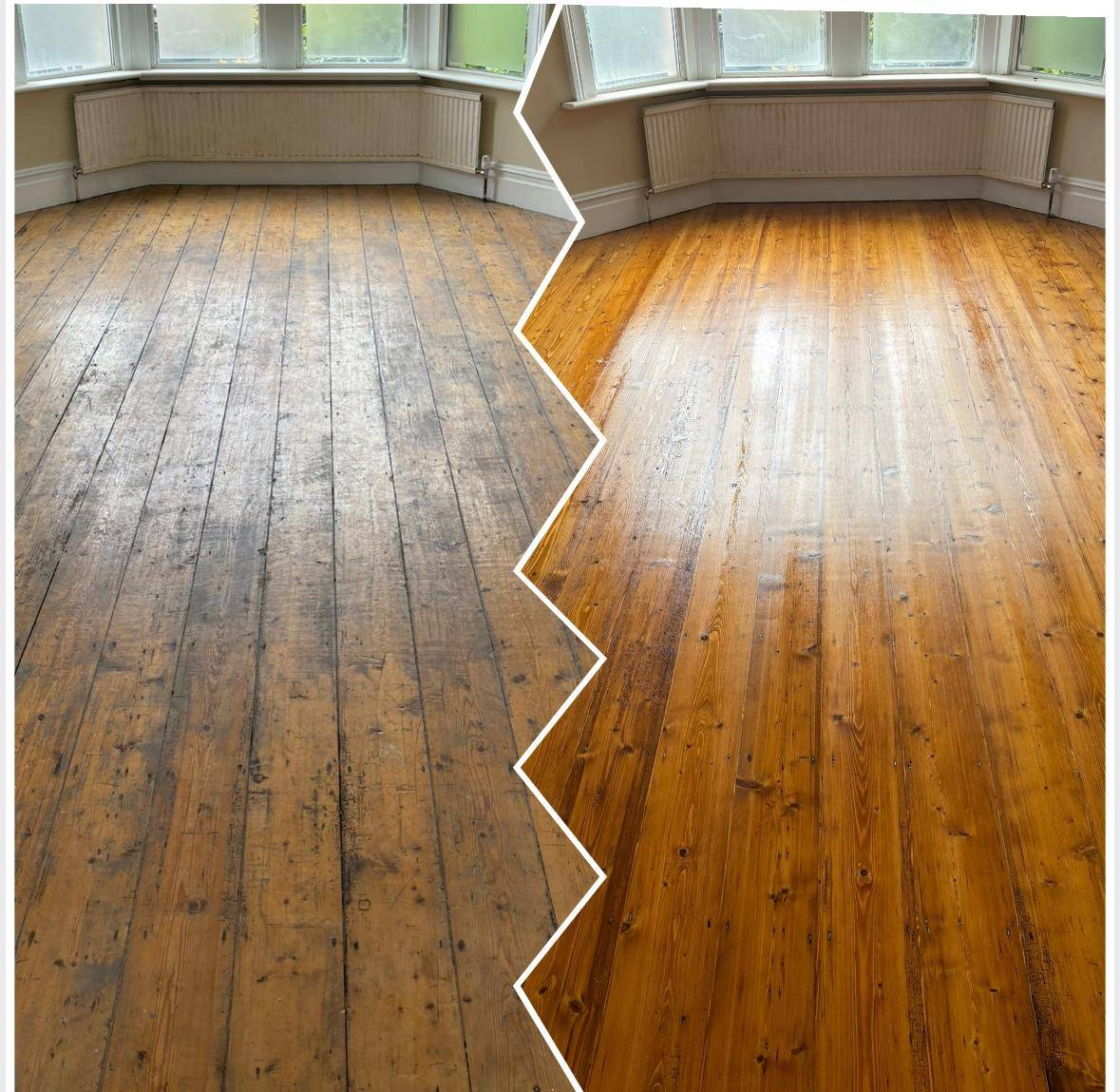
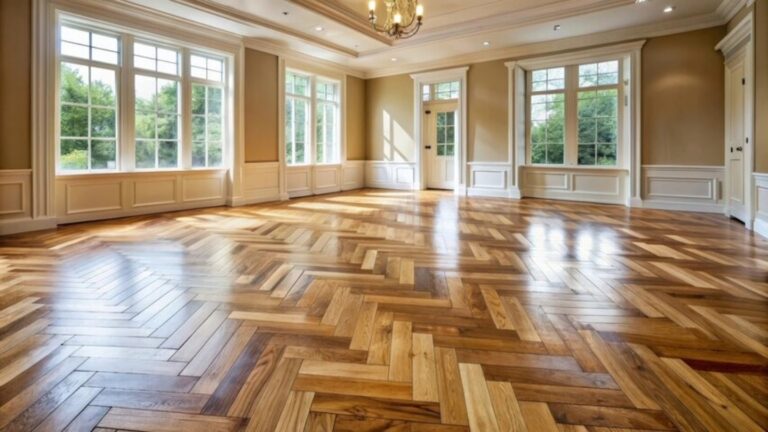
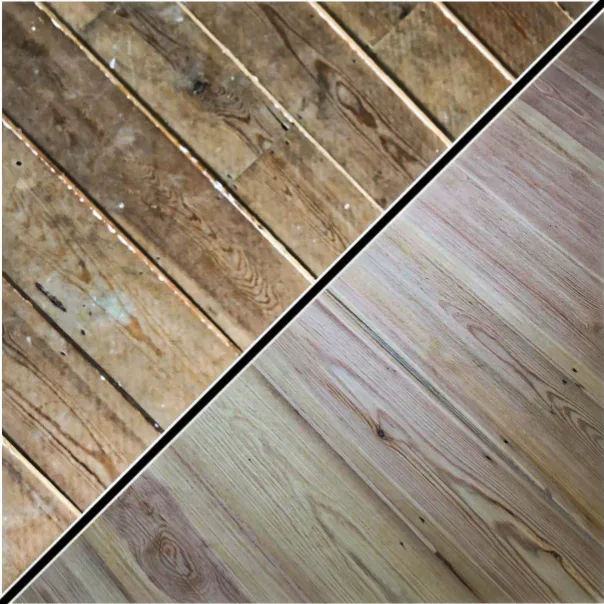
Floor sanding before and after

Floor Sanding in Glasgow

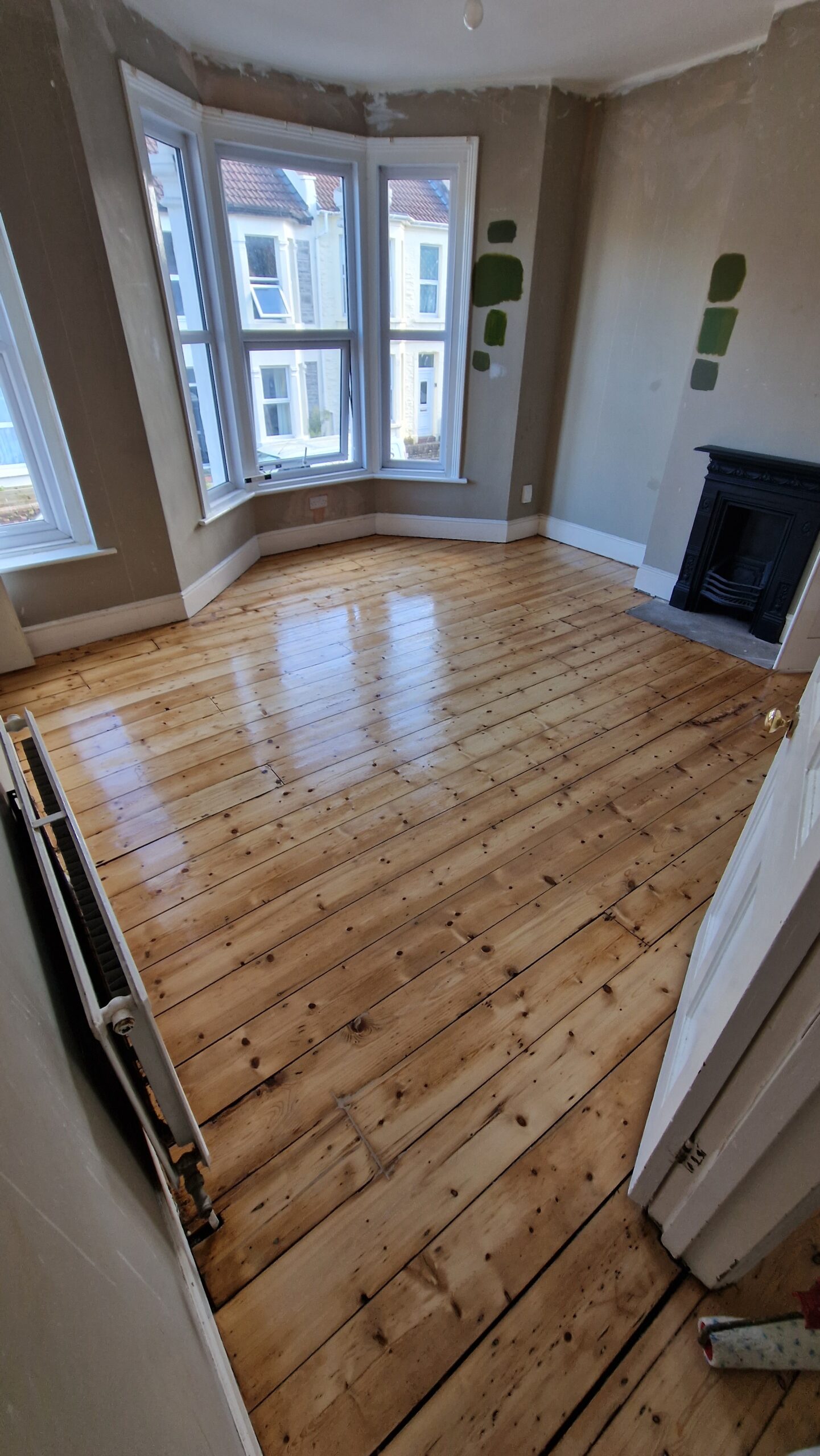
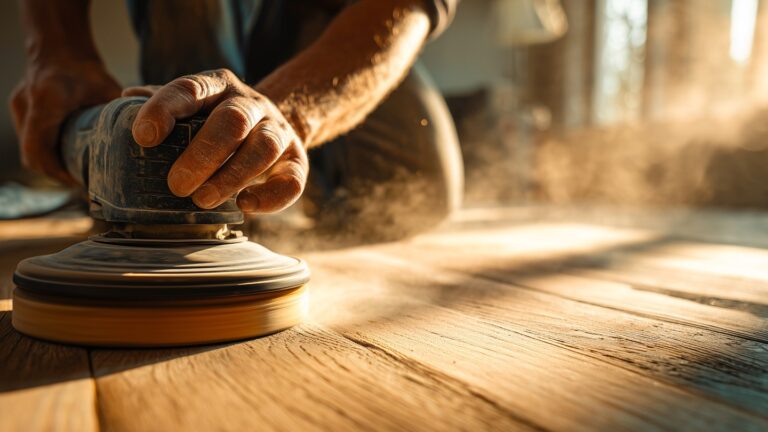
Family-run for over 45 years, Ryan’s Restoration carries out wood floor sanding across Glasgow, where tenement flats with original Victorian pine make up a large share of the work. Tenement jobs bring their own practicalities — machines carried up close stairs, neighbours below to think about, daytime working in shared buildings — and we plan for all of it. Since Glasgow sits well beyond our Somerset base, jobs are grouped into multi-day runs so each trip north is put to full use. Sanding proceeds from coarse grit through to fine, edges are worked by hand where machines cannot reach, and if the boards only need refreshing we will steer you towards a buff and recoat rather than sell you a full sand.

Victorian tenement pine is a better material than its reputation suggests. Cut from slow-grown timber, the boards are dense and tight-grained, which means they sand crisply, hold detail at the edges and take a finish more evenly than much modern softwood — one reason a well-restored tenement floor can look closer to hardwood than anyone expects. The grit sequence still has to be respected, each grade clearing the scratches of the last, and the deep Victorian skirtings mean the edging stage takes real care to avoid bruising original joinery.

Shared buildings get shared courtesy. We agree working hours that suit the neighbours as well as the client, sheet and protect the close and stairwell while machinery moves up and down, and run cables and extraction so communal areas are left exactly as we found them at the end of each day. Where a factor manages the building, we are happy to supply whatever paperwork they need before work starts.
Commercial Floor Sanding in Glasgow

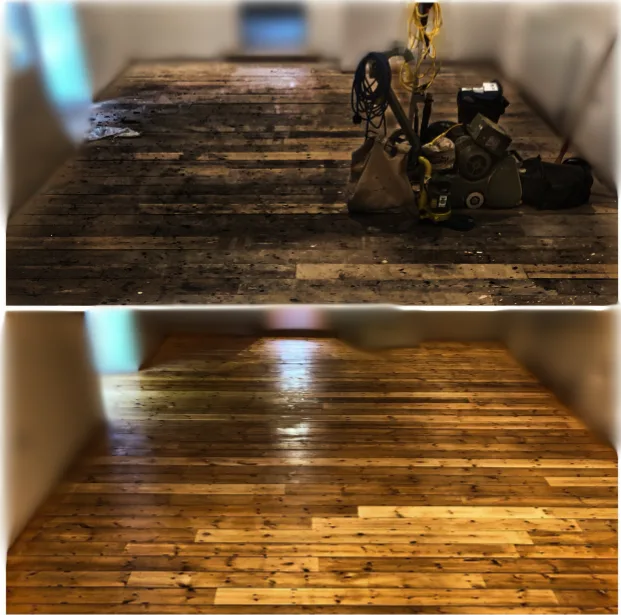
Bars, restaurants, shops, hotels and schools across the city book our commercial floor sanding service precisely because it happens while they are shut — overnight or over a weekend, with the floor cured before doors open. Method statements and insurance documentation are issued ahead of every commercial job, and sports and hall lines go back down to governing body specification.

On multi-night jobs the programme is built coat by coat. Night one typically covers repairs, main sanding and the first seal; each following night adds fine denibbing and a further coat, so the finish builds to full thickness across the closed hours without ever delaying a morning open. Handover is planned just as deliberately — walk-off matting at entrances while the seal reaches full hardness, agreed routes for early deliveries, and a written note of what was applied and when each area takes full traffic again.

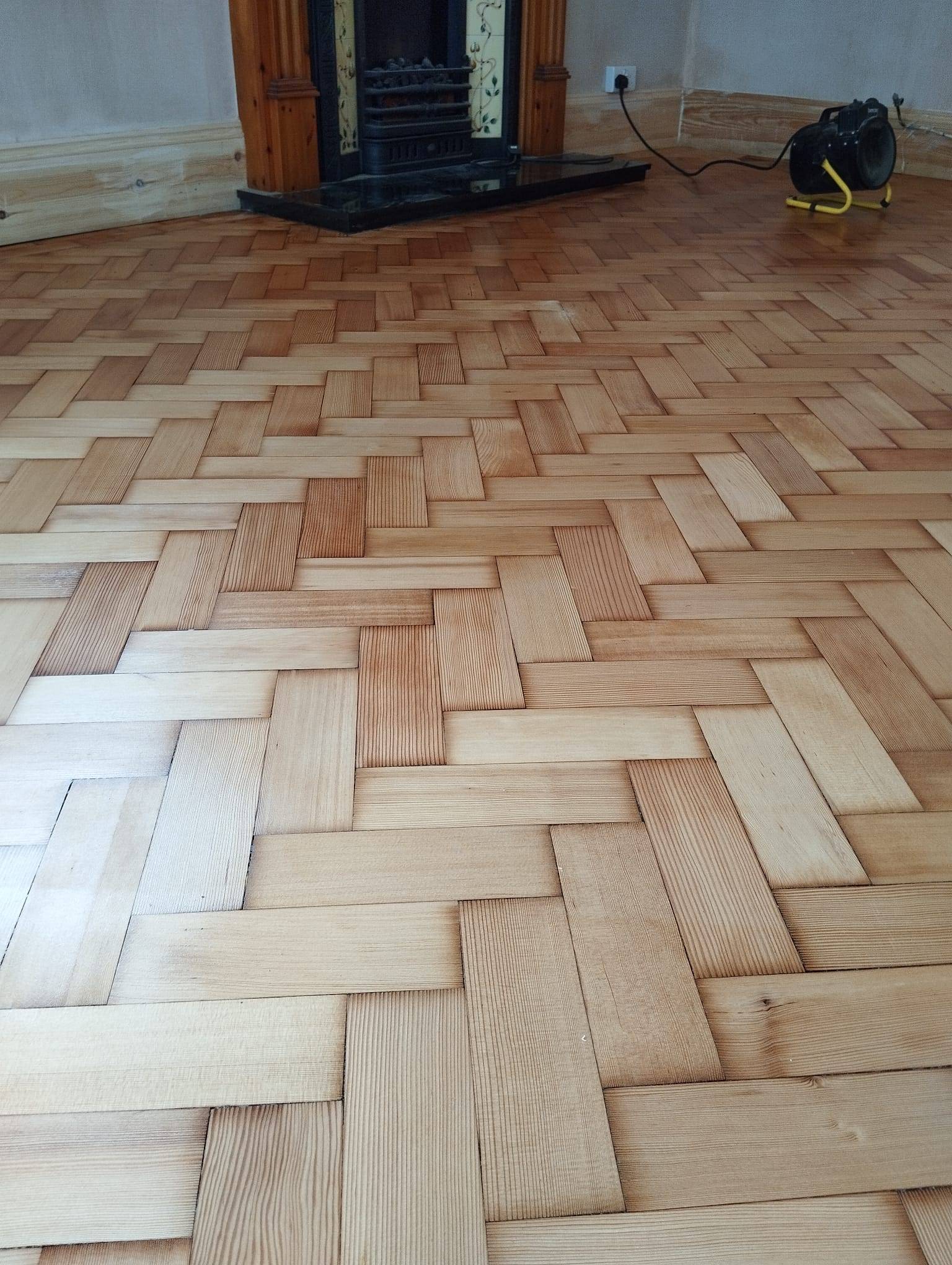
parquet wooden floor sanding
wooden floor sanding

Repairs, Board Replacement and Squeaky Floors

Century-old tenement floors usually need surgery before beauty treatment. Wooden floor repairs cover split, scorched, stained and worm-damaged timber; floorboard replacement uses reclaimed boards from our own stock, so replacements share the tight grain and patina of the originals; and squeaky floor repair deals with the creaks a flat’s downstairs neighbours hear as clearly as you do. One-off gouges and marks are handled through scratch repair.

Tenement squeaks have a specific anatomy. The joists span wide rooms, the original cut nails loosen their grip after a century of seasonal movement, and every footstep lets the board slide a fraction against the nail shank — a chirp your downstairs neighbour hears through their ceiling as clearly as you hear it underfoot. The cure is methodical: walk the floor, mark every noise, then refix the offending boards with screws driven into the joist, ease edges that rub their neighbours, and pack any gap where a joist has dropped away from the underside of the boards. Done board by board, a floor that announced every trip to the kitchen goes quiet, which in a flat is as much an act of neighbourliness as of carpentry.

Gap Filling in Tenement Floors

Gaps between boards in older Glasgow flats let in draughts, dust and a surprising amount of sound. Our gap filling service closes them with resin bound to sanding dust from your own floor — an exact colour match by definition — or with timber slivers where the gaps have opened wide. The room ends up warmer, quieter and visibly tidier.

The gaps themselves are a story of slow drying: decades of coal fires and then central heating pulled moisture out of boards that were often laid barely seasoned, and each one shrank a little across its width. Which remedy fits depends on what the shrinkage left behind — fine, consistent joints take the resin-and-dust fill, while the broad, uneven gaps common beside hearths and external walls call for glued timber slivers that can be planed to follow the board surface exactly. Both are done mid-sand, so the final passes bring filler and boards to one uninterrupted plane.

flooring sanding company
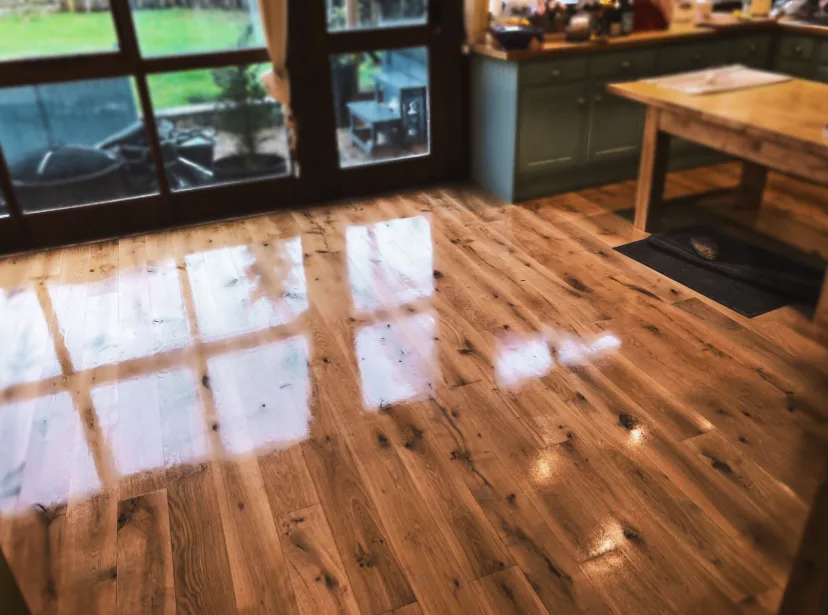
Sunlight across freshly lacquered wooden floorboards

Parquet Floor Sanding and Restoration

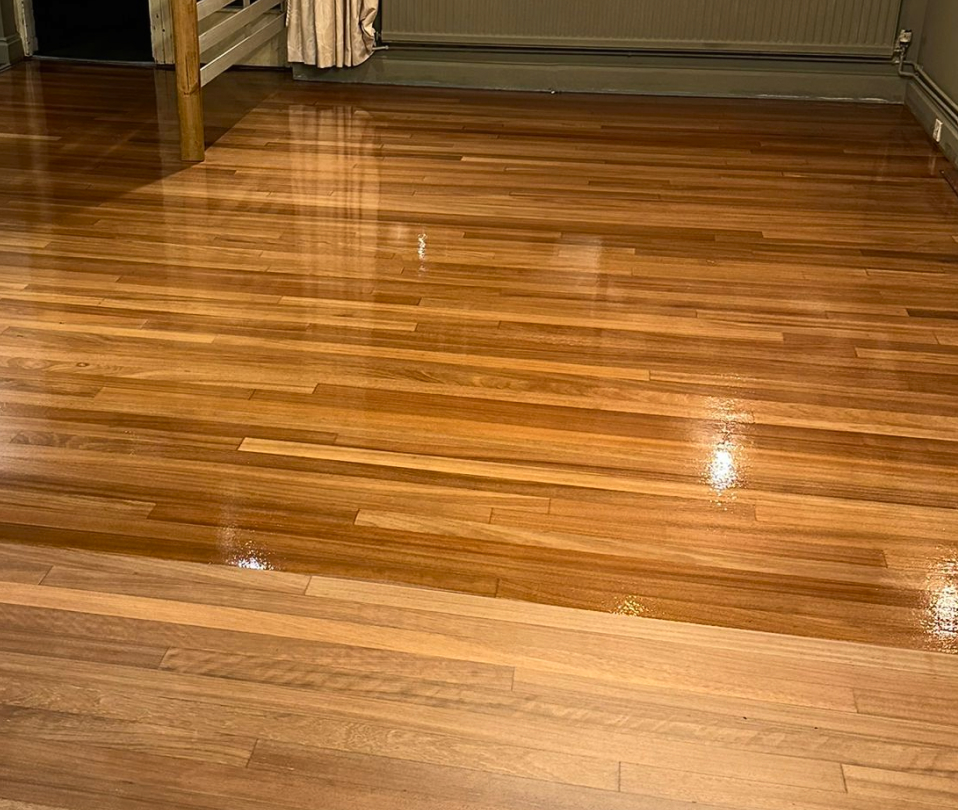
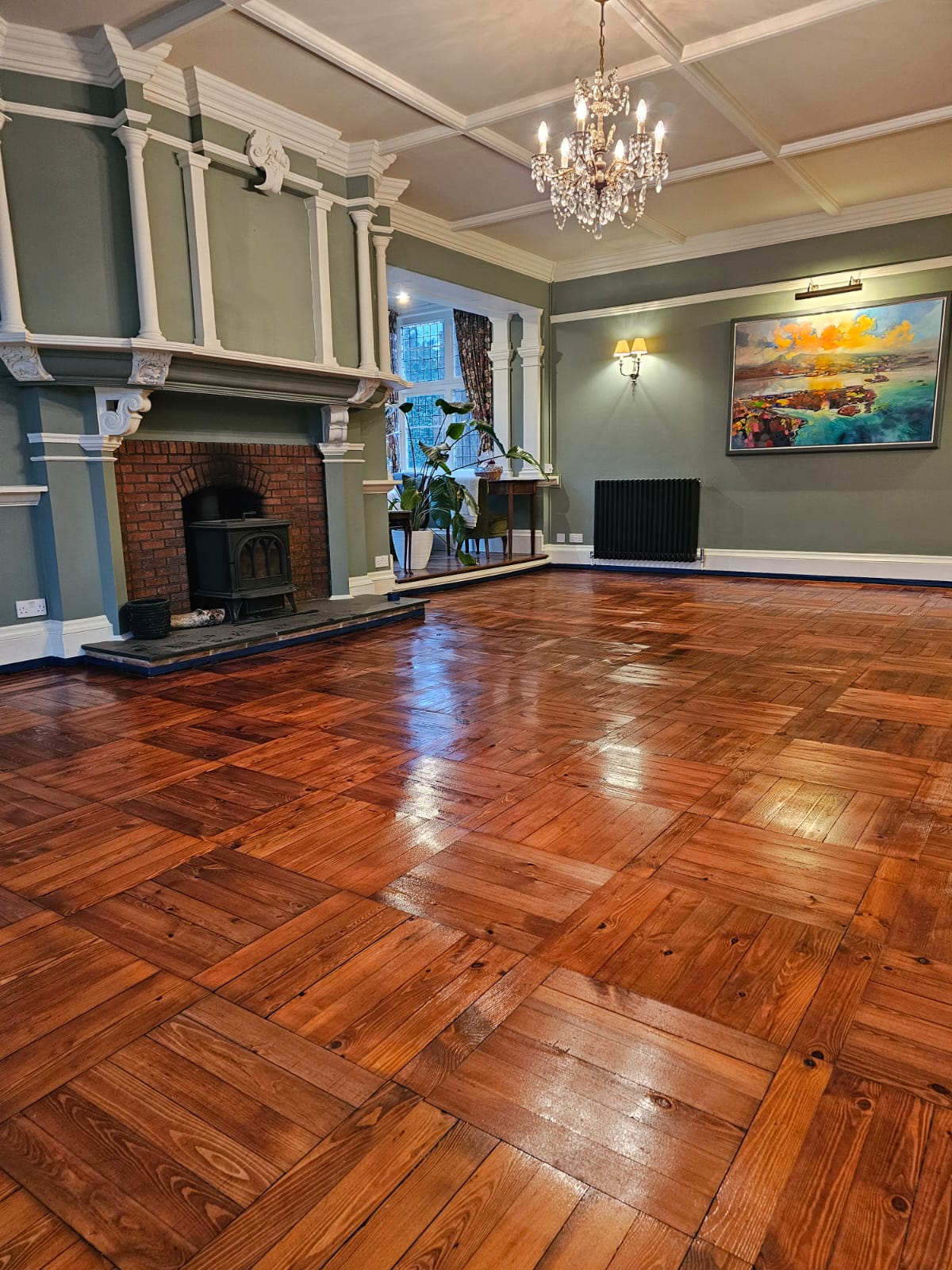
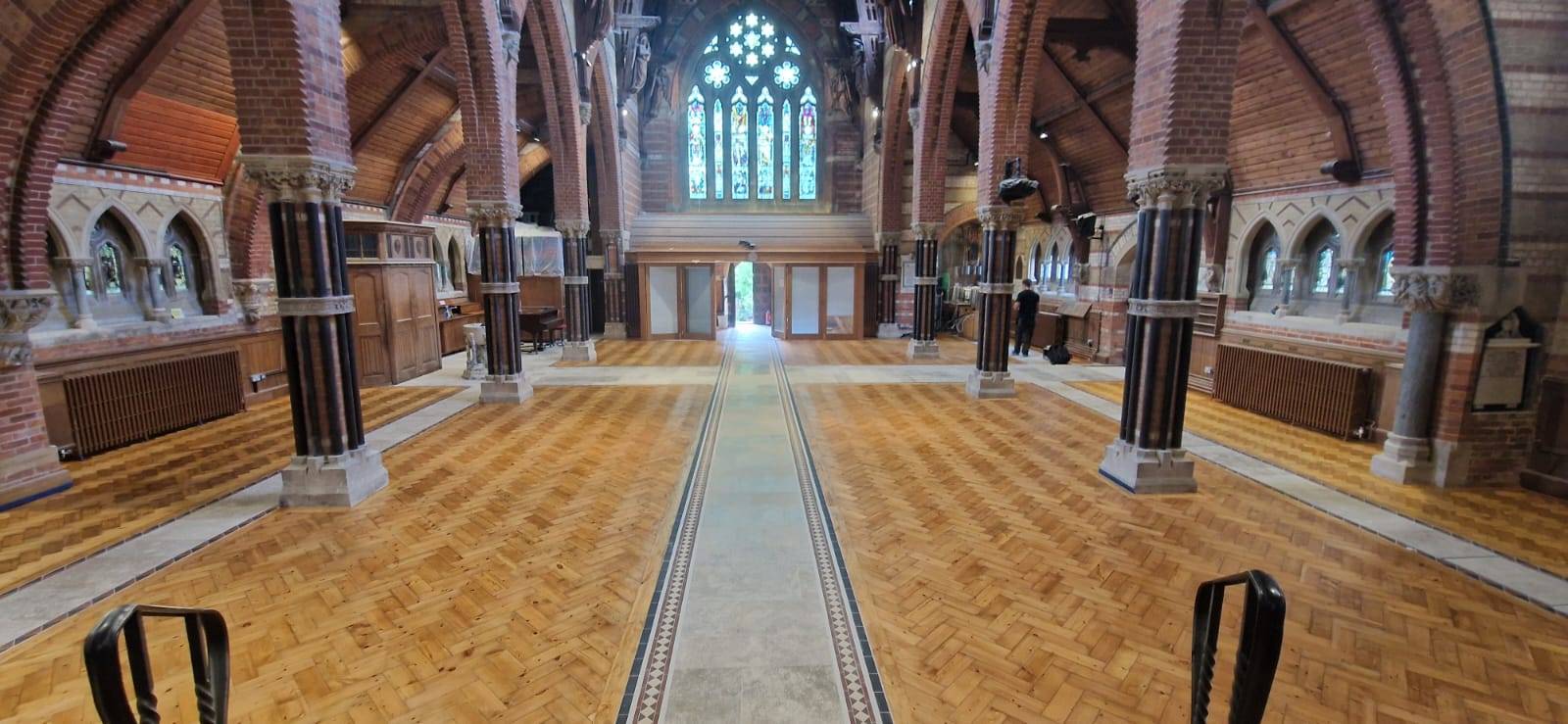
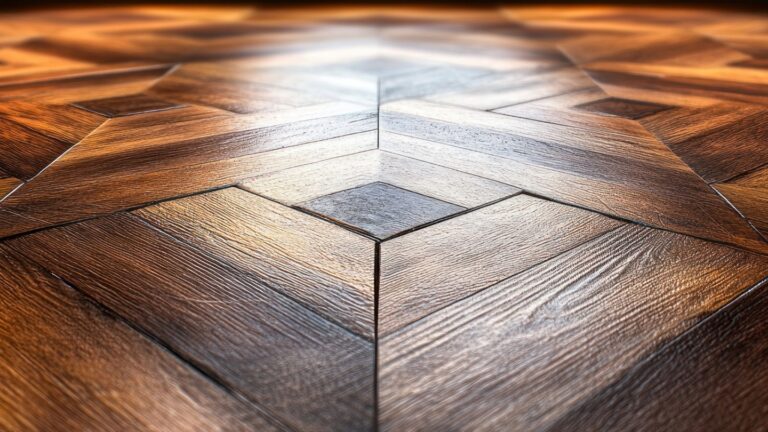
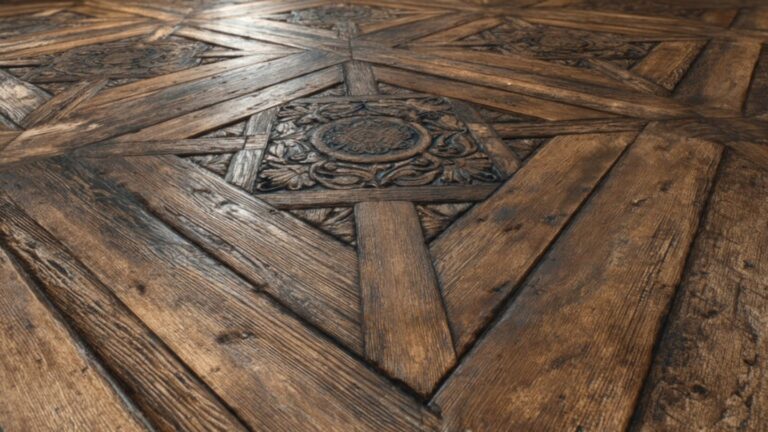
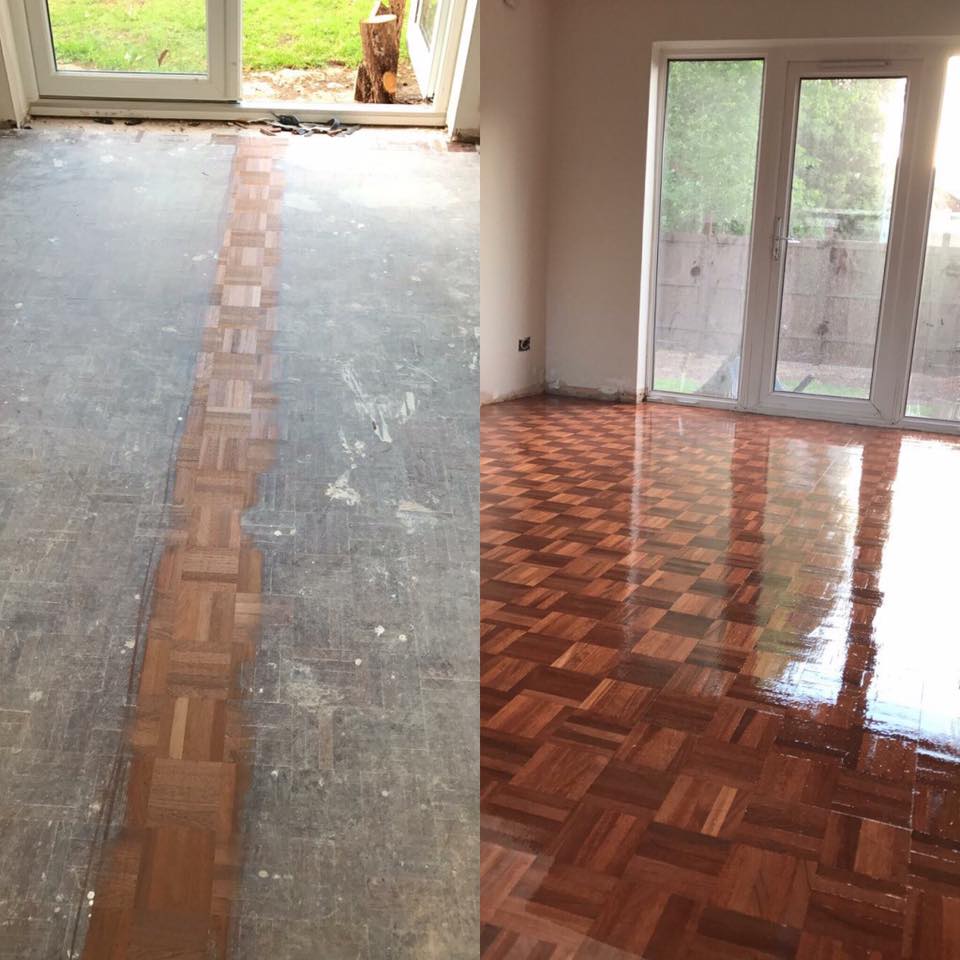
Glasgow’s schools, churches and inter-war houses hold a wealth of block flooring, and parquet floor sanding is one of the most satisfying jobs we do. Loose blocks are re-bedded, missing ones matched and fitted, old bitumen taken off, and the pattern sanded level before the finish goes down. Herringbone, basketweave and stripwood all get the same careful treatment.

Block floors fail from their edges inwards. Doorways take concentrated foot traffic, radiator positions suffer repeated small leaks, and threshold blocks work loose years before the field shows any distress, so a typical restoration begins with careful piecing-in around these zones using reclaimed blocks matched for species and size. In larger rooms — church halls, school gyms — keeping the pattern level across the whole span matters more than anything, and the floor is machined in overlapping lanes with each pass feathered into the last so no ridge line survives to catch the light down the length of the hall.

Finishes: Stain, Seal, Oil or Wax

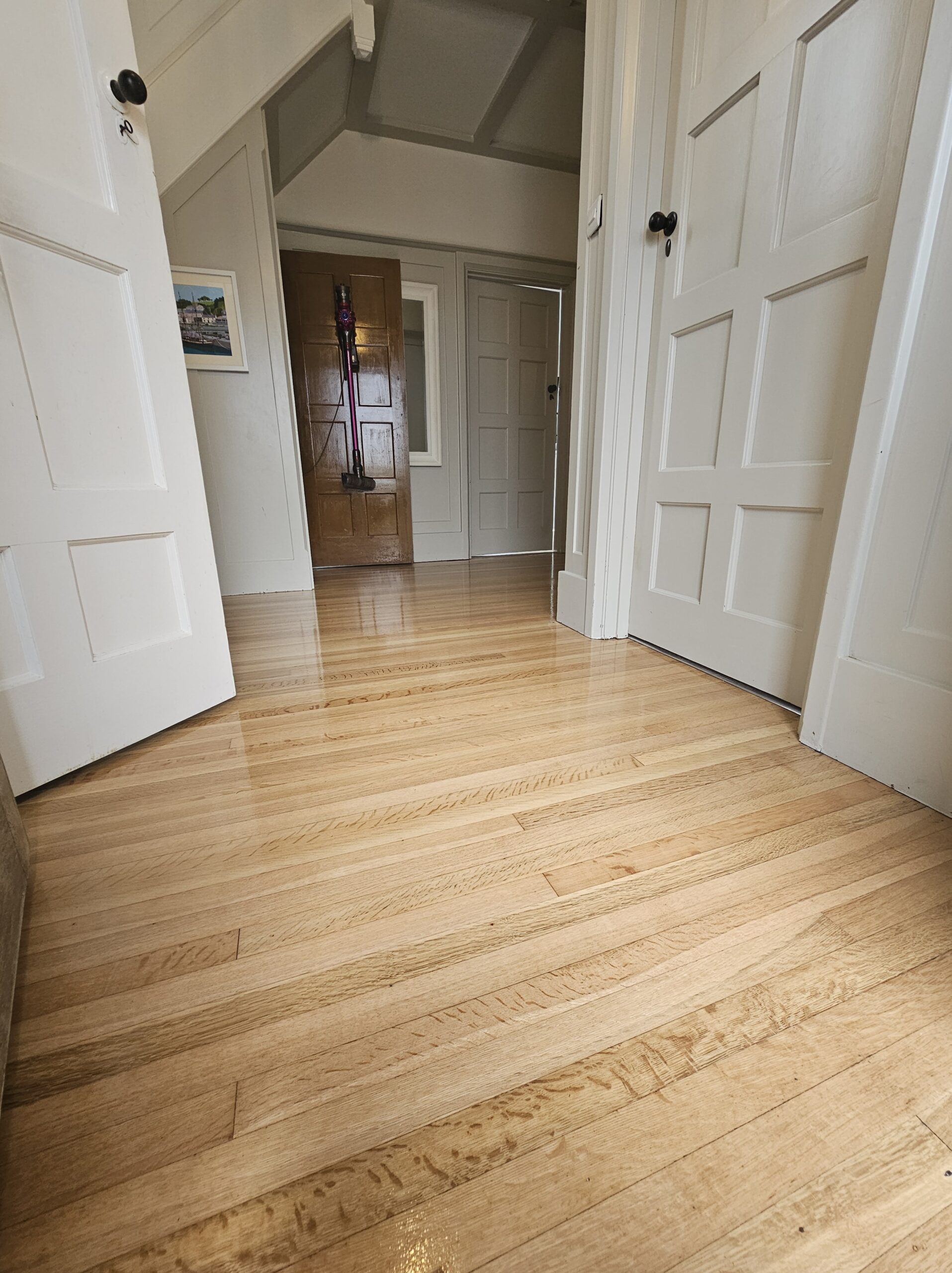
Once sanded, the floor is finished to match how the room lives. Staining alters or evens the colour; sealing with durable lacquer suits hallways, kitchens and rented flats; oiling gives a natural surface that spot-repairs without a trace; and waxing belongs in period rooms that deserve a traditional sheen. Trial patches on your own boards come first, and a later polish keeps everything looking fresh.

A question we hear often in Glasgow is why boards that looked golden under the old varnish turn out pale once sanded. The answer is that traditional varnishes ambered heavily with age, and the colour lived in the coating rather than the timber. That gives you a genuine choice: a water-based lacquer will keep the fresh, pale look more or less as sanded, while an oil-based seal or an amber-toned oil rebuilds the warmth people associate with old pine. Neither is wrong — it is a matter of taste and of the room — and the trial patches settle it on your own boards before the decision is made.

Wood floor sanding company
Floor sanding taunton

Get a Floor Sanding Quote in Glasgow

With visits planned in advance, photographs are the quickest starting point: send two — one of the room, one close-up of the roughest patch — for an honest opinion and a fixed written quotation. A free, no-obligation site survey can be booked into our next Glasgow run.

Call 01823 674562, email info@ryansrestoration.co.uk, or use the form on this page.

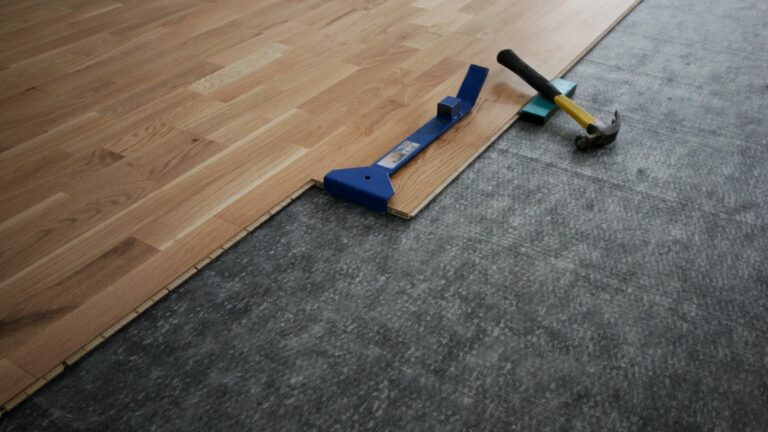
All services available in Glasgow: floor sanding, commercial sanding, floor repairs, board replacement, gap filling, parquet restoration, staining, sealing, stair sanding and new floor installation.

Nearby areas we also cover: Brentwood, Cambridge, Chelsea and Dulwich. There is a page for each, and the full list of towns is on our areas we cover page.

FAQ: Floor Sanding in Glasgow

All of them: sanding, restoration, repairs and board replacement, gap filling, parquet renovation, staining, sealing, oiling, waxing, stair sanding, recoats and new wooden floor installation, delivered in scheduled multi-day visits.

Yes — the work happens after last orders or over the weekend, and the finish has hardened before the next shift starts. Paperwork, from method statements to insurance documentation, is sorted beforehand.

Constantly. Broken and worn boards are replaced with reclaimed timber matched to the originals, squeaks are silenced — a kindness to the flat below — and only then does sanding begin.

Almost always. Re-bedded, pieced-in and sanded level, a block floor becomes the strongest feature in the room and wears better than most modern replacements.

Yes — staining freshly sanded timber opens up everything from pale washes to deep espresso tones, and a sample patch on your own floor confirms the shade before we go further.

Engineered boards can, if the wear layer has enough left in it — something we measure rather than guess. Laminate cannot be sanded, and we will tell you honestly if that is what is fitted.

Sealed extraction on every machine traps the overwhelming majority of dust at source, so a furnished tenement flat stays liveable and the close stays clean.

Two photographs bring an honest opinion and a fixed written quotation; the free no-obligation survey slots into our next run north. Call 01823 674562, email info@ryansrestoration.co.uk, or use the form on this page.

Usually, yes. We walk the floor, mark every noise, refix loose boards with screws into the joists, ease rubbing edges and pack shrunken joists. Fixed board by board, most tenement floors go properly quiet.

The golden colour mostly lived in the aged varnish, not the wood. After sanding you can keep the pale look with a water-based lacquer or bring back the warmth with an oil-based seal or amber-toned oil — we trial both on your boards first.