Floor Sanding Newton Abbot

Floor Sanding and Wood Floor Restoration in Newton Abbot

QUICK QUOTATION

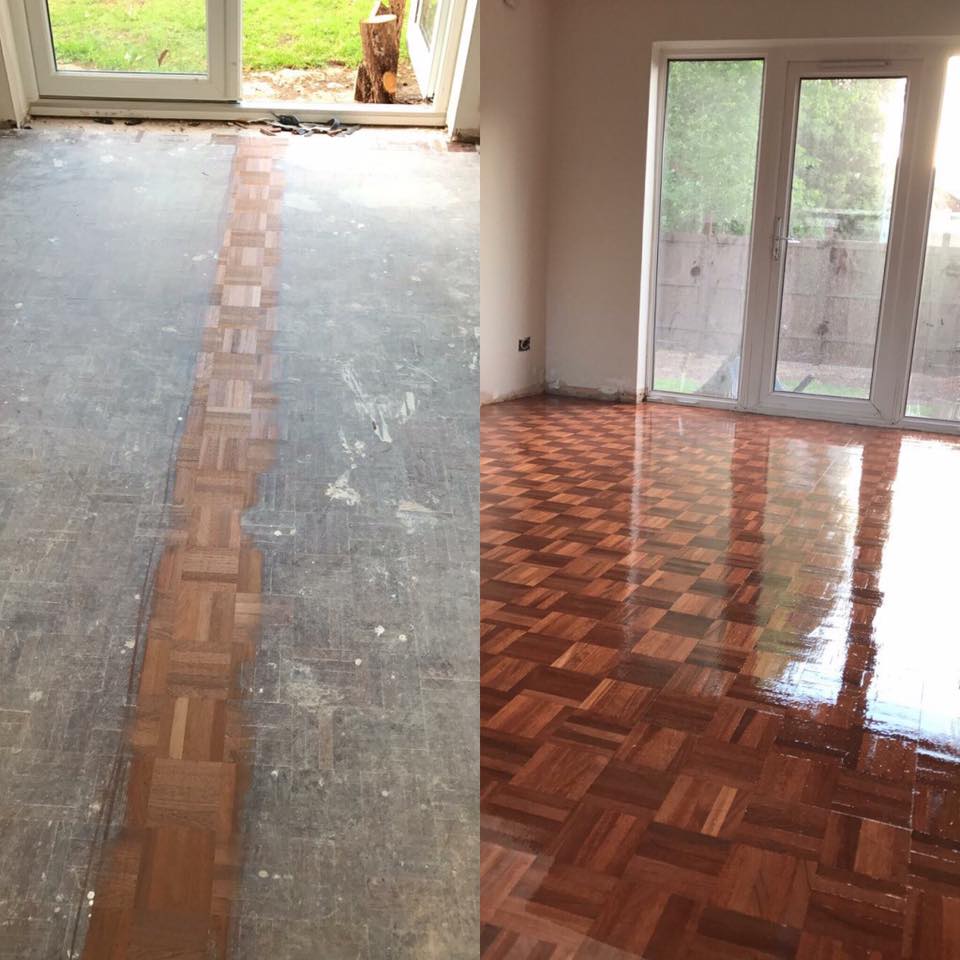
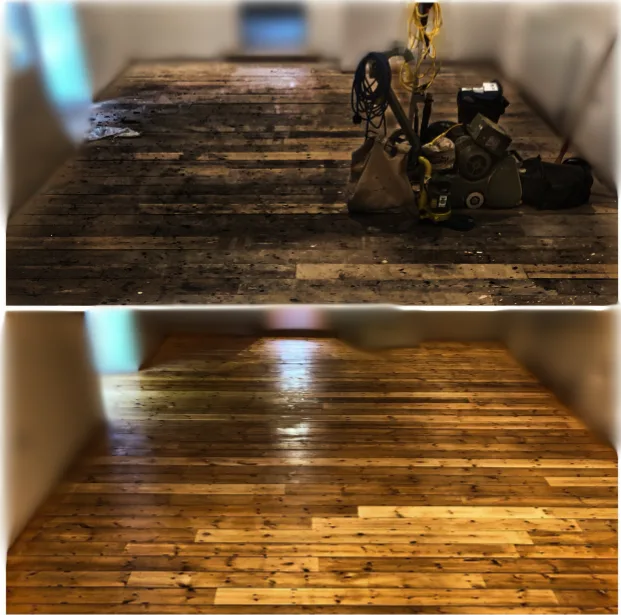
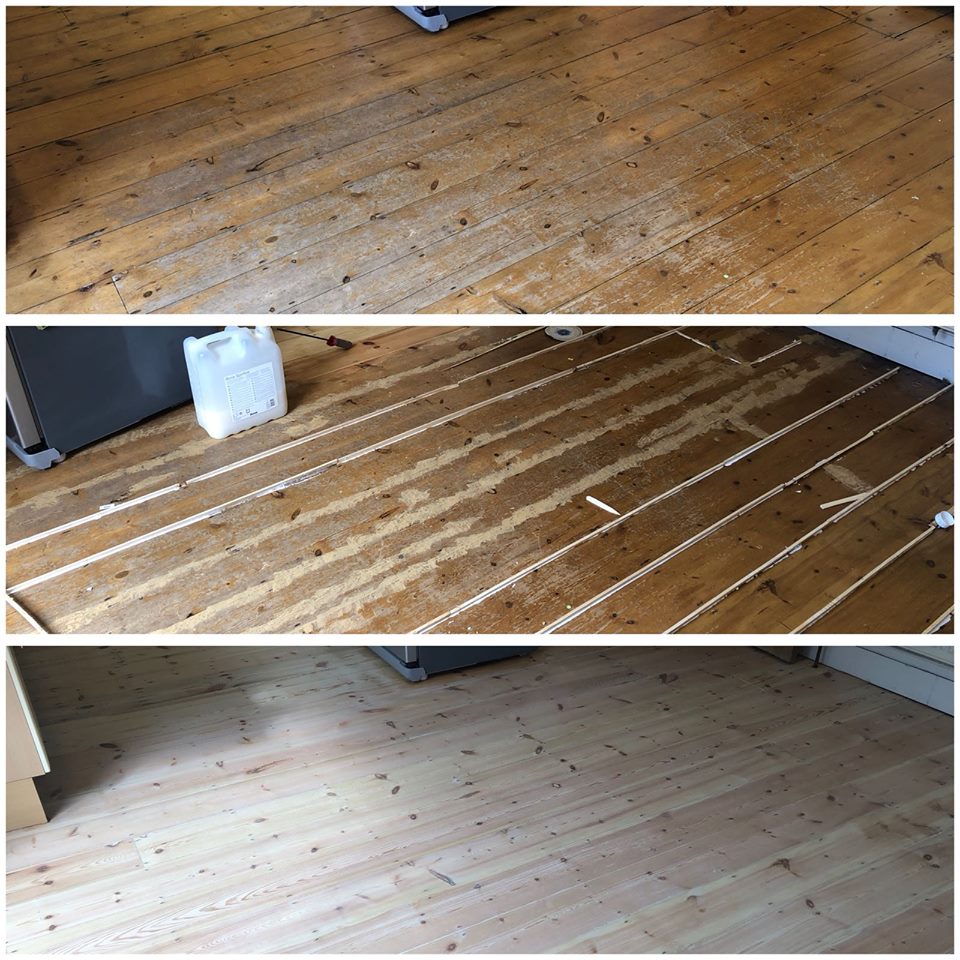
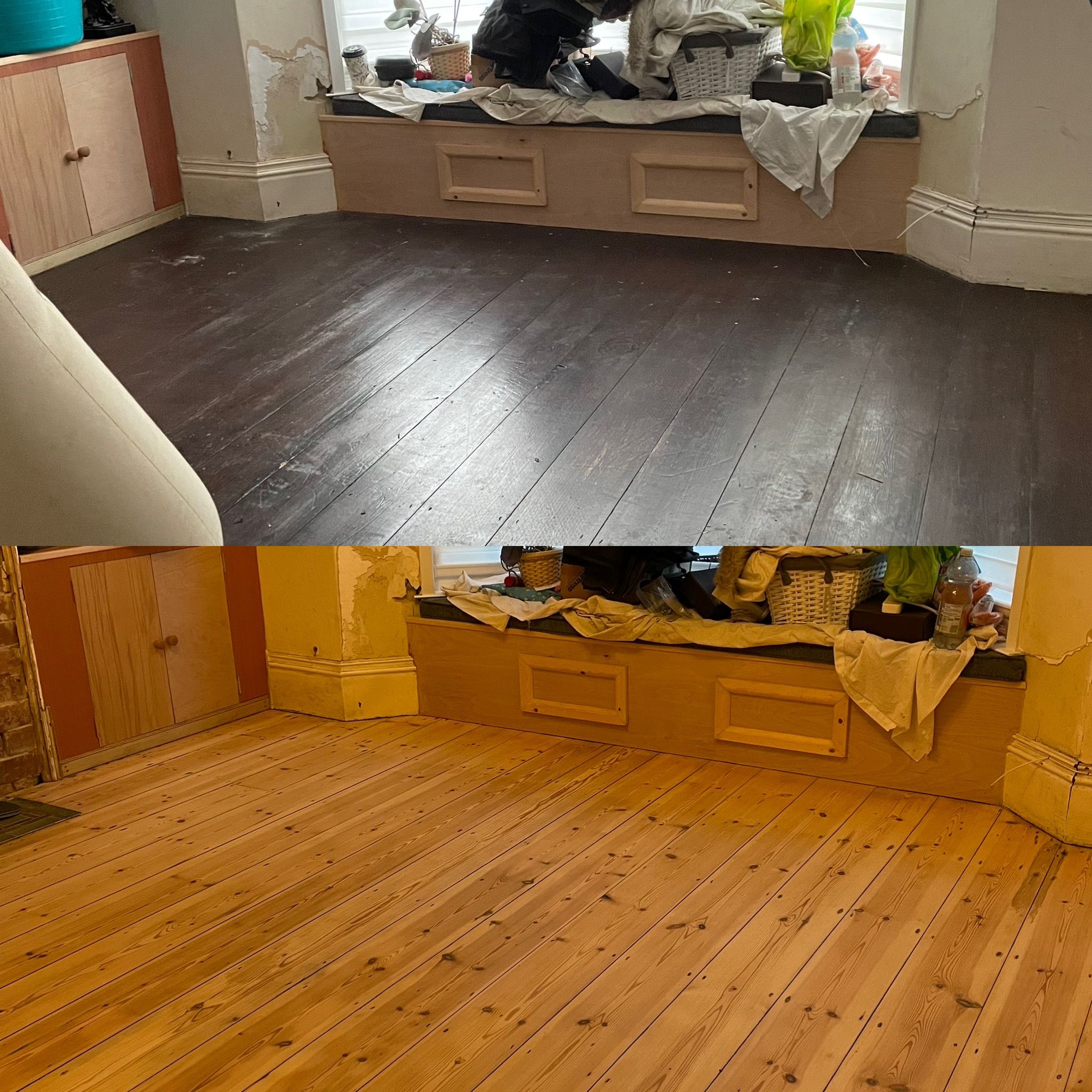
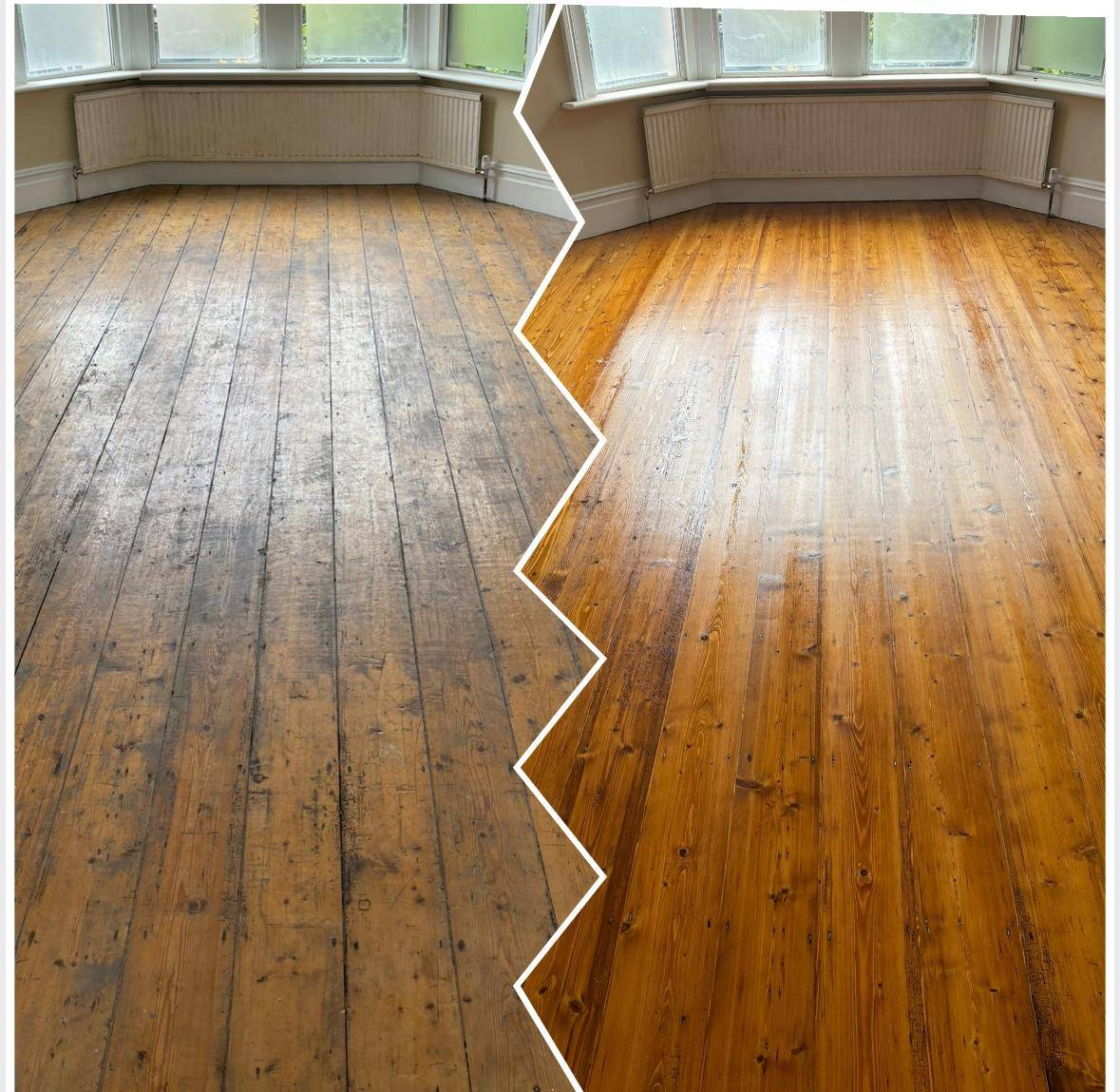
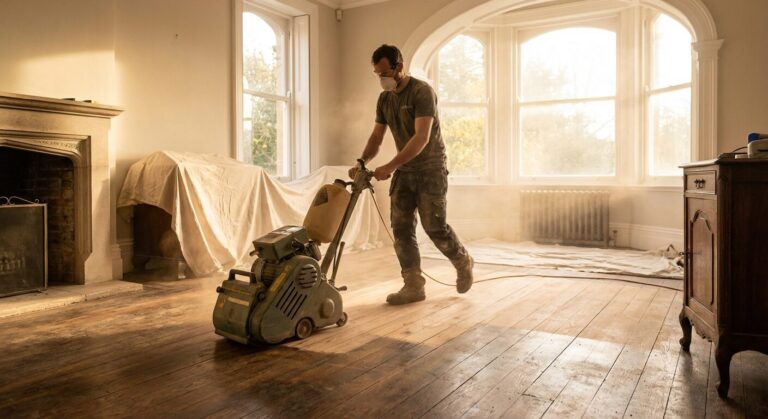
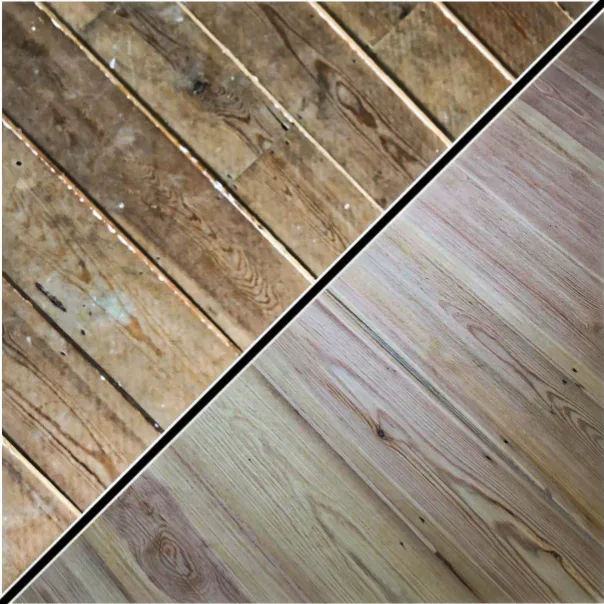
Floor sanding before and after

Floor Sanding Across Newton Abbot and the Teign Valley

Newton Abbot was a modest market town until the railway arrived in 1846, and then it grew fast. The Victorian terraces built for railway workers still make up much of the town, wrapped around an older market core and backing onto the edge of Dartmoor.

We cover Newton Abbot, Kingsteignton, Kingskerswell, Abbotskerswell, Ipplepen, Bovey Tracey, Chudleigh, Ashburton and Buckfastleigh, plus Torquay, Paignton, Teignmouth and Dawlish.

We are about an hour away, so surveys are straightforward and usually within the week. Quotes are free and carry no obligation.

Railway Terraces, Market Town Core and Moor Edge

Three distinct sorts of property, three different jobs.

The railway terraces around Wolborough, Highweek and the streets near the station were built quickly and economically. Narrow baltic redwood boards over shallow joists, thinner than a merchant house floor and frequently sanded once already. We measure remaining thickness before committing, and where a floor has had its last sand we recommend a screen and recoat, which removes no timber and costs about a third as much.

The older market town core around Wolborough Street and East Street has Georgian and earlier property with wider, better boards, some listed.

Out towards Bovey Tracey, Ashburton and the moor edge you find granite and cob cottages with wide elm and oak over hand-cut joists, little ventilated void and centuries of repair. Those get the lightest treatment we can manage and a check of the joist bearings first, because rot there is common.

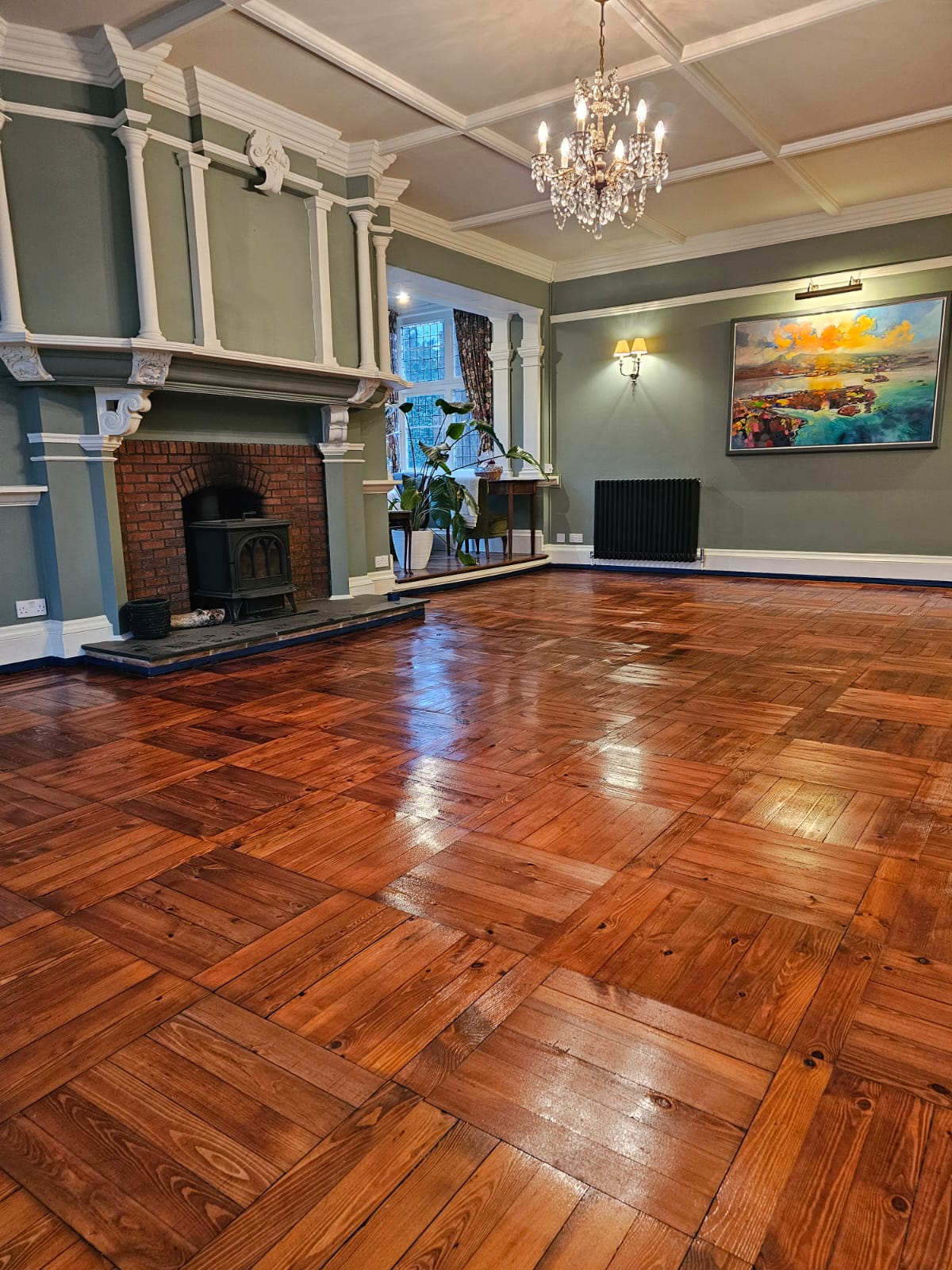
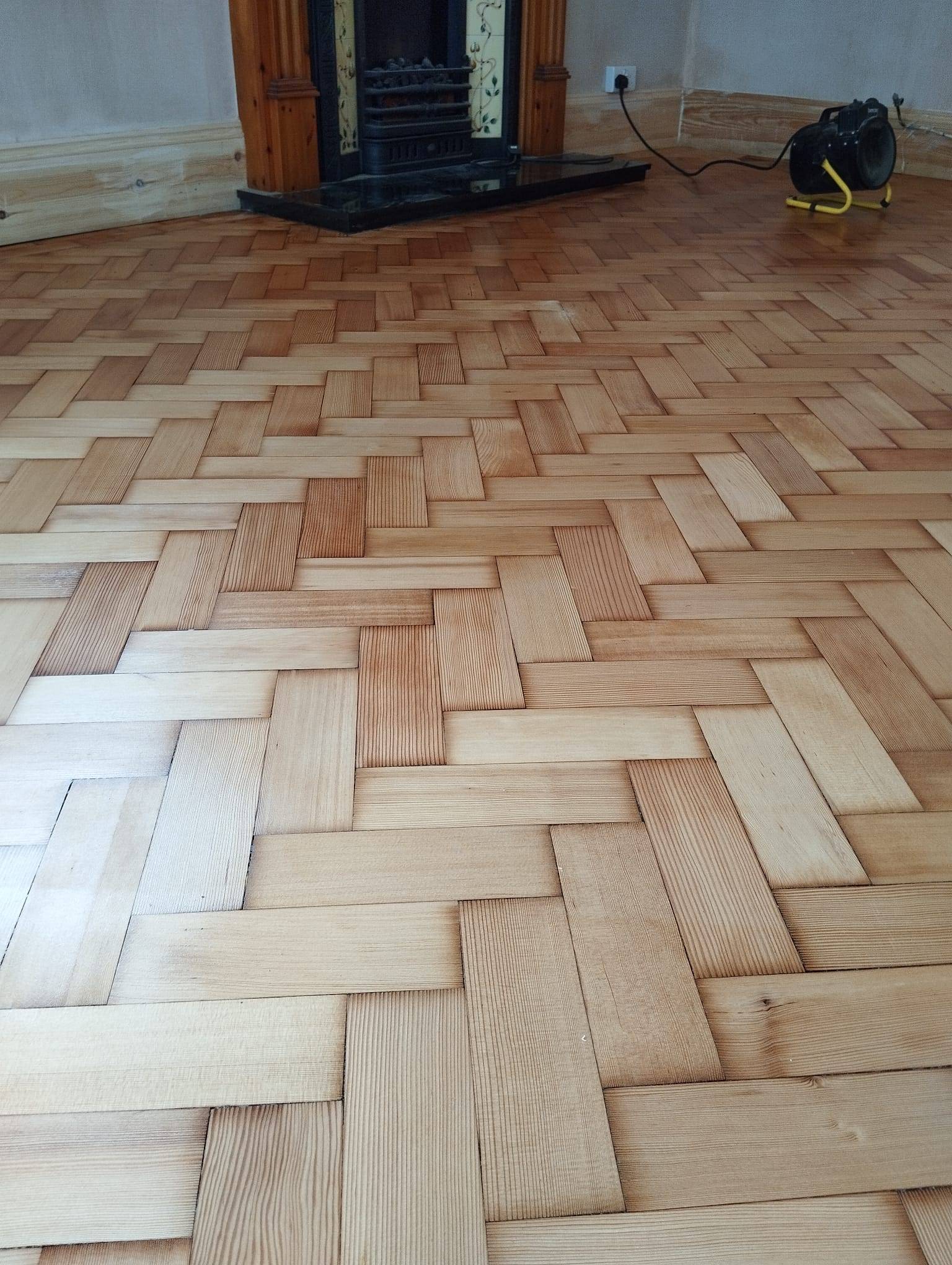
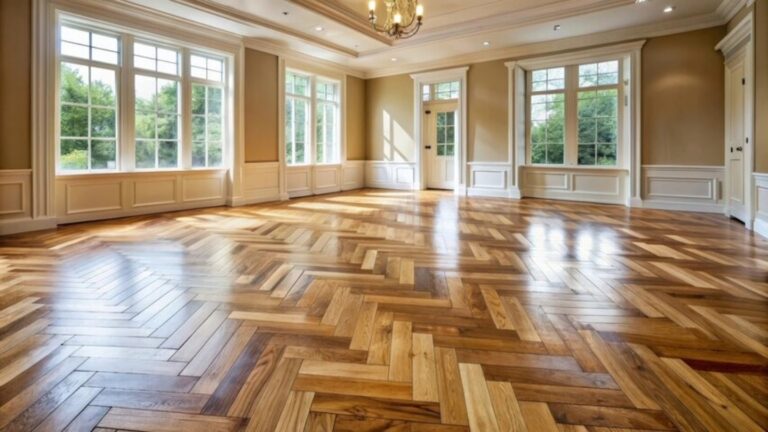
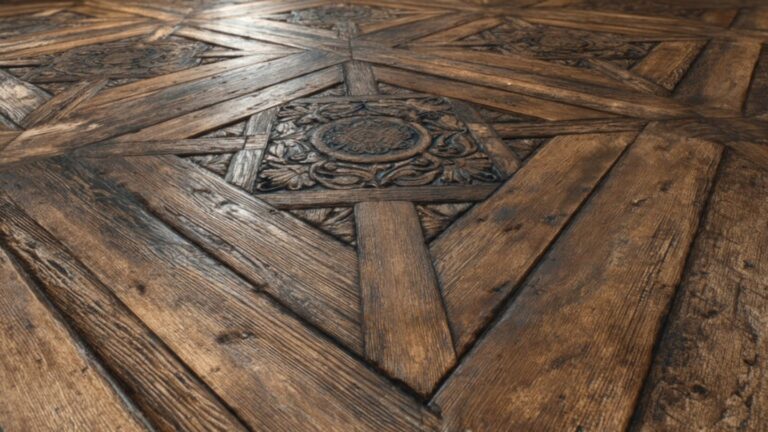
parquet wooden floor sanding
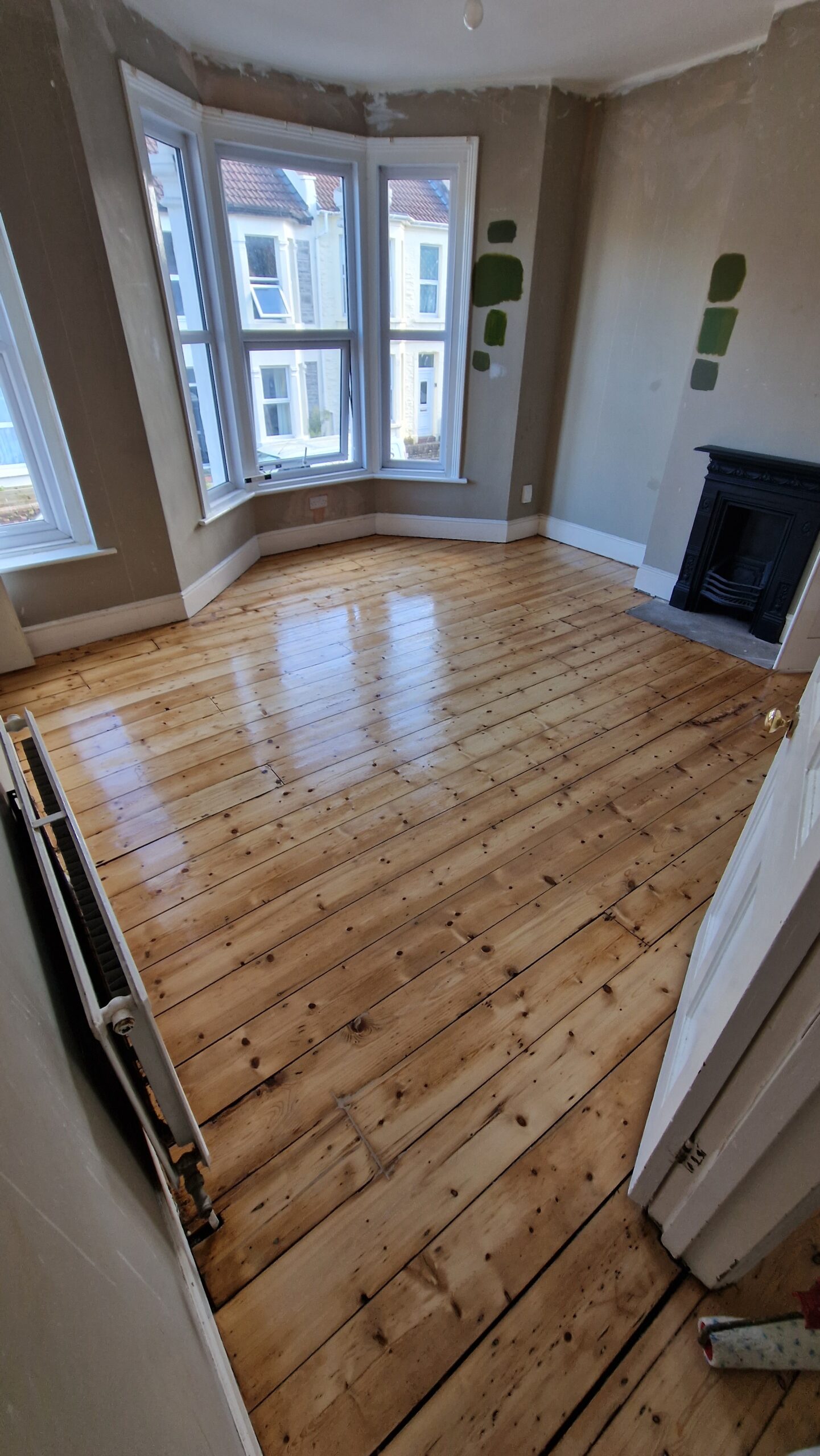
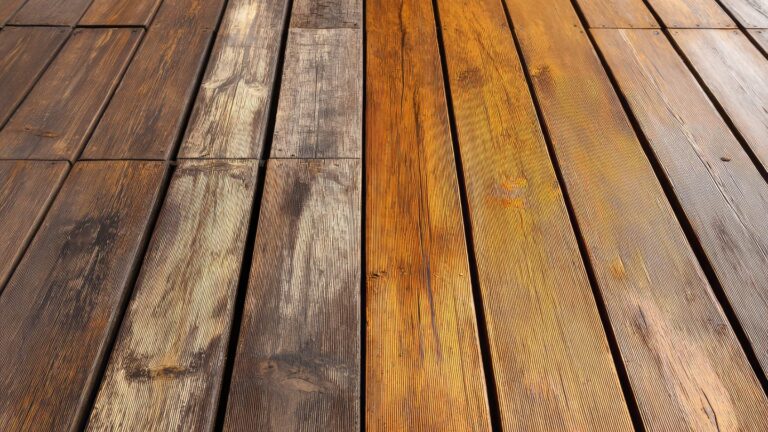
wooden floor sanding

The Teign Estuary, Clay and Subfloor Damp

Newton Abbot sits at the head of the Teign estuary on ground that includes a good deal of ball clay — the local clay industry has been digging it here for centuries. Clay holds water and moves seasonally, and the low ground near the river and the Lemon holds more of both.

The visible symptom is cupping: boards curving upward at the edges so the floor reads as shallow ridges underfoot. It is nearly always ventilation — airbricks rendered over, ground levels raised by a patio or driveway, or a rear extension sealing off airflow.

Sanding a cupped floor flat while it is still wet leaves every board thin down the middle once it dries, and that cannot be undone. We take moisture readings before quoting and check the joist bearings while we are there.

Clay movement also means gaps that open and close noticeably between winter and summer, so for gap filling here we recommend timber slivers rather than resin — slivers move with the board where resin cracks out.

Dartmoor Property and Listed Buildings

The parishes running up onto Dartmoor bring their own problems. Granite is impermeable, so moisture moves through the timber rather than the wall. Rainfall and exposure are high. And a great many moorland buildings are listed.

In a listed property the original floorboards are usually part of what is protected. Sanding and refinishing an existing floor rarely needs consent; replacing boards, altering the structure or changing the material generally does, and unauthorised work to a listed building is a criminal matter rather than a paperwork one.

Where there is any doubt we put our proposed method in writing — grits, finishes and precisely what comes off — so you can put it to the conservation officer before we start.

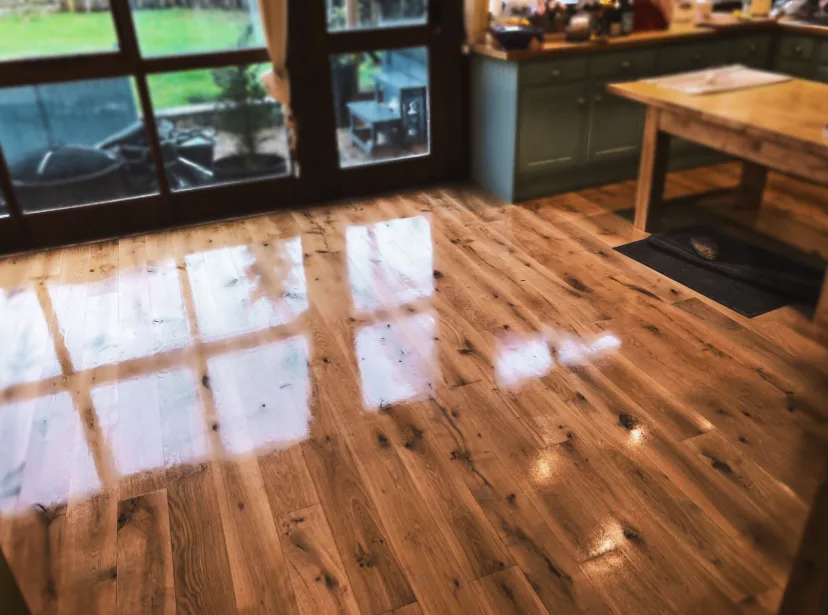
flooring sanding company

Pubs, Halls, Schools and Commercial Work

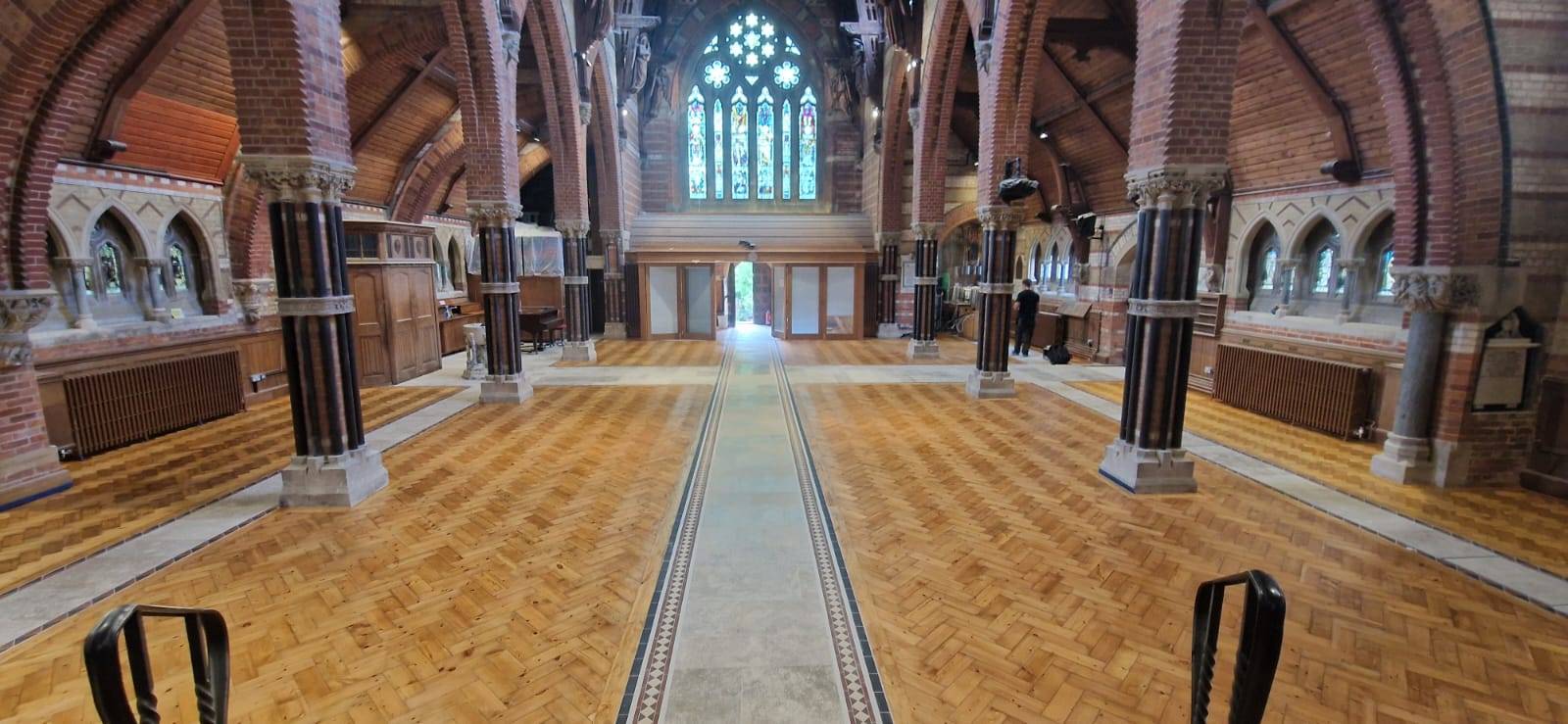
Newton Abbot is a market and service town, which brings a steady flow of commercial work: pubs and restaurants, village and church halls across the Teign valley parishes, school and college halls, gyms and sports halls, plus shops, offices and the racecourse.

These jobs run to the calendar rather than to us. Schools want the holidays, halls want the gap between bookings, pubs want us finished before the weekend. We work evenings and weekends where it helps, phase the job so you keep trading, and run full dust extraction so adjoining areas stay usable.

Commercial specification differs from domestic — a commercial-grade lacquer for heavy traffic, slip-resistant finishes where they matter in kitchens, entrances and sports use, and line marking handled as part of the job on sports floors.

Why Newton Abbot Customers Choose Us

Forty-five years of restoring wood floors, with south Devon comfortably within reach from our Somerset workshop. Being an hour away means we survey properly rather than pricing blind, and travel does not load your quote.

Sealed dust extraction on every job as standard, so you can stay in the house while we work. Fixed written prices agreed before we start. Furniture moved by us, the property protected, all waste taken away.

Fully insured, comfortable with listed and moorland property, 4.9 stars from 114 Google reviews.

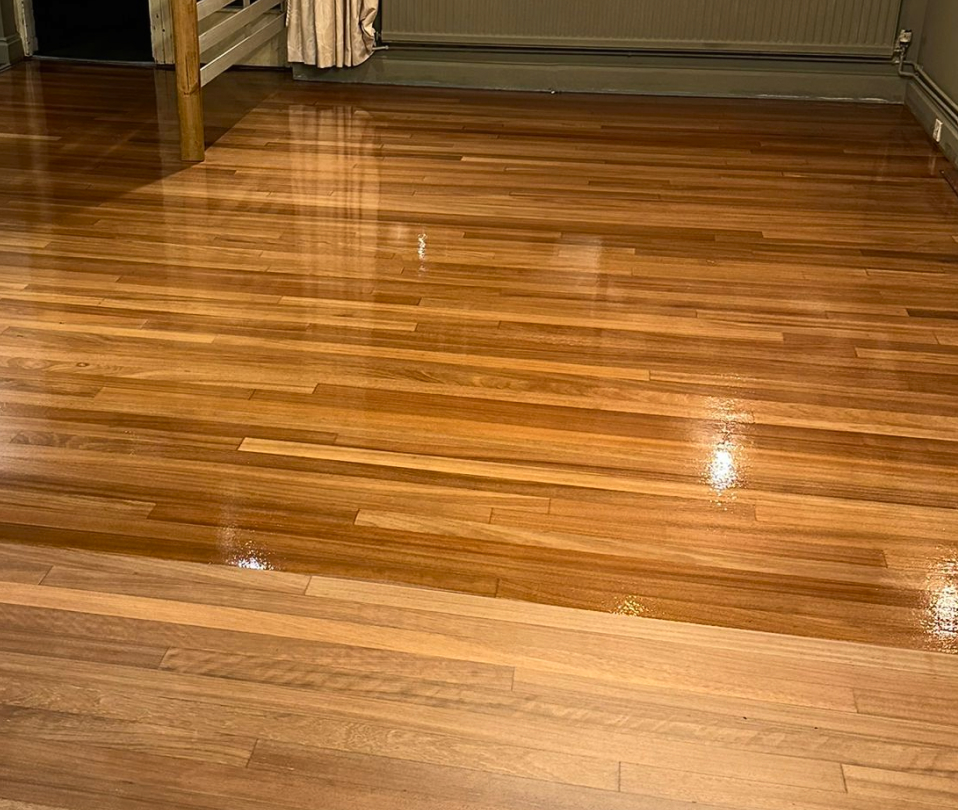
Wood floor sanding company
Floor sanding taunton

Book a Free Newton Abbot Survey

Send photographs of the room from the doorway and close-ups of the worst areas with rough measurements. If the floor feels ridged underfoot, or your gaps change noticeably between seasons, mention both — they point to different answers.

Surveys are free, usually within the week, and carry no obligation.

Call 01823 674562, email info@ryansrestoration.co.uk, or use the form on this page.

Nearby areas we also cover: Ashburton, Bovey Tracey, Buckfastleigh, Chudleigh, Dawlish and Paignton. There is a page for each, and the full list of towns is on our areas we cover page.

FAQ: Floor Sanding in Newton Abbot

Newton Abbot, Kingsteignton, Kingskerswell, Abbotskerswell, Ipplepen, Bovey Tracey, Chudleigh, Ashburton and Buckfastleigh, plus Torquay, Paignton, Teignmouth and Dawlish.

Often, but they want checking. Those houses were built economically with narrow, relatively thin boards and many have been sanded once already. We measure remaining thickness before committing.

Ball clay ground. Clay swells and shrinks seasonally and that movement transfers into the building. It is why we recommend timber slivers rather than resin for gap filling here — slivers move with the board.

Cupping, from subfloor moisture. Common on the low ground near the Teign and the Lemon. Usually blocked airbricks or a raised patio. The floor must dry and flatten before sanding.

Yes. Granite is impermeable so moisture moves through the timber rather than the wall, and many moorland buildings are listed. Those floors want a light hand and often a written method statement for the conservation officer.

Sanding and refinishing an existing floor rarely needs it. Replacing boards or altering the structure usually does, and unauthorised work to a listed building is a criminal offence. We provide a method statement where there is doubt.

Regularly across the Teign valley. We work to your calendar — school holidays, gaps between hall bookings, weekdays for pubs — with dust extraction so neighbouring areas stay usable.

Yes, as part of the job, with the correct slip-resistant finishes for sports use rather than a domestic specification.

Usually within the week. We are about an hour away, which keeps travel out of your price compared with a firm coming from further afield.

It depends on size, condition, timber and finish. We give a fixed written price after surveying, broken down by element so you can see what each part costs.

Ryan's Restoration
4.9
Based on 114 reviews
×
js_loader