Floor Sanding South East London

Floor Sanding and Wood Floor Restoration Across South East London

QUICK QUOTATION

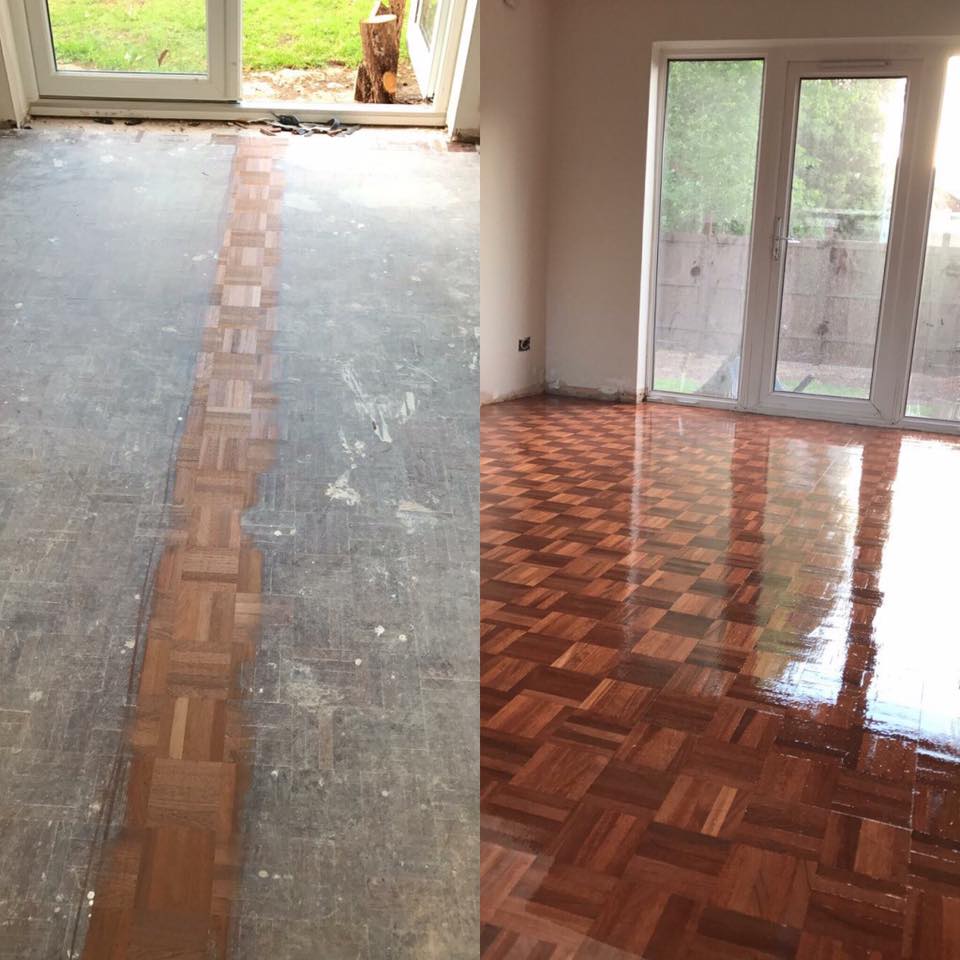
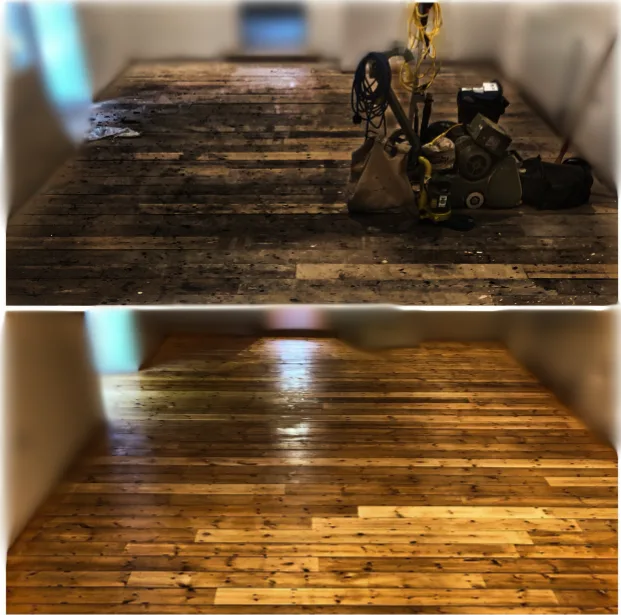
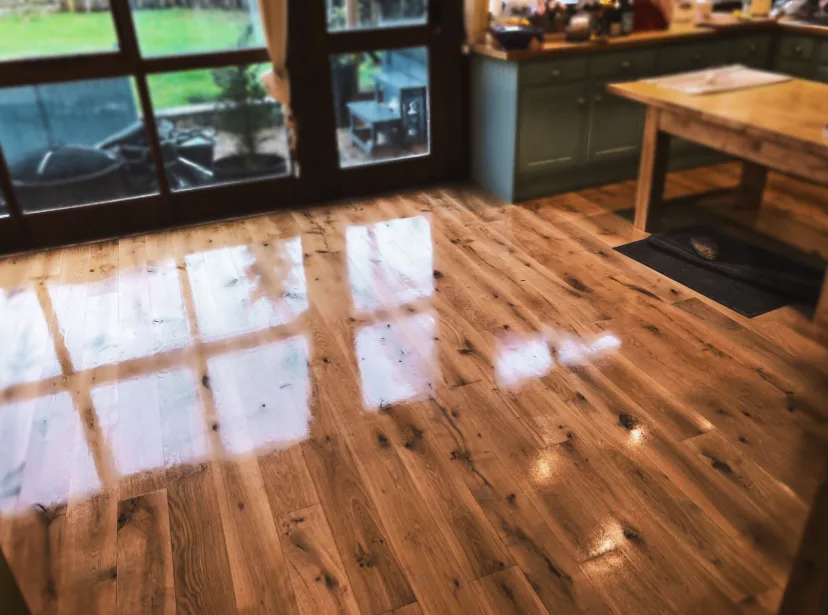
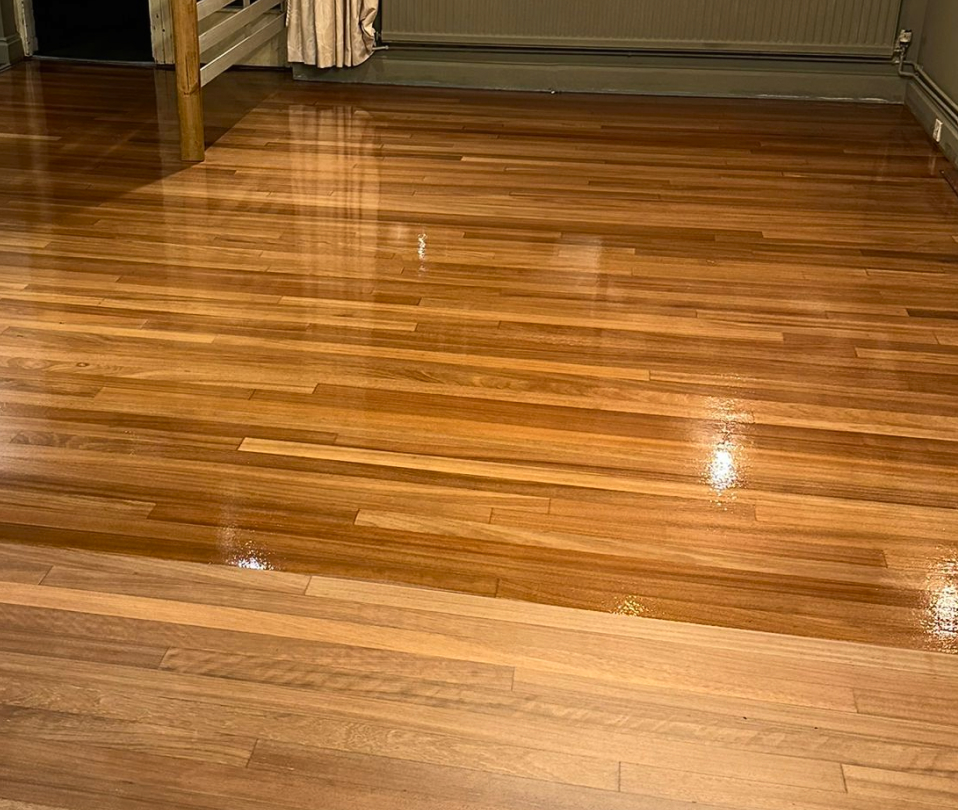
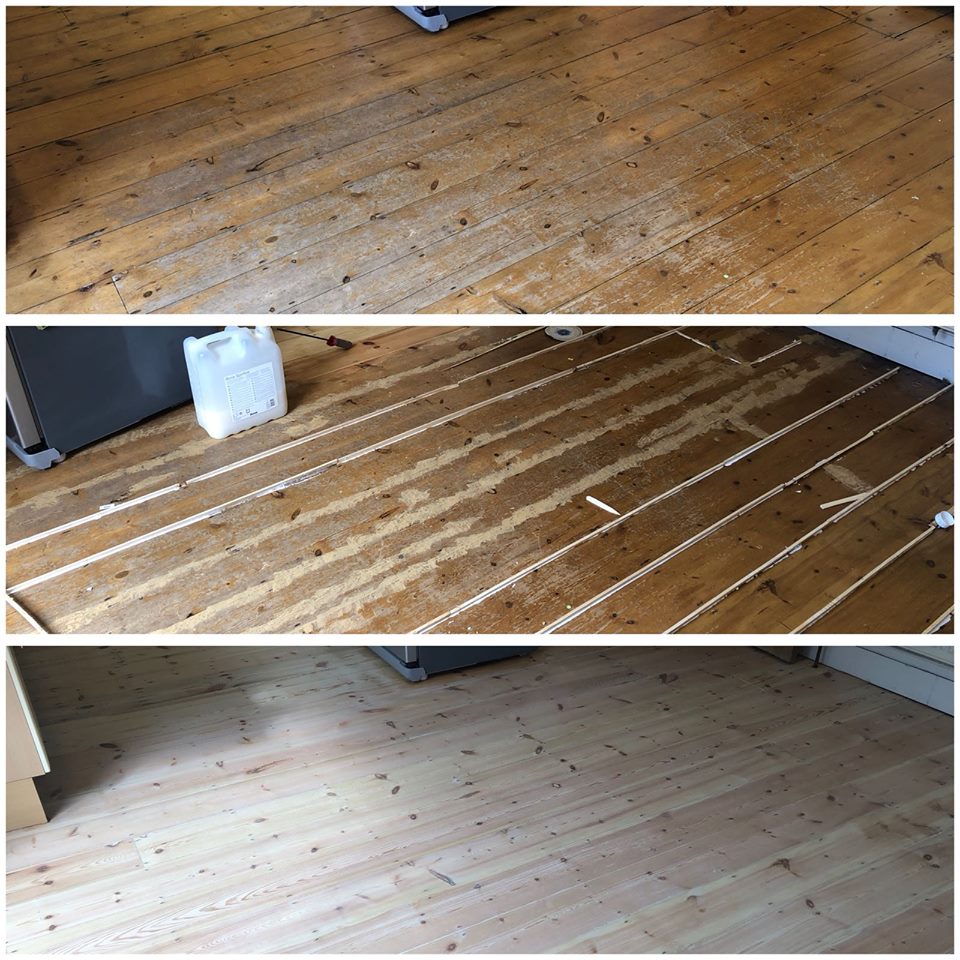
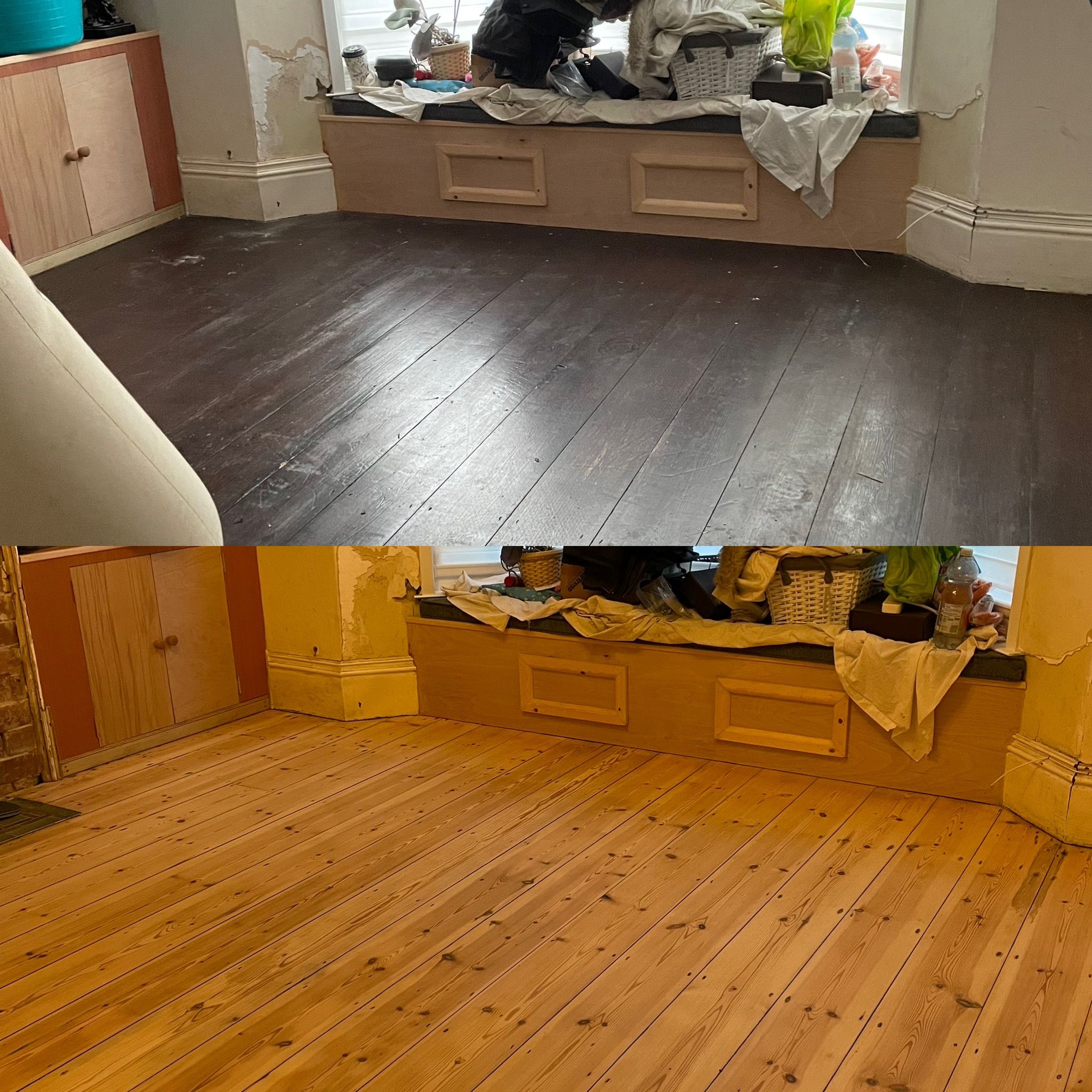
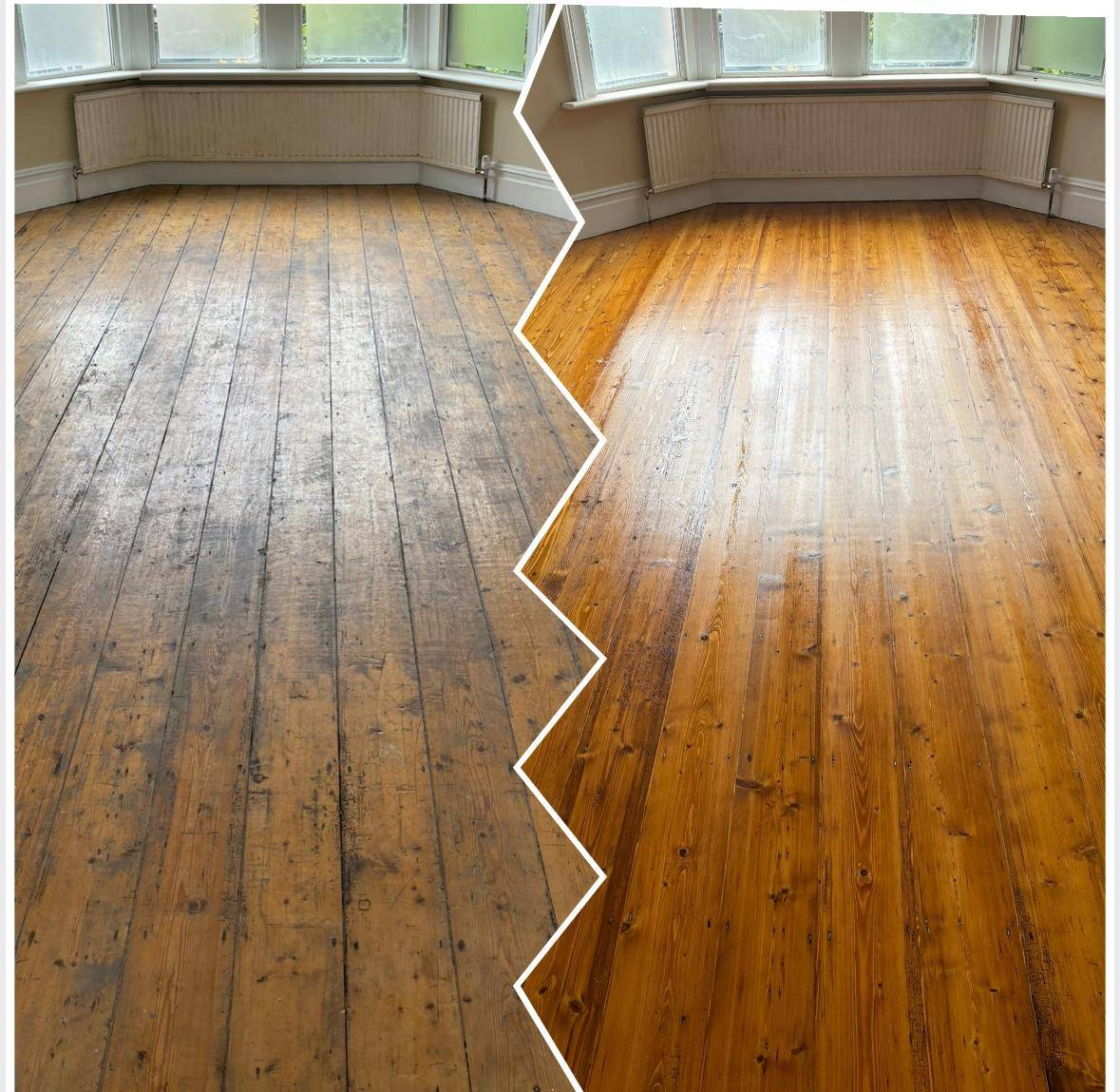
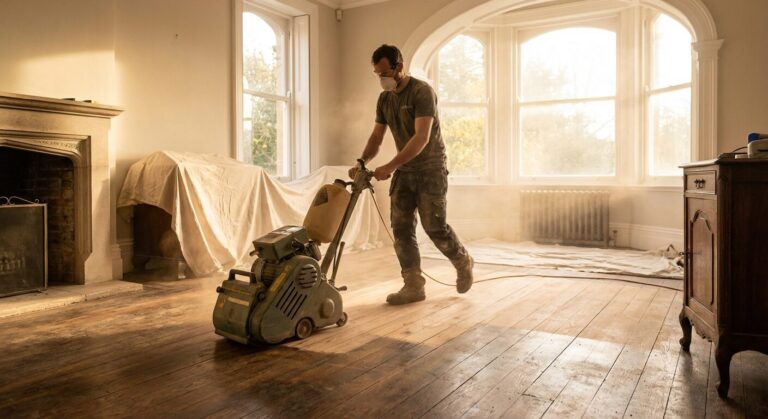
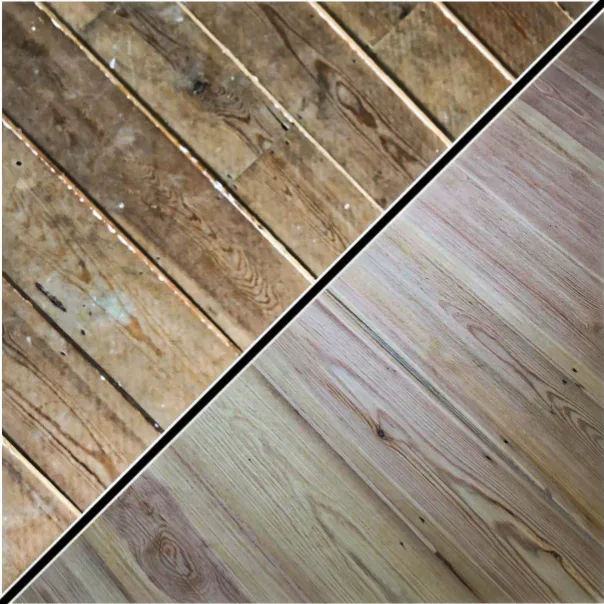
Floor sanding before and after

Covering South East London

South east London holds some of the best-preserved Victorian housing in the capital, largely because it escaped the worst of both the blitz and the 1960s clearances that reshaped other districts.

We work across Greenwich, Blackheath, Lewisham, Deptford, New Cross, Brockley, Peckham, Camberwell, Dulwich, Forest Hill, Sydenham, Catford, Charlton, Woolwich, Eltham, Herne Hill and Crystal Palace.

Access matters here more than almost anywhere, so tell us about controlled parking zones, permit requirements and whether there is anywhere to put a van when you get in touch. We plan around it rather than working it out on the morning, and it keeps unexpected costs out of your quote.

Victorian Terraces and What Survives Beneath

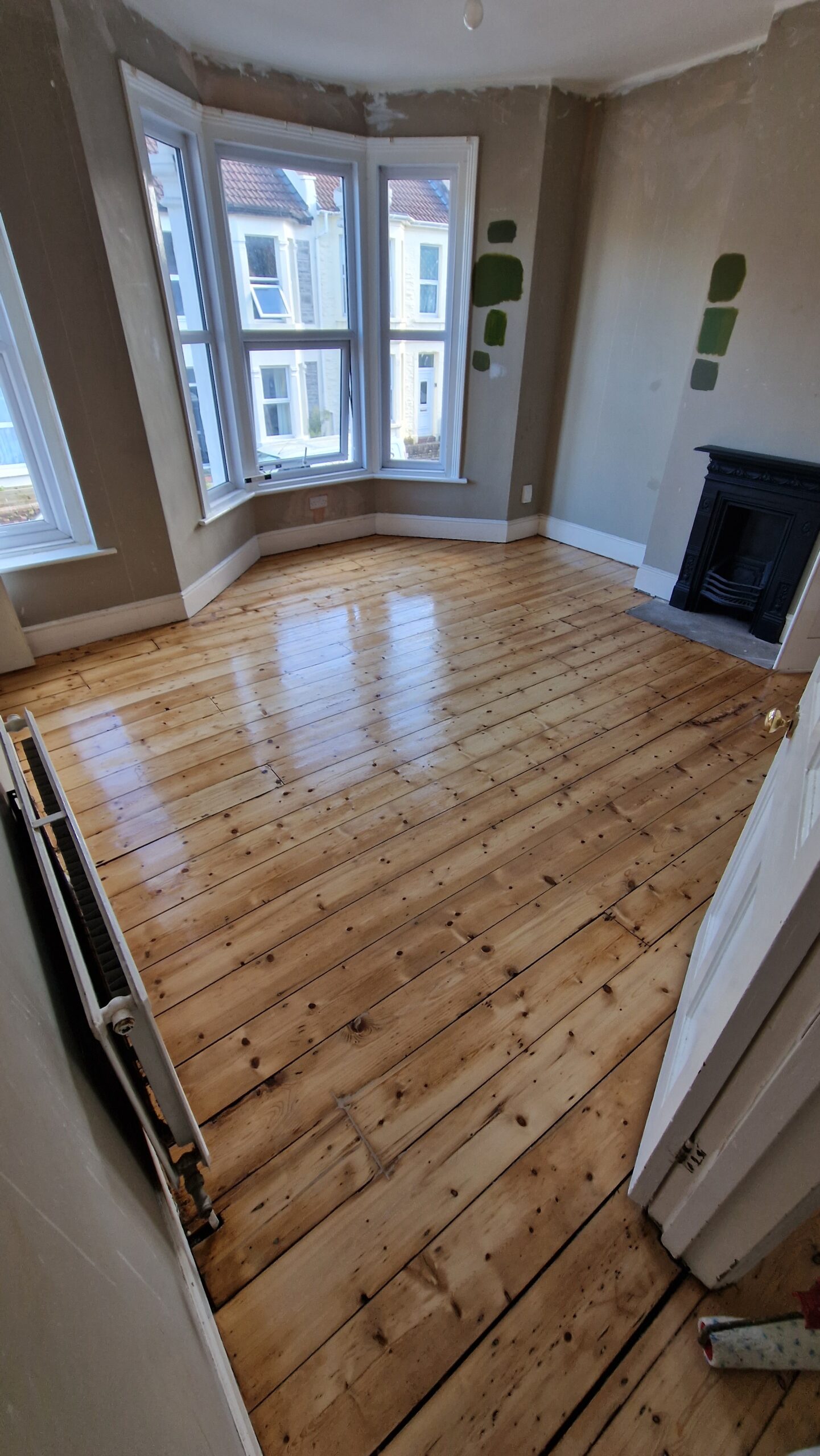
The standard south east London floor is baltic redwood over joists with a ventilated void beneath, laid between roughly 1870 and 1910 and carpeted for most of the time since.

Board width tells you a lot about the street. The larger villas around Blackheath, Dulwich and parts of Camberwell have generous seven to nine inch boards; the artisan terraces of Deptford, New Cross and parts of Peckham are narrower and thinner, built quickly and often sanded once already.

We measure remaining thickness before committing. On a thin terrace floor that has been done before, the honest recommendation is frequently a screen and recoat rather than a full sand — it removes no timber and costs around a third as much.

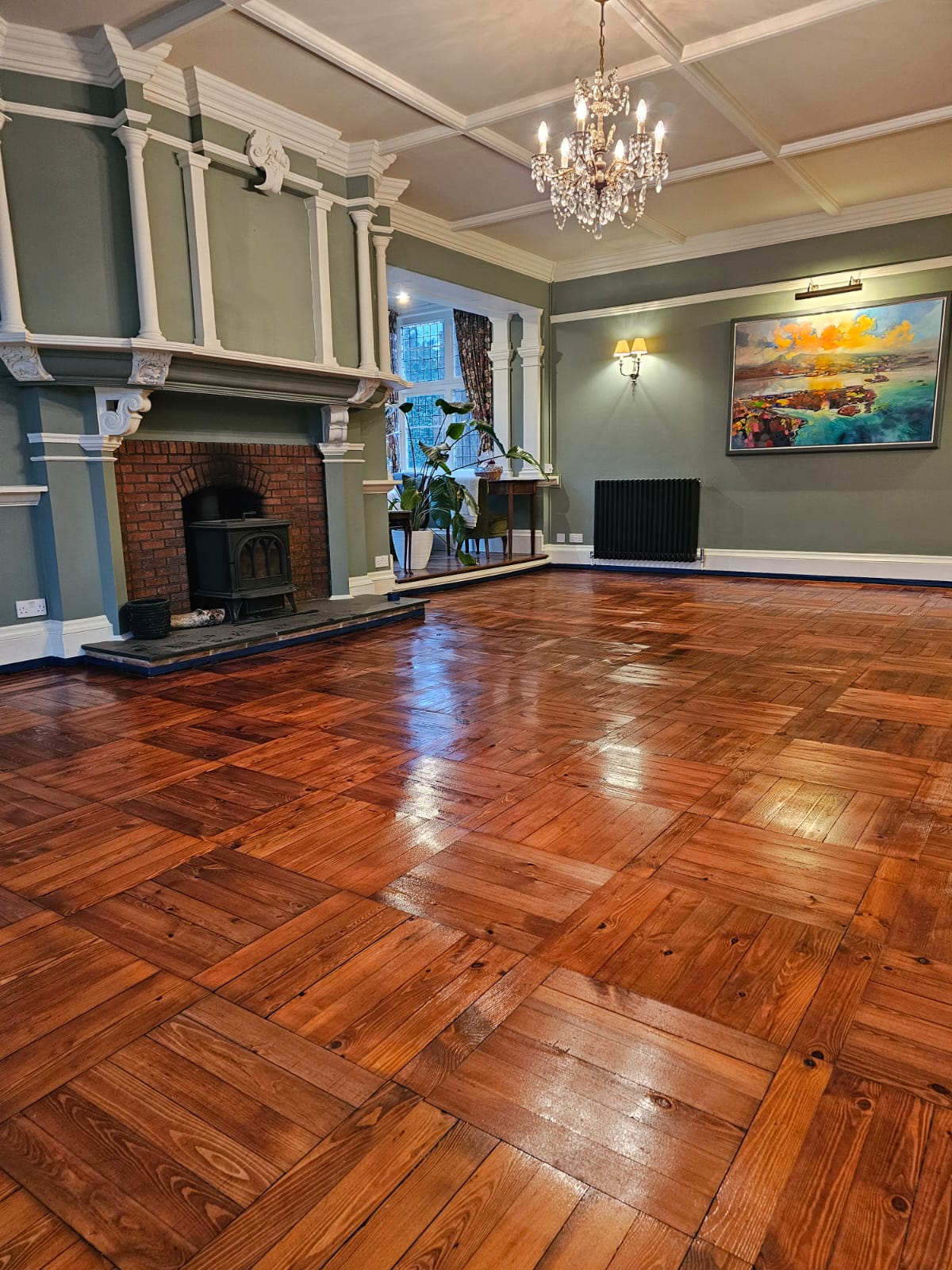
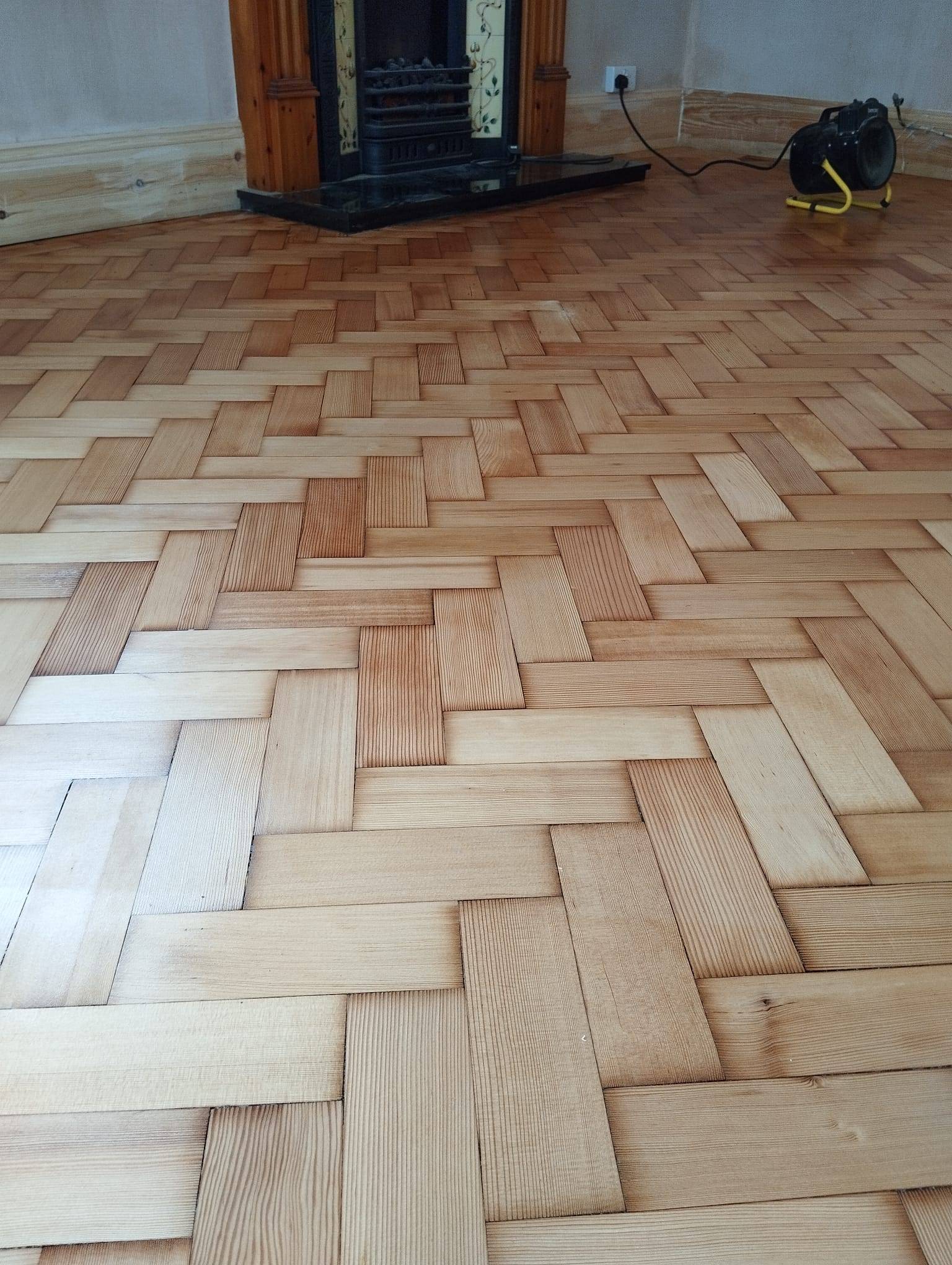
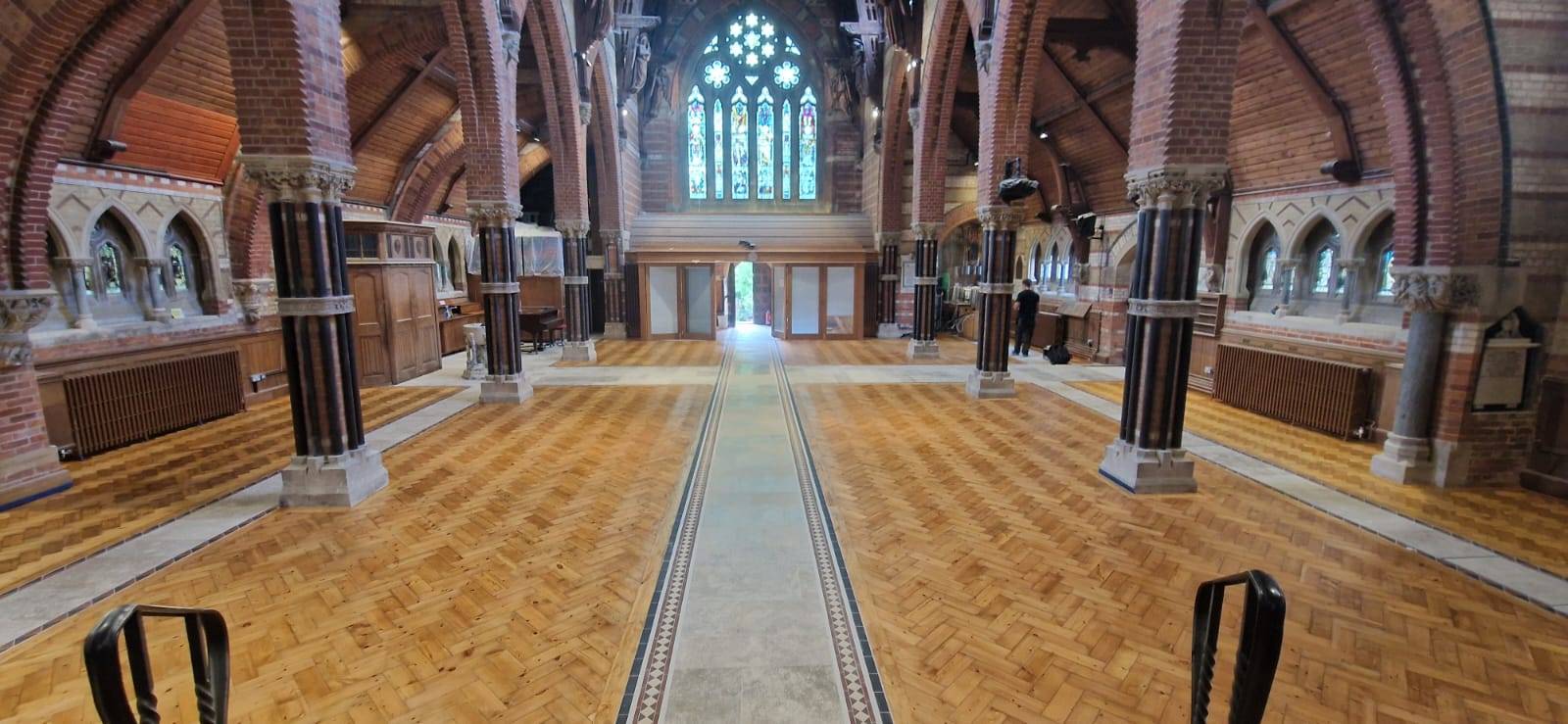
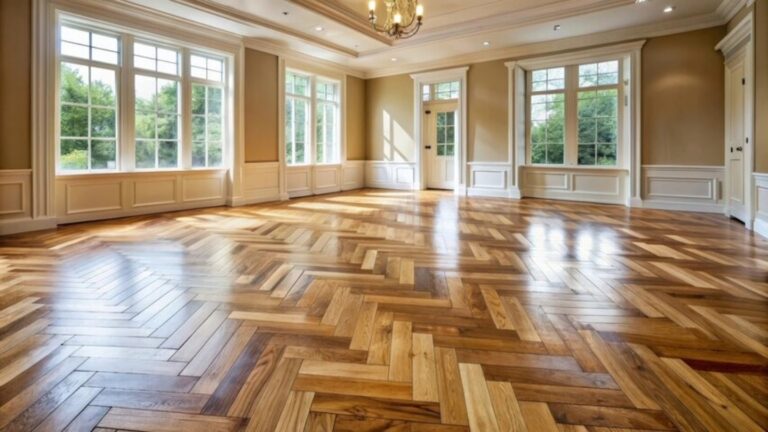
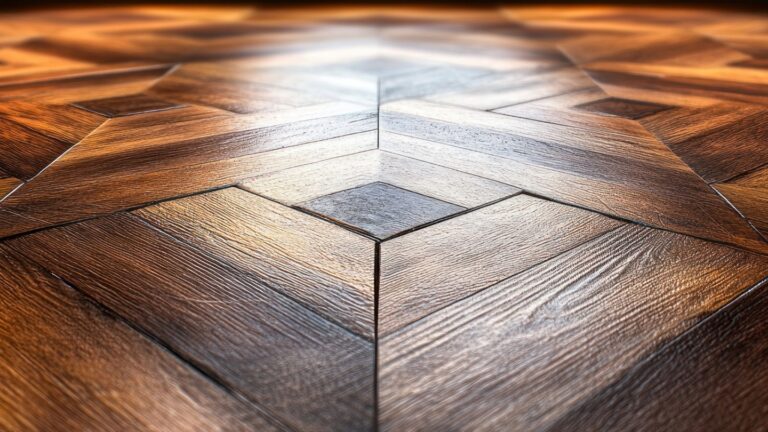
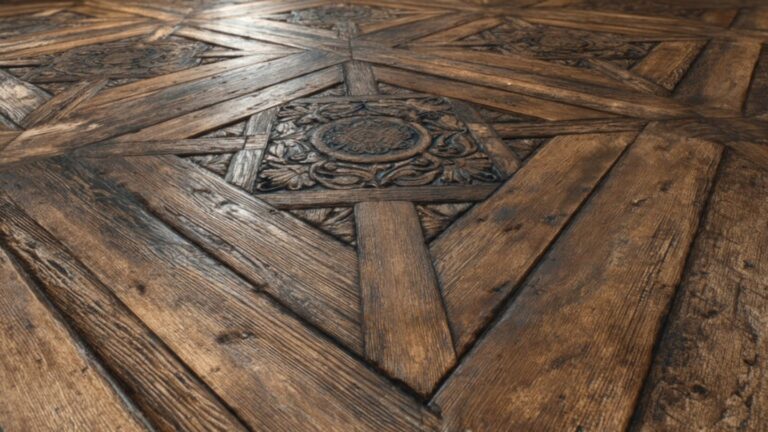
Parquet turns up in the Edwardian and interwar houses, usually oak herringbone in the hall and front room, and it is well worth uncovering.

parquet wooden floor sanding
wooden floor sanding

Flat Conversions, Leases and Neighbours

An enormous share of south east London housing is now flats, and that brings rules worth checking before any work starts.

Most leases in converted properties carry a clause about floor coverings, commonly requiring carpet or a specified level of acoustic insulation on upper floors. Sanding back to bare boards without checking that clause is a conversation with your freeholder you would rather avoid.

Separately, if the work involves cutting into or replacing joists shared with the flat below, the Party Wall etc. Act 1996 may require notice to be served on your neighbour. Ordinary sanding does not trigger it; structural repair often does.

Then there is noise. In a converted house sound travels through the structure rather than the air, so neighbours hear sanding whatever you do. We work agreed hours and are happy to liaise with managing agents.

London Clay and Subfloor Damp

South east London sits largely on London clay, which is among the most active ground in the country — it swells in winter and shrinks in dry summers, and that movement works its way into the buildings above.

In floors it shows as gaps that change noticeably between seasons, doors that bind in some months and not others, and occasionally whole areas that have dropped where the structure settled.

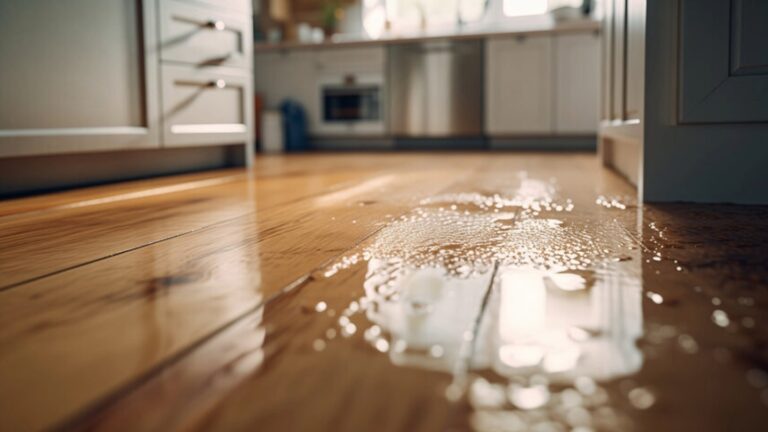
Lower-lying property near the Ravensbourne, the Quaggy and the river also carries more subfloor moisture, made worse where airbricks have been rendered over, patios have raised the ground level or a rear extension has sealed off airflow. Cupped boards are the visible symptom, and sanding them flat while wet ruins them, so we take readings before quoting.

flooring sanding company

Conservation Areas and Listed Property

Greenwich sits within a World Heritage Site and there are conservation areas across Blackheath, Dulwich, Camberwell and Peckham, with a considerable number of listed buildings among them.

Where a property is listed the original boards are usually part of what the listing protects. Sanding and refinishing rarely needs consent; replacing boards or altering the structure generally does, and unauthorised work to a listed building is a criminal matter.

We work to that reality. Where there is doubt we produce a written method statement — grits, finishes, exactly what comes off — for your conservation officer before anything starts.

Why South East London Customers Choose Us

Forty-five years of restoring wood floors, a good deal of it in period London property where the skill is restraint rather than horsepower.

Sealed dust extraction on every job as standard, which matters more in a flat than anywhere — there is nowhere for airborne dust to go and nowhere for you to escape to. Fixed written prices agreed before we start. Furniture moved by us, the property protected, all waste taken away.

Fully insured, used to working with managing agents, freeholders and conservation officers, 4.9 stars from 114 Google reviews.

Wood floor sanding company
Floor sanding taunton

Book a Free South East London Survey

Send photographs of the room from the doorway and close-ups of the worst areas with rough measurements, and tell us whether the property is leasehold or listed because both change what we can propose.

Mention parking and access too. Surveys are free and carry no obligation, and we will tell you plainly if the floor needs less work than you expected.

Call 01823 674562, email info@ryansrestoration.co.uk, or use the form on this page.

Services in south east London: wood floor restoration, hardwax oiling, floorboard replacement, staining, buffing and recoating and schools and colleges.

If you want the detail: The Truth About UV-Cured Floor Finishes Revealed, or Coastal Property Wood Floors: Thriving in Devon's Climate.

Nearby areas we also cover: Dulwich, Greenwich, Brentwood and Cambridge. There is a page for each, and the full list of towns is on our areas we cover page.

FAQ: Floor Sanding in South East London

Greenwich, Blackheath, Lewisham, Deptford, New Cross, Brockley, Peckham, Camberwell, Dulwich, Forest Hill, Sydenham, Catford, Charlton, Woolwich, Eltham, Herne Hill and Crystal Palace.

Check your lease first. Many converted properties require carpet or a specified acoustic performance on upper floors, and going bare can breach it. We are happy to speak to your managing agent about what is permitted.

Ordinary sanding, no. If the work involves cutting into or replacing joists shared with the flat below, it may. We will tell you if we think your job crosses that line before we start.

Noticeable in a converted house, because sound travels through the structure rather than the air. We work agreed hours and will coordinate with neighbours or managing agents.

London clay. It swells in winter and shrinks in dry summers, and that movement transfers into the building. Timber slivers work better than resin for gap filling here because they move with the boards.

Subfloor moisture, common in lower-lying property near the Ravensbourne, the Quaggy and the river. Usually airbricks have been rendered over or a patio or extension has sealed off airflow. The floor must dry before sanding.

It can be. Tell us about controlled parking zones and permits when you get in touch and we will plan around it — far easier arranged in advance than solved on the morning.

Yes. Greenwich sits in a World Heritage Site and original boards are usually part of what a listing protects, so we take a minimum-intervention approach and provide written method statements where consent is needed.

A solid board typically has five or six sands in its life, and the thinner artisan terraces in Deptford and New Cross have often had one already. We measure first and will recommend a recoat if the floor has had its last.

It depends on size, condition, access and finish. London jobs carry some access and parking cost that a country job does not, and we build that into a fixed written price rather than adding it later.

Ryan's Restoration
4.9
Based on 114 reviews
×
js_loader