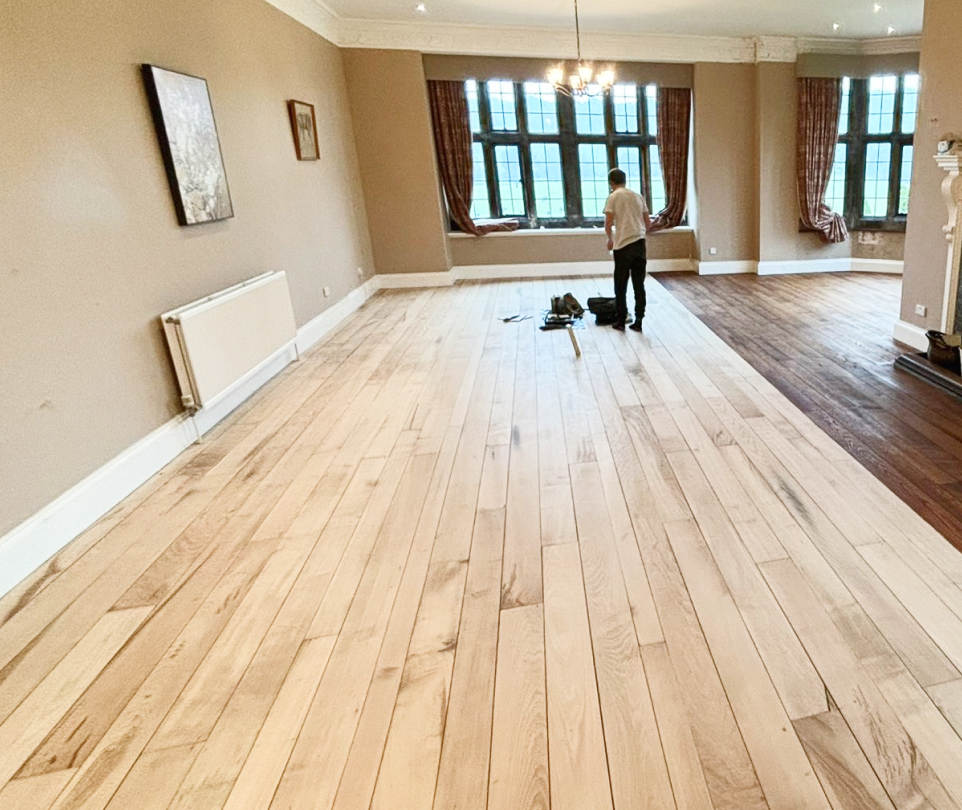
Dust-Free Floor Sanding

Dust-Free Floor Sanding by Ryans Restoration

QUICK QUOTATION

Sanding Floors Without Filling Your House With Dust

Ask anyone who had their floorboards done twenty-odd years ago and you will hear the same story. Dust on the picture rails. Dust in the curtains. Dust still turning up behind the wardrobe the following Christmas. That reputation stuck to our trade, and it was fair enough at the time.

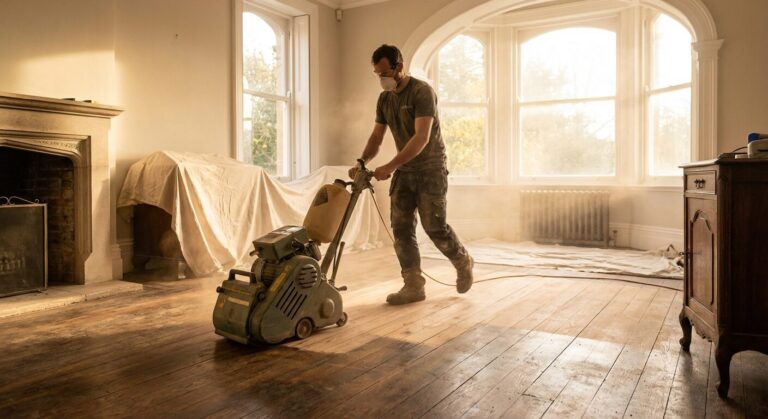
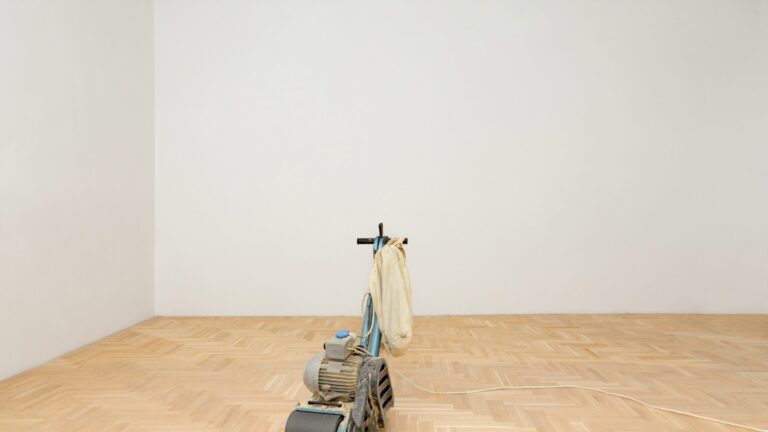
We stopped working that way a long while back. Every machine we bring through your front door runs into a sealed extraction unit that pulls timber dust off the abrasive before it has chance to reach the air. Not a bag hanging off the back of the sander. A proper vacuum system, hoses clamped, filters checked, emptied outside.

The honest version is this: dust-free means very nearly dust-free, not surgically clean. Fitting a room out with a fine film you could write your name in was the old normal. What you get now is a light settling on a windowsill or two, which we wipe down before we leave. Most customers tell us the biggest surprise is being able to make a cup of tea in their own kitchen while the sander is running next door.
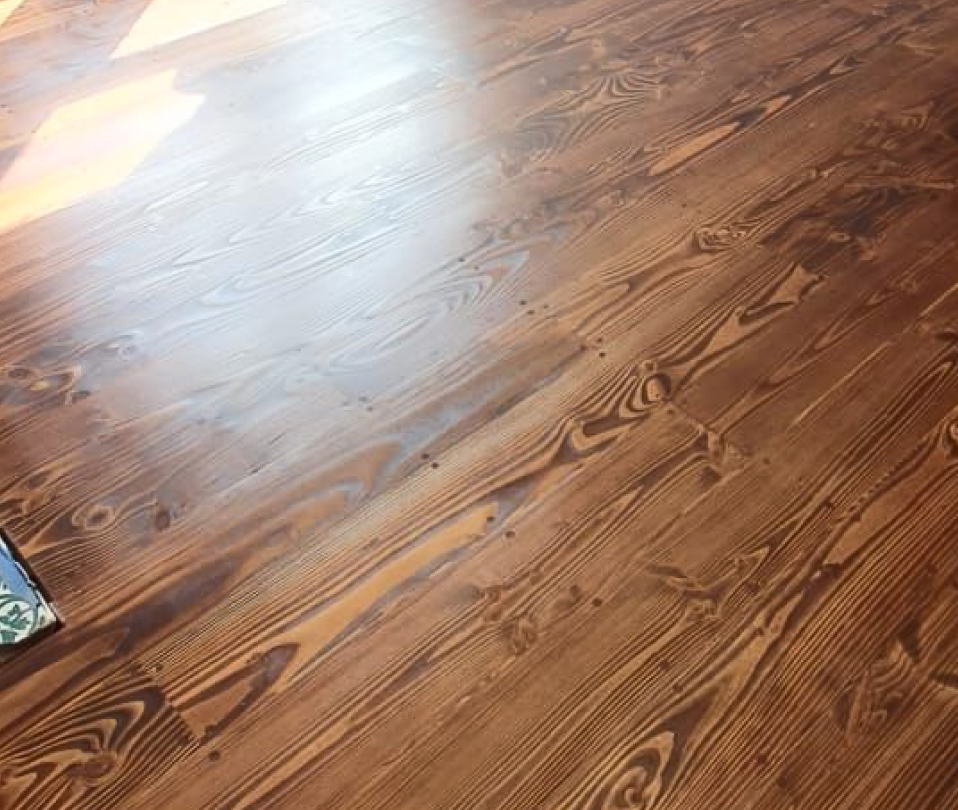
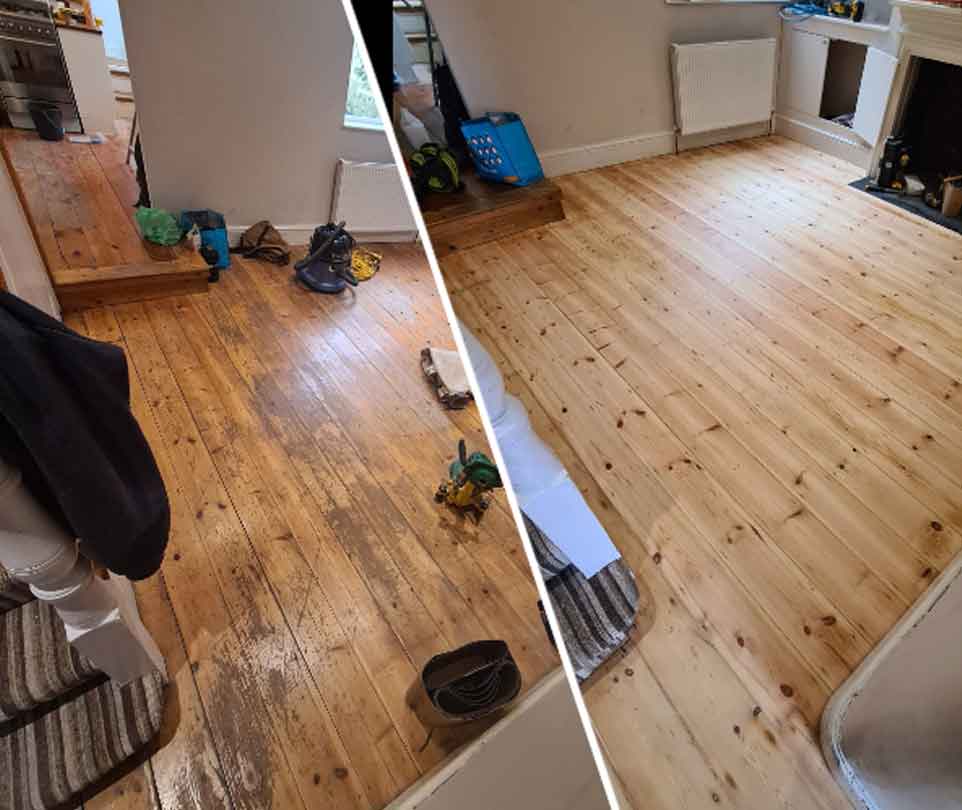
How the Extraction Actually Works

There are three points where dust escapes on a floor sanding job, and each one needs dealing with separately. Miss any of them and you may as well not bother.

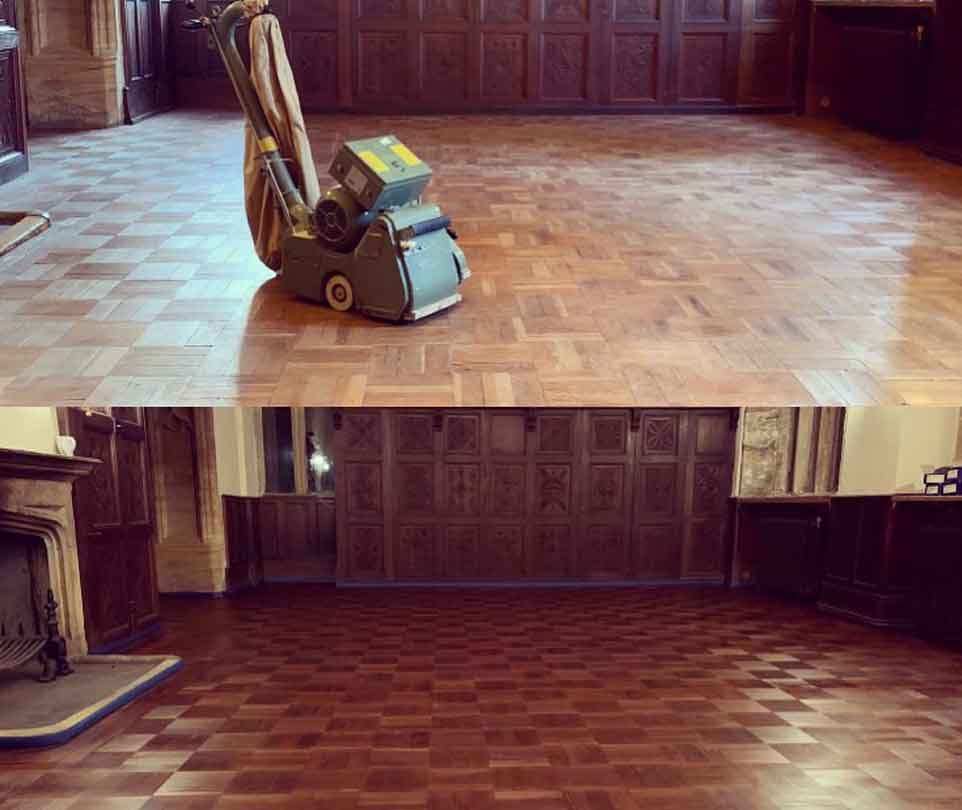
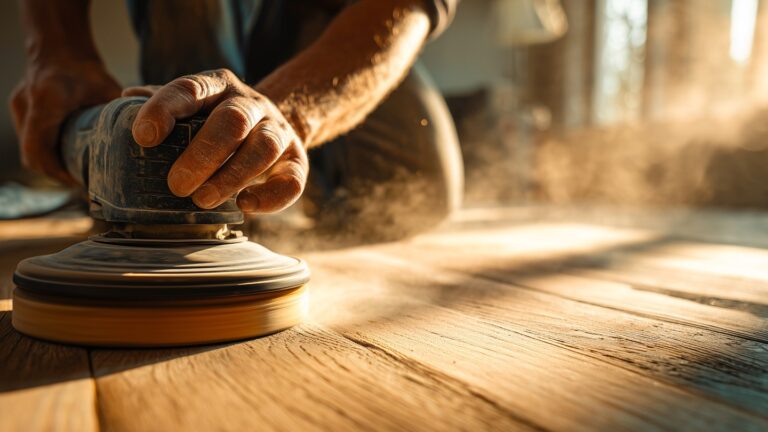
The belt sander does the bulk of the work and produces the bulk of the dust. Ours runs straight into a HEPA-filtered extraction unit through a sealed hose, so the waste is drawn off at the drum itself rather than blown across the room. The edger, which handles the perimeter where the big machine cannot reach, has its own extraction — this is the machine most firms skip, and it is the one that makes the mess along your skirting.

Then there is the buffing and finishing stage, where the particles are finest and float longest. We work with the extraction running throughout and use tack cloths rather than sweeping, because a broom simply lifts settled dust back into the air where it lands on your wet lacquer an hour later.

Independent testing of this kind of sealed system puts capture at somewhere around 99% of airborne particulate. In plain terms, you will not be redecorating afterwards.

Why It Matters More Than Just Keeping Things Tidy

Fine wood dust is not simply a nuisance. It is classified as a respiratory irritant, and the HSE treats hardwood dust as a substance hazardous to health under COSHH. Oak and beech dust in particular carry a recognised risk with long exposure. For us that means the right masks and the right kit as a matter of course. For you it means the difference between a house that is briefly untidy and a house full of something you would rather not be breathing.

If anyone in the property has asthma, allergies or a chest complaint, this stops being a preference and starts being the deciding factor. The same goes for young children crawling about on the floor and for anyone working from home who cannot simply move out for a week.

There is a practical side too. Dust is abrasive, and it gets into hinges, tracks, electronics and soft furnishings. We have been called into houses after other firms have finished to help with cleaning that ran to hundreds of pounds. Doing it properly the first time is considerably cheaper.

What Happens on the Day

We arrive, walk the rooms with you and agree exactly where we will be working and where we will not. Doorways get sealed with dust screens, which are zip-through sheets that let us move about without opening the whole house up. Sockets and vents in the working room get masked. Anything you have not been able to move, we move.

The extraction unit usually lives just outside the back door or in the hall, with hoses run through to the machines. It is not silent — think along the lines of an industrial vacuum — but it runs only while sanding is in progress.

Grit sequence depends on what we find. A floor that has been previously sealed and is reasonably flat might start at 40 or 60 grit and work up through 80 to 100 or 120. A neglected Victorian pine floor with old bitumen or heavy cupping will need a coarser start, sometimes 24 or 36, and more passes. We will tell you which before we start rather than after.

At the end of each day we vacuum down, wipe the surfaces and take the waste away with us. Nothing gets left in your bin.

Staying in the House While We Work

Most people do. That is really the point of working this way.

The sanding stage is the noisy part and the part with the most activity, but with the screens up you can carry on in the rest of the house without much interruption. Where you do need to plan a little is around the finishing. Once we start applying lacquer, oil or hard wax, that room needs to stay clear of foot traffic and pets while it cures.

Water-based lacquers are touch dry in a couple of hours and take a day or so before you can walk on them in socks. Furniture should wait longer, usually three to four days, and rugs longer still — a fortnight is sensible, because a rug laid too early traps solvent and leaves a visible outline that will not come out. Hard wax oils behave differently again and we will talk you through the timings for whichever finish you choose.

If you have a single-room flat or the whole ground floor is coming up at once, we will phase the work so you always have somewhere to stand. Just say so when we quote.

Why Choose Ryans Restoration for Dust-Free Sanding

We have been sanding and restoring wood floors for more than forty-five years, which means we were working through the era when the dust was simply accepted as part of the deal. We remember what that was like and we have no intention of going back to it.

Every job we take on is done with full extraction as standard. It is not an upgrade, it is not an optional extra on the quote, and we do not price it separately — it is simply how we work. The machines are maintained, the filters get changed rather than knocked out and reused, and the same standard applies whether we are doing a single bedroom in Taunton or a full commercial floor in Bristol.

We work across Somerset, Devon, Cornwall, Dorset, Bristol, Bath, South Wales, London and the Home Counties, and further north on larger contracts. Wherever the job is, the kit and the standard travel with us.

Get a Dust-Free Floor Sanding Quote

Tell us roughly what you have — the type of floor, how many rooms, and what sort of state it is in. Photographs help enormously and often save a visit. From that we can usually give you a good indication of cost and timing the same day.

For anything larger, or where the floor has problems that are hard to judge from a photograph, we will come out and look properly. There is no charge for that and no obligation afterwards. You will get a fixed price rather than an estimate that creeps.

Call us on 01823 674562, drop us a line at info@ryansrestoration.co.uk, or fill in the form on this page and we will come back to you.

FAQ: Dust-Free Floor Sanding

Very nearly, but we would rather be straight with you than oversell it. A sealed extraction system captures around 99% of the dust at the machine. What is left is a light settling on high surfaces, which we wipe down before leaving. Compared with traditional sanding, where fine dust travels through the whole property and keeps reappearing for months, the difference is night and day.

Yes, and most of our customers do. We seal the working rooms with dust screens so the rest of the house stays usable. The main thing to plan around is the finishing stage, when the sanded room needs to stay free of foot traffic and pets while the lacquer or oil cures.

Not with us. We run extraction on every job as standard, so it is built into the price rather than added on top. Some firms do charge a premium for it, so it is worth asking exactly what is included when you compare quotes.

An average room takes a day to sand and a further day or two for the finish, depending on how many coats the floor needs. A whole ground floor is usually three to five days. Floors with heavy damage, old adhesive or a lot of repair work take longer, and we will tell you that at quoting stage rather than halfway through.

The room needs to be clear for us to work properly. If you can move the smaller items and the contents of cupboards, we will handle the heavy pieces on the day. Let us know in advance if there is anything particularly awkward, such as a piano or a fitted wardrobe.

Fine hardwood dust is treated as a substance hazardous to health under COSHH, and oak and beech dust in particular carry a recognised respiratory risk with prolonged exposure. It is also an irritant for anyone with asthma or allergies. That is why we extract at source rather than relying on masks and open windows.

Yes. The machines and extraction unit run off standard domestic sockets, though larger belt sanders sometimes need a dedicated circuit. We will check your supply when we quote and let you know if anything unusual is needed.

Yes to both, and extraction matters even more in those settings. In flats there is the question of noise and shared access, which we plan around and which sometimes involves agreed working hours. In listed buildings we work to conservation requirements and take a gentler approach to grit selection so we remove as little timber as possible.

It goes into sealed bags in the extraction unit and leaves with us at the end of the job. We do not empty it into your bin and we do not tip it out in the garden.

It gives a better one. Airborne dust that settles onto a wet lacquer coat leaves a gritty texture known in the trade as nibs, which then has to be sanded back and recoated. Keeping the air clean means the finish goes down flat first time.

Yes. It is often the deciding factor for shops, offices, gyms, schools and restaurants, because it lets neighbouring areas keep trading while we work. We can also work evenings and weekends to fit around opening hours.

We are based near Taunton in Somerset and work throughout the South West, including Bristol, Bath, Exeter, Plymouth, Bridgwater and Cornwall, plus South Wales, London, the Home Counties and further afield for larger contracts. If you are not sure whether you are in range, just ask.

Yes, though old coatings change the approach. Paint in particular needs care, because anything applied before 1992 may contain lead, which must be handled under specific safety rules. We test where there is any doubt rather than guessing.

Give it a fortnight. Rugs and underlay trap solvent as the finish cures and can leave a permanent outline on the floor. Furniture can usually go back after three or four days with felt pads underneath.

Send us a few photographs and rough room measurements and we can usually give you a good indication the same day. For bigger jobs we will visit, look at the floor properly and give you a fixed price. There is no charge for the visit and no obligation.

Ryan's Restoration
4.9
Based on 114 reviews
×
js_loader