Costs & Pricing Practical guidance from 45 years of restoring wood floors
Costs & Pricing
Repairs & Maintenance
Regulations & Standards
Sanding & Refinishing Guides
Period & Heritage Floors
Finishes & Materials
Regulations & Standards
Period & Heritage Floors
Finishes & Materials
Finishes & Materials No guides match that. Try a different word, or .
Everything on this page comes out of work we have actually done. Forty-five years of sanding, repairing and finishing wood floors across the South West and beyond leaves you with a fair amount of hard-won knowledge, and most of it is the sort of thing nobody tells homeowners until it is too late.
These guides are written by Alex Ryan, who runs Ryans Restoration and has spent his working life on wood floors — Victorian pine in Bristol terraces, medieval oak in Suffolk, parquet in Cardiff schools, mill floors in Stroud. Where a guide gives you a figure, a timing or a grit sequence, it is because that is what we do on site, not because it reads well.
We would rather you understood your floor before you spend money on it. Quite often that means telling you the cheaper option is the right one.
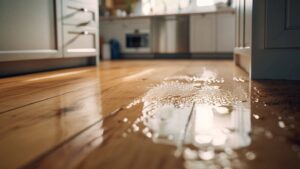
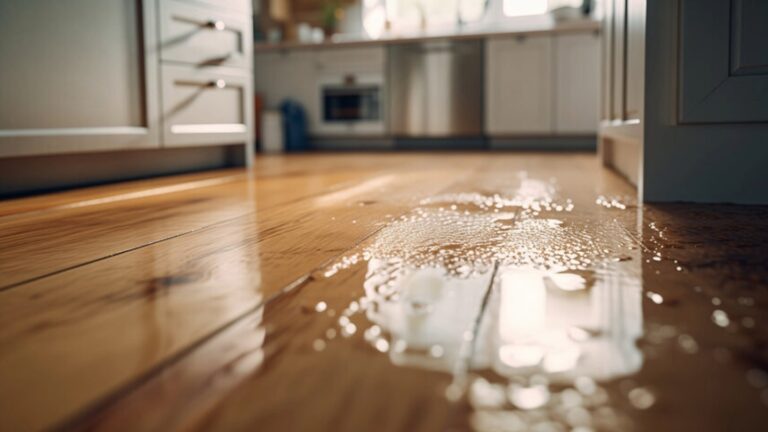
Before you book anyone to sand a floor, do this ten-second test. Find a worn patch — a doorway, or in front of the sofa — and put a drop of water on it.
If the water beads and sits on the surface, the finish is still doing its job. Your floor almost certainly needs cleaning and recoating rather than sanding, which costs roughly a third as much and removes no timber at all.
If the water soaks straight in and darkens the wood, the finish has worn through to bare timber and that area needs sanding properly.
The second test is scratches. Wet the floor with a damp cloth. Scratches that vanish are in the finish and will come out with a recoat; ones still visible when wet are in the timber and need sanding. Dark grey or black staining is a third case entirely — that is water reacting with tannins deep in the grain, and it rarely sands out.
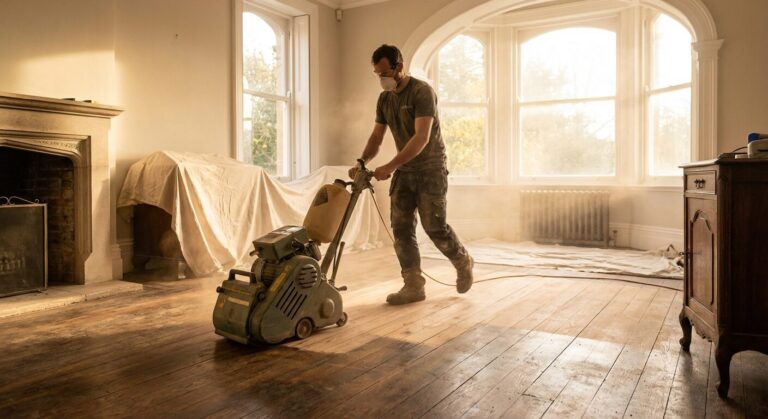
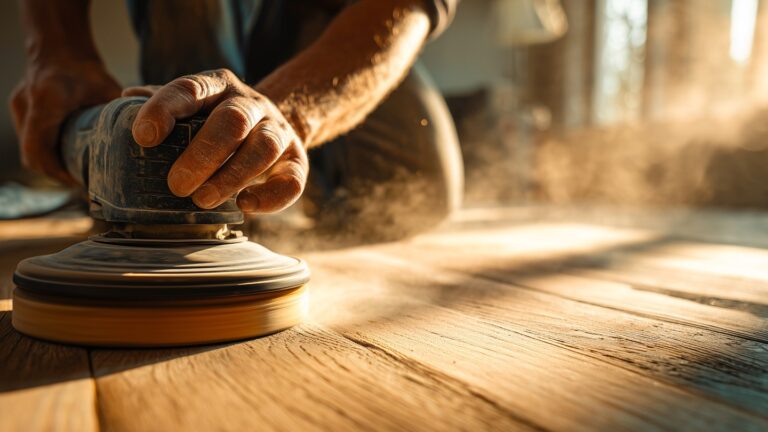
A solid floorboard has roughly five or six full sands in its entire life. An engineered board with a thin wear layer may have one, sometimes none. Every sand you can avoid is one you are keeping in reserve for when the floor genuinely needs it.
That matters most in period property. A Georgian board in Bath or a Victorian board in a Bedminster terrace has already had a century or two of wear and quite possibly a previous sanding. We measure remaining thickness before committing rather than starting and discovering the problem halfway through, because over-sanding cannot be undone — once the nail heads start showing, the floor is finished.
The other common mistake is sanding a damp floor. If boards are cupped, curving up at the edges so the floor feels ridged underfoot, they are holding moisture. Sand them flat while wet and they will dry, flatten, and leave you with every board thin down the middle. Sort the ventilation first and sand afterwards.
Several of our guides cover the rules that apply to floor work, because they catch people out regularly.
Wood dust is classified as hazardous to health, and hardwood dust in particular carries a recognised respiratory risk with prolonged exposure. The Health and Safety Executive publishes guidance on it, and it is the reason we run sealed extraction on every job rather than treating dust control as an optional upgrade.
If you are converting or licensing an HMO, Part E of the Building Regulations sets sound insulation standards between dwellings, and floor treatment forms part of meeting them. The approved documents are published by the government.
In a listed building the original floorboards are usually part of what is protected. Sanding and refinishing rarely needs consent; replacing boards or altering the structure generally does, and unauthorised work is a criminal offence rather than a paperwork slip.
If you have read a guide and are still not sure what your floor needs, send us a photograph. One shot of the room from the doorway and a couple of close-ups of the worst areas tells us most of what we need to know, and we will give you a straight answer whether or not there is a job in it for us.
Call 01823 674562, email info@ryansrestoration.co.uk, or use the form on this page.
This is the decision customers agonise over most, and the honest answer is that it depends on the house rather than on which is objectively better.
A lacquer forms a film across the surface of the timber. It is tough, it resists spills well, and it is the right answer for heavy traffic — rental property, commercial floors, family halls. The trade-off is that when it eventually wears through you cannot patch it invisibly; the whole room needs screening and recoating.
A hard wax oil penetrates into the timber rather than sitting on it. It lets the boards breathe, flexes as they move seasonally, and can be repaired in patches without redoing the room. That makes it the sensible choice in coastal and damp property, in period houses where the boards move, and anywhere you want the grain to look fed rather than glazed.
Sheen matters too. Gloss reflects most light and shows every speck of dust and every ripple in an uneven floor. Satin is what most people end up with. Matt hides marks best and suits modern interiors, though it can read flat in a dark room. We carry sample boards so you can see all three in your own light.
Draughty gaps between boards are the single most common complaint we hear, and the method matters more than people realise.
Timber moves with humidity. Boards shrink in winter when the heating is on and swell again in summer, and wide old boards move further than narrow modern ones. On clay ground and in coastal counties the movement is more pronounced still.
Resin mixed with sanding dust is the quick, cheap option. It goes in fast and on a stable floor it holds. On a floor with real seasonal movement it cracks out within a couple of winters and you pay somebody to do it again.
Timber slivers are the alternative: each one cut to taper, tapped into the gap, planed and sanded flush. Slower, dearer, and they last because the sliver moves with the boards rather than fighting them. On wide Victorian or Georgian boards we will almost always recommend slivers, and we will say plainly that the cheaper route is a false economy even though it means a bigger quote from us.
Most of the damage we are called in to correct was caused by well-meaning cleaning.
The single worst thing you can do to a wood floor is steam-mop it. Steam drives moisture straight through the finish into the boards, which causes cupping and lifts coatings. We see the results regularly and they are expensive.
The second worst is a wet mop. Water sitting on a floor finds the joints between boards and gets underneath. A barely damp mop and a pH-neutral wood floor cleaner is all any floor needs.
Beyond that it is grit management. Almost all wear is caused by grit walked in on shoes acting as sandpaper underfoot. Mats at every outside door, felt pads under furniture legs, and regular sweeping or vacuuming with a hard-floor head will do more for the life of your floor than anything you buy in a bottle.
Then have it buffed every two or three years. Done on that cycle, a floor may never need a full sand again, which is the cheapest way to own one.
Once your floor has been professionally sanded and finished, it is important to take steps to maintain its appearance and durability.

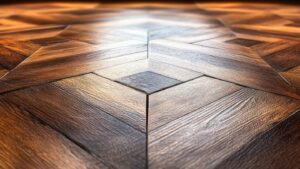
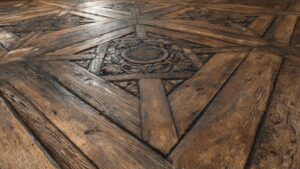
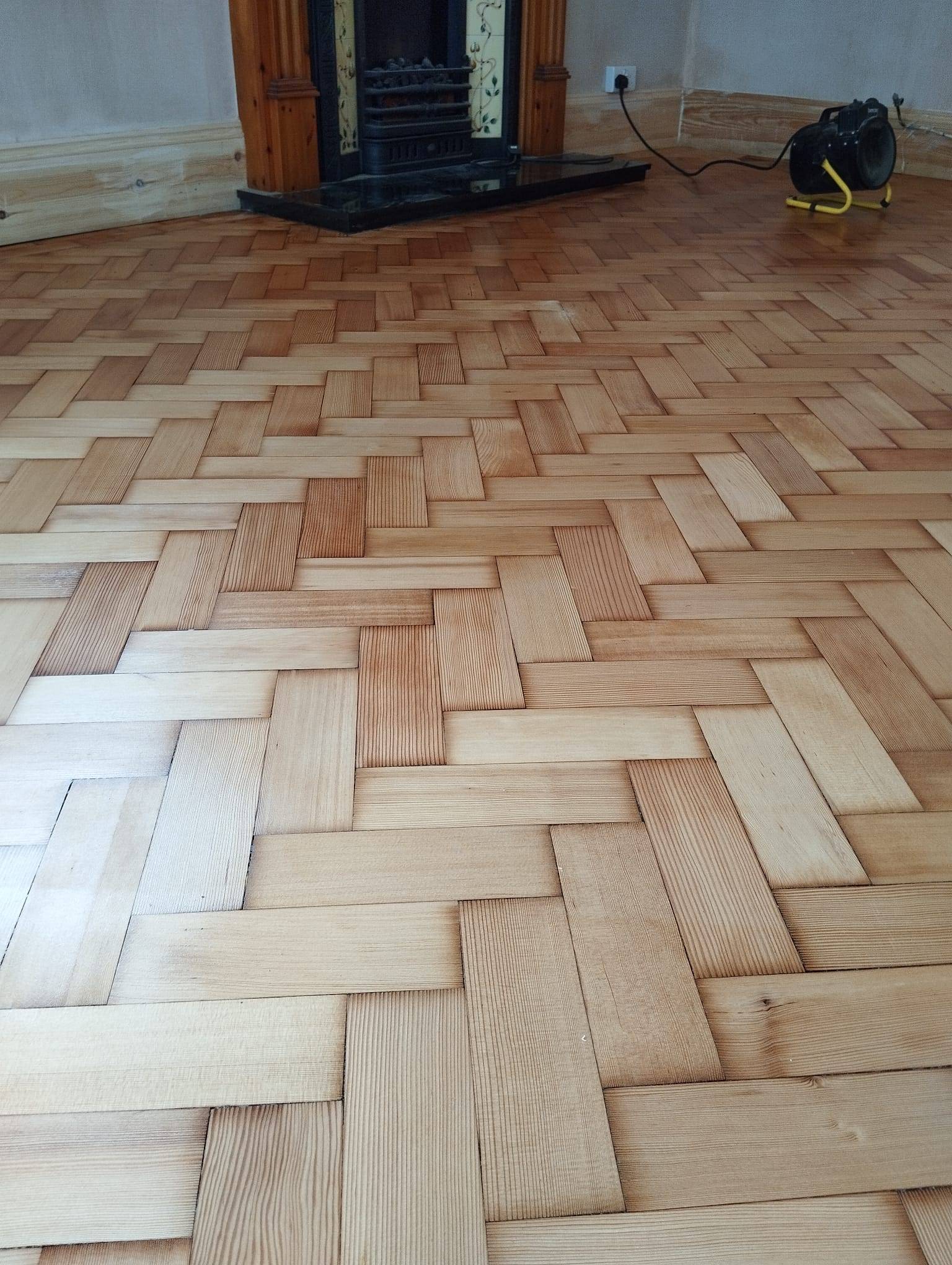
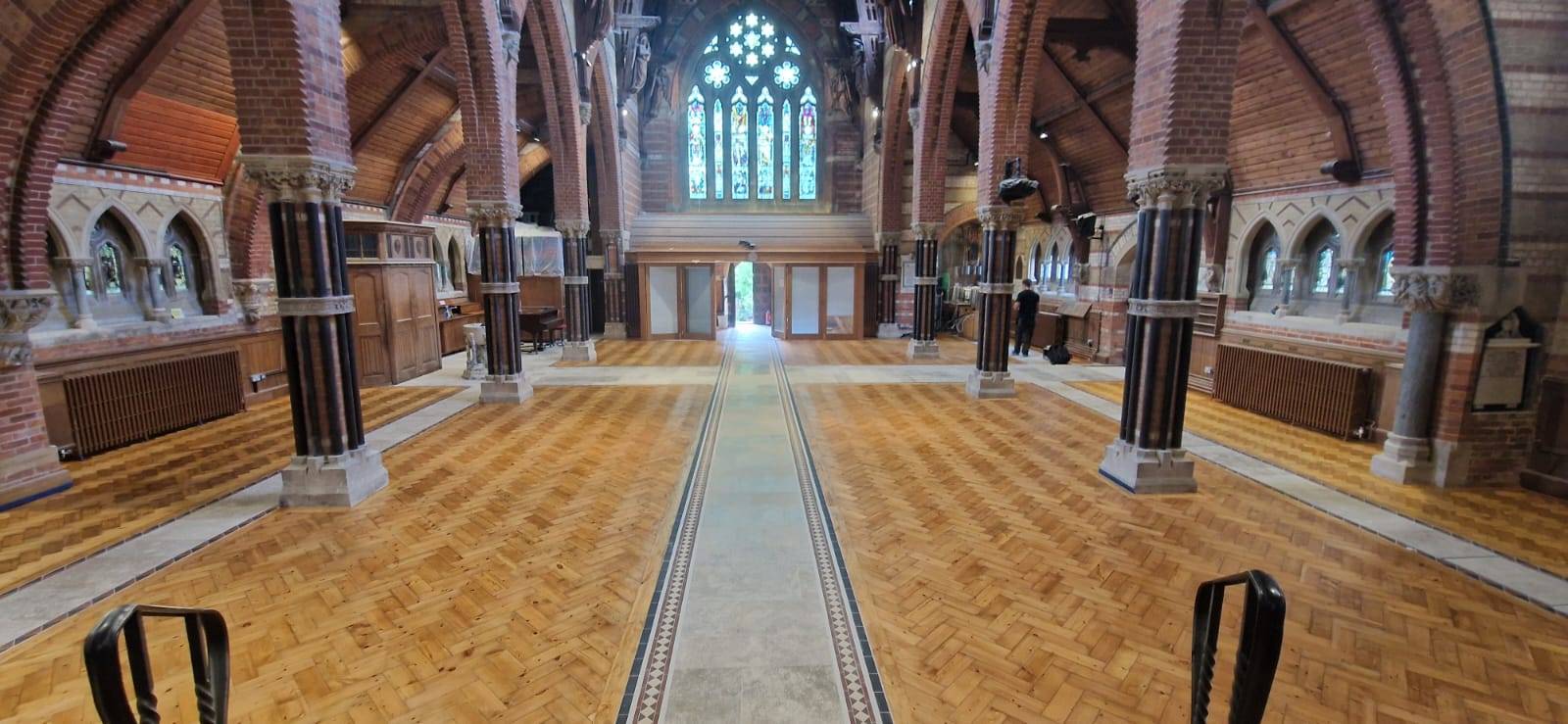
Project Type: Parquet floor restoration in a historic church
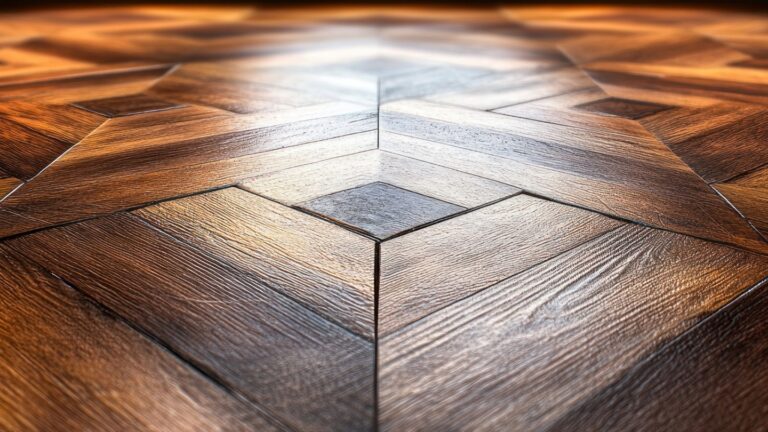
Project Overview: Ryan’s Restoration undertook the comprehensive restoration of the parquet flooring at St Michael & All Angels Church in Lyndhurst. This project involved carefully removing the existing flooring, preparing the subfloor, and expertly reinstalling and refinishing the original parquet to restore its beauty and functionality.
Challenges
Process
Results
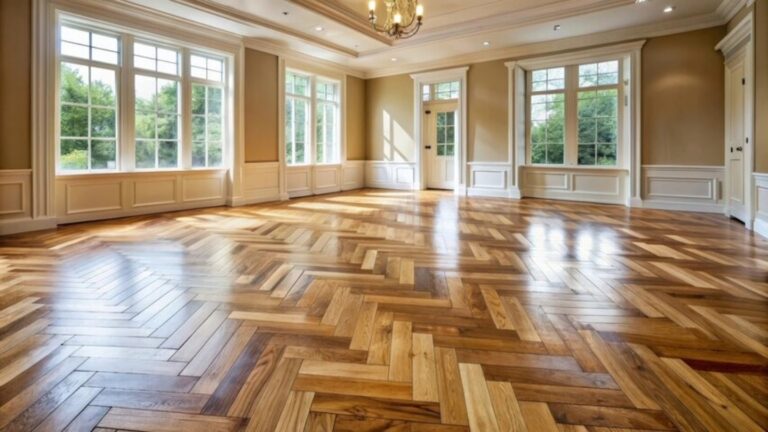
The restored parquet flooring beautifully complements the church’s historic architecture while providing a durable, functional surface. The careful restoration process preserved the floor’s original character while significantly improving its appearance and longevity.
This project showcases Ryan’s Restoration’s expertise in handling delicate restoration work in historic settings. Our team’s attention to detail and commitment to quality craftsmanship ensured a stunning result that will serve the church community for years to come. For expert wood floor restoration services, contact Ryan’s Restoration today.

Once your floor has been professionally sanded and finished, it is important to take steps to maintain its appearance and durability.